Top 8 Castles around Limana
Best castles around Limana are found in a region rich with historical structures, including Venetian Villas and remnants of ancient defensive works. The area, nestled in Italy, offers a glimpse into past eras through its significant historical sites. While not featuring traditional medieval castles in the typical sense, Limana's landscape includes grand villas and archaeological evidence of fortifications, providing diverse historical exploration opportunities.
Best castles around Limana
- The most popular castles is View from the Arch of the Bishop's Castle…
Last updated: June 30, 2026
Castelbrando
Highlight • Castle
Translated by Google •
Tip by

Castrum di Serravalle
Highlight • Castle
Translated by Google •
Tip by

Sign up now to discover places like this
Get recommendations on the best single tracks, peaks, & plenty of other exciting outdoor places.
Sign up for free
San Floriano Tower
Highlight • Castle
Translated by Google •
Tip by

Ruins of Turris Nigra (Black Tower)
Highlight • Historical Site
Translated by Google •
Tip by

View from the Arch of the Bishop's Castle
Highlight • Castle
Translated by Google •
Tip by

Sign up for free to discover even more castles around Limana.
Sign up for free
Already have an account?
Start today with a free account
Your next adventure awaits.
Login or Signup

Tips from the Community

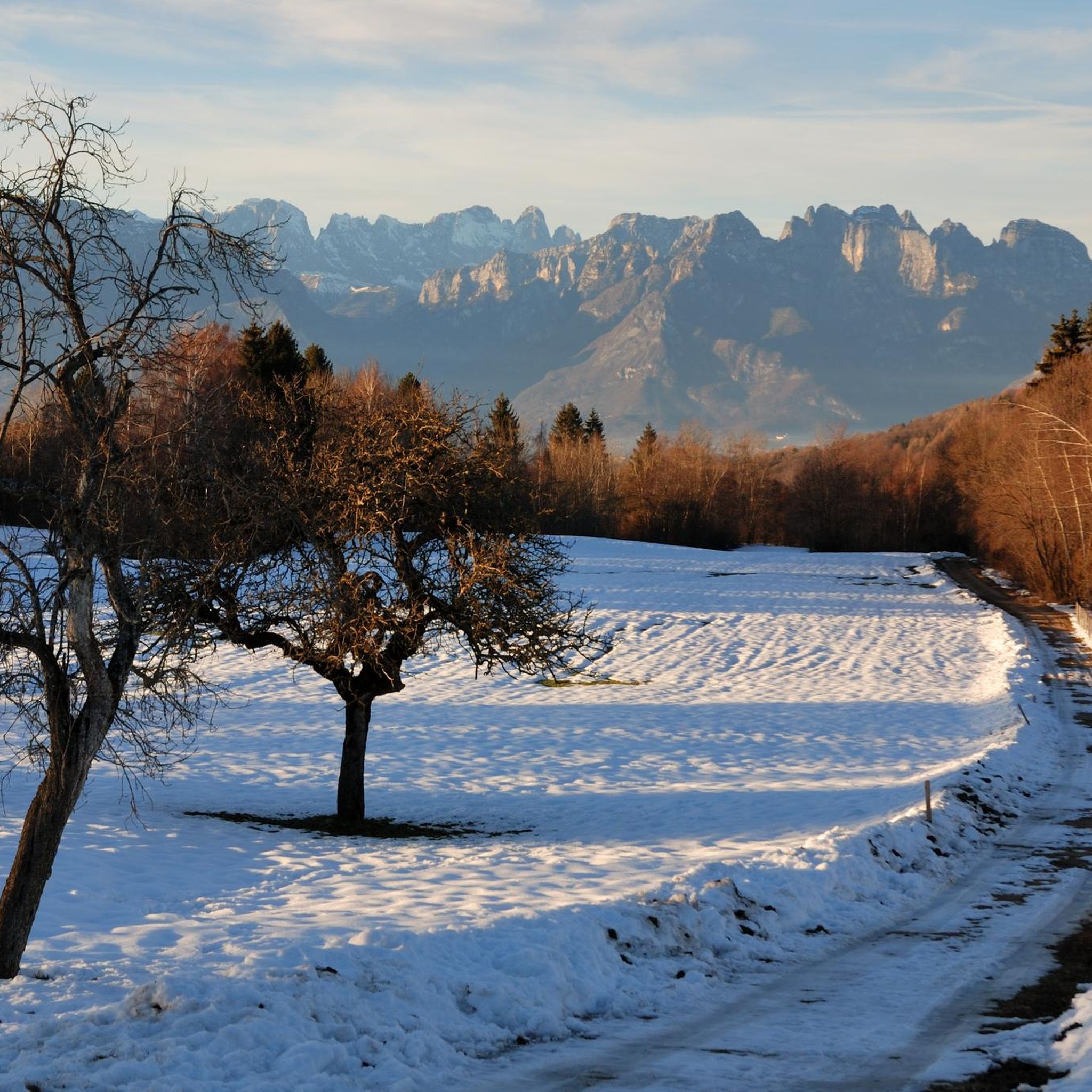
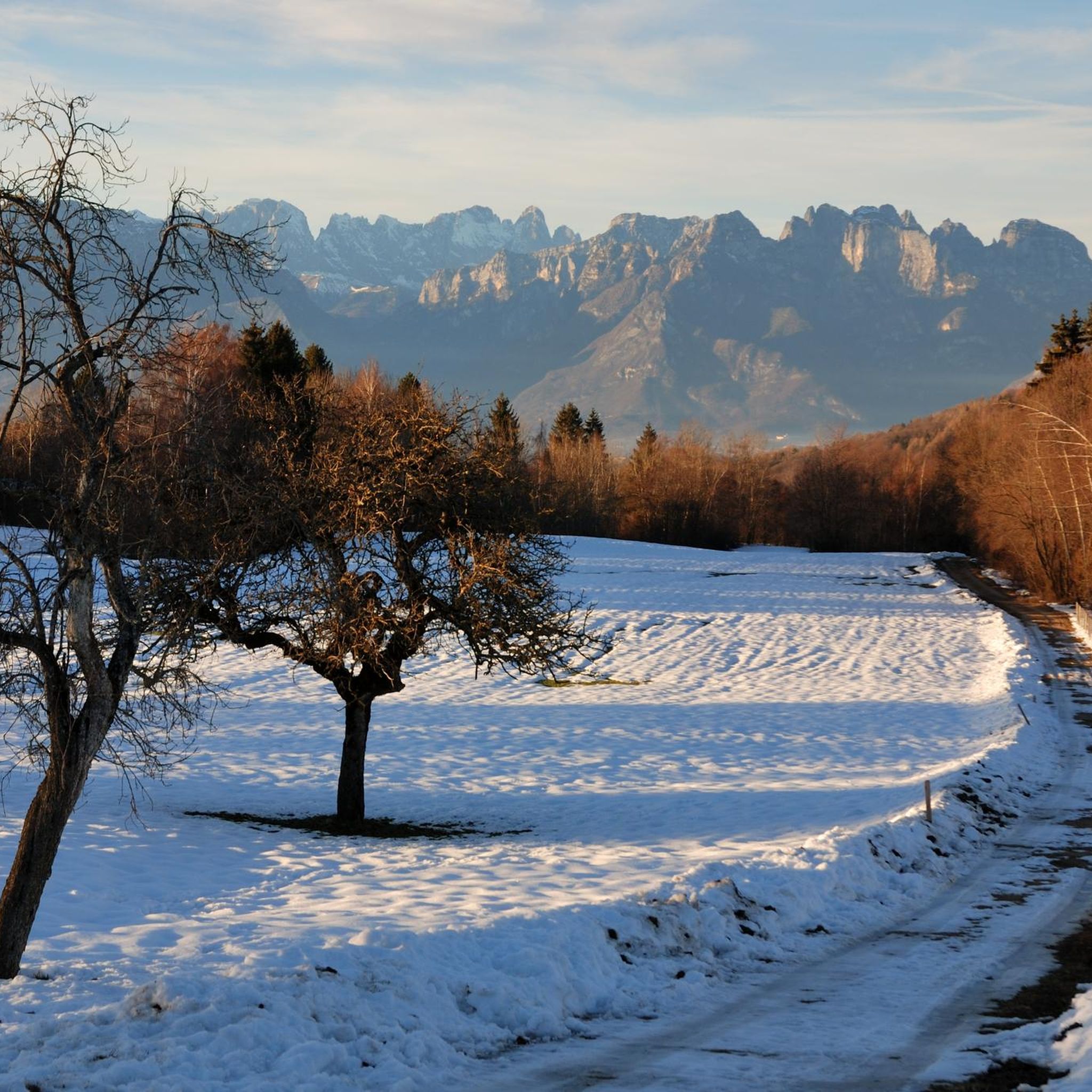
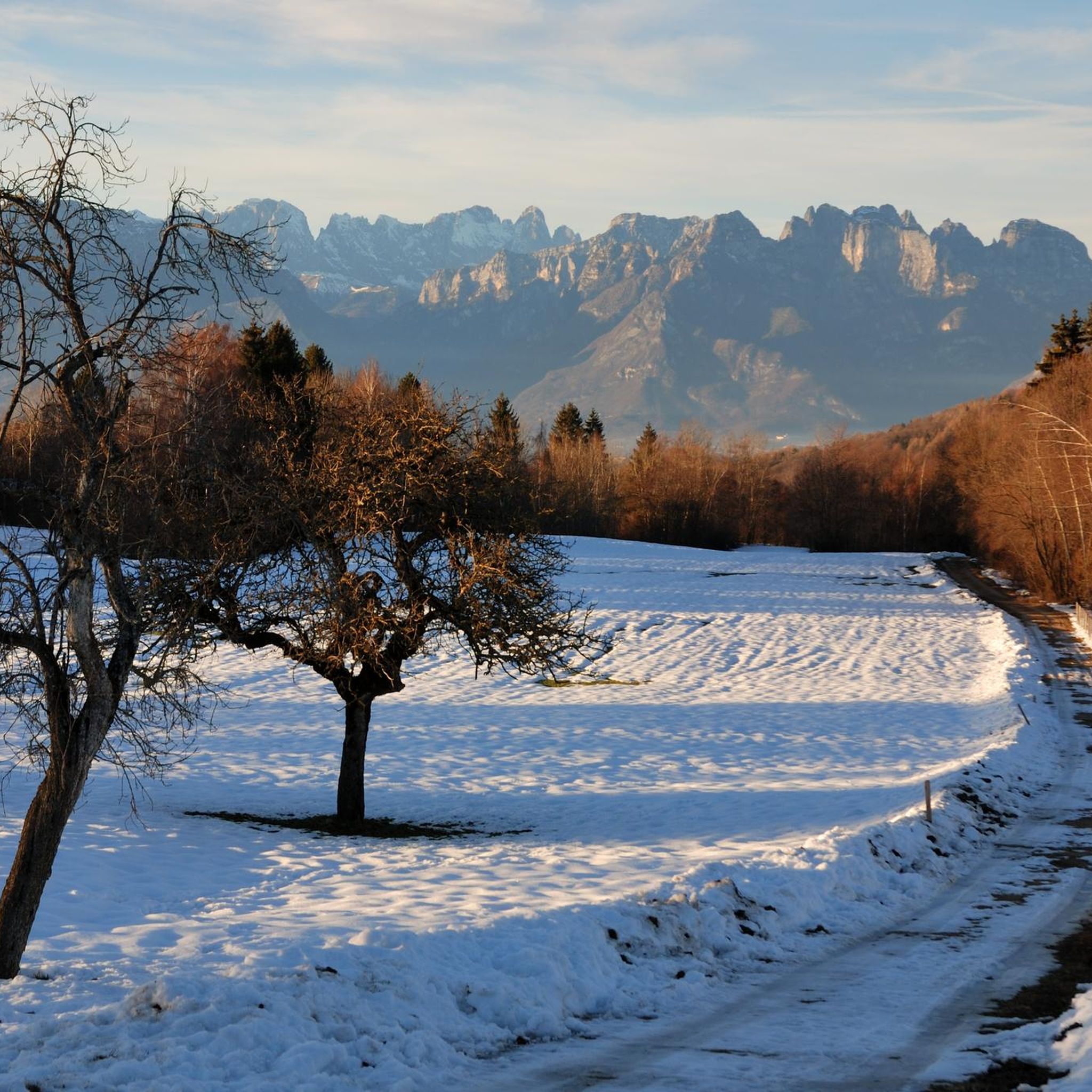
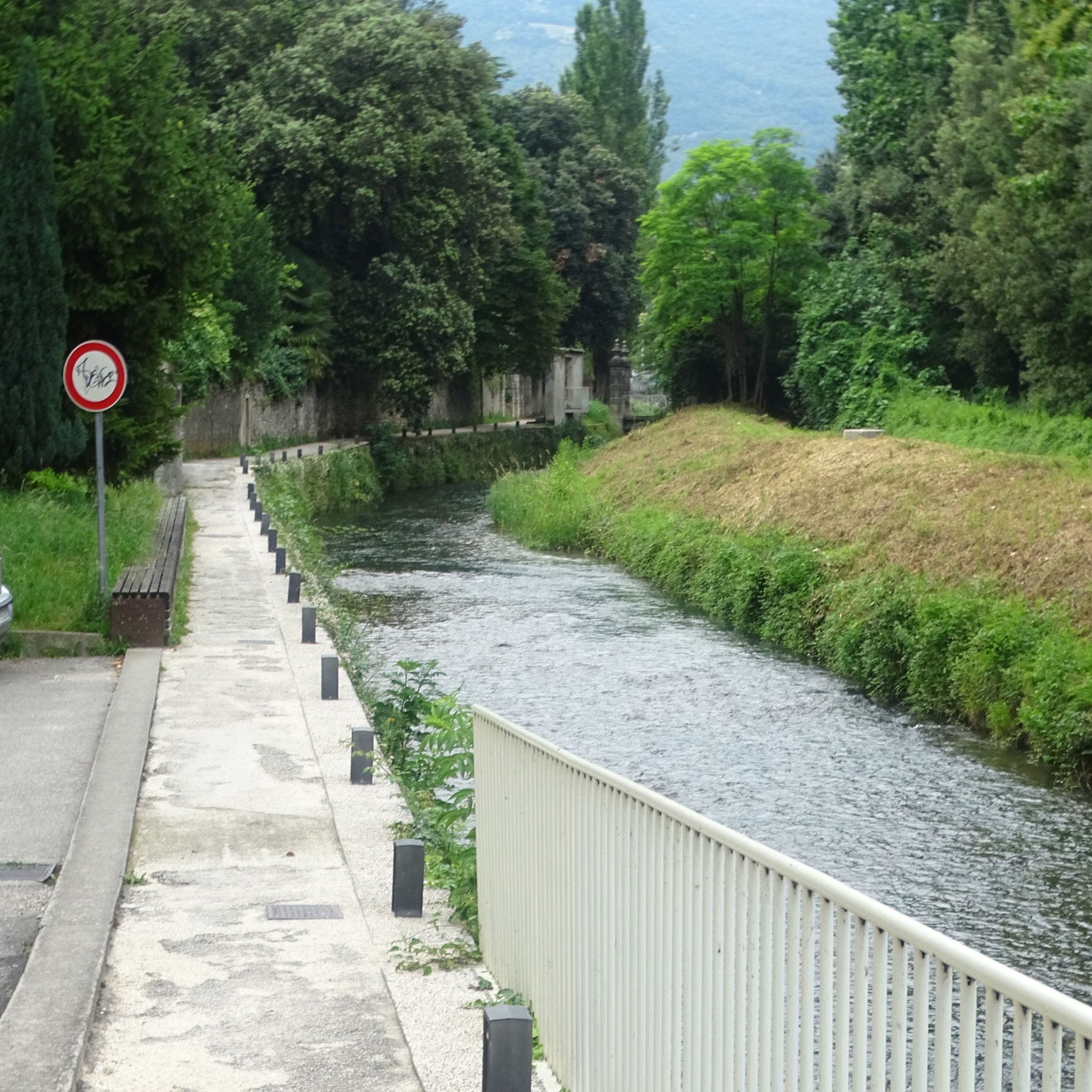
Climbing up the steep path from the parking lot.
0
0

The Castle of San Martino can be reached by a steep climb from Ceneda https://www.magicoveneto.it/trevisan/vittorioveneto/Ceneda_CastelloSanMartino.htm
0
0

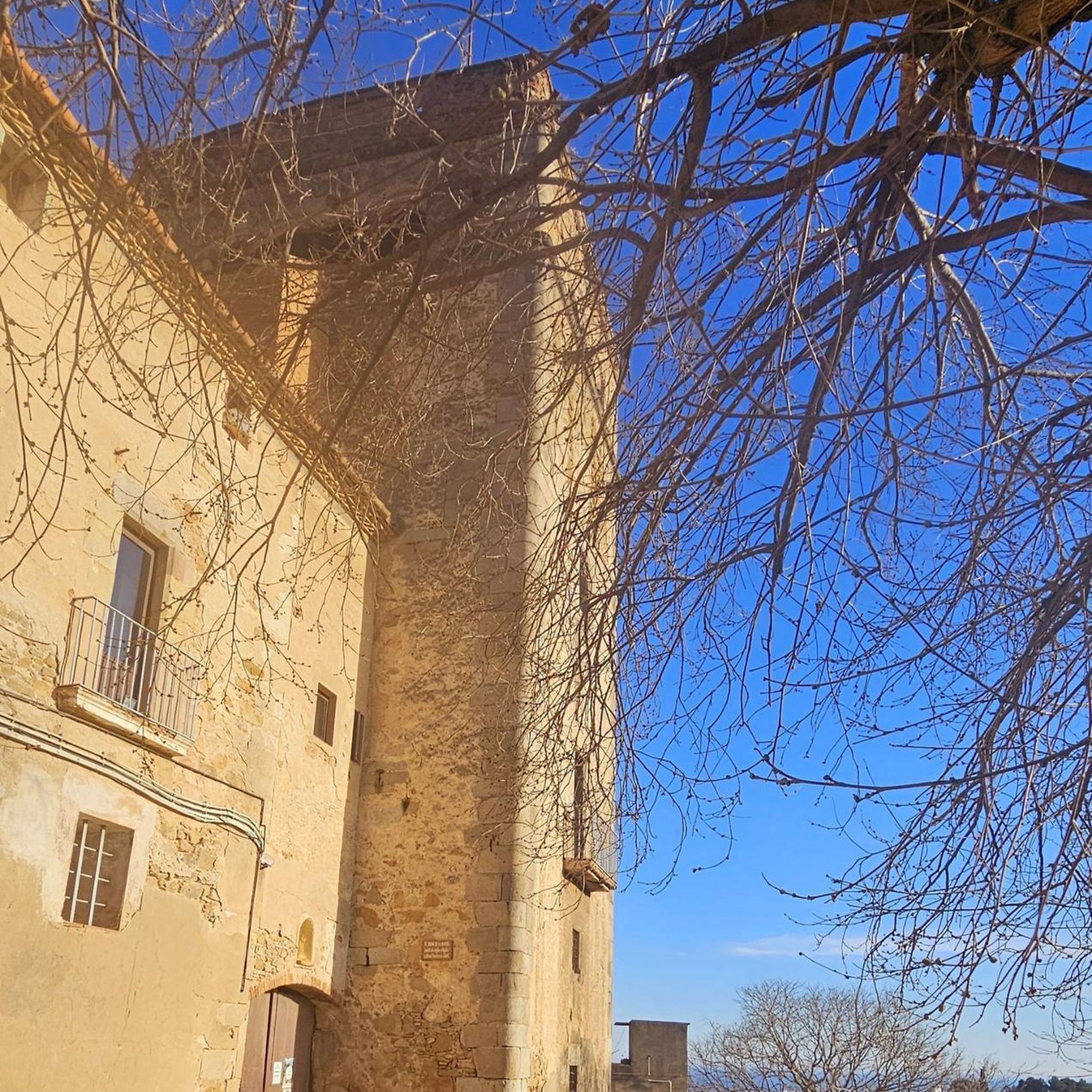
This arch is part of the walls of the Castle of San Martino, also known as the "Bishop's Castle". Originally built for defensive purposes, the castle became over time the official residence of the bishops of Ceneda. Perched on a hill, it dominates the valley below with its tower and historic walls, offering a suggestive panoramic view of the surroundings.
0
0

The Tower of San Floriano is a military construction located in the homonymous hamlet of Vittorio Veneto, in the heart of Val Lapisina. It stands on a hill of artificial origin, on the southern shores of Lake Restello. Tradition dates it back to Roman times, but its appearance is undoubtedly medieval. It is a watchtower which had the task of monitoring the important road that led to Cadore and from there to Tyrol and Germany. It is likely that it also had customs functions.
0
0

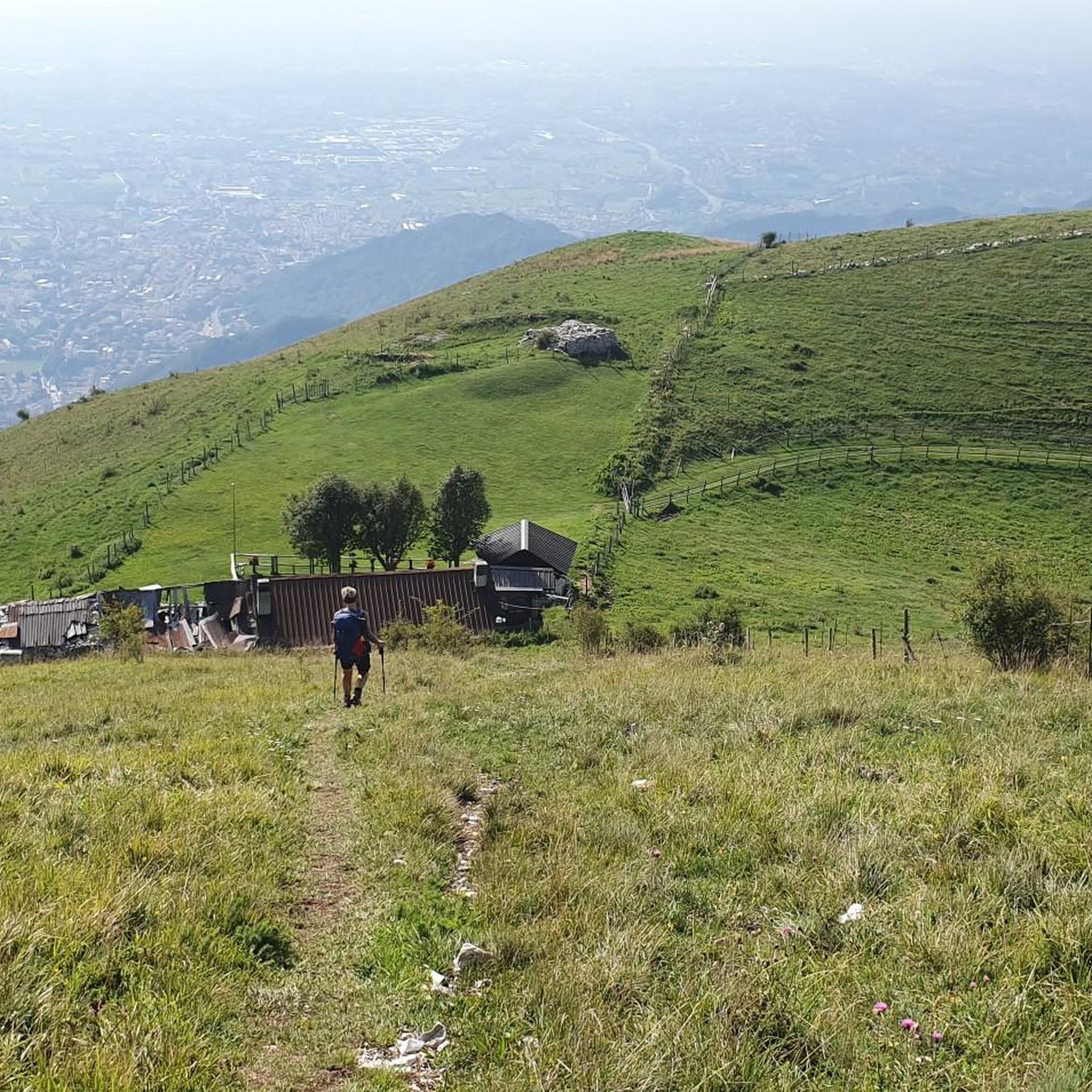
A particularly great lake. It rolled well on this section.
0
1

Castelbrando, a grand medieval castle, sits on a dolomitic limestone rock at an altitude of 370m above sea level, overlooking the villages of Cison di Valmarino and Valmareno. The name is due to the Brandolini family from Forlì, who were the lords of the castle. The castle was originally built in Roman times to protect the Via Claudia Augusta, which connected the Po valley to Rhaetia (modern Austria). The original castrum from 46 AD is still visible. A recent archaeological dig has uncovered a bread oven and the original Roman baths, as well as the original pipes of the aqueduct that supplied water from three nearby natural springs. These springs still provide water for the castle. Later the fortress became an important defensive position against barbarian invasions. During the 13th century the castle was significantly enlarged and the imposing battlements and central tower were added. The castle was awarded by the Republic of Venice to the condottieri Giovanni Brandolino and Erasmo da Narni, better known as "Gattamelata". After the fall of the Venetian Republic it became the property of the Brandolini Counts. In 1700 the castle was expanded with the southern part and the castle chapel, the church of San Martino. During World War I, the castle was invaded by Imperial Austrian troops and used as a military hospital. After 10 years of restoration work, the castle was reopened as a residence in 1929. In 1959, the castle was sold by the Brandolini family to the Salesian Fathers, who used it as a monastery and as a center for spiritual studies. In 1997, CastelBrando was purchased by Quaternary Investments SpA, who transformed it into a 4-star hotel, museum and theater. Visitors can take the cable car to the castle from the village.
1
0

Ruins of an ancient pentagonal tower from the 5th-6th centuries: the Turris Nigra (Black Tower) was the pinnacle of a fortification built on the slopes of Mercatone Hill to control and defend the strategic passage of Serravalle and the Lapisina Valley. Tradition attributes the foundation of the castle and tower to a Gothic tyrant, King Manducco or Matrucco. Manducco's daughter was the future Saint Augusta, martyred by her father when he discovered her conversion to Christianity, whom he persecuted. https://wiki.liceoflaminio.edu.it/index.php?title=Turris_nigra https://www.undicigradi.com/serravalle.htm
2
0

simple track between the castle and the town
0
0
Frequently Asked Questions
What kind of historical sites can I expect to find around Limana?
While Limana doesn't feature traditional medieval castles in the towering sense, the region is rich with significant historical structures. You'll discover grand Venetian Villas, some with historical connections to fortifications, and archaeological evidence of ancient defensive works like medieval watchtowers and fortified villages. The area offers a unique blend of history, art, and culture.
Are there any historical sites directly within Limana itself?
Yes, within Limana, you can explore sites like Villa Piloni in Cesa, a notable Venetian Villa with a rich history and beautiful park. Additionally, a medieval watchtower was discovered during renovations of the current Town Hall (likely Villa Pagani Cesa), indicating Limana's past defensive role. In the hamlet of Giaon, near Madonna Parè, there's also evidence of a fortified village dating back to the 5th century.
What are some of the most notable castles to visit near Limana?
Beyond Limana's immediate vicinity, you can visit impressive sites such as Castelbrando, a grand medieval castle overlooking Cison di Valmarino. Another significant site is the Ruins of Turris Nigra (Black Tower), an ancient pentagonal tower that was part of a fortification controlling the strategic passage of Serravalle.
Can you tell me more about Villa Piloni?
Villa Piloni in Cesa is a prominent Venetian Villa, not a castle in the fortified sense, but a significant historical residence. It features elegant stucco decorations and paintings inside, and its spacious grounds, possibly designed by Alexandre Poiteau, offer pleasant walks, including an evocative hornbeam trail. The villa's unique Maltese Cross layout is linked to the Piloni family's belonging to a prestigious order of knighthood. You can find more information about it on Visit Dolomiti Bellunesi.
Are there any ancient ruins or defensive structures to explore?
Yes, the area offers several ancient defensive structures. The Ruins of Turris Nigra (Black Tower), dating from the 5th-6th centuries, are a key example of a fortification built to defend the Serravalle passage. Additionally, within Limana, a medieval watchtower was discovered at the Town Hall, and the fortified village near Madonna Parè in Giaon provides insight into early medieval defensive strategies.
What outdoor activities can I do near these historical sites?
The region around Limana offers various outdoor activities. You can find numerous cycling routes, such as the 'Passo di Praderadego – Praderadego Pass loop' or the 'Villa Piloni, Cesa di Limana – Cavassico Fountain loop'. For road cycling, options like the 'Vajont Gorge and Waterfall – Vajont Dam Memorial loop' are available. There are also running trails, including the 'Pizzeria Pieve di Limana – Cesa Cycle Path loop'. You can explore more routes in the Cycling around Limana, Road Cycling Routes around Limana, and Running Trails around Limana guides.
Are there family-friendly historical sites or activities around Limana?
Many of the historical sites, especially the Venetian Villas like Villa Piloni with its extensive park, can be enjoyable for families. The archaeological site of the fortified village near Madonna Parè offers an educational glimpse into ancient history. While specific 'family-friendly' categories aren't listed for all sites, the general appeal of exploring historical architecture and natural surroundings can be suitable for all ages.
What is the best time of year to visit the historical sites near Limana?
The best time to visit the historical sites and enjoy outdoor activities around Limana is generally during spring (April-June) and autumn (September-October). During these seasons, the weather is pleasant for exploring, and the natural scenery is particularly beautiful. Summer can also be good, but it might be warmer and more crowded.
Are there any viewpoints offering panoramic views of the region?
Yes, several sites offer excellent views. The View from the Arch of the Bishop's Castle, part of the Castle of San Martino, provides a suggestive panoramic view of the valley below from its tower and historic walls. Castelbrando also sits on a dolomitic limestone rock, offering commanding views of the surrounding villages and landscape.
What do visitors enjoy most about the historical sites around Limana?
Visitors appreciate the rich tapestry of history, art, and culture offered by the region's unique historical sites. The blend of grand Venetian Villas, ancient defensive ruins, and the picturesque natural surroundings makes for a diverse exploration. The komoot community has shown its appreciation with 43 upvotes and 26 photos shared, highlighting the scenic beauty and historical significance of these locations.
Are there any historical sites that were part of ancient Roman defenses?
Yes, the region has strong ties to Roman history. Castelbrando, for instance, was originally built in Roman times to protect the Via Claudia Augusta. The original castrum from 46 AD is still visible, and archaeological digs have uncovered Roman baths and aqueduct pipes. Similarly, Castrum di Serravalle also dates back to Roman times, serving as a vital point for controlling goods and communication routes.
Can I find cafes or restaurants near these historical sites?
While specific cafes or restaurants are not detailed for every single site, many historical locations, especially those in or near towns like Castelbrando (which operates as a hotel, museum, and theater), often have amenities nearby. For other sites, it's advisable to check local amenities in the closest villages or towns like Limana itself, which offers various options.
Most popular routes around Limana
Most popular attractions around Limana

Get inspired with the komoot mobile app


Explore more
Looking for the best castles somewhere else? Discover other guides around Limana:
