Top 7 Caves around Fonzaso
Caves around Fonzaso, a municipality in the Belluno area of Italy, offer a blend of natural beauty and historical significance. The region features diverse geological formations, from true caves to notable rock shelters. These natural features provide opportunities for exploration and offer insights into the area's past. Visitors can find a variety of cave experiences, from easily accessible sites to more challenging speleological explorations.
Best caves around Fonzaso
- The most popular caves is Grotta dell'acqua nera, a cave that…
Last updated: October 3, 2026
Grotta dell'acqua nera
Highlight • Cave
Translated by Google •
Tip by

Bus de la Bela
Highlight • Cave
Translated by Google •
Tip by

Sign up now to discover places like this
Get recommendations on the best single tracks, peaks, & plenty of other exciting outdoor places.
Castello Tesino Caves
Highlight • Cave
Translated by Google •
Tip by

Old Road of the Cismon Gorge
Highlight • Gorge
Translated by Google •
Tip by

Ernesto Cave
Highlight • Cave
Translated by Google •
Tip by

Sign up for free to discover even more caves around Fonzaso.
Already have an account?
Start today with a free account
Your next adventure awaits.
Tips from the Community

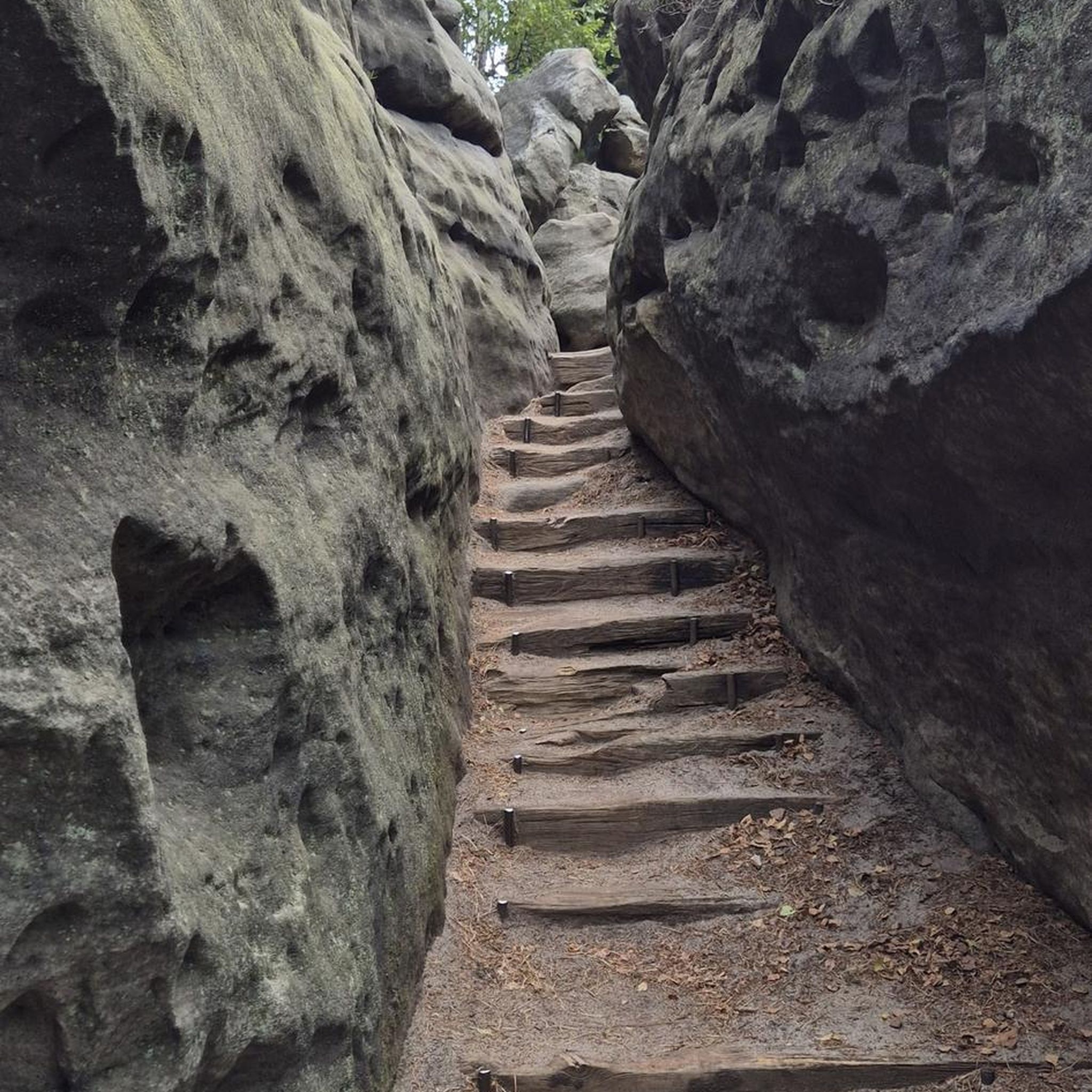
Cave discovered in 1927, named in the local dialect Bus de la Lora, it is explored for about 450 meters. It was a refuge for the cave bear according to studies carried out.
0
0

Suggestive place: with little sun!
0
0

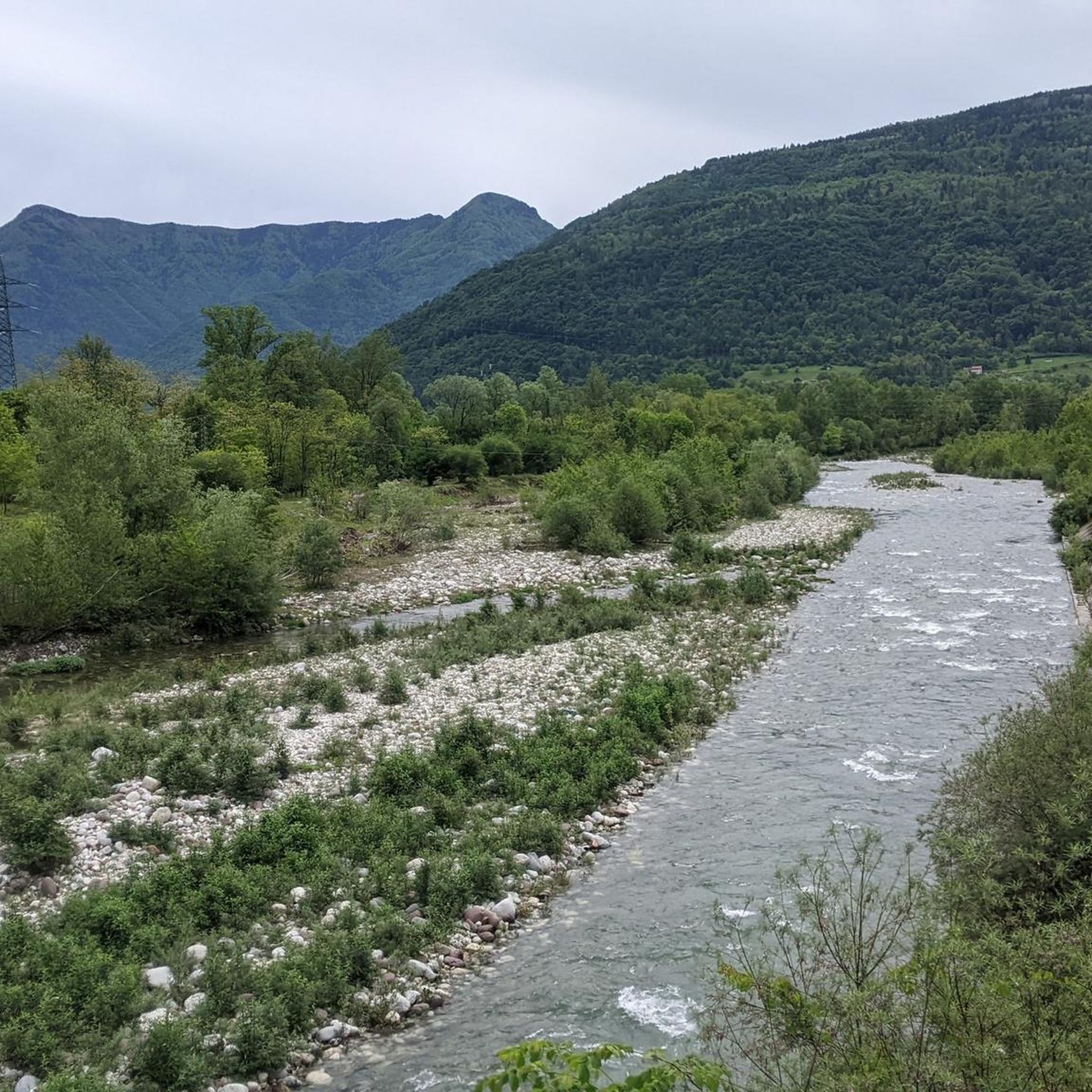
The large entrance hall of this cave conceals a deep, dark mouth, filled by an underground stream that is always well-fed, even in dry periods. This is the entrance—reserved for cave divers—to a vast and intricate network of cavities deep within the mountain. The water is actually clear, and it is thought that the name derives from the dark moss-covered floor, over which the stream flows before flowing into the Senaiga. Due to the cave's complex morphology and technical difficulties, exploration began only in the 1970s, and so far, cave divers have discovered a 1,600-meter stretch of siphons and difficult passages. In the 1930s, dye injections proved that this cave communicates with the Castello Tesino Caves, a few kilometers away. Furthermore, an examination of the fine sand found inside, rich in granite crystals, testifies to a significant contribution of water coming from the Cima d'Asta group, much higher and much more distant!
2
0
This large cave has various names: Bus de la Bela, Bus de la Vecia, Bus de la Tosa, Grotta di San Donato, and Grotta dell'Orso. The skeleton of an Ursus Spalaeus (Cave Bear) was found there, a prehistoric animal of imposing size that surpassed that of today's grizzly bear: 3.5 meters (standing) and weighing almost 1 ton. Three explanatory panels at the entrance tell its story. The skeleton is visible free of charge at the Lamon Town Hall. The remains of this mammal have been found in numerous caves across Europe, an environment they used as a dwelling and for hibernation. They often competed with prehistoric humans for ownership of the cave, and one theory suggests they became extinct precisely because of predation by our ancestors. In ancient times, the bones found were attributed to dragons or griffins! Opposite the cave, climbing a short, exposed ramp equipped with a cable leads to a beautiful waterfall. https://it.wikipedia.org/wiki/Ursus_spelaeus
0
0
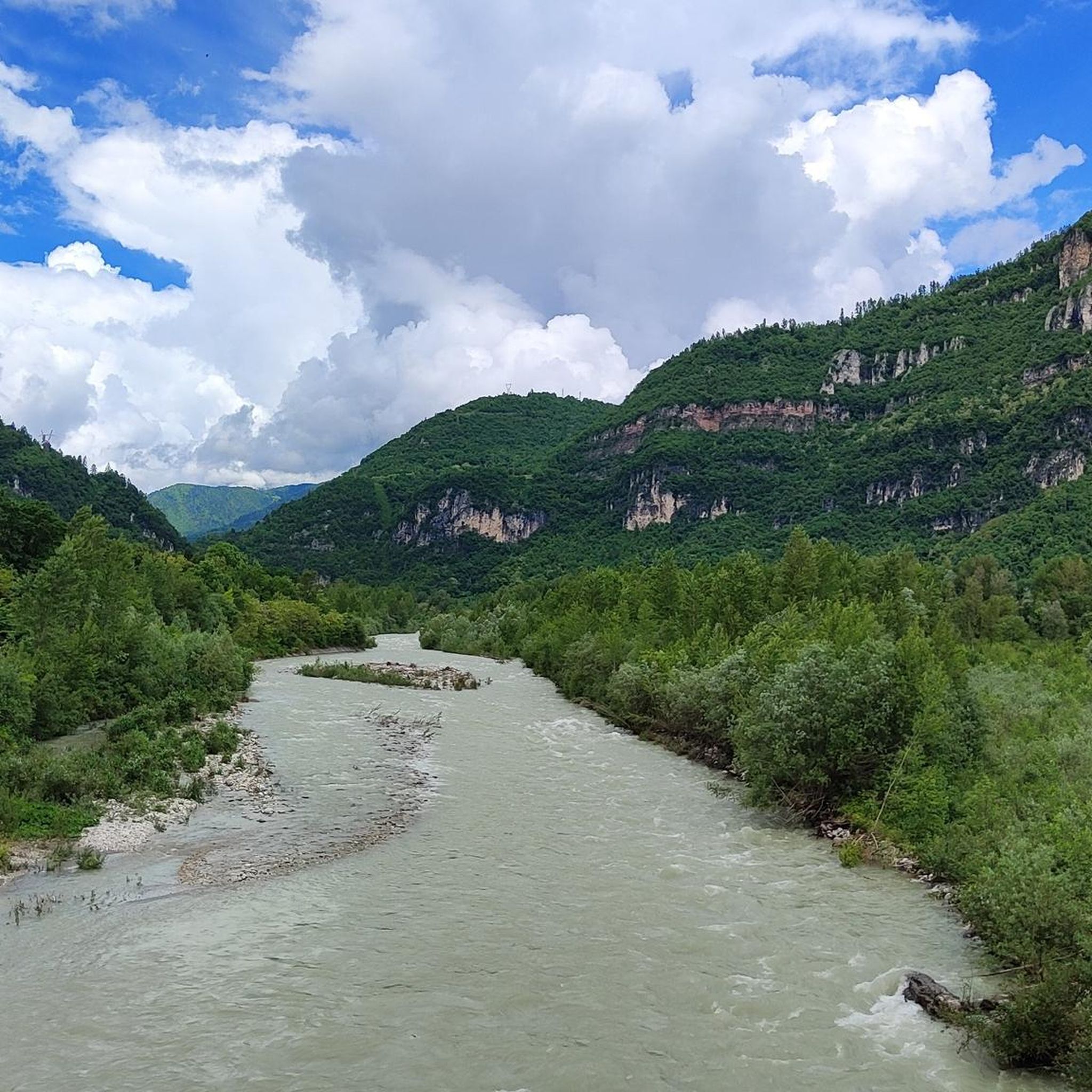
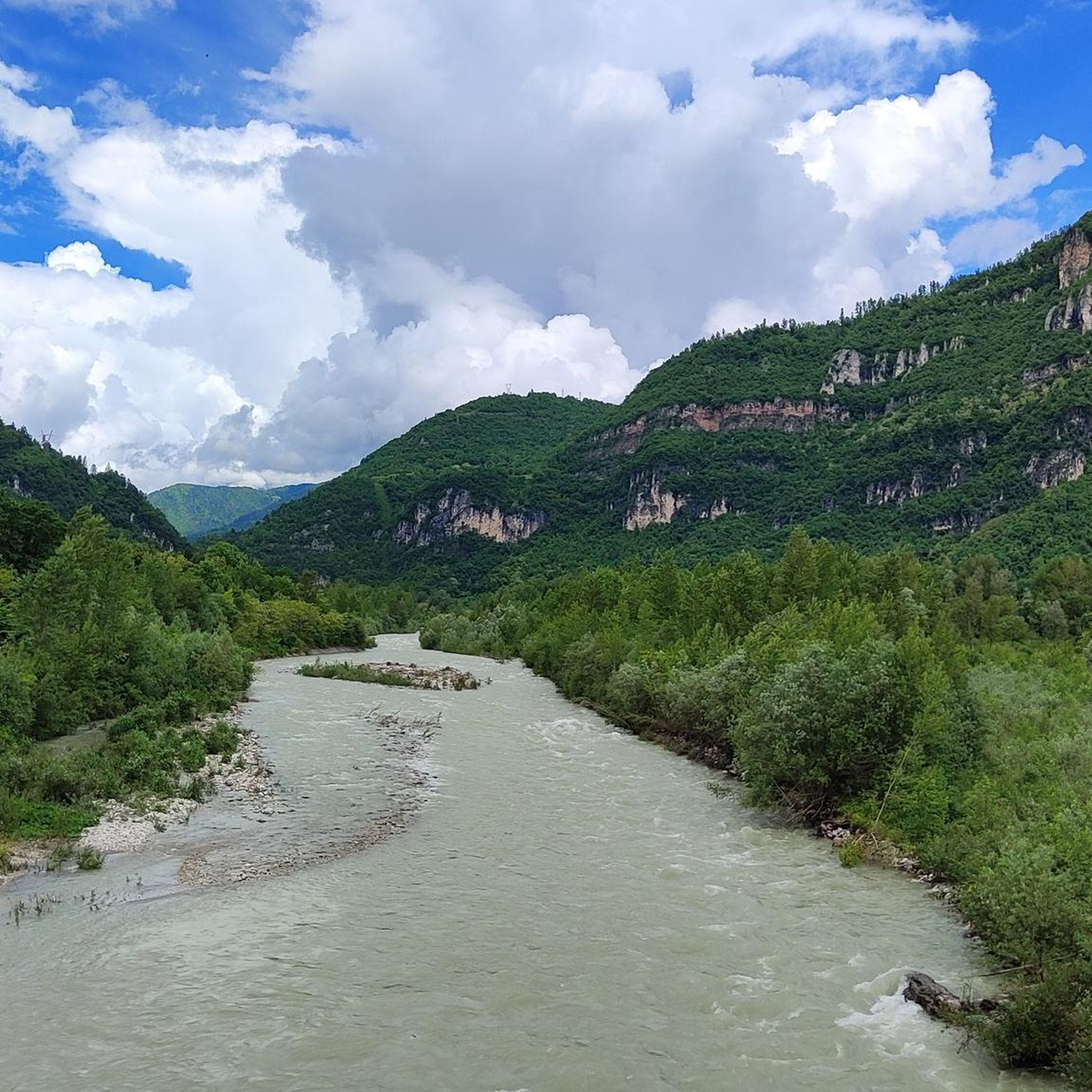
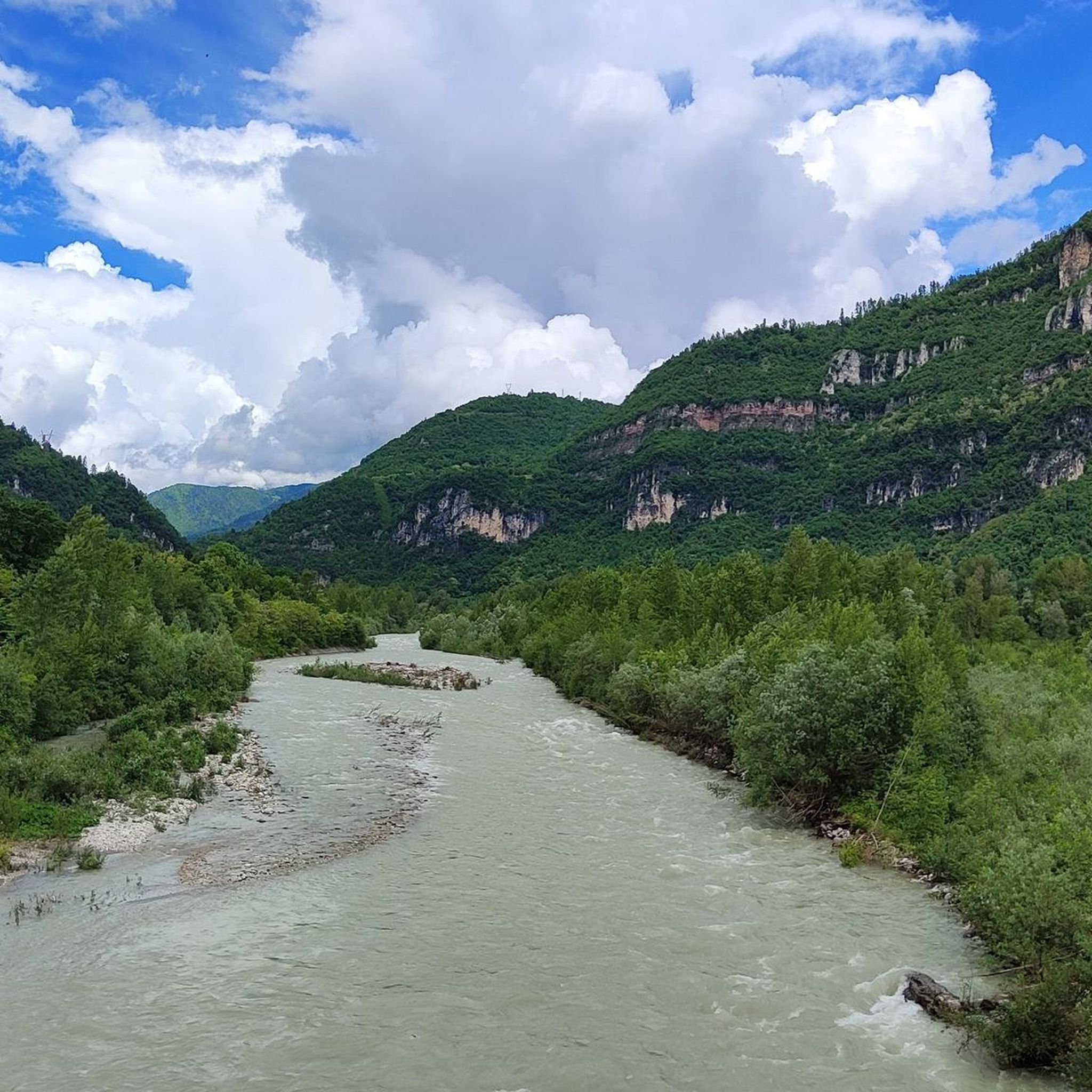
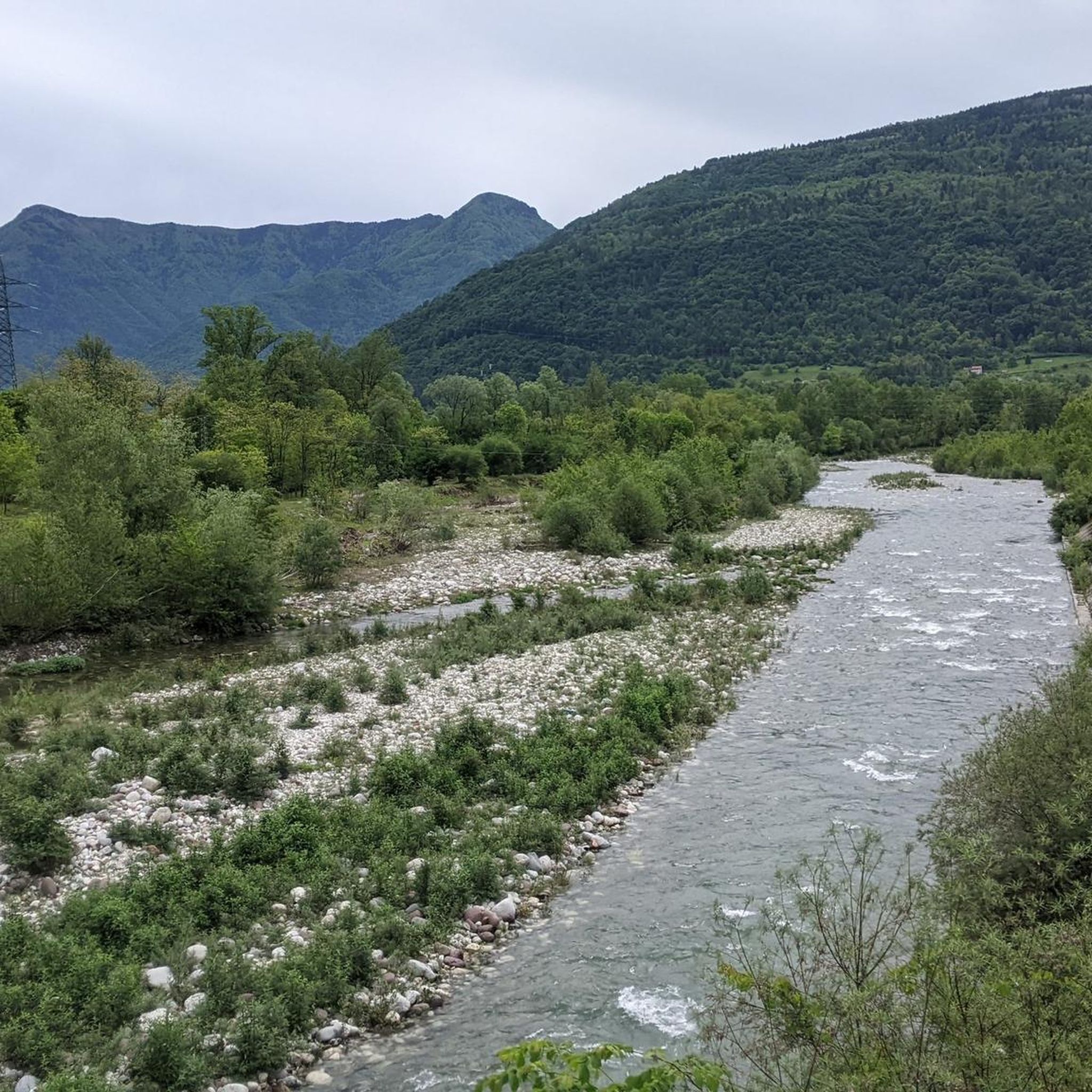
Road that overlooks a deep gorge of the Cismon torrent. The old asphalt road is currently closed for works and it is very difficult to cross the torrent on the dam wall
0
1

Old road that runs alongside the infamous "strada statale 50 del Grappa e del Passo Rolle" and reaches the border with Trentino-Alto Adige. It is one of the most well-known and appreciated mountain roads in the Alps, especially for the suggestive scenarios and natural landscapes in which its route winds.
3
0

Discovered in the early twentieth century and studied throughout the century, the so-called Castello Tesino cave is located at an altitude of 960 metres. It is the only cave in Trentino equipped for tourist visits and stands on the right bank of the Senaiga stream. A karst cavity characterized by tunnels, arabesques, stalactites and stalagmites formed over the millennia, it offers a wonderful experience to those wishing to take part in the guided tours, which normally run from April to October.
0
0
Important discovery occurred in 1983 by a boy from the area. Evidence of use of the cave by primitive settlements has been found, with evidence of many finds. The link below describes the studies carried out by the Tridentine Museum of Natural Sciences https://apsat.mpasol.it/biblio/uploadedfiles/Awsiuk%20R.,%20Bartolomei%20G.,%20Cattani%20L.,%20Cavallo%20C.,%20Dalmeri%20G.,%20d'Errico%20F. ,%20Giacobini%20G.,%20Girod%20A.,%20Hercman%20H.%201994,%20La%20Grotta%20d%E2%80%99Ernesto%20(Trento).pdf
4
0
Frequently Asked Questions
What types of caves can I explore around Fonzaso?
The Fonzaso area offers a diverse range of cave experiences, from natural geological formations to significant rock shelters and historical sites. You can find deep karstic caves, caves with paleontological importance, and rock niches with historical and religious significance.
Are there any easily accessible caves for casual visitors in Fonzaso?
Yes, the Bus de Refos Cave is relatively easy to reach, requiring about a 20-minute walk from a parking area. It's a large karstic cavern where the Lastego torrent emerges, offering an impressive natural sight suitable for casual hikers and families. The Covolo di San Micel, a significant rock niche, is also easily accessible via a pleasant twenty-minute walk from Fonzaso town center.
Which caves around Fonzaso are suitable for families?
For families, the Covolo di San Micel offers an accessible walk and panoramic views, combining history with natural beauty. The Bus de Refos Cave is also a good option due to its easy accessibility and impressive natural features, making it suitable for a family outing.
What are the most challenging caves for experienced cavers near Fonzaso?
The Grotta dell'Acqua Nera is considered an advanced cave, requiring vertical access and being suitable for experienced cave divers due to its complex morphology and technical difficulties. It features a vast and intricate network of cavities deep within the mountain.
Can I find caves with historical or archaeological significance in the Fonzaso area?
Yes, the Ernesto Cave is a significant archaeological site where evidence of primitive settlements and numerous finds have been discovered. Additionally, the Covolo di San Micel, while not a traditional deep cave, is a historical rock niche that served as a lookout point and religious site for centuries.
Are there caves around Fonzaso known for their paleontological discoveries?
Absolutely. The Bus de la Bela is notable for the discovery of remains of *Ursus spelaeus* (Cave Bear), dating back to the Middle and Late Pleistocene epochs. Skeletal remains found in the Grotta dell'Acqua Nera are also exhibited in local museums.
What kind of geological features can I expect to see in Fonzaso's caves?
You can expect to see karstic formations, such as the large cavern of Bus de Refos Cave where a torrent emerges. The Grotta dell'Acqua Nera features an impressive 'bottomless chasm' and an intricate network of underground passages. The surrounding landscape is often characterized by Grey Limestone with vertical, rugged walls due to karstic erosion.
What outdoor activities can I combine with a visit to the Fonzaso caves?
The Fonzaso area offers various outdoor activities. You can find mountain hikes, road cycling routes, and running trails. For example, you can explore mountain hikes around Fonzaso, road cycling routes around Fonzaso, or running trails around Fonzaso. Many cave visits can be integrated into longer hiking itineraries, often including nearby waterfalls like Salton.
Is there a good time of year to visit the caves around Fonzaso?
While specific seasonal recommendations for all caves are not available, generally, spring and autumn offer pleasant weather for hiking and exploring the outdoor areas around the caves. Some caves, like Bus de Refos Cave, are particularly impressive during rainy periods when the torrent flows strongly.
What should I wear or bring when visiting caves in Fonzaso?
For easily accessible caves or rock shelters like Covolo di San Micel, comfortable walking shoes are sufficient. For deeper or more adventurous caves, appropriate caving gear, including helmets, headlamps, and sturdy footwear, is essential. Always check specific requirements for each cave, especially for technical explorations like the Grotta dell'Acqua Nera.
How long does it typically take to explore the caves around Fonzaso?
Exploration times vary significantly. A visit to the Covolo di San Micel might take about an hour including the walk. Easily accessible caves like Bus de Refos Cave could be a short visit of 30-60 minutes once you reach the entrance. More complex caves or those requiring technical skills, such as the Grotta dell'Acqua Nera, can involve multi-hour or even multi-day expeditions for experienced cavers.
Where can I find panoramic views near the Fonzaso caves?
The Covolo di San Micel, a prominent rock niche overlooking Fonzaso, offers fantastic panoramic views of the entire Fonzaso basin. It's a great spot to appreciate the natural landscape of the region after a short walk.
Most popular routes around Fonzaso
Most popular attractions around Fonzaso

Get inspired with the komoot mobile app


Explore more
Extend your search for the best caves by checking out these guides of the top ones around Fonzaso:
