Top 7 Castles around Follina
Best castles around Follina are found in the charming Prosecco Hills of Veneto, Italy, a UNESCO World Heritage site known for its picturesque landscapes. While Follina itself is centered around the Cistercian Abbey of Santa Maria, the surrounding area features historical fortified structures and elegant stately homes. These sites offer insights into the region's rich past, blending architectural significance with natural beauty. Visitors can explore a variety of historical buildings and castle-like structures that reflect centuries of history.
Best castles…
Last updated: May 18, 2026
Castello di San Salvatore (Susegana)
Highlight • Castle
Translated by Google •
Tip by

Collalto Castle
Highlight • Castle
Translated by Google •
Tip by

Sign up now to discover places like this
Get recommendations on the best single tracks, peaks, & plenty of other exciting outdoor places.
Sign up for free
Castelbrando
Highlight • Castle
Translated by Google •
Tip by

Cison di Valmarino
Highlight • Settlement
Translated by Google •
Tip by

View of the Torri di Credazzo
Highlight • Viewpoint
Translated by Google •
Tip by

Sign up for free to discover even more castles around Follina.
Sign up for free
Already have an account?
Start today with a free account
Your next adventure awaits.
Login or Signup



Tips from the Community

Climbing up the steep path from the parking lot.
0
0

A very evocative place. Inside there is a church and in the adjacent building a beautiful nativity scene has been set up (Christmas 2025).
0
0

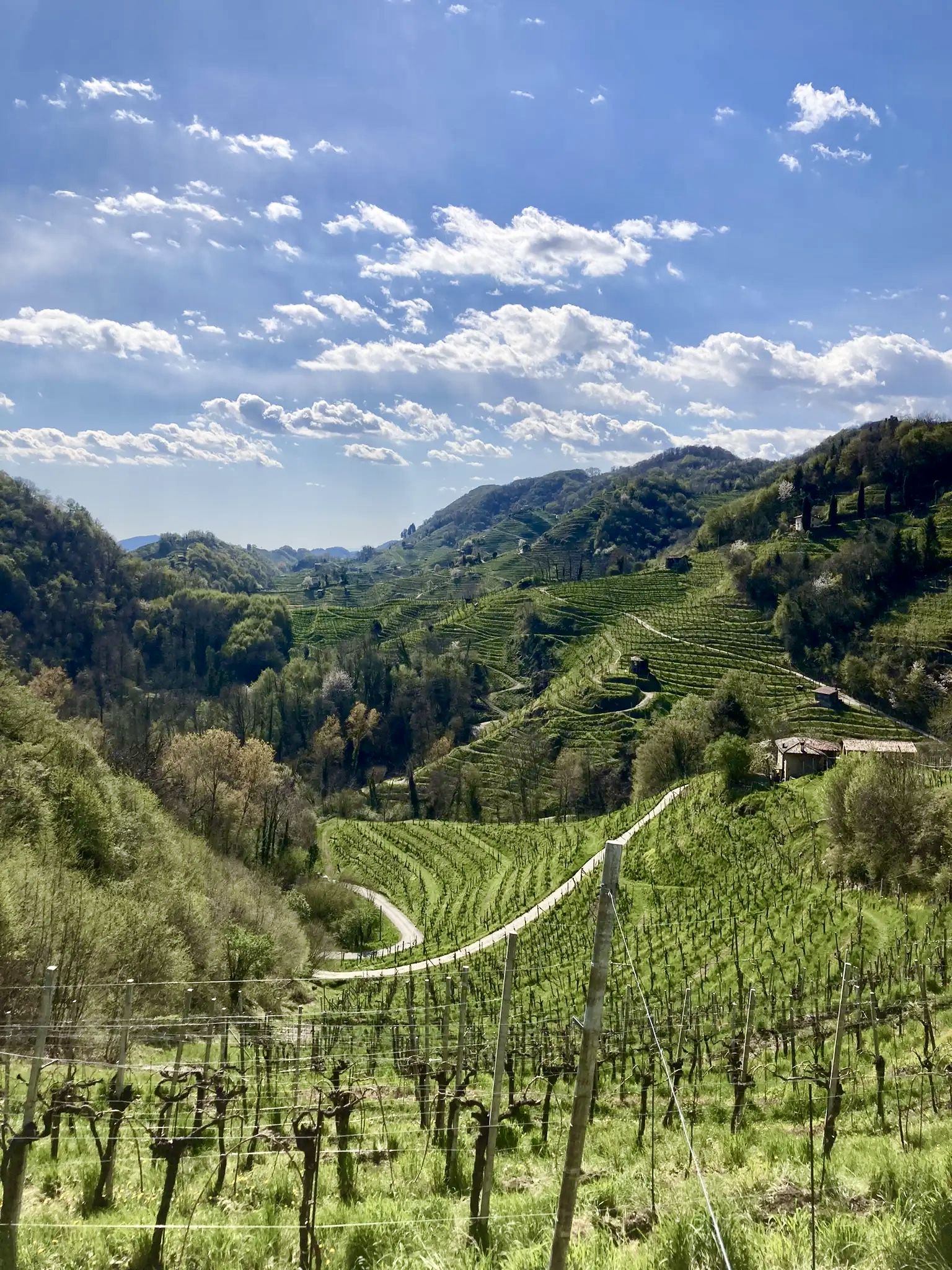
unique landscape to observe
0
0

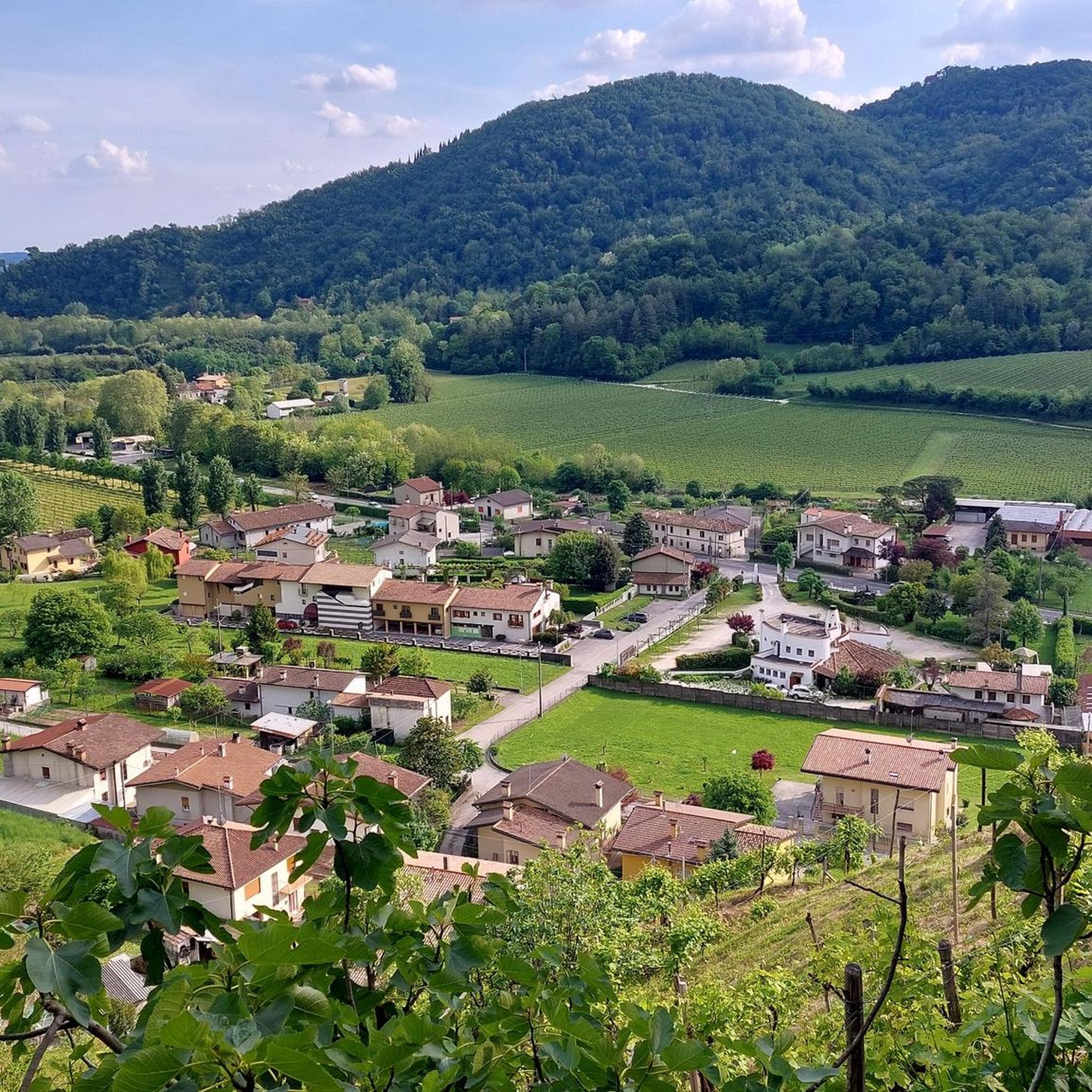
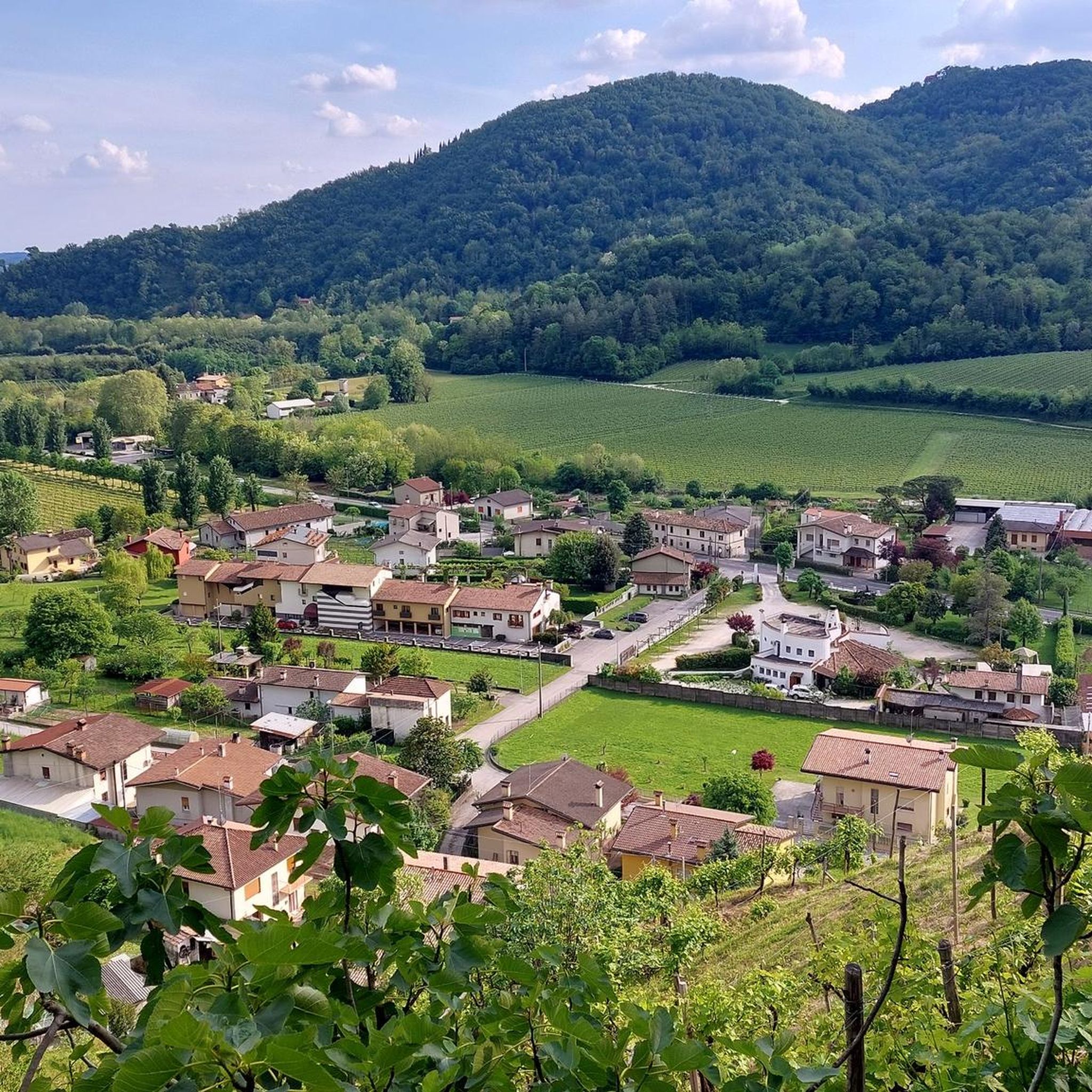
The picturesque village of Cison di Valmarino, dominated by the imposing Castelbrando, is an excellent destination for mountain biking, with routes immersed in the Prosecco hills and lush woods. The itineraries offer challenging climbs and technical descents, with passages through ancient paths and historic mule tracks. The Via dell’Acqua route and the tracks towards Monte Cesen offer breathtaking views and complete immersion in nature.
0
0

Castelbrando, a grand medieval castle, sits on a dolomitic limestone rock at an altitude of 370m above sea level, overlooking the villages of Cison di Valmarino and Valmareno. The name is due to the Brandolini family from Forlì, who were the lords of the castle. The castle was originally built in Roman times to protect the Via Claudia Augusta, which connected the Po valley to Rhaetia (modern Austria). The original castrum from 46 AD is still visible. A recent archaeological dig has uncovered a bread oven and the original Roman baths, as well as the original pipes of the aqueduct that supplied water from three nearby natural springs. These springs still provide water for the castle. Later the fortress became an important defensive position against barbarian invasions. During the 13th century the castle was significantly enlarged and the imposing battlements and central tower were added. The castle was awarded by the Republic of Venice to the condottieri Giovanni Brandolino and Erasmo da Narni, better known as "Gattamelata". After the fall of the Venetian Republic it became the property of the Brandolini Counts. In 1700 the castle was expanded with the southern part and the castle chapel, the church of San Martino. During World War I, the castle was invaded by Imperial Austrian troops and used as a military hospital. After 10 years of restoration work, the castle was reopened as a residence in 1929. In 1959, the castle was sold by the Brandolini family to the Salesian Fathers, who used it as a monastery and as a center for spiritual studies. In 1997, CastelBrando was purchased by Quaternary Investments SpA, who transformed it into a 4-star hotel, museum and theater. Visitors can take the cable car to the castle from the village.
1
0

simple track between the castle and the town
0
0

an obligatory stop if you pass through these areas, a quick visit to admire a show from times gone by
0
0

The first construction of a solid castle, for exclusive military use on the well-protected Collalto hill, dates back to the first half of the 12th century, with the erection of a mighty guard tower. It is the gigantic keep that still stands alone among the ruins of the fortified town, with that sad and chipped face, testimony to the passage of time and lived history.
11
0
Frequently Asked Questions
What kind of historical sites can I expect to find around Follina?
While Follina itself is renowned for the magnificent Cistercian Abbey of Santa Maria di Follina, the surrounding Prosecco Hills region features a variety of historical fortified structures and elegant stately homes. These include medieval castles, ancient towers, and historical palaces that reflect centuries of history.
Are there any traditional castles directly in Follina?
Follina is primarily known for its historical Abbey of Santa Maria, rather than traditional medieval castles. The village does have historical buildings like Palazzo Barberis Rusca and Palazzo Bernardi, but for fortified castles, you'll need to explore the nearby towns in the Prosecco Hills.
Which are some of the most notable castles or fortified sites near Follina?
Among the most notable are San Salvatore Castle, an impressive fortress dominating Susegana, and Castelbrando, a grand medieval castle in Cison di Valmarino with Roman origins. You can also visit the Torri di Credazzo, a fortified complex of three ancient towers.
What is special about the Cistercian Abbey of Santa Maria di Follina?
The Abbey of Santa Maria di Follina is an unusually well-preserved architectural gem. It showcases a blend of Romanesque and Gothic styles, featuring a perfectly preserved 13th-century cloister with intricately carved columns. Inside, you can admire valuable artworks, including a 1527 fresco by Francesco da Milano and the ancient Madonna del Sacro Calice sculpture. It's a peaceful haven with a rich history.
What are the historical highlights of Castelbrando?
Castelbrando has a rich history dating back to Roman times, originally built to protect the Via Claudia Augusta. It served as an important defensive position and was later expanded significantly in the 13th century. Today, it operates as a 4-star hotel, museum, and theater, and you can even reach it by cable car from the village of Cison di Valmarino.
What kind of views can I expect from these historical sites?
Many of the castles and viewpoints offer breathtaking panoramas. For example, San Salvatore Castle provides stunning views of the plain below, while the Torri di Credazzo are situated amidst vineyards, offering a unique landscape to observe.
Are there family-friendly activities or castles in the Follina area?
The picturesque village of Cison di Valmarino, dominated by Castelbrando, is considered family-friendly. While the castles themselves offer historical exploration, the surrounding areas provide opportunities for gentle walks and enjoying the natural beauty of the Prosecco Hills.
What outdoor activities can I do near the castles around Follina?
The region around Follina is excellent for various outdoor activities. You can find numerous routes for gravel biking, road cycling, and running. For example, there are challenging gravel biking loops like the 'Lakes of Revine – Lago di Lago loop from Follina' or scenic road cycling routes such as the 'Follina Fountain – Vineyards of Monte Cesen loop from Follina'. You can explore more options on the Gravel biking around Follina, Road Cycling Routes around Follina, and Running Trails around Follina guide pages.
What is the best time of year to visit the castles and historical sites around Follina?
The Prosecco Hills, where Follina is located, are beautiful year-round. Spring and autumn offer pleasant temperatures for exploring and enjoying the vineyards. Summer is also popular, though it can be warmer. Winter visits can be charming, especially if you're interested in the serene atmosphere of the Abbey and less crowded sites.
What do visitors enjoy most about the castles and historical sites in this region?
Visitors frequently praise the blend of historical significance with natural beauty. They appreciate the well-preserved architecture, the breathtaking views from elevated castles, and the serene atmosphere of sites like the Abbey. The rich history, from Roman origins to medieval fortresses and elegant residences, also captivates many.
Are there any specific historical events or periods associated with the castles near Follina?
Yes, the castles and fortified sites in the area have witnessed significant historical events. San Salvatore Castle was a key defensive fortress during the Middle Ages and later a noble residence. The Torri di Credazzo date back to the 9th-10th centuries and were involved in conflicts, including being destroyed by Hungarians in the 15th century. Castelbrando, with its Roman origins, played a role in protecting ancient trade routes and was later owned by prominent families.
Most popular routes around Follina
Most popular attractions around Follina

Get inspired with the komoot mobile app


Explore more
Looking for the best castles somewhere else? Discover other guides around Follina:
