Top 6 Castles around Zero Branco
Best castles around Zero Branco are found within the Province of Treviso, Italy, an area with a rich historical background and rural heritage. While Zero Branco itself does not contain prominent castles, the surrounding region offers several notable historical sites. The landscape is characterized by its position within the broader Treviso area, providing access to medieval architecture and history. This region offers opportunities for exploring various historical fortifications.
Best castles around Zero Branco
- The most popular castles is Stigliano Castle, a castle that has origins dating back to Roman times and was a strategic fortification. Only the northeast corner tower remains of the original castle, which was later adapted into a stately palace.
- Another must-see spot is Bastione San Paolo, a man_made_monument. This bastion is part of the city walls of Treviso, a complex of defensive works, and is among the best preserved in the city.
- Visitors also love Tempesta Fortress, Noale, a castle. This formidable presence in the Venetian landscape whispers tales of medieval grandeur and strategic prowess, embodying the resilience of bygone eras.
- Zero Branco is known for historical castles, fortresses, and defensive structures. The area offers a variety of historical sites to see and explore, ranging from ancient fortifications to well-preserved city walls.
- The castles around Zero Branco are appreciated by the komoot community. The area features 44 photos and has received 125 upvotes from visitors.
Last updated: June 30, 2026
Stigliano Castle
Highlight • Castle
Over the centuries the complex passed through the hands of various owners. In 1152 to the bishop of Treviso, from 1158 the Tempesta family were vassals and in January 1220, Count Guido ceded the rights to Aldevrandino da Superno. Built in a strategic position, on the border between the territories of Treviso and Padua, it was the scene of numerous battles. Conquered definitively by the Venetians in the seventeenth century, the complex passed to the Venier family who carried out renovations.
After a long period of abandonment, recently, thanks to the renovation work by Paolo Bertan, the building has undergone further adaptations to be adapted into an accommodation facility
villeveneteforyou.com/castelli/castello-di-stigliano
Translated by Google •
Tip by

Bastione San Paolo
Highlight • Monument
Translated by Google •
Tip by

Sign up now to discover places like this
Get recommendations on the best single tracks, peaks, & plenty of other exciting outdoor places.
Sign up for free
Castello on the Sile, Treviso
Highlight • Castle
Translated by Google •
Tip by

Forte Carpenedo
Highlight • Historical Site
Translated by Google •
Tip by

Tempesta Fortress, Noale
Highlight • Castle
Constructed in the 12th century, the Rocca bears witness to the ebb and flow of centuries, embodying the resilience of bygone eras. Its imposing towers and sturdy walls served both as a noble residence and a defensive stronghold, playing a vital role in the intricate dance of power and politics.
Tip by

Sign up for free to discover even more castles around Zero Branco.
Sign up for free
Already have an account?
Start today with a free account
Your next adventure awaits.
Login or Signup

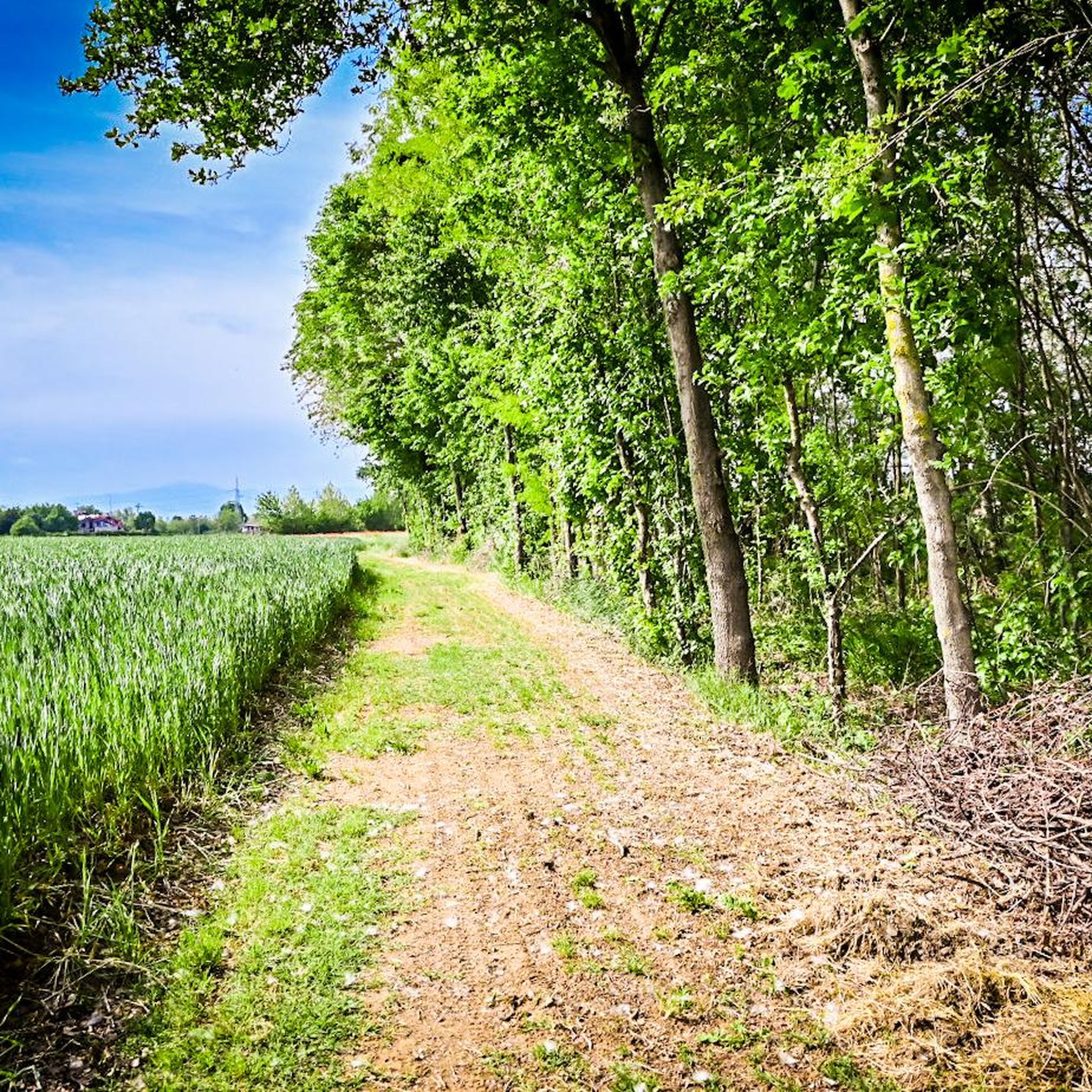
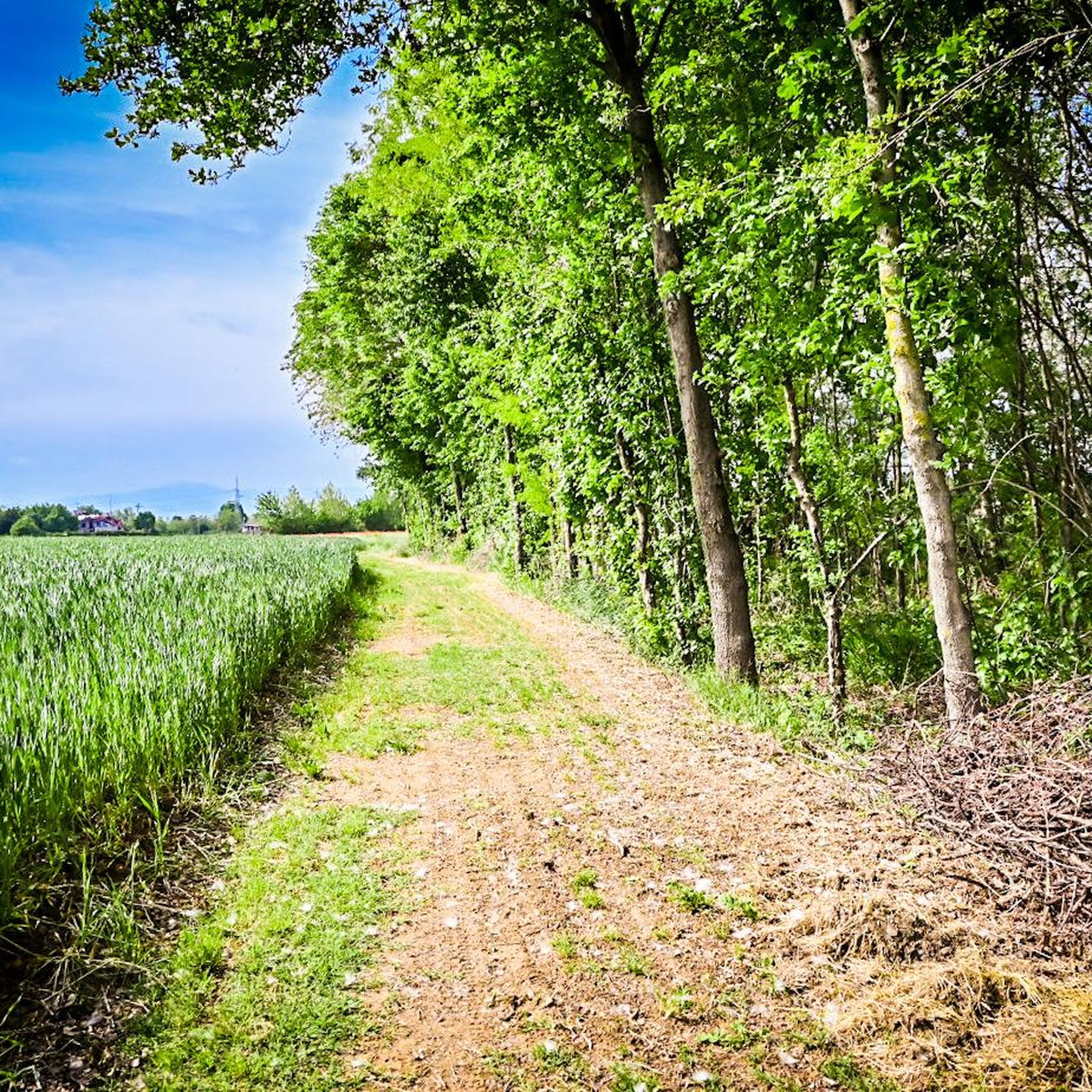
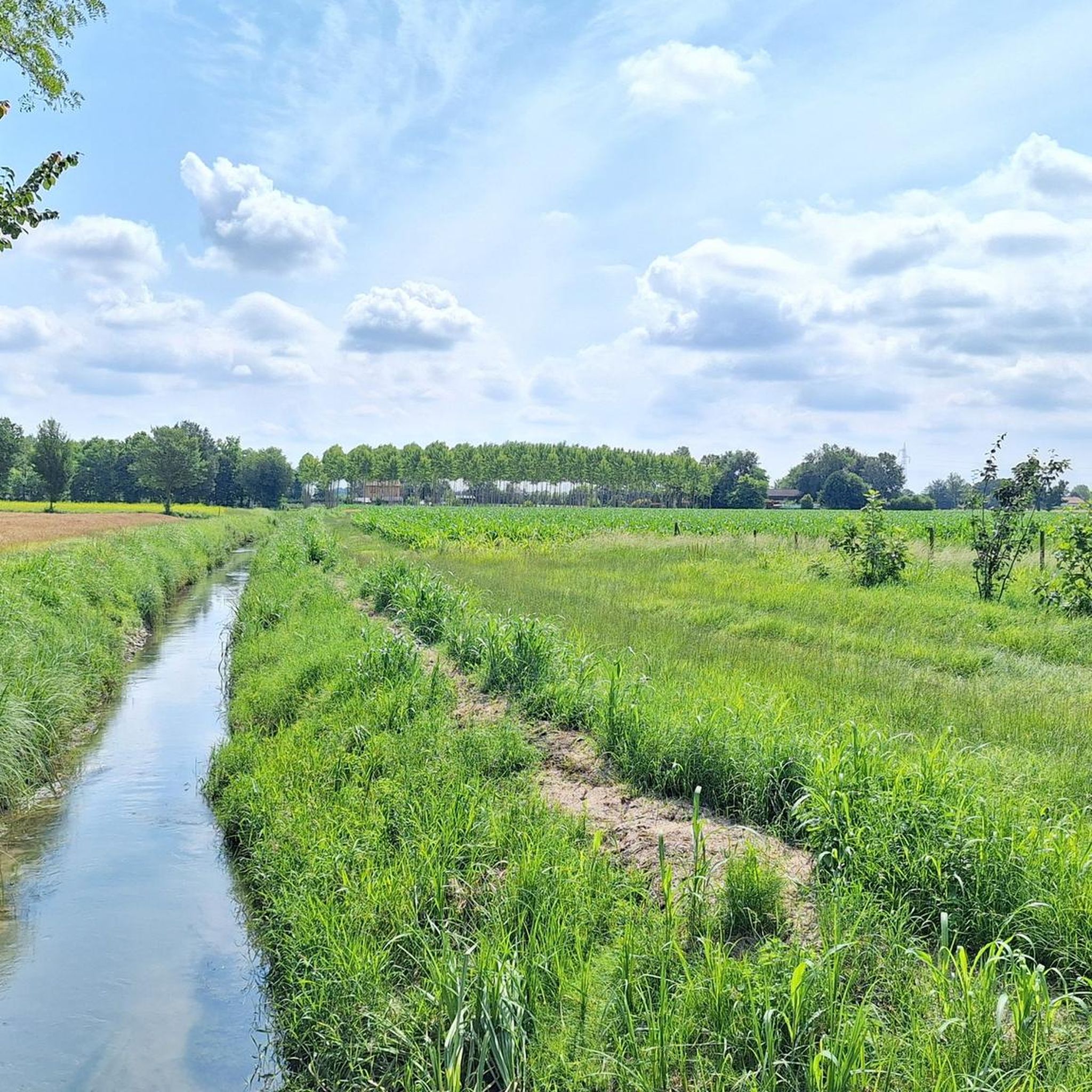
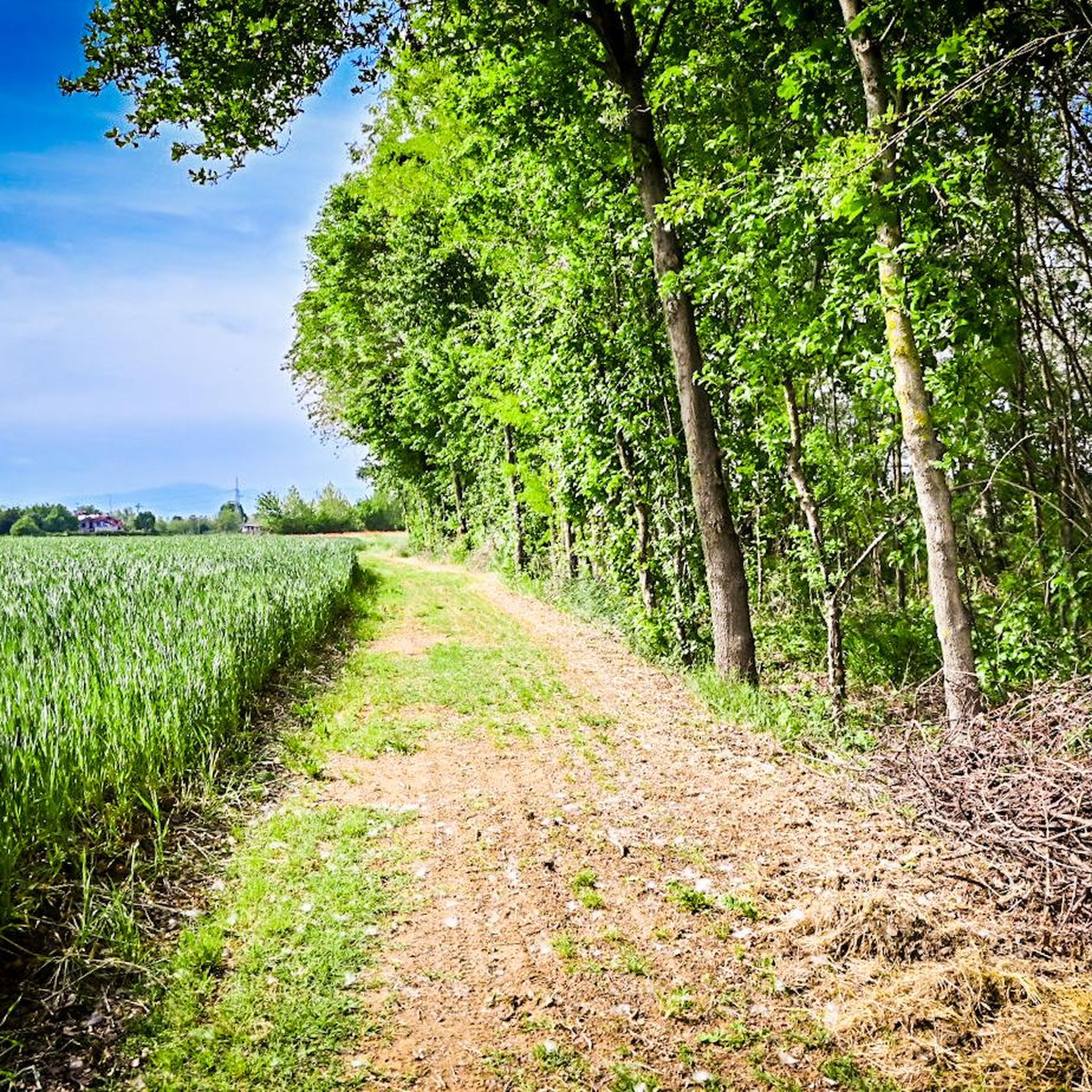
Tips from the Community

La Rocca dei Tempesta is the monumental heart of Noale and one of the most fascinating medieval defensive structures in the Veneto region. Built in the 12th century at the behest of the Tempesta family, the fortress stood on a strategic area, protected by an ingenious system of moats fed by the waters of the Marzenego river. The imposing brick structure, of which today the majestic perimeter walls and corner towers remain, preserves the intact charm of a lowland castle. Although the interior is now a suggestive green meadow used for historical re-enactments such as the Palio, the remains still allow us to read the original layout of the noble residence. The Rocca represents a symbol of power and resistance, offering a unique setting where nature intertwines harmoniously with ancient medieval vestiges.
0
0
Il Bastione San Paolo constitutes a fundamental part of Treviso's 16th-century city walls, located in the north-eastern sector of the city. Designed as part of the defensive enhancement desired by the Serenissima, it presents itself as a massive earth and brick structure, engineered to withstand the modern artillery systems of the time. Currently, the area has lost its military function to become one of the most evocative green areas in the historic center. Its tree-lined avenues offer an elevated panoramic walk overlooking the canals below, once defensive moats. It is a perfect example of urban regeneration, where Renaissance engineering blends with the tranquility of the city's river landscape.
0
0
Although commonly called the "Castle" for its imposing appearance and dominant position over the Sile river, it was actually built as an ancient medieval hospital. Overlooking the Riviera Garibaldi, this historic building has been masterfully restored to house university campuses. Its red brick architecture, which is directly mirrored in the waters of the river, creates one of the most iconic views of the city. Today, it is no longer a defensive fortress, but a center of culture where the monumental structure blends with the liveliness of students, maintaining that solemn charm that makes it a visual reference point for anyone walking along the banks of the Sile in the historic center.
2
0

The medieval fortress of Stigliano was first mentioned in 1152 as a feudal property of the Bishop of Treviso. However, its origins may date back to Roman times due to its location in the "graticolato" area. In 1158, it was entrusted to the Tempesta family of Noale and then to the Teutonic Knight Aldobrandino da Superno. Built in a strategic position, alongside the Muson dei Sassi stream, it marked the border between the territories of Padua and Treviso. Therefore, it was the scene of numerous brutal battles until the end of the fourteenth century. It was here, however, that the disputes between the Carraresi and the Serenissima Republic of Venice began. It was the Venetians who finally conquered it in 1520, when it was sold to the Priuli family, who transformed it into a typical Venetian villa of the time. The entire complex then became the property of the Venier family, who further renovated it. Today, only the northeast corner tower remains of the original castle.
1
0


The cycle path directly along the Sile towards Mestre is a lovely place to ride. The scenery is beautiful.
1
0
Treviso is a beautiful city and definitely worth a visit.
7
0

moon of the most beautiful towns in the region
9
0
Frequently Asked Questions
What historical castles can I visit near Zero Branco?
While Zero Branco itself doesn't have prominent castles, the surrounding Treviso area offers several significant historical sites. You can explore Stigliano Castle, which has Roman origins and was a strategic fortification, later adapted into a stately palace. Another notable site is Tempesta Fortress, Noale, a formidable medieval presence. The Bastione San Paolo in Treviso is also part of the city's well-preserved defensive walls.
Are there any family-friendly castles or historical sites in the area?
Yes, several sites near Zero Branco are suitable for families. Stigliano Castle, Bastione San Paolo, and Tempesta Fortress, Noale are all categorized as family-friendly. These locations offer historical exploration that can be engaging for visitors of all ages.
What are some of the oldest castles or fortifications near Zero Branco?
The region boasts several ancient fortifications. Stigliano Castle has origins dating back to Roman times. Further afield, CastelBrando in Cison di Valmarino is one of Europe's largest and oldest castles, also with Roman origins, and Conegliano Castle dates back to 1016 AD.
Can I find any castles that have been converted or repurposed?
Yes, Stigliano Castle was adapted into a stately palace under the domination of the Serenissima and has recently undergone renovation to be adapted into an accommodation facility. CastelBrando, a significant castle in the wider Treviso province, has been extensively restored and now operates as a 4-star hotel, museum, and event center.
Are there cycling routes near the castles around Zero Branco?
Yes, the Zero Branco area offers various cycling opportunities. You can find numerous road cycling routes, such as the 'Cervara Bridge on the Sile River – Piazza Indipendenza loop from Zero Branco' or the 'Liberty Bridge – Venice loop from Zero Branco'. For more options, explore the Road Cycling Routes around Zero Branco guide.
What kind of outdoor activities can I do near these historical sites?
Beyond visiting the castles, you can enjoy various outdoor activities. There are MTB trails like the 'Sources of the Sile – Via dei Mulini, Santa Cristina loop from Badoere' and running trails such as the 'Villa Guidini loop from Zero Branco'. For detailed routes, check the MTB Trails around Zero Branco and Running Trails around Zero Branco guides.
What do visitors particularly enjoy about the castles and historical sites in this region?
Visitors appreciate the rich history and well-preserved nature of the sites. For instance, the Bastione San Paolo is noted as one of the best-preserved parts of Treviso's city walls. The area's historical castles, fortresses, and defensive structures offer a variety of sites to explore, from ancient fortifications to impressive city walls.
Is there a castle near Zero Branco that offers panoramic views?
While not directly in Zero Branco, the Rocca di Asolo, a fortress above Asolo, offers panoramic views that include Monte Grappa and the Prosecco area. The Bastione San Paolo also provides a viewpoint over the city of Treviso.
Are there any castles that are part of a larger walled city?
Yes, Castelfranco Veneto Castle is part of a fascinating and well-preserved walled city in Italy. This offers a unique experience of exploring a historical urban environment alongside the castle.
What is the history behind Forte Carpenedo?
Forte Carpenedo is one of 12 locations built to protect the city of Venice. It is well-preserved and features a small museum, offering insights into its defensive role in the region's history.
Is there a castle near Zero Branco that is not ancient but built in a historical style?
Yes, Castello Romano, despite its name, was built between the late 19th and early 20th centuries by the Romano family. It was designed to resemble a castle and offers an exclusive view over the city, though it is not open to the public.
How can I learn more about CastelBrando, one of the largest castles in the region?
CastelBrando in Cison di Valmarino is one of Europe's largest and oldest castles. You can find more information about its history, facilities, and current offerings, including its role as a hotel and museum, on its Wikipedia page.
Most popular routes around Zero Branco
Most popular attractions around Zero Branco

Get inspired with the komoot mobile app


Explore more
Looking for the best castles somewhere else? Discover other guides around Zero Branco:
