Top 4 Castles around San Vito Lo Capo
Best castles around San Vito Lo Capo include significant historical fortifications and defensive structures that offer insight into the region's past. The area is known for its efforts to guard against pirate raids, with structures blending military, religious, and civil elements. These sites provide a tangible connection to the historical landscape of San Vito Lo Capo.
Best castles around San Vito Lo Capo
- The most popular castles is Arab-Norman Castle, a castle that stands near the marina of Castellammare del Golfo. It is a silent witness to ten centuries of turbulent history in this region, repeatedly rebuilt by successive conquerors.
- Another must-see spot is Inici Castle, an ancient castle among the oldest on the island, located on the slopes of Monte Inici. Despite being in ruins, it offers suggestive views and a unique light during early morning or sunset hours.
- Visitors also love Castello di Baida, a characteristic baglio dating back to the 13th century in Catalan-Gothic style. Few traces of the ancient structures remain, such as towers, walls, a small church, and a portal, creating a village where time seems to have stopped.
- San Vito Lo Capo is known for historical fortifications, defensive structures, and coastal watchtowers. These structures served defensive purposes against pirate raids, blending military, religious, and civil elements.
- The castles around San Vito Lo Capo are appreciated by the komoot community. With more than 27 upvotes and 28 photos, they are highly regarded by the komoot community.
Last updated: May 18, 2026
Arab-Norman Castle
Highlight • Castle
Translated by Google •
Tip by

Castello di Baida
Highlight • Castle
Translated by Google •
Tip by
Sign up now to discover places like this
Get recommendations on the best single tracks, peaks, & plenty of other exciting outdoor places.
Sign up for free
Inici Castle
Highlight • Castle
Translated by Google •
Tip by

Russian trail wheels
Highlight (Segment) • Castle
The road surface is rocky and somewhat loose in some sections, but the places to be careful are two small depressions, where mud traps form after rainfall.
Translated by Google •
Tip by

Ruins of Castello di Vinci
Highlight (Segment) • Castle
Translated by Google •
Tip by
Start today with a free account
Your next adventure awaits.
Login or Signup
Popular around San Vito Lo Capo
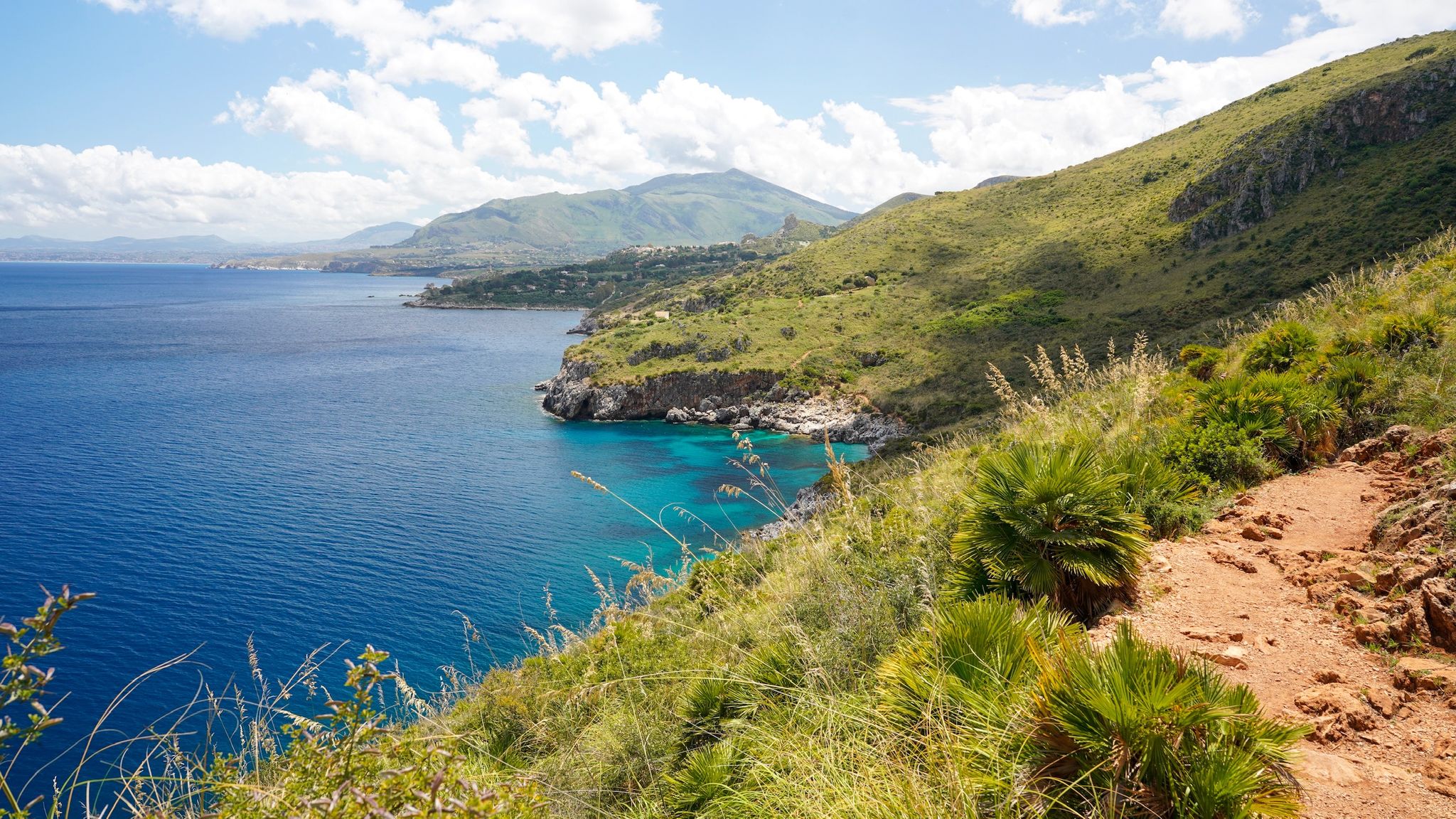
Sentiero Italia – Sicily's natural and artistic treasures
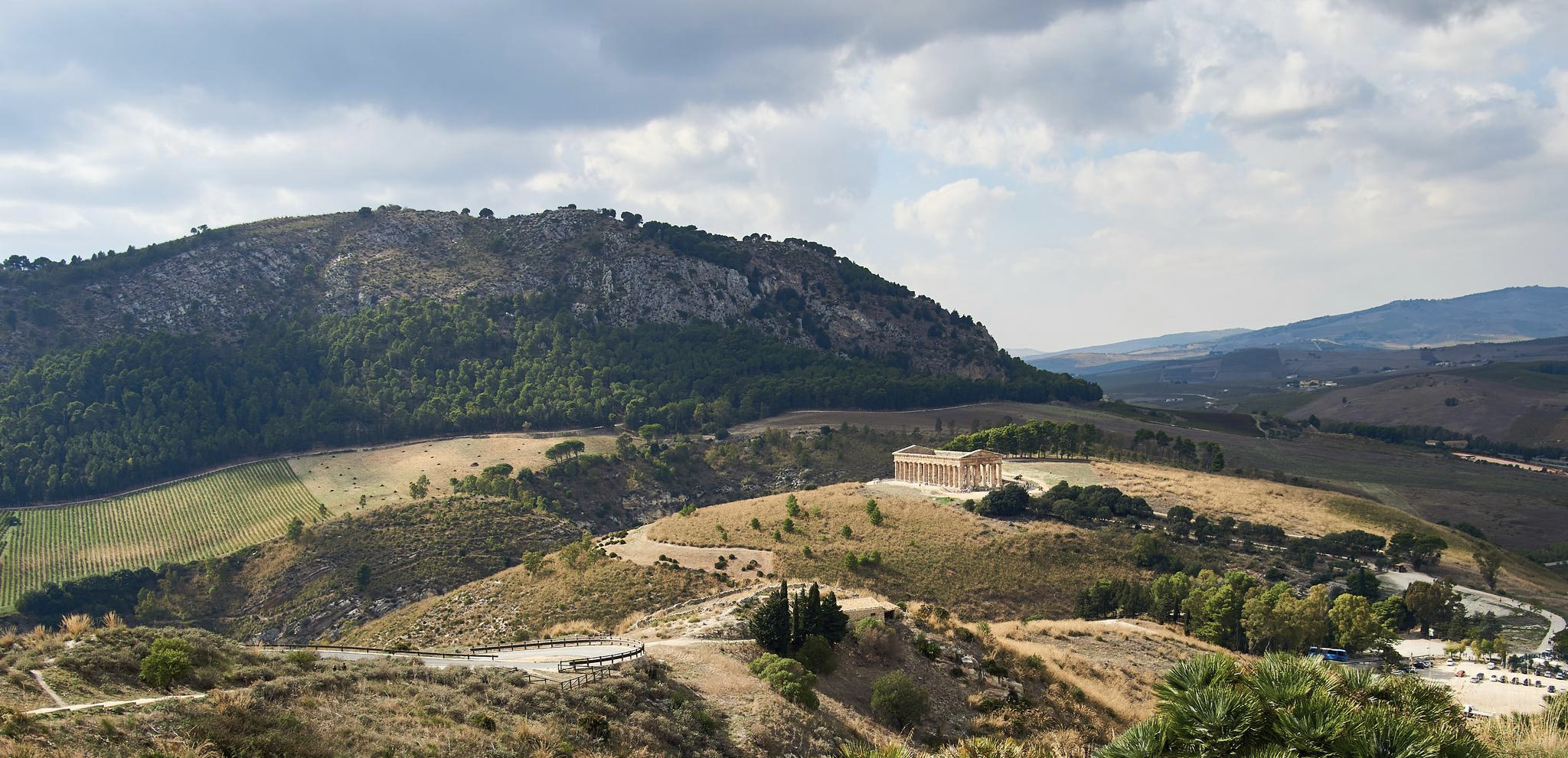
Western Sicily by bike – between flavours and traditions
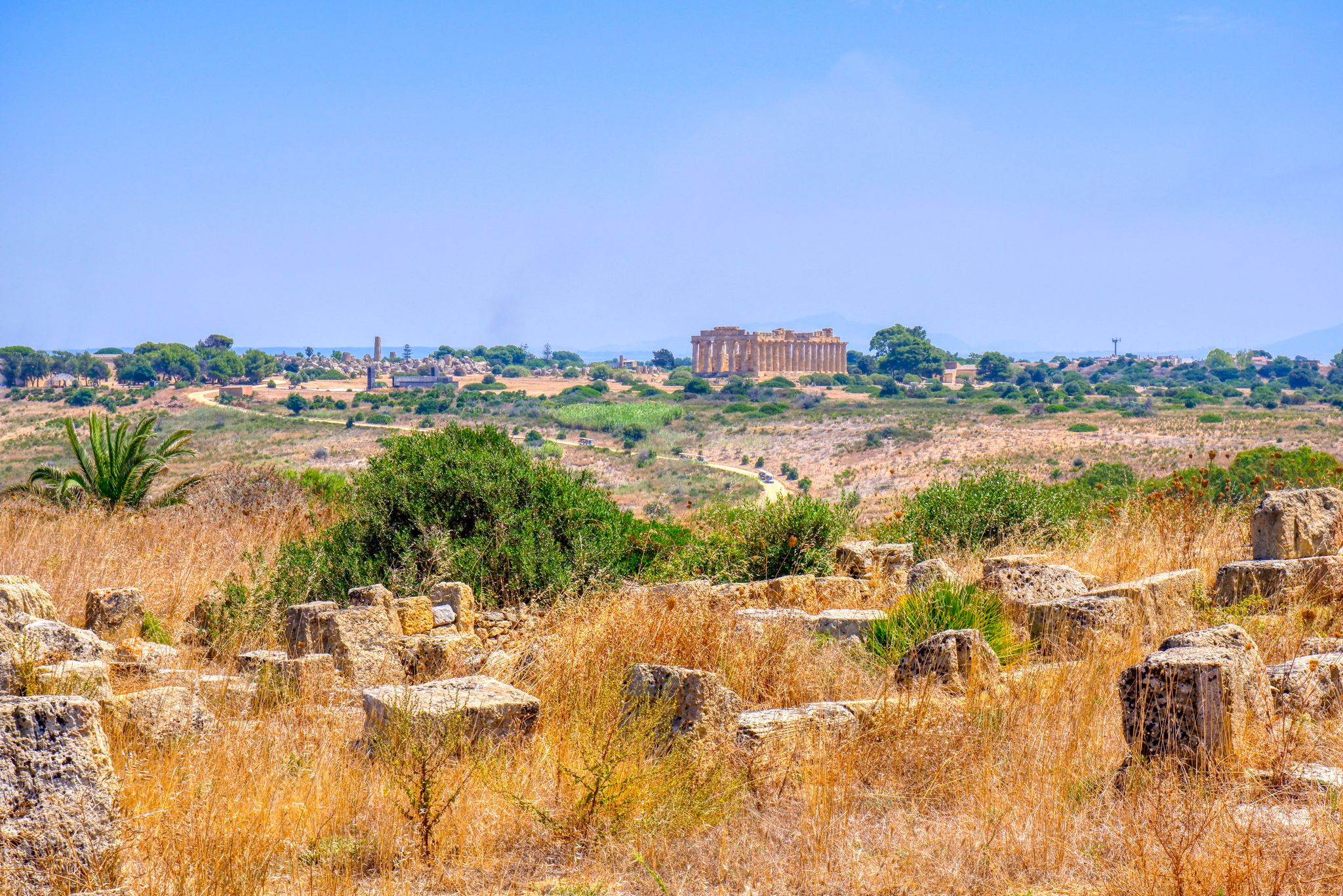
Between nature and history – Western Sicily by bike
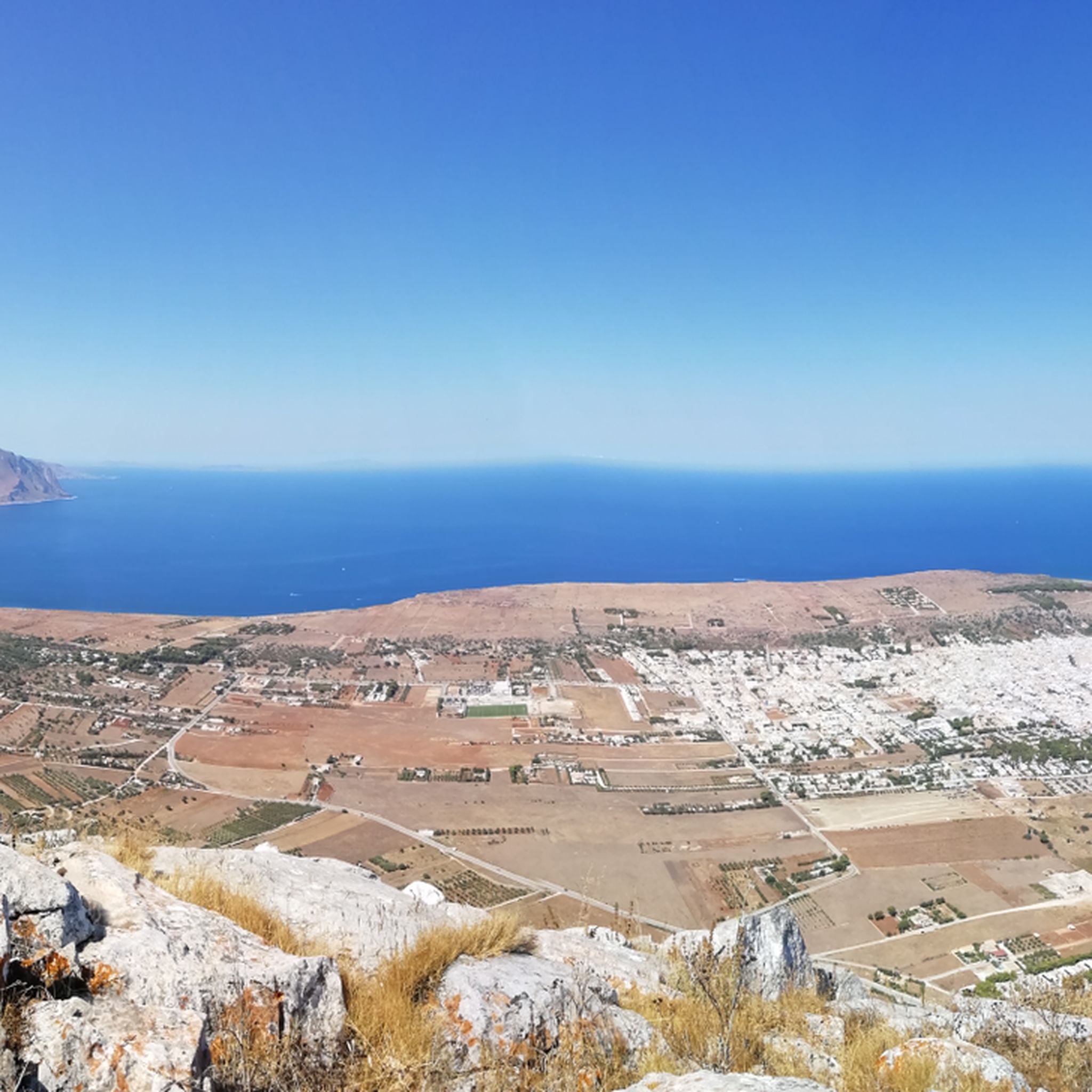
Hiking around San Vito Lo Capo
Running Trails around San Vito Lo Capo
Cycling around San Vito Lo Capo
Road Cycling Routes around San Vito Lo Capo
MTB Trails around San Vito Lo Capo

Gravel biking around San Vito Lo Capo

Mountain Hikes around San Vito Lo Capo


Tips from the Community

The Baida castle has today become an agricultural farm and of the ancient building only fragments remain of a crenellated curtain wall which overlooks a beautiful Gothic-Catalan arched portal.
0
0

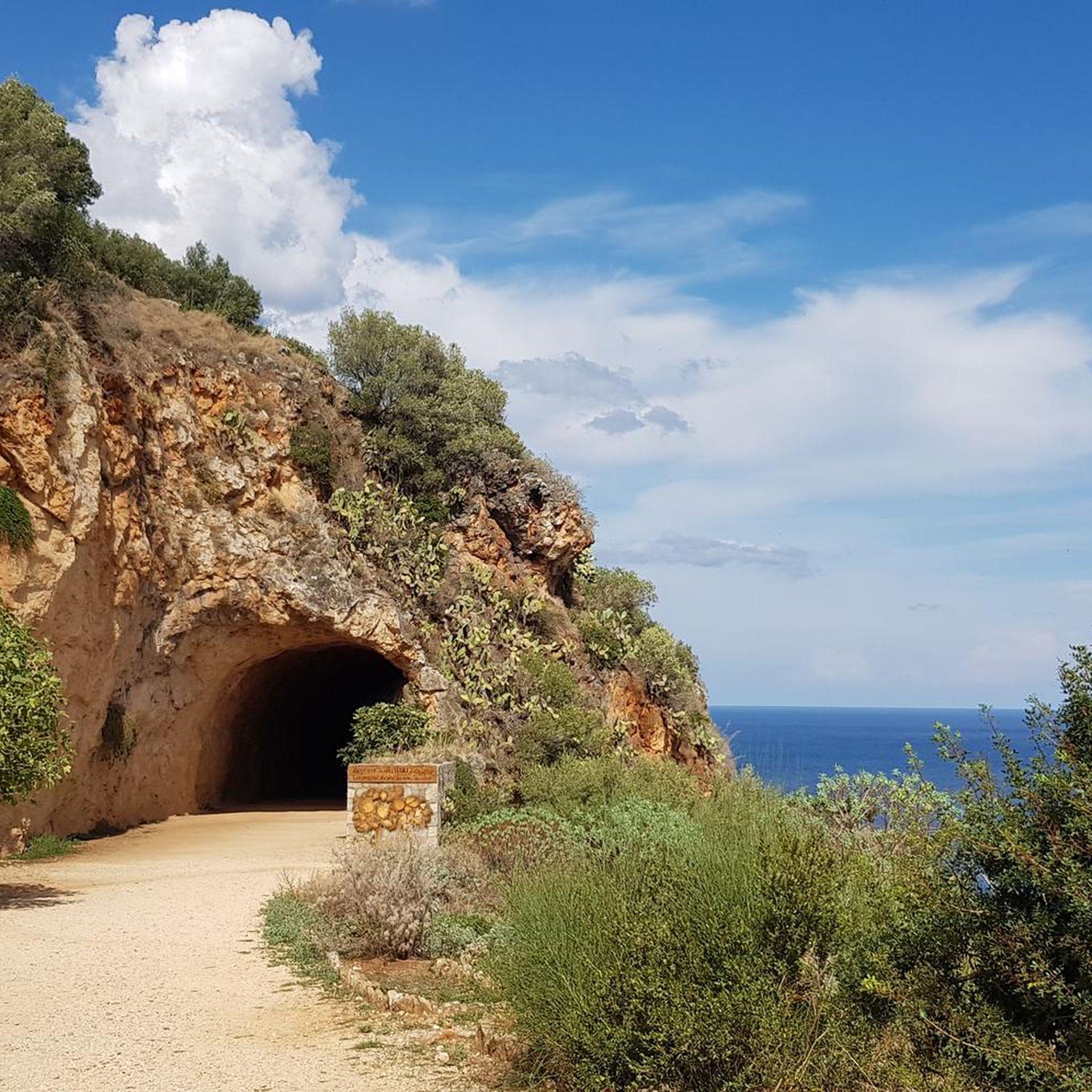
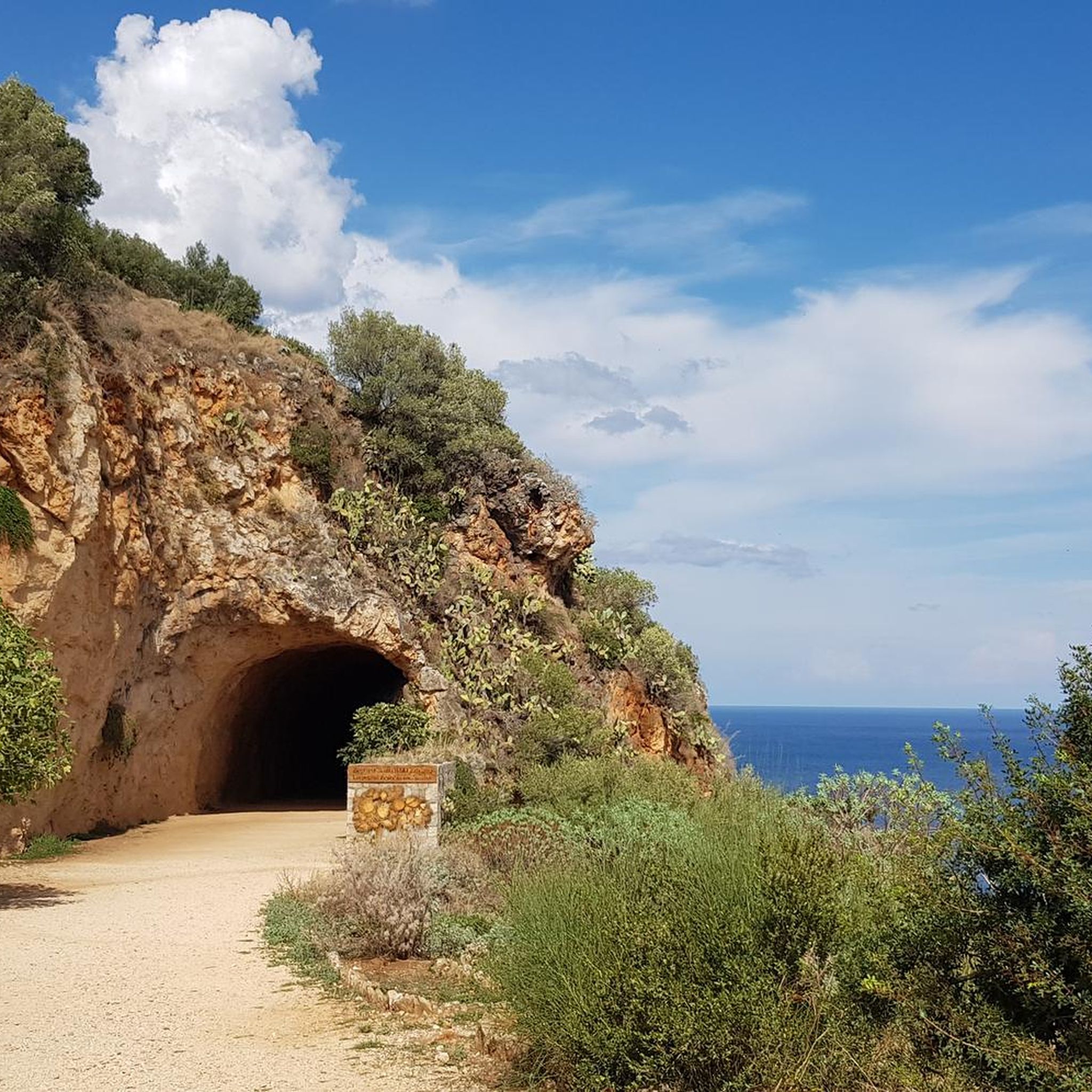
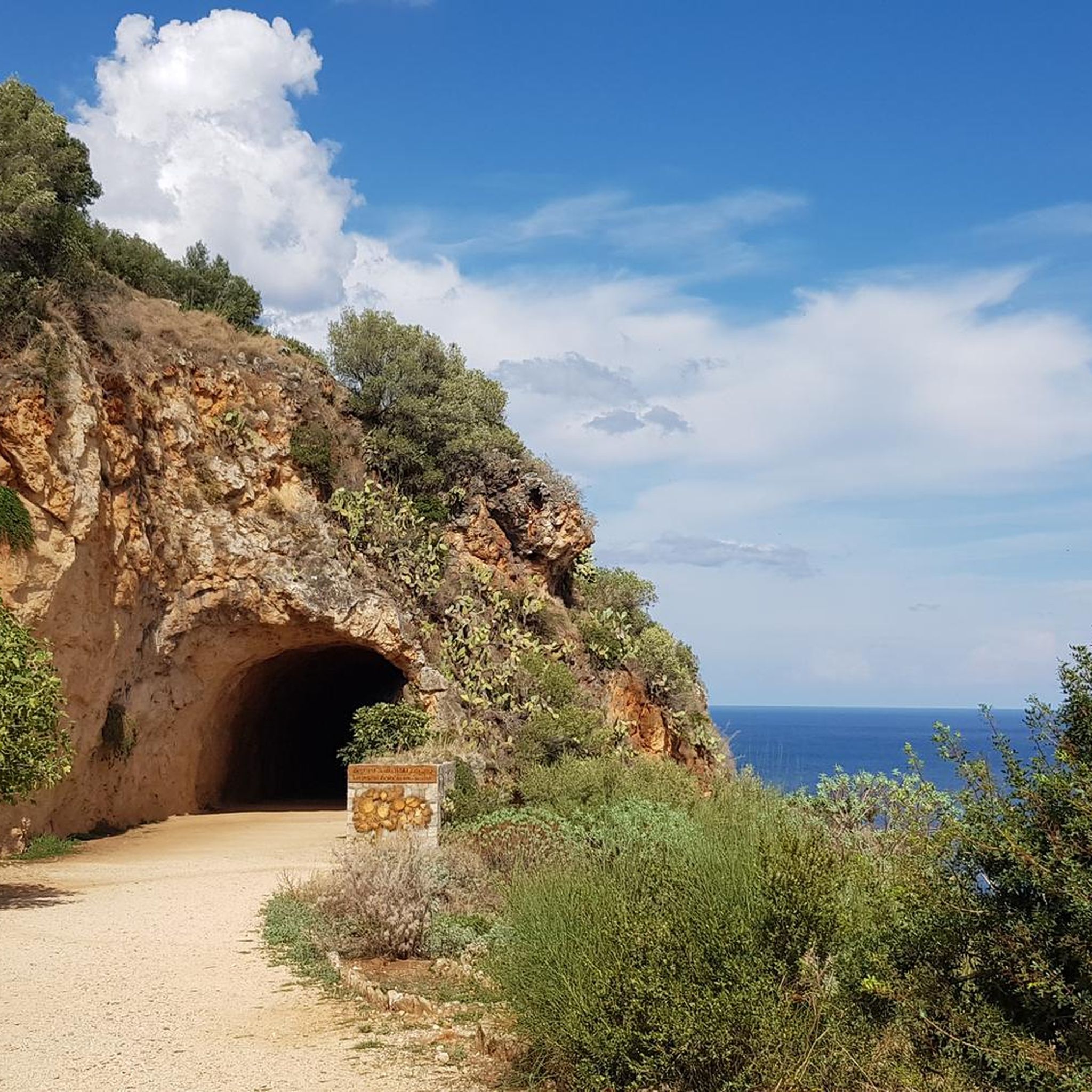
A dirt road starting from Baida Castle runs along the southern slopes of Monte Sparacio, leading to the Custonaci white marble quarry. The road surface is rocky and somewhat loose in some sections, but the places to be careful are two small depressions, where mud traps form after rainfall.
0
0

Baida Castle was probably built towards the end of the 13th century and subsequently expanded. Few traces of the ancient structures remain, for example the towers, the walls, a small church and a portal.
17
0
The seaside castle, known as the Arab Norman castle, is a fortification that stands near the marina of Castellammare del Golfo, once an emporium of the city of Segesta. The castle is the symbol of the town on the gulf, but also of the entire island; it is in fact a witness and testimony of all the populations that have crossed Sicily in the last ten centuries.
13
0

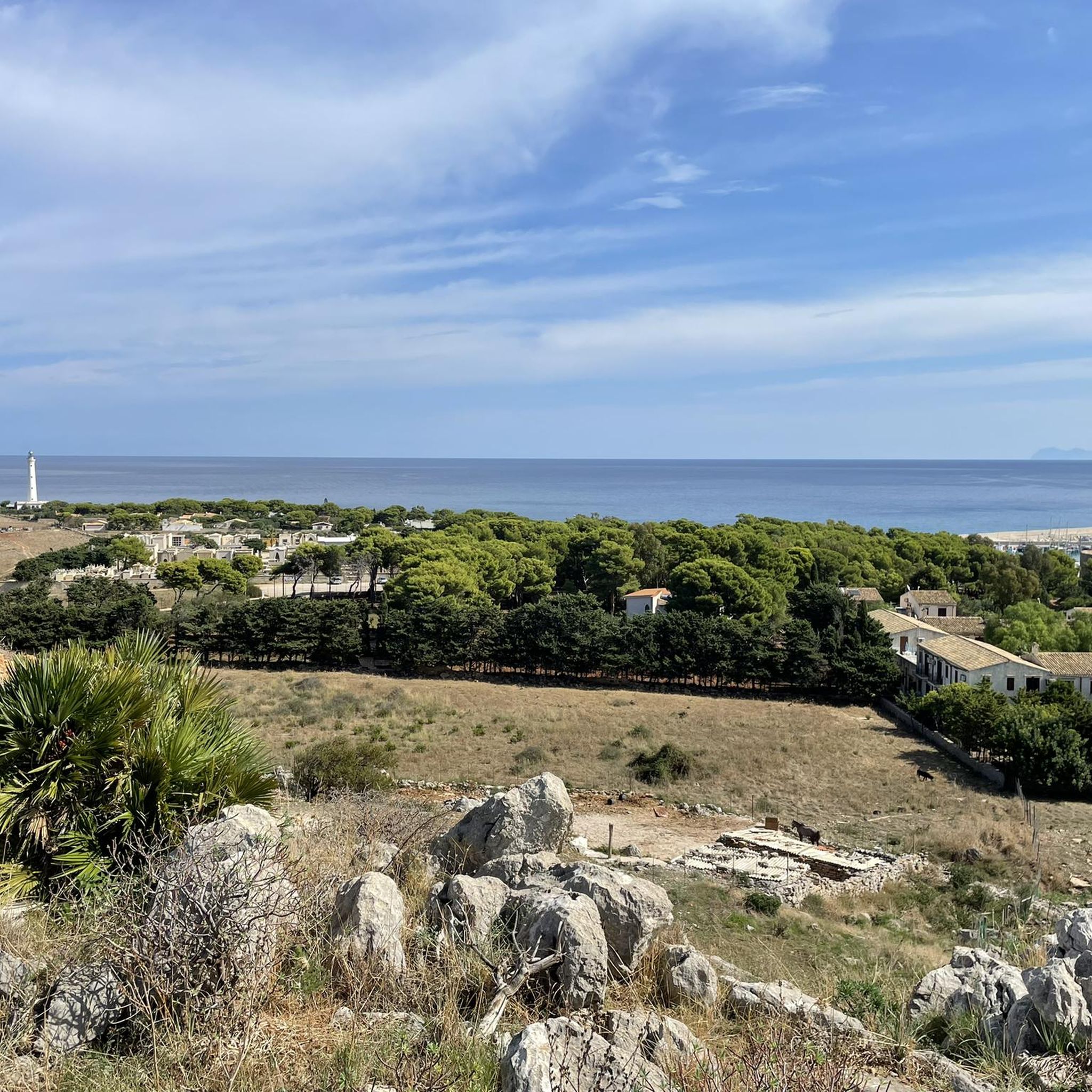
Village where time seems to have stopped, suggestive and characteristic. From here you can take the dirt road to the marble quarries
2
0

Castello di Baida, a characteristic baglio dating back to the 13th century in Catalan-Gothic style. The portal, engraved with little information and the year of construction, dates back to the 15th century
3
0

Ancient castle, among the oldest on the island. Its construction dates back to before 1530 and is located on the slopes of Monte Inici, in the Castellammare del Golfo area. Unfortunately the ruins of the ancient castle are in a state of abandonment.
1
0
from the slopes of Inici to Buseto between rural landscapes and almost non-existent or decaying anthropization.
0
0
Frequently Asked Questions
What kind of historical fortifications can I explore around San Vito Lo Capo?
While San Vito Lo Capo doesn't feature traditional medieval castles, the region is rich in historical fortifications and defensive structures. You can visit the unique Sanctuary of San Vito Martire, which served as both a religious site and a fortress against pirate raids. Additionally, several coastal watchtowers like Torrazzo, 'Mpisu, Uzzo, and Isulidda offer insights into the region's defensive past and provide stunning views. Further afield, you can explore the Arab-Norman Castle near Castellammare del Golfo.
Which historical sites offer panoramic views of the coastline?
Many of the defensive structures around San Vito Lo Capo were strategically built for surveillance, offering excellent panoramic views. The Sanctuary of San Vito Martire provides a spectacular view from its museum terrace. Coastal watchtowers such as Torrazzo, 'Mpisu, Uzzo, and Isulidda are also situated in locations that offer expansive vistas of the coastline and horizon, perfect for photography.
Are there any family-friendly historical sites to visit?
Yes, the Arab-Norman Castle in Castellammare del Golfo is categorized as family-friendly. It houses a museum, making it an engaging visit for all ages. The Sanctuary of San Vito Martire, with its blend of history and religious significance, can also be an interesting experience for families, offering a unique architectural journey.
What is the history behind the Sanctuary of San Vito Martire?
The Sanctuary of San Vito Martire is the symbol of San Vito Lo Capo, originally built as a fortress around a chapel to protect pilgrims and locals from pirate attacks. Over centuries, it was expanded to its current impressive size, blending military, religious, and civil architectural elements. Inside, you can find an ancient altar with a marble statue of Saint Vito from the late 1500s and a museum showcasing historical artifacts.
Can I find any ancient ruins or lesser-known historical sites?
Yes, for those interested in ancient ruins, the Inici Castle, located on the slopes of Monte Inici near Castellammare del Golfo, is one of the oldest castles in Sicily. While mostly ruins, it offers a suggestive glimpse into the past, including the remains of a church. Visiting during sunrise or sunset provides a particularly enthusiastic experience with unique lighting and views of nature and vineyards.
Are there hiking or cycling routes that pass by these historical sites?
Absolutely! The region offers various outdoor activities that can incorporate visits to these sites. For instance, the Uzzo Tower is located within the Zingaro Reserve, which is popular for hiking. You can find several hiking routes in the area, such as those listed in the Hiking around San Vito Lo Capo guide. For cyclists, the area around Baida Castle connects to dirt roads like the Russian trail wheels, and you can explore various cycling routes in the Cycling around San Vito Lo Capo guide.
What is the significance of the coastal watchtowers?
The coastal watchtowers, such as Torrazzo, 'Mpisu, Uzzo, and Isulidda, were primarily built in the late 16th century to defend the coast against pirate raids. Many were designed by architect Camillo Camilliani. These towers served as crucial lookout points, allowing early detection of approaching threats. Their strategic locations not only highlight their defensive purpose but also offer magnificent views of the Mediterranean Sea.
What is the <a href="https://www.komoot.com/highlight/6078652" target="_blank" rel="noopener">Castello di Baida</a> like?
The Castello di Baida is a characteristic baglio (fortified farmstead) dating back to the 13th century, with subsequent expansions. It features a Catalan-Gothic style. While only a few traces of its ancient structures remain, such as towers, walls, a small church, and a portal from the 15th century, it offers a glimpse into the region's past. The surrounding village of Baida is known for its timeless charm.
What is the best time of year to visit these historical sites?
The best time to visit the historical sites around San Vito Lo Capo is generally during the spring (April-May) and autumn (September-October) months. During these periods, the weather is pleasant, avoiding the intense heat of summer and the cooler, potentially rainy days of winter. This allows for comfortable exploration of both indoor and outdoor sites, including the coastal watchtowers and ruins.
Are there any unique architectural features to look out for?
Yes, the Sanctuary of San Vito Martire is notable for its blend of military, religious, and civil architecture, featuring loopholes, balconies, votive niches, a rose window, and a sighting tower. The Torrazzo Tower, near San Vito Lo Capo's port, is a circular sandstone structure showing Arab influence. The Castello di Baida showcases a Catalan-Gothic style, particularly in its portal.
What should I wear when visiting these historical sites?
Comfortable walking shoes are highly recommended, especially if you plan to explore ruins like Inici Castle or hike to the coastal watchtowers. Light, breathable clothing is suitable for warmer months, while a light jacket might be useful in spring or autumn. Don't forget sun protection like a hat and sunscreen, as many sites are outdoors with limited shade.
Most popular routes around San Vito Lo Capo
Most popular attractions around San Vito Lo Capo

Get inspired with the komoot mobile app


Explore more
Looking for the best castles somewhere else? Discover other guides around San Vito Lo Capo:
