Top 11 Castles around Doues
Best castles around Doues are found within the Aosta Valley, a region renowned for its strategic historical corridor and numerous impressive fortifications. While the Castle of La Crête in Doues is a private residence, the surrounding valley offers a rich tapestry of medieval history and architecture. These structures, often built by powerful families, controlled passages and collected tolls, shaping the landscape. Visitors can explore a variety of castles, from defensive fortresses to prestigious residences, set amidst the valley's natural beauty.
…Last updated: October 3, 2026
Quart Castle
Highlight • Castle
Translated by Google •
Tip by

Torre dei Balivi
Highlight • Historical Site
The tower, also known as Tour Cornière in French, was mentioned as early …
Translated by Google •
Tip by

Sign up now to discover places like this
Get recommendations on the best single tracks, peaks, & plenty of other exciting outdoor places.
Sarre Castle
Highlight • Castle
The castle stands in the Lalex area, on a promontory overlooking the Aosta plain above the state road to Mont Blanc, just beyond the crossroads for Cogne.
Translated by Google •
Tip by

Tower of the Lords of Saint Ursus
Highlight • Historical Site
Source: City map Aosta Tourist Office
Translated by Google •
Tip by

Tour Neuve Tower
Highlight • Castle
Translated by Google •
Tip by
Sign up for free to discover even more castles around Doues.
Already have an account?
Start today with a free account
Your next adventure awaits.
Popular around Doues
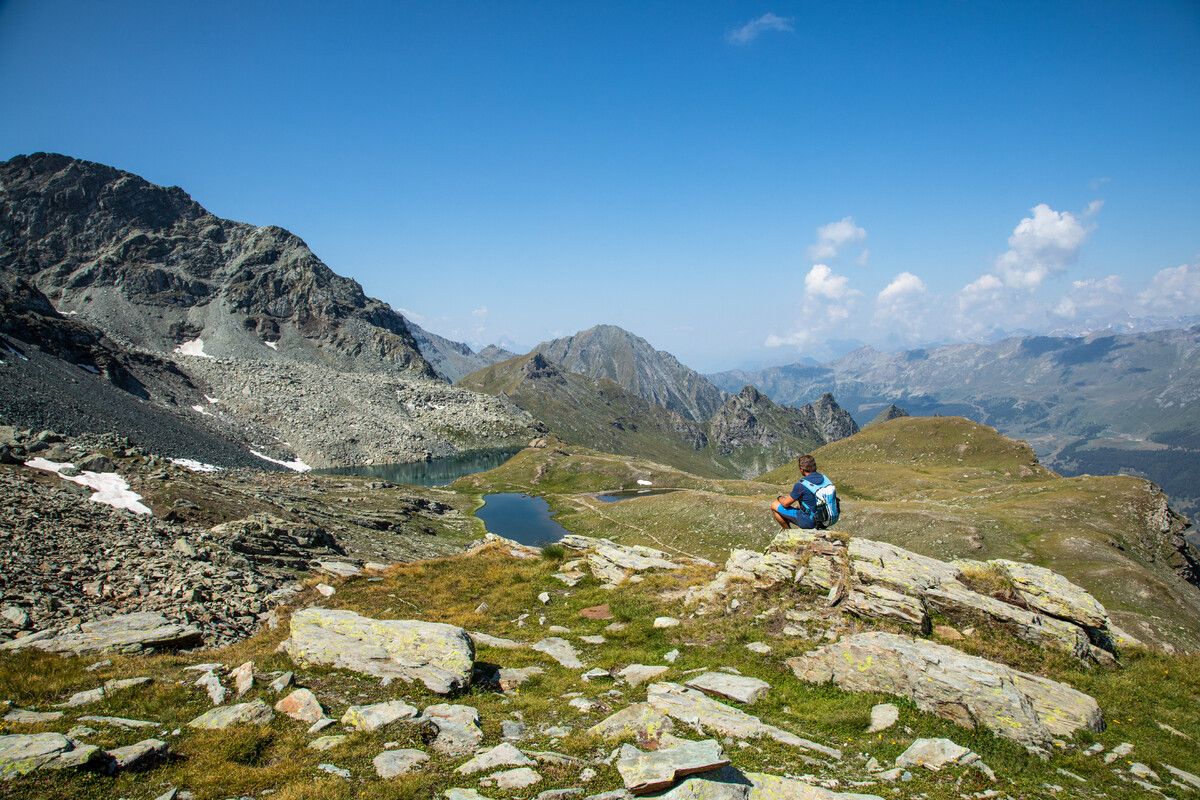
Alta Via n. 1 of the Aosta Valley — a walk among Italian giants
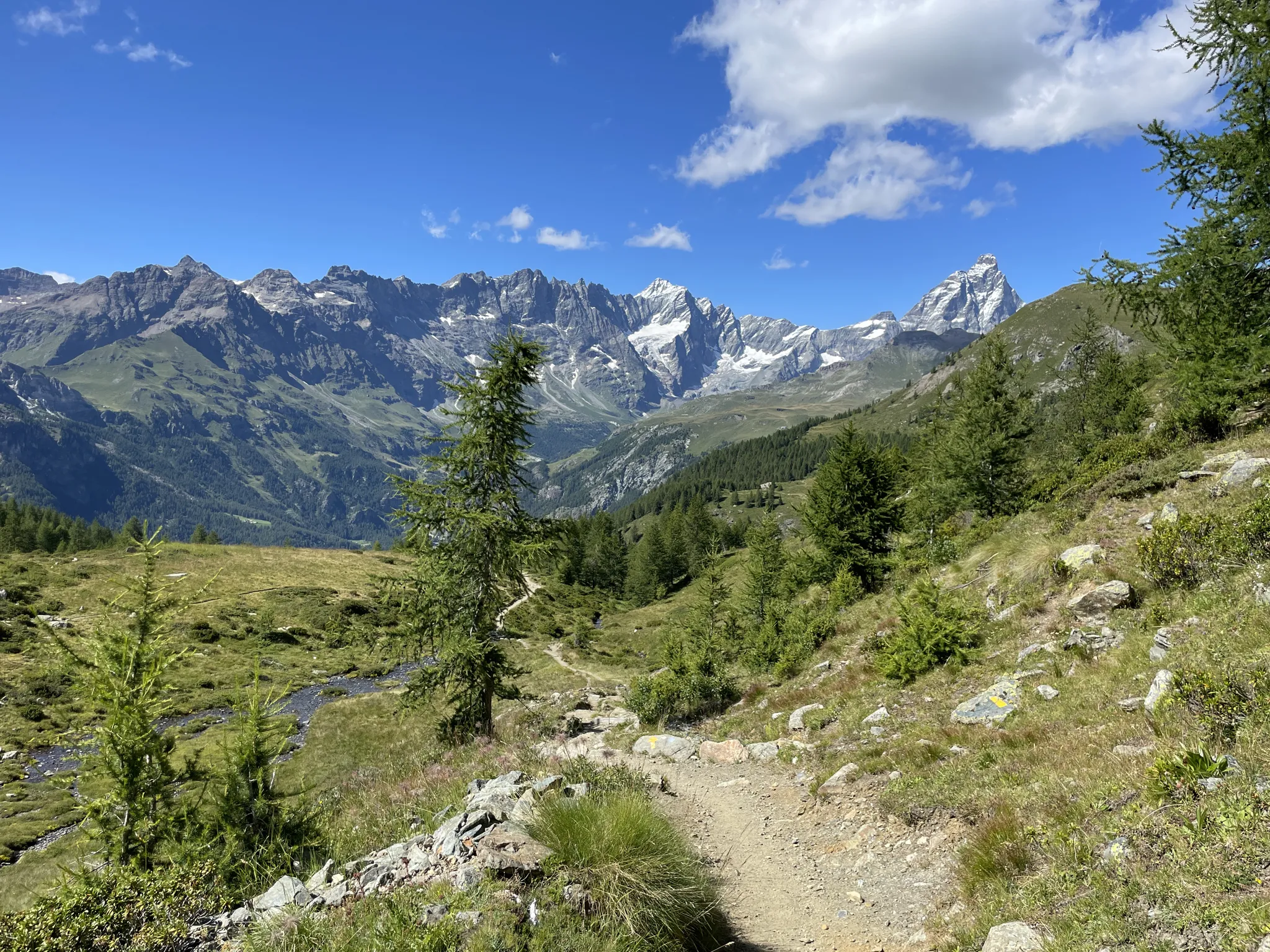
Running with the giants – Alta Via 1 in the Aosta Valley
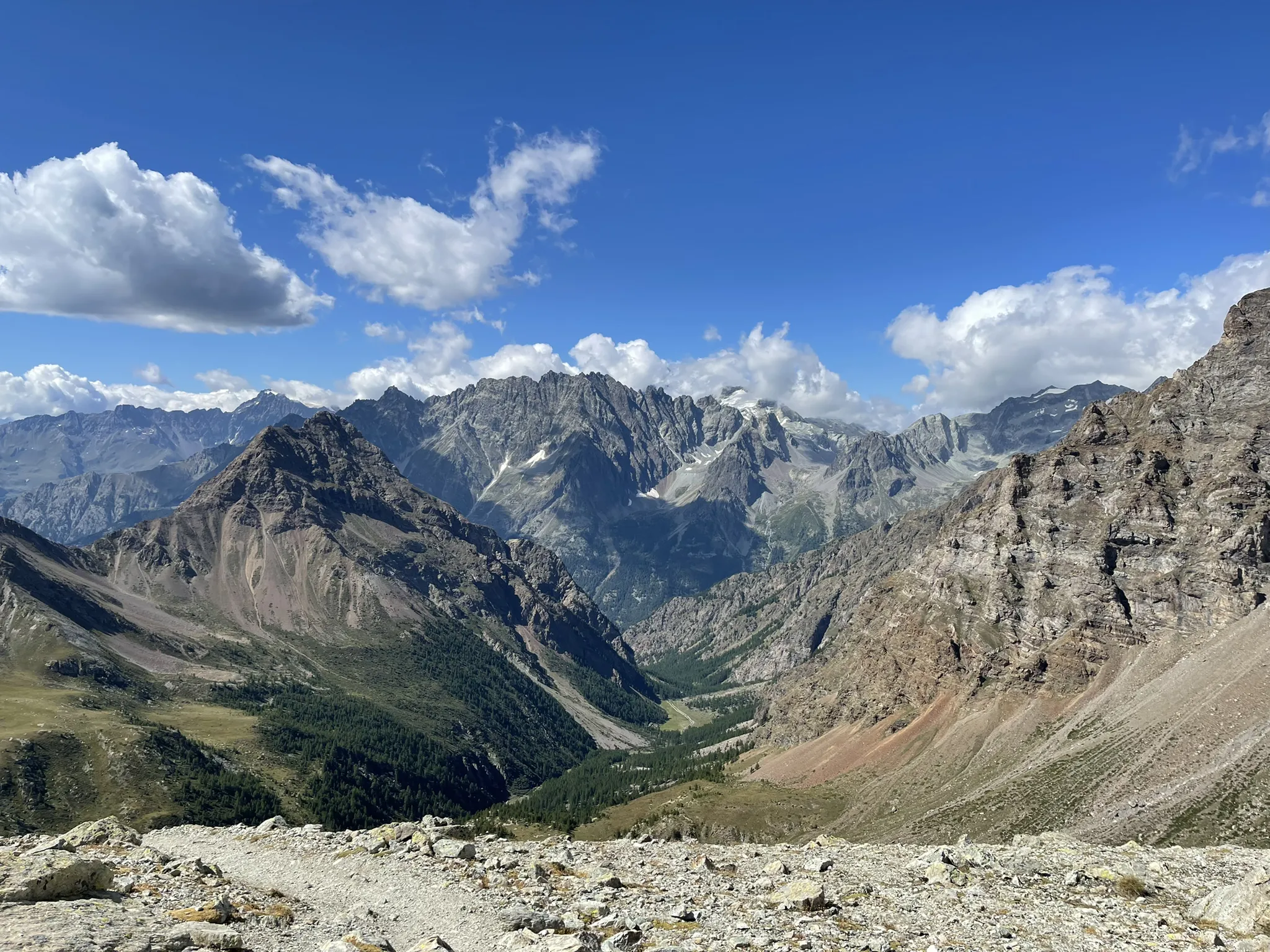
Running between the giants of the Alps – Tor des Géants
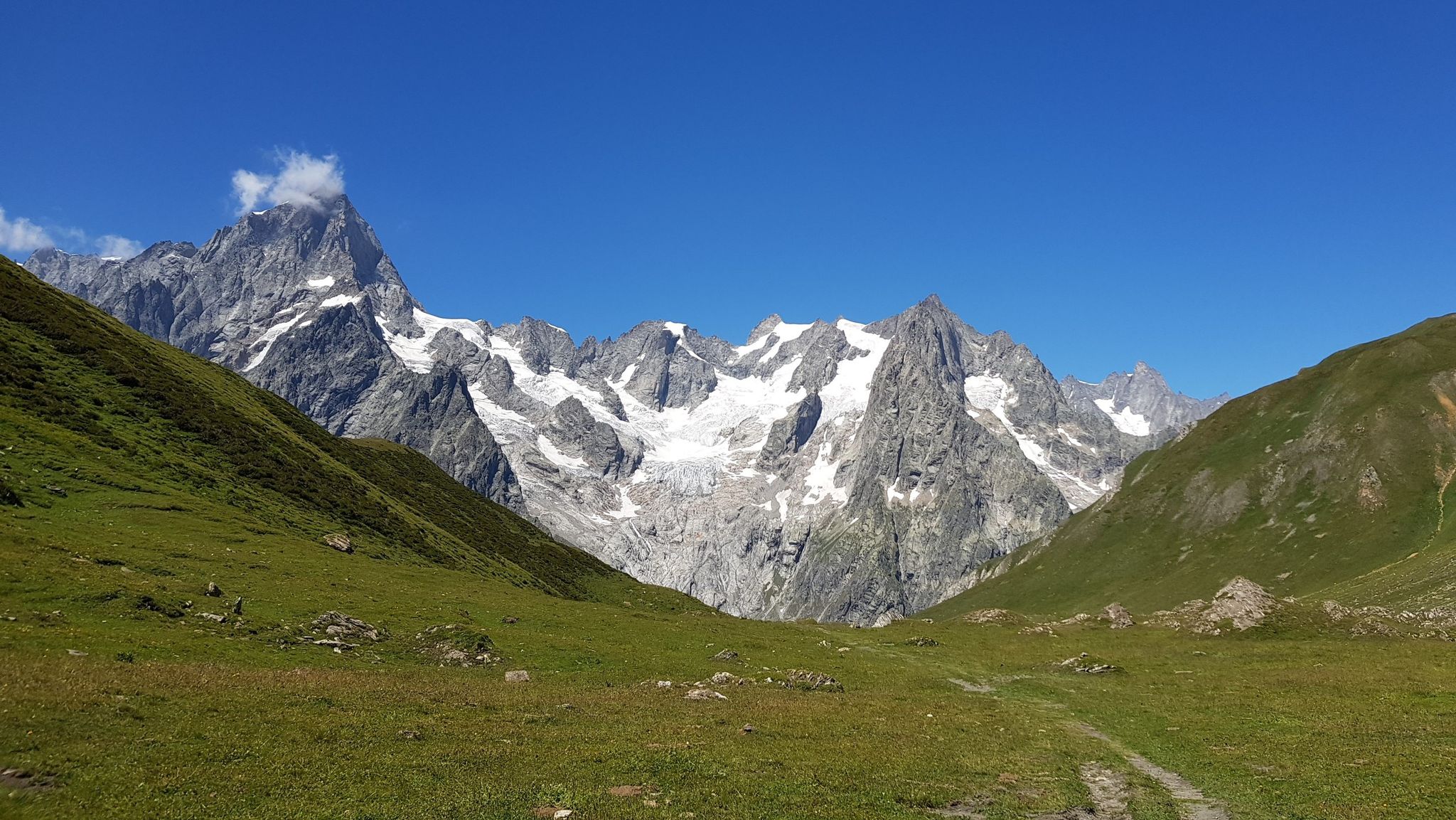
A walk among Italian giants — Aosta Valley High Route 1
Hiking around Doues
MTB Trails around Doues
Road Cycling Routes around Doues

Gravel biking around Doues
Cycling around Doues
Running Trails around Doues
Other adventures around Doues


Tips from the Community

Quart Castle is currently (January 2025) undergoing conservation work. The work should be completed by summer 2025.
0
0

Travelling along the Via Francigena from Aosta to Nus, just before Quart you come across this Castle built on a hill, an enchanting and solitary place.
0
0

The Torre dei Balivi, also known as Tour du bailliage, is one of Aosta's medieval architectural treasures. The tower, also known as Tour Cornière in French, was mentioned as early as 1192. In the 12th century it became the property of the local noble family De Palais (or De Palacio), who used it for their own purposes. Later, in the 13th century, it was transferred to the Count of Savoy and served as the seat of the bailiff (in old French, Bailly). The tower was expanded and remodeled in the 15th and 16th centuries, with new parts added to meet growing needs. In the 17th century it was used as a prison and courthouse. Since 2014, the tower has housed the Istituto Musicale Pareggiato della Valle d'Aosta.
8
0

History The castle stands in the Lalex area, on a promontory overlooking the Aosta plain above the state road to Mont Blanc, just beyond the crossroads for Cogne. Built in 1710 by Giovanni Francesco Ferrod of Arvier on the remains of a strong house from 1242, after various changes of ownership it was purchased in 1869 by the King of Italy Vittorio Emanuele II, who renovated it and used it as a residence during his hunting trips in the Aosta Valley. The royal castle of Sarre, which became part of His Majesty's private heritage, then became the headquarters used by the king of Italy for his expeditions in the valleys of Cogne, Rhêmes and Valsavarenche. To host the first king of Italy, the residence underwent some modifications, including the raising of the tower and the construction of a new stable. Inside, the rooms were completely renovated and modernized. The conservator of the Royal Palace of Milan was specifically entrusted with the furnishings, which he arranged by transferring the furnishings from other royal residences. Vittorio Emanuele's successor, Umberto I (1844-1900), also assigned the Alpine castle to uses linked to hunting. In the last years of his reign, Umberto I paid particular attention to the residence of Sarre, whose internal renovation he promoted. The works carried out on that occasion include the important decorative campaigns of the monumental environments, decorated with ibex and chamois trophies. The castle was inhabited as a holiday by Queen Maria José even in the years following the monarchy. In 1989 the Valle d´Aosta Region purchased the complex to restore it. The castle, which appears as a longitudinal body with a square tower in the centre, can be considered a museum of the Savoy presence in the Aosta Valley. Visit The visit itinerary unfolds on three floors: the ground floor is set up as a museum and introduces a guided tour of the upper floors; some rooms are dedicated to the hunting theme and illustrate the territory, the management methods and the technical specificities of real hunts. the first floor, which still retains the furnishings and the appearance it took on in the second half of the 19th century, recalls the residential dimension of the Umbertine phase of the castle; the rooms are presented, with some exceptions, with the furniture documented by the 1890 inventory and with the textile furnishings described by the same inventory and reproduced on the basis of some original samples preserved in the State Archives of Turin. on the second floor, the exhibition presents a chronological setting linked to the members of the Savoy dynasty who lived in the castle from the beginning of the twentieth century to the post-World War II period.
1
0

While you stroll along the beautiful fairground, admire the structures that surround you
8
0

Located on the corner between Via Tourneuve and Via Monte Solarolo, the ancient cylindrical tower, equipped with battlements and a door at a safe height, rises in the northwestern part of the Roman city walls, in this section well preserved and isolated in a green area. In documents it is mentioned as the property of the Challants, who were endowed with the office of Viscounts of Aosta and controlled the entire southwestern ring of the walls. It was subsequently ceded to the Lords De Turre Nova, from whom it took its name. Source: https://www.lovevda.it/it/banca-dati/8/castelli-e-torri/aosta/tour-neuve/745
31
0
The rectangular tower in Romanesque style was the home of the nobles of the Porta di Sant'Orso in the 12th century. Source: City map Aosta Tourist Office
59
0

This gate was the main entrance to the city of Augusta Pretoria and the tower was the residence of the nobles of the Porta di Santa'Orso in the 12th century.
2
0
Frequently Asked Questions
Are there any castles directly in Doues that I can visit?
While the historic Castle of La Crête in Doues is a notable landmark, it is a private rural home and not accessible to the public. However, the wider Aosta Valley region, which surrounds Doues, is rich with many impressive castles that are open for visitors.
What kind of castles can I expect to see in the Aosta Valley near Doues?
The Aosta Valley offers a diverse range of castles, from formidable defensive fortresses to elegant residential palaces. You'll find structures like Quart Castle, which stands majestically on a rocky cliff, and others like Fénis Castle, known for its abundant towers and crenellations, or Issogne Castle, which showcases a transition from Gothic to Renaissance architecture with its unique art treasures.
Which castles near Doues are known for their historical significance or unique architecture?
Many castles in the Aosta Valley boast significant history and architecture. Quart Castle is a majestic complex along the Via Francigena. Fénis Castle is renowned for its medieval defensive yet residential design, while Issogne Castle is celebrated for its 15th-century frescoes and a unique pomegranate fountain. Fort Bard, a monumental rampart, has been a strategic stronghold since medieval times and now houses museums. Torre dei Balivi, also known as Tour du bailliage, is an ancient medieval architectural treasure in Aosta.
Are there any castles that offer a glimpse into daily life in medieval times?
Issogne Castle is particularly notable for offering insights into medieval daily life. Its inner courtyard features a wrought-iron pomegranate fountain, and its murals, especially those in the loggia depicting shops, provide a rare glimpse into 15th-century activities. The furnished rooms, painted ceilings, and tapestries further evoke a warm, intimate atmosphere of the past.
Are there family-friendly castles to visit near Doues?
Yes, several castles in the Aosta Valley are suitable for family visits. Quart Castle and Tower of the Lords of Saint Ursus are listed as family-friendly highlights. Exploring the grounds and interiors of castles like Fénis or Issogne can also be an engaging experience for families, offering historical education in an exciting setting.
Can I combine a castle visit with outdoor activities like hiking or cycling?
Absolutely! The Aosta Valley's castles are often set amidst beautiful natural landscapes, making them ideal for combining with outdoor activities. For instance, Quart Castle is located along the Via Francigena, offering remarkable landscape views for walkers and cyclists. You can find various Mountain Hikes, Road Cycling Routes, and Running Trails around Doues that can be integrated with castle visits.
What is the best time to visit the castles and surrounding areas for outdoor activities?
The best time to visit the castles and enjoy outdoor activities like hiking in the Aosta Valley is generally during the spring, summer, and early autumn months when the weather is mild and trails are clear. However, some castles and their surrounding areas can also be picturesque in winter, though accessibility for outdoor activities might be limited by snow.
Are there any castles that offer panoramic views of the Aosta Valley?
Yes, several castles provide spectacular views. Ussel Castle, for example, appears to emerge from the rock and offers breathtaking views of the Dora valley and the village of Châtillon. Aymavilles Castle, situated on a morainic hill amidst meadows and vineyards, also overlooks the Dora Baltea river and offers panoramic vistas.
What are some lesser-known but interesting historical sites or towers near Doues?
Beyond the major castles, the region features several intriguing historical sites. The Tower of the Lords of Saint Ursus is a rectangular Romanesque tower that was home to nobles in the 12th century. The Torre del Lebbroso, dating back to the 13th century, stands on Roman city walls and has a unique history, even inspiring a famous book. The Tour Neuve Tower is another ancient cylindrical tower with battlements, once owned by the Challant family.
How can I find information about opening hours and tickets for these castles?
For the most accurate and up-to-date information on opening hours, ticket prices, and any booking requirements for the castles in the Aosta Valley, it is always best to check the official websites of the individual castles or the regional tourism board. You can also find general information about the region's castles at archaeology-travel.com.
What do visitors enjoy most about the castles around Doues and the Aosta Valley?
Visitors frequently appreciate the rich historical context and the stunning architectural variety of the castles. The scenic locations, often offering remarkable landscape views, are also a major draw. The komoot community has shown significant engagement, with over 140 upvotes and 31 photos shared for the castles around Doues, highlighting their appeal.
Most popular routes around Doues
Most popular attractions around Doues

Get inspired with the komoot mobile app


Explore more
Looking for the best castles somewhere else? Discover other guides around Doues:
