Top 16 Castles around Aymavilles
Best castles around Aymavilles are situated in a region characterized by its strategic location on a moraine hill, overlooking the confluence of the Dora Baltea and Grand Eyvia rivers. This area historically controlled access to the Cogne Valley and the central Aosta Valley. The landscape features vineyards surrounding notable historical structures. The region offers a blend of medieval and Baroque architectural styles, reflecting centuries of evolution.
Best castles around Aymavilles
- The most popular castles is Aymavilles Castle, a castle…
Last updated: June 30, 2026
Aymavilles Castle
Highlight • Castle
Translated by Google •
Tip by

Introd Castle
Highlight • Castle
Translated by Google •
Tip by
Sign up now to discover places like this
Get recommendations on the best single tracks, peaks, & plenty of other exciting outdoor places.
Sign up for free
Torre dei Balivi
Highlight • Historical Site
The tower, also known as Tour Cornière in French, was mentioned as early …
Translated by Google •
Tip by

Saint-Pierre Church and Castle
Highlight • Castle
11010 Saint-pierre AO
Translated by Google •
Tip by

Bramafam Tower
Highlight • Castle
Translated by Google •
Tip by

Sign up for free to discover even more castles around Aymavilles.
Sign up for free
Already have an account?
Start today with a free account
Your next adventure awaits.
Login or Signup
Popular around Aymavilles
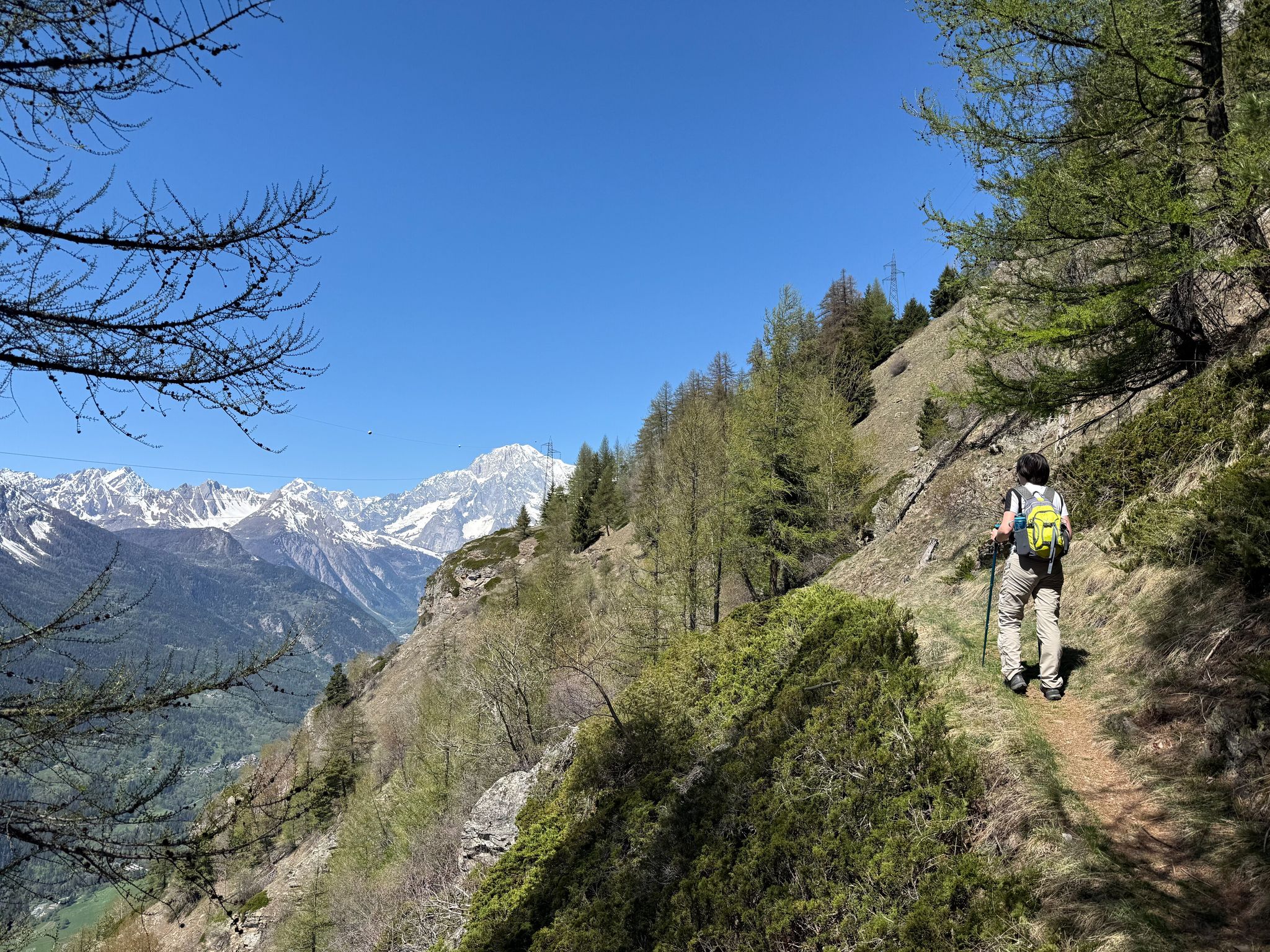
Cammino Balteo – castles, vineyards and trails of the Aosta Valley
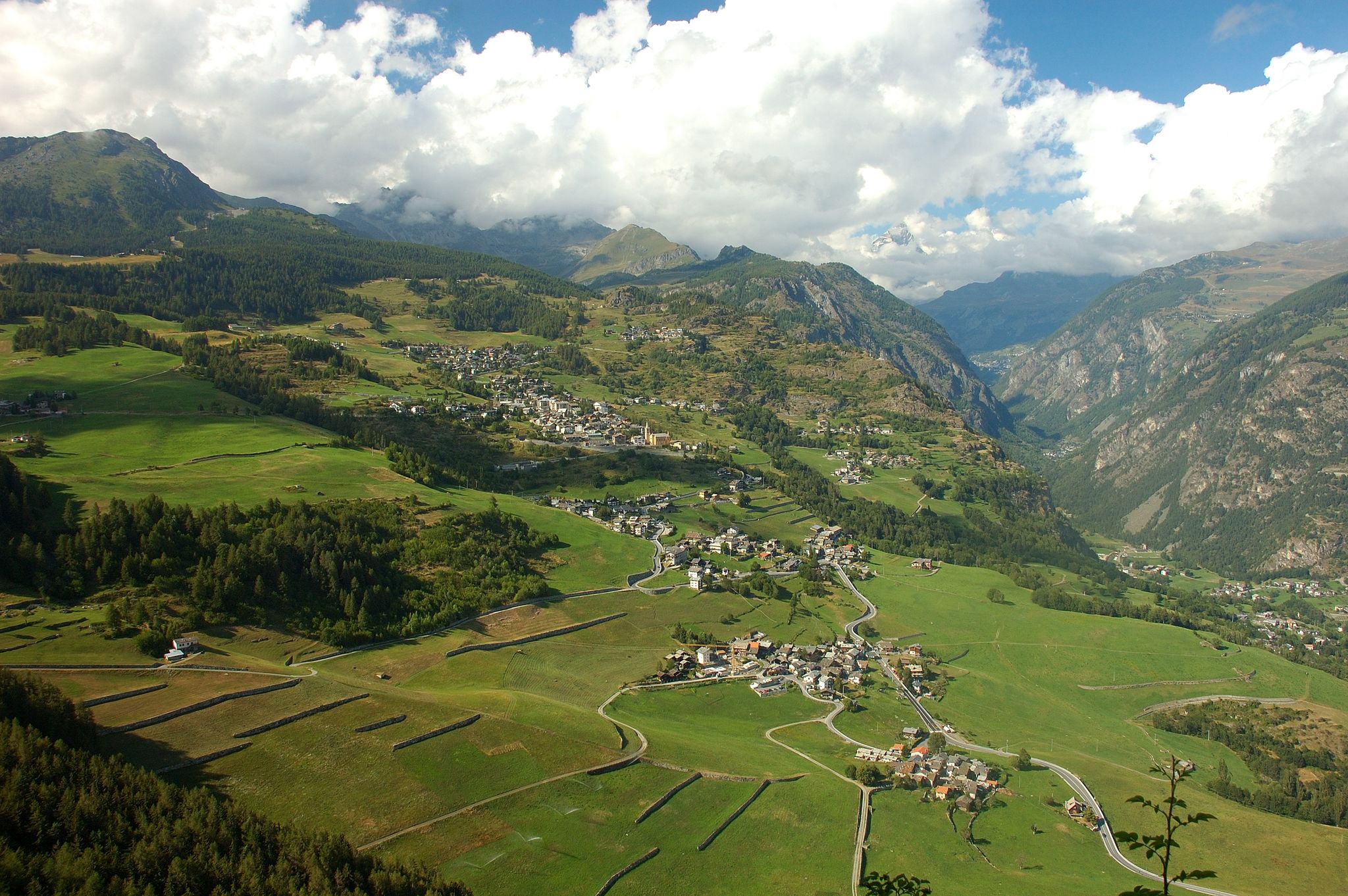
Paths, castles and views of Italy’s Aosta Valley – Cammino Balteo
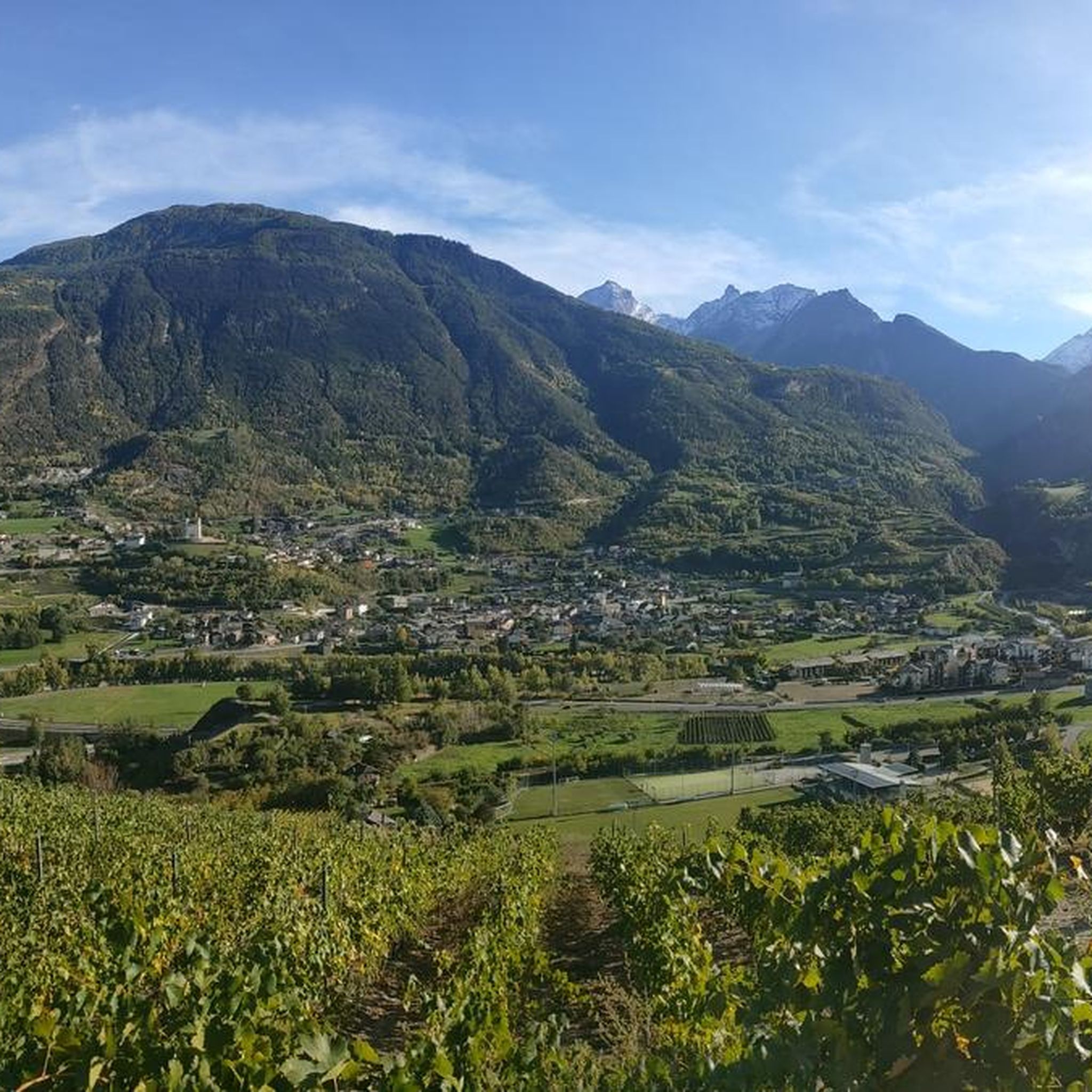
Hiking around Aymavilles
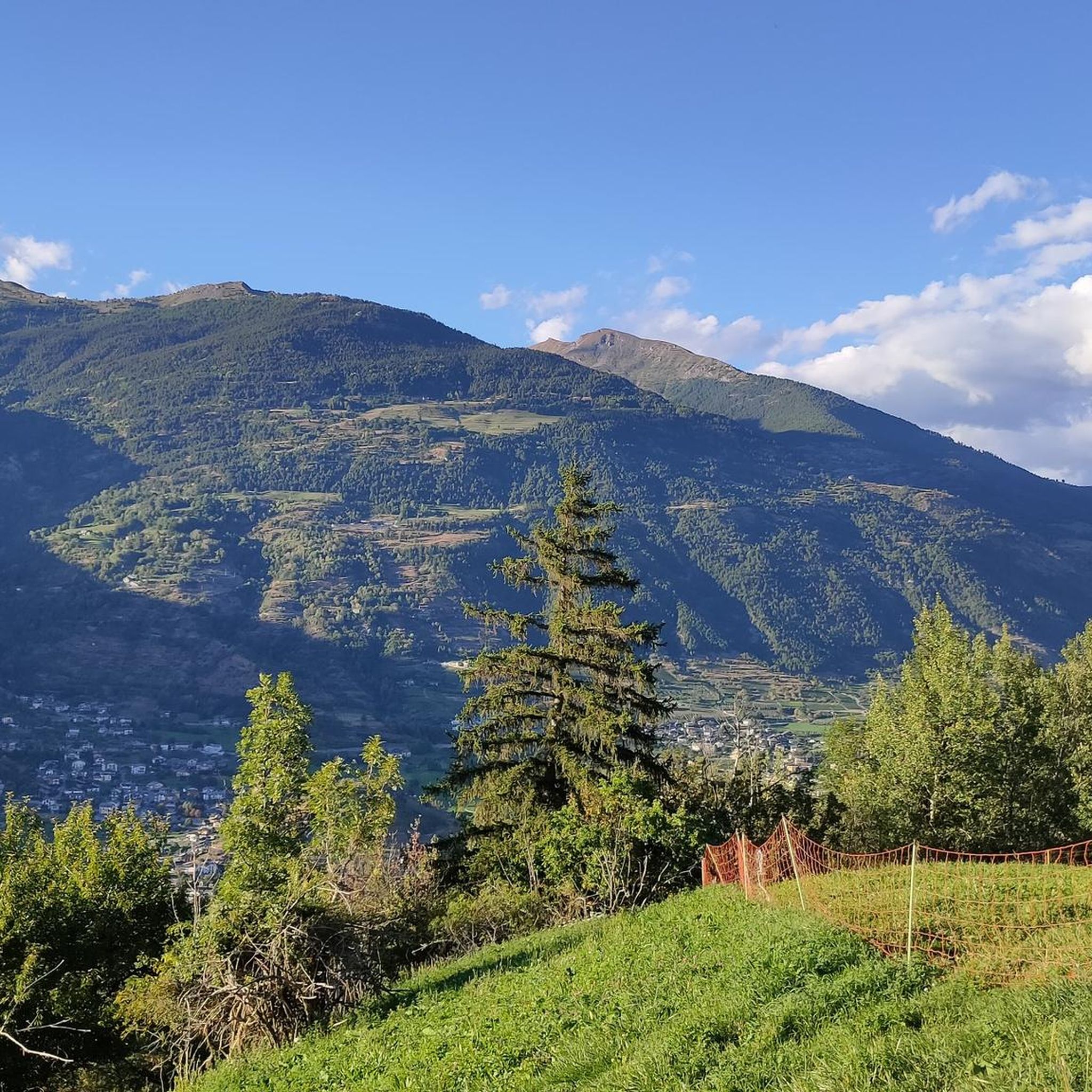
Road Cycling Routes around Aymavilles
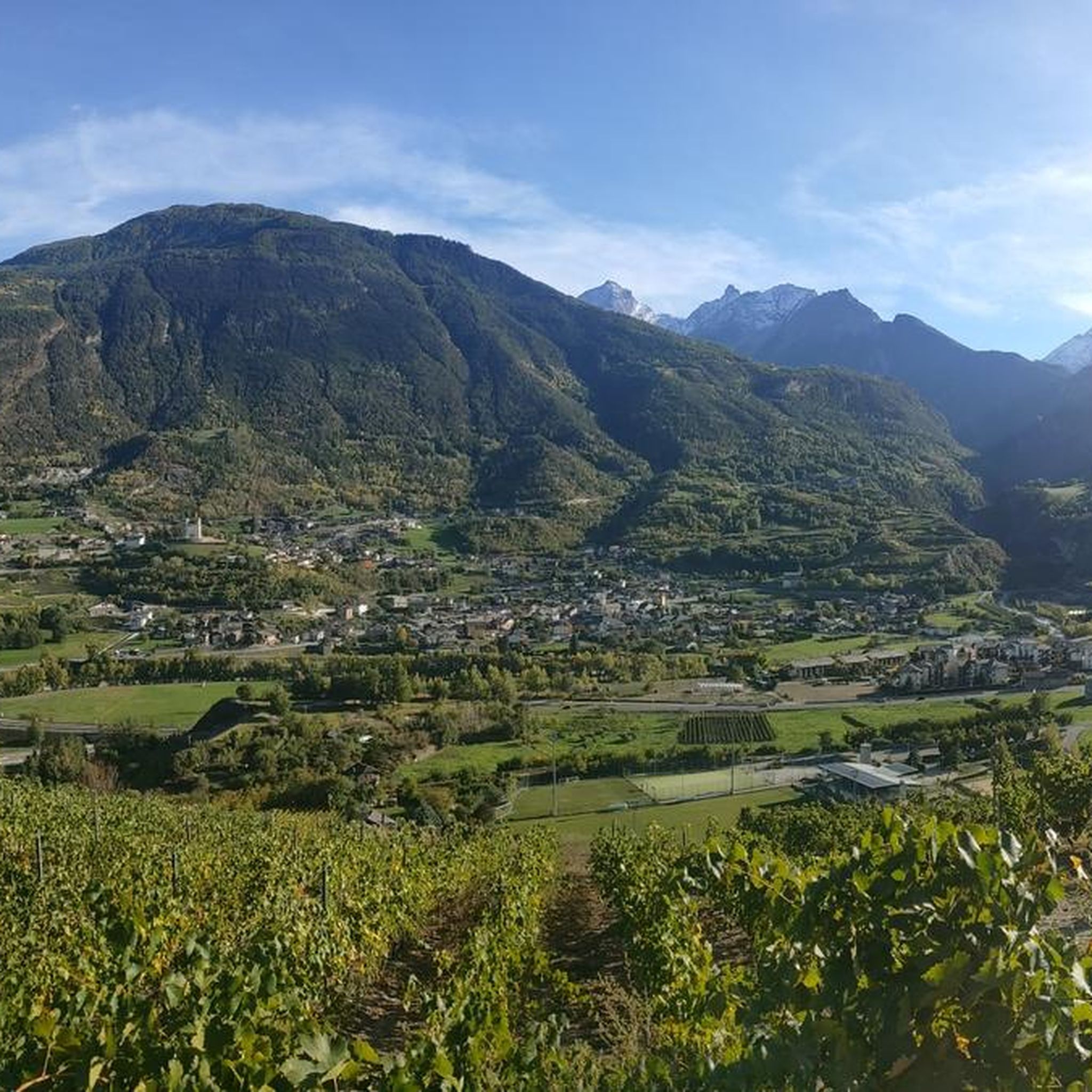
MTB Trails around Aymavilles
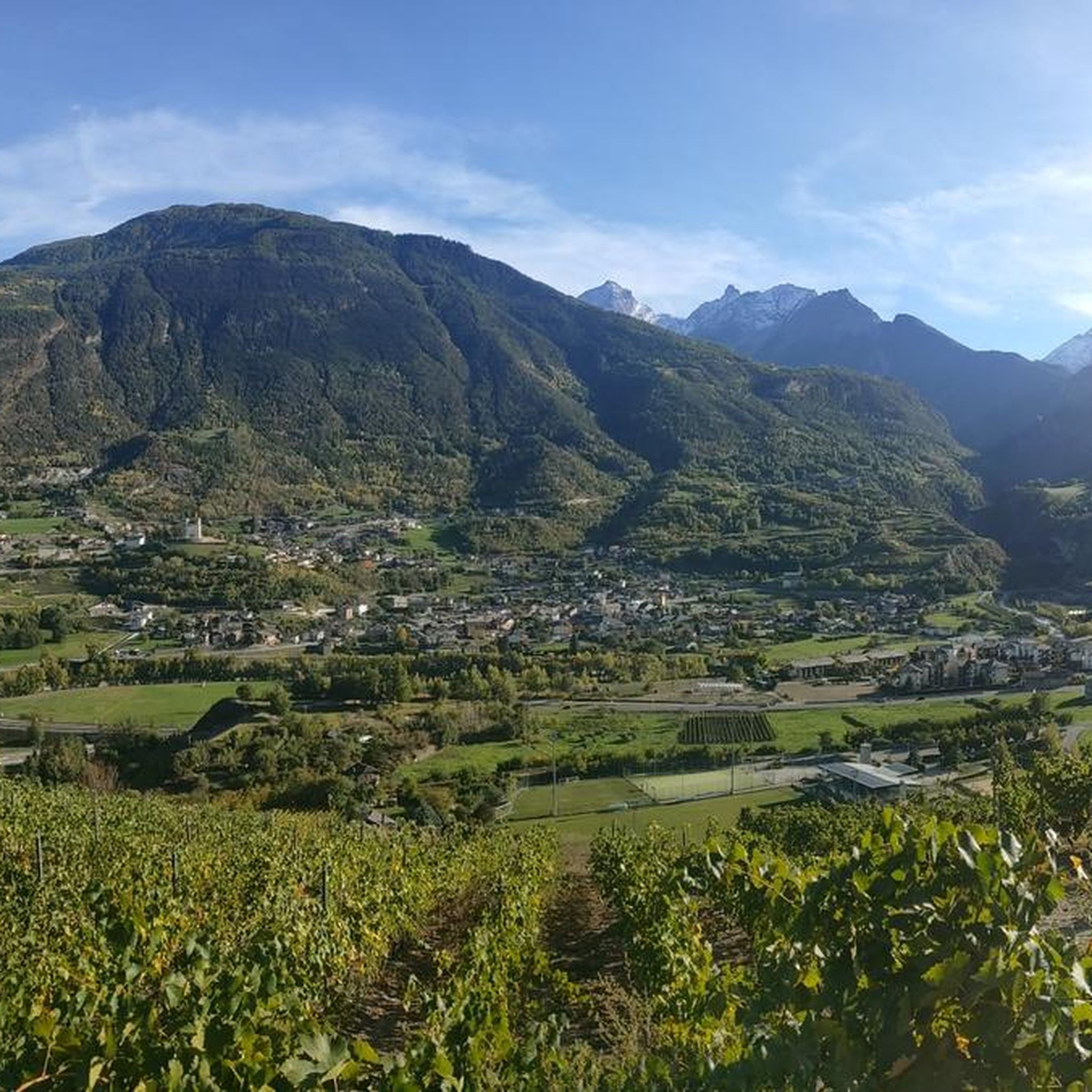
Cycling around Aymavilles

Gravel biking around Aymavilles
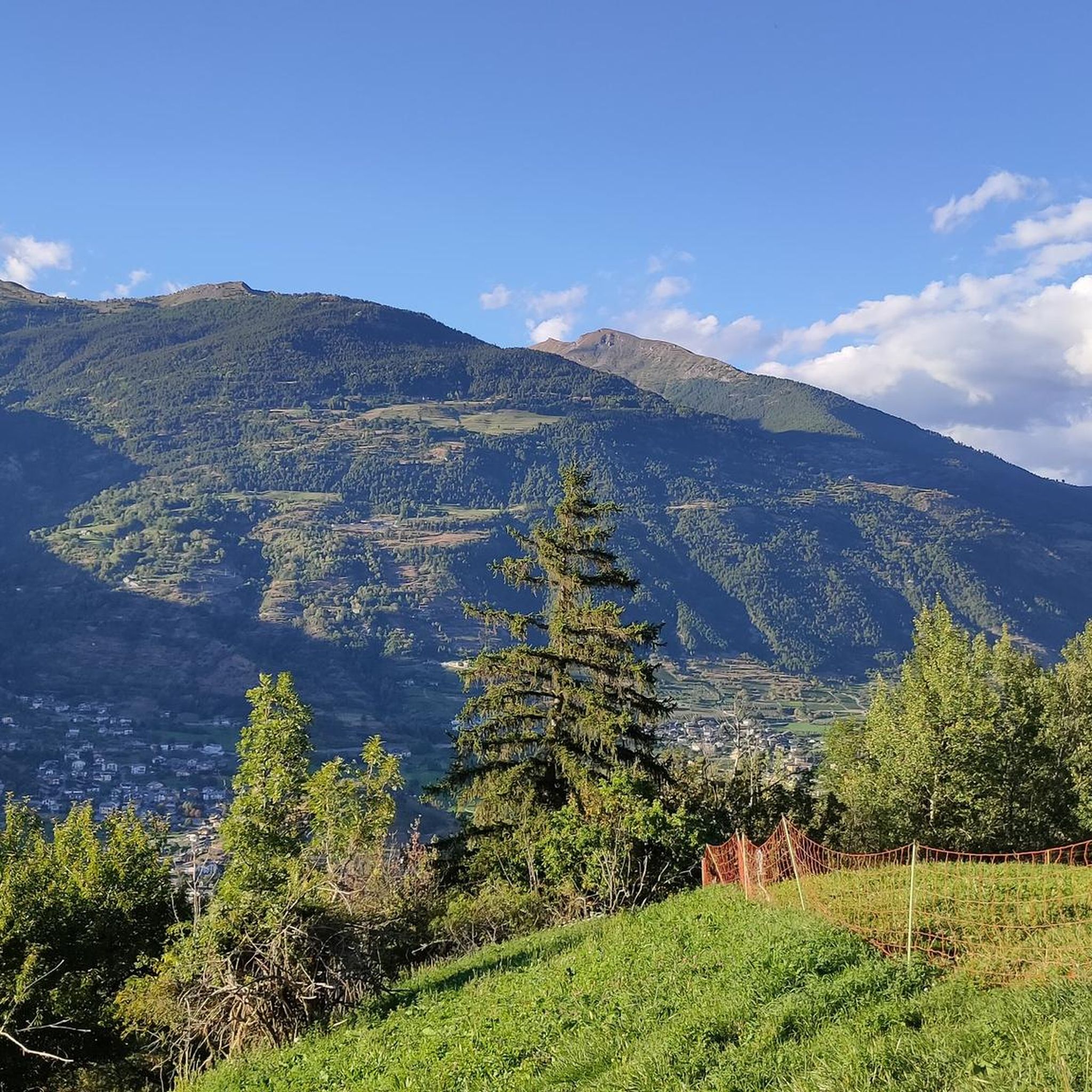
Running Trails around Aymavilles

Mountain Hikes around Aymavilles


Tips from the Community

Seen only from the outside, very very beautiful!
0
0

Now the castle is no longer owned by the Caracciolo family but has been purchased by the Autonomous Region of Aosta valley.
0
0

The origin of Introd Castle dates back to the 12th century. It was built with a simple structure with a square central keep surrounded by an enclosure. Pierre Sarriod d'Introd enlarged it in 1260, followed by subsequent modifications in the 15th century that completed the castle. Two fires, the first in the second half of the 19th century and the second in the early 20th century, necessitated restoration work. In the latter case, they were completed by architect Jean Chevalley and commissioned by the then owner, knight Gonnella. Opposite the castle is a Renaissance-style attic. It is entirely made of wood and has two magnificent wrought-iron gates. Nearby is the stable called Ôla. Today, Introd Castle is owned by the counts Caracciolo of Brienza and is managed by the Grand-Paradis Foundation 1. The living room is decorated with frescoes. Near the ceiling are scenes depicting a different tree each, above which is trompe l'oeil wallpaper.
0
0

The Torre dei Balivi, also known as Tour du bailliage, is one of Aosta's medieval architectural treasures. The tower, also known as Tour Cornière in French, was mentioned as early as 1192. In the 12th century it became the property of the local noble family De Palais (or De Palacio), who used it for their own purposes. Later, in the 13th century, it was transferred to the Count of Savoy and served as the seat of the bailiff (in old French, Bailly). The tower was expanded and remodeled in the 15th and 16th centuries, with new parts added to meet growing needs. In the 17th century it was used as a prison and courthouse. Since 2014, the tower has housed the Istituto Musicale Pareggiato della Valle d'Aosta.
8
0

The Aymavilles castle, located on a moraine hill and surrounded by meadows and vineyards, dominates the course of the Dora Baltea and the strategic and commercial route that led to the Alpine passes including the Piccolo San Bernardo. Its history is very ancient, in a papal bull of 1207 it appears as a simple tower or stronghold belonging to the assets of the canons of Saint Gilles. This fortification subsequently underwent numerous transformations thanks to the illustrious owners who followed one another over time, starting from 1360, when the Savoys enfeoffed the jurisdiction to Aimone di Challant. The castle is easily recognizable for its original but elegant structure characterized by eighteenth-century stuccoes, loggias and coats of arms. The exterior is refined by the presence of a vast park with a fountain, from which you can enjoy a spectacular view of the entire valley floor.
0
0
The castle of Introd stands on a promontory protected by the rugged gorges of the Savara torrent and the Dora di Rhêmes (the name of Introd, in fact, derives from "entre-eaux", or "between the waters") and probably dates back to the 12th century; like Graines Castle, it originally probably consisted of a square keep surrounded by a wall. After numerous fires and subsequent restoration, today it is open to visits and special events.
1
0

A unique castle, its exterior reflects medieval and Baroque periods, the result of the architectural initiatives of various members of the Challant family, who over the centuries adapted the building to the needs and tastes of the time. Aymavilles Castle is located in the municipality of the same name in the Aosta Valley, on a hill surrounded by vineyards along the road to Cogne. The castle underwent a long and complex restoration project, beginning in 2000, involving a wide range of professionals in the design, historical studies and research, archaeological investigations, and restoration. The restoration involved both the architectural structure and the interior decorations, highlighting the unique features of the various construction campaigns and numerous alterations that occurred over the centuries. Numerous anecdotes, surprises, and curiosities emerged from the past during archival research and the ongoing restoration, all of which are now visible during the tour. History The first mention of the castle dates back to May 1207. The castle began to undergo significant transformations starting in the 14th century, with the passage of the Challants, an important noble family from the Aosta Valley. During the 15th century, the castle was enriched with four corner towers, a double wall, and the construction of the top floor. A major construction campaign dates back to the time of Joseph-Félix de Challant when, between 1713 and 1728, the spaces between the four corner towers were embellished with loggias, decorated with elegant stucco elements, while the interior of the residence was significantly transformed and made more comfortable. The creation of the terraced park helped give the castle the appearance of a modern stately residence surrounded by greenery, completely losing that of a medieval defensive fortress. Throughout the 19th and 20th centuries, following several changes of ownership, the castle underwent numerous internal renovations, initially as a museum by Vittorio Cacherano della Rocca, the last descendant of the Challant family, and later as a summer residence for Piedmontese and Ligurian families. In 1970, the castle became part of the property of the Autonomous Region of Aosta Valley. The castle's green space extends over terraces sloping down towards the village and, with its circular promontory shape, flanks the surrounding hills used for vineyards. In spring and summer, it hosts events and concerts. The castle also includes the outbuildings, once used for agricultural purposes, and the stables, the latter now used as a ticket office. The Visit The Museum Tour The guided tour and multimedia installations allow visitors to discover the castle's history through the key phases of its transformation, linked to the various families who have lived there. The museum tour unfolds over four levels: Level I – The history of the families who have lived in the castle: on the ground floor, the rooms illustrate the events of the Challant and Bombrini families, the last owners of the castle before it was purchased by the Autonomous Region of Valle d'Aosta. Level II – Nineteenth-century collecting, from Vittorio Cacherano della Rocca Challant to the collection of the Accademia di Sant'Anselmo: on the first floor, the large hall represents the junction between the castle's history and the birth of the collection of the Aosta Valley cultural association in the 19th century, to which all the rooms in this section are dedicated. Level III – The rooms of Madama Giovane and the collection of the Accademia di Sant'Anselmo: the exhibition coexists with testimonies of daily life in the castle in the 19th century. Level IV – The evolutionary phases of the castle and the 15th-century wooden ceiling: the attic, integrated with the still visible architectural remains, illustrates the building's transformations over the course of its history. of the centuries with the support of multimedia technologies.
0
0

Throughout history, the Castello di Bramafam has had various functions, including defense, residence and administrative center. It also served as a customs post and control point for trade and the movement of people in the Aosta Valley.
54
0
Frequently Asked Questions
What makes Aymavilles Castle a unique historical site?
Aymavilles Castle is unique for its blend of medieval and Baroque architectural styles, showcasing its evolution from a 13th-century fortified house to an 18th-century noble residence. It features a quadrangular plan with four cylindrical towers, and its interiors reflect 19th-century eclectic styles. The castle offers guided tours with multimedia installations that detail its history and the Challant family who owned it for centuries. You can learn more about it on its highlight page: Aymavilles Castle.
Are there other notable historical castles or towers to visit near Aymavilles?
Yes, beyond Aymavilles Castle, you can explore several other significant historical sites. These include Introd Castle, a 12th-century structure built on a promontory, and Torre dei Balivi in Aosta, a medieval tower that served as a bailiff's seat and prison. Also, consider visiting Saint-Pierre Church and Castle, and the Torre del Lebbroso, a 13th-century tower used as an exhibition space.
What kind of architectural styles can I expect to see in the castles around Aymavilles?
The castles in the Aymavilles region offer a fascinating journey through architectural history. You'll find structures ranging from 12th-century medieval fortifications, often characterized by robust towers and defensive designs, to 18th-century Baroque transformations that introduced more elegant, residential features like loggias, stucco elements, and grand staircases. Aymavilles Castle itself is a prime example of this blend.
What is the best time of year to visit the castles in Aymavilles?
The best time to visit the castles around Aymavilles is generally during spring and summer. During these seasons, the weather is pleasant for exploring the castle grounds and surrounding vineyards. Aymavilles Castle's terraced park also hosts events and concerts in spring and summer. However, some castles may offer unique experiences in other seasons, so it's advisable to check specific opening hours and seasonal considerations for each site.
Are there family-friendly activities or features at the castles?
Many castles in the region, including Aymavilles Castle and Introd Castle, are considered family-friendly. Aymavilles Castle, for instance, offers guided tours with multimedia installations that can engage visitors of all ages in its rich history. The scenic surroundings and terraced parks also provide pleasant spaces for families to explore together.
What outdoor activities can I do near the castles in Aymavilles?
The region around Aymavilles offers a variety of outdoor activities. You can find numerous routes for mountain biking, mountaineering, and running. For example, there are challenging MTB trails like the 'Gravel ascent – Mont Fallère Refuge loop' and scenic running routes such as the 'Gressan Green Area – Bridge over the Dora Baltea loop'. Explore more options in the MTB Trails around Aymavilles, Mountain Hikes around Aymavilles, and Running Trails around Aymavilles guides.
Are there hiking trails near the castles in Aymavilles?
Yes, there are several hiking opportunities near the castles. For instance, you can find mountain hikes like the 'Rifugio Federico Chabod loop' or the 'Pointe de la Pierre loop' from Pont D'Aël. Many trails offer scenic views of the Aosta Valley and surrounding natural features. For detailed information on routes and their difficulty, refer to the Mountain Hikes around Aymavilles guide.
What natural features or viewpoints can be enjoyed near the castles?
The castles are often situated in scenic locations. Aymavilles Castle, for example, is perched on a moraine hill surrounded by vineyards, offering spectacular views of the Dora Baltea and Grand Eyvia rivers, as well as the entire valley floor. Its terraced park provides a beautiful setting to enjoy the landscape.
What are the parking and accessibility options for Aymavilles Castle?
Aymavilles Castle is accessible by car via the SS26 road, and parking is available nearby. Public transport from Aosta is also an option. The castle has undergone extensive renovations to enhance visitor experience, and while specific accessibility details for all areas should be confirmed, it is generally set up for guided tours and multimedia installations.
Can I find cafes or restaurants near the castles in Aymavilles?
While the guide data doesn't specify individual cafes or restaurants directly within each castle, the municipality of Aymavilles and nearby Aosta offer various dining options. After exploring the castles, you can find places to eat and drink in the local towns. For specific recommendations, it's best to check local listings in Aymavilles or Aosta.
What is the history of the Challant family's connection to Aymavilles Castle?
The Challant family played a crucial role in the development of Aymavilles Castle, owning it for over five centuries starting in 1354. They were responsible for significant transformations, including expanding the dungeon, adding a moat and drawbridge, and constructing the distinctive four corner towers. Later, Baron Joseph-Félix de Challant transformed it into an elegant noble residence in the 18th century. The castle's museum itinerary details the events and influence of this powerful family.
Are there any dog-friendly trails or areas around the castles?
While specific dog-friendly policies for castle interiors or immediate grounds are not detailed, the surrounding natural areas and many outdoor trails in the Aymavilles region are generally suitable for walks with dogs. When planning to visit specific trails, especially those entering protected areas like Gran Paradiso National Park, it's always recommended to check for any restrictions or leash requirements. The nearby running and hiking guides may offer suitable routes.
What kind of collections or exhibitions are housed within Aymavilles Castle?
After extensive renovations, Aymavilles Castle now houses collections, including those from the Accademia di Sant'Anselmo. These collections focus on historical local artifacts and showcase 19th-century daily life at the manor. The museum tour also highlights the castle's evolutionary phases and features a 15th-century wooden ceiling, integrated with multimedia technologies to illustrate its history.
Most popular routes around Aymavilles
Most popular attractions around Aymavilles

Get inspired with the komoot mobile app


Explore more
Looking for the best castles somewhere else? Discover other guides around Aymavilles:
