Top 7 Caves around Carzeghe/Cargeghe
Caves around Carzeghe/Cargeghe offer a diverse range of underground experiences, from ancient archaeological sites to natural geological formations. The area is particularly rich in prehistoric rock-cut tombs known as Domus de Janas, which provide insight into ancient Sardinian cultures. While natural caves are present, the region's primary underground attractions are its historical sites. These locations showcase significant craftsmanship and spiritual heritage.
Best caves around Carzeghe/Cargeghe
- The most popular caves is Rock Formations and Caves of the Sardinian Highlands, a…
Last updated: June 30, 2026
The tomb of Molafà (Sardinia, Italy)
Highlight • Historical Site
Translated by Google •
Tip by

Rock Formations and Caves of the Sardinian Highlands
Highlight (Segment) • Cave
Translated by Google •
Tip by

Sign up now to discover places like this
Get recommendations on the best single tracks, peaks, & plenty of other exciting outdoor places.
Sign up for free
Noeddale Necropolis, Ossi
Highlight • Historical Site
Tip by
Necropolis of Mesu ‘e Montes
Highlight • Historical Site
Left Ossi in the direction of Florinas, after …
Tip by
Hypogeum Sas Puntas at Tissi (Sardinia)
Highlight • Historical Site
Tip by
Sign up for free to discover even more caves around Carzeghe/Cargeghe.
Sign up for free
Already have an account?
Start today with a free account
Your next adventure awaits.
Login or Signup

Tips from the Community

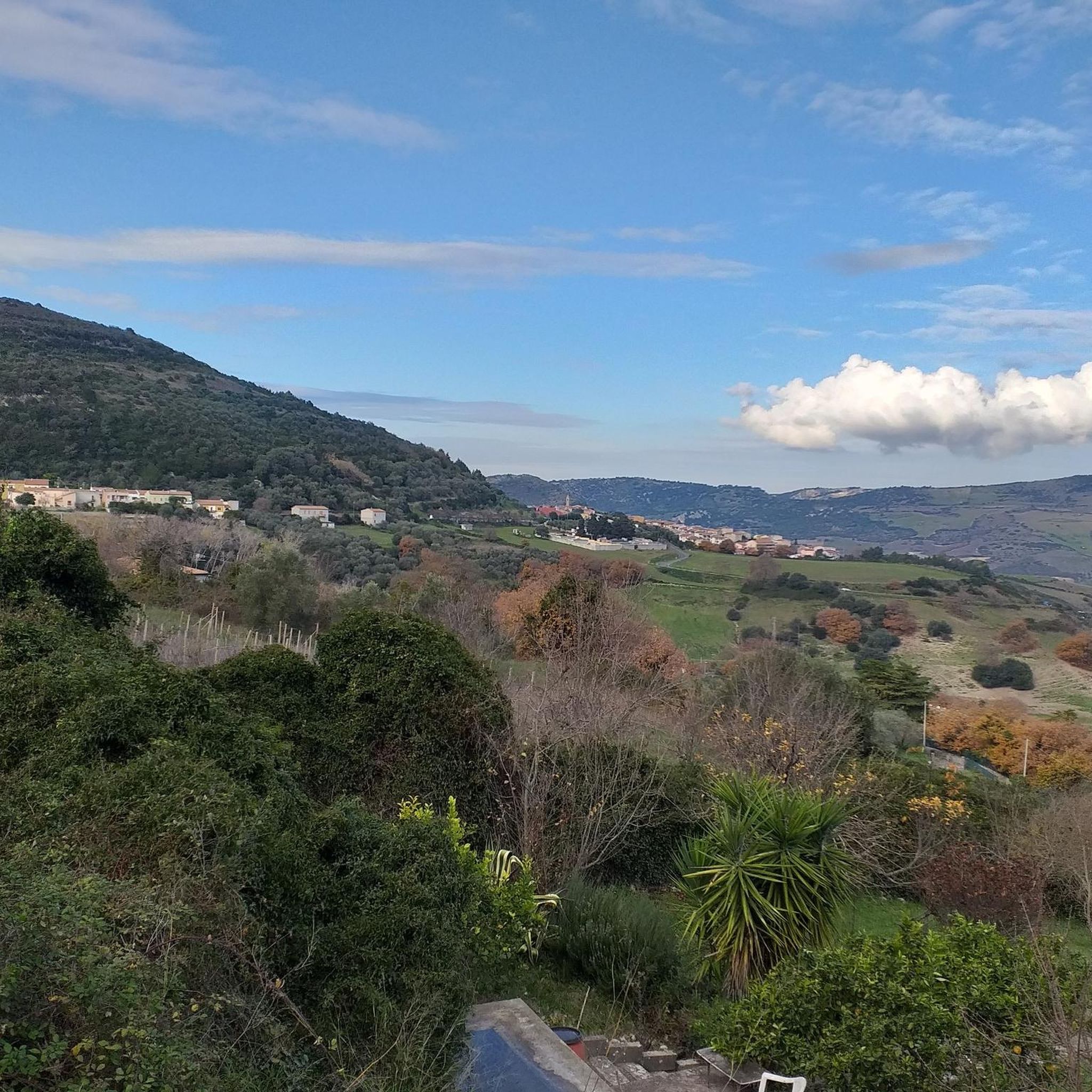
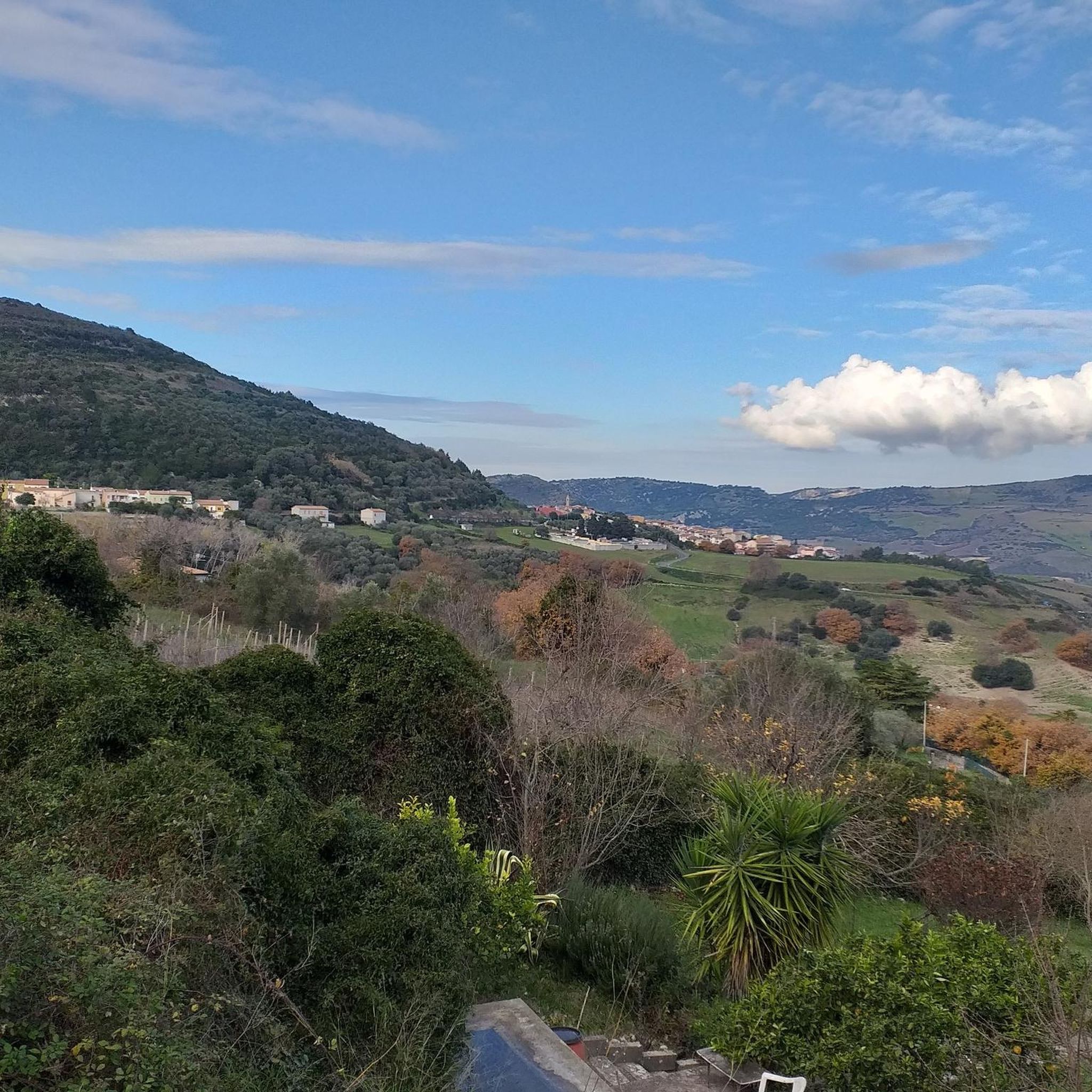
Plains with a primordial appearance, large green spaces bordered by imposing rock formations, isolated or in rows, with caves dug by nature and inhabited by man over the millennia
0
0

Prehistoric archaeological site located in the municipality of Sassari, in the locality of Molafà. particular interest
5
0

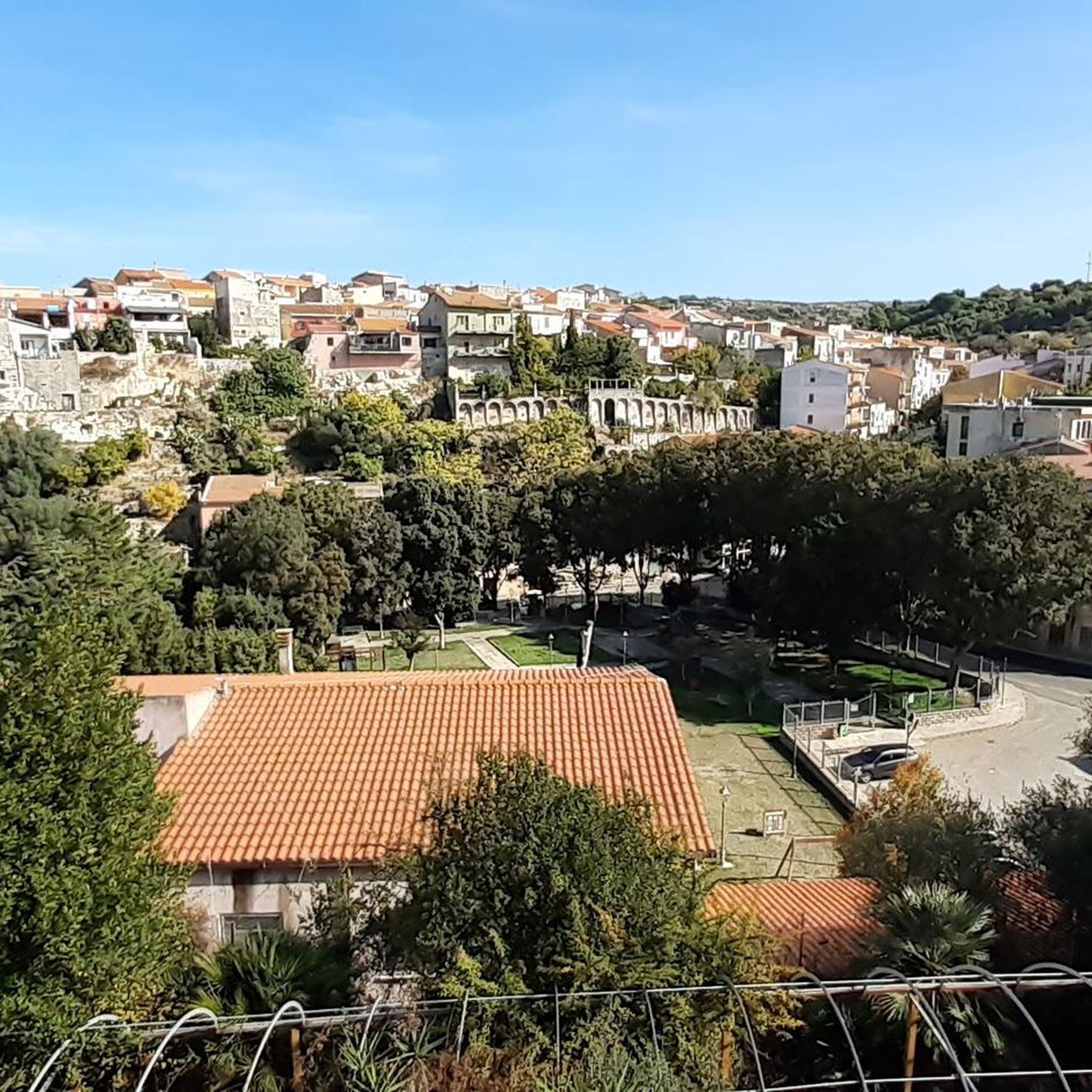
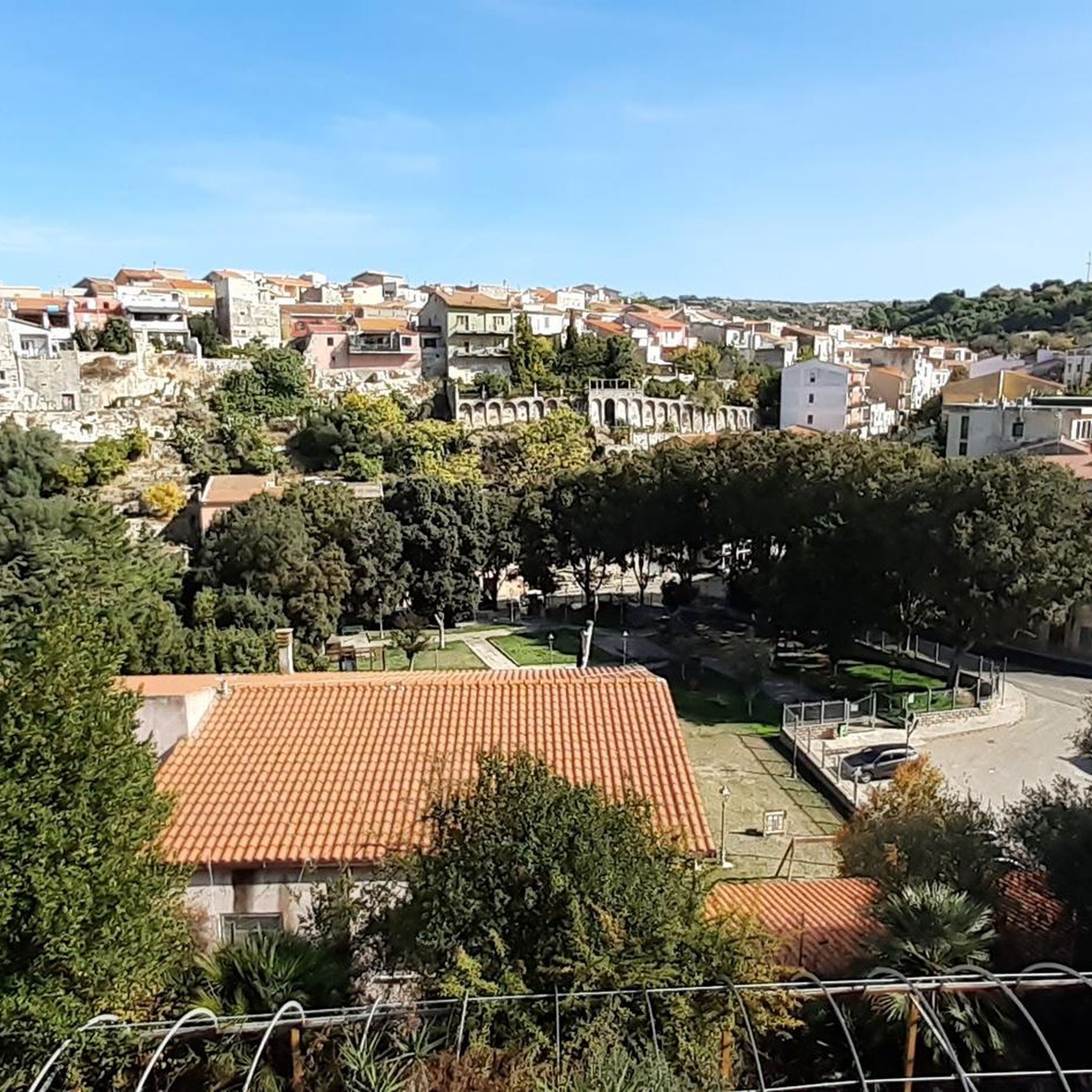
The necropolis of Noeddale is an archaeological site located in the territory of Ossi (in the province of Sassari in north-western Sardinia). It is an area rich in evidence of the island's hypogean architecture (4th-3rd millennium BC). The necropolis consists of six hypogea, three of which are preceded by dromoi (access corridors also carved out of the rock). The most interesting are those called the "tomb of the house" (made up of 11 rooms) which reproduces the architectural structure and the ceiling of the pre-nuragic houses, and the "tomb of the spirals" enriched by numerous relief decorations: spirals, taurine protomes, frames ... The area is open and has free entry; it is accessed from the last houses of Ossi towards Florinas
2
0
In the territory south of Ossi there is an imposing necropolis on a limestone ridge of the southern slopes of Mount Mamas. Left Ossi in the direction of Florinas, after 10 km on the SP 3, on the left you see a dirt road that leads quickly to a large open space, where you can leave your bike under a big oak tree. Here a path, well delimited by low dry stone walls, climbs (for 400 m.) to the funeral complex. The necropolis consists of 18 domus de janas, all multicellular (in two of them there are up to 12 rooms), richly adorned with pilasters, panels, false doors, taurine protomes, spiral or wolf teeth motifs. Some tombs reproduce the structure of the pre-nuragic houses with great realism: horizontal, or single or double sloping roofs, central beams and lateral joists, support pillars, zigzag and sawtooth motifs, fireplaces… everything carved in the rock. Remember to bring a torch. The place is free to access and is clearly indicated by a sign at the beginning of the dirt road.
1
0
The tomb of Sas Puntas is located in the territory of Tissi (province of Sassari, Sardinia). Following from Sassari the road sp. 3, after a double curve which marks the beginning of the outskirts of Tissi, there is a lane with an (unreadable) sign indicating on the left the direction to the site. Where the lane ends, follow to the right a rocky and irregular path that runs along the ravine on the left. When it reaches a high limestone boulder with a deep vertical crack, go down some rough steps and then a steep path for about twenty meters up to a clearing near a large reef of limestone where the hypogeum is excavated. The exterior is characterized by an exedra with a seat along its entire length and the typical stele. The oval-shaped interior shows two opposite niches and on the floor two cups pecked into the rock surface. This tomb is defined “a prospetto architettonico”, that is, a grave of the Nuragic age, excavated in the rock (such as the pre-Nuragic domus de janas) which reproduces in the outer facade both a stele and an exedra, that are typical elements of the Giants' Tombs. This type of grave is widespread in the territory of Sassari, but is nearly absent in the rest of Sardinia. Access is free. But the indications are almost non-existent. You can contact the Municipality of Tissi to request a guided tour.
1
0
The tomb of Molafà is located within the municipal territory of Sassari (Sardinia). Leaving Sassari towards Alghero on state road 127 bis, after about 5 kilometers from the city center, you reach a level crossing and the very small station of Molafà. Not far away, on the slopes of the hill on your right, lies the tomb, which takes its name from the place. In early Middle Ages it was used and known as a rock church, but in reality it was a grave dating back to the nuragic era . This tomb is defined “a prospetto architettonico”, that is, a grave excavated in the rock (such as the pre-Nuragic domus de janas) which reproduces in the outer facade both a stele and an exedra, that are typical elements of the Tombs of the Giants. Inside, there are several burial cells. This type of grave is widespread in the territory of Sassari, but is absent elsewhere in Sardinia. There are no fences or gates, so you can visit it freely. Near the tomb of Molafà stands the homonymous, mono-towered nuraghe.
3
0
Frequently Asked Questions
What types of underground sites can I explore around Cargeghe?
The Cargeghe area offers a unique blend of natural geological formations and ancient archaeological sites. You can explore prehistoric rock-cut tombs known as Domus de Janas, which are significant cultural heritage sites, as well as some natural caves showcasing karstic phenomena.
Are there natural caves for speleology near Cargeghe?
Yes, the most significant natural cave in the vicinity is Sa Ucca 'e su Peltusu (also known as Grotta Su Peltusu Nieddu). It's recognized as the largest cave in the province of Sassari, featuring an active underground river and unique Miocene fossil oyster deposits. This cave offers a true speleological adventure for those with the necessary equipment and expertise, as it's not a typical tourist attraction with established infrastructure.
What are the Domus de Janas and where can I find them around Cargeghe?
The Domus de Janas, meaning 'fairy houses,' are prehistoric rock-cut chamber tombs carved into calcareous rock during the Neolithic period. They offer a fascinating glimpse into ancient Sardinian cultures. Around Cargeghe, you can visit sites like the Tomb of Molafà, the Noeddale Necropolis, Ossi, the Necropolis of Mesu ‘e Montes, and the Hypogeum Sas Puntas at Tissi. Many feature intricate designs and are now part of a UNESCO World Heritage Site.
Do I need special equipment or permits to visit the underground sites?
For the archaeological Domus de Janas sites, access is generally free and does not require special permits or equipment, though bringing a torch is recommended for exploring inside. However, for natural caves like Sa Ucca 'e su Peltusu, exploration is typically undertaken by caving groups and requires specific equipment (e.g., wetsuits for submerged sections) and expertise. Access may also require permission, as some entry points cross private land.
Are there any family-friendly underground sites around Cargeghe?
The Domus de Janas archaeological sites are generally suitable for families interested in history and culture, as they are accessible and offer a unique educational experience. Sites like the Noeddale Necropolis, Ossi, with its 'tomb of the house' and 'tomb of the spirals,' provide engaging insights into ancient architecture and art.
What kind of geological features can be found in the natural caves near Cargeghe?
The natural caves in the region, particularly Sa Ucca 'e su Peltusu, are known for remarkable karstic erosion phenomena. They feature active underground rivers, extensive galleries, and significant deposits of Miocene fossil oysters, which are considered regionally unique. You can also find imposing rock formations with caves carved by nature, such as those at the Rock Formations and Caves of the Sardinian Highlands.
What outdoor activities can I combine with a visit to the caves?
The Cargeghe area offers various outdoor activities. You can explore hiking trails, enjoy mountain biking, or go road cycling. Many routes pass near or offer views of the region's natural landscapes and historical sites, allowing you to combine your underground exploration with scenic outdoor adventures.
When is the best time of year to visit the caves and archaeological sites?
The Cargeghe region generally enjoys a Mediterranean climate. Spring (April-June) and autumn (September-October) are often ideal for visiting, as the weather is milder and more comfortable for exploring both outdoor archaeological sites and potentially cooler cave environments. Summers can be hot, while winters are generally mild but may bring more rain.
Are there any dog-friendly options for visiting caves or nearby trails?
While specific natural caves might not be suitable for dogs due to confined spaces or required equipment, many of the outdoor archaeological sites (Domus de Janas) are open-air or easily accessible, making them potentially dog-friendly. Additionally, numerous hiking trails in the surrounding area are suitable for walks with dogs, allowing you to enjoy the natural landscape together.
What historical significance do the Domus de Janas hold?
The Domus de Janas are deeply significant to Sardinia's pre-Nuragic history and culture. These rock-cut tombs, dating back to the Neolithic period, served as burial sites and reflect the spiritual beliefs and sophisticated craftsmanship of ancient communities. Their intricate designs, including decorative ornamentation, spirals, and false doors, provide invaluable insights into the funerary practices and architectural styles of the island's early inhabitants. In July 2025, 17 necropolises of Domus de Janas were inscribed as a UNESCO World Heritage Site, highlighting their global importance.
Are there any specific hiking trails that lead to the Domus de Janas?
Yes, several hiking opportunities exist around the archaeological sites. For example, the Necropolis of Mesu ‘e Montes is accessed via a well-delimited path from a dirt road. You can find various hiking routes in the region that allow you to explore these historical landmarks and the surrounding landscapes.
What should I wear when visiting the underground sites?
For archaeological sites like the Domus de Janas, comfortable walking shoes are recommended, as you'll be exploring uneven terrain. Bringing a light jacket might be useful for cooler interiors, and a torch is advisable for better visibility. For natural caves requiring speleological exploration, specialized gear such as helmets, headlamps, sturdy boots, and potentially wetsuits would be necessary.
Most popular routes around Carzeghe/Cargeghe
Most popular attractions around Carzeghe/Cargeghe

Get inspired with the komoot mobile app


Explore more
Extend your search for the best caves by checking out these guides of the top ones around Carzeghe/Cargeghe:
