Top 5 Caves around Thiesi
Best caves around Thiesi, a municipality in Sardinia, are situated in a region known for its significant natural and archaeological subterranean sites. The area features a landscape characterized by karst formations and ancient human presence. Thiesi and its surroundings offer a variety of caves, from natural karst systems to prehistoric necropolises. These sites provide insights into both geological processes and early Sardinian cultures.
Best caves around Thiesi
- The most popular caves is Rock Formations and Caves of the Sardinian Highlands…
Last updated: June 30, 2026
Domus de Janas di S’Ena de Cannuja
Highlight • Cave
Translated by Google •
Tip by

Rock Formations and Caves of the Sardinian Highlands
Highlight (Segment) • Cave
Translated by Google •
Tip by

Sign up now to discover places like this
Get recommendations on the best single tracks, peaks, & plenty of other exciting outdoor places.
Sign up for free
Necropolis of Mesu ‘e Montes
Highlight • Historical Site
Left Ossi in the direction of Florinas, after …
Tip by
Puttu Codinu Necropolis
Highlight • Historical Site
Translated by Google •
Tip by

Sa Ucca de su Tintirriolu Cave
Highlight • Cave
Translated by Google •
Tip by

Start today with a free account
Your next adventure awaits.
Login or Signup
Tips from the Community

An adventurous approach, barking dogs, thorny undergrowth. The dolmens were great, but unfortunately the hiking trail was not well maintained, so we turned back with our son.
0
0

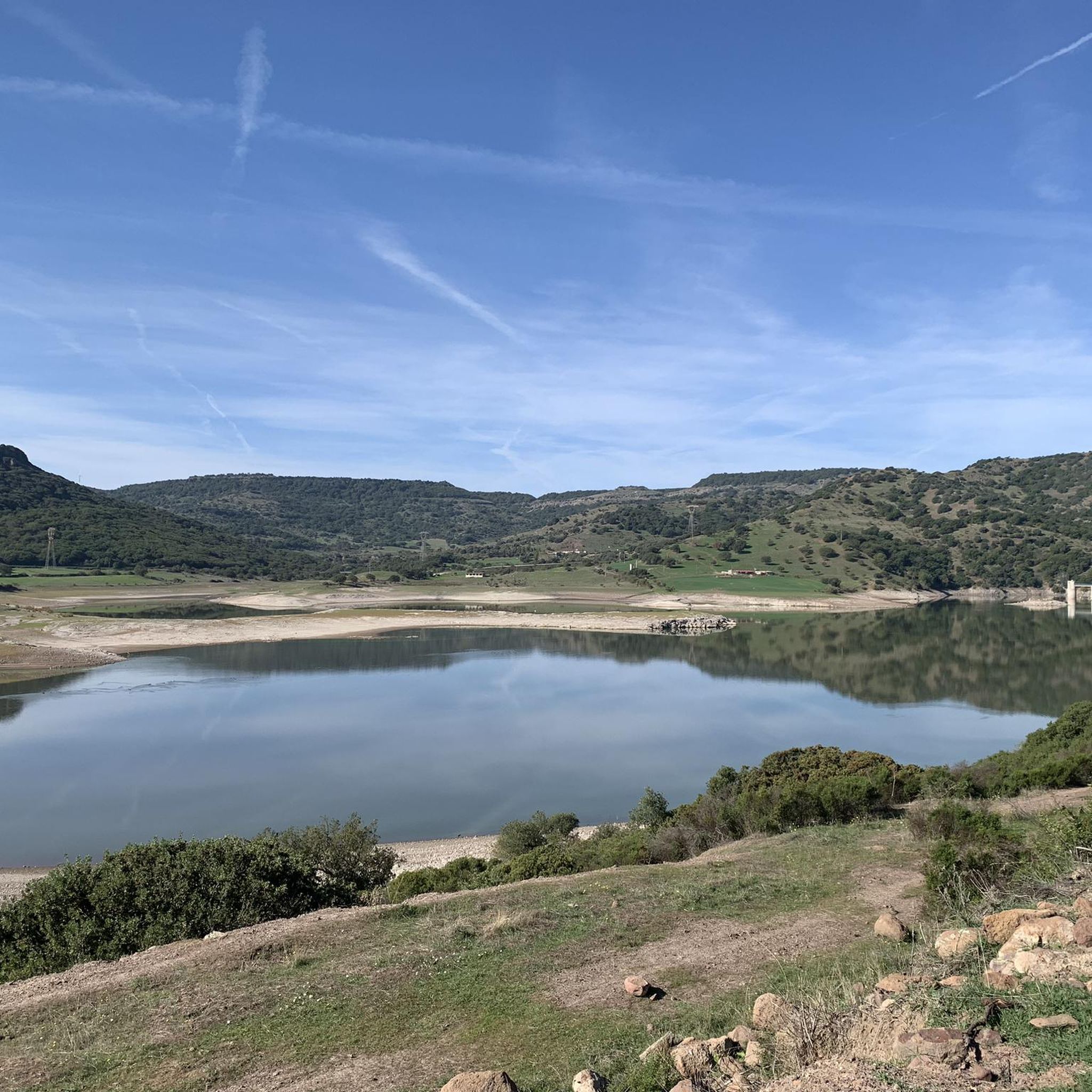
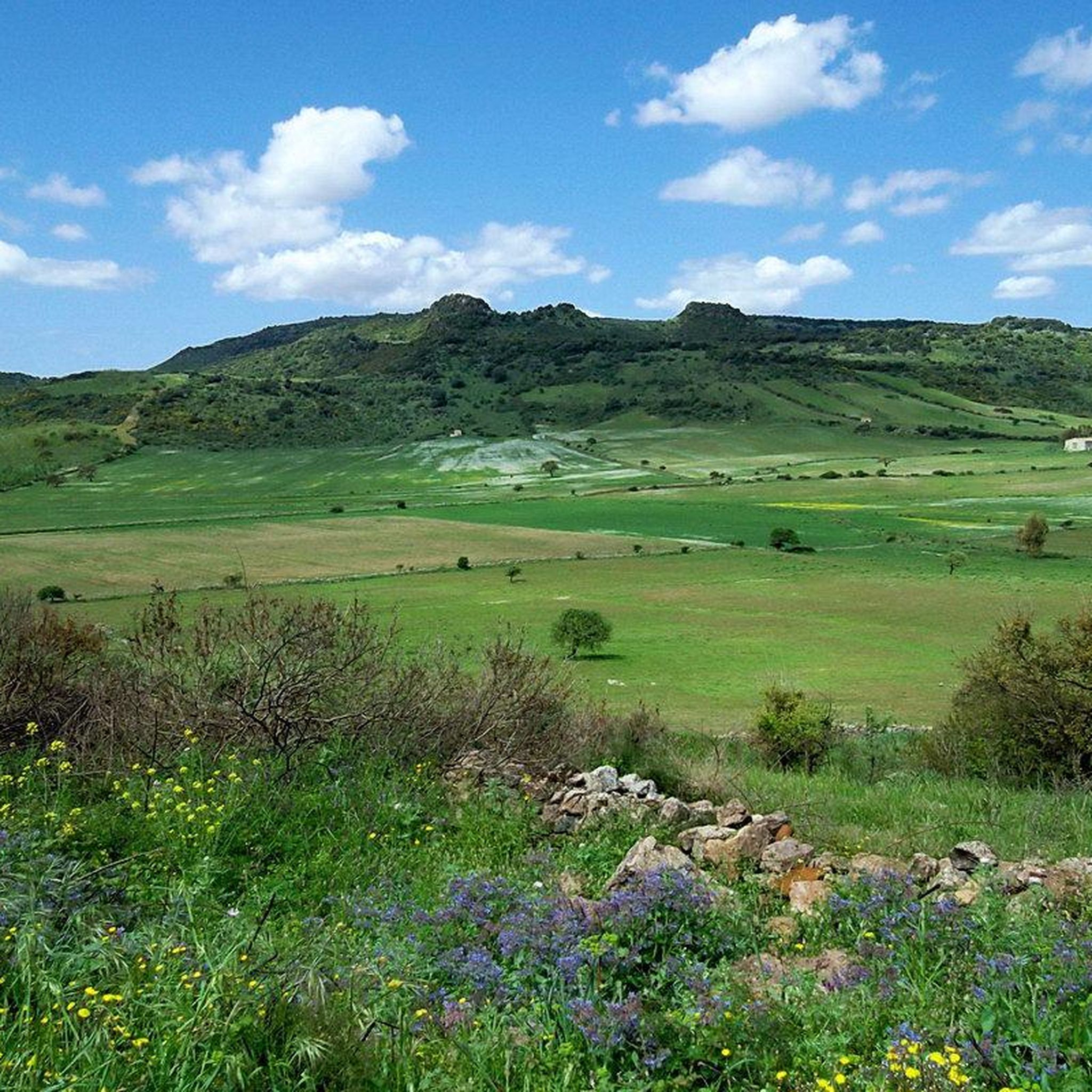
Plains with a primordial appearance, large green spaces bordered by imposing rock formations, isolated or in rows, with caves dug by nature and inhabited by man over the millennia
0
0

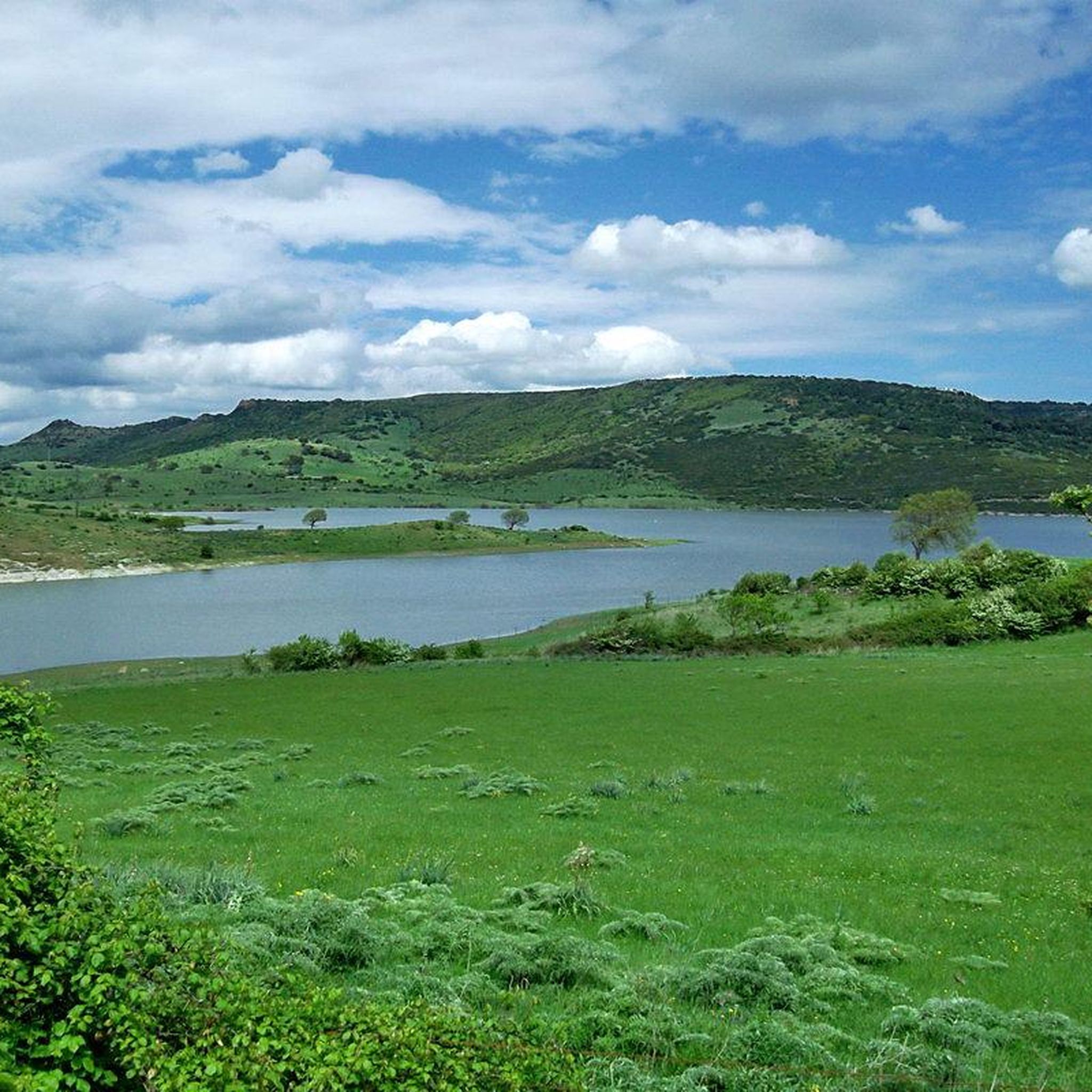
The caves are accessible from the road across a meadow. However, there are no paths, despite other claims to the contrary. We didn't find one, and the thistles and thorns make hiking less enjoyable. The area and the view are, of course, wonderful.
0
0

The necropolis of Puttu Codinu ("rock well") is an archaeological site located in the municipality of Villanova Monteleone, province of Sassari, near the state road 292 that leads to Monteleone Rocca Doria. A necropolis with nine hypogeal tombs was found on the site, in an area with rocks emerging from the surrounding land. The tombs were found by chance during recent excavation work. It is believed that the site began to be used in the recent Neolithic (3500 BC). Source: Wikipedia https://it.wikipedia.org/wiki/Necropoli_di_Puttu_Codinu
0
0

The path passes through the Domus de Janas of S'Ena de Cannuja, ancient pre-Nuragic tombs carved into the rock, dating back to the 3rd millennium BC. This necropolis includes six tombs dug into a trachytic ridge. The tombs were presumably reached using carvings dug into the rock face similar to those still preserved in the Domus de Janas Sos Furrighesos necropolis in Anela.
1
0

The archaeological finds in this cave were fundamental in giving the name to the pre-Nuragic culture of Bonu Ighinu (the name of this area), which developed in Sardinia during the 4th millennium BC. (4000-3400 BC). It is considered the first culture in Sardinia to have used natural cavities as sepulchres, which then formed small necropolises.
0
0
In the territory south of Ossi there is an imposing necropolis on a limestone ridge of the southern slopes of Mount Mamas. Left Ossi in the direction of Florinas, after 10 km on the SP 3, on the left you see a dirt road that leads quickly to a large open space, where you can leave your bike under a big oak tree. Here a path, well delimited by low dry stone walls, climbs (for 400 m.) to the funeral complex. The necropolis consists of 18 domus de janas, all multicellular (in two of them there are up to 12 rooms), richly adorned with pilasters, panels, false doors, taurine protomes, spiral or wolf teeth motifs. Some tombs reproduce the structure of the pre-nuragic houses with great realism: horizontal, or single or double sloping roofs, central beams and lateral joists, support pillars, zigzag and sawtooth motifs, fireplaces… everything carved in the rock. Remember to bring a torch. The place is free to access and is clearly indicated by a sign at the beginning of the dirt road.
1
0
Frequently Asked Questions
What are some notable natural caves to explore near Thiesi?
The Monte Majore Cave in Thiesi is a significant natural karst cave, approximately 300 meters long, known for its impressive mineral formations and a large bat colony. Another important natural cave is Grotta Sa Rocca Ulàri in Borutta, which features a spacious interior and also hosts a substantial bat colony.
Are there any significant archaeological cave sites around Thiesi?
Yes, the region is rich in archaeological cave sites. The Grotta di San Michele in Ozieri is globally recognized for giving its name to the 'Ozieri Culture,' a pivotal Neolithic civilization. Other notable sites include Domus de Janas di S’Ena de Cannuja, an ancient pre-Nuragic necropolis, and the Necropolis of Mesu ‘e Montes, an imposing necropolis with 18 multicellular domus de janas. The Puttu Codinu Necropolis and Sa Ucca de su Tintirriolu Cave are also important for their prehistoric findings.
What kind of unique geological features can I expect to see in the caves near Thiesi?
Many caves in the Thiesi area, such as Monte Majore Cave, are entirely 'concretionised,' meaning they are adorned with various mineral formations like stalactites and stalagmites. The Rock Formations and Caves of the Sardinian Highlands also showcase large green spaces bordered by imposing rock formations, with caves naturally carved over millennia.
What is the best time of year to visit the caves around Thiesi?
While specific recommendations for all caves are not available, generally, the spring and autumn months offer pleasant temperatures for exploring outdoor sites and caves in Sardinia, avoiding the intense heat of summer. Some caves, like Monte Majore, may have water pools inside, so conditions can vary seasonally.
Are the caves around Thiesi family-friendly?
Some archaeological sites like Domus de Janas di S’Ena de Cannuja can be accessed, but visitors should be aware that paths might not always be well-maintained, as noted by some visitors. For natural caves like Monte Majore, a medium-difficulty trek is required, and visitors should be prepared with appropriate footwear and lighting, which might be challenging for very young children.
What should I wear or bring when visiting caves near Thiesi?
For caves like Monte Majore, trekking shoes, poles, and a lamp are recommended due to the medium-difficulty trek and the cave's internal features. For archaeological sites, comfortable walking shoes are advisable, and a torch is essential for exploring the Necropolis of Mesu ‘e Montes.
Are permits required to visit the caves near Thiesi?
Access to Monte Majore Cave is free. For other sites like the Necropolis of Mesu ‘e Montes, access is also free. It is always advisable to check local regulations for specific sites, especially if planning to explore more challenging or sensitive areas.
What outdoor activities can I do near the caves around Thiesi?
The region offers various outdoor activities. You can find numerous road cycling routes, such as the 'Poets of Thiesi – View over Borutta loop,' or mountain biking trails like the 'Lake Bidighinzu Loop.' For more options, explore the Road Cycling Routes around Thiesi, MTB Trails around Thiesi, and Cycling around Thiesi guides.
Are there hiking trails that incorporate the caves near Thiesi?
While specific hiking trails directly into all caves are not always well-marked, the area around Monte Majore Cave involves a medium-difficulty trek. The approach to sites like Domus de Janas di S’Ena de Cannuja can be adventurous, sometimes requiring navigating through meadows. The Necropolis of Mesu ‘e Montes is reached via a well-delimited path.
What is the parking situation for visiting caves near Thiesi?
For the Necropolis of Mesu ‘e Montes, there is a large open space where you can leave your vehicle. For other sites, parking facilities may vary, and it's often a matter of finding suitable spots near the access points.
Can I bring my dog to the caves near Thiesi?
Information on dog policies for specific caves is limited. For natural outdoor areas and approaches to sites, dogs are generally tolerated if kept on a leash. However, inside archaeological sites or sensitive natural habitats like bat colonies, dogs may not be permitted or advisable.
What makes the Grotta di San Michele in Ozieri particularly significant?
The Grotta di San Michele is immensely significant because it gives its name to the 'Ozieri Culture,' a pivotal late Neolithic civilization in Sardinia (3200-2800 BCE). Archaeological excavations unearthed a wealth of artifacts, including refined ceramics and human remains, providing crucial insights into prehistoric Sardinian culture. The cave served as a dwelling, cult site, and a necropolis.
What is the ecological importance of Grotta Sa Rocca Ulàri?
Grotta Sa Rocca Ulàri is a critical refuge for a significant colony of bats, including five species, four of which are listed in conservation annexes. It hosts one of Sardinia's largest summer bat colonies, estimated at around 4,000 individuals, and is particularly important for endangered species like the Mehely's horseshoe bat and the Maghrebian bat.
Most popular attractions around Thiesi

Get inspired with the komoot mobile app


Explore more
Extend your search for the best caves by checking out these guides of the top ones around Thiesi:
