Top 6 Caves around Portici
Best caves around Portici offer a unique exploration of subterranean worlds. Situated on the Bay of Naples at the foot of Mount Vesuvius, Portici's proximity to ancient Herculaneum provides access to significant archaeological heritage. The broader Naples metropolitan area features extensive underground networks, including man-made tunnels and historical sites. These locations provide insights into ancient civilizations and geological formations.
Best caves around Portici
- The most popular caves is Grotta Fissure, a natural monument and viewpoint that offers a small…
Last updated: June 30, 2026
Naples Underground
Highlight • Cave
Translated by Google •
Tip by

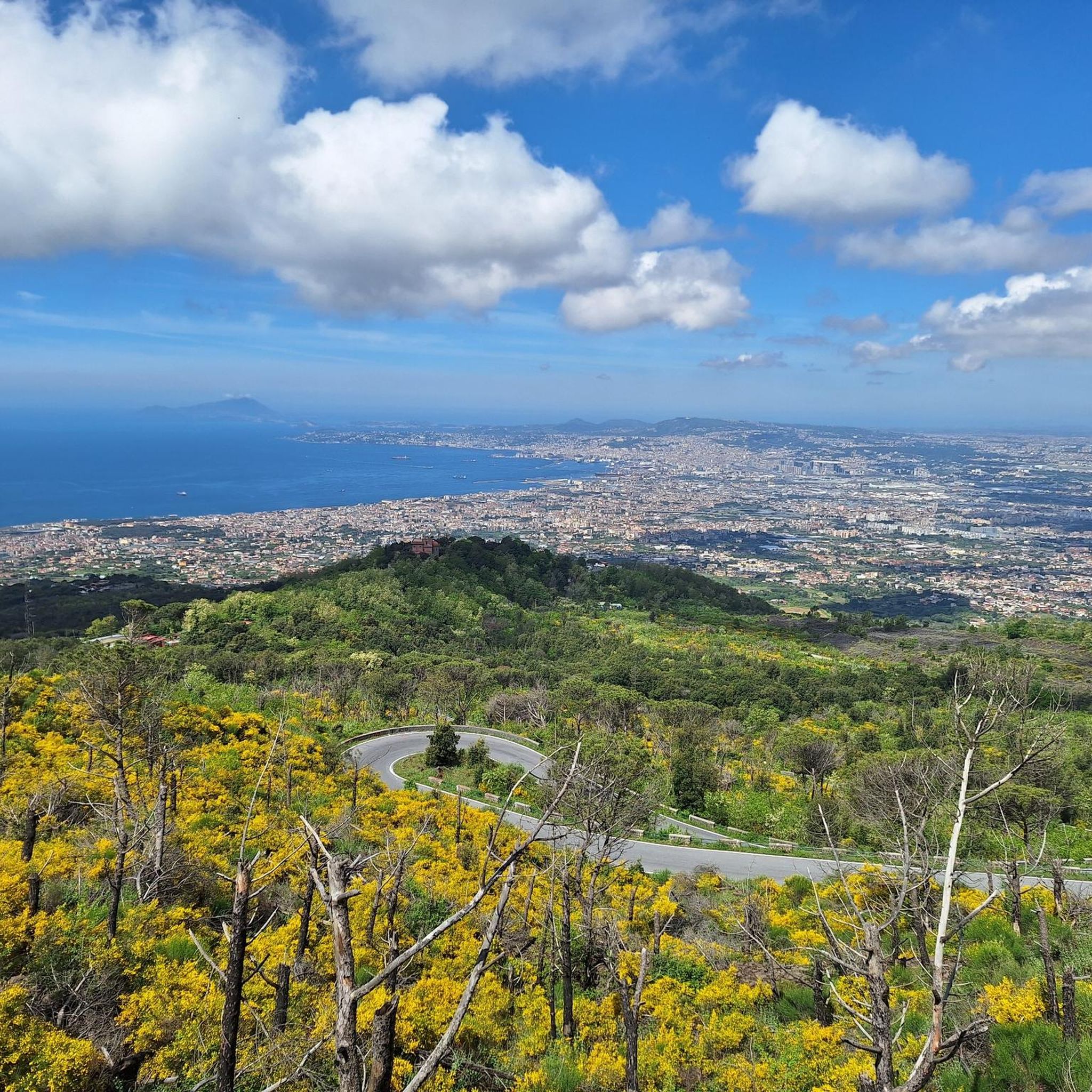
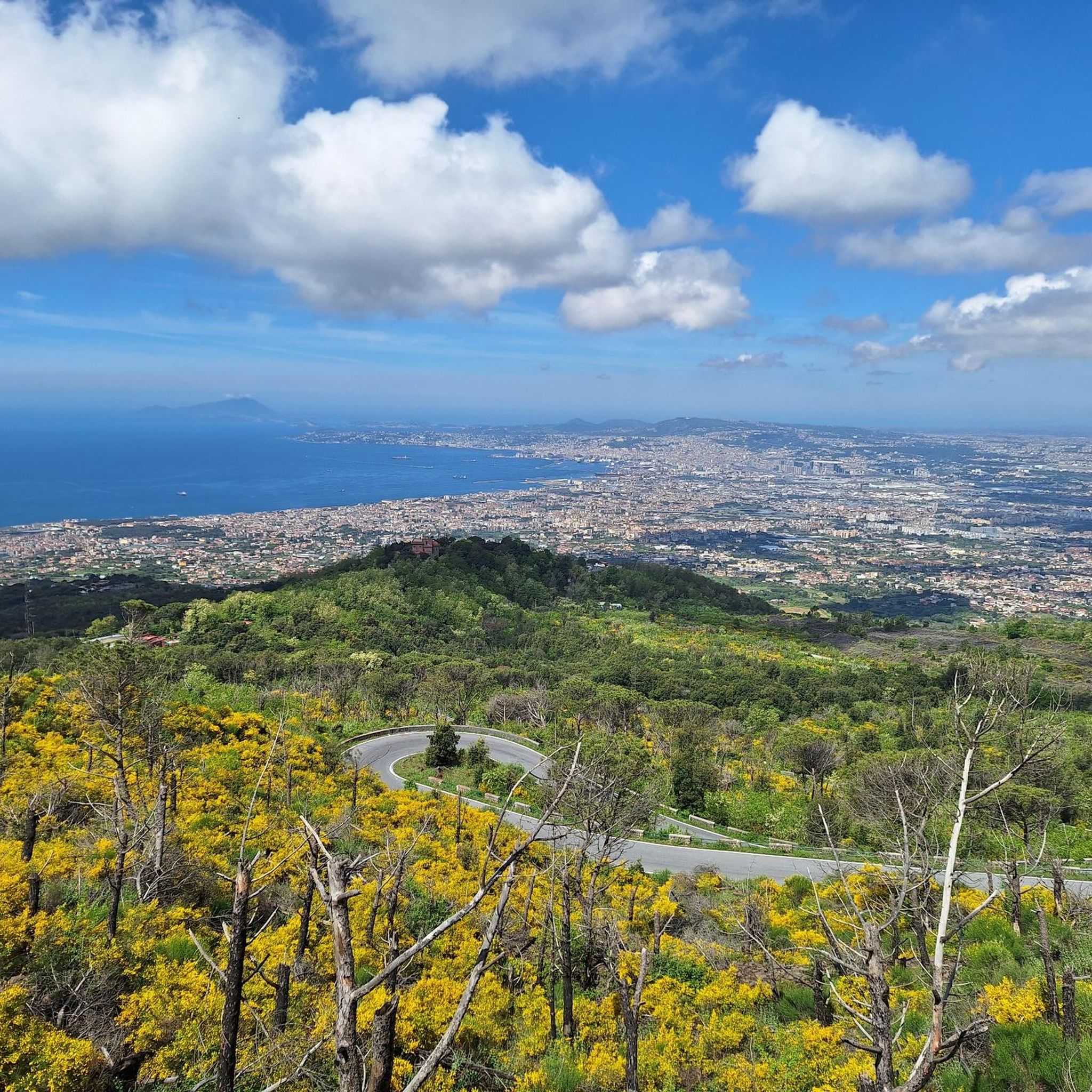
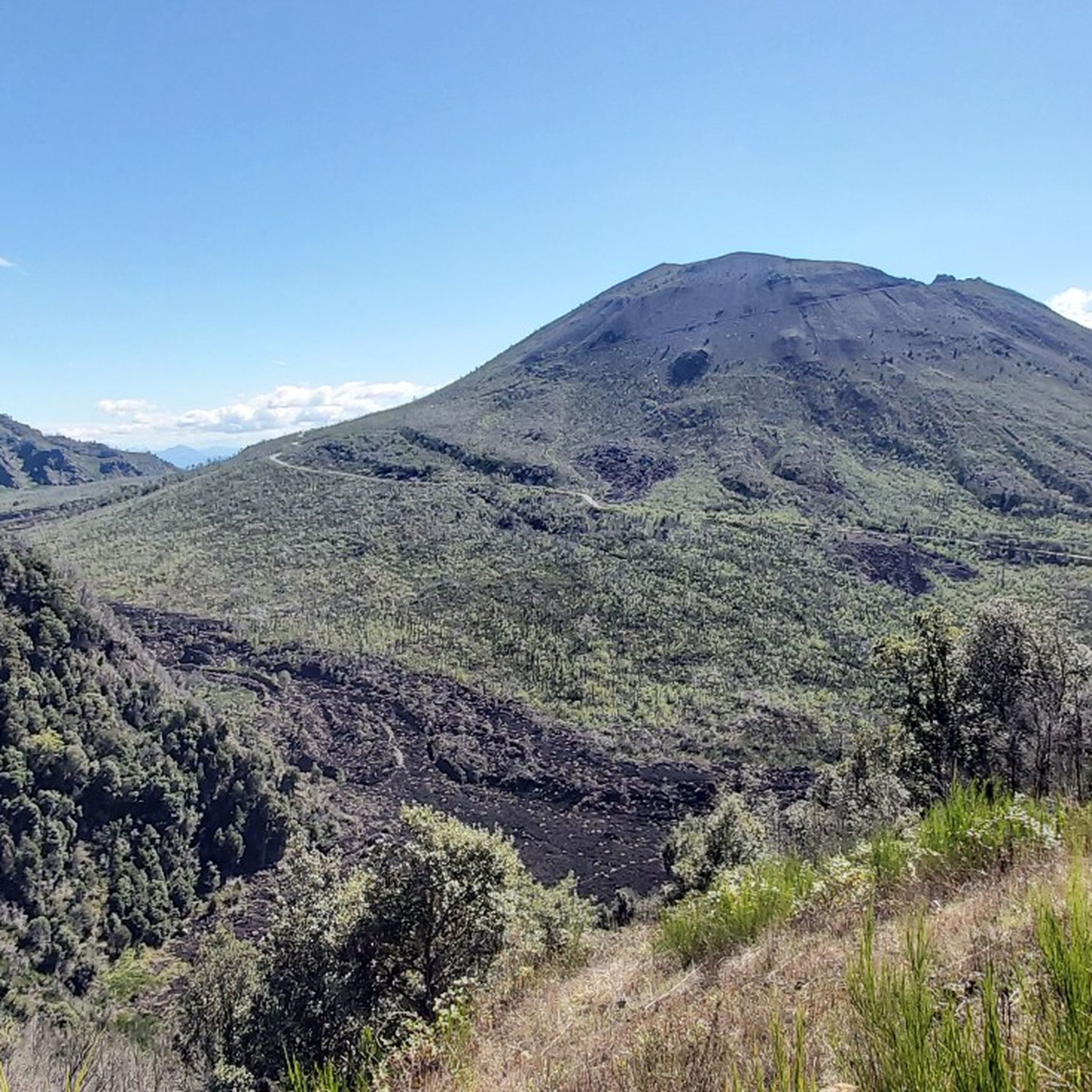
Grotta Fissure
Highlight (Segment) • Cave
Translated by Google •
Tip by

Sign up now to discover places like this
Get recommendations on the best single tracks, peaks, & plenty of other exciting outdoor places.
Sign up for free
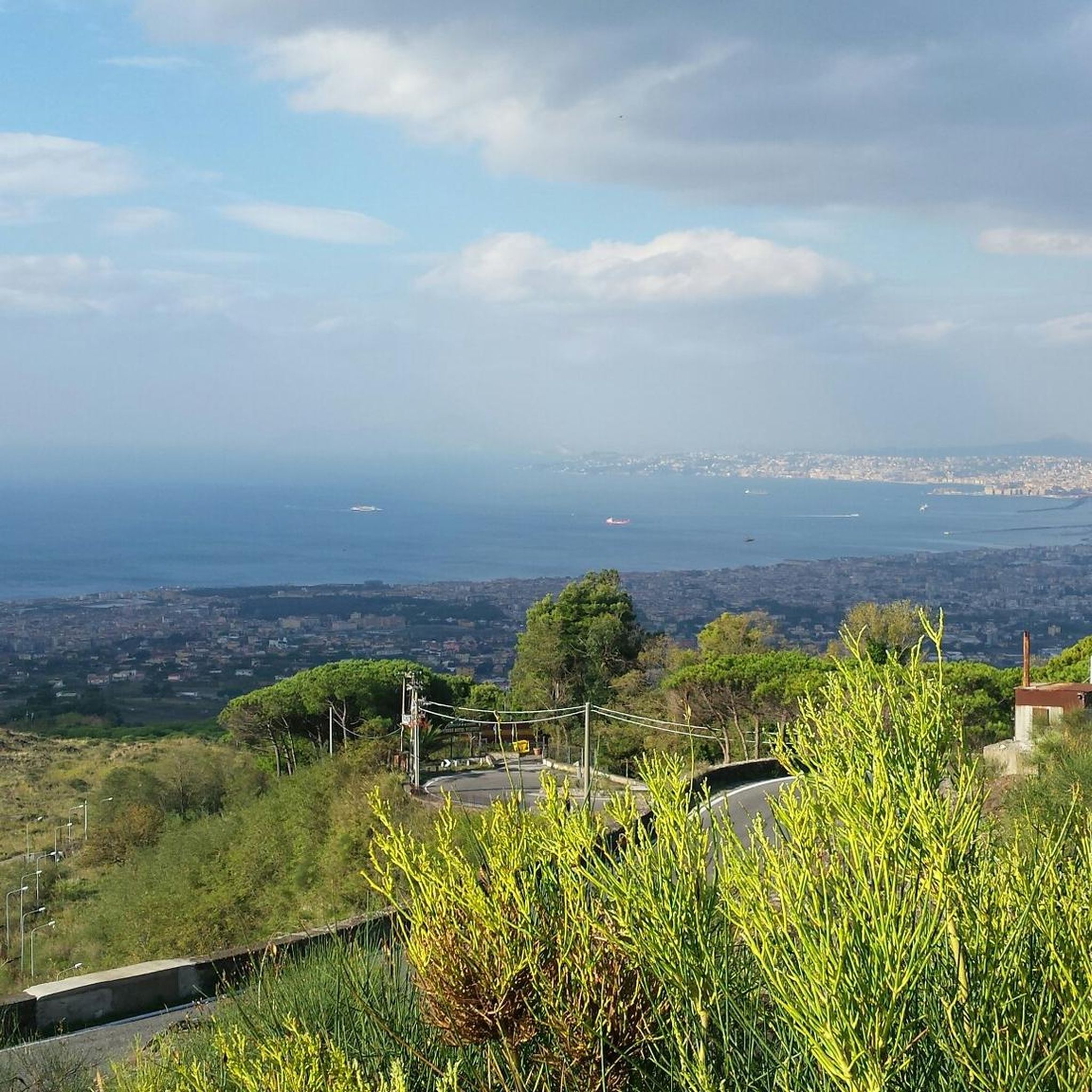
Port of Naples
Highlight • Structure
Translated by Google •
Tip by

San Lorenzo Maggiore Underground Roman Ruins
Highlight • Historical Site
Translated by Google •
Tip by

Madonna di Castello Cave at Gavète
Highlight • Cave
Translated by Google •
Tip by

Start today with a free account
Your next adventure awaits.
Login or Signup
Tips from the Community

A route in ancient Neapolis where you can walk along a street from that era with its shops and appreciate the Cryptoporticus and the Macellum. https://www.laneapolissotterrata.it
1
0

There is so much to see and visit in Naples; it cannot be explained in a comment
0
0
The port is divided into various parts where hydrofoils, cruise ships, etc. depart. Near the port there is the metro station
0
0
The subsoil of Naples is crossed by a large network of tunnels, galleries, aqueducts and spaces dug and used by man throughout history...
0
0

In the off-season (end of October) I was even able to get a guided tour at 2pm without booking in advance.
2
0

Lots of traffic at the port. The metro is right next to it.
3
0

Many ancient passages, sometimes narrow, sometimes wide
1
0
Frequently Asked Questions
What types of underground attractions can I explore near Portici?
Near Portici, you can explore a mix of archaeological sites, extensive man-made tunnels, and some natural caves. These include the ancient Roman city of Herculaneum, vast subterranean networks like Naples Underground, and archaeological excavations such as San Lorenzo Maggiore Underground Roman Ruins.
Are there any natural caves to visit close to Portici?
While many underground attractions are historical or man-made, you can find natural formations like Grotta Fissure, which is a lava gap offering panoramic views. Another natural cave with religious significance is the Madonna di Castello Cave at Gavète.
What historical underground sites are available for exploration?
The region is rich in historical underground sites. You can delve into the ancient Roman commercial and residential street at San Lorenzo Maggiore Underground Roman Ruins, or explore thousands of years of history in the extensive tunnels and rooms of Naples Underground. The nearby archaeological site of Herculaneum also offers a profound journey into an ancient buried city.
Can I visit the famous sea caves like the Blue Grotto from Portici?
Yes, while not directly in Portici, the famous sea caves like the Blue Grotto, Green Grotto, and White Grotto are located on the island of Capri, which is a short distance away. Boat trips often include visits to these natural wonders, known for their unique light effects and vibrant waters. For more information on Italy's sea caves, you can visit italia.it.
What is the best time of year to visit the underground attractions near Portici?
The underground attractions, being sheltered from the elements, can generally be visited year-round. However, for sites like Herculaneum or for comfortable travel to Capri's sea caves, spring (April-May) and autumn (September-October) offer pleasant weather, avoiding the peak summer heat and crowds.
Are there family-friendly options among the caves and underground sites?
Many of the historical underground sites, such as Naples Underground and the archaeological park of Herculaneum, are suitable for families. They offer engaging guided tours that bring history to life. It's always advisable to check specific site information for age recommendations or accessibility for strollers.
What are the accessibility considerations for these underground sites?
Accessibility varies by site. Many underground attractions, particularly historical ones like San Lorenzo Maggiore Underground Roman Ruins, involve stairs and sometimes narrow passages. Herculaneum archaeological park has varied terrain. It's best to check the specific accessibility details for each location if you have mobility concerns.
What outdoor activities can I combine with a visit to the caves near Portici?
The area around Portici offers various outdoor activities. You can find numerous running trails, including moderate and difficult loops around Portici, as well as hiking routes, such as the easy Herculaneum Ruins Trail. For cycling enthusiasts, there are road cycling routes with views of the Amalfi Coast or Mount Vesuvius. You can explore more options on the Running Trails around Portici, Hiking around Portici, and Road Cycling Routes around Portici guides.
How can I reach the Herculaneum archaeological park from Portici?
The Herculaneum archaeological park is easily accessible from Portici. It's located in the nearby town of Ercolano. Public transport, such as the Circumvesuviana train line, provides convenient access, with the 'Ercolano Scavi' station being very close to the park entrance.
Are there any unique historical tunnels or shelters to visit besides the main archaeological sites?
Yes, beyond the main archaeological sites, the broader Naples area features unique historical tunnels. The Bourbon Tunnel (Galleria Borbonica) beneath Naples, originally an escape route, later served as a wartime bomb shelter and even a dumping ground for vintage cars. Guided tours reveal its various historical uses. You can learn more about it on Atlas Obscura.
What do visitors typically enjoy most about the underground experiences in this region?
Visitors frequently highlight the immersive historical journey, the sense of stepping back in time, and the impressive preservation of ancient structures. The guided tours at sites like Naples Underground are often praised for bringing the rich history to life. The unique geological formations, such as the lava gap at Grotta Fissure, also offer memorable experiences.
Are dogs allowed in the underground attractions near Portici?
Generally, dogs are not permitted inside most indoor or underground historical and archaeological sites due to preservation concerns and visitor safety. This typically includes places like Herculaneum archaeological park, Naples Underground, and San Lorenzo Maggiore Underground Roman Ruins. It's always best to confirm directly with each specific attraction before planning your visit with a pet.
Most popular attractions around Portici

Get inspired with the komoot mobile app


Explore more
Extend your search for the best caves by checking out these guides of the top ones around Portici:
