Top 14 Castles around Guardea
Castles around Guardea offer a glimpse into Umbria's rich history and strategic importance. The region features fortified structures, including ancient ruins and well-preserved castles, set amidst the Amerino territory and Tiber valley. Guardea's historical role as a protective lookout is evident in its architecture and commanding positions. The area provides diverse historical sites for exploration.
Best castles around Guardea
- The most popular castles is Historic Village of Montecchio, a settlement that served as a fortified castle controlling the Tiber…
Last updated: June 30, 2026
Historic Village of Montecchio
Highlight • Settlement
Translated by Google •
Tip by

Melezzole Village
Highlight • Settlement
Translated by Google •
Tip by
Sign up now to discover places like this
Get recommendations on the best single tracks, peaks, & plenty of other exciting outdoor places.
Sign up for free
Orsini Castle and Clock Tower, Celleno Antico
Highlight • Castle
Translated by Google •
Tip by

Castello di Moruzze
Highlight • Castle
Translated by Google •
Tip by

Castel dell'Aquila
Highlight • Settlement
Translated by Google •
Tip by
Sign up for free to discover even more castles around Guardea.
Sign up for free
Already have an account?
Start today with a free account
Your next adventure awaits.
Login or Signup
Tips from the Community

Past the old monastery you will arrive at the old borgo. The elevated old village has been depopulated since the 19th century and has become a real ruin due to erosion and earthquakes. In 1951 it was completely abandoned. Only the old market square and the castle are accessible, the old houses are completely dilapidated and overgrown with plants over the years. The Orsini castle at the entrance of Celleno antico is the most beautiful building in the borgo. It has a large watchtower and the castle is surrounded by a deep moat. It was recently restored and inhabited by the artist Enrico Castellani. This artist was internationally known (he also studied in Brussels) and died on 1 December 2017. On the old market square you can see a beautiful rectangular bell tower, in 3 layers and made of tuff. Only the walls of the old church San Carlo (17th century), left of the castle, remain. Close to the market square is the church of San Donato from the year 1000 in Romanesque style, with a very beautiful portal in basalt stone.
0
0
Recent archaeological discoveries have confirmed the Etruscan origins (4th-3rd centuries BC) of Celleno Vecchio, a settlement that enjoyed a great position, i.e. the ancient communication route between Orvieto, Bagnoregio and Ferento. Ancient sources provide evidence that this medieval settlement is one of the fortified villages built by the Counts of Bagnoregio between the 10th and 11th centuries. At that time, the village must have consisted of a number of dwellings at the end of the tuff, protected by cliffs on three sides, surrounded by walls and a small fortress, which is now the Orsini Castle, to protect the only access route. At the end of the 12th century, after the destruction of Ferento, the municipality of Viterbo began a rapid expansion in the Tiber Valley, also acquiring Celleno, which in 1237 was one of the castles of the Viterbo area governed by a Podest (high official) appointed by the local government. At the end of the 14th century, the city center fell into the hands of the Gatti family, one of the most powerful families in Viterbo. During this period, the medieval fortress was completely renovated and converted into a fortified stately home that can still be seen today. The Gatti family ruled Celleno until the last heir, Giovanni Gatti, who was killed on the orders of Pope Alexander VI (Borgia) for refusing to return the castle. At the beginning of the 16th century, the municipality fell into the hands of the Orsini family. Interestingly, the castle still bears the name of this family. Only towards the end of the 16th century was the church able to incorporate Celleno into its possessions until the unification of Italy. In modern times, Celleno Vecchio was often affected by earthquakes and landslides, until it was finally abandoned in the 1930s. Today it is a small, charming and evocative ghost village, characterized by ruins and vegetation, with beautiful views of the surrounding landscape.
0
0

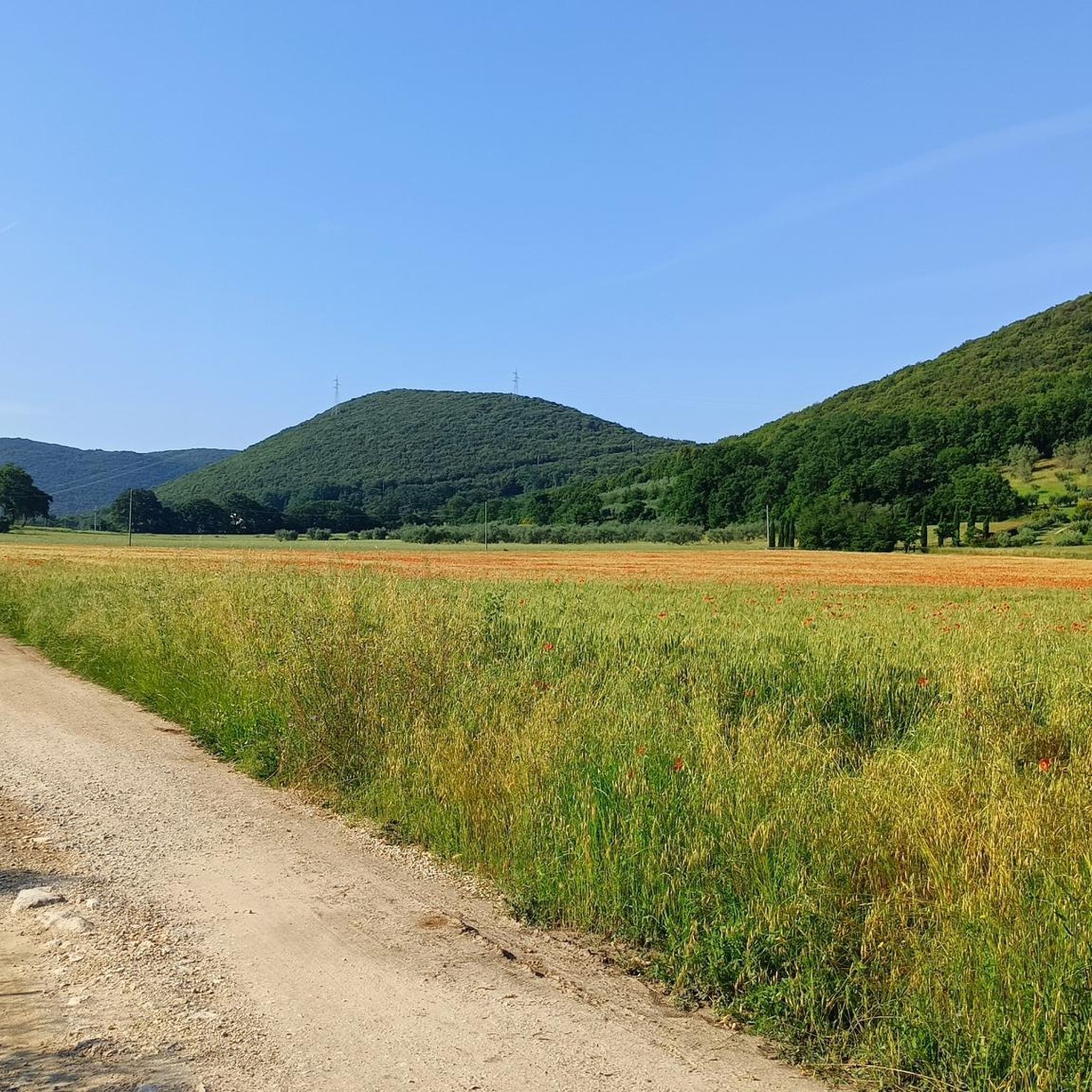
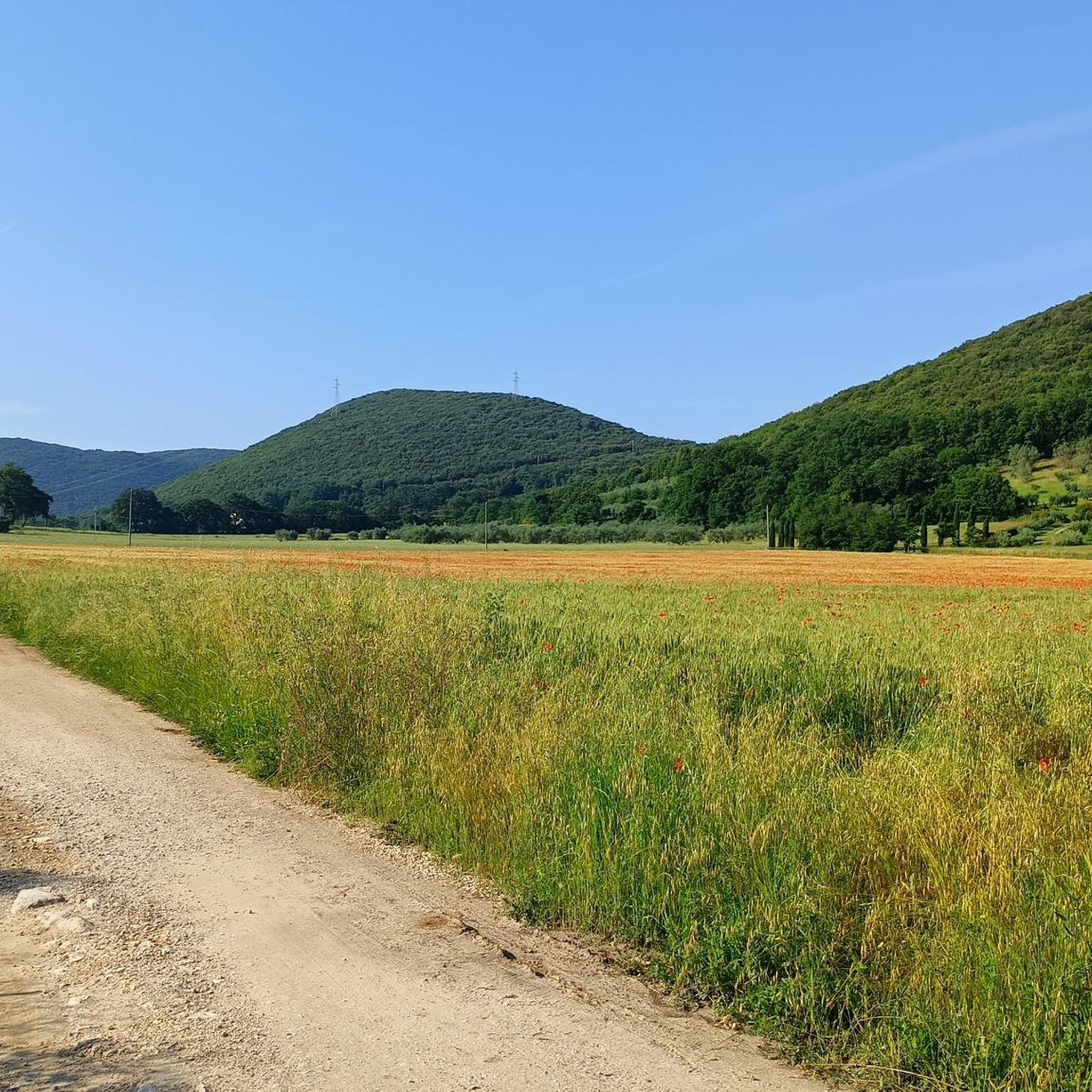
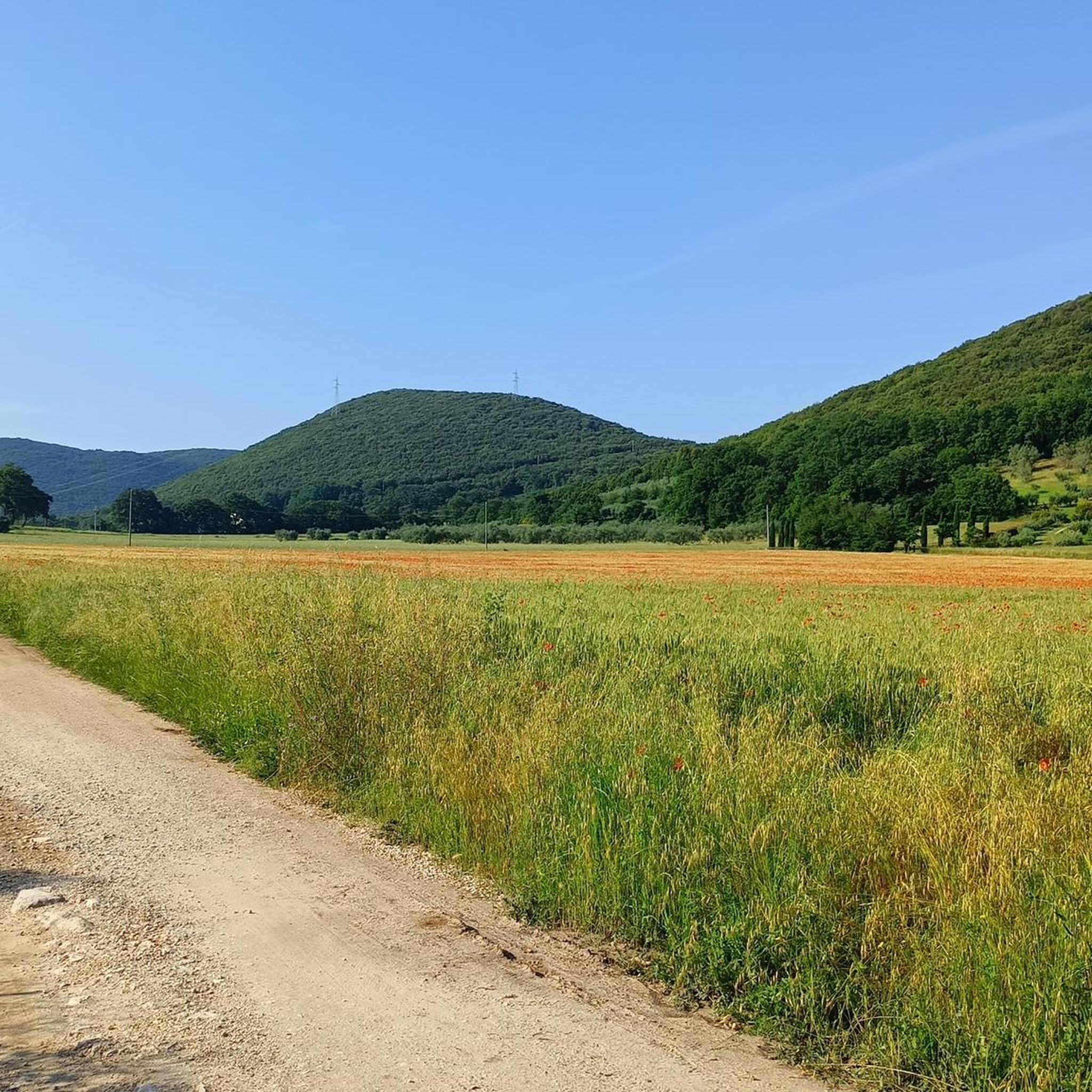
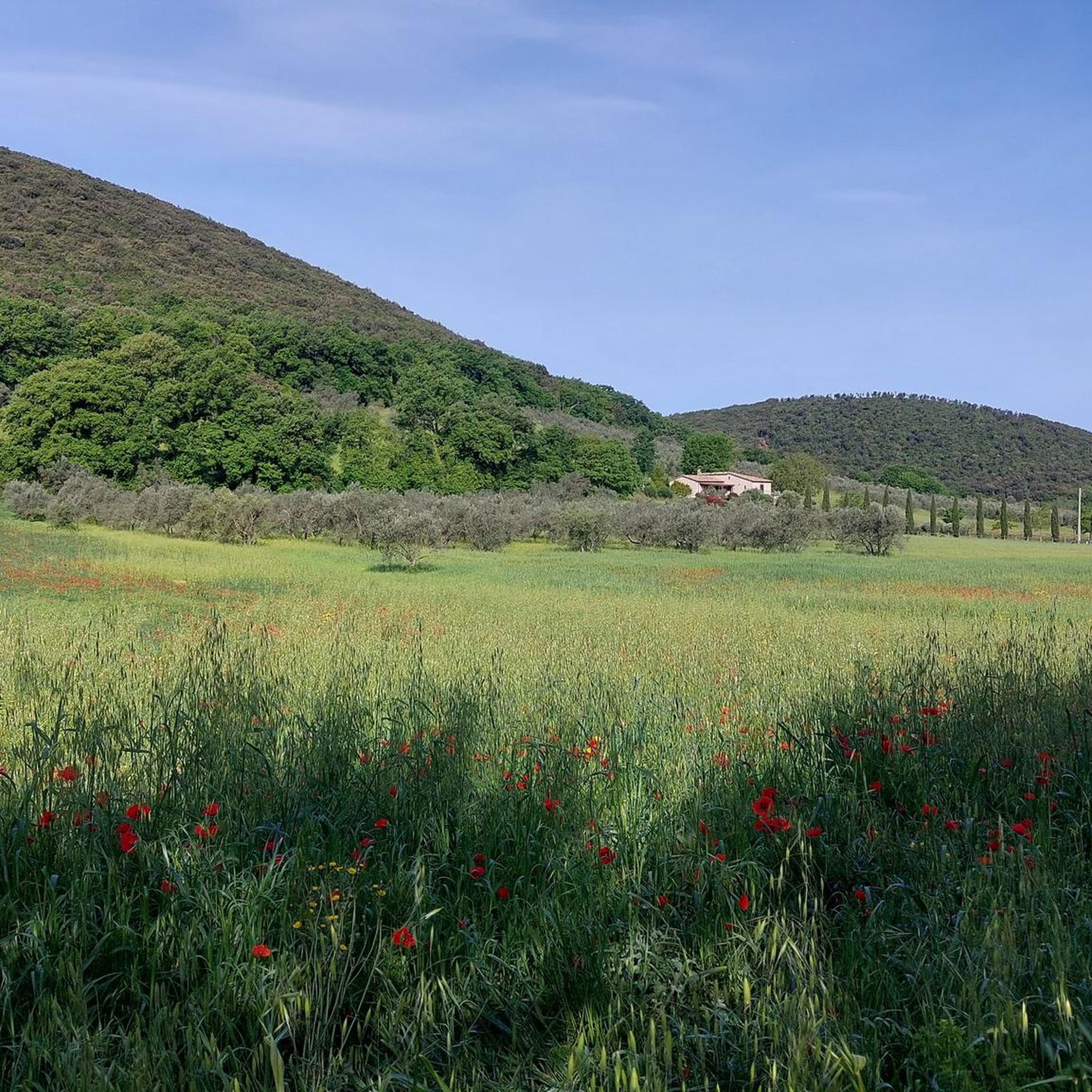
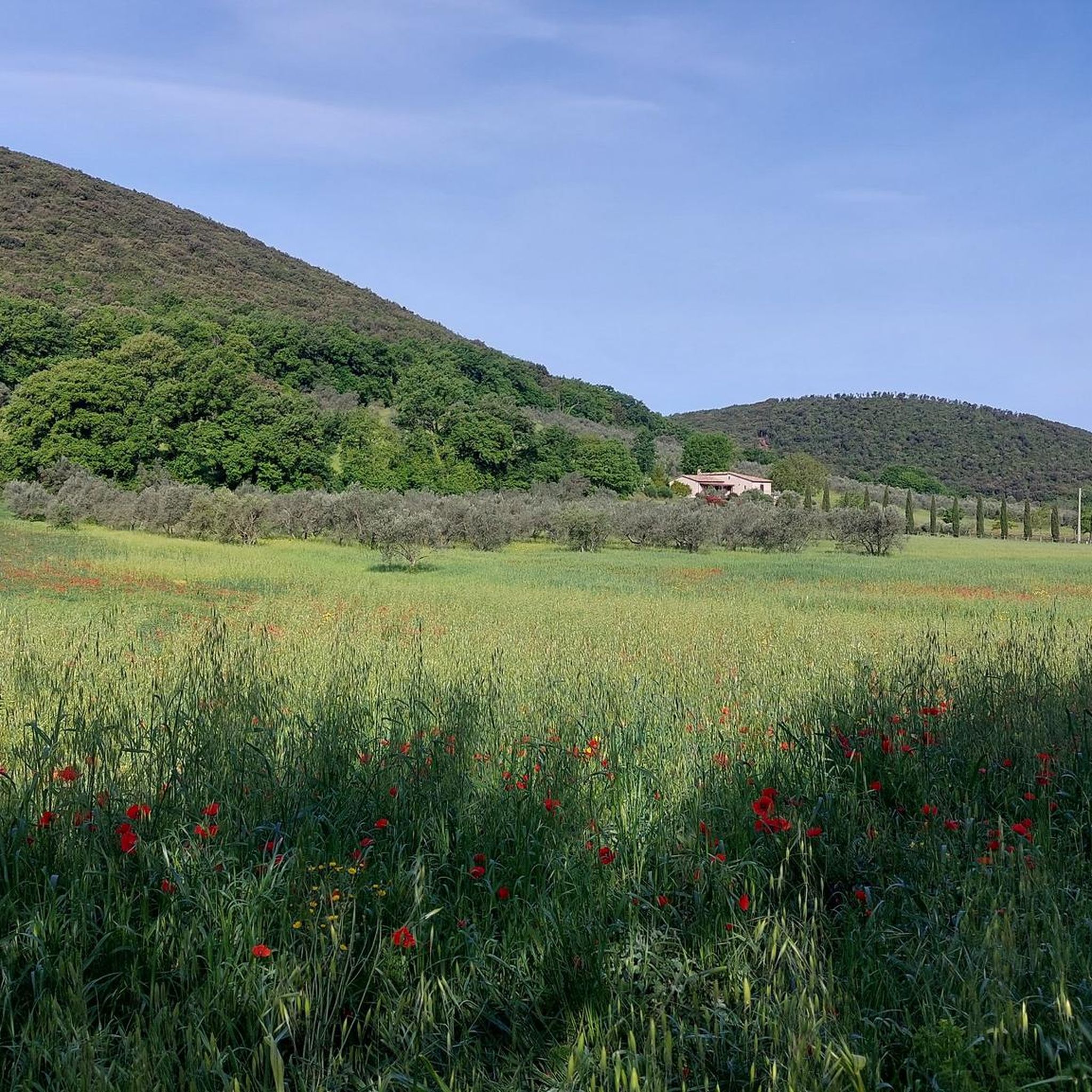
ocated on a hill overlooking the Tiber valley, Montecchio preserves the charm of the Middle Ages intact with its alleys, squares, the light tones of the stone and the mighty walls with defense towers. With a vaguely elliptical shape, the village is one of the best preserved in the valley. Soft hills of olive trees draw its territory. Dense woods make the landscape vivid and lush in the summer, while autumn paints the Mediterranean scrub in orange and red.
0
0
Villa built between 1147 and 1149. The proud and proud inhabitants called "Morruzzesi" badly tolerated the corvèes that the city of Todi on which they depended asked them. At the end of the fifteenth century. Altobello Chiaravalle committed violence and robbery, followed by soldiers of Charles VIII with the complacency of their partisan Atti Tuderti. In the seventeenth century. it became the property of the Paparini family, who enlarged the palace and founded the Oratory of S. Ambrogio. To visit the church of S. Giovanni with its baptismal font from 1500. Do not miss the immense view up to the Consolation of Todi which can be enjoyed from the town square.
0
1
Melezzole is a fraction of the municipality of Montecchio (TR), located on the Amerini mountains on the border with the Tuderte. It is located at a height of 611 m a.s.l.
0
0

The village of Montecchio has medieval origins. Built around the twelfth century. on Roman pre-existences, by the Chiaravalle di Todi family, it served as a fortified castle with two circles of walls, controlling the underlying Tiber valley. It is one of the best preserved medieval villages in the area and is today a lively town with various activities. It was ruled by several noble families, after the Chiaravalle, the Alviano, the Baschi and the Colonna, and then passed under the Acts.
0
0
Castle built in 1294 by Todi as an outpost to defend the territory. The current village retains only some original elements such as the medieval tower. The eagle is the symbol of the city of Todi. In the 80s of the last century, Castel dell'Aquila hosted one of the first Italian computer factories. It was called "Eagle" and had a good commercial success. Many workers were from the place and the expression of the workers (they were mainly women) who assembled the computers was handed down: "that you pass me the slots? ..". In the village there are bars, mini markets and other shops.
0
0
Village that develops around an ancient medieval castle (XIII century). On the top stands the bell tower of the church of San Biagio located in the central square, reachable through narrow stairways that break the concentric rings of the ancient walls, creating suggestive slits from which you can see the forest landscape below. Located at 610 meters high, it has a single main access through an ancient tower, well preserved, where the effigy of an eagle stands out to testify to the long dominion exercised on the village by nearby Todi. In the village there is a bar, a butcher (km0), a minimarket, an electrical and household items shop, a flower shop. There is a fountain for fresh water supplies right inside the tower.
0
0
Frequently Asked Questions
Which castles can I visit around Guardea?
Guardea is home to several significant historical castles. You can explore the evocative ruins of Guardea Vecchia and the well-preserved Castello del Poggio. Other notable castles in the area include the Historic Village of Montecchio, Melezzole Village, and Orsini Castle and Clock Tower, Celleno Antico.
What is the historical significance of Guardea Vecchia?
Guardea Vecchia, or Old Guardea, is one of Umbria's oldest fortified settlements, dating back to the 10th century. Erected by the Uffreduzzi counts, it later passed to the Alviano family. Its name, from 'Guardigium,' signifies its historical role as a protective lookout. The ruins, including perimeter walls and eight towers, offer a glimpse into its strategic importance in the Tiber valley during the Middle Ages.
What makes Castello del Poggio unique?
Castello del Poggio, possibly originating as a Byzantine stronghold in the 7th century, was transformed into an imposing fortress by the Normans. In the 16th century, Antonio da Sangallo the Younger refined it into an elegant noble residence. It features triple rings of turreted walls and is a rare example of a machicolated defensive castle. Today, it serves as a cultural hub and is listed among Umbria's preserved historic residences.
Are there good viewpoints near the castles in Guardea?
Yes, both Guardea Vecchia and Castello del Poggio offer breathtaking panoramic views. From Guardea Vecchia, you can see over the Amerino territory and the Tiber valley. The terraces of Castello del Poggio provide stunning vistas, including over the Alviano Oasis. Additionally, the Melezzole Village and Castello di Moruzze also offer scenic views of the surrounding landscape.
What outdoor activities can I do near Guardea's castles?
The area around Guardea offers various outdoor activities, particularly cycling. You can find numerous routes for mountain biking, road cycling, and gravel biking. For example, there are challenging MTB routes like the 'Tour dei Borghi Silenti' and moderate road cycling routes such as 'Tenaglie Village – Campo del Pero Hilltop Ruins loop'. You can explore more options on the MTB Trails around Guardea, Road Cycling Routes around Guardea, and Gravel biking around Guardea guide pages.
Are the castles around Guardea family-friendly?
Many of the castles and villages around Guardea are suitable for families. For instance, the Historic Village of Montecchio is considered family-friendly, offering a well-preserved medieval experience. Exploring the ruins of Guardea Vecchia can also be an engaging historical adventure for children, with its visible towers and perimeter walls.
What is the best time of year to visit the castles in Guardea?
The region's landscape is particularly vivid and lush in the summer, while autumn paints the Mediterranean scrub in vibrant orange and red hues. Visiting in spring or autumn generally offers pleasant weather for exploring the outdoor ruins and villages, avoiding the peak heat of summer.
Can I find cafes or restaurants near the castles?
While Guardea Vecchia and Castello del Poggio are historical sites, the nearby villages offer amenities. For example, Melezzole Village has a bar, a butcher, a minimarket, and other shops. The current village of Guardea itself will have options for dining and refreshments.
What are some other historical sites near Guardea's castles?
Beyond Guardea Vecchia and Castello del Poggio, you can visit the Historic Village of Montecchio, known for its well-preserved medieval architecture. Melezzole Village also centers around an ancient medieval castle. The Orsini Castle and Clock Tower, Celleno Antico, is a fascinating 'ghost village' with Etruscan origins and significant medieval history.
Are there any natural features or parks to visit near Guardea's castles?
Yes, the Alviano Oasis is a significant natural feature in the vicinity. The terraces of Castello del Poggio offer views over this oasis. The surrounding Amerino territory and Tiber valley also provide a rich natural landscape for exploration, with dense woods and soft hills of olive trees.
How can I reach the castles around Guardea?
The castles around Guardea are generally accessible by car, offering flexibility to explore the region. Parking availability can vary by specific site. For detailed information on reaching Guardea itself, you may consult the local tourism website for public transport options: Umbria Tourism - Guardea.
What kind of architectural styles can I see in Guardea's castles?
You'll encounter a range of architectural styles reflecting centuries of history. Guardea Vecchia showcases 10th-century fortified ruins with visible perimeter walls and towers. Castello del Poggio, while having ancient origins, was significantly transformed in the 16th century by Antonio da Sangallo the Younger, blending military defense with elegant noble residence features. Other sites like Montecchio and Melezzole preserve classic medieval village structures.
Most popular attractions around Guardea

Get inspired with the komoot mobile app


Explore more
Looking for the best castles somewhere else? Discover other guides around Guardea:
