Top 7 Castles around Bassano In Teverina
Best castles around Bassano In Teverina are found within a medieval village in the Lazio region, where the historic core itself functions as a primary example of historical fortification. The village offers an evocative journey into the past with its herringbone layout, cobbled streets, and a 16th-century fountain. Key features include the Clock Tower, an architectural integration of an 11th-century Romanesque bell tower, providing panoramic views of the Tiber Valley.
Best castles around Bassano In Teverina
- The most popular castles…
Last updated: May 18, 2026
Porta Romana of Vitorchiano
Highlight • Historical Site
Translated by Google •
Tip by

Chia Tower and Etruscan Cave
Highlight • Historical Site
Translated by Google •
Tip by

Sign up now to discover places like this
Get recommendations on the best single tracks, peaks, & plenty of other exciting outdoor places.
Sign up for free
Orsini Castle
Highlight • Castle
Translated by Google •
Tip by

Corviano Castle
Highlight • Castle
Translated by Google •
Tip by

Castello di Giove
Highlight • Castle
Translated by Google •
Tip by

Sign up for free to discover even more castles around Bassano In Teverina.
Sign up for free
Already have an account?
Start today with a free account
Your next adventure awaits.
Login or Signup

Tips from the Community

This palace-castle stands on the ruins of a temple dedicated to Jupiter Elicius, hence its name. The first traces of construction date back to the 12th century, and the structure has been modified and remodeled over time. Visits to the interior are available by sending a request to the association that manages it: castellogiove@gmail.com.
2
0

The gate bears the coat of arms of Vitorchiano with the inscription SPQR (for which the village received permission from Rome). The gate is part of the old wall that extends for about two hundred and fifty metres on the south side of Vitorchiano. The tower above the gate dates from the 13th century. The old city walls (Le Mura Castellane) have several towers, each built of peperino stone and dovetail battlements with loopholes in between.
0
0
The first monument we encounter that recalls the ancient medieval village is the Castle, a fortified palace built on the edge of the cliff and preceded by a defensive moat. The northern walls have disappeared following the collapses, but the surviving circle of walls is still clearly recognizable. The south-eastern corner of the castle preserves the wall structure built on the foundations of enormous pre-existing blocks of rock very well. Even the entrance portal, on the southern side, towards the plateau, preserves some reminders of the door's closing mechanisms and a beautiful oblique slit for the defense of the access area from attackers. Other pointed arch windows and slits of beautiful appearance and in good condition are preserved in the walls. (c) https://blogcamminarenellastoria.wordpress.com/2021/05/16/tuscia-il-borgo-rupestre-di-corviano/
0
0

The building's current appearance, a majestic palace-castle, was given to it by artists of the Vignola school: inside there is still an imposing ramp that allows carriages to reach the ground floor. Numerous rooms, terraces, corridors, covered passageways and 365 windows (one for each day of the year) characterise the castle, also called the Ducal Palace or Mattei. Some rooms are decorated in the Mannerist style with frescoes by Domenichino, Orazio Alfani and Paolo Veronese. To date, the building has changed hands several times. WIKIPEDIA
3
2

historic center of Vasanello, Orsini castle and medieval church
1
0

The church of Santa Maria Assunta, kept within the city walls, was built in 1740 and has a harmonic facade kept between two bell towers. There is a table of artistic interest with the image of the "Madonna Assunta". The painting, according to some, is the work of Niccolò Alunno, for others of the school of the Alunno. The organ, located above the entrance door, has peculiar characteristics that make it the most interesting instrument, among those newly built, in the entire province of Terni.
0
0
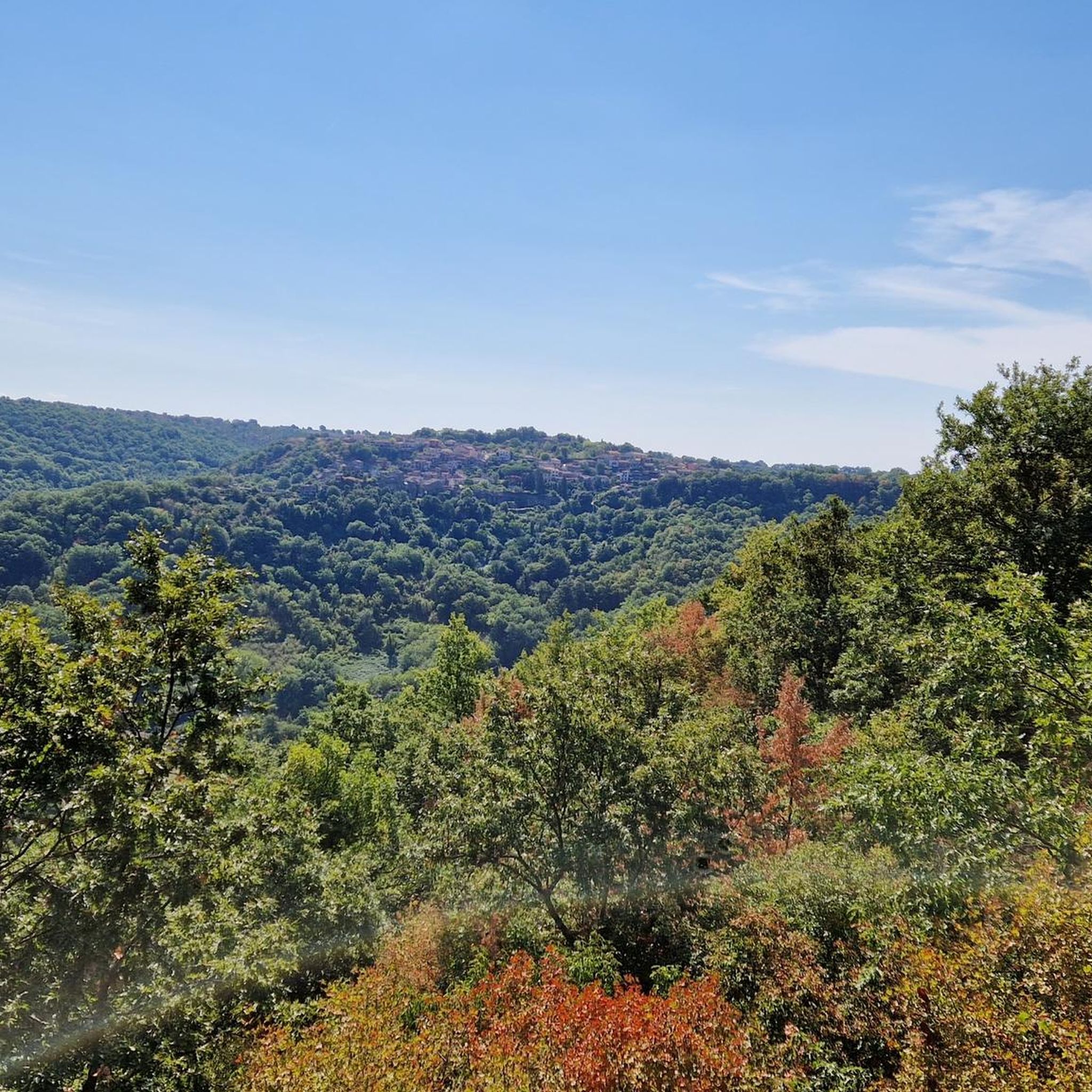
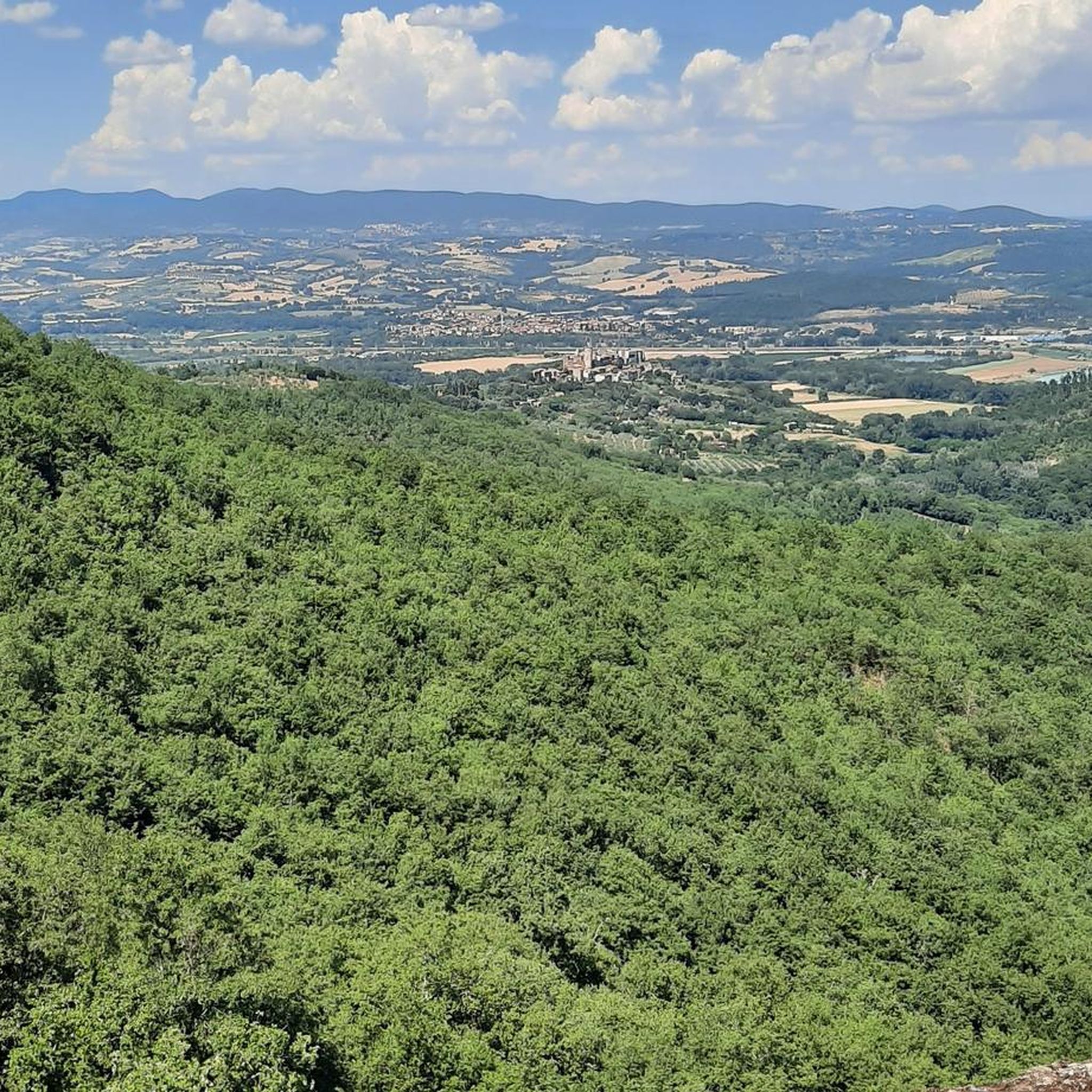
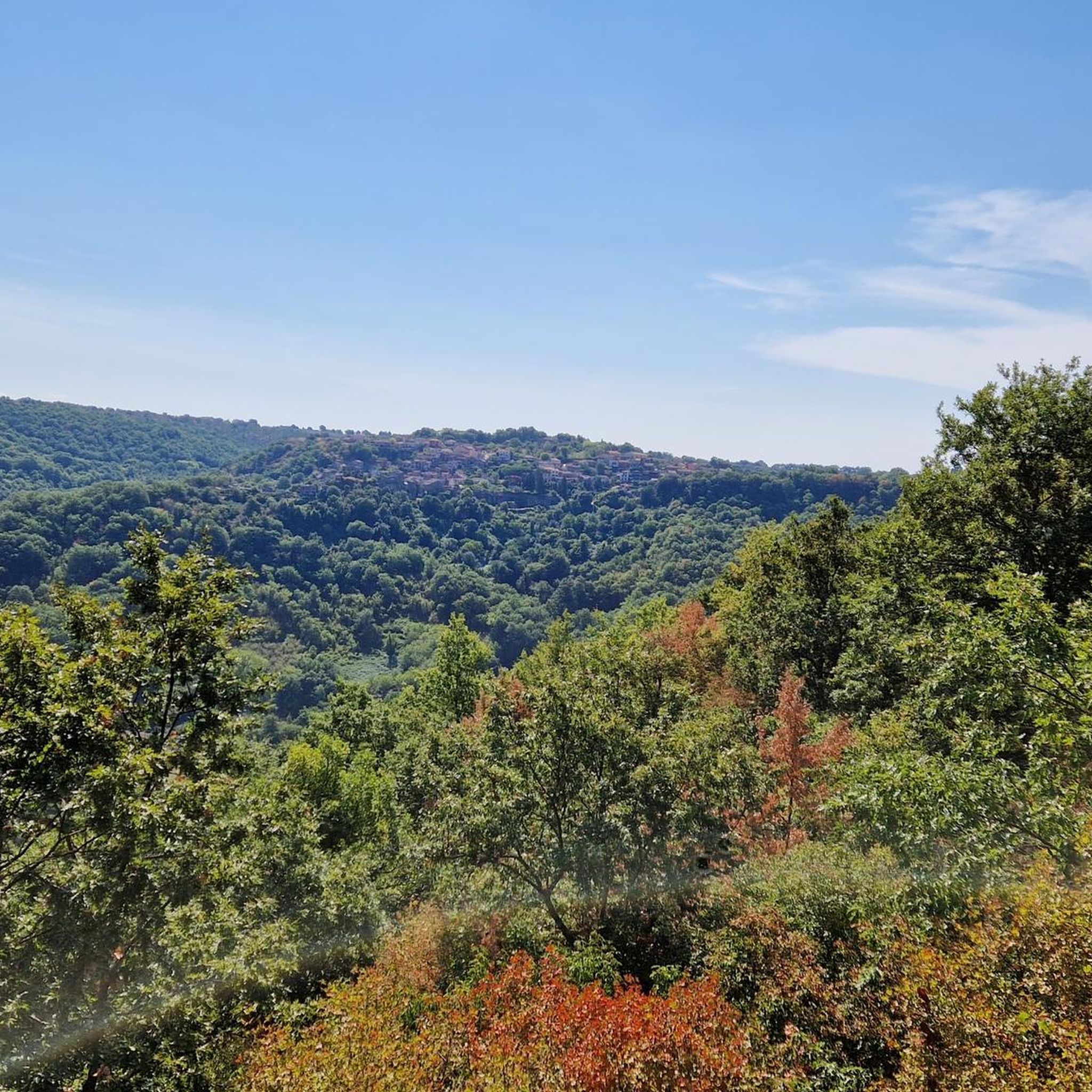
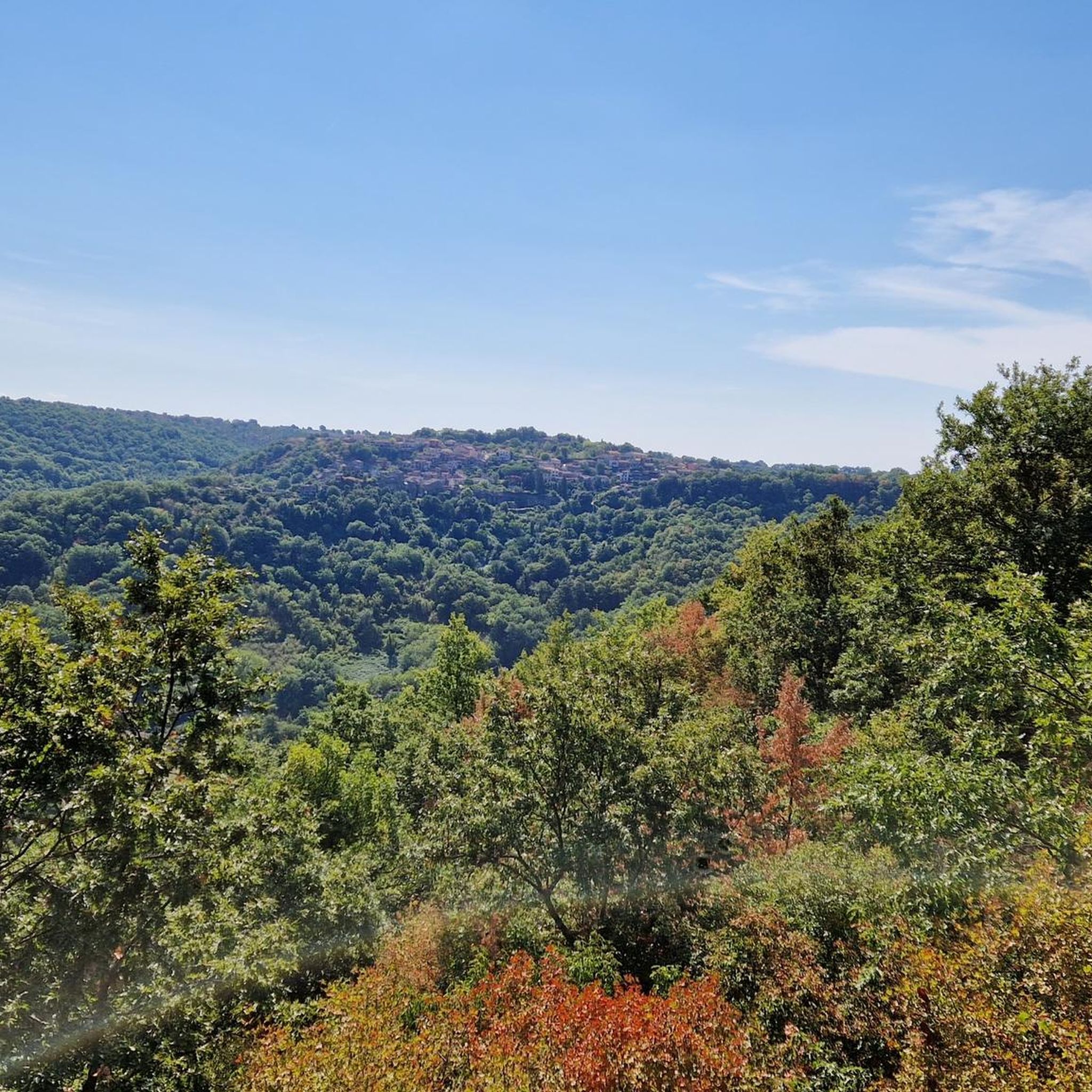
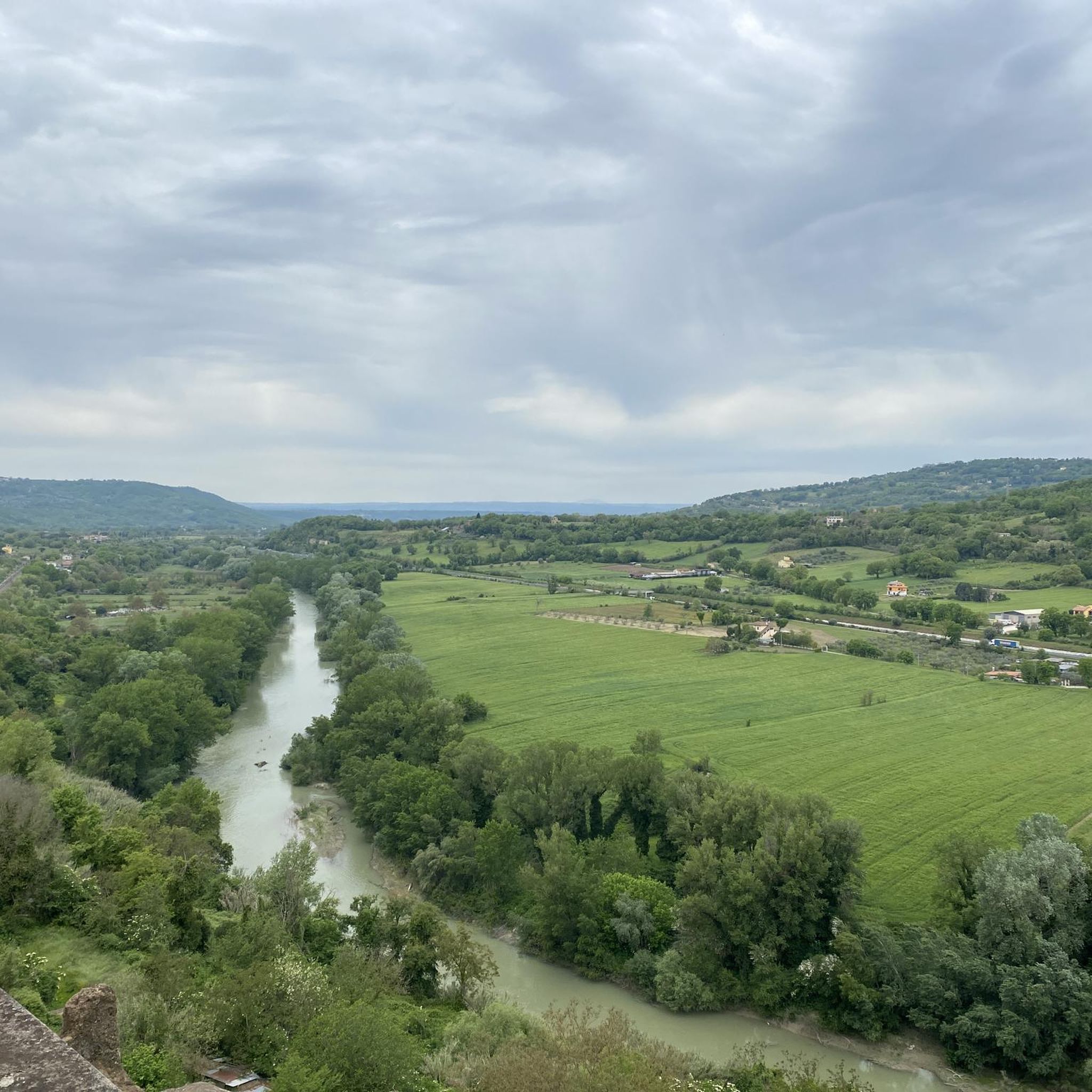
Surrounded by its ancient village, nestled between Umbria and Lazio, the Castle dominates the green valley of the Tiber from above with a view that extends 360 degrees from the Cimini mountains to Mount Argentario and Mount Amiata up to the Amerini and the Soratte.
0
0

Beautiful perfectly preserved medieval village
0
0
Frequently Asked Questions
What is the main historical fortification in Bassano in Teverina itself?
The primary historical fortification in Bassano in Teverina is the well-preserved medieval village itself, which functions as a 'castle'. Its most notable feature is the Clock Tower (Torre dell'Orologio), built around an 11th-century Romanesque bell tower. This unique structure offers panoramic views of the Tiber Valley.
Which castles offer panoramic views of the surrounding area?
The Clock Tower in Bassano in Teverina provides a 360° panoramic view of the Tiber Valley. Additionally, Castello di Giove offers extensive views from its position overlooking the Tiber Valley, extending to the Cimini mountains, Mount Argentario, Mount Amiata, and the Soratte.
Are there any castles or historical sites suitable for families?
Yes, several sites are considered family-friendly. These include Porta Romana of Vitorchiano, a historical gate within a medieval village, Chia Tower and Etruscan Cave with its beautiful setting and walk to waterfalls, and Orsini Castle in Vasanello.
What kind of outdoor activities can I do near these castles?
The region around Bassano in Teverina offers various outdoor activities. You can explore numerous MTB Trails, enjoy Gravel biking routes, or go for Road Cycling. Many routes pass by historical sites and offer scenic views.
What makes the Clock Tower in Bassano in Teverina unique?
The Clock Tower is unique because it was constructed between 1559 and 1571 around and incorporating an earlier 11th-century Romanesque bell tower of the Church of Santa Maria dei Lumi. This architectural integration, where an older structure is enveloped by a newer one, was only discovered during restoration work in the 1970s, making it a rare example globally.
Can I visit the interior of Castello di Giove?
Yes, visits to the interior of Castello di Giove are possible. You need to send a request to the association that manages it at castellogiove@gmail.com. The castle features an imposing ramp for carriages, 365 windows, and rooms decorated in the Mannerist style with frescoes by artists like Domenichino.
What historical details can I find at Porta Romana of Vitorchiano?
Porta Romana of Vitorchiano is a historical gate within a well-preserved medieval village. It bears the coat of arms of Vitorchiano and is an integral part of the old city walls, which include 13th-century towers. The walls are built of peperino stone with dovetail battlements and loopholes.
What is the historical significance of Corviano Castle?
Corviano Castle is a fortified palace built on the edge of a cliff, preceded by a defensive moat. It represents an ancient medieval village, with a clearly recognizable surviving circle of walls. The entrance portal on the southern side still preserves mechanisms for the door's closing and a beautiful oblique slit for defense.
What is the best time of year to visit the castles around Bassano in Teverina?
While specific seasonal recommendations are not available, the Lazio region generally enjoys pleasant weather in spring (April-May) and autumn (September-October), making these ideal times for exploring historical sites and enjoying outdoor activities without extreme heat or cold. Summer can be hot, and winter might be cooler but offers a quieter experience.
What kind of experience does the medieval village of Bassano in Teverina offer?
The entire old village of Bassano in Teverina provides an evocative journey into the past. It features a herringbone layout, cobbled streets, arches, and a 16th-century fountain. The village was historically under the protection of the Church, which helped safeguard it from attacks by powerful neighboring towns.
Are there any castles with unique natural surroundings?
Chia Tower and Etruscan Cave is a historical site set in a beautiful natural environment. It features interesting construction and a simple walk that leads to the nearby Chia waterfalls, offering a blend of history and nature.
What should I know about Orsini Castle in Vasanello?
Orsini Castle is a dominating castle located right on the village square in Vasanello, serving as a central feature of its historic center. While it's a significant landmark, direct access to the interior may not always be possible.
Most popular routes around Bassano In Teverina
Most popular attractions around Bassano In Teverina

Get inspired with the komoot mobile app


Explore more
Looking for the best castles somewhere else? Discover other guides around Bassano In Teverina:
