Top 14 Castles around Pomarance
Best castles around Pomarance, a municipality in Tuscany, offer a glimpse into the region's history and strategic importance. The area features historically significant fortifications and castles, set amidst the natural landscape of the Val di Cecina. These sites provide insights into medieval architecture and the historical context of the Tuscan countryside.
Best castles around Pomarance
- The most popular castles is Bolgheri Village, a settlement that has grown around a medieval castle. It is known for its historical castle, the…
Last updated: June 30, 2026
Bolgheri
Highlight • Settlement
It is located on a small hill and a long straight tree-lined road (Viale …
Tip by

Castello di Querceto
Highlight • Castle
Translated by Google •
Tip by

Sign up now to discover places like this
Get recommendations on the best single tracks, peaks, & plenty of other exciting outdoor places.
Sign up for free
Medici Fortress of Volterra
Highlight • Historical Site
Translated by Google •
Tip by

Rocca di Berignone (Castle of the Bishops)
Highlight • Castle
Translated by Google •
Tip by

Rocchette Pannocchieschi Mining Castle Ruins
Highlight • Castle
Translated by Google •
Tip by

Sign up for free to discover even more castles around Pomarance.
Sign up for free
Already have an account?
Start today with a free account
Your next adventure awaits.
Login or Signup


Other adventures around Pomarance

Tips from the Community

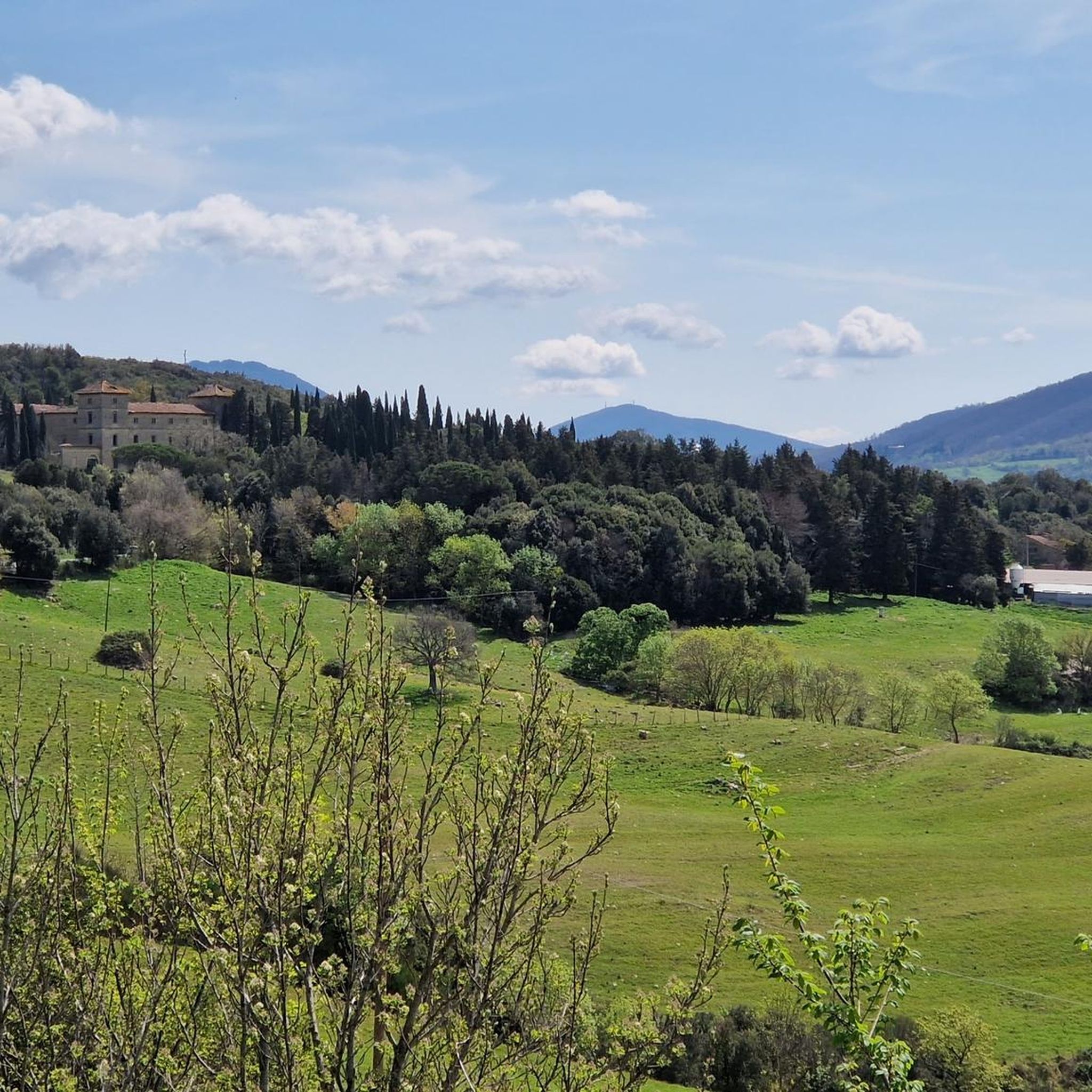
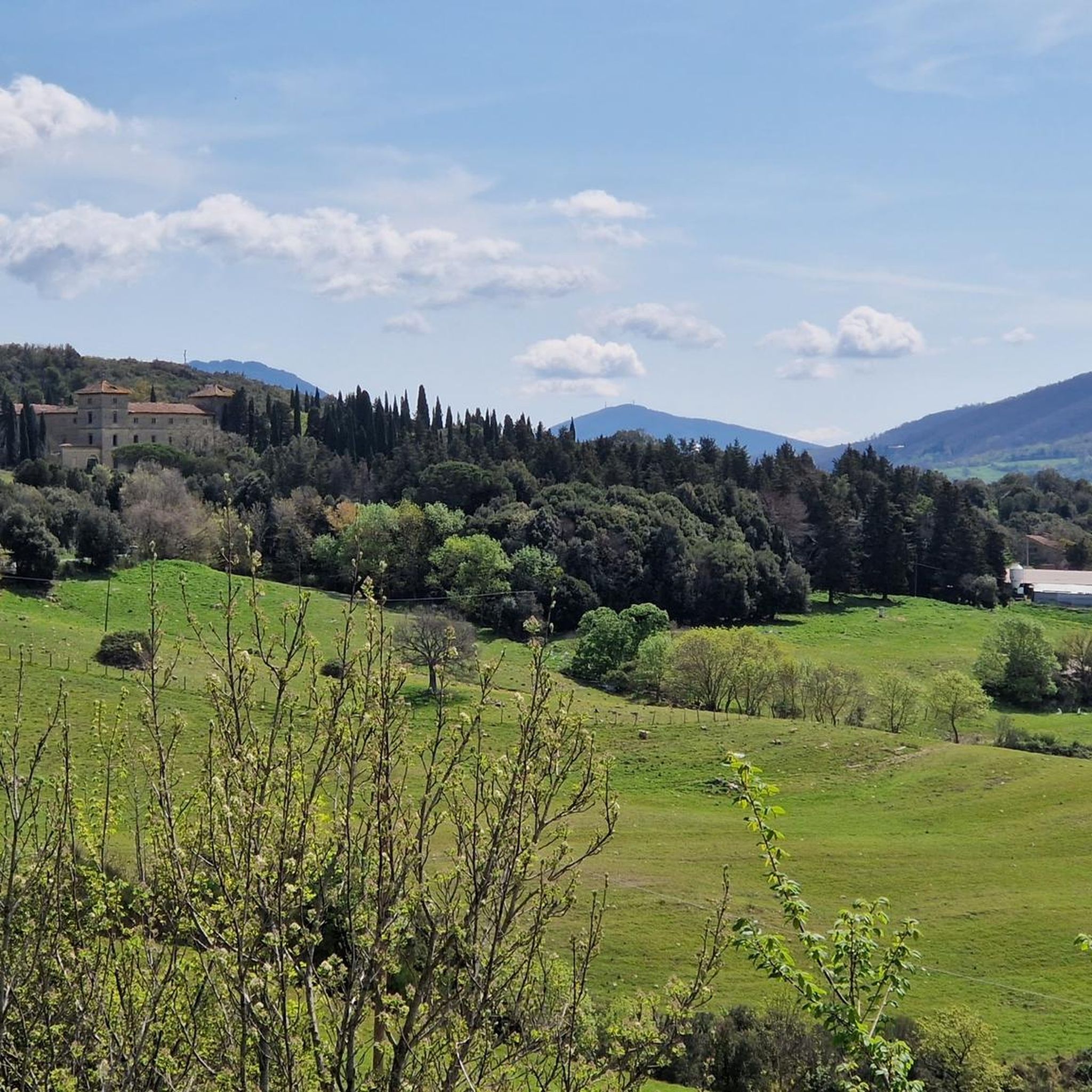
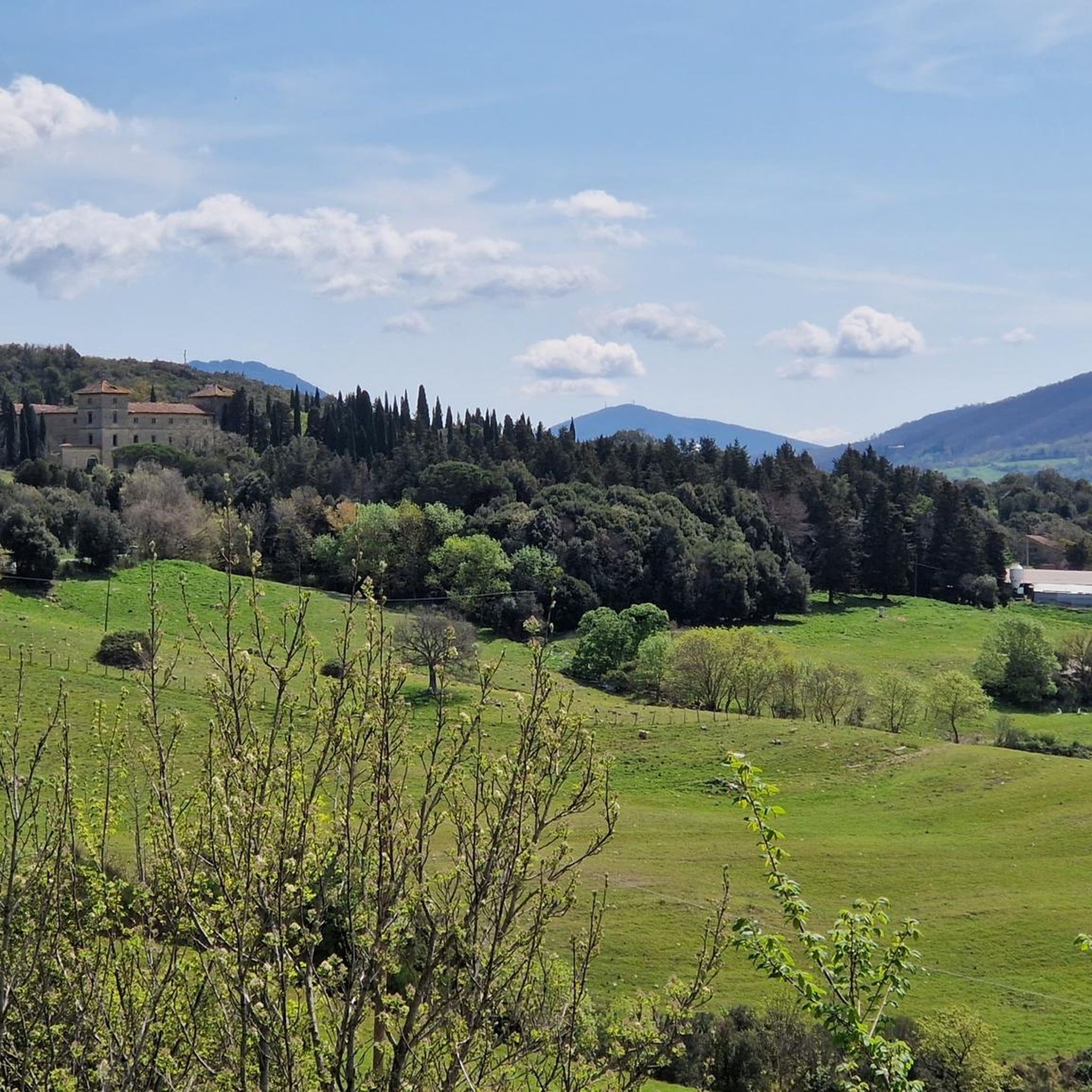
A jewel nestled among the hills of Val di Cecina, Castello di Querceto dominates the landscape with its discreet and timeless elegance. 🚴♂️✨ 🌾 Surrounded by vineyards and white roads, it represents one of the most evocative points of passage in the area of Montecatini Val di Cecina. 📸 The contrast between the historic architecture of the castle and the Tuscan rural landscape makes it a perfect spot for a photo stop.
0
0

The majestic and powerful fortress was built on the highest point of the city. Today it is used as a state prison.
0
0

Perched on a rocky spur in the Cecina valley, the Rocca di Berignone, also known as the Bishops' Castle or Torraccia, is a place that smells of history and legend. Already mentioned in 896, it was a bastion of the episcopal power of Volterra, a refuge and symbol of resistance in the struggles against the Municipality. Besieged, rebellious, conquered by the Sienese in 1399, it then began its slow decline. Today, its imposing ruins emerge among the woods of Berignone, silent witnesses of a tumultuous past, framed by a landscape that still retains a wild and fascinating aura.
4
0

The small, medieval hamlet of Querceto, dating back to 1082, is located on Monte Aneo at an altitude of 260 m above the Cecina River. Querceto means "oak forest" and can only be reached via a narrow, winding path. The ascent and descent are challenging and are a great destination for racing cyclists who love altitude.
0
0
Worth a visit at any time of year.
0
0

Querceto, a delightful hamlet in the municipality of Montecatini Val di Cecina (province of Pisa), boasts an ancient castle in the center of the village. Built in the 16th century, the current building has been owned by the François family, originally from Haute-Savoie, for over 120 years. The castle can still be visited today: wine tourism tours are often organized.
0
0


Very worth seeing, you have to see it
0
0
Frequently Asked Questions
What are some of the most historically significant castles to visit near Pomarance?
The region boasts several castles with deep historical roots. The Rocca di Berignone (Castle of the Bishops), for example, dates back to 896 AD and was a stronghold of the Bishops of Volterra. Rocca Sillana is another impressive site, known for its 15th-century military architecture and strategic importance, with history tracing back to the 12th century. The Medici Fortress of Volterra also holds significant historical and architectural interest.
Which castles offer the best panoramic views in the Pomarance area?
Rocca Sillana is renowned for its breathtaking 360-degree panoramic views, stretching across the Val di Cecina and even to the sea on clear days. The Rocchette Pannocchieschi Mining Castle Ruins also offer a superb panorama that opens up to the sea and the islands of the Archipelago, making it a rewarding visit for scenic beauty.
Are there any castles near Pomarance that are integrated into a living village?
Yes, Bolgheri Village has grown around a medieval castle and is known for its historical charm and cypress-lined avenue. Similarly, Castello di Montegemoli's original buildings have largely been converted into homes, forming a significant part of the Montegemoli village itself, offering a unique glimpse into a medieval settlement still in use.
Can I visit castle ruins that are set within a nature reserve?
Absolutely. The Rocca di Berignone (Castle of the Bishops) consists of medieval castle ruins located within the dense Berignone-Tatti forest. This site offers a historical trek amidst a wild and unspoiled landscape, perfect for those who appreciate both history and nature.
Are there castles near Pomarance known for wine production or culinary experiences?
Yes, Bolgheri Village is famous for its high-quality wine production, with vineyards surrounding the area. Castello di Querceto, located in a delightful hamlet, also offers wine tourism tours. Additionally, the village of Montegemoli is known for its traditional 'pane di Montegemoli' (Montegemoli bread).
What kind of historical architecture can I expect to see at these castles?
You'll find a range of architectural styles reflecting different eras. Rocca Sillana is an excellent example of 15th-century military architecture, showcasing polygonal perimeter walls, corner turrets, and a square-shaped stone watchtower. Other sites like Castello di Montegemoli feature circular defensive towers, while the Rocca di Berignone offers insights into medieval castle structures, even in its ruined state.
What outdoor activities can I combine with a visit to the castles around Pomarance?
Many castles are situated in scenic areas perfect for outdoor activities. For instance, the Rocca di Berignone is within a nature reserve, ideal for hiking or mountain biking. You can explore various routes in the region, including hiking trails, running trails, and road cycling routes around Pomarance.
What is the best time of year to visit the castles in Pomarance?
The spring and autumn months are generally ideal for visiting the castles around Pomarance. The weather is milder, making it comfortable for exploring the outdoor sites and enjoying the panoramic views without the intense heat of summer. These seasons also offer beautiful Tuscan landscapes.
Are there any castles with unique archaeological findings or mining history?
Yes, Rocca Sillana has undergone restoration work that unearthed internal halls, ovens, and archaeological finds like pottery, arrowheads, and a sword. The Rocchette Pannocchieschi Mining Castle Ruins are particularly notable for their medieval mining history, with evidence of mineral extraction points and a processing area dating back to the 10th century.
Is Rocca Sillana accessible, and what makes it a must-visit?
Rocca Sillana is a national monument that has been extensively restored and is open to the public through guided tours. Visitors can reach the Rocca via an 800-meter path from the parking area. Its commanding position, rich history, impressive state of preservation, and breathtaking 360-degree views make it a must-visit for history enthusiasts and those seeking stunning Tuscan landscapes.
Are there family-friendly castles to visit around Pomarance?
Many of the castles offer an engaging experience for families. Bolgheri Village, with its charming medieval setting and cypress avenue, is considered family-friendly. Exploring the integrated village structure of Castello di Montegemoli can also be an interesting experience for children, offering a glimpse into historical village life.
What are the origins of Castello di Montegemoli?
Castello di Montegemoli's origins trace back to the 1100s. Historically, it was crucial for defending 'moie' (underground veins of salt water), making salt a valuable resource in the area since Etruscan and Roman times. It was also a site of contention between the Bishops of Volterra and various noble families.
Most popular routes around Pomarance
Most popular attractions around Pomarance

Get inspired with the komoot mobile app


Explore more
Looking for the best castles somewhere else? Discover other guides around Pomarance:
