Top 7 Castles around Scansano
Castles around Scansano are situated in the Tuscan Maremma, a region known for its rolling hills, vineyards, and historical significance. The area features a landscape characterized by medieval villages, ancient fortifications, and the Ombrone river valley. Scansano itself is a town with Etruscan and Roman roots, surrounded by a rich cultural heritage. The region is also recognized for its Morellino di Scansano wine production.
Best castles around Scansano
- The most popular castles is Historic Center of Manciano, a historical…
Last updated: June 30, 2026
Casa della Memoria, Batignano
Highlight • Historical Site
Translated by Google •
Tip by

Sienese Keep (Grosseto)
Highlight • Castle
Translated by Google •
Tip by

Sign up now to discover places like this
Get recommendations on the best single tracks, peaks, & plenty of other exciting outdoor places.
Sign up for free
Istia d'Ombrone Castle and Historic Center
Highlight • Castle
Translated by Google •
Tip by

Historic Center of Manciano
Highlight • Historical Site
Translated by Google •
Tip by

Garibaldi Bastion, Grosseto City Walls
Highlight • Historical Site
Translated by Google •
Tip by

Sign up for free to discover even more castles around Scansano.
Sign up for free
Already have an account?
Start today with a free account
Your next adventure awaits.
Login or Signup
Popular around Scansano
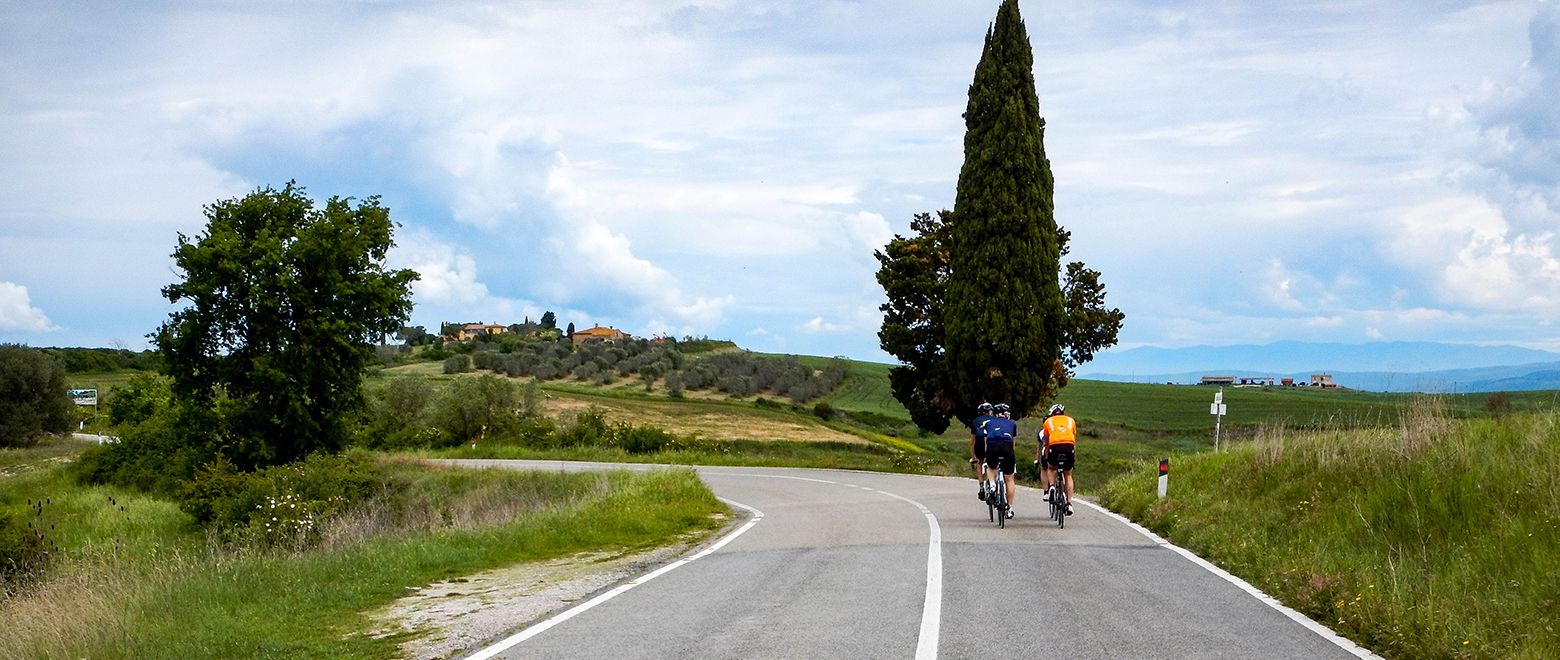
A heavenly week cycling in Tuscany
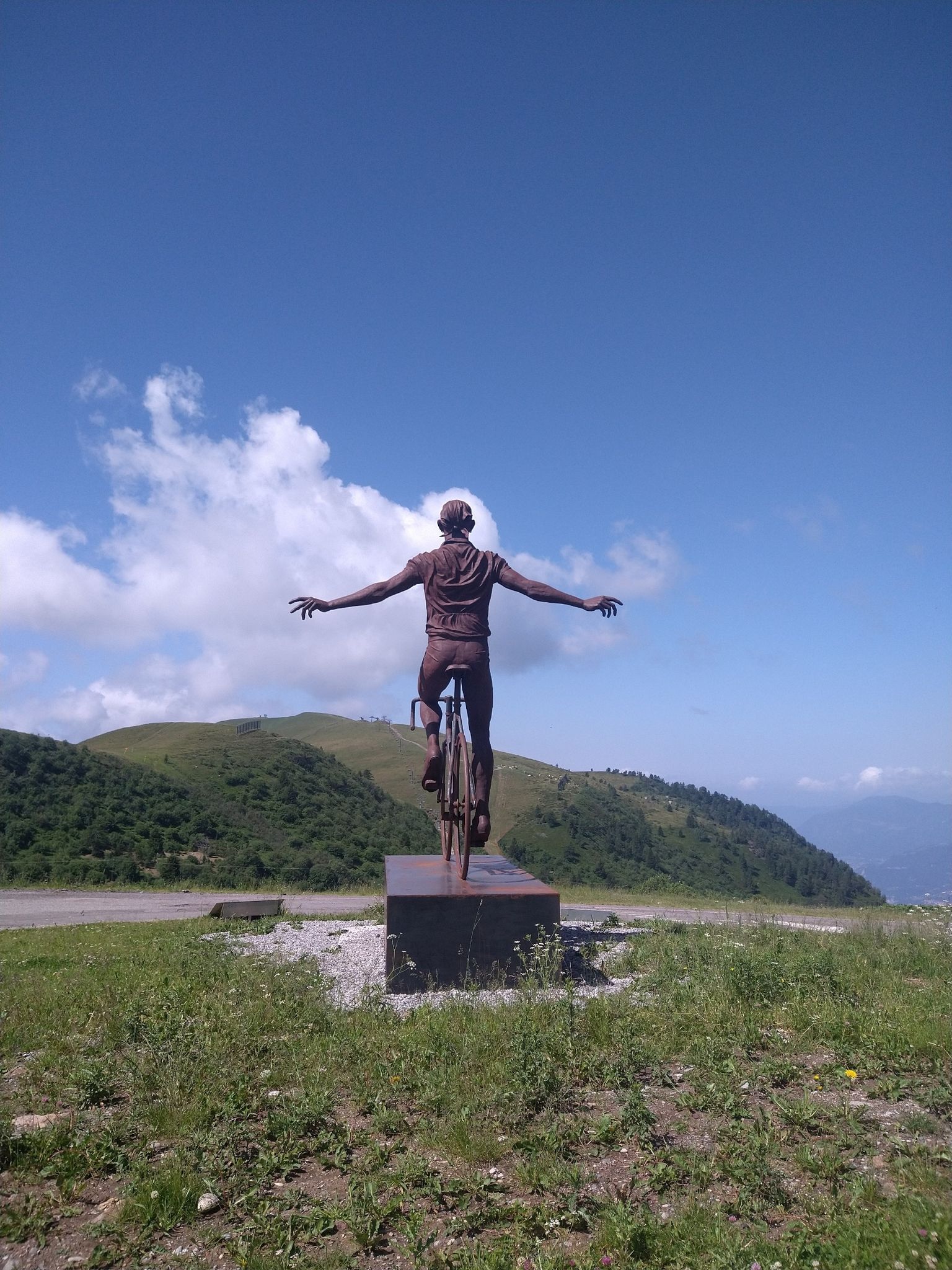
On the roads of the Pirata – discover the places of Marco Pantani
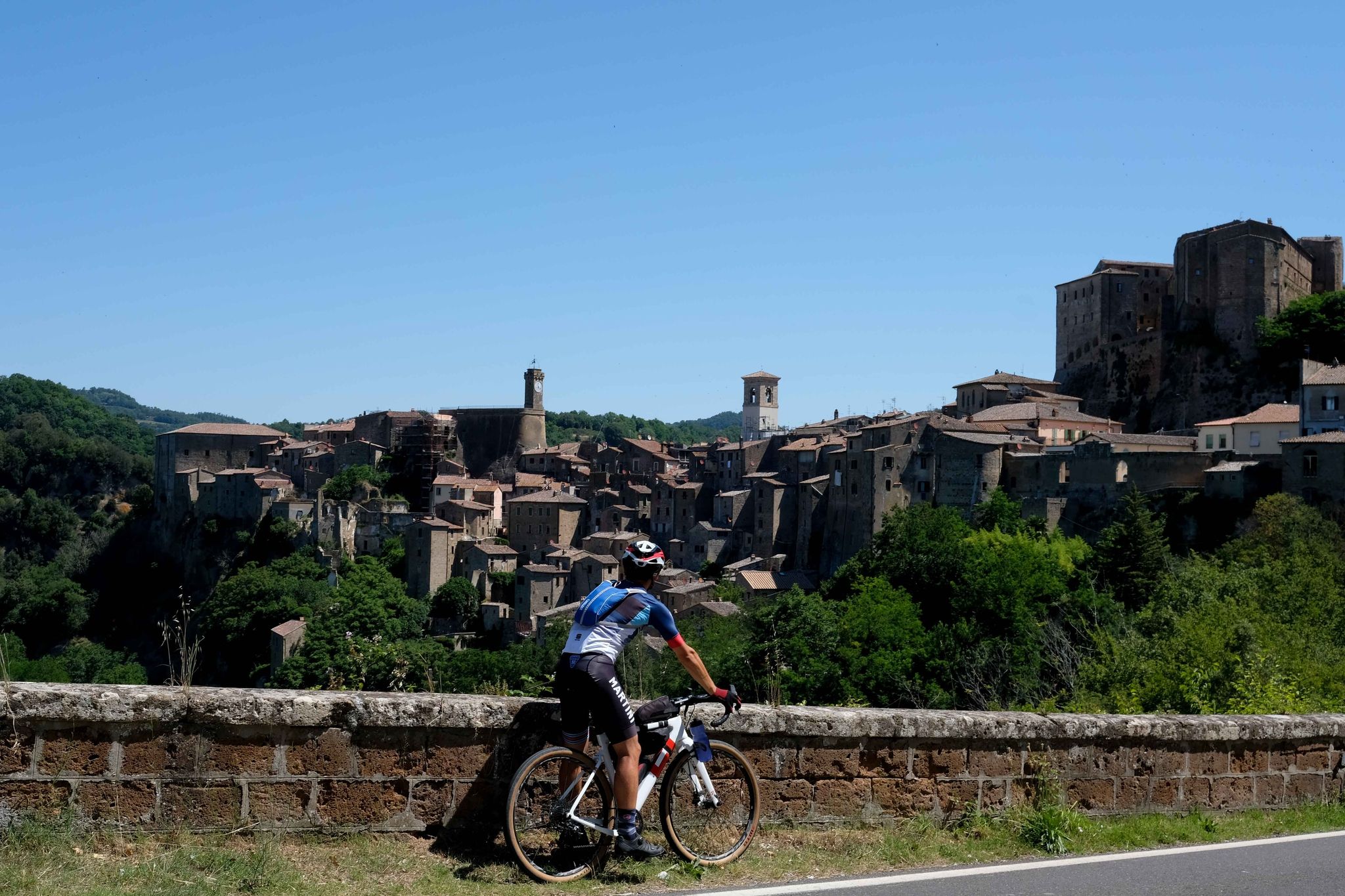
Ride the roads of cycling champions in Maremma
Hiking around Scansano
Road Cycling Routes around Scansano
Cycling around Scansano
MTB Trails around Scansano

Gravel biking around Scansano
Running Trails around Scansano


Tips from the Community

The "Casa della Memoria" in Batignano (a hamlet of Grosseto) is linked to the historical enhancement of the medieval village and to local religious figures, such as the venerable Father Giovanni Nicolucci. The village, a former fief of the Aldobrandeschi family, preserves walls, towers, and a convent (Santa Croce) that safeguard local history.
0
0

Istia is a castle that is discovered slowly, walking through its streets without haste; appreciating the glimpses, the hidden corners and the perspectives on the river that made it prosperous. It dominates the Ombrone river from the top of a modest hill in the Grosseto plain and was already an important hub of Etruscan-Roman and medieval roads, also thanks to its ford. A summit nucleus and one lower down are still clearly visible. It was mentioned for the first time in written sources in 862 with the name "Iscle", a name deriving from Ischia, which means Island, precisely because it was anciently surrounded by the waters of the Ombrone river. The external walls, which completely enclose the hill at its base, were equipped with two mighty gates, which served to defend a nodal point of passage for the trade and distribution of salt. Its strategic position made it fundamental in the Middle Ages and has brought it to us with still many things to tell. While walking through the streets of the center, don't forget to look out and admire the characteristic views of the river that made it rich.
0
0
In the spectacular scenery of the Grosseto countryside, nestled between gentle hills dotted with olive trees, the small village of Batignano suddenly appears to the gaze of those who travel, which blends perfectly with the environment in an example of absolute harmony. The castle owes its importance in the Middle Ages to the mines from which silver and lead were extracted, to be located in the area towards Montorsaio. As if suspended in time, the urban nucleus, a handful of houses marked by narrow streets, small arches, churches, archaeological finds and small open spaces, is a paradise for those seeking a journey between tranquility and peace.
1
0

The Cassero (=keep) Senese is a fortress from the 14th century and part of the impressive Bastione Fortezza. The fortress was built by the Republic of Siena and was preserved after the Grand Duchy of Tuscany ordered the demolition of Senese fortifications in 1565. The complex was then incorporated into the Bastione Fortezza, which in turn is part of Grosseto's city wall.
0
0

“La Nave” is a magical place…
2
0

Batignano is a characteristic medieval village, still today you can admire the remains of the city walls, the keep, the towers, the doors and a three-arched loggia. Like many other fiefdoms in the area, it belonged to the Aldobrandeschi family. The Walls of Batignano constitute the defensive system of the village, part of the municipality of Grosseto. A first city wall was built in Batignano during the 12th century to defend the noble area located in the upper part of the town. As time passed, the center increasingly expanded towards the concentric plateau located at a lower level than the pre-existing noble area; once this process was completed, there was the need to build a further defensive device that would protect the less ancient part. The construction of the new walls, more external than the pre-existing ones, continued between the thirteenth and fourteenth centuries and, once completed, they took on a roughly elliptical perimeter. In the following centuries, the Walls of Batignano followed the fate of the rest of the village, undergoing periods of decline followed by renovation and urban redevelopment works, which led, among other things, to incorporating some sections of curtain wall into the perimeter walls exteriors of residential buildings. The Walls of Batignano can be divided into two distinct concentric circles, an older internal one and a relatively more modern external one. The internal walls, trapezoidal in shape, have been almost incorporated into the external walls of the buildings located in the upper part of the centre, among which the ancient keep and a turreted building are recognisable. The external wall, roughly elliptical in shape, entirely delimits the village, alternating some sections of curtain which have perfectly preserved the original medieval characteristics (western bank of the circle) with others which are incorporated into the external perimeter walls of some buildings. Two doors open along the external wall (to the north-east and south-west), while a tower rises along the western bank.
3
0

The village of Manciano stands majestically on a hill, offering breathtaking views that range from Mount Amiata to the Argentario. Between uncontaminated nature and medieval history, in Manciano I recommend you visit the museum of Prehistory and Protohistory, or relax in the healing waters of the Saturnia spa.
2
0

Manciano is an Italian town of 7,071 inhabitants in the province of Grosseto in Tuscany. The center stands on a hill which dominates the plain and the Albegna valley on one side and the Tufo area on the other. Source: https://it.wikipedia.org/wiki/Manciano
1
0
Frequently Asked Questions
What makes the castles and historical sites around Scansano unique?
The castles and historical sites around Scansano are unique for their blend of medieval architecture, strategic defensive positions, and integration into the Tuscan Maremma landscape. You'll find fortified farmhouses, ancient keeps, and historic village centers, many with Etruscan and Roman roots. Sites like Istia d'Ombrone Castle and Historic Center offer insights into medieval life and trade routes, while others like Casa della Memoria, Batignano showcase well-preserved village walls and keeps.
Are there any lesser-known or 'hidden gem' castles worth visiting near Scansano?
While not a traditional castle, the Convent of Petreto, originally known as the Castle of Petreto, is a hidden gem. Located on a hilltop overlooking Scansano, it retains traces of Aldobrandeschi walls and Romanesque foundations. Its isolated position amidst woods offers a serene and picturesque setting, highlighting the region's evolving history from a defensive stronghold to a religious complex.
What kind of outdoor activities can I do near the castles around Scansano?
The area around Scansano offers various outdoor activities. You can explore the region on two wheels with cycling routes like the 'Scansano and Magliano in Toscana: Land of Morellino Trail' or the 'Mill Falls – Cascate del Mulino Hot Springs loop'. For those who prefer walking, there are hiking trails such as the 'Saturnia and Cascate del Mulino Loop' or easier options like the 'Porta Romana – Church of Mary Magdalene loop'. You can find more details on these activities in the Cycling around Scansano, Running Trails around Scansano, and Hiking around Scansano guides.
Are there family-friendly castles or historical sites to visit in the Scansano area?
Yes, several sites are suitable for families. The Garibaldi Bastion, Grosseto City Walls, for example, is listed as family-friendly and offers a chance to walk along well-preserved city walls. Exploring historic centers like Historic Center of Manciano or Istia d'Ombrone Castle and Historic Center can also be engaging for families, allowing children to imagine medieval life while exploring narrow streets and ancient structures.
What is the best time of year to visit the castles and historical sites around Scansano?
The best time to visit the castles and historical sites around Scansano is generally during the spring (April-June) and autumn (September-October). During these seasons, the weather is pleasant for exploring, and the Maremma landscape is particularly beautiful, whether with spring blooms or autumn colors. Summer can be quite hot, while winter offers a quieter experience but with potentially colder temperatures and shorter daylight hours.
Can I find viewpoints or natural features near these castles?
Absolutely. Many castles and historical sites in the Scansano area are strategically located on hills, offering expansive views. For instance, the Historic Center of Manciano provides breathtaking panoramas from Mount Amiata to the Argentario coast. Istia d'Ombrone Castle and Historic Center offers views of the Ombrone river. The region itself is characterized by rolling hills, vineyards, and the Ombrone river valley, providing a scenic backdrop to your explorations.
Are there any specific historical periods or events associated with the castles in this region?
The castles in the Scansano area are deeply rooted in medieval history, often associated with powerful families like the Aldobrandeschi and the Republic of Siena. For example, Montepò Castle has origins dating back to the 14th century and played a crucial role in defending lands during turbulent times. Montorgiali Castle was constructed in the 12th century by the Montorgiali family and later sold to Siena. These sites reflect centuries of territorial disputes, feudal rule, and the architectural evolution of fortified structures in Tuscany.
What are the options for parking when visiting castles near Scansano?
Parking availability varies by location. For historical centers like Historic Center of Manciano or Istia d'Ombrone Castle and Historic Center, you can typically find designated parking areas on the outskirts of the village, requiring a short walk into the historic core. For more remote sites or private properties like Montepò Castle, parking might be more limited or require specific arrangements. It's advisable to check local signage or information for each specific site.
Can I visit the castles around Scansano using public transport?
While Scansano itself is accessible by public transport, reaching individual castles and historical sites in the surrounding rural areas can be challenging without a car. Public bus services connect Scansano to larger towns, but routes to smaller villages where castles are located may be infrequent or non-existent. For maximum flexibility and to visit multiple sites, renting a car is generally recommended.
What kind of amenities, like cafes or restaurants, can I find near the castles?
Many of the castles are located within or near charming medieval villages, which often host local cafes, trattorias, and restaurants. For example, the town of Scansano itself offers various dining options, and villages like Batignano and Manciano will have local establishments where you can enjoy traditional Tuscan cuisine and local wines, such as Morellino di Scansano. It's a great way to experience the local culture after exploring the historical sites.
Are there any easy walks or accessible options to reach castles near Scansano?
Many historical centers, such as Historic Center of Manciano and Istia d'Ombrone Castle and Historic Center, involve walking through cobblestone streets and sometimes uphill paths within the village. While these are generally manageable, some areas might be less accessible for those with mobility challenges. For easier walks, consider exploring the well-maintained sections of city walls, like the Garibaldi Bastion, Grosseto City Walls, which offer relatively flat surfaces and good views.
Most popular routes around Scansano
Most popular attractions around Scansano

Get inspired with the komoot mobile app


Explore more
Looking for the best castles somewhere else? Discover other guides around Scansano:
