Top 4 Castles around Semproniano
Best castles around Semproniano are found in a region characterized by its historical significance and strategic locations. This area, nestled in Tuscany, features several fortified structures and medieval ruins. These sites offer insights into the past, often situated on high points or cliffs overlooking river valleys. The landscape provides a backdrop for exploring centuries of history and architectural evolution.
Best castles around Semproniano
- The most popular castles is Sorano, a settlement and castle known as "the Matera of Tuscany."…
Last updated: June 30, 2026
Sorano
Highlight • Settlement
Translated by Google •
Tip by

Historic Route Through Sovana Old Town: From Rocca Aldobrandesca to Sovana Cathedral
Highlight (Segment) • Historical Site
Translated by Google •
Tip by

Sign up now to discover places like this
Get recommendations on the best single tracks, peaks, & plenty of other exciting outdoor places.
Sign up for free
Orsini Fortress of Sorano
Highlight • Castle
Translated by Google •
Tip by
Rocca Aldobrandesca of Sovana
Highlight • Castle
Translated by Google •
Tip by
Masso Leopoldino Viewpoint
Highlight • Viewpoint
Translated by Google •
Tip by

Sign up for free to discover even more castles around Semproniano.
Sign up for free
Already have an account?
Start today with a free account
Your next adventure awaits.
Login or Signup

Tips from the Community

With its imposing mass, the Orsini Fortress dominates the medieval village of Sorano and represents one of the greatest examples of medieval architecture of the Renaissance. Built by the Aldobrandeschi in the 13th century, it was later expanded and renovated by the Orsini, according to the needs imposed by the advent of firearms. The aim was to make Sorano a powerful military bulwark in the centuries-old dispute between this turbulent family and the Republic of Siena. The oldest structures, identifiable with the surviving portions of the Rocca degli Aldobrandeschi, are located in the northern area of the fortification. The complex must have been divided into two main alignments that delimited an open space facing the town below (now Piazza Cairoli) to the east and south. In the mid-16th century, other structural interventions completely modified the original layout of the ancient keep, which was adapted to the use of a count's residence. Today some of these rooms house the Civic Archaeological Museum which preserves finds from the territory of Sorano, Sovana and Castell’Ottieri. The entrance to the keep was protected by a drawbridge, now disappeared, and by a deep moat which delimited, descending into the valley, also the two gates of access to the village. The large square in front, supported on two sides by walls, was the nodal point of all the daily activities of the garrison. The sixteenth-century complex consists of a central keep where the headquarters was located and which housed the armory, the gunpowder and saltpetre warehouse, the foundry and the prisons. At the base of the building was located the guardhouse to control the main entrance to the Fortress. Above the portal stands the coat of arms with the rampant lions of the Aldobrandeschi, the rosette and the bars of the Orsini, surmounted by the crest on which rests the heraldic bear. The Mastio is connected to the two corner bastions, also decorated with a coat of arms and by embankments that delimit a second moat that was filled in during the Lorraine period. The various buildings, which make up the Renaissance complex, are connected to each other by a series of underground walkways that allowed the rapid movement of troops along the entire perimeter of the walls. The paths are dug on multiple levels and are equipped with "wolf mouth" slits suitable for defense with arquebuses and culverins. The two bastions also constituted the main deposits for food and water reserves and were used as milling rooms for the processing of grain and gunpowder. The water supply was via a system of canals connected by some cisterns dug into the tuff. In the second half of the 16th century, the political situation of the County changed radically when it became part of the Grand Duchy of Tuscany. From this moment on, the large military complex, which had withstood many battles, lost its strategic function and was gradually abandoned. Today, thanks to numerous restoration interventions, it is possible to visit the entire bastion complex of the Fortress by going to the Museum located in the fourteenth-century part.
0
0

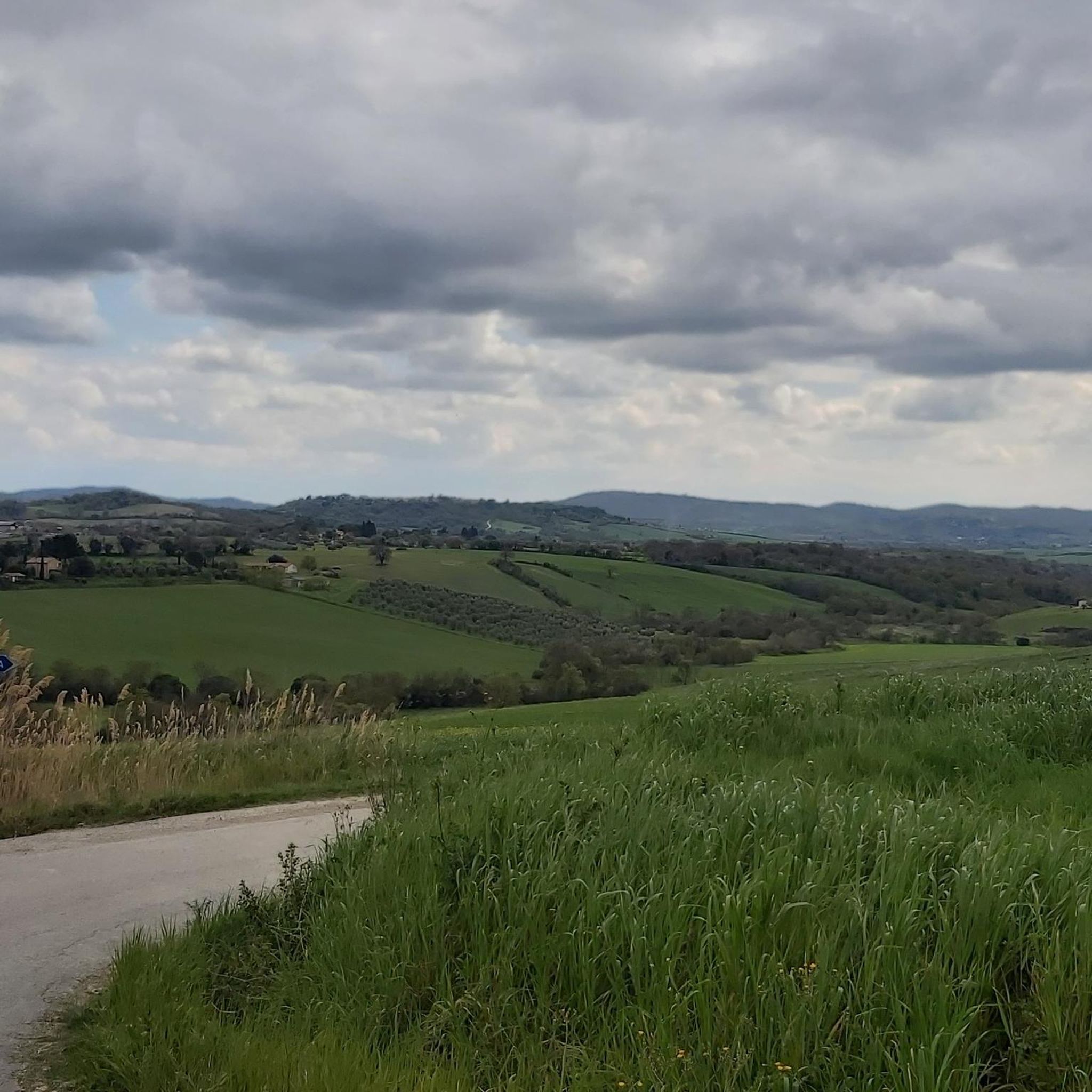
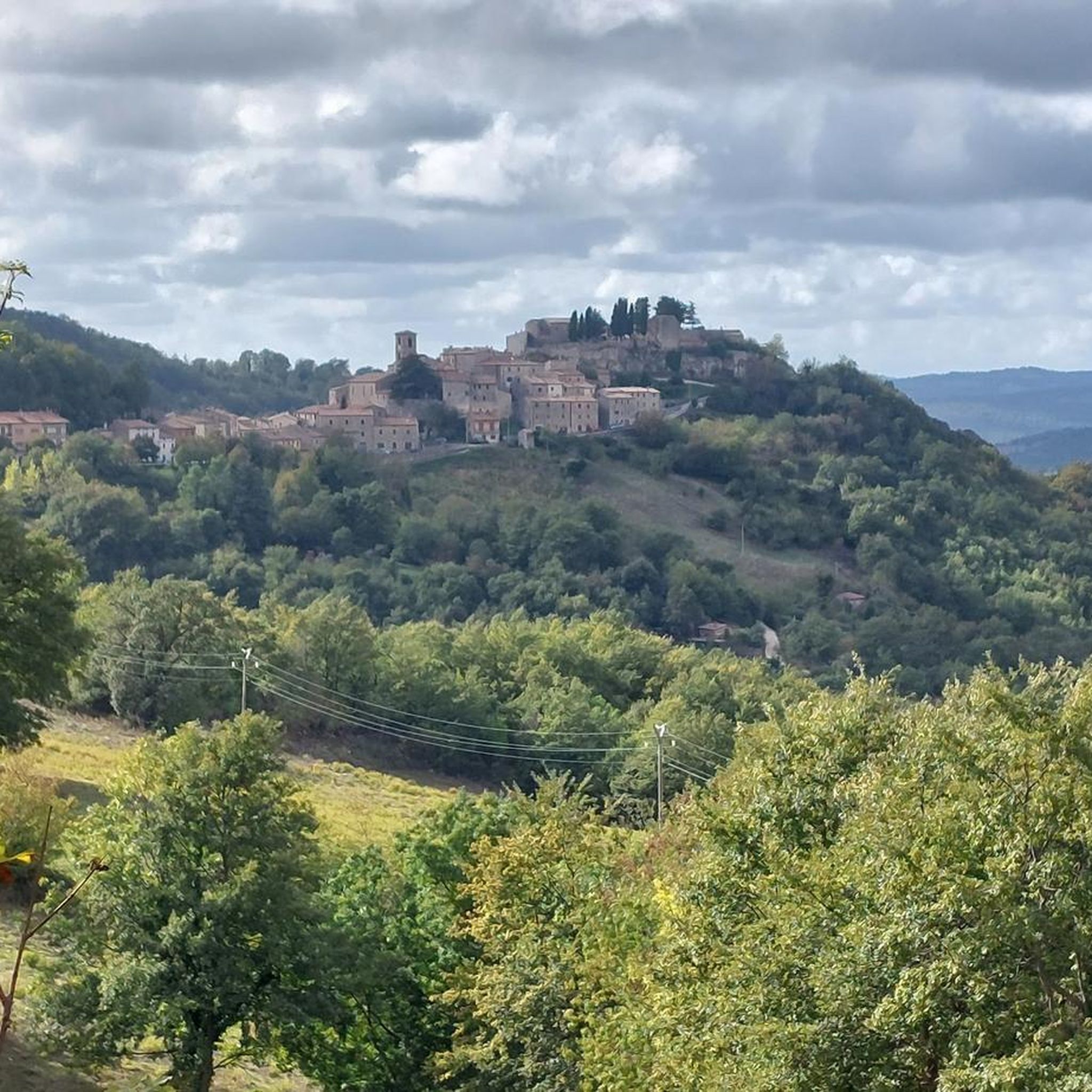
Sorano is a small medieval town built on tuff rocks in the province of Grosseto/Tuscany.
1
0
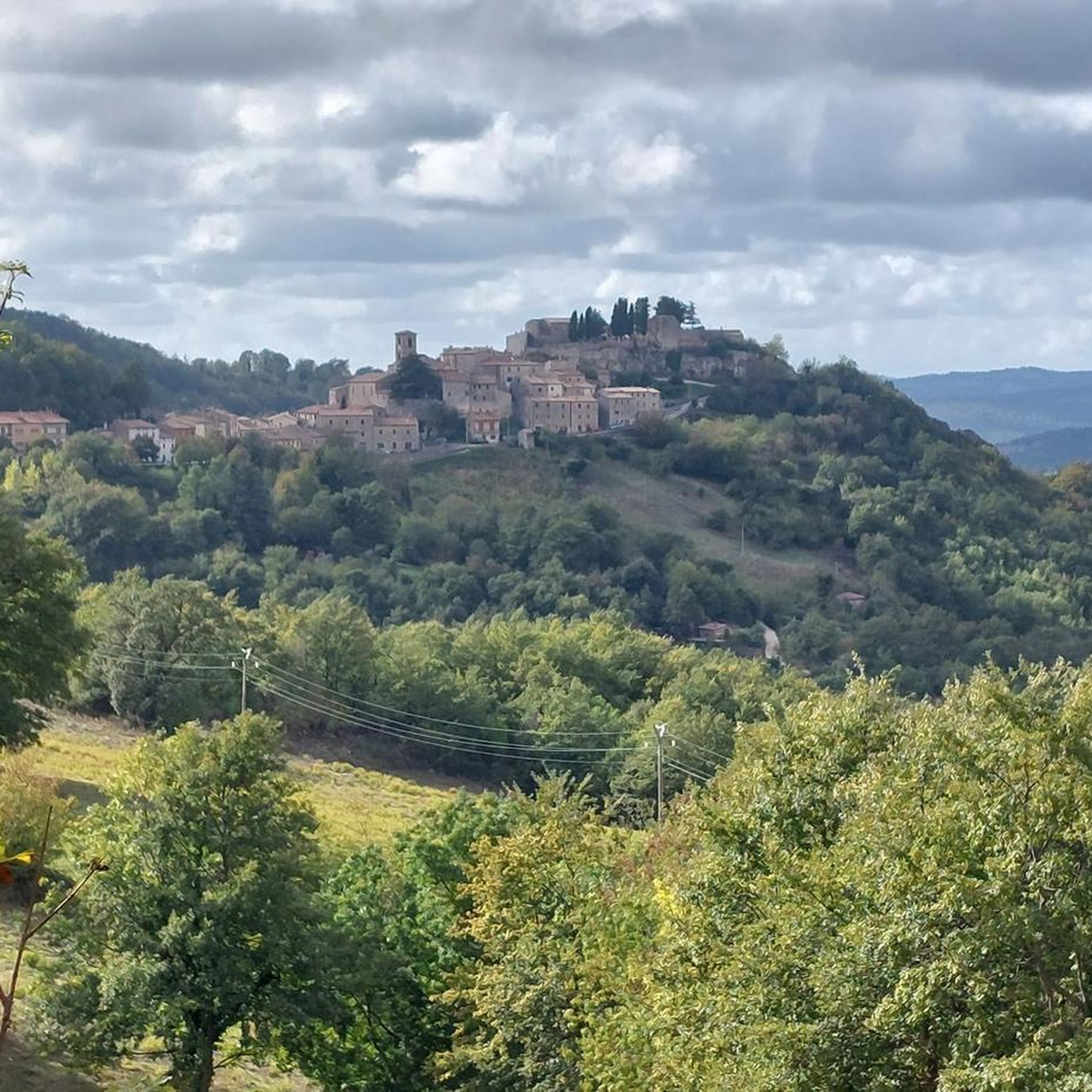
A characteristic fortress that dominates the city from the opposite side of the Orsini Fortress.
1
0
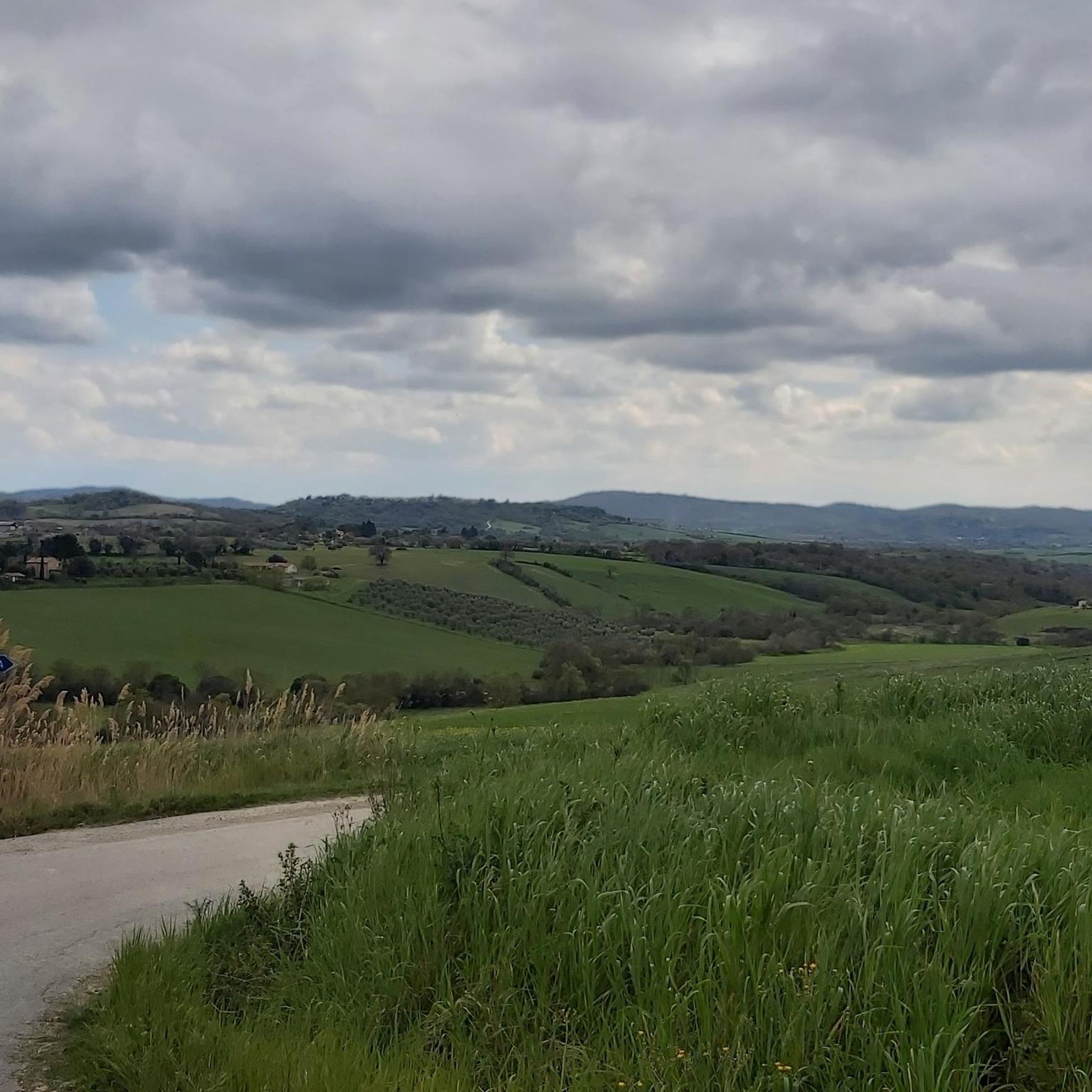
As you enter Sovana, you'll see the mighty castle. Unfortunately, it has been falling into disrepair since the 17th century.
1
0

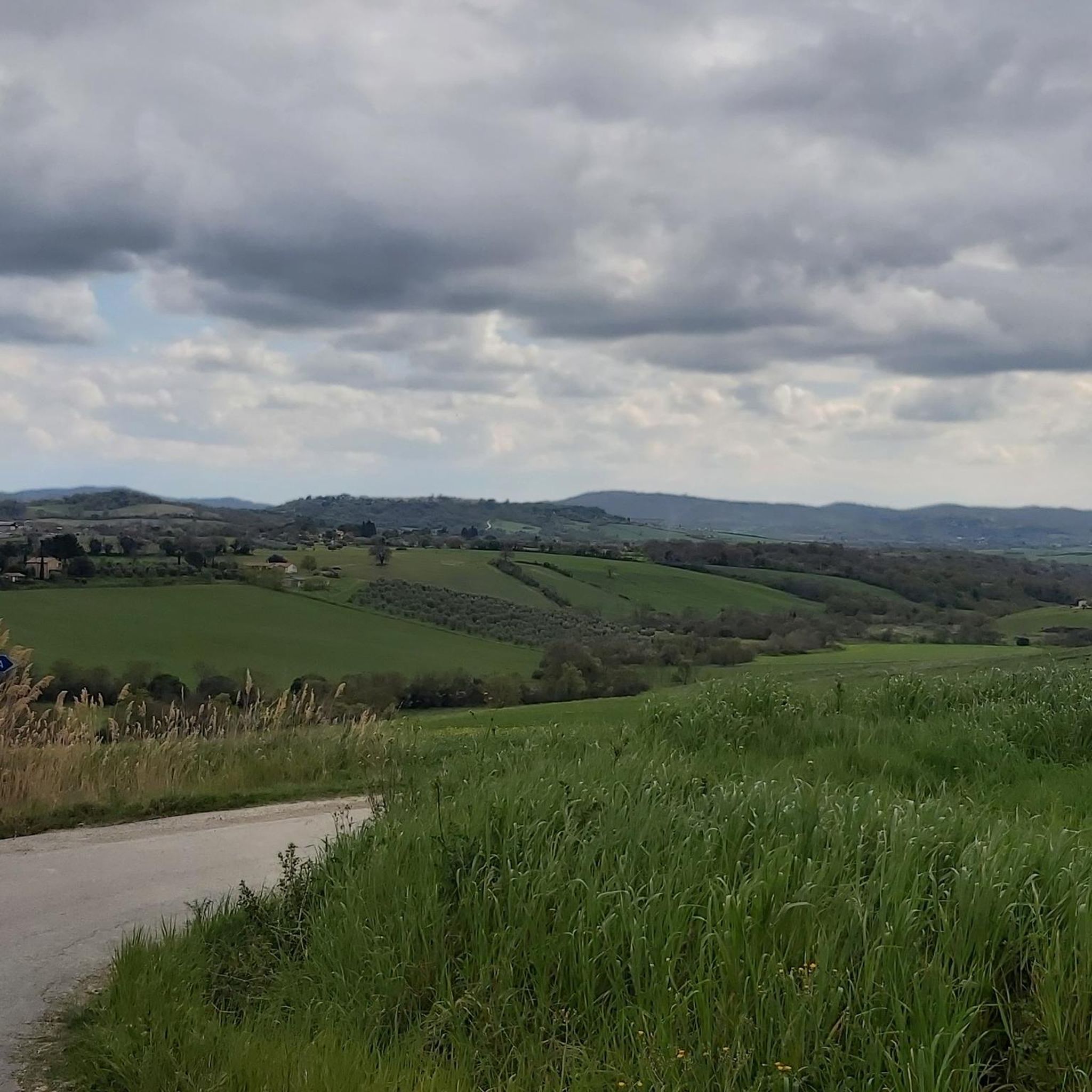
Wonderful and Sovana a nativity scene of tuff
0
0


Sorano is located in a suggestive mountainous region immersed in the richness of forests. The medieval village clings to a steep tuff rock called Masso Leopoldino, which dominates the valley of the Lente stream. The tower houses, the winding streets, the open spaces, the alleys and tunnels that intertwine in the heart of the rock give the neighborhood a unique charm. The panorama from the terrace on the top of the cliff offers exceptional views of Sorano, the volcanic gorges and the Lente valley. Over the centuries, Sorano has been the scene of disputes, sieges and wars, earning it the curious nickname of "Italy's match".
3
0
Frequently Asked Questions
What are some other notable castles to visit in the Semproniano area?
Beyond the most popular sites, the Semproniano area boasts several historically significant castles. You can explore the atmospheric ruins of Rocca Aldobrandesca in Semproniano, which offers a glimpse into medieval defense. Rocchette di Fazio Castle provides insight into a well-preserved fortified village, while Castello di Catabbio showcases architectural evolution from a fortress to a fortified villa. The ruins of Castello di Montebuono also offer strategic views and are undergoing restoration.
What kind of historical insights can I gain from visiting these castles?
Visiting the castles around Semproniano offers a deep dive into the region's turbulent past. Sites like the Rocca Aldobrandesca in Semproniano and Rocchette di Fazio Castle reveal the strategic importance of the area, the power struggles of families like the Aldobrandeschi, and the impact of historical conflicts. You can see architectural elements from different eras, from medieval fortifications to Renaissance modifications, reflecting centuries of change and adaptation.
Are there any castles that offer panoramic views of the surrounding landscape?
Yes, many castles in the Semproniano area were strategically built on high points, offering splendid panoramic views. The Rocca Aldobrandesca in Semproniano, Rocchette di Fazio Castle, and Castello di Montebuono all provide excellent vantage points to observe the Albegna River valley and the rolling Tuscan hills.
Can I explore the administrative buildings of a medieval fortified village?
At Rocchette di Fazio Castle, you can explore not only the defensive structures but also administrative buildings such as the Palazzo di Giustizia (courthouse) and Palazzo Pretorio. This provides a comprehensive understanding of what life was like in a medieval fortified village.
What outdoor activities can I do near these castles?
The area around Semproniano offers various outdoor activities. You can find numerous MTB trails, running trails, and gravel biking routes. Many of these routes pass through picturesque landscapes, offering opportunities to combine castle visits with active exploration. For example, you can find moderate to difficult routes like the 'Montemerano da Saturnia — Giro ad anello' for MTB or 'Cascate del Mulino Hot Springs – Mill Falls loop from Saturnia' for running.
Are there any family-friendly castle experiences in the region?
While specific family-friendly activities within the ruins are not detailed, exploring the medieval village of Sorano, known as 'the Matera of Tuscany,' offers an authentic experience with winding streets and a majestic fortress that can be engaging for families. The Historic Route Through Sovana Old Town, connecting Rocca Aldobrandesca to the cathedral, is also a pleasant walk for all ages.
What is the best time of year to visit the castles around Semproniano?
The region's castles can be visited throughout the year, but spring and autumn generally offer the most pleasant weather for exploring ruins and walking. These seasons provide comfortable temperatures and lush landscapes, enhancing the experience. Summer can be hot, while winter visits might be cooler but offer a different, often more serene, atmosphere.
What do visitors enjoy most about the castles and historical sites in this area?
Visitors frequently appreciate the authentic historical experience and the stunning natural settings. The crumbling remains of castles like the Rocca Aldobrandesca evoke a strong sense of the past, while the strategic locations often provide breathtaking views. The unique preservation of sites like Rocchette di Fazio, showing traces of historical attacks, also offers a rare glimpse into the past. The komoot community has contributed over 100 photos and 100 upvotes, highlighting the visual appeal and historical significance of these sites.
Are there any castles that have been repurposed or are still in use?
Yes, Castello di Catabbio, for instance, after being sacked, was transformed into a fortified villa for the bishops of Sovana and has been privately owned since the late 17th century, now housing a farm. This showcases the evolution of these structures from military strongholds to residential or agricultural uses over time.
Can I see examples of architectural evolution in the castles?
Castello di Catabbio is a prime example of architectural evolution, showcasing elements from a medieval fortress to a fortified villa. While much of the original medieval castle was destroyed, the southern part retains original medieval elements, and the main building features late Renaissance and 16th-century styles. This blend offers a unique perspective on how structures adapted over centuries.
Are there any castles that are currently undergoing restoration?
The ruins of Castello di Montebuono are currently undergoing efforts to clear the area and potentially restore more of the ancient castle. This offers a unique opportunity to see a historical site in the process of being rediscovered and preserved, with the aim of making it more accessible to tourists in the future.
Most popular routes around Semproniano
Most popular attractions around Semproniano

Get inspired with the komoot mobile app


Explore more
Looking for the best castles somewhere else? Discover other guides around Semproniano:
