Top 9 Castles around Radicondoli
Best castles around Radicondoli, a medieval village in the heart of Tuscany, offer a glimpse into the region's rich past. The area features historic castles and fortified settlements set amidst a natural landscape. These sites showcase the strategic importance and architectural heritage of the region.
Best castles around Radicondoli
- The most popular castles is Rocca Sillana, a castle that has undergone extensive restoration. It is often open on weekends, typically from 4 to 8 p.m.
- Another must-see spot is…
Last updated: June 30, 2026
Rocca di Berignone (Castle of the Bishops)
Highlight • Castle
Translated by Google •
Tip by

Rocchette Pannocchieschi Mining Castle Ruins
Highlight • Castle
Translated by Google •
Tip by

Sign up now to discover places like this
Get recommendations on the best single tracks, peaks, & plenty of other exciting outdoor places.
Sign up for free
Rocca Sillana
Highlight • Castle
Translated by Google •
Tip by

Spannocchia Castle
Highlight • Castle
Translated by Google •
Tip by

Fosini Castle
Highlight • Castle
Translated by Google •
Tip by

Sign up for free to discover even more castles around Radicondoli.
Sign up for free
Already have an account?
Start today with a free account
Your next adventure awaits.
Login or Signup

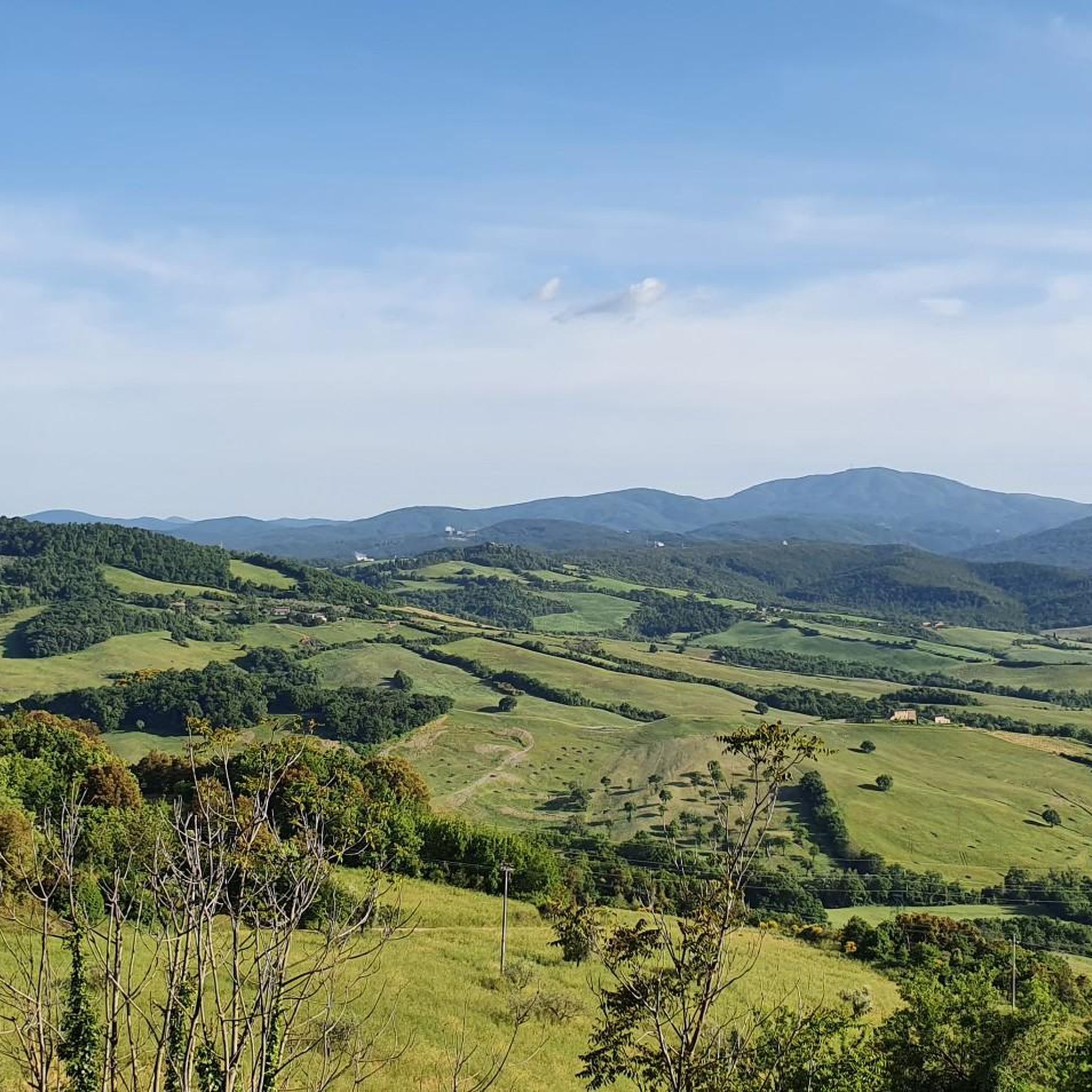
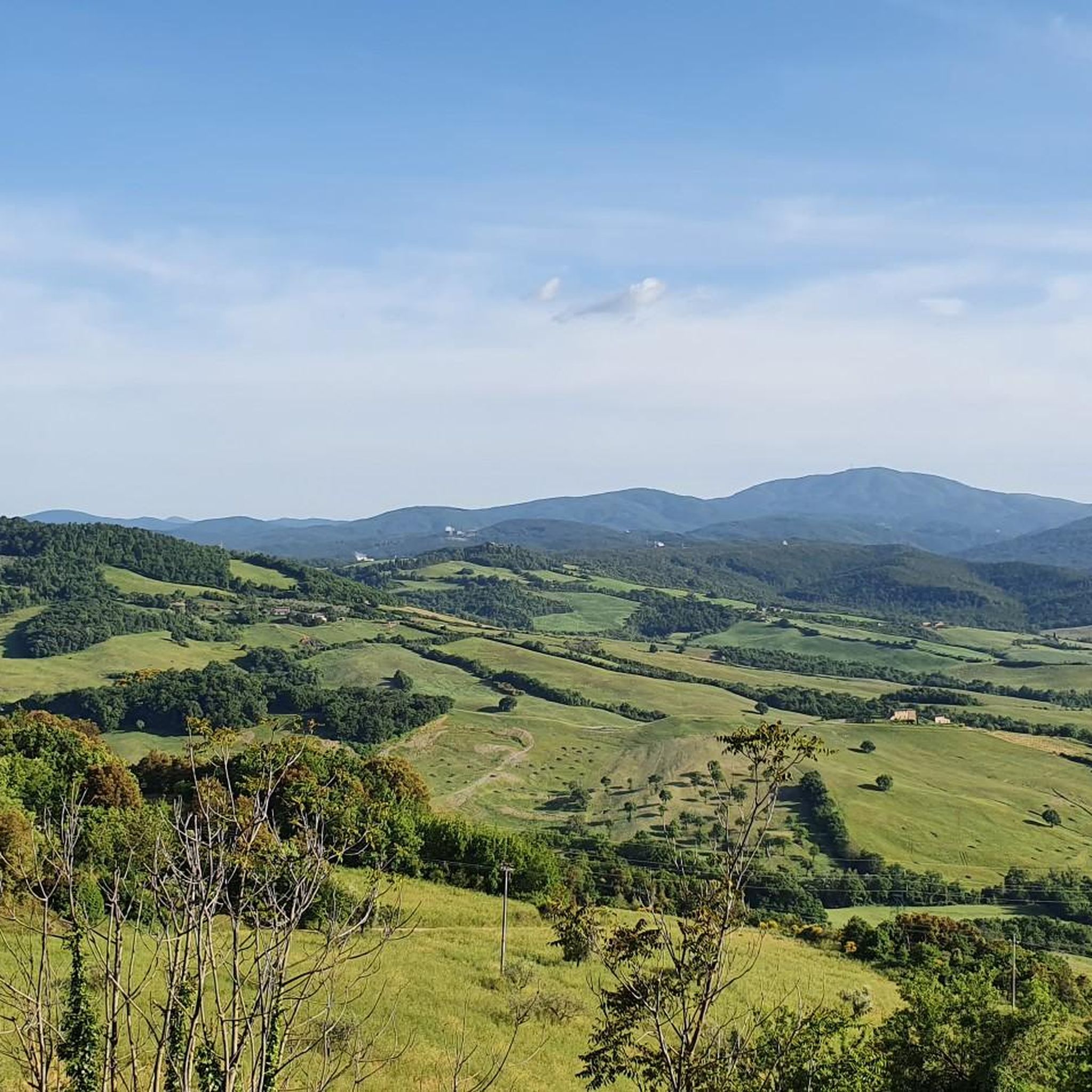
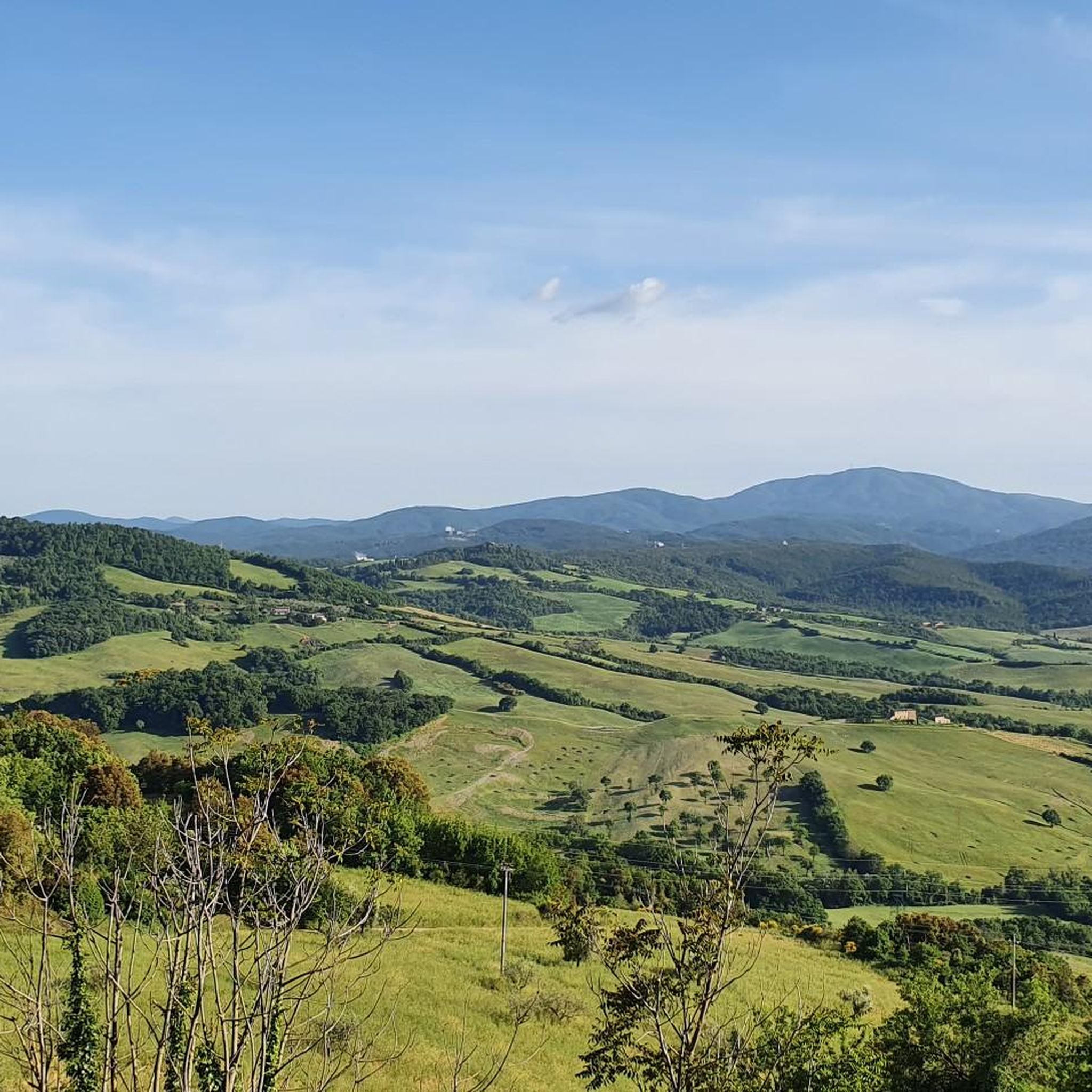
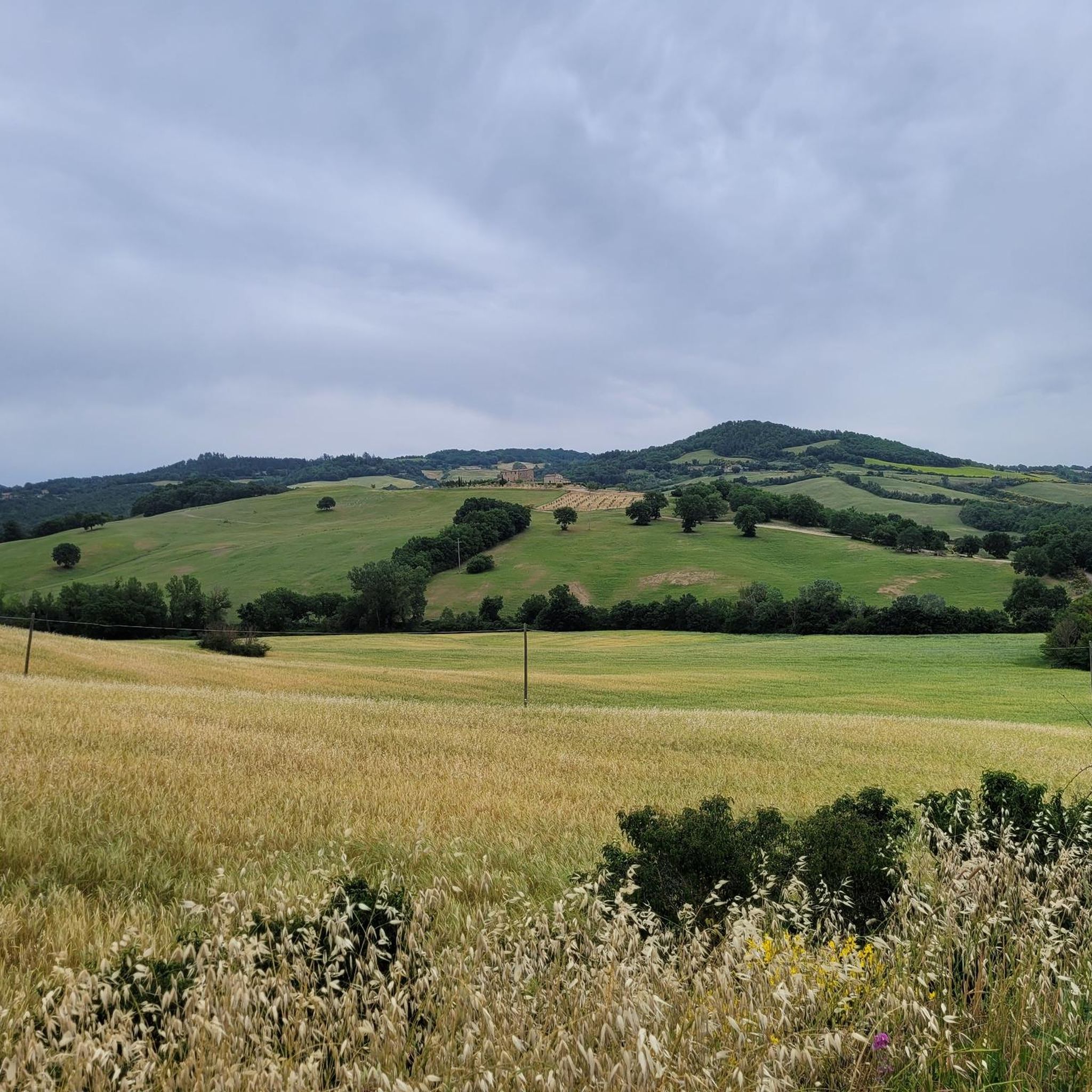
Tips from the Community

Perched on a rocky spur in the Cecina valley, the Rocca di Berignone, also known as the Bishops' Castle or Torraccia, is a place that smells of history and legend. Already mentioned in 896, it was a bastion of the episcopal power of Volterra, a refuge and symbol of resistance in the struggles against the Municipality. Besieged, rebellious, conquered by the Sienese in 1399, it then began its slow decline. Today, its imposing ruins emerge among the woods of Berignone, silent witnesses of a tumultuous past, framed by a landscape that still retains a wild and fascinating aura.
4
0

Medieval documentation reports the area where the castles of Rocchette and Cugnano stood, with the name of "Piastraio" and probably refers to the territory delimited to the NW by the Milia stream, to the south by the Fosso Riotorto and to the east by the Poggio di Santa Croce. Some studies report around 90 mineral extraction points in this area, exploited during the medieval period, including sinkholes, mine entrances, fields and mining quarries. The mining area of the Rocchette castle is represented by sinkholes that surrounded the site, which are still recognizable today among the vegetation together with slag dumps and trenches. Presumably the mineralizations present in the deposits were: Galena argentifera, Chalcopyrite, Blenda, Tetrahedrite and Pyrite, to obtain mainly from their fusion: silver, copper, iron and lead. The remains of the mining castle are located on a 450 m hill, separated by a ditch from the southern slope of Poggio Trifonti. The excavations carried out from 1992 to 2001 by the University of Siena brought to light traces of settlements and a mineral processing area dating back to the 10th century. In the summit area, the remains of a wall where the noble part of the castle was probably located can still be seen, while around there are traces of other buildings consisting of the ruins of semi-rock structures, which belonged to the most ancient configuration of the town. The castle was surrounded by defensive walls around 1300 and numerous buildings were built, after Massa secured dominion over the castle itself and the mineral resources of the area. rocchetteThe reconstruction is also supported by an ancient fourteenth-century seal preserved in Florence at the Bargello Museum, where the rock mass on which the 5 gates, the 2 towers and the walls that surrounded it are perched are recognisable. The site was abandoned in the first half of the 15th century and now remains an evocative place not only for its history, but also for the superb panorama that opens up to the sea and the islands of the Archipelago.
0
0
Castello dei Vesovi or Torraccia a stupendous place that takes you back to the past. The castle known as Rocca di Berignone (from the name of the forest where it is located, a large forest complex that still today presents itself to the eyes of the visitor in its suggestive natural beauty), Castello dei Vescovi or simply Torraccia, is an important fortified site located south of Volterra, on a rocky spur at the confluence of the Botro al Rio with the Sellate torrent, in the upper Cecina valley. Traces of the castle emerge as early as 896, when it was donated by Adalberto, Marquis of Tuscany, to Alboino, Bishop of Volterra. Since then it was a stronghold and residence of the bishops of Volterra (hence the name), used to administer justice, to mint coins but above all as a refuge during their long struggle against the Commune. The bishops retreated there several times to avoid reprisals, such as in 1266, after the Guelph victory of Benevento, to escape the assault of the Ghibellines. In 1361 Berignone rebelled against the municipality of Volterra, but was easily reconquered. In 1381, the inhabitants of Berignone themselves wanted to place the defense of the castle, occupied by the relatives of Simone dei Fagani of Reggio, bishop of Volterra, under the protection of the municipality. Numerous other disputes ensued until the peace stipulated on February 5, 1382. In 1399, the castle was occupied by the Sienese and from that moment its definitive decline began. Today, only the ruins remain, dominating vast woods populated by ungulates and birds of prey, but even from these one can intuit the strength and severe elegance of the architectural structures of the past.
1
1


The castle of Fosini is located on a high hill, immersed in the woods of the Cornate Nature Reserve.
0
0

Very beautiful castle has been extensively restored. It is not always open, mostly on weekends and oh only 4 to 8 p.m. be absolutely on time. 5 to 4, nobody lets in anymore and leaves you mercilessly until the next full hour
1
0

Frequently Asked Questions
Which castles around Radicondoli offer the best panoramic views?
For breathtaking panoramic views, consider visiting Fosini Castle, which is situated on a high hill within the Cornate Nature Reserve. The Rocca di Berignone (Castle of the Bishops) also offers a wild and fascinating natural landscape from its rocky spur. Additionally, the ruins of Rocchette Pannocchieschi Mining Castle provide a superb panorama stretching to the sea and the islands of the Archipelago.
Are there family-friendly castles to visit near Radicondoli?
Yes, Spannocchia Castle is noted as family-friendly, offering a peaceful medieval atmosphere that can be enjoyed by all ages. The fortified village of Belforte also provides a tranquil setting to wander through alleys and experience historical community.
What kind of historical significance do the castles around Radicondoli hold?
The castles in this region are rich in history. For example, Rocca di Berignone was a stronghold for the bishops of Volterra, used for justice, minting coins, and as a refuge during conflicts. Fosini Castle served as a stronghold for the Pannocchieschi Conti family before coming under Siena's sovereignty. The village of Radicondoli itself was an ancient castle of the Aldobrandeschi family, with visible medieval walls and the surviving Porta Olla.
Are there hiking or cycling routes that pass by these castles?
Yes, the area around Radicondoli is excellent for outdoor activities. Fosini Castle is often part of naturalistic trekking routes within the Cornate and Fosini Nature Reserve. You can find various cycling routes, including road cycling, touring, and gravel biking, that explore the region's landscapes and historical sites. Explore options like the 'Cypress-Lined Road in Tuscany – Casole d'Elsa loop from Belforte' for cycling, or 'Val d'Elsa Loop from Casole d'Elsa' for gravel biking. You can find more details on these routes in our guides for Road Cycling, Cycling, and Gravel Biking around Radicondoli.
Which castles are best preserved or offer visible medieval architecture?
Rocca Sillana has undergone extensive restoration, making it a well-preserved example. Castello Falsini is also noted as one of the best-preserved castles in the Radicondoli territory, with visible masonry work and a tower with round-arched stone windows. The fortified village of Belforte has preserved its medieval layout, including visible castle walls, some towers, and an old keep.
Can I visit the interiors of these castles?
The interior of Fosini Castle is generally closed off, though a nearby belvedere offers evocative views. Rocca Sillana is often open on weekends, typically from 4 to 8 p.m., but it's advisable to check current opening times. The exterior of Castello Falsini is freely visitable, allowing appreciation of its medieval structure.
What is unique about the fortified village of Belforte?
Belforte is a unique example of a preserved medieval village within the municipality of Radicondoli. It maintains its original medieval layout with a main street, visible castle walls, towers, and an old keep. The Palazzo Pubblico, dating back to the 13th century, still houses the original clockwork from a clock first mentioned in 1576, offering a tranquil atmosphere and rich cultural experience.
Are there any castles related to mining history in the area?
Yes, the Rocchette Pannocchieschi Mining Castle Ruins are significant for their connection to medieval mining. The area around the castle had numerous mineral extraction points, and the ruins still show traces of settlements and a mineral processing area dating back to the 10th century. It's an evocative place not only for its history but also for its panoramic views.
What can I expect when visiting the village of Radicondoli itself?
Radicondoli, originally an ancient castle, retains much of its medieval character. You can explore substantial remains of its medieval walls, including Porta Olla, the only surviving gate. The village's urban plan features narrow streets and historical buildings, offering insight into its strategic importance and a pleasant experience with its welcoming community and local crafts.
When is the best time to visit the castles around Radicondoli?
The region's picturesque countryside and panoramic views are best enjoyed during pleasant weather. While specific opening hours vary, such as Rocca Sillana often being open on weekend afternoons, generally spring and autumn offer comfortable temperatures for exploring. Summer can be warm but provides long daylight hours, while winter might offer a quieter experience, though some sites may have reduced hours or access.
What kind of natural surroundings can I expect near these castles?
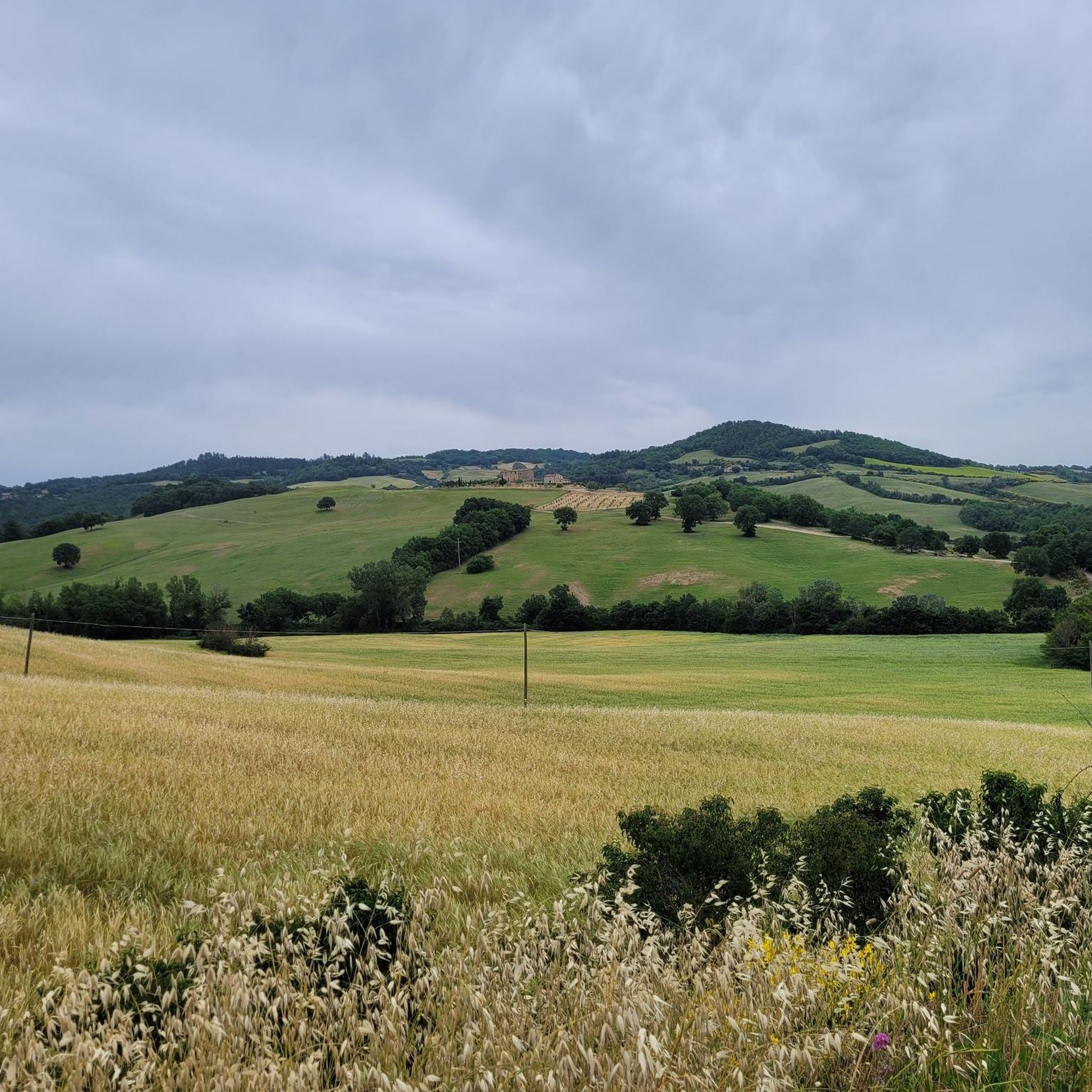
The castles are nestled in the heart of Tuscany's natural landscape. Fosini Castle is immersed in the woods of the Cornate Nature Reserve. Rocca di Berignone emerges from the wild and fascinating woods of Berignone. Castello Falsini is near a beautiful cypress avenue at the edge of the Cornocchia State Reserve. The entire area is characterized by picturesque countryside, forests, and rolling hills, ideal for nature enthusiasts.
Most popular routes around Radicondoli
Most popular attractions around Radicondoli

Get inspired with the komoot mobile app


Explore more
Looking for the best castles somewhere else? Discover other guides around Radicondoli:
