Top 6 Castles around Esanatoglia
Best castles around Esanatoglia are found within a historic village in Italy's Marche region, known for its medieval past and fortified structures. The town itself was historically a "castrum" with districts surrounded by walls, which now define its historic center. Esanatoglia's strategic location and well-preserved medieval character make it a notable destination for exploring Italy's rich history. The area features defensive architecture and historical sites that reflect its past under various powerful families.
Best castles around Esanatoglia
- The most popular…
Last updated: June 30, 2026
Castello di Gagliole
Highlight • Castle
Translated by Google •
Tip by

Gualdo Tadino
Highlight • Settlement
Translated by Google •
Tip by

Sign up now to discover places like this
Get recommendations on the best single tracks, peaks, & plenty of other exciting outdoor places.
Sign up for free
Castel Santa Maria
Highlight • Settlement
Translated by Google •
Tip by

Cassero Tower
Highlight • Historical Site
Translated by Google •
Tip by
Rocca Flea
Highlight • Castle
Translated by Google •
Tip by

Sign up for free to discover even more castles around Esanatoglia.
Sign up for free
Already have an account?
Start today with a free account
Your next adventure awaits.
Login or Signup
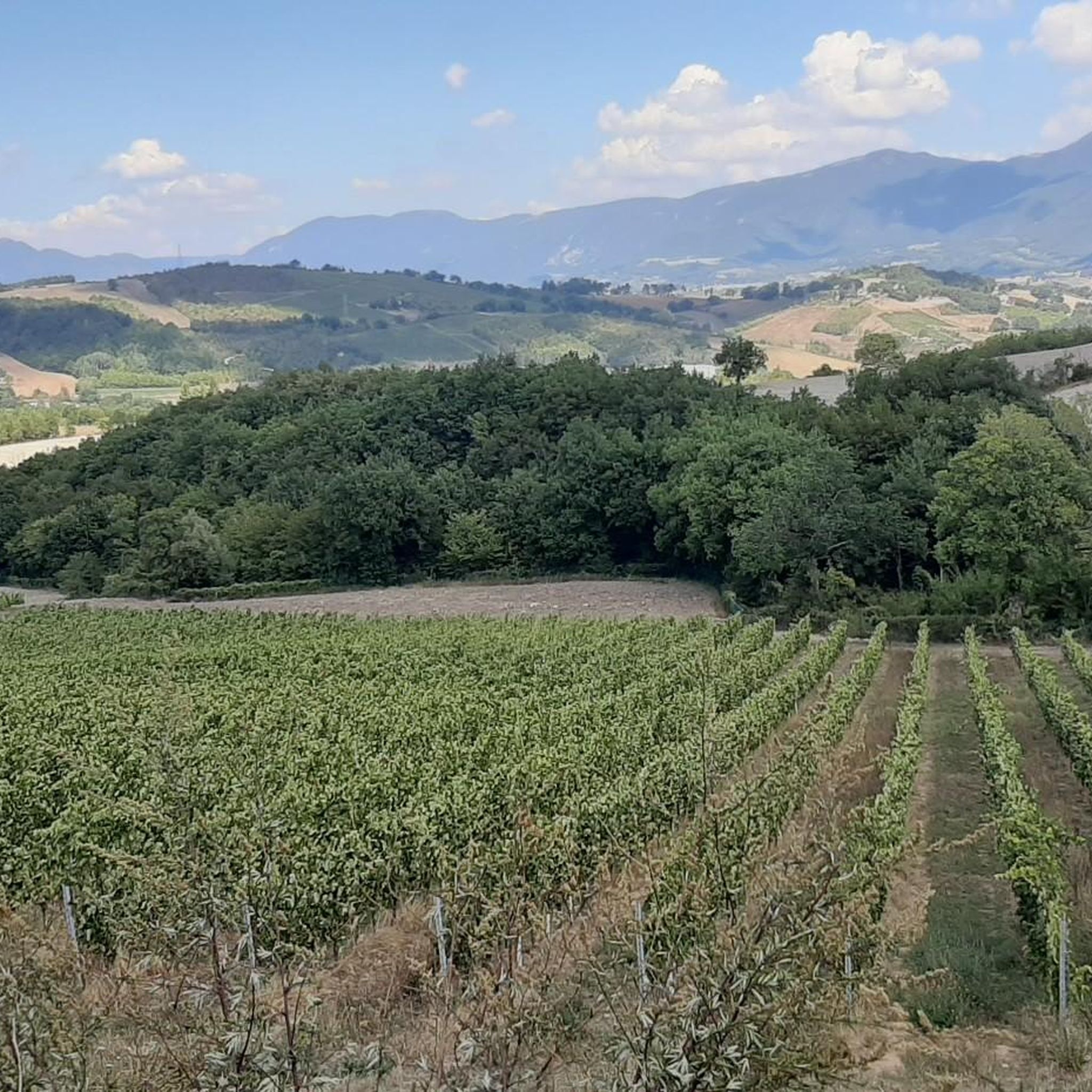
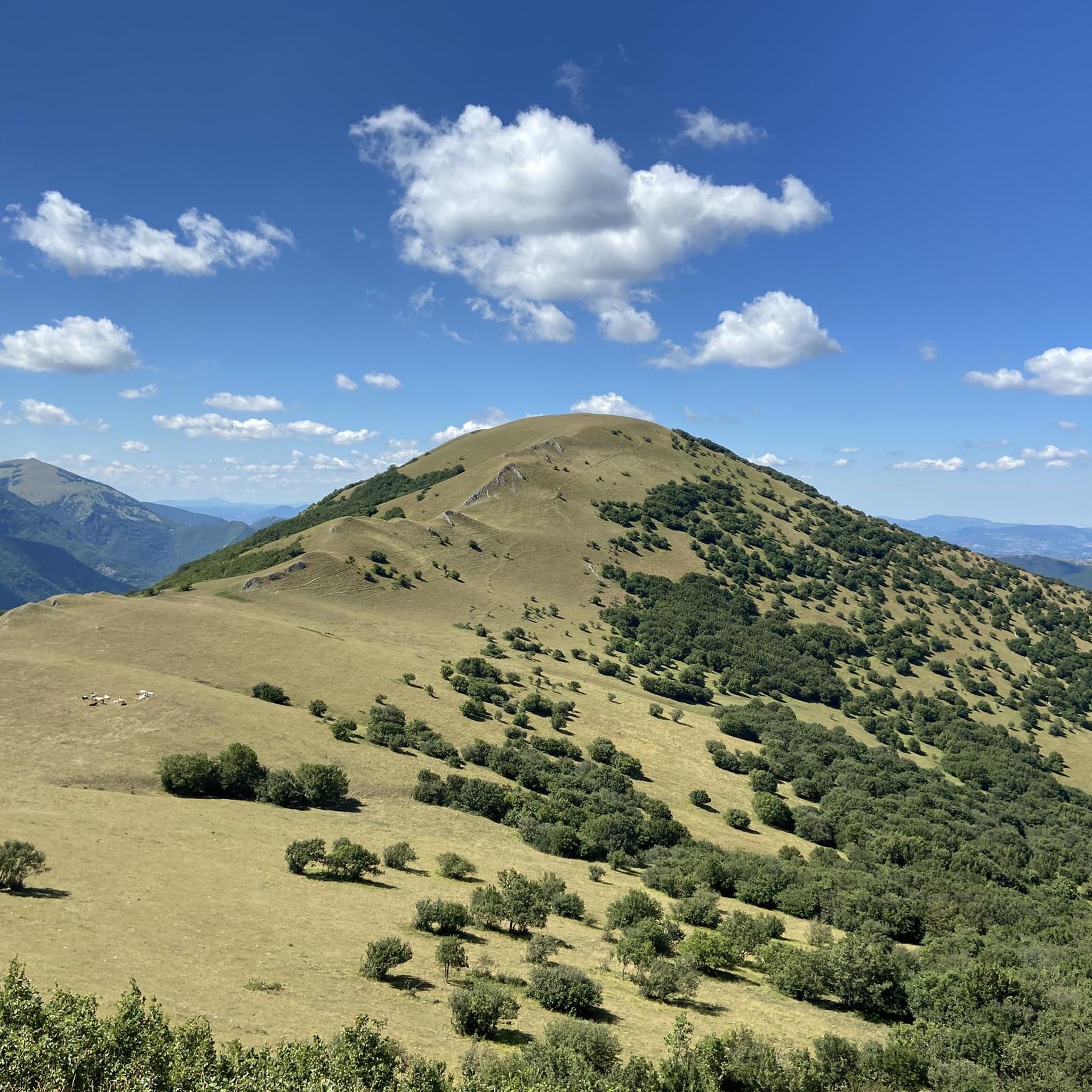
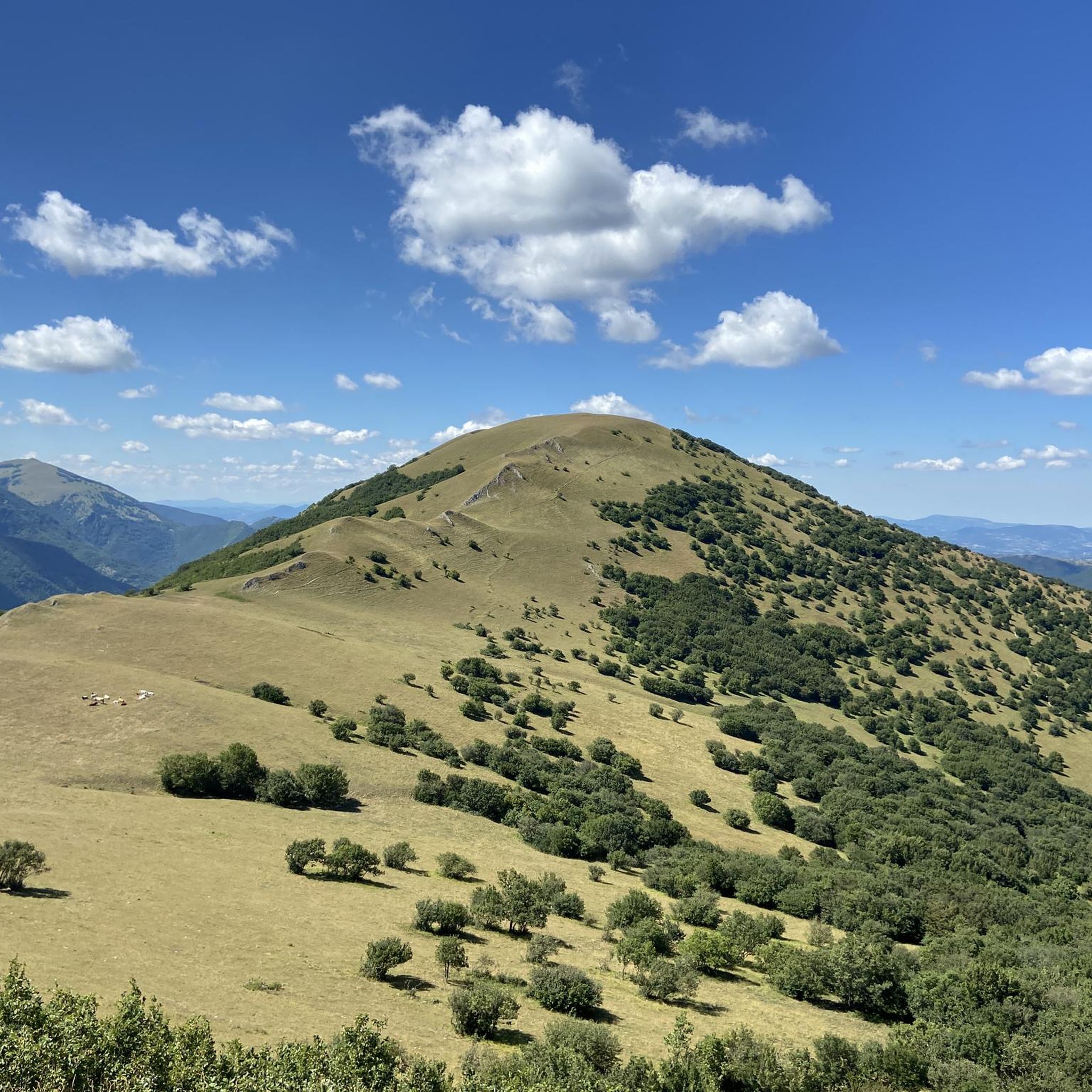
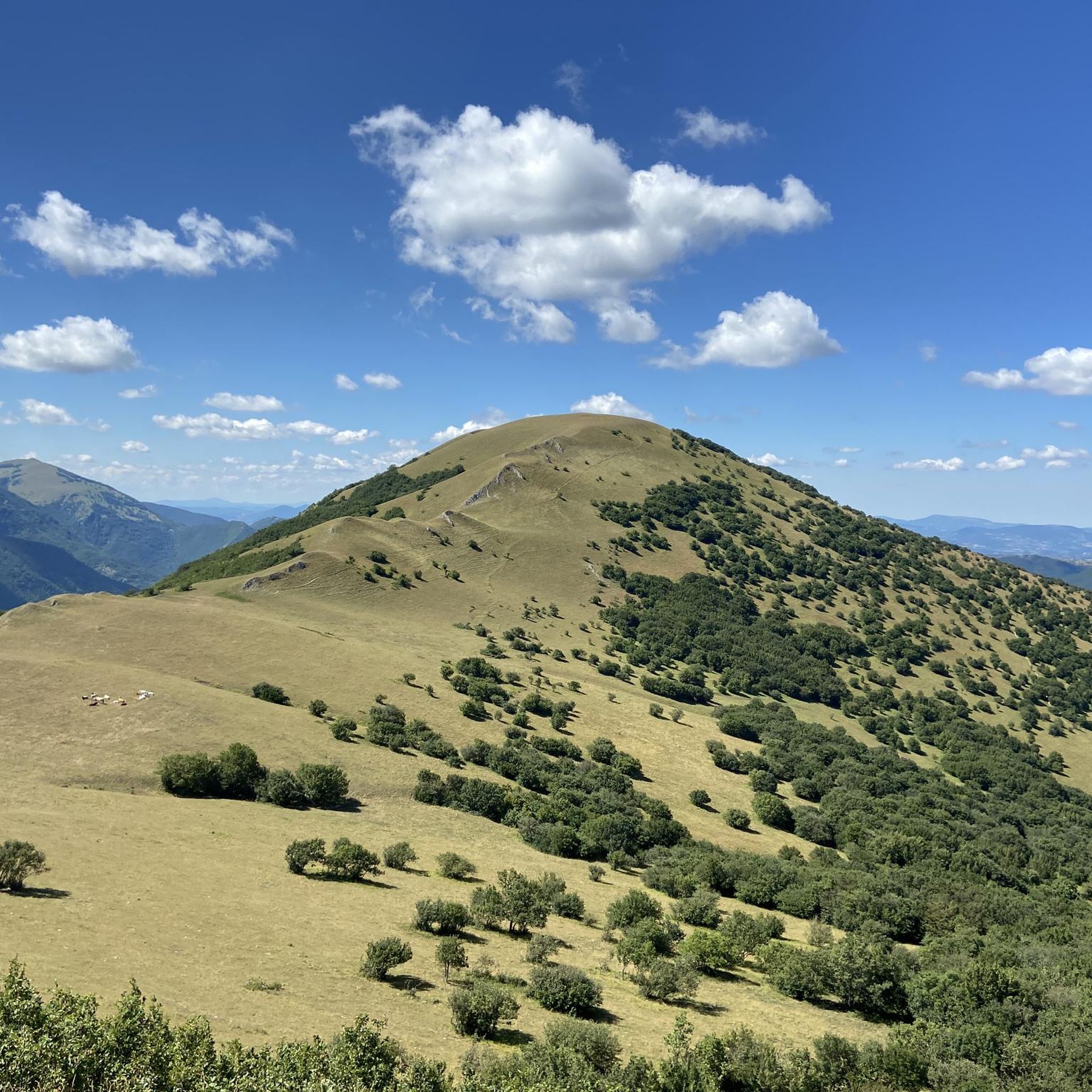

Tips from the Community

One of the examples of fortified Italian architecture from the late Middle Ages.[2] The fortress was built by incorporating an ancient place of worship dedicated to Saint Michael the Archangel, founded in the Lombard era (8th-9th centuries), called Sant'Angelo di Flea. The Rocca Flea is home to the Gualdo Tadino Civic Museum, which houses the local antiquarium, and its rooms display examples of historic Gualdo Tadino ceramics.
0
0

The Castle of Gagliole, with a thousand-year history, was long owned by the municipality of San Severino during the medieval period. Its dominant position on the Potenza river valley was considered strategic since Roman times, when the Via Flaminia prolaquense was one of the most important roads in the region. However, it was in the 13th century that the da Varanos, lords of Camerino, transformed the castle into a solid and imposing military structure, making it one of the most impressive castles of their duchy.
1
0
The Torre del Cassero was built between 1311 and 1385 as part of the Castrum Raymundi complex. This fortress was part of the defensive system called "dell'Intagliata", made up of towers, moats and walls, to protect Camerino during the wars with the nearby towns of San Severino and Matelica. Il Cassero rises to over 35 meters in height. Over time, the tower became the bell tower of the adjacent church of San Biagio, which also incorporated the remains of the few remaining walls.
1
0

Gualdo Tadino is an ancient city in the province of Perugia northeast of the Umbrian capital. It is located on the lower slopes of Monte Penna, from here several nature trails start. The city has a long history and was originally an Umbrian village called Tarsina.
2
0

Rocca flea is a medieval fortress, and is part of the municipality of Gualdo Tadino. In the garden around the fortress there are various species typical of this place, such as the olive tree, broom, savory, hazelnut and pomegranate.
2
0

Water - Drinking fountain Castel S. Maria was a bone of contention between Camerino and Matelica (and beyond). Even today the peaceful houses are framed in the triple medieval walls, intact, with a clear design and precise defensive plans
0
0

Castel Santa Maria is a fraction of Macerata. The fortified nucleus is composed of concentric circles, narrow alleys leading to a square overlooked by the majestic former town hall, the parish church and other medieval buildings.
1
0
Frequently Asked Questions
What kind of fortified structures can I expect to see around Esanatoglia?
Esanatoglia itself is a historic village with a rich medieval past, characterized by its fortified structures rather than grand standalone castles. You'll find the historic center largely defined by its medieval walls, which are partially lapped by the Esino river. Key examples include the Fortified Town Hall (Palazzo Comunale), originally a residence for the Da Varano family, and the Eremo di San Cataldo, a former hermitage and guard tower offering panoramic views.
Which specific castles or fortified settlements are recommended to visit near Esanatoglia?
Beyond Esanatoglia's own fortifications, several notable sites are worth exploring. These include Rocca Flea, a medieval fortress housing the Gualdo Tadino Civic Museum, and Castel Santa Maria, a fortified settlement known for its concentric circles, narrow alleys, and intact triple medieval walls. Also, consider Castello di Gagliole, a thousand-year-old castle strategically positioned in the Potenza river valley.
Are there any family-friendly castles or historical sites in the area?
Yes, Gualdo Tadino, a historic city with a long past, is categorized as family-friendly. It offers a blend of history and nature, with several trails starting from its lower slopes. The town's overall medieval character and well-preserved historic center also make it an engaging experience for families.
What historical significance do the castles and fortifications around Esanatoglia hold?
The structures around Esanatoglia reflect the region's strategic importance throughout history. Sites like the Fortified Town Hall and the village walls highlight Esanatoglia's past as a 'castrum' and its periods under powerful families like the Da Varano. The Cassero Tower, for instance, was part of a defensive system protecting Camerino during medieval wars, showcasing the intricate network of fortifications in the area.
What outdoor activities can I do near these castles?
The region around Esanatoglia offers various outdoor activities. You can explore gravel biking routes, enjoy cycling tours, or discover running trails. Many of these routes pass through scenic landscapes and near historical sites, allowing you to combine physical activity with cultural exploration.
Are there hiking or walking trails that lead to or around these historical sites?
While specific 'castle trails' aren't detailed, the region's running guides and cycling guides often include paths that pass by or offer views of fortified villages and historical sites. For example, the Eremo di San Cataldo, a former guard tower, is perched atop a mountain, suggesting walking access with panoramic views of Esanatoglia and the valley.
What is the best time of year to visit the castles and fortified towns around Esanatoglia?
The Marche region, where Esanatoglia is located, generally enjoys pleasant weather in spring (April-May) and autumn (September-October). These seasons offer milder temperatures, making it ideal for exploring historical sites and enjoying outdoor activities without the intense heat of summer. Autumn also brings beautiful foliage to the surrounding natural landscapes.
What natural features can I see near the castles?
The medieval walls of Esanatoglia are notably lapped by the Esino river, offering a picturesque natural element right within the historic center. Additionally, sites like Rocca Flea feature gardens with various local plant species such as olive trees, broom, hazelnut, and pomegranate. The dominant position of Castello di Gagliole overlooks the Potenza river valley, providing scenic natural views.
Are there any 'hidden gems' or less-known historical sites in the Esanatoglia area?
The Fortress at Sassillo, located at the foot of Mount Consegno, served as a strategic defensive outpost for Esanatoglia. While perhaps less prominent than other sites, it offers a glimpse into the broader defensive network of the region and is a testament to the area's historical importance. Exploring such smaller, local fortifications can provide a unique perspective on the region's past.
What do visitors appreciate most about the castles and historical sites in this region?
Visitors appreciate the well-preserved medieval character of the towns and structures. The intricate design of fortified settlements like Castel Santa Maria, with its concentric circles and narrow alleys, offers a tangible connection to the past. The historical depth, from Roman times to the influence of powerful families, and the integration of these sites into the natural landscape are also highly valued.
Is public transport available to reach these castles or fortified towns?
While Esanatoglia itself is a well-preserved medieval village, public transport options to individual castles or smaller fortified sites in the surrounding rural areas might be limited. It is generally recommended to check local bus schedules or consider personal transportation for greater flexibility when visiting the various historical sites scattered across the region.
Can I find cafes or restaurants near the historical sites?
Esanatoglia, being recognized as one of 'I Borghi più belli d'Italia' (Most Beautiful Villages in Italy), has a charming historic center where you can expect to find local cafes and restaurants. Similarly, larger fortified towns like Gualdo Tadino will offer dining options. For more remote sites, it's advisable to plan accordingly and bring refreshments.
Most popular routes around Esanatoglia
Most popular attractions around Esanatoglia

Get inspired with the komoot mobile app


Explore more
Looking for the best castles somewhere else? Discover other guides around Esanatoglia:
