Top 8 Castles around Camerino
Best castles around Camerino are found in the historic town of Camerino, located in Italy's Marche region. This area is characterized by its hilly landscape and proximity to the Sibillini Mountains. The region's rich past under the Da Varano family has left a legacy of significant castles and fortified residences. These structures reflect centuries of history and offer insights into early Renaissance military architecture and noble life.
Best castles around Camerino
- The most popular castles is Statte Castle, a…
Last updated: June 30, 2026
San Severino Castle
Highlight • Castle
Translated by Google •
Tip by

Fiastra
Highlight • Settlement
Translated by Google •
Tip by

Sign up now to discover places like this
Get recommendations on the best single tracks, peaks, & plenty of other exciting outdoor places.
Sign up for free
Statte Castle
Highlight • Castle
Translated by Google •
Tip by
Castello di Gagliole
Highlight • Castle
Translated by Google •
Tip by
Co-Cathedral of Sant'Agostino
Highlight • Religious Site
Translated by Google •
Tip by

Sign up for free to discover even more castles around Camerino.
Sign up for free
Already have an account?
Start today with a free account
Your next adventure awaits.
Login or Signup
Other adventures around Camerino

Tips from the Community

if you need to get off, you can take the next road then join it with the next track and take the main road again. Check the tracks.
0
0

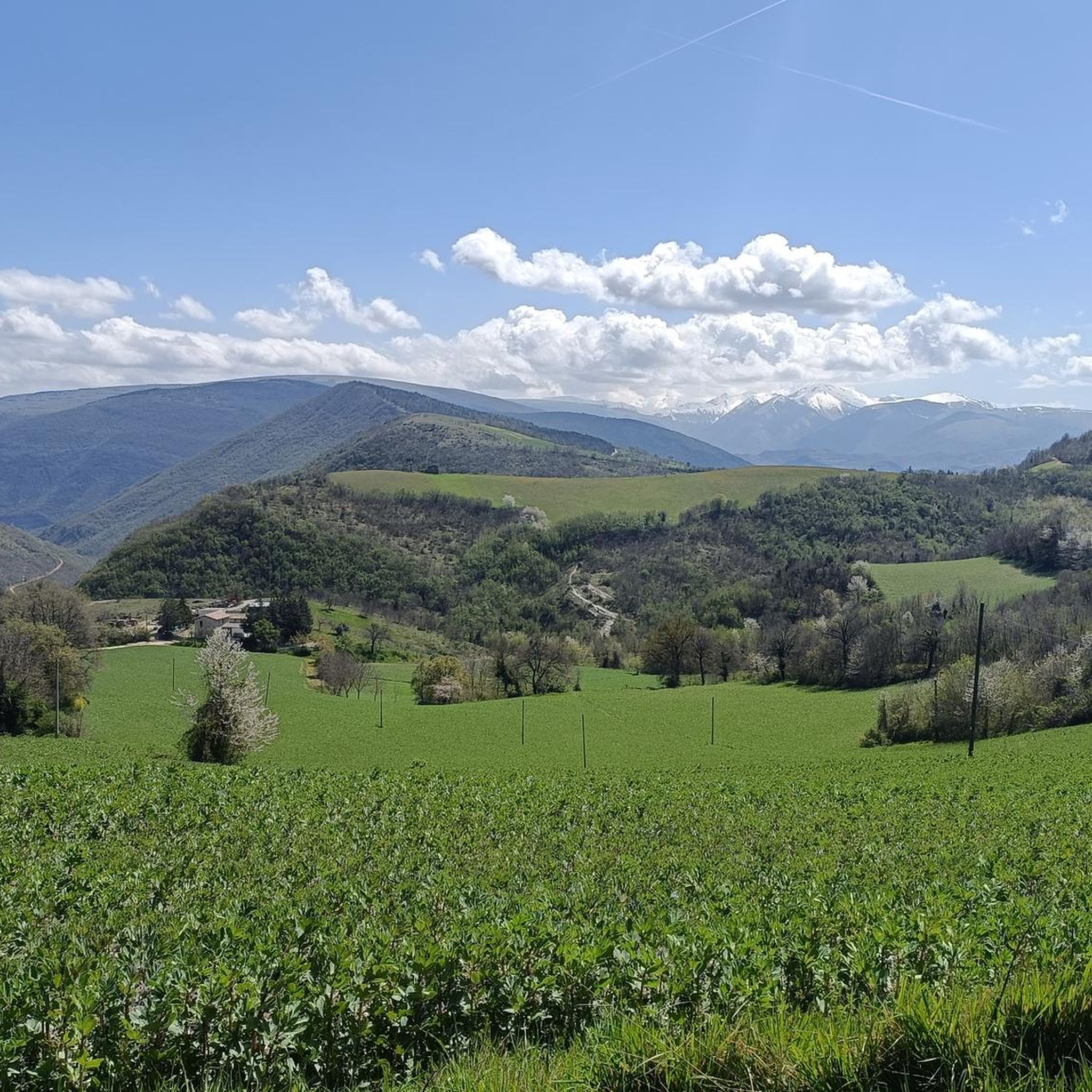
The village of Fiastra is now almost depopulated, but in the Lombard era it was an important urban centre. Castello Magalotti is proof of this. From this village several paths lead to the discovery of the Fiastrone gorges and the famous Lame Rosse.
4
0

The Castle of Gagliole, with a thousand-year history, was long owned by the municipality of San Severino during the medieval period. Its dominant position on the Potenza river valley was considered strategic since Roman times, when the Via Flaminia prolaquense was one of the most important roads in the region. However, it was in the 13th century that the da Varanos, lords of Camerino, transformed the castle into a solid and imposing military structure, making it one of the most impressive castles of their duchy.
1
0
The oldest part of San Severino Marche, called "Castello al Monte", is easily recognizable thanks to the two towers that rise proudly on the hill with a slight inclination. The tallest tower is that of the Municipality, also known as "degli Smeducci" (a noble family from San Severino), while the other is the bell tower of the Duomo Vecchio. The Torre degli Smeducci, in addition to being a symbol of the city, was used to observe the territory and signal smoke and fire in case of danger. This exchange of codified information took place between the various castles in the area, allowing the population to be warned of any threats.
2
0
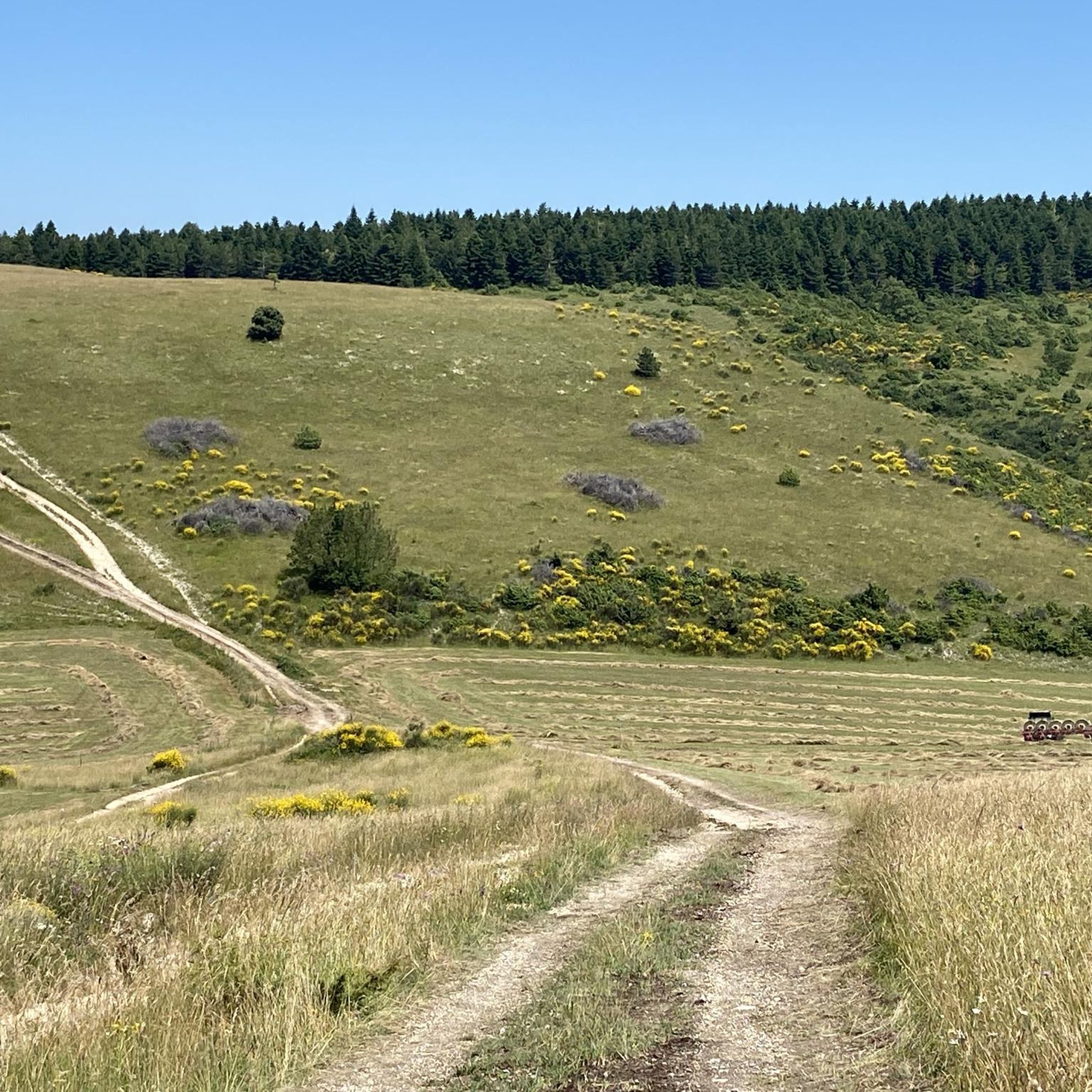
Statte Castle is an ancient fortification located on the slopes of Monte Letegge. It was built in the 12th century by the Bonifazi counts to control the Chienti and Potenza valleys. In the 16th century it was abandoned and dismantled, and is now being restored.
1
0

In the past this was dedicated to St. Mary Magdalene. Later, in the 18th century, it was assigned to the Augustinians instead. Currently the church is closed due to seismic events in 2016.
1
0

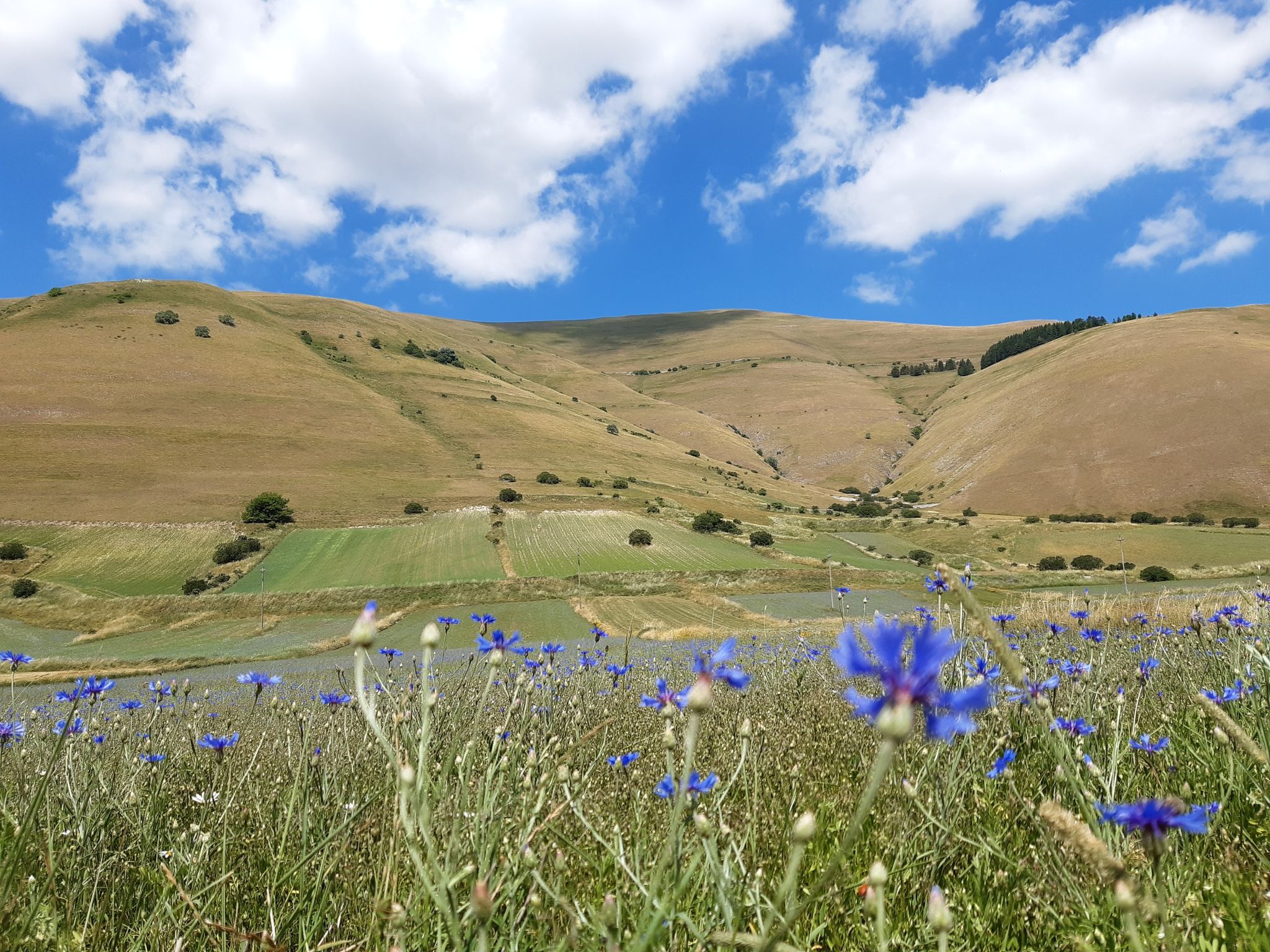
Fiastra gives its name to the nearby lake. The toponym derives from a hypothetical Piceno settlement near the Fiastrone and means river, stream.
1
0
Frequently Asked Questions
What are some of the most historically significant castles around Camerino?
The region boasts a rich history with several notable castles. Rocca Borgesca, built for Cesare Borgia, is an imposing 16th-century military fortress. The Palazzo Ducale served as the residence for the Da Varano family, lords of Camerino, and features Renaissance architecture. Rocca d'Ajello, constructed between 1260 and 1450 by the Da Varano family, offers picturesque views and historical significance. Additionally, Castello di Lanciano, originally a 14th-century defensive structure, was transformed into a luxurious residence.
Are there any castles near Camerino that are currently undergoing restoration or have limited access?
Yes, some historical sites in the region have been affected by seismic events. Rocca Borgesca and the Palazzo Ducale are currently inaccessible or closed due to damage from the 2016 earthquake. Similarly, the museum within Castello di Lanciano is closed for the same reason. Statte Castle, an ancient 12th-century fortification, is currently being restored.
What kind of views can I expect from the castles around Camerino?
Many castles offer stunning panoramic views. From the gardens of Rocca Borgesca, you can see the surrounding hills and the Sibillini Mountains. The Palazzo Ducale also features a balcony with magnificent views of the Sibillini Mountains and the Camerino countryside. Rocca d'Ajello is situated on a wooded hill, providing picturesque views of the unspoiled hilly landscape, complete with fields and vineyards.
Are there any castles near Camerino that are family-friendly or offer unique experiences?
While specific family-friendly activities vary, Rocca d'Ajello offers beautiful cultivated gardens with ancient and modern roses and dahlias, which can be enjoyable for families. It can also be rented for events, providing a unique setting. Castel Santa Maria, a fortified settlement with concentric circles and narrow alleys, offers an interesting exploration experience for all ages within its intact medieval walls.
What outdoor activities can I do near these castles?
The area around Camerino is excellent for outdoor enthusiasts. You can find numerous routes for gravel biking, running, and hiking. For example, there are several challenging gravel biking routes like the 'View of Monte Rotondo – Sanctuary of Macereto loop' or the 'Piani di Montelago – Fontana di Pioraco loop'. Hiking options include the 'Lake Polverina loop' and the 'Basilica of San Venanzio – Camerino loop'. You can explore more options on the Gravel biking around Camerino, Running Trails around Camerino, and Hiking around Camerino guide pages.
Which castles are known for their defensive architecture?
Several castles highlight the region's defensive history. Rocca Borgesca is a prime example of 16th-century military architecture with cylindrical towers and a massive keep. Statte Castle was built in the 12th century to control the Chienti and Potenza valleys. Castello di Gagliole was transformed into a solid military structure by the Da Varanos in the 13th century due to its strategic position. The Cassero Tower was part of a 14th-century defensive system protecting Camerino.
Are there any castles that have been repurposed or have unique current uses?
Yes, some castles have evolved beyond their original military or residential functions. The Palazzo Ducale now houses parts of the University of Camerino. Rocca d'Ajello can be rented for various events, including weddings and corporate gatherings, utilizing its spacious indoor and outdoor areas. The Cassero Tower, originally a defensive structure, later became the bell tower of the adjacent church of San Biagio.
What is the best time of year to visit the castles around Camerino?
The region's hilly landscape and proximity to the Sibillini Mountains suggest that spring and autumn offer pleasant weather for exploring. These seasons typically provide comfortable temperatures for walking and enjoying the scenic views without the intense heat of summer or the potential for snow in winter, especially if you plan to combine castle visits with outdoor activities like hiking.
What historical families are associated with the castles in the Camerino area?
The powerful Da Varano family is strongly associated with many castles in the region, having ruled Camerino from the 13th to the 16th century. They were responsible for constructing and transforming structures like the Palazzo Ducale, Rocca d'Ajello, and strengthening Castello di Gagliole. Cesare Borgia also played a role, commissioning the Rocca Borgesca.
What are some of the unique architectural features found in Camerino's castles?
The castles display a range of architectural styles. Rocca Borgesca features cylindrical towers and a massive keep, characteristic of early Renaissance military architecture. The Palazzo Ducale is centered around an elegant quadrangular courtyard and boasts 15th-century frescoes in the 'Sala degli Sposi'. Castello di Lanciano, transformed into a 'villa of delights', includes a grand 'Scala Reale' and the 'Sala degli Specchi' with illusionistic painted architecture.
Can I find any fortified settlements or villages near Camerino?
Yes, Castel Santa Maria is a notable example of a fortified settlement. It features a nucleus composed of concentric circles and narrow alleys, framed by intact triple medieval walls, offering a glimpse into historical defensive planning and community structure.
Are there any castles that offer insights into the region's strategic importance?
Many castles were built for strategic control. Statte Castle was erected to control the Chienti and Potenza valleys. Castello di Gagliole's dominant position on the Potenza river valley was considered strategic since Roman times. Rocca Varano, a 13th-century fortified residence, held strategic importance in controlling the Chienti Valley. The Cassero Tower was part of a defensive system protecting Camerino during wars with neighboring towns.
Most popular routes around Camerino
Most popular attractions around Camerino

Get inspired with the komoot mobile app


Explore more
Looking for the best castles somewhere else? Discover other guides around Camerino:
