Top 9 Castles around Serravalle Di Chienti
Best castles around Serravalle Di Chienti are situated in a region with a rich history of fortifications. These structures, often in ruins, served as crucial defensive points, guarding passages and territories. The area's scenic landscapes provide a historical backdrop for exploring these medieval sites. Serravalle Di Chienti offers a tangible connection to the region's past defensive strategies and the influence of powerful families like the Da Varano and Baschi.
Best castles around Serravalle Di Chienti
- The most popular castles is Rocca di San Giovanni, a castle that offers a beautiful view over the village of Visso. Its 24-meter high tower dates back to the 13th century, providing a glimpse into the Lombard era.
- Another must-see spot is Medieval Walls of the Castle, a castle with partially preserved medieval walls. Visitors can access a balcony beyond the fortress, offering views of the surrounding village.
- Visitors also love Trinci Fortress of Rasiglia, a fortress located above the town of Rasiglia. It provides beautiful views and offers a well-kept path for walking in the shade of trees.
- Serravalle Di Chienti is known for its historical fortifications, including castle ruins, fortified settlements, and defensive towers. Visitors can explore a variety of medieval defensive structures and their strategic locations.
- The castles around Serravalle Di Chienti are appreciated by the komoot community, with more than 10 upvotes and 6 photos shared.
Last updated: June 30, 2026
Rocca di San Giovanni
Highlight • Castle
Translated by Google •
Tip by

Medieval Walls of the Castle
Highlight • Castle
Translated by Google •
Tip by

Sign up now to discover places like this
Get recommendations on the best single tracks, peaks, & plenty of other exciting outdoor places.
Sign up for free
Civitella Hilltop Village
Highlight • Settlement
Translated by Google •
Tip by

Trinci Fortress of Rasiglia
Highlight • Castle
Translated by Google •
Tip by

Verchiano Castle
Highlight • Castle
In 1305 with the advent of the Trinci Lordship, the castle and the surrounding areas began to take on an important role in the territory, until it reached its maximum splendor under Conrad III.
Located at 811 meters above sea level, on the top of a ridge from which you dominate both the Via della Spina and the upper Menotre Valley, it can be reached easily by passing the town of Verchiano and following the dirt road that leads to Roccafranca and the Sanctuary of S. Salvatore.
Unfortunately very little remains of the castle....
Translated by Google •
Tip by
Sign up for free to discover even more castles around Serravalle Di Chienti.
Sign up for free
Already have an account?
Start today with a free account
Your next adventure awaits.
Login or Signup

Tips from the Community

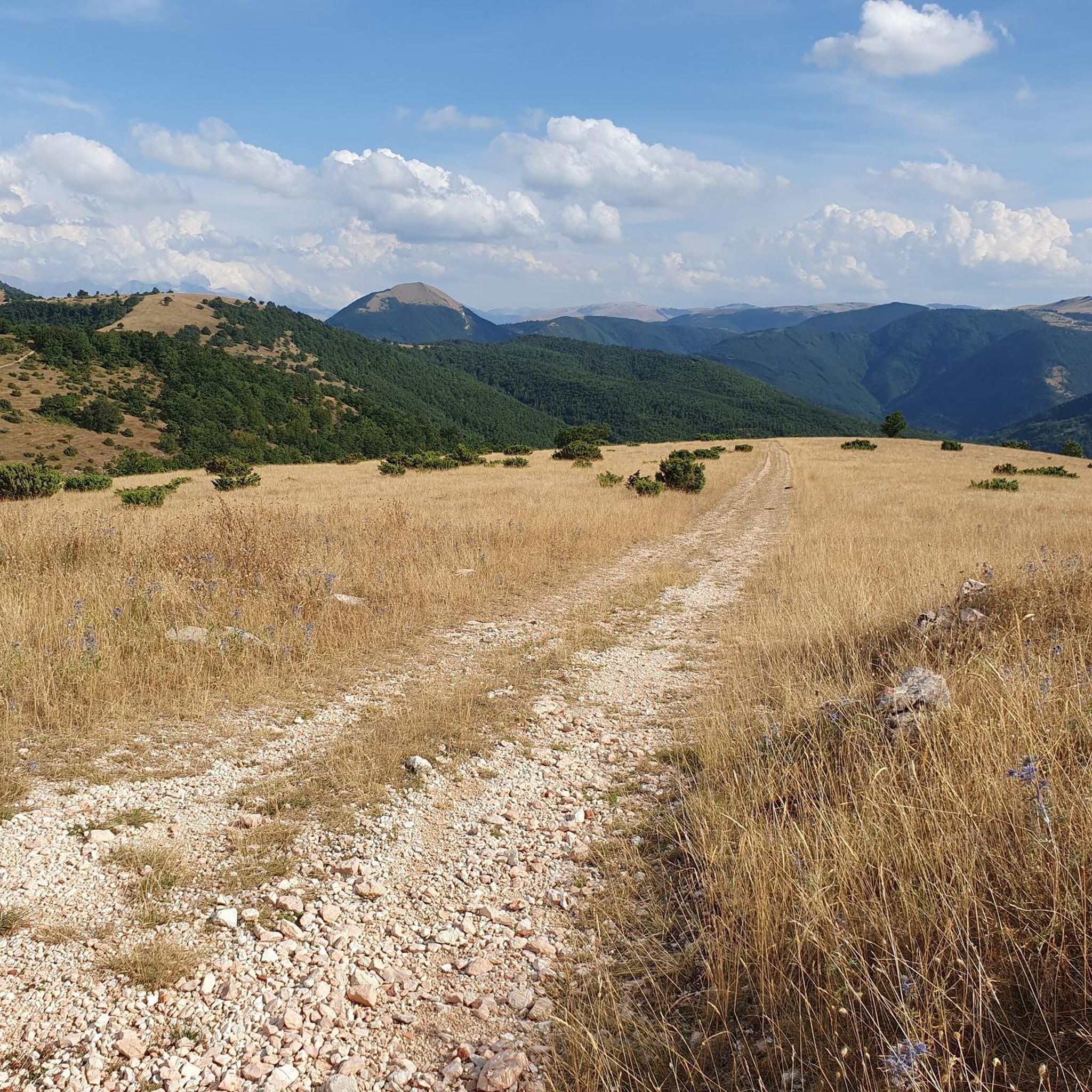
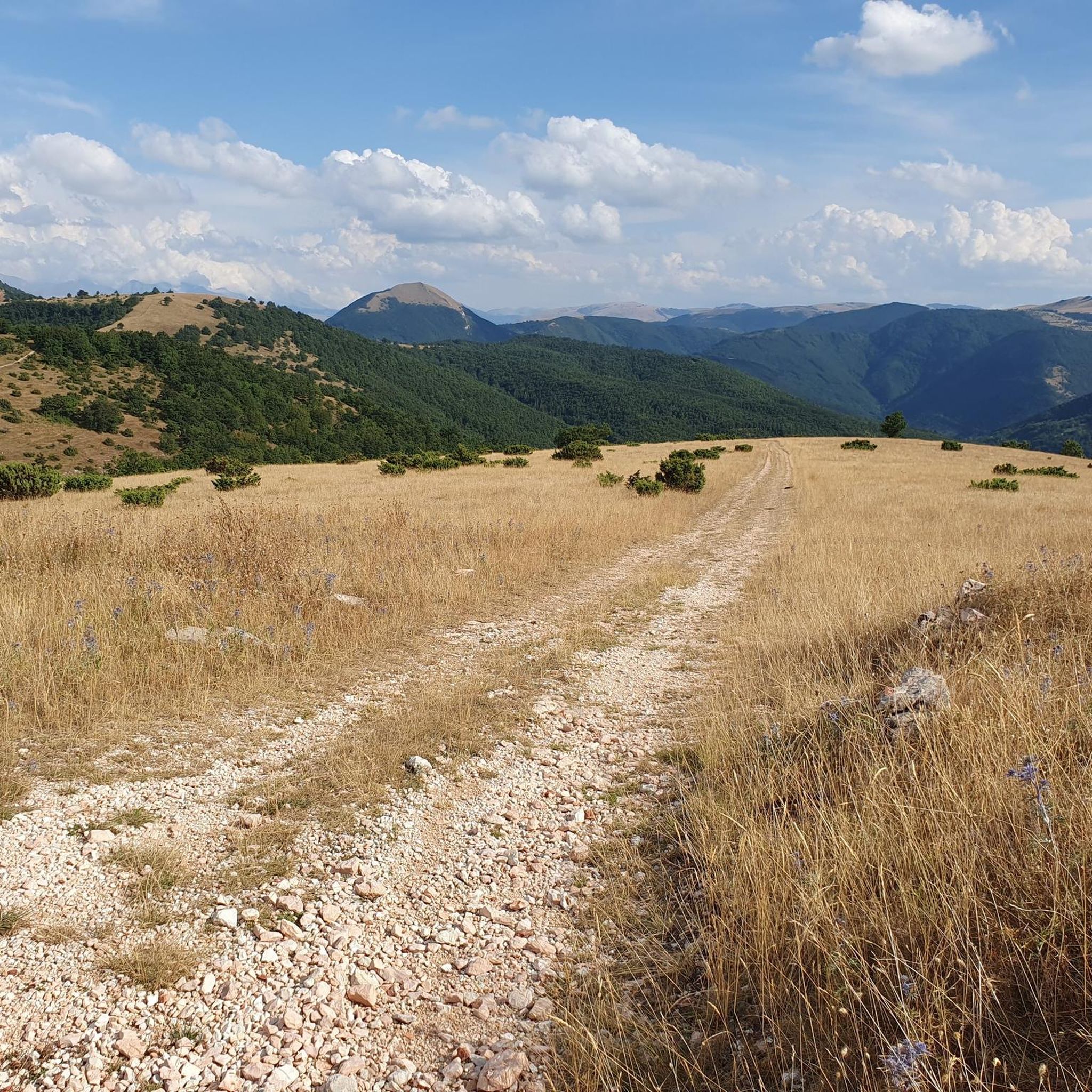
It is certain that in the period of the Second Punic War (217 BC), a village and a castle already existed in that territory, as historical fragments hypothesize a clash that occurred between Hannibal's troops marching towards Rome and a handful of Spoletos. in the pay of the Romans, right near the settlement. In 1305 with the advent of the Trinci Lordship, the castle and the surrounding areas began to take on an important role in the territory, until it reached its maximum splendor under Conrad III. Located at 811 meters above sea level, on the top of a ridge from which you dominate both the Via della Spina and the upper Menotre Valley, it can be reached easily by passing the town of Verchiano and following the dirt road that leads to Roccafranca and the Sanctuary of S. Salvatore. Unfortunately very little remains of the castle....
0
0
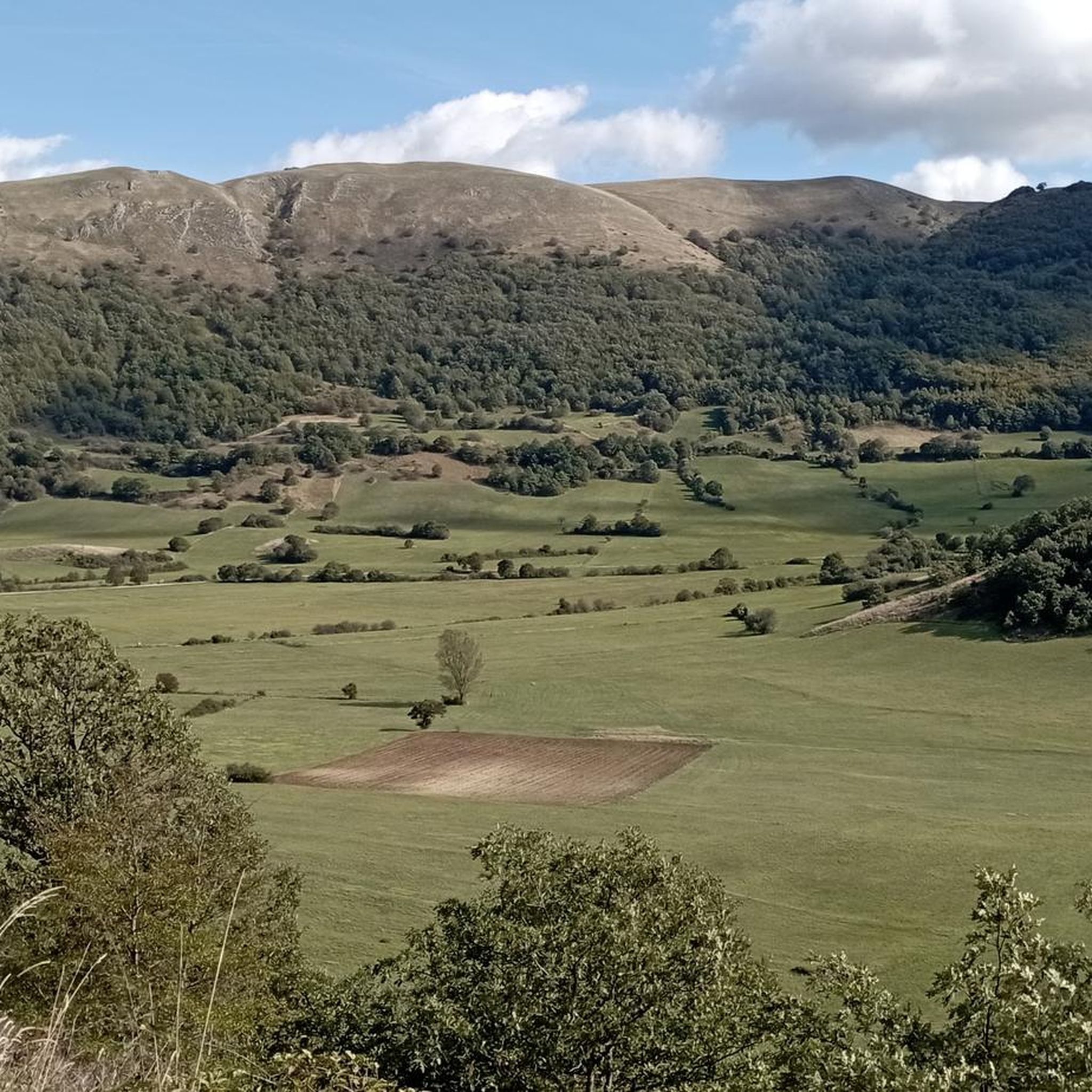
The small village of Civitella stands on the hill of the same name at 940 m. above sea level and still retains the shape of the medieval castle built by the Trinci in the thirteenth century who had annexed the vast wooded area that goes from the "piano della spina" to the coasts of Orsano to the territory of Foligno. The strategic position of Mount Civetella convinced the Trinci to build the castle of Civitella to defend woods and pastures, but above all to defend a territory claimed several times by the nearby communities of Orsano and Trevi.
1
0

Beyond the fortress you can access this "balcony" overlooking the beautiful village.
0
0
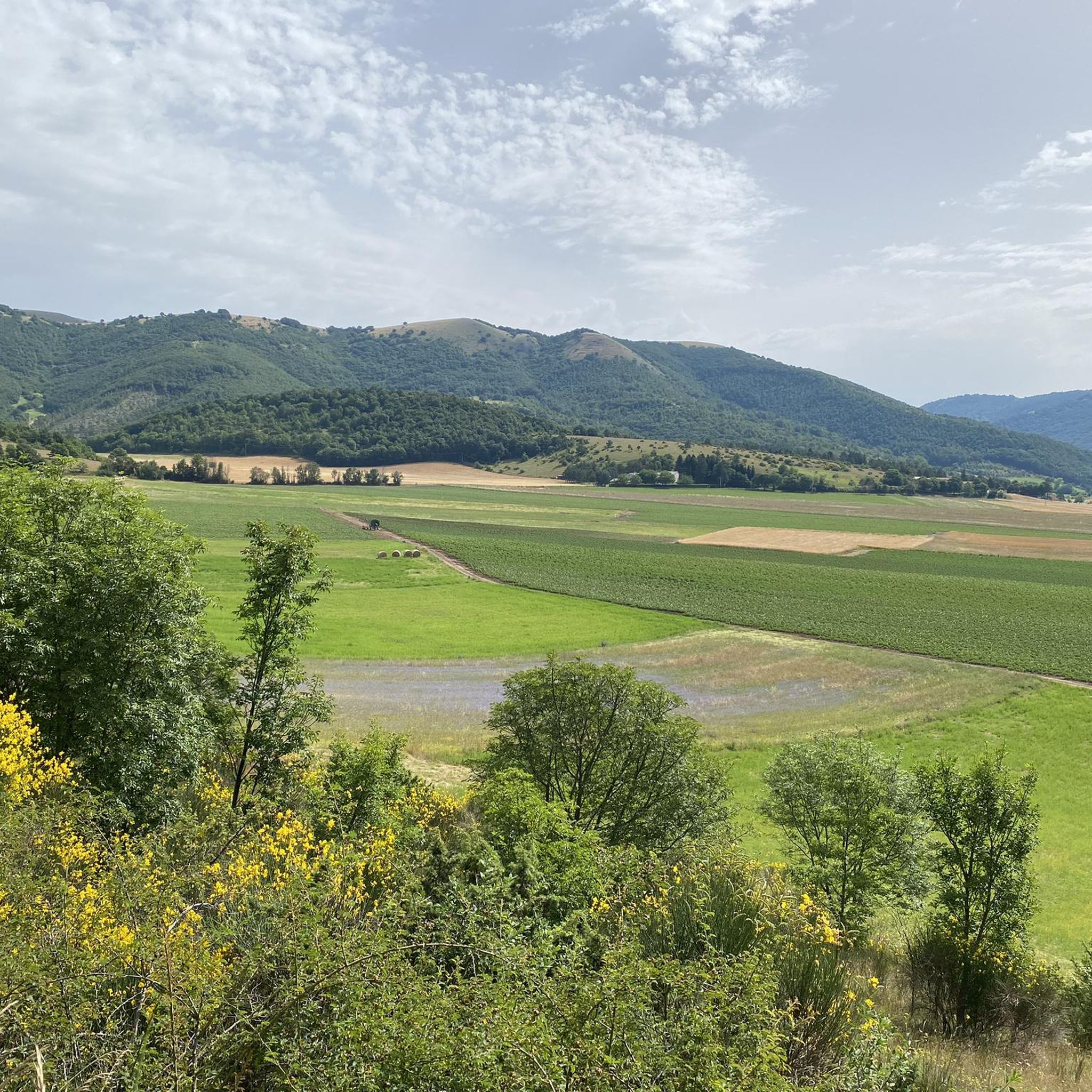
Fortress above the town of Rasiglia, located near the cemetery. The view is very beautiful. It is also possible to take a walk along the well-defined and well-kept path in the shade of the trees.
0
0

Medieval walls that surround (only partially) the fortress.
0
0

The fortress of San Giovanni offers a beautiful view over the village of Visso. The tower of the Mastio is 24 meters high and dates back to the age of the castle of the village, XIII century. Looking at the town from above and the well-preserved fortress, it really seems to be still in the Lombard era!
3
0
Frequently Asked Questions
What kind of castles can I expect to find around Serravalle Di Chienti?
The castles around Serravalle Di Chienti are primarily historical fortifications, many of which are now in various states of ruin. They served as crucial defensive points, guarding passages and territories. While not always intact structures, their historical significance and scenic locations offer a deep connection to the region's medieval past. You'll find remnants of towers, walls, and fortified settlements.
Which castles offer the best views of the surrounding area?
For panoramic views, consider visiting Rocca di San Giovanni, which provides a beautiful vista over the village of Visso from its 24-meter high tower. Another excellent spot is the Trinci Fortress of Rasiglia, located above the town, offering very beautiful views.
Are there any castles that are particularly family-friendly to visit?
While many of the sites are historical ruins, the Trinci Fortress of Rasiglia offers a well-kept path for walking in the shade of trees, which can be pleasant for families. Exploring the ruins of places like Civitella Hilltop Village can also be an engaging experience for older children interested in history and exploration.
What is the historical significance of the castles in this region?
The castles around Serravalle Di Chienti were vital defensive structures, often controlling strategic passage points between the Colfiorito plain and the Chienti valley. They were central to the power struggles of medieval families like the Baschi and Da Varano, and later the Municipality of Camerino. Sites like the original Castello di Serravalle (Fortezza dei Varano) represent some of the largest fortresses of their time, reflecting the region's rich and often turbulent history.
Can I combine a castle visit with outdoor activities like hiking or cycling?
Absolutely! The region offers numerous opportunities for outdoor activities. You can find various hiking routes, such as the 'Monte Igno Loop Trail,' or explore cycling and gravel biking paths like the 'Colfiorito Lake – Menotre River in Rasiglia loop.' For detailed routes and guides, check out the hiking, cycling, and gravel biking guides around Serravalle Di Chienti.
Are there any lesser-known or 'hidden gem' castles worth exploring?
Beyond the more prominent sites, consider exploring the ruins of Castello d'Elce, nestled within the woods with only the outline of its walls and a solitary tower remaining. It offers a peaceful, reflective experience amidst nature. Castello di Percanestro, though mostly a remnant of a tower, is historically valuable for understanding the medieval defensive network and offers insight into the strategic importance of watchtowers.
What natural features or landmarks can I see near the castles?
Many castles are situated in scenic landscapes. For instance, Castello d'Elce is found within a wooded setting. The region itself is characterized by its strategic position between plains and valleys, offering natural beauty. The nearby Colfiorito Regional Park, mentioned in some cycling routes, is a significant natural area with lakes and marshlands that complement the historical sites.
What is the best time of year to visit the castles around Serravalle Di Chienti?
Visiting during spring or autumn generally offers pleasant weather for exploring the outdoor ruins and trails. The mild temperatures and often vibrant natural scenery make for an enjoyable experience. Summer can also be good, but be prepared for warmer temperatures, especially when exploring sites that offer little shade.
Are there any castles with notable artistic or cultural elements?
Yes, Castello di Dignano, while a ruin, is historically significant as a feudal estate. Its local parish church preserves a painting attributed to the Perugino School from the 15th century, adding an artistic dimension to its historical appeal and providing a glimpse into local religious practices of the past.
What do visitors enjoy most about the castles in Serravalle Di Chienti?
Visitors particularly appreciate the historical depth and the strategic locations of these fortifications. The opportunity to explore sites like Rocca di San Giovanni, with its well-preserved tower, allows for a tangible connection to the Lombard era. The views from places like the Medieval Walls of the Castle, overlooking beautiful villages, are also highly valued.
How accessible are the castles for visitors with mobility challenges?
Given that many of the castles are ancient ruins or located on hilltops, accessibility can be challenging. Sites like Verchiano Castle, for example, are reached via dirt roads and have very little remaining structure. It's advisable to research specific sites for their terrain and conditions if mobility is a concern, as many involve uneven paths or climbs.
Are there any accommodations or cafes near the castle sites?
While the immediate vicinity of some ruins might be remote, the towns and villages surrounding Serravalle Di Chienti, such as Rasiglia or Visso, offer cafes, restaurants, and accommodation options. It's recommended to plan your visit to include stops in these local communities for refreshments and services.
Most popular routes around Serravalle Di Chienti
Most popular attractions around Serravalle Di Chienti

Get inspired with the komoot mobile app


Explore more
Looking for the best castles somewhere else? Discover other guides around Serravalle Di Chienti:
