Top 13 Castles around San Severino Marche
Best castles around San Severino Marche are found in the historic town of San Severino Marche, located in the Marche region of Italy. This area features a rich past, evident in its medieval fortifications, many of which are now ruins. The region's geography, situated between the Potenza and Chienti valleys and featuring prominent locations like Colle Nero Mount, influenced the strategic placement of these structures. Exploring these sites provides insight into the area's historical significance and defensive architecture.
Best castles…
Last updated: June 30, 2026
Aliforni Castle
Highlight • Castle
Translated by Google •
Tip by

La Rancia Castle
Highlight • Castle
Translated by Google •
Tip by

Sign up now to discover places like this
Get recommendations on the best single tracks, peaks, & plenty of other exciting outdoor places.
Sign up for free
Precicchie Castle
Highlight • Castle
Translated by Google •
Tip by

San Severino Castle
Highlight • Castle
Translated by Google •
Tip by
Statte Castle
Highlight • Castle
Translated by Google •
Tip by

Sign up for free to discover even more castles around San Severino Marche.
Sign up for free
Already have an account?
Start today with a free account
Your next adventure awaits.
Login or Signup
Popular around San Severino Marche
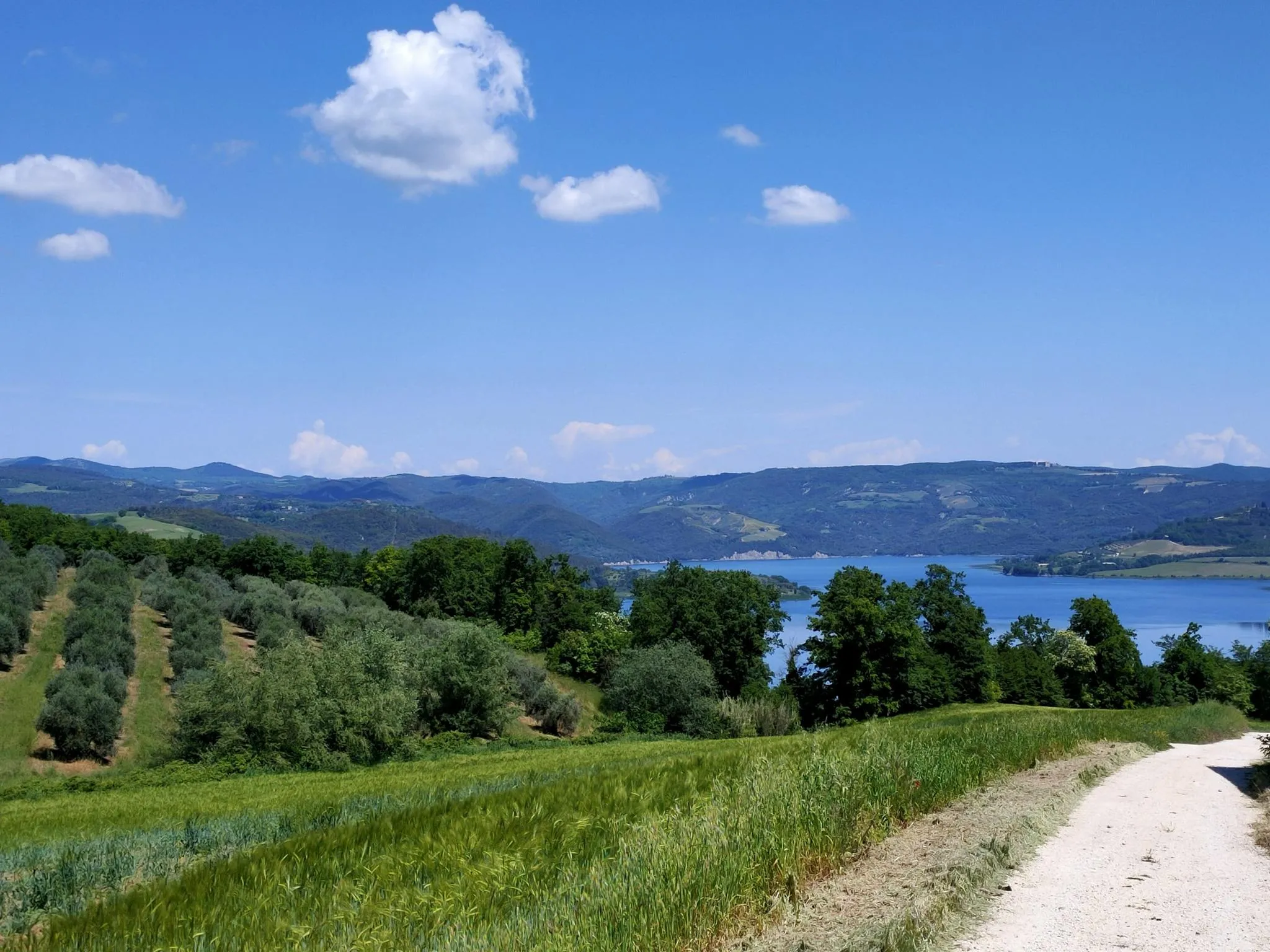
Italian Coast2Coast – From Portonovo to Orbetello
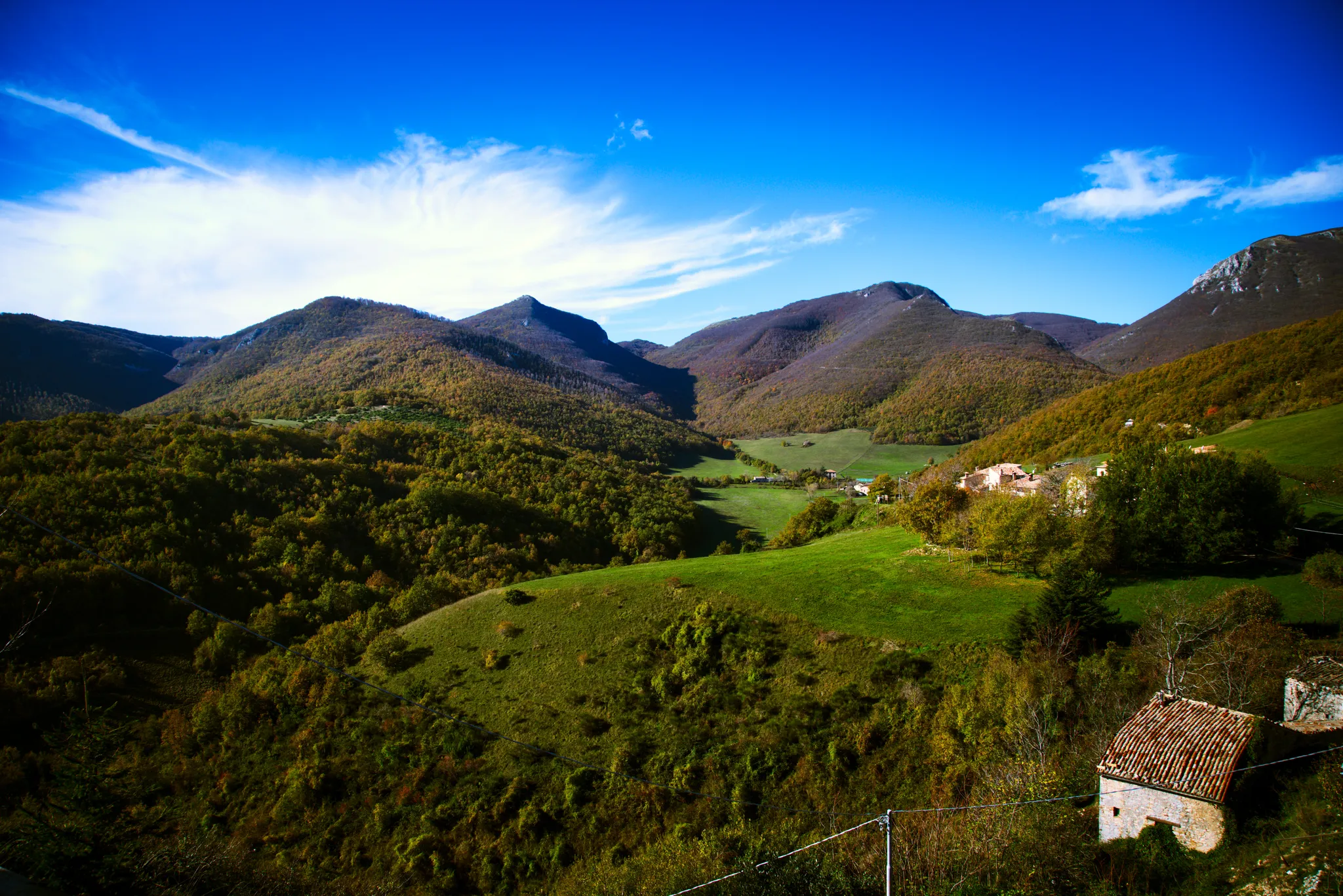
In the heart of Le Marche – Cammino dei Forti
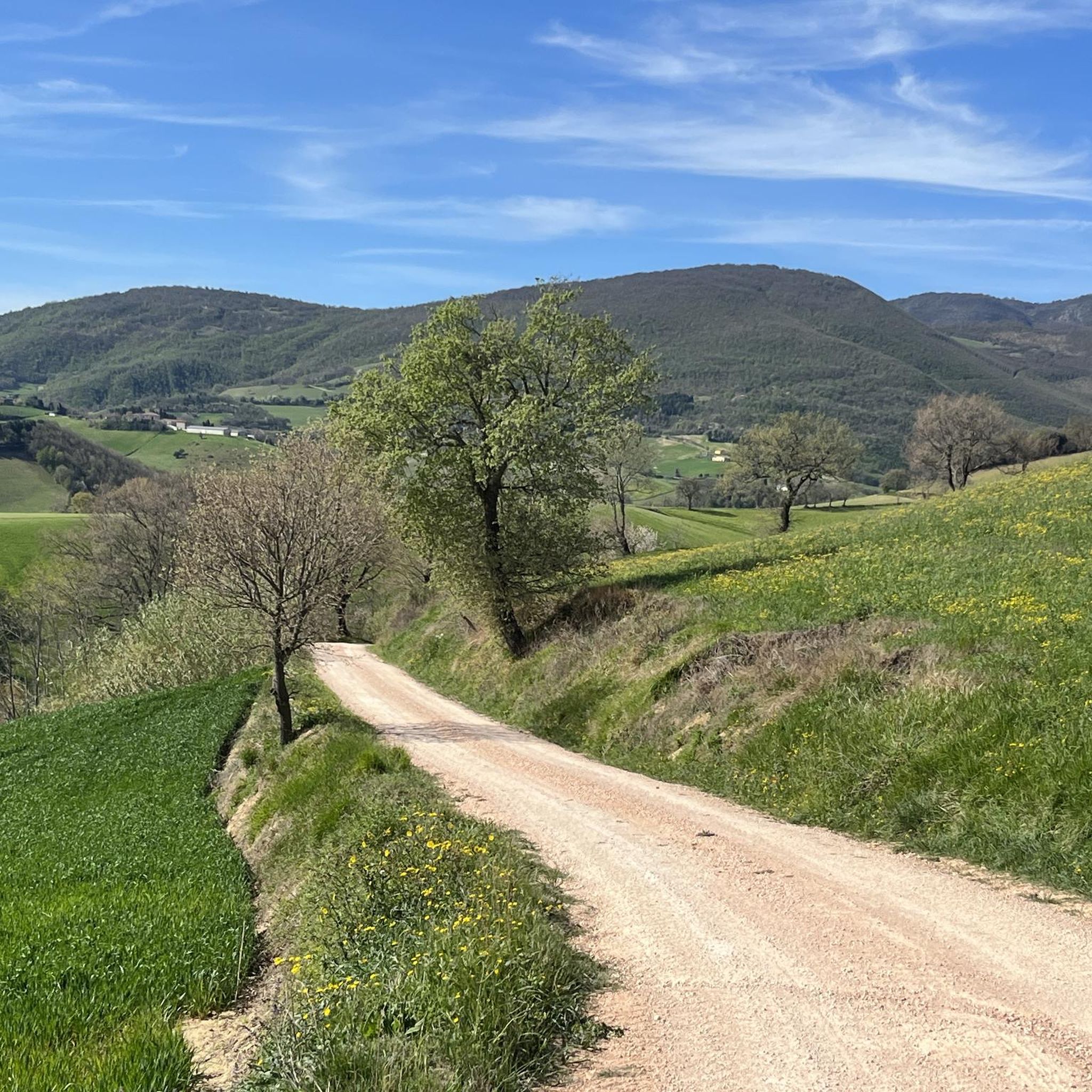
Hiking around San Severino Marche
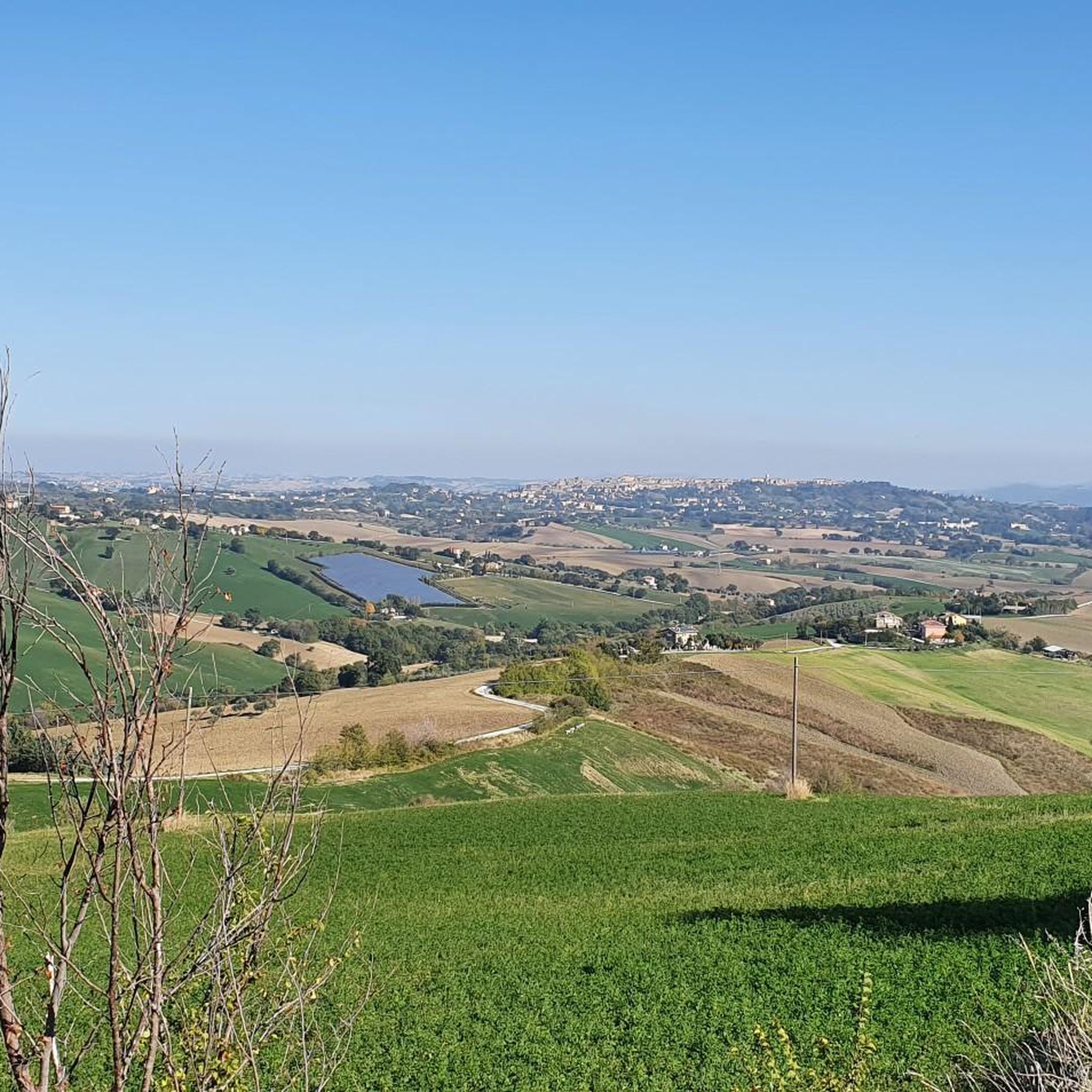
MTB Trails around San Severino Marche
Cycling around San Severino Marche
Road Cycling Routes around San Severino Marche
Running Trails around San Severino Marche

Gravel biking around San Severino Marche

Tips from the Community

a small village surrounded by nature, at Christmas a truly evocative living nativity scene is put on
0
0

There is a very large car park, and a cycle/pedestrian path starts here.
0
0

The term “ Rancia ” is probably a corruption of the word grancia , or granary , from the French grange, borrowed from the Latin granica. Built as a fortified farm in the mid-11th century, in the Rancia district, on the plain located to the left of the Chienti river, the Castello della Rancia was initially a sort of tower house with autonomous structures for the defense of agricultural products. Important dates to remember are May 2 and 3, 1815, days of the furious battle called “ della Rancia ” or “ Tolentino ” when the entire area became a battlefield between the French army of Gioacchino Murat, king of Naples and brother-in-law of Napoleon, and the Austrian troops of General Federico Bianchi. The importance of this event in the history of Italy is said to be considered the beginning of the Italian Risorgimento. It is currently owned by the Municipality of Tolentino and houses the Civic Archaeological Museum “Aristide Gentiloni Silverj”.
0
0
if you need to get off, you can take the next road then join it with the next track and take the main road again. Check the tracks.
0
0

It is the seat of the homonymous theater company
0
0

The main tower of the castle of Aliforni still retains the characteristic summit corbels that supported the crenellated platform. The walls, built with large blocks of sandstone, followed the elliptical shape of the surrounding hill for a length of about 240 metres. The track-breaking towers reinforced the wall structure and allowed for the placement of heavy armaments. The castle was surrounded by a moat crossed by a drawbridge, while the entrance was through a fortified door facing south. The main tower, recently restored, is well preserved and develops vertically over seven floors. Inside the tower there are numerous loopholes for sighting and using weapons. An engraving on white limestone, located in the south wall of the tower near the entrance, appears to represent the coat of arms of the Franchi family, probably associated with Don Liberato di Sensino Franchi Bertelli, a noble prelate of San Severino with a great interest in the art.
3
0
The oldest part of San Severino Marche, called "Castello al Monte", is easily recognizable thanks to the two towers that rise proudly on the hill with a slight inclination. The tallest tower is that of the Municipality, also known as "degli Smeducci" (a noble family from San Severino), while the other is the bell tower of the Duomo Vecchio. The Torre degli Smeducci, in addition to being a symbol of the city, was used to observe the territory and signal smoke and fire in case of danger. This exchange of codified information took place between the various castles in the area, allowing the population to be warned of any threats.
2
0

Statte Castle is an ancient fortification located on the slopes of Monte Letegge. It was built in the 12th century by the Bonifazi counts to control the Chienti and Potenza valleys. In the 16th century it was abandoned and dismantled, and is now being restored.
1
0
Frequently Asked Questions
What are some historically significant castles to visit in San Severino Marche?
Beyond the well-known sites, the region is rich in history. The Aliforni Castle, for instance, features a main tower with characteristic summit corbels and walls built with large sandstone blocks. You can also explore the evocative ruins of Castello di Pitino, considered the most significant within San Severino Marche's historical defense network, offering panoramic views. The Castello Locality on Colle Nero Mount, the original medieval village, still preserves ancient walls, two gates, and prominent towers like the Torre del Comune.
Are there any family-friendly castles or activities around San Severino Marche?
Yes, some castles offer a great experience for families. La Rancia Castle is noted as family-friendly and has a very large car park, making it easily accessible. The ancient Precicchie Castle, a small fortified village, is cared for by an association that organizes various events, including a traditional living nativity scene during Christmas, which can be a magical experience for all ages.
What kind of outdoor activities can I do near the castles in San Severino Marche?
The area around San Severino Marche's castles is excellent for outdoor enthusiasts. You can find numerous routes for cycling, mountain biking, and running. For example, there are challenging cycling routes like the 'Monte San Vicino – Canfaito Beech Forest loop' and mountain biking trails such as the 'Serrapetrona – Statte Castle loop'. Explore more options on the Cycling around San Severino Marche, MTB Trails around San Severino Marche, and Running Trails around San Severino Marche guide pages.
Are there hiking trails that incorporate castle visits?
Absolutely. Many of the castles are situated in scenic locations perfect for hiking. For instance, the Castello di Pitino offers ruins to explore and towers with panoramic views, making it a great destination for a walk. The Castello Locality on Colle Nero Mount also provides a historical walk through the original medieval village. While specific hiking routes directly to every castle aren't detailed here, the region's extensive network of trails means you can often combine a hike with a visit to these historic sites.
What is the best time of year to visit the castles around San Severino Marche?
The best time to visit the castles and explore the surrounding trails in San Severino Marche is generally during the spring (April to June) and autumn (September to October). During these seasons, the weather is typically mild and pleasant for outdoor activities, and the natural scenery is particularly beautiful. Summer can be quite warm, while winter might offer a different, quieter experience, though some facilities or access might be limited.
Can I find any hidden gem castles or lesser-known historical sites in the area?
Beyond the more prominent sites, San Severino Marche's territory is dotted with numerous other castle ruins that offer a glimpse into its turbulent past. These include Castello di Serralta, the Rock of Monte Acuto, Castello di Colleluce (though largely destroyed), Castello di Elcito (a 13th-century ruin), Castello di Isola (with its main tower still visible), and Castello di Carpignano. While many are ruins, they provide a sense of the region's extensive medieval defensive system.
Are there any castles that offer panoramic viewpoints?
Yes, several castles and their locations provide excellent panoramic views. The ruins of Castello di Pitino, for example, offer expansive views of the surrounding countryside from its towers. Similarly, the Castello Locality on Colle Nero Mount, with its surviving walls and towers, provides a commanding perspective over the area, being the site of the original medieval village.
What kind of historical architecture can I expect to see at these castles?
The castles around San Severino Marche showcase a range of medieval architectural styles, often reflecting their defensive purposes. You can find elements of Romanesque and Gothic architecture, particularly at sites like Castello di Pitino. Many feature central keeps, curtain walls, and battlements. The surviving structures, even in ruin, often display robust construction with large sandstone blocks, as seen at Aliforni Castle, and fortified village layouts like Precicchie Castle.
Are there options for parking near the castles?
Parking availability varies by castle. For instance, La Rancia Castle is known to have a very large car park, making it convenient for visitors. For other sites, especially those in more remote or historic village settings, parking might be available in nearby designated areas or require a short walk from the closest accessible point. It's advisable to check specific access details for each location.
What is the significance of the Castello Locality on Colle Nero Mount?
The Castello Locality on Colle Nero Mount holds immense historical significance as it represents the original medieval village of San Severino Marche. While not a single standing castle, it preserves significant portions of ancient walls, two gates, and two prominent towers: the Torre del Comune (Civic Tower) and the bell tower of the old Cathedral. The old Cathedral itself, dating back to the 10th century, is also located here, offering a tangible connection to the town's origins and medieval layout.
Are there any dog-friendly options for visiting castles or nearby trails?
While specific dog-friendly policies for each castle might vary, many outdoor trails and natural areas around San Severino Marche are suitable for walks with dogs. When visiting castle ruins or outdoor historical sites, it's generally a good idea to keep dogs on a leash and ensure they are well-behaved. For trails, you can often find paths that welcome dogs, allowing you to enjoy the scenic landscape with your canine companion.
What is the history behind La Rancia Castle?
La Rancia Castle, originally a fortified farm built in the mid-11th century, served as a tower house for the defense of agricultural products. It gained significant historical importance during the furious 'Battle of Rancia' or 'Tolentino' in May 1815, between the French army of Gioacchino Murat and Austrian troops, an event considered the beginning of the Italian Risorgimento. Today, it is owned by the Municipality of Tolentino and houses the Civic Archaeological Museum 'Aristide Gentiloni Silverj'.
Most popular routes around San Severino Marche
Most popular attractions around San Severino Marche

Get inspired with the komoot mobile app


Explore more
Looking for the best castles somewhere else? Discover other guides around San Severino Marche:
