Top 13 Castles around Capannori
Best castles around Capannori are situated in a region historically significant for its strategic location, leading to the construction of various fortifications. The landscape features remnants of medieval towers and fortified villages, alongside notable Renaissance villas. This area, part of the Lucca province, offers a blend of historical architecture and natural surroundings. Visitors can explore a range of historical sites that reflect centuries of regional power dynamics and architectural evolution.
Best castles around Capannori
- The most popular castles is Nozzano…
Last updated: August 23, 2026
Nozzano Castle
Highlight • Castle
Translated by Google •
Tip by

Upezzinghi Tower (Caprona Tower)
Highlight • Castle
Translated by Google •
Tip by

Sign up now to discover places like this
Get recommendations on the best single tracks, peaks, & plenty of other exciting outdoor places.
Sign up for free
Bargiglio Tower
Highlight • Historical Site
Translated by Google •
Tip by

Cozzile Castle and the Clock Tower
Highlight • Castle
Translated by Google •
Tip by
Brunelleschi’s Fortress of Vicopisano
Highlight • Castle
Translated by Google •
Tip by
Sign up for free to discover even more castles around Capannori.
Sign up for free
Already have an account?
Start today with a free account
Your next adventure awaits.
Login or Signup
Popular around Capannori
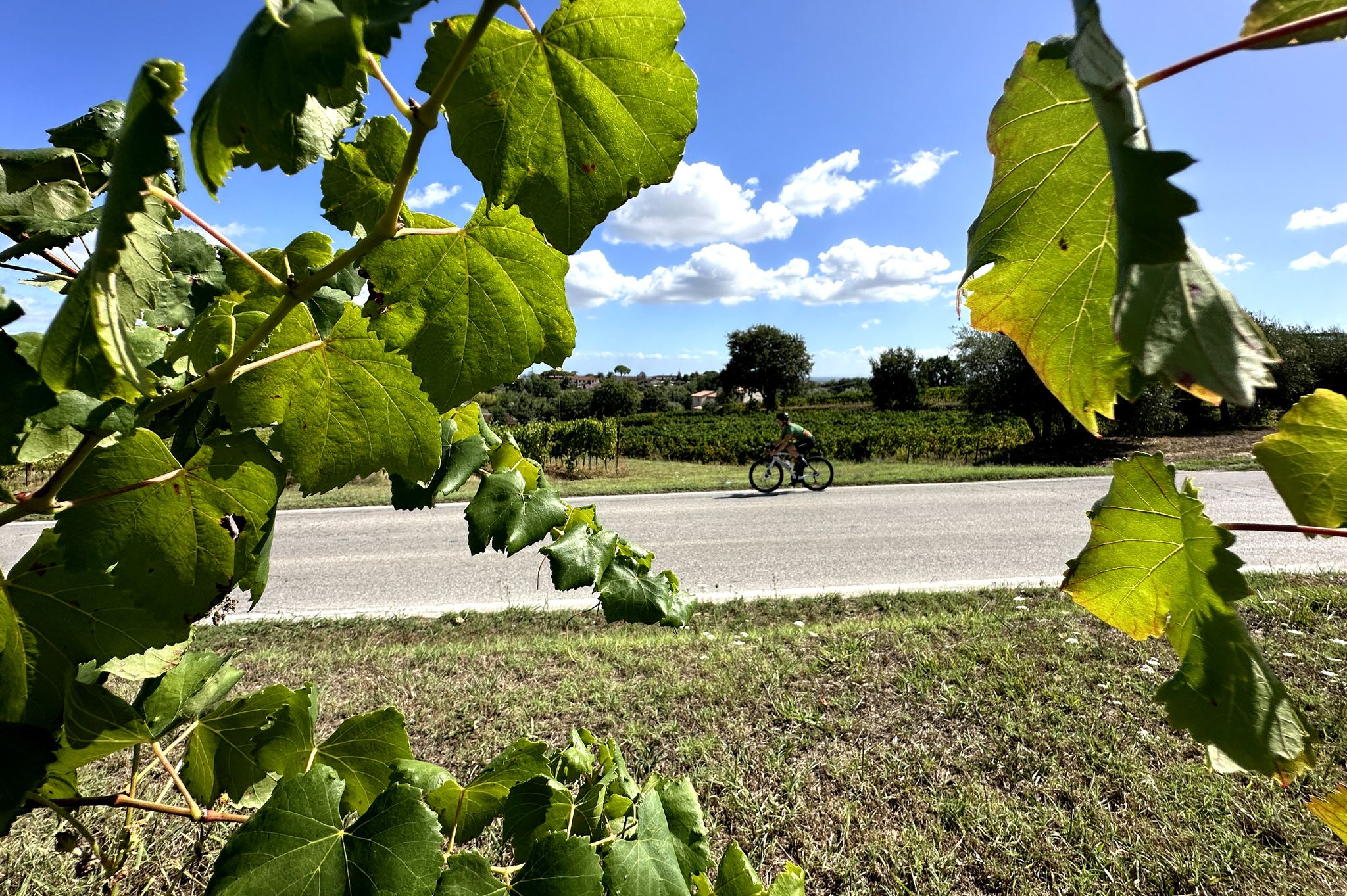
Strade di Lucca Bike Hub – cycling among villas, hills and legends
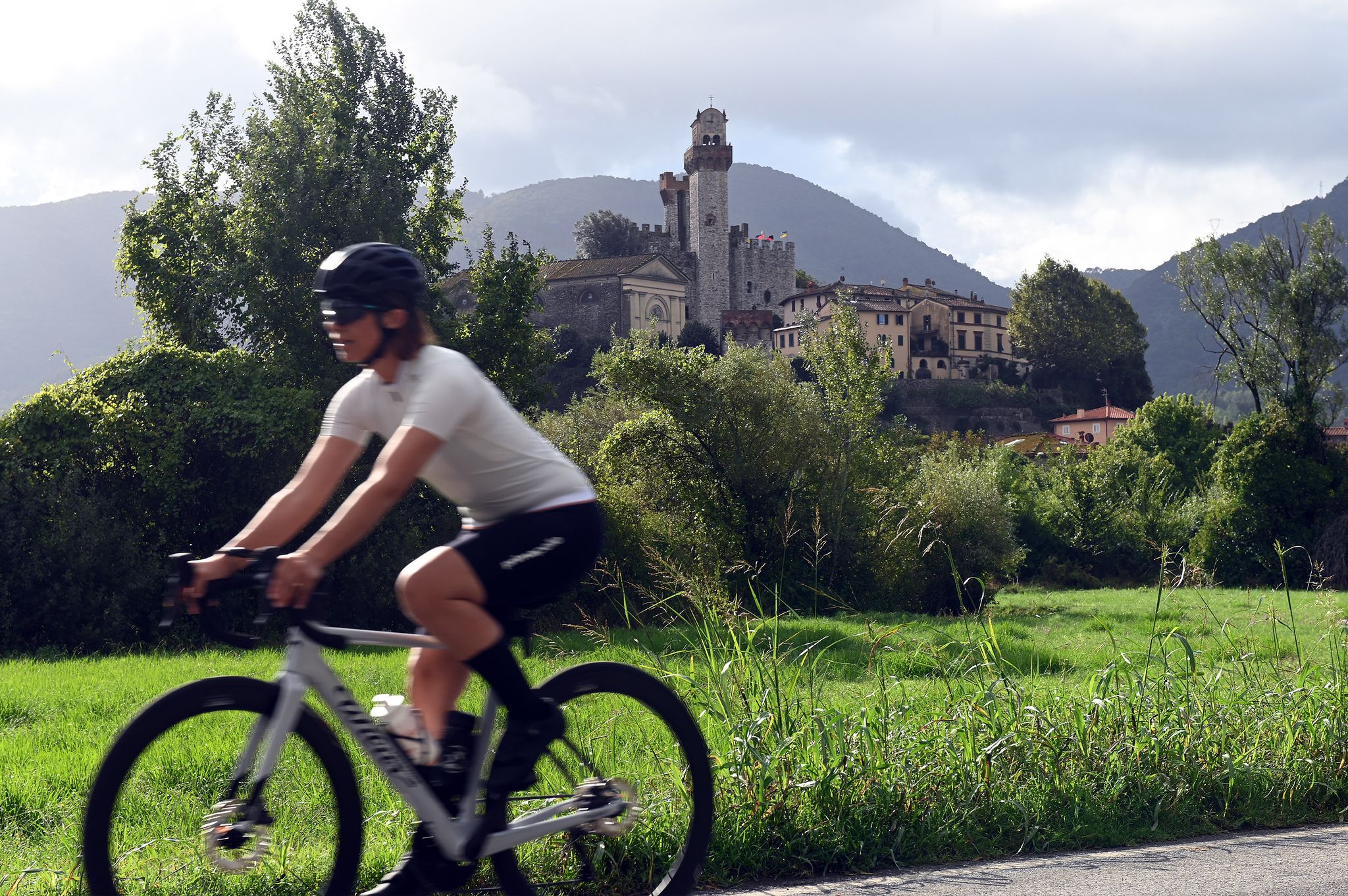
Strade di Lucca Bike Hub – gravel, historic climbs and pretty villages
Hiking around Capannori
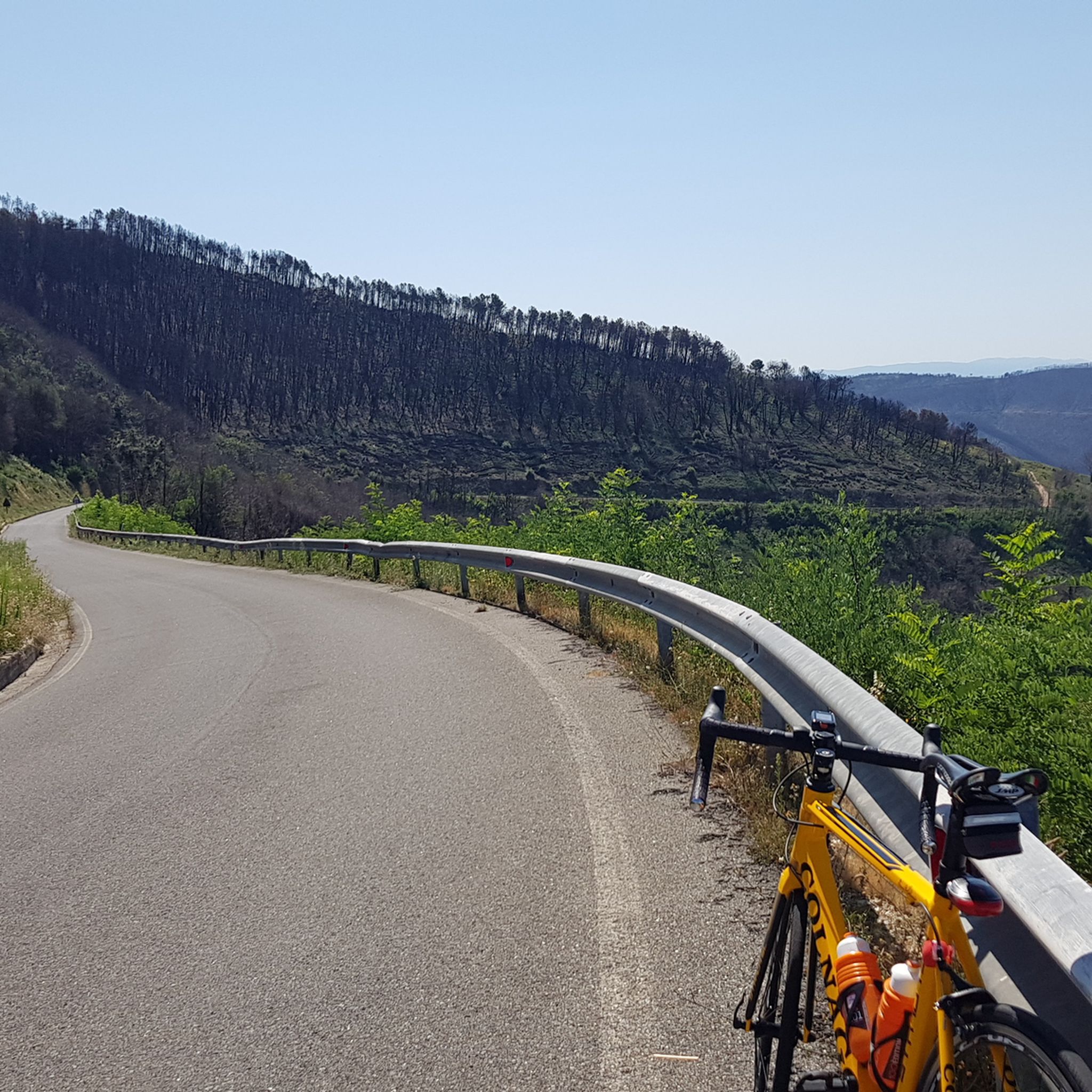
Road Cycling Routes around Capannori
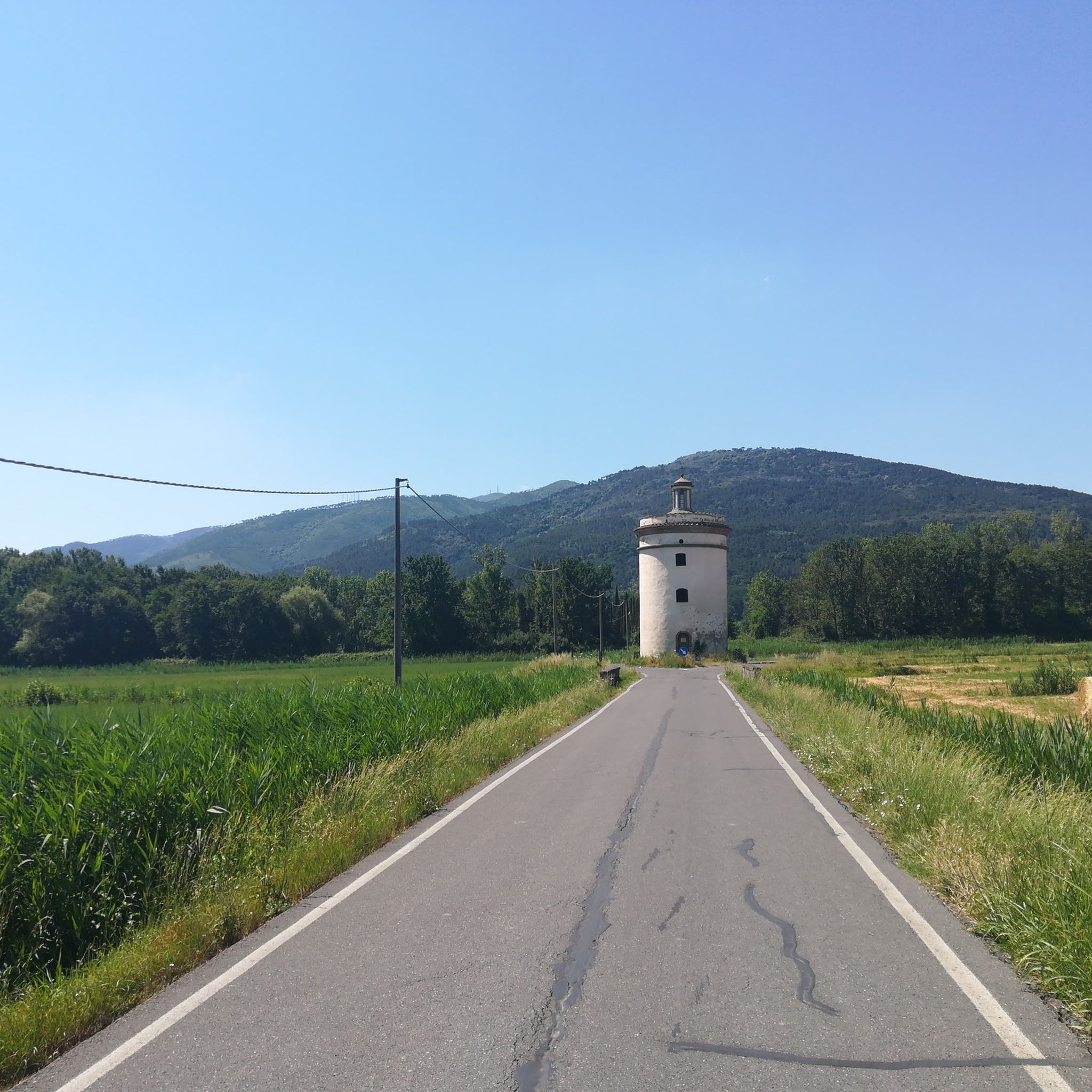
Cycling around Capannori
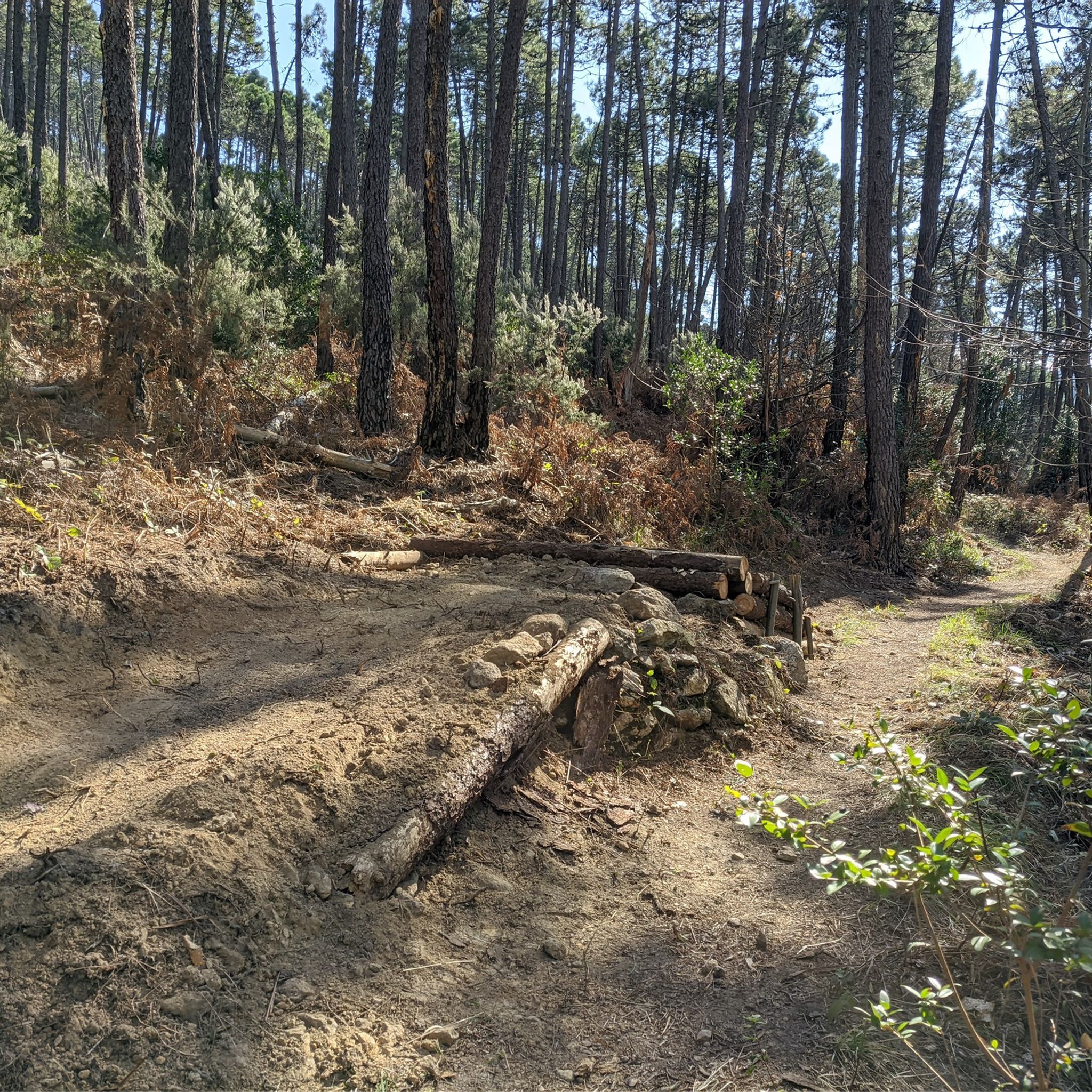
MTB Trails around Capannori
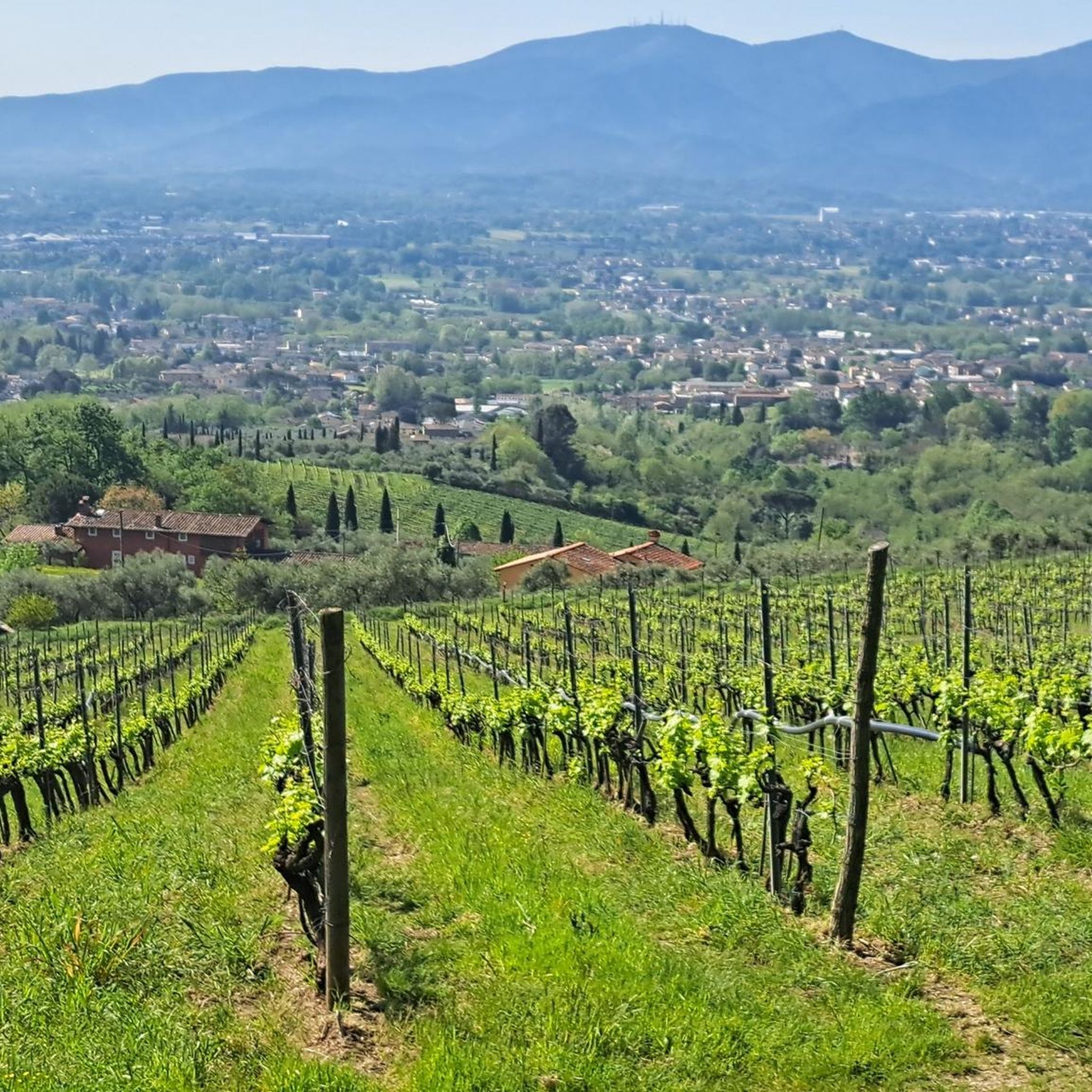
Running Trails around Capannori

Gravel biking around Capannori

Tips from the Community

A beautiful hike. Some trails are a bit abandoned and lack signage, but following the trail is fine. From the top of the tower, there would be a beautiful view, but we missed it due to fog and a myriad of flying ants.
0
0
It's a very beautiful castle but there are no shops so I recommend it as a short stop for a little climb
0
0

The ruins of the Tower, or Rocca, of Bargiglio stand on the top of the mountain of the same name at 866 meters above sea level at the gates of Garfagnana and the Media Valle del Serchio. Once you arrive at the Tower, it is clear why it has always been called the "Eye of Lucca": the view is panoramic at 360 degrees and offers a perfect view from the peaks of the Apuan Alps, with the Pania di Corfino clearly visible, to the numerous castles and fortresses of Garfagnana, such as the Castiglione Castle and the Mont'Alfonso Fortress. From here you can also dominate the entire Serchio Valley below, from the walls of Barga and Coreglia Antelminelli to Bagni di Lucca, up to the many towns in the Municipality of Pescaglia. And finally, in the distance to the south, the Lucca plain and then the Tyrrhenian coast. The origin of the fortification dates back to an unknown era, probably built by the Suffredinghi, one of the three potentates of Lombard origin who controlled the Serchio Valley who distinguished themselves for their tenacious resistance to the expansionism of the Municipality of Lucca, being bordered by the Este dominions of Garfagnana. It consisted of only one tower, used as an observation and control point of the vast territory, of the road that passed a little further down and of the small community that lived in the farmhouses surrounding the fortification and the ancient Hermitage of S. Bartolomeo.
0
0

A medieval town with charming streets and climbs. Buildings full of history.
0
0

Cozzile was probably founded at the end of the 12th century around fortification works with lookout and extreme defense functions. Even at the beginning of the 14th century they housed a castellan and a small garrison on behalf of the people of Lucca. Around the fortress a fortified town arose with a structure similar to that of Massa, organized in a "fishbone" pattern on both sides of the road that crossed it and which, exiting at the other end of the town, led towards the Apennines and towards Modena. The houses were grouped into two neighborhoods or "deeds" (Volata to the East, and Cessana to the West of the main road) with the square located to the north and the church to the south. In the city walls, of which important remains are still visible incorporated into the houses built above them, three doors opened: one to the east, corresponding to the entrance to the town of the medieval road from Massa (gate to Massa), one to the west , on the diametrically opposite side (Porta Vecchia)
0
0

The profile of the fortress that joins the steep wall ... a unique spectacle with the Pisan mountains in the background. the fortress of Caprona is a destination absolutely to be reached. The road to get there is not long and can be traveled on foot or by MTB.
2
0

Nice looping road up to the castle. You can enter the castle for €3. Information is in Italian and English
0
0
If you want to go up to the castle you can go a little further on the main road before turning right and then looping your way up the hill to the castle gate entrance. You can also go inside when it's open (costs €3). Information signs and leaflets have both an Italian and English option. Really interesting history and well worth a visit
1
0
Frequently Asked Questions
What kind of historical fortifications can I expect to find around Capannori?
While Capannori is rich in history, you'll primarily encounter medieval towers, fortified village remnants, and elegant Renaissance villas rather than traditional grand castles. The region's strategic importance led to many fortifications, but many have evolved or are integrated into smaller communities. Notable examples include Nozzano Castle, which is more of a historical fortification, and various towers like Bargiglio Tower.
What are some of the most historically significant fortifications in the Capannori area?
Key historical sites include Nozzano Castle, built by the people of Lucca to defend against the Pisans. Another significant site is Bargiglio Tower, once known as 'Occhio di Lucca' for its strategic panoramic views. You can also explore Cozzile Castle and the Clock Tower, which was a fortified settlement from the 12th century.
Are there any castles or towers with notable panoramic views?
Yes, several historical sites offer excellent views. Bargiglio Tower, for instance, was historically called 'Occhio di Lucca' (Eye of Lucca) because of its wide-ranging strategic views. Upezzinghi Tower (Caprona Tower) also provides breathtaking views, especially of the Pisan mountains and the Arno valley.
How does the Capannori area's historical architecture compare to other parts of Tuscany?
Unlike some Tuscan regions known for grand, standalone castles, Capannori is particularly renowned for its elegant Renaissance villas and charming medieval churches. While it has remnants of feudal castles and towers, the most prominent historical structures often take the form of impressive villas like Villa Torrigiani, Villa Reale di Marlia, and Villa Mansi, which were centers of power and wealth in later periods.
What is the history behind <a href="https://www.komoot.com/highlight/214610" target="_blank" rel="noopener">Nozzano Castle</a>?
Nozzano Castle was strategically built by the people of Lucca to defend their territory from threats posed by the Pisans. It stands as a historical fortification on the Serchio River, directly opposite the Pisan fortification, Rocca di Ripafratta, highlighting the historical rivalry between the two powers.
Can I visit any Renaissance villas in the Capannori area?
Absolutely. The Capannori area is famous for its magnificent Renaissance villas. While not 'castles' in the traditional sense, these grand estates like Villa Torrigiani, Villa Reale di Marlia (once owned by Napoleon's sister Elisa Bonaparte), and Villa Mansi offer a glimpse into the opulent lifestyle and architectural grandeur of past centuries. Many feature impressive architecture and extensive gardens.
Are there hiking trails near these historical sites?
Yes, the Capannori area offers various hiking opportunities near its historical sites. For example, the Upezzinghi Tower (Caprona Tower) is connected to the Rocca della Verruca by a beautiful path. You can find more detailed routes, including those in the Pisan Mountains and Pizzorne Plateau, in our MTB Trails around Capannori guide, which also covers general hiking areas.
Are there family-friendly historical sites or walks around Capannori?
Yes, some historical sites are suitable for families. The area around Upezzinghi Tower (Caprona Tower) is categorized as family-friendly, offering a unique spectacle with the Pisan mountains in the background. Many of the trails leading to these sites are also enjoyable for families, depending on their difficulty.
What outdoor activities can I do near the historical fortifications?
Beyond exploring the historical sites, the region around Capannori is excellent for outdoor activities. You can enjoy various cycling routes, including MTB trails, gravel biking, and road cycling routes. Many of these routes pass by or offer views of the historical towers and fortified villages, combining history with nature.
What is the best time of year to visit Capannori for exploring its historical sites and trails?
The best time to visit Capannori for exploring its historical sites and enjoying outdoor activities is generally during the spring (April to June) and autumn (September to October). During these seasons, the weather is pleasant, making it ideal for hiking and cycling without the intense heat of summer or the chill of winter. The landscapes are also particularly beautiful with blooming flowers or autumn foliage.
Is <a href="https://www.komoot.com/highlight/4207223" target="_blank" rel="noopener">Brunelleschi’s Fortress of Vicopisano</a> worth visiting?
Absolutely. Brunelleschi’s Fortress of Vicopisano is a significant historical site. Commissioned to the renowned architect Filippo Brunelleschi, this fortress played a crucial role in Florence's control over the strategic Arno and Auser river confluence. It's a fascinating example of medieval military architecture with a rich history.
Are there any historical sites in Capannori that are particularly well-preserved or offer a glimpse into medieval town life?
Cozzile Castle and the Clock Tower offers a great glimpse into medieval town life. Founded around the end of the 12th century, it was a fortified town with a 'fishbone' pattern of houses and visible remains of its city walls, including three gates. It housed a castellan and a small garrison, reflecting its defensive functions.
Most popular routes around Capannori
Most popular attractions around Capannori

Get inspired with the komoot mobile app


Explore more
Looking for the best castles somewhere else? Discover other guides around Capannori:
