The 5 Most Amazing Peaks around Irvonu/Ilbono
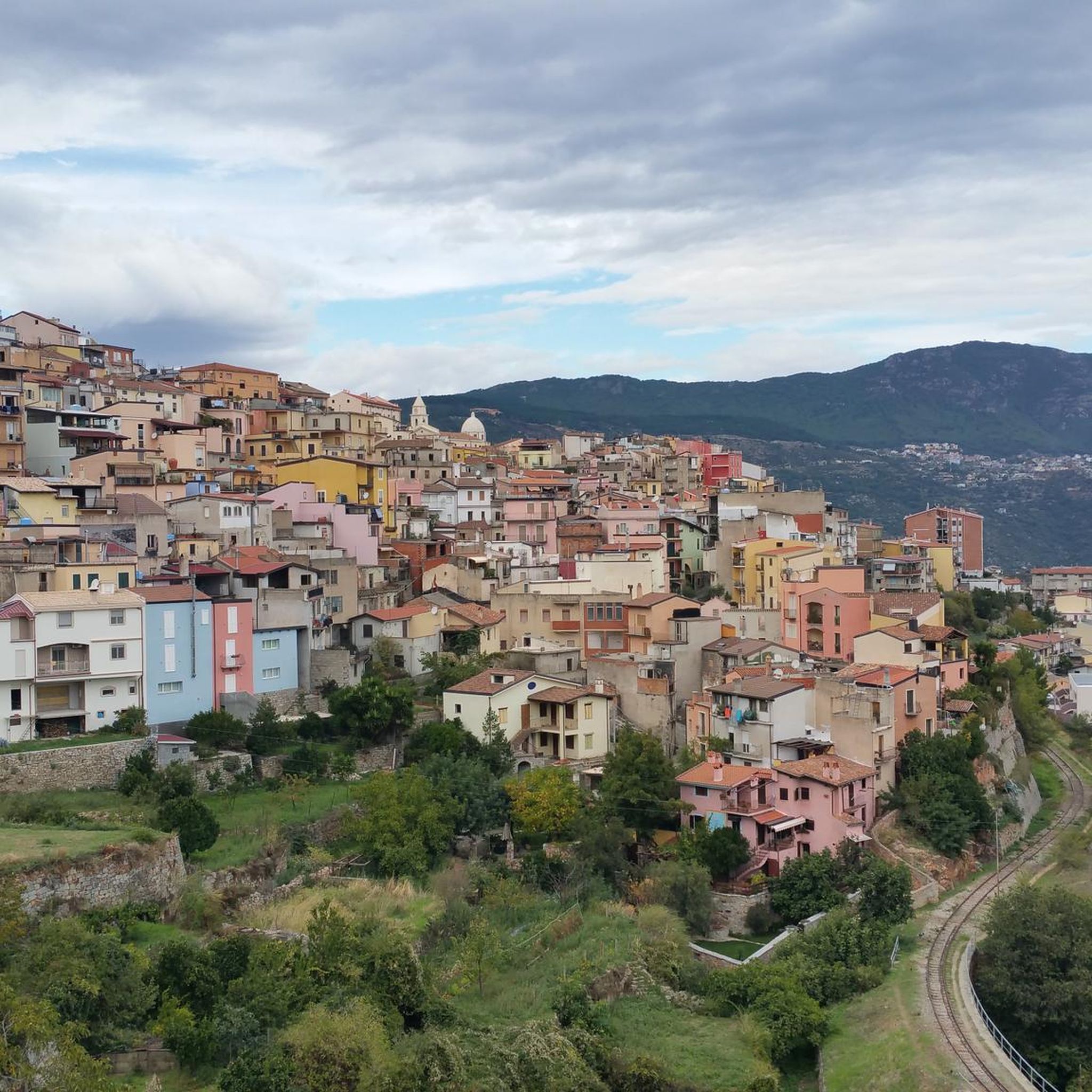
Mountain peaks around Irvonu/Ilbono are situated in Sardinia, Italy, a region known for its diverse and rugged interior. The area features a variety of geological formations, from ancient granite hills to towering limestone massifs. These peaks offer panoramic views and unique ecosystems, making them appealing to hikers and nature enthusiasts. The landscape around Irvonu/Ilbono contributes to the picturesque scenery of the Ogliastra province.
Best mountain peaks around Irvonu/Ilbono
- The most popular mountain peaks is Perda e Liana, a natural…
Last updated: May 18, 2026
Perda e Liana
Highlight • Natural Monument
Translated by Google •
Tip by

Statue of St. Michael the Archangel on Monte Idolo
Highlight • Monument
Translated by Google •
Tip by

Sign up now to discover places like this
Get recommendations on the best single tracks, peaks, & plenty of other exciting outdoor places.
Sign up for free
Bruncu Matzeu Summit (955 m)
Highlight • Summit
Translated by Google •
Tip by

View from Cuccuru 'e Mufloni (1232 m)
Highlight • Viewpoint
Translated by Google •
Tip by

Start today with a free account
Your next adventure awaits.
Login or Signup

Tips from the Community

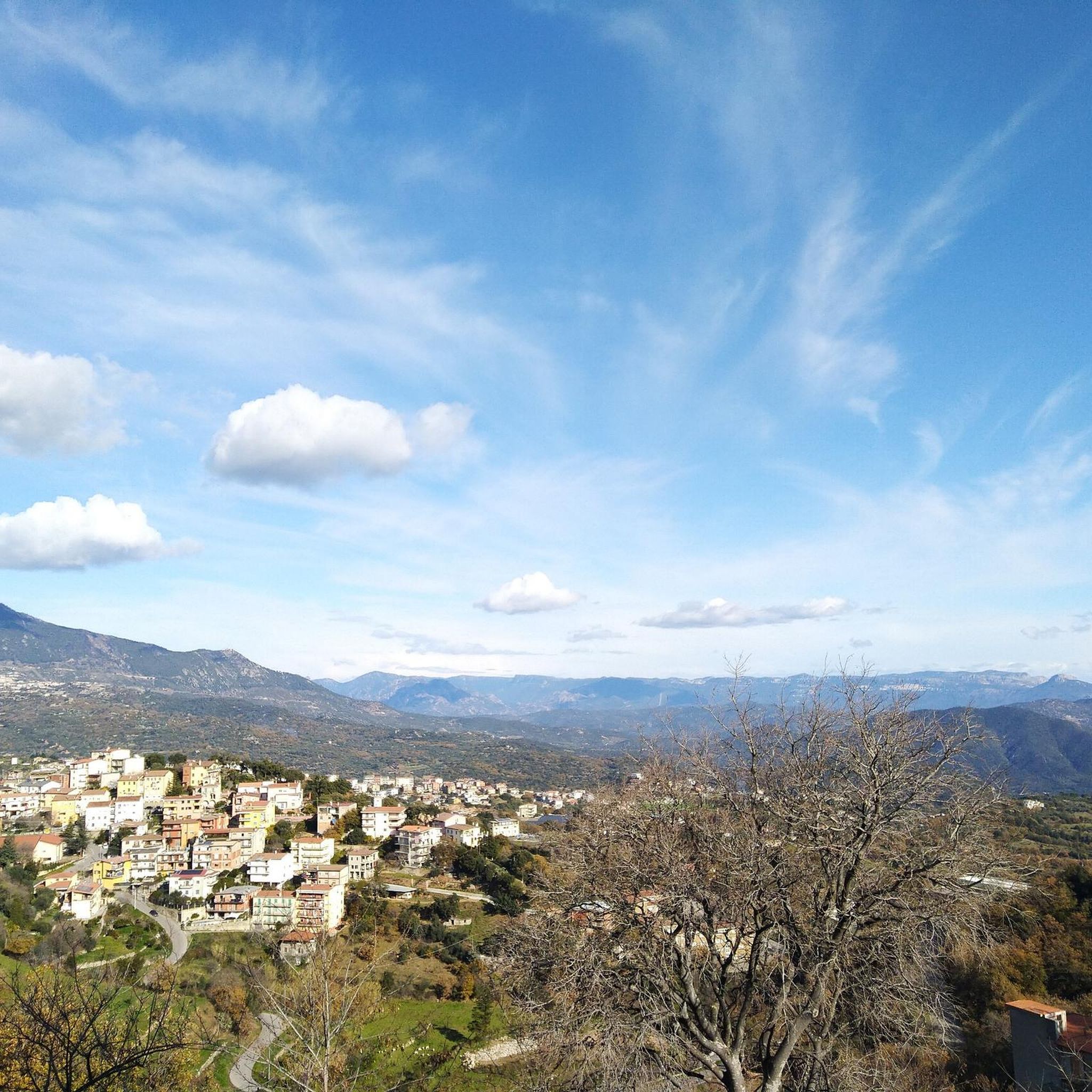
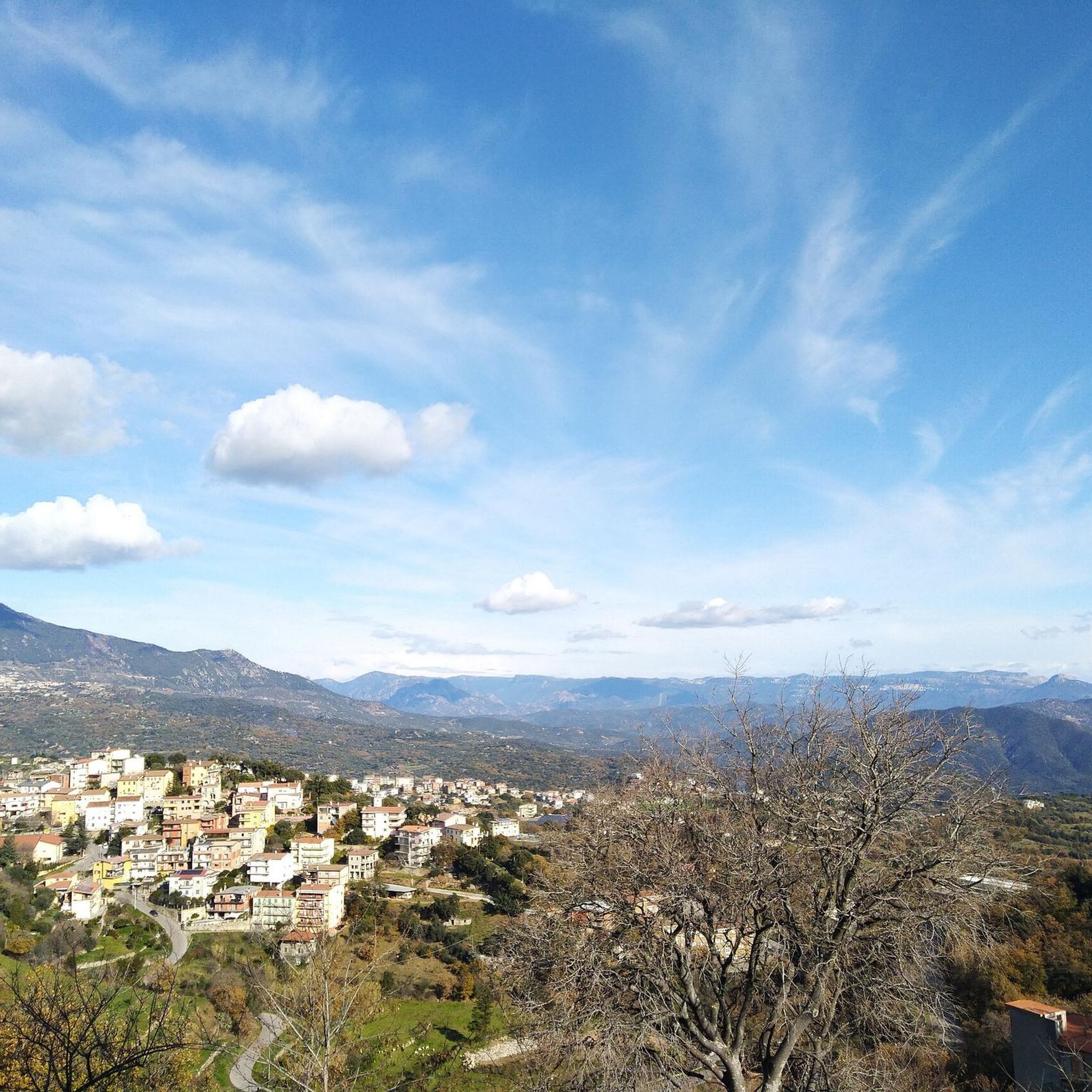
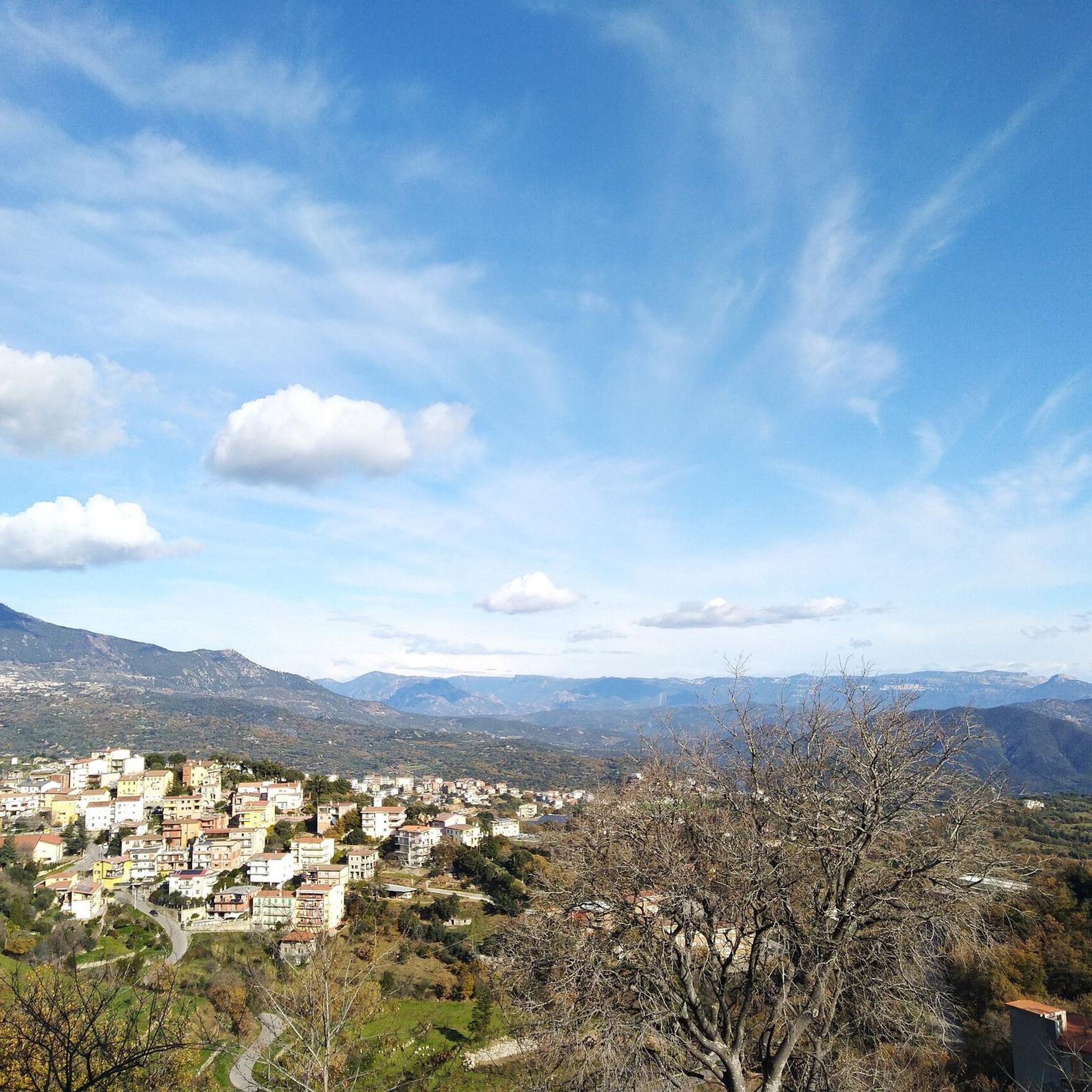
Stunningly beautiful loop which gives you the mountain top view of the area for miles around ! Well worth it.
0
0

A uniquely shaped, towering tower, a natural monument, symbol of Ogliastra, and a key morphological feature of central-eastern Sardinia. Perhaps once a gathering place for the Nuragic peoples, it later became, in popular legend, the entrance to the underworld. It protrudes from the earth like a giant finger reaching toward the sky and, especially in this wild area, is a landmark visible from afar for hikers. Perda 'e Liana is an extraordinary rock formation declared a natural monument in 1993. The peculiar "mountain," known in Sardinian as Taccu or Tonneri, rises in the Gairo Sant'Elena area: it is the greatest witness to the erosive effects of weathering that have been affecting the vast limestone cover of Ogliastra on the border with Barbagia di Seulo for several million years. Erosion gradually isolated the "tower," forming its base. It is the highest (1293 m) of the numerous Ogliastra limestone mountains, the northern foothills of the Tonneri plateau, about two kilometers away, to which it is connected by the s'Arcu 'e su Pirastu Trottu pass. Perhaps in ancient times, they formed a single mountain ridge. Source and further information: https://www.sardegnaturismo.it/de/entdecken/perda-e-liana
0
0

On Monte IDOLO, hikers will not come across a summit cross - as is often the case. The small sacred monument that instead rises above Sardinia is a statue of SAN MICHELE ARCANGELO. The heavenly messenger is equipped with powerful wings, which give him an imposing figure. However, one will look in vain for a sword or a lance, which are often given to him as an attribute.
0
0

Once you reach the top, you will be rewarded with a mega panorama. Seating on the stones between holm oaks offers plenty of space for a rest ⛰️
0
0

Such a beautiful hiking trail and yet so few people on the way.
0
0

The natural monument Perda 'e Liana is a protected natural area of Sardinia. It is located in the municipality of Gairo, in the province of Nuoro. It was established in 1993 with a decree of the regional councilor for environmental protection. Source: https://it.wikipedia.org/wiki/Monumento_naturale_Perda_'e_Liana
1
0

Mount Idolo 1240m. Great view of the coast to the east with the Arbatax, Tortioli and the surrounding area as well as the towns of Arzana and co, almost below the summit.
2
0

I would do the tour the other way around next time. Better path up and forest path down.
1
0
Frequently Asked Questions
What are the most popular mountain peaks around Irvonu/Ilbono?
The komoot community highly rates several peaks in the area. Among the most popular are Perda e Liana, a distinctive natural monument and symbol of the Ogliastra region, and the Statue of St. Michael the Archangel on Monte Idolo, which offers extensive views of the eastern coast. Visitors also enjoy the Bruncu Matzeu Summit (955 m) for its sensational, less-frequented views.
What unique natural features can I expect to see on these mountain peaks?
The region boasts diverse geological formations. You'll find ancient granite hills, towering limestone massifs, and distinctive porphyritic rock formations like those on Monte Tarè. Peaks such as Perda e Liana are natural monuments, showcasing the dramatic effects of erosion. The Gennargentu massif, home to Punta La Marmora and Bruncu Spina, features rugged mountains, deep gorges, and extensive limestone cliffs, while Monte Corrasi in the Supramonte is known for its sheer limestone walls, white spires, and caves.
Are there any culturally or historically significant mountain peaks in the area?
Yes, Mount Ortobene, near Nuoro, is an ancient granite hill with significant cultural importance. Its summit features a bronze 'Statue of Christ the Redeemer' erected in 1901, and the mountain is a beloved spot for locals, hosting the annual Sagra del Redentore. Additionally, the Statue of St. Michael the Archangel on Monte Idolo is a notable man-made monument on a summit, offering a unique blend of natural beauty and spiritual significance.
What are the highest peaks in the Irvonu/Ilbono region and what do they offer?
While the peaks directly around Irvonu/Ilbono are significant, the broader region of Sardinia features Punta La Marmora, the island's highest peak at 1,834 meters, part of the Gennargentu massif. It offers challenging treks and rewarding 360-degree panoramic views. Closely associated is Bruncu Spina (1,829 meters), providing equally stunning views and a demanding hiking experience. Within the immediate guide area, Perda e Liana reaches 1293 meters, and Monte Idolo stands at 1240 meters, both offering extensive vistas.
Are there family-friendly mountain trails or accessible viewpoints?
Yes, Mount Ortobene, while not directly in Irvonu/Ilbono but nearby, offers accessible trails and is popular for picnics and walks, making it suitable for families. For those seeking stunning views without extreme difficulty, the Bruncu Matzeu Summit (955 m) is an intermediate trail with sensational views, and the View from Cuccuru 'e Mufloni (1232 m) provides a 360-degree panorama that can be enjoyed by those comfortable with intermediate hikes.
What kind of wildlife and flora can I observe on these mountains?
The mountains of Sardinia, including the Gennargentu and Supramonte massifs, are home to diverse ecosystems. You might spot golden eagles and mouflons in the Gennargentu area. Monte Corrasi is particularly notable for its unique flora, hosting 70 endemic plant species, along with mouflons, wild boars, and various birds of prey. Mount Ortobene is characterized by dense holm oak forests and is home to Sardinian wild boar and fox.
What outdoor activities can I do near these mountain peaks?
Beyond hiking to the peaks, the region around Irvonu/Ilbono offers a variety of outdoor activities. You can find numerous routes for hiking, cycling, and gravel biking. Sardinia is also a renowned destination for rock climbing, with over 4000 sport climbing routes in areas like Supramonte, Cala Gonone, and Baunei/Ogliastra, offering everything from multi-pitch climbs to steep roof climbing.
Are there challenging trails for experienced trekkers and mountaineers?
Absolutely. Monte Corrasi in the Supramonte massif offers challenging trails for expert trekkers and mountaineers, with its limestone cliffs providing appealing rock formations and vertical ascents. The Gennargentu massif, including Punta La Marmora and Bruncu Spina, also presents demanding hikes for those in good physical condition. For climbers, the Supramonte is known for superb big wall multi-pitch climbing, including the
What is the best time to visit the mountain peaks around Irvonu/Ilbono?
The best time to visit is generally during the spring (April-June) and autumn (September-October) months. During these periods, the weather is typically mild and pleasant for hiking and outdoor activities, and the landscapes are vibrant. Summers can be very hot, especially at lower altitudes, while winters can bring colder temperatures and sometimes snow to the highest peaks, making some routes more challenging.
What do visitors enjoy most about the mountain peaks in this region?
Visitors frequently highlight the sensational and extensive views from summits like Bruncu Matzeu Summit (955 m) and Cuccuru 'e Mufloni (1232 m). The wild and untamed nature of the landscapes, the unique geological formations such as Perda e Liana, and the sense of peace found on less-frequented trails are also highly appreciated. The blend of natural beauty with cultural significance, like the statue on Monte Idolo, adds to the unique appeal.
Can I find circular walks or specific hiking routes near Irvonu/Ilbono?
Yes, the area offers various routes suitable for circular walks. For instance, you can find moderate hiking loops around places like Barì/Bari Sardo and Àrthana/Arzana. These routes allow you to experience the diverse landscapes and return to your starting point, providing a convenient way to explore the region's natural beauty.
Most popular routes around Irvonu/Ilbono
Most popular attractions around Irvonu/Ilbono

Get inspired with the komoot mobile app


Explore more
See even more amazing summits around Irvonu/Ilbono with these guides:
