Top 8 Caves around Òsini/Osini
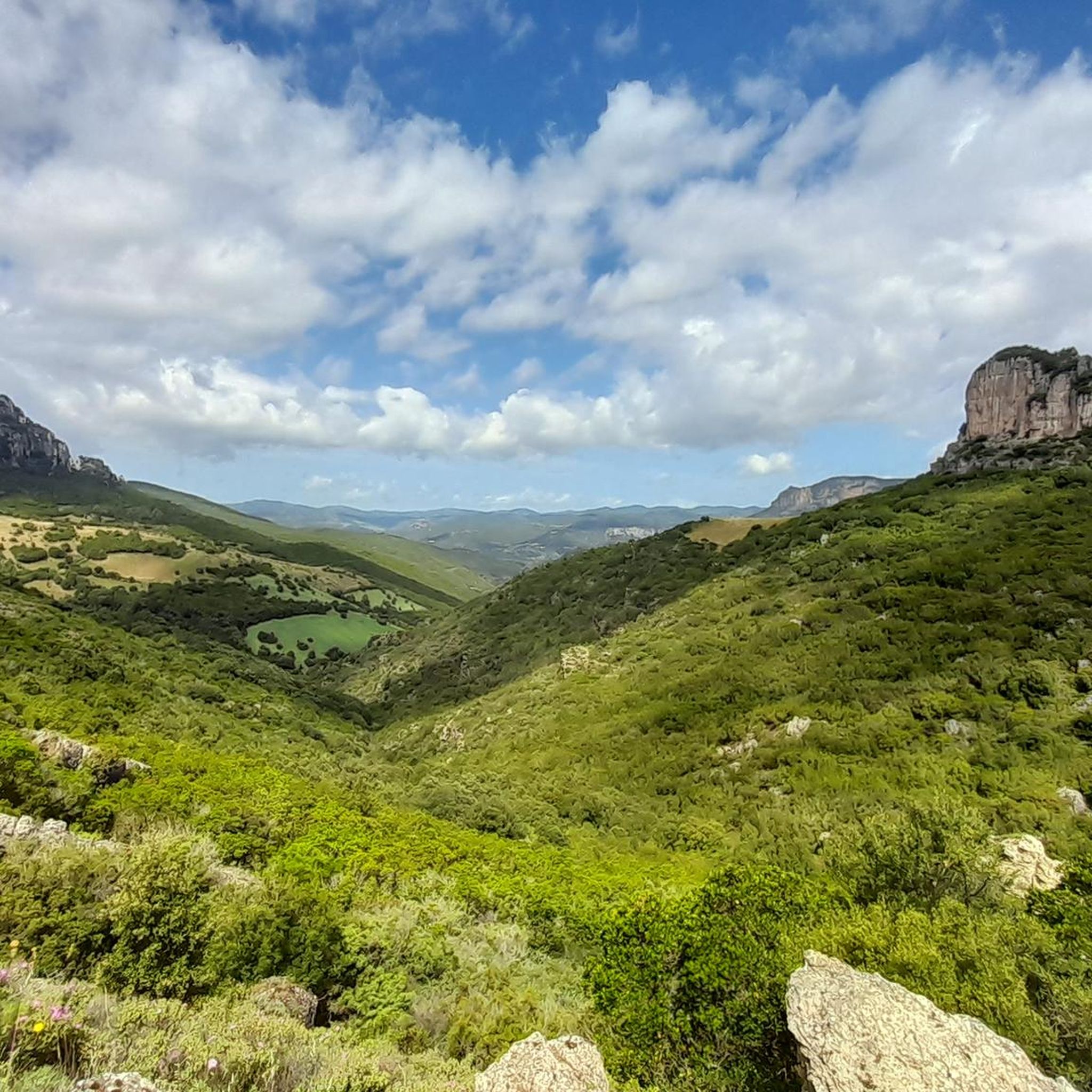
Best caves around Òsini/Osini are found in the Ogliastra region of Sardinia, offering a diverse subterranean landscape. This area is characterized by its rugged terrain and ancient geological formations, providing a rich environment for cave development. Visitors can explore various types of caves, from extensive stalactite systems to historical sites. The region's natural features contribute to unique underground experiences.
Best caves around Òsini/Osini
- The most popular caves is Serbissi Cave, a cave that is a karst cavity formed by dolomitic dissolution through rainwater. It is located within the Nuraghe Serbissi archaeological complex, offering a combination of natural and historical interest.
- Another must-see spot is Su Marmuri Cave, a stalactite cave. Visitors can expect to see majestic formations of stalagmites, stalactites, and columns, with an internal temperature consistently around 10 degrees Celsius.
- Visitors also love Matzeu Cave, a challenging cave. This spot is special for its beautifully hollowed-out red rock formations, similar to Tafoni, creating unique shapes.
- Òsini/Osini is known for its stalactite caves, karst cavities, and caves with historical significance. The variety of caves to see and explore includes those formed by water erosion and those integrated with ancient archaeological sites.
- The caves around Òsini/Osini are appreciated by the komoot community, with 78 upvotes and 78 photos shared by users.
Last updated: June 30, 2026
Su Marmuri Cave
Highlight • Cave
Translated by Google •
Tip by

Serbissi Cave
Highlight • Cave
Source: sentierinatura.it/easyne2/LYT.aspx?Code=SentieriNatura&IDLYT=2713&ST=SQL&SQL=ID_Documento%3D4591
Translated by Google •
Tip by

Sign up now to discover places like this
Get recommendations on the best single tracks, peaks, & plenty of other exciting outdoor places.
Sign up for free
Matzeu Cave
Highlight • Cave
Translated by Google •
Tip by

Rocky trail between the Chillottis and the Janas Caves
Highlight • Trail
Translated by Google •
Tip by

Grotto of the Chillotis
Highlight • Cave
Translated by Google •
Tip by

Sign up for free to discover even more caves around Òsini/Osini.
Sign up for free
Already have an account?
Start today with a free account
Your next adventure awaits.
Login or Signup
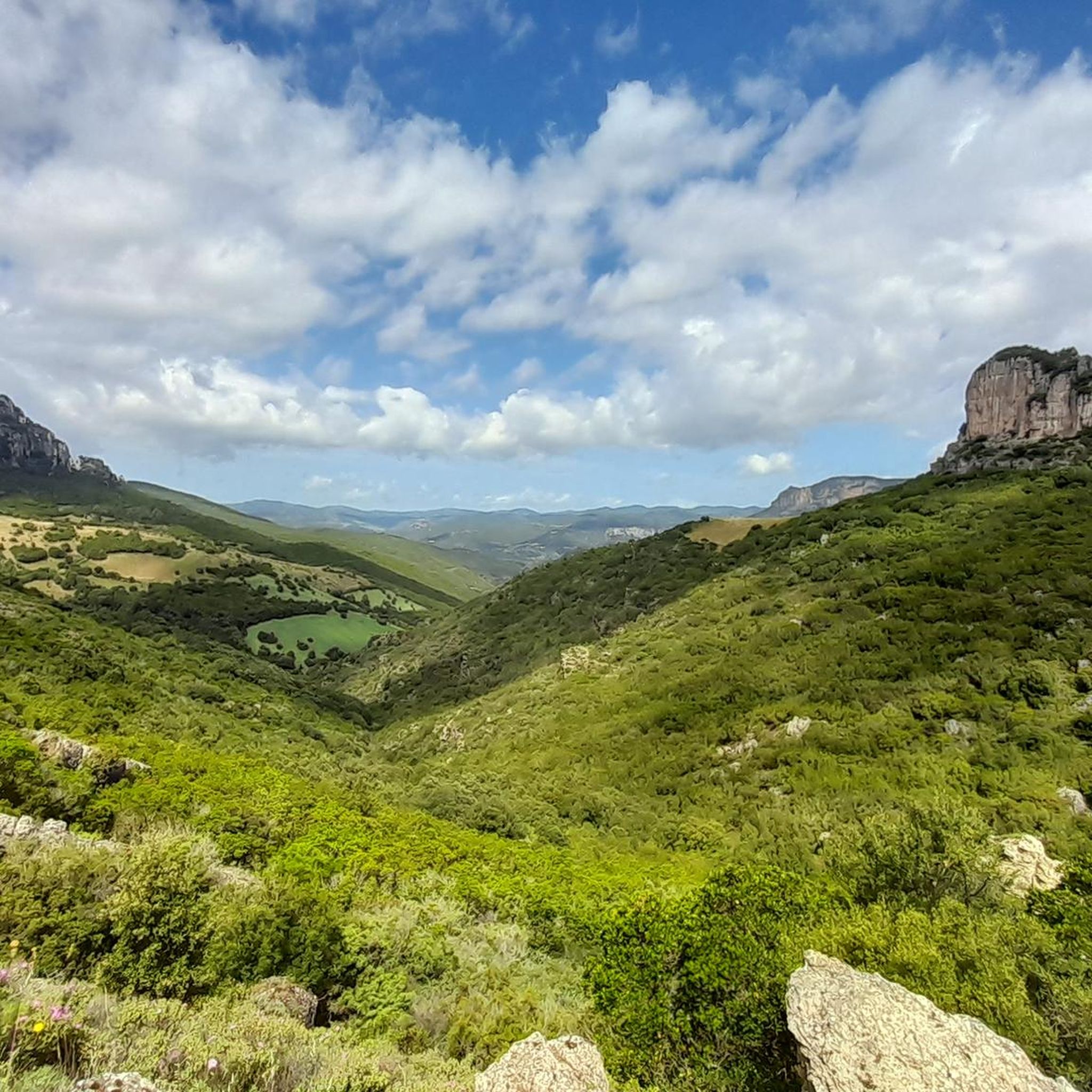
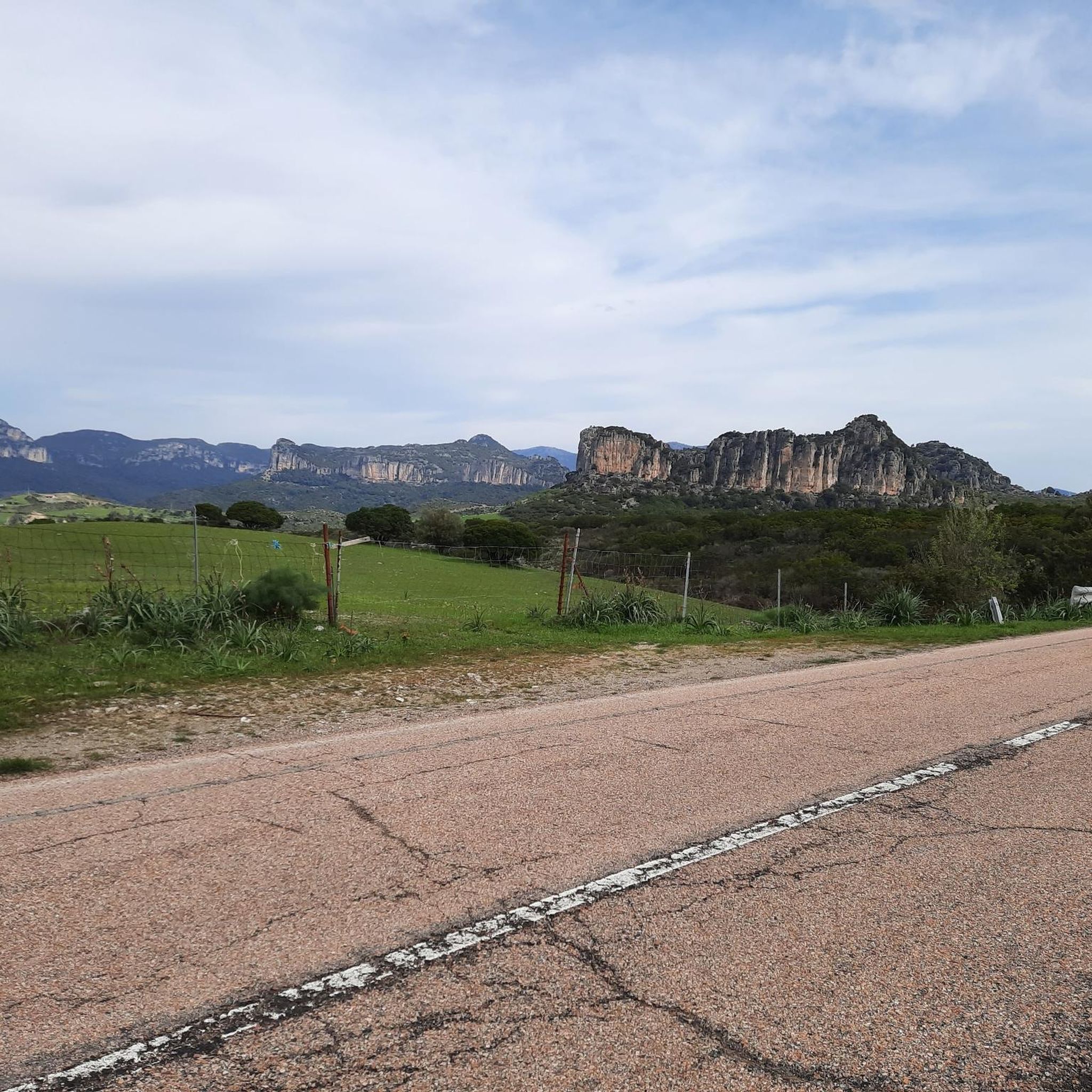
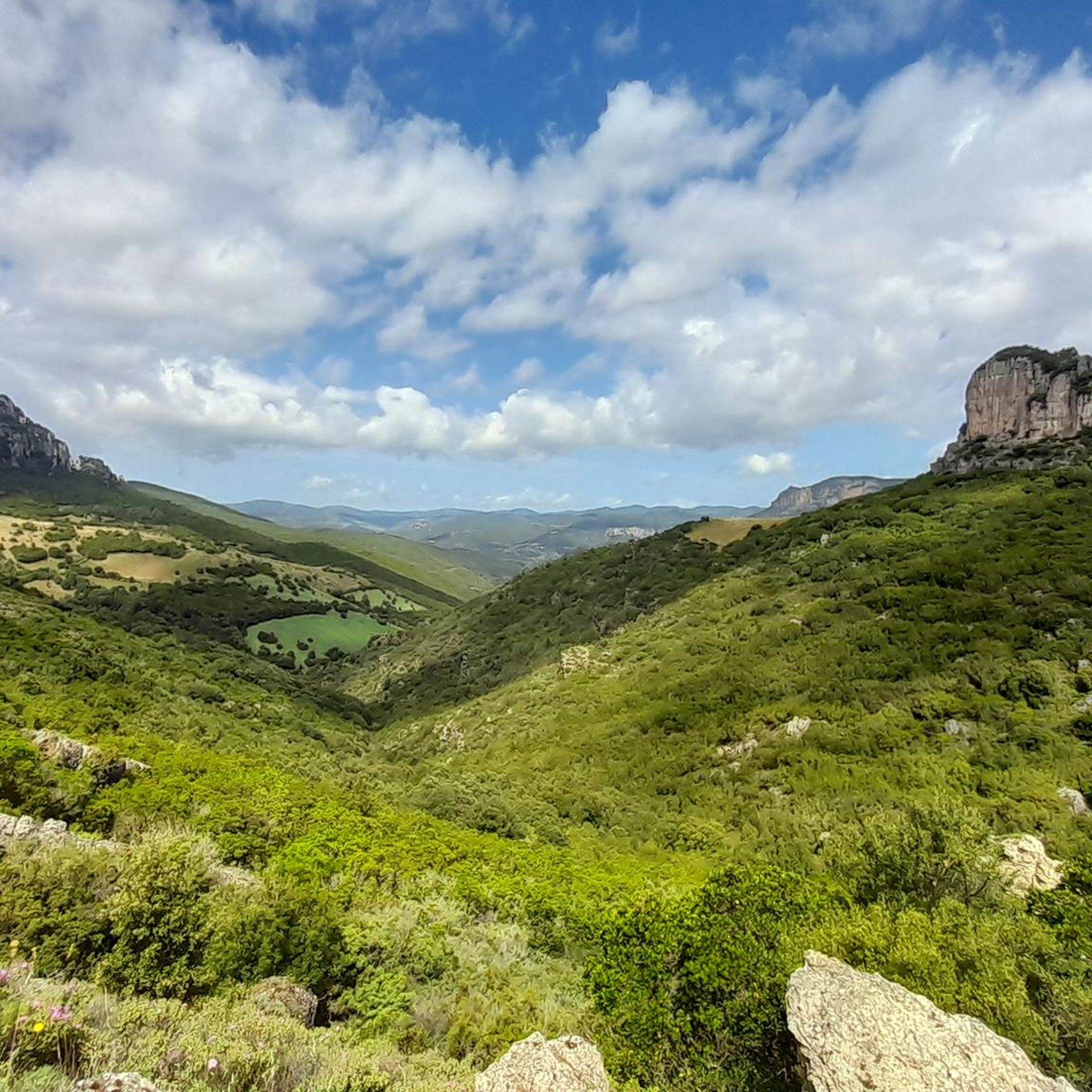
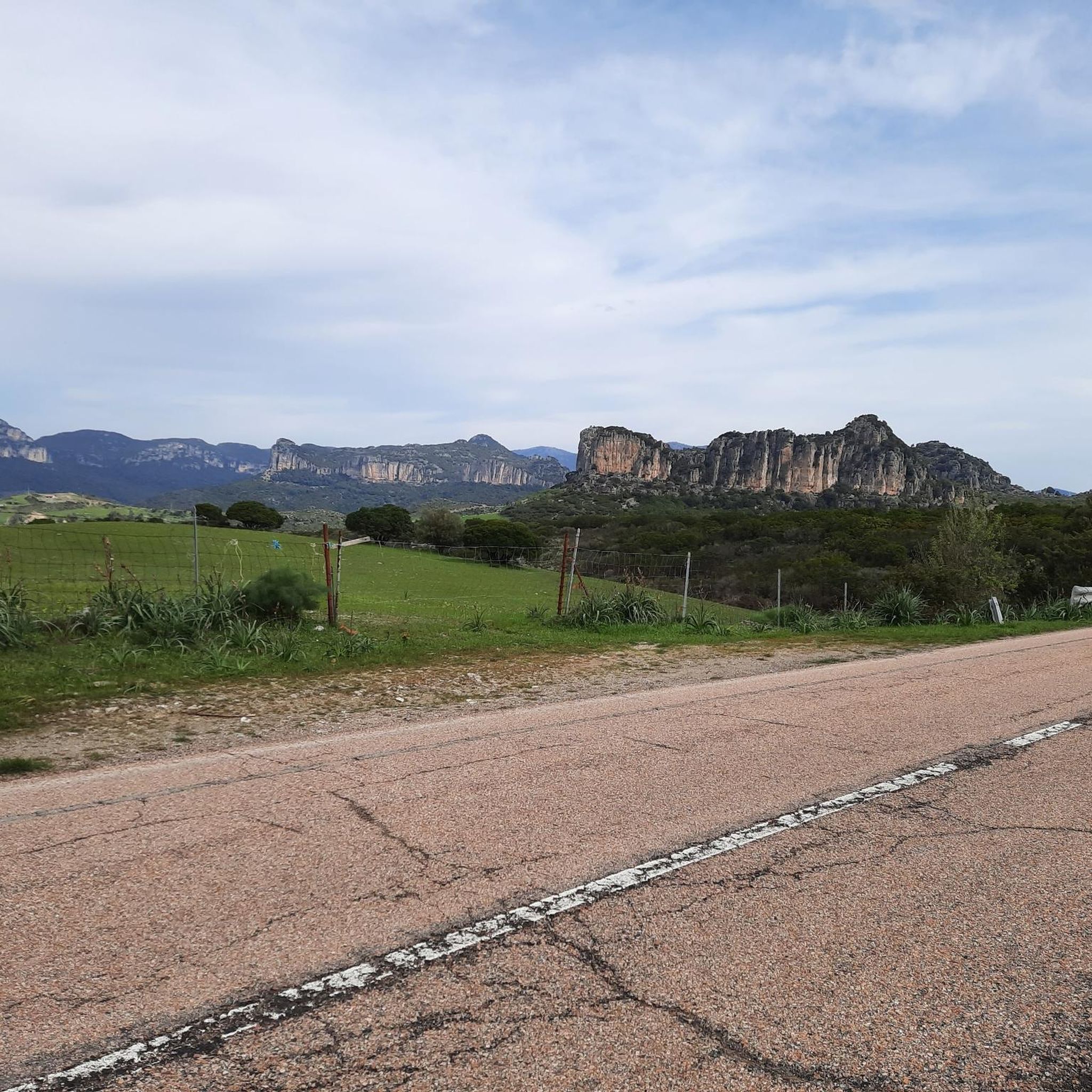

Tips from the Community

The cave is part of the archaeological park of the nuraghe of Sirbissi
0
0

We enjoyed the views and also the plants along the way.
0
0
The cave is very worth seeing. We can also recommend the restaurant.
0
1

Very worth seeing, even if it was May 2023 with €12 entry p.p. quite expensive
0
1

Take a flashlight with you otherwise you won't see any stalactites
0
0

The Serbissi cave is a karst cavity, created by dolomitic dissolution through rainwater. Source: http://www.sentierinatura.it/easyne2/LYT.aspx?Code=SentieriNatura&IDLYT=2713&ST=SQL&SQL=ID_Documento%3D4591
1
0
The Serbissi cave is a karst cavity, created by dolomitic dissolution through rainwater. Source: http://www.sentierinatura.it/easyne2/LYT.aspx?Code=SentieriNatura&IDLYT=2713&ST=SQL&SQL=ID_Documento%3D4591
1
0
Frequently Asked Questions
What unique natural features can I expect to see in the caves around Òsini/Osini?
The caves in the Òsini/Osini area showcase diverse geological formations. For instance, Su Marmuri Cave is known for its majestic stalagmites, stalactites, and columns, including the 'Cactus Hall' and 'Bat Chamber'. Taquisara Cave features dynamic concretions like 'sails', 'flows', 'cannulas', and 'eccentrics', along with unique 'aragonite nests' and an internal lake. Matzeu Cave is notable for its beautifully hollowed-out red rock formations, similar to Tafoni.
Are there family-friendly caves to visit near Òsini/Osini?
Yes, several caves offer experiences suitable for families. Su Marmuri Cave provides accessible guided tours lasting about 45 minutes, allowing families to marvel at its grandeur. The Serbissi Cave, integrated with an archaeological complex, offers a combination of nature and history that can be engaging for all ages. Grotta del Fico also offers guided tours along a well-maintained path, accessible by boat, providing an exciting journey for families.
Which caves combine natural exploration with historical significance?
The Serbissi Cave is a prime example, located directly within the Nuraghe Serbissi archaeological complex in Osini. This site allows visitors to explore an ancient Nuragic settlement alongside a cave that was likely used for food storage during the Bronze Age. Grotta del Fico also holds historical significance as one of the last refuges for the Mediterranean monk seal.
What is the best time of year to visit the caves around Òsini/Osini?
The caves maintain a consistent internal temperature year-round, for example, Su Marmuri Cave is consistently around 10 degrees Celsius. This makes them a good destination even during warmer months. However, for coastal caves like Grotta del Fico, boat access might be more pleasant during spring or early autumn when the sea is calmer and temperatures are moderate.
What should I wear when exploring the caves?
Due to the cool internal temperatures, especially in larger caves like Su Marmuri Cave (around 10°C), warm clothes are recommended. Additionally, good shoes with reliable grip are essential for navigating potentially slippery or uneven terrain inside the caves, as highlighted by visitor tips for Matzeu Cave and Grotto of the Chillotis.
Are there guided tours available for the caves in the region?
Yes, guided tours are common for many caves. Su Marmuri Cave can only be visited with a guide, with tours often available in multiple languages. Grotta del Fico also offers guided tours that provide insights into its geology and history. It's advisable to check specific cave websites or local tourist information for tour schedules and booking details.
How long does a typical visit to a cave last?
The duration of a visit varies by cave. For example, the accessible route in Su Marmuri Cave takes approximately 45 minutes to explore. Other caves, especially those with archaeological complexes like Serbissi Cave, might involve more time to explore both the underground and above-ground sites. Coastal caves like Grotta del Fico also factor in boat travel time.
Are there challenging caving experiences for advanced explorers near Òsini/Osini?
Yes, for those seeking more adventurous caving, some sites offer challenging routes. Matzeu Cave is categorized as challenging, and the Grotto of the Chillotis requires good shoes and sure-footedness. These spots often involve more rugged terrain and potentially less developed paths, offering a more intense exploration experience.
What outdoor activities can I do near the caves around Òsini/Osini?
The region around Òsini/Osini offers various outdoor activities. You can find numerous cycling routes, including road cycling and mountain biking. For instance, there are challenging MTB trails like the 'Sentiero Italia CAI Cycle Route' or the 'Serbissi Nuragic Complex – Serbissi Cave loop'. Touring bicycle routes like 'The little green train and the cliffs of Ulassai – circular tour' are also available. Many routes offer stunning views and pass by natural landmarks.
Are there options for dining or refreshments near the caves?
While specific cafes or restaurants directly at every cave entrance are not guaranteed, the towns and villages near the caves, such as Ulassai (near Su Marmuri Cave) and Osini, offer amenities. Visitor tips for Su Marmuri mention a recommended adjacent bar. It's a good idea to plan your visit to include stops in these towns for meals or refreshments.
Is parking available at the caves?
Parking availability varies by cave. For popular sites like Su Marmuri Cave and Serbissi Cave, there are typically designated parking areas for visitors. For more remote or challenging caves, parking might be less formal or require a short walk from the nearest accessible road. It's best to check specific access information for each cave you plan to visit.
Can I reach the caves by public transport?
Public transport options to the caves around Òsini/Osini can be limited. While regional bus services (like ARST) connect towns in Sardinia, direct routes to cave entrances are rare. Access to coastal caves like Grotta del Fico is primarily by boat from various ports. For inland caves, reaching them often requires a combination of public transport to a nearby town and then private transport or a taxi. Planning ahead is recommended.
Are permits required to visit the caves?
For most tourist-oriented caves like Su Marmuri Cave and Grotta del Fico, entry tickets are required, which often include a guided tour. These are not typically 'permits' for independent exploration but rather admission fees. For more challenging or undeveloped caves, specific permits for caving might be necessary, and it's crucial to inquire with local authorities or caving associations before attempting independent exploration.
Are dogs allowed in or near the caves?
Generally, dogs are not permitted inside most show caves due to conservation efforts (e.g., bat colonies in Su Marmuri Cave) and safety concerns. However, some outdoor areas around cave entrances or nearby hiking trails might be dog-friendly. It's always best to check the specific rules for each site before bringing your pet.
What makes Grotta del Fico a unique cave experience?
Grotta del Fico stands out due to its spectacular coastal location and marine accessibility; it's reached by boat from various ports. Inside, visitors follow a path along an ancient riverbed, admiring intricate stalactites and stalagmites. It's also historically significant as one of the last refuges for the critically endangered Mediterranean monk seal. The combination of boat access, stunning formations, and ecological importance makes it a truly unique journey. You can learn more about its history and geology through guided tours. For additional context, you can visit Atlas Obscura's page on Grotta del Fico.
Most popular routes around Òsini/Osini
Most popular attractions around Òsini/Osini

Get inspired with the komoot mobile app


Explore more
Extend your search for the best caves by checking out these guides of the top ones around Òsini/Osini:
