Top 6 Castles around Rivara
Best castles around Rivara are found in the Canavese region of Piedmont, Italy, an area known for its historical significance and diverse landscape. This region features a blend of medieval and neo-baroque architecture, particularly evident in its prominent historical sites. Rivara offers a unique cultural experience, combining ancient fortifications with artistic heritage. The area provides opportunities to explore centuries of design and power dynamics within a scenic environment.
Best castles around Rivara
- The most popular castles is View of Pont Canavese from above, a viewpoint that offers a perspective of a village with a medieval soul, characterized by its towers and stone houses. This location is situated at the foot of the mountains, between the Soana and Orco valleys.
- Another must-see spot is Rivara Castle, a historical site composed of a medieval castle, a neo-baroque villa, and stables. Visitors can explore the extensive park and exhibition spaces that host Italian and international artists.
- Visitors also love Agliè - the historic town center, a historical site with a thousand-year history. This village preserves its historical and artistic charm, including noble palaces and the Ducal Castle.
- Rivara is known for its medieval castles, fortified villages, and ducal residences. The area offers a variety of historical sites, from ancient defensive fortresses to grand royal residences.
- The castles around Rivara are appreciated by the komoot community, with more than 20 upvotes and 7 photos shared by visitors.
Last updated: May 18, 2026
Agliè - the historic town center
Highlight • Historical Site
Agliè, as a fortified village, emerges in documents in 1141, when the feudal lords of Canavese divided the territory. The town became one of the lands of the San Martino di Rivarolo and Agliè, a family that would profoundly mark the history of the village. Despite the feudal struggles that raged in the region, Agliè maintained relative stability, even if it was not immune to looting and devastation.
With the arrival of the Savoy, Agliè experienced a period of growth and development. In 1448, the village obtained municipal statutes, a sign of autonomy and recognition. The most emblematic figure of this period was Count Filippo San Martino di Agliè, a man of culture and prominent politician. Minister of Cristina of France, regent of the Duchy of Savoy, Filippo transformed the castle of Agliè into a sumptuous residence, enriching it with works of art and gardens.
Today, Agliè is a village that preserves its historical and artistic charm intact. The Ducal Castle, with its gardens and richly decorated rooms, is an unmissable destination for visitors. The streets of the village, with their stone houses and noble palaces, tell the story of a place that has managed to preserve its identity over the centuries.
Translated by Google •
Tip by

View of Pont Canavese from above
Highlight • Viewpoint
Translated by Google •
Tip by

Sign up now to discover places like this
Get recommendations on the best single tracks, peaks, & plenty of other exciting outdoor places.
Sign up for free
Rivara Castle
Highlight • Castle
Translated by Google •
Tip by

Ducal Castle of Agliè
Highlight • Castle
Translated by Google •
Tip by

La Piè di Liramo Fortified Hamlet and Church of Santa Maria Maddalena
Highlight • Historical Site
Translated by Google •
Tip by
Sign up for free to discover even more castles around Rivara.
Sign up for free
Already have an account?
Start today with a free account
Your next adventure awaits.
Login or Signup


Tips from the Community

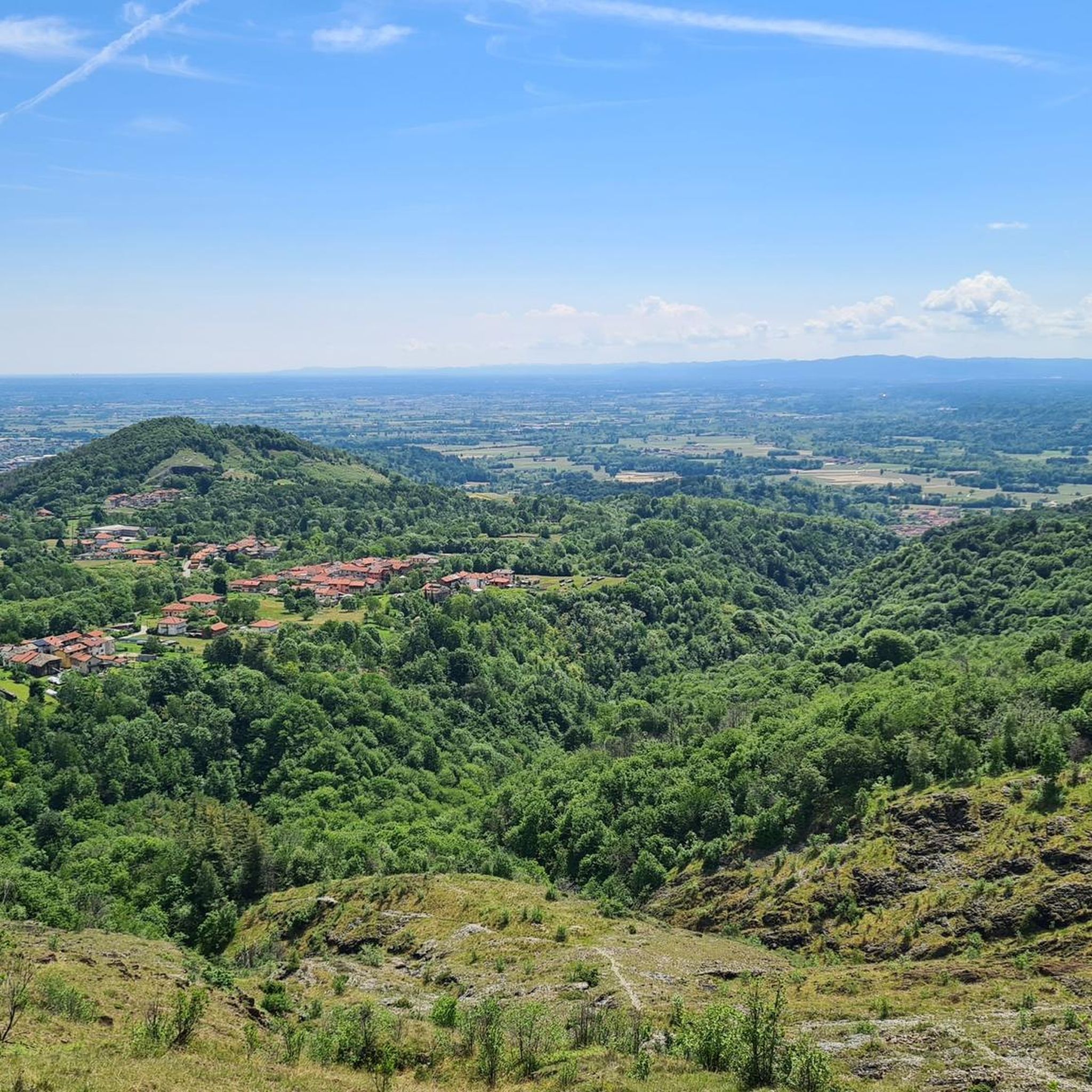
Beautiful old town with imposing buildings and views of the mountains.
0
0

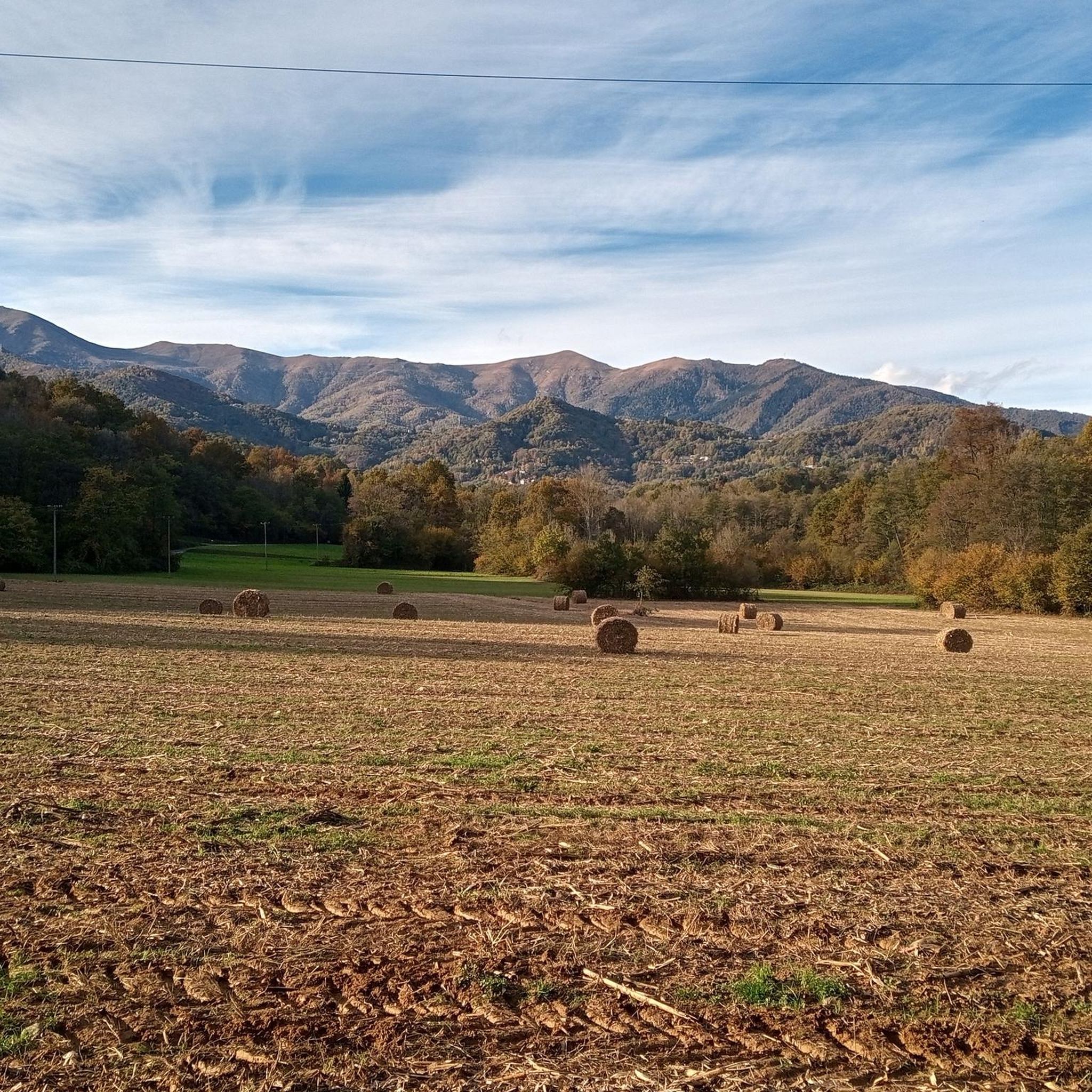
interesting example of a fortified house
0
0

Agliè, an enchanting village in the heart of Canavese, boasts a thousand-year history that has its roots in the Roman era. The original nucleus, probably located on the hills of the current hamlet of Santa Maria delle Grazie, was known as "Macunciacum" and depended on the Abbazia Fruttuaria di San Benigno. Agliè, as a fortified village, emerges in documents in 1141, when the feudal lords of Canavese divided the territory. The town became one of the lands of the San Martino di Rivarolo and Agliè, a family that would profoundly mark the history of the village. Despite the feudal struggles that raged in the region, Agliè maintained relative stability, even if it was not immune to looting and devastation. With the arrival of the Savoy, Agliè experienced a period of growth and development. In 1448, the village obtained municipal statutes, a sign of autonomy and recognition. The most emblematic figure of this period was Count Filippo San Martino di Agliè, a man of culture and prominent politician. Minister of Cristina of France, regent of the Duchy of Savoy, Filippo transformed the castle of Agliè into a sumptuous residence, enriching it with works of art and gardens. Today, Agliè is a village that preserves its historical and artistic charm intact. The Ducal Castle, with its gardens and richly decorated rooms, is an unmissable destination for visitors. The streets of the village, with their stone houses and noble palaces, tell the story of a place that has managed to preserve its identity over the centuries.
0
0

Ducal Castle of Aglié, residence of the House of Savoy, UNESCO site of interest
1
0

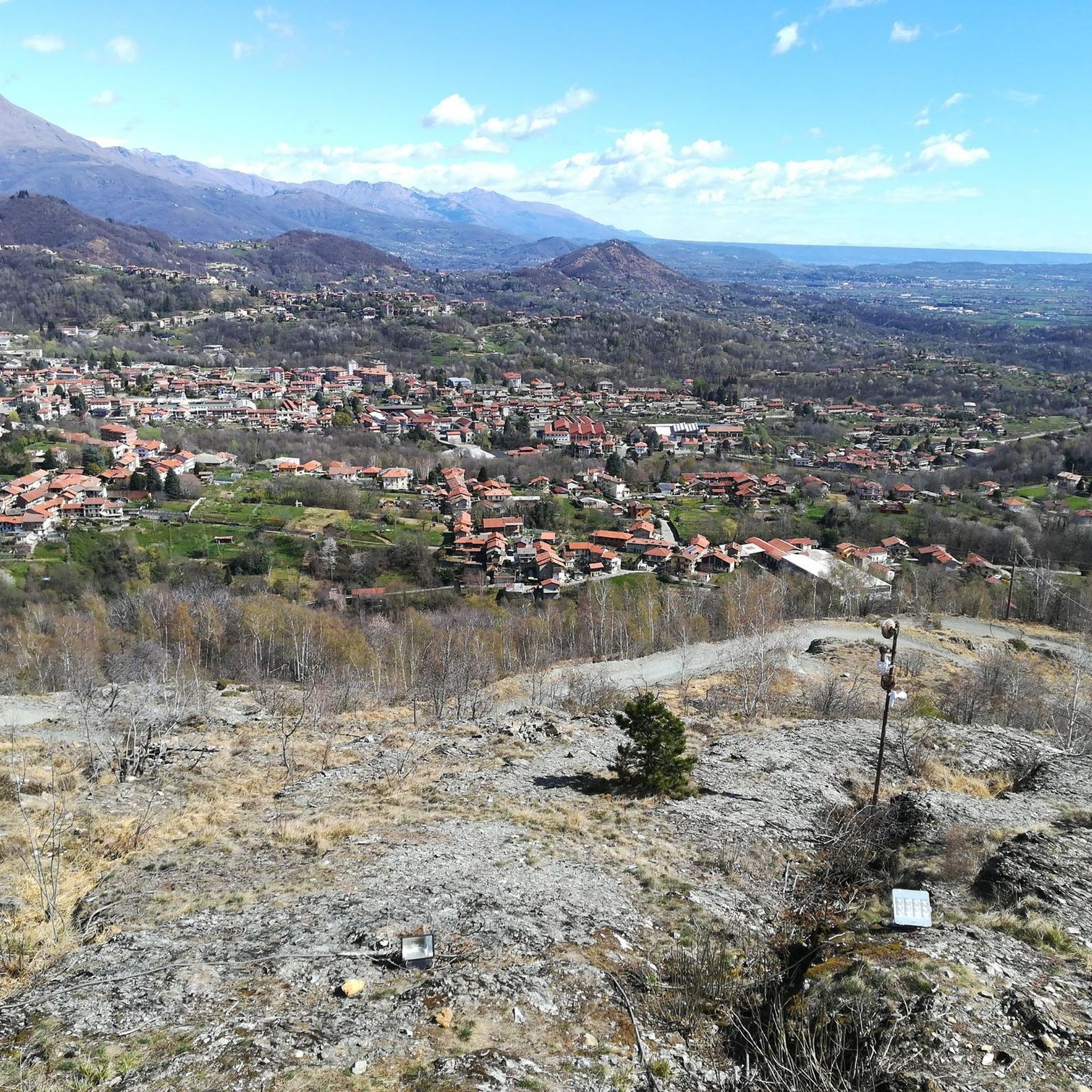
Pont Canavese is located like an enchanted village at the foot of the mountains, located between the Soana valley and the Orco valley. Its towers and stone houses clearly convey its medieval past. Right below this suggestive location stands the hermitage of Santa Maria in Doblazio, an ancient parish church that dates back to around the year one thousand, giving an aura of antiquity to the village.
1
0

The castle of Rivara, an important seat of the Cenacle of painters of the Rivara school, is located 30 kilometers from Turin in the Canavese valleys. It is made up of three distinct buildings: the medieval castle, the neo-baroque villa and the stables, surrounded by a park of over 45,000 square metres. Inside, numerous ateliers and rooms regularly host Italian and foreign artists. The multifunctional exhibition space is 2,530 square meters, and the artistic direction was entrusted to Franz Paludetto from 1985 to 2023, the year of his death.
2
0

Between the waters of Orco and Soana, at the point of their meeting at the mouth of the Franco-Provençal valleys of the same name, stands Pont Canavese.
14
0

Small fortified village belonging to the Municipality of San Carlo. Noteworthy is the church of Santa Maria Maddalena and the small castle, the latter built for defensive purposes. The first information about this small village dates back to the year 1000.
2
0
Frequently Asked Questions
What are the most historically significant castles around Rivara?
The most historically significant site is the Castello di Rivara itself, which uniquely blends medieval and neo-baroque architecture. It served as a seat for the Inquisition in the 15th century and later became a hub for the School of Rivara landscape painters. Another notable site is Agliè - the historic town center, which boasts a thousand-year history and includes the impressive Ducal Castle of Agliè, a former medieval fortress that became a royal residence and is now a UNESCO site.
Are there family-friendly castles to visit near Rivara?
Yes, the Ducal Castle of Agliè, located within Agliè - the historic town center, is categorized as family-friendly. Its rich history and grand architecture can be an engaging experience for all ages. The extensive park at Rivara Castle also offers space for families to explore.
What kind of art and culture can I experience at Rivara's castles?
The Castello di Rivara is a vibrant center for contemporary art. It features exhibition spaces and artist studios, hosting both Italian and international artists. This continues its legacy from the 19th century when it was a gathering place for the 'School of Rivara' landscape painters. You can explore a 4,000 square meter exhibition space dedicated to permanent and temporary shows.
Can I find hiking trails near the castles around Rivara?
Yes, there are several hiking opportunities in the area. You can find routes like the 'San Bernardo - Forno C.se Trail' or the 'Levone Spiritual Heritage Trail'. For more details and a variety of options, explore the Hiking around Rivara guide.
Are there cycling routes that pass by or near the castles?
Absolutely. The region offers various cycling routes, including those that pass by the main castle. Examples include the 'Rivara Castle – Winding Forest Path loop from Rivara' and the 'Madonna della Neve – Rivara Castle loop from Rivara'. You can discover more routes in the Cycling around Rivara guide.
What is unique about the architecture of Castello di Rivara?
The Castello di Rivara is unique for its dual architectural styles. It comprises a medieval manor, known as the Upper Castle, built in the 12th century with Gothic terracotta windows, and a neo-baroque palace, the Lower Castle, transformed in the 19th century. This blend offers a fascinating contrast between ancient fortifications and elegant baroque design.
What can I expect to see at <a href="https://www.komoot.com/highlight/6397367" target="_blank" rel="noopener">View of Pont Canavese from above</a>?
This viewpoint offers a stunning perspective of Pont Canavese, a village nestled at the foot of the mountains where the Soana and Orco valleys meet. You'll see a village with a distinct medieval character, featuring towers and stone houses, and can also spot the ancient parish church of Santa Maria in Doblazio.
What is the best time of year to visit the castles in Rivara?
While specific opening hours vary, the region's castles, with their extensive parks and outdoor elements, are generally best enjoyed during spring, summer, and early autumn when the weather is mild and the natural surroundings are vibrant. This allows for comfortable exploration of both indoor and outdoor areas.
Are there any fortified hamlets or smaller castles to explore?
Yes, you can visit La Piè di Liramo Fortified Hamlet and Church of Santa Maria Maddalena. This small fortified village, dating back to around the year 1000, features an interesting small castle built for defensive purposes and the historic Church of Santa Maria Maddalena.
What do visitors particularly enjoy about the castles around Rivara?
Visitors appreciate the rich blend of history, art, and architecture. The contrast between medieval and neo-baroque styles, the artistic legacy of the School of Rivara, and the current contemporary art exhibitions at Rivara Castle are highly valued. The scenic environment and the opportunity to explore centuries of design also draw many visitors.
Can I find mountain biking trails near the castles?
Yes, the area around Rivara offers several mountain biking trails. You can find routes like the 'Madonna della Neve Scenic Road loop from Rivara' or the 'Val Mill (Dutch Mill) – Bandit's Chapel and Fountain loop from Busano'. For a comprehensive list of options, check out the MTB Trails around Rivara guide.
Most popular attractions around Rivara

Get inspired with the komoot mobile app


Explore more
Looking for the best castles somewhere else? Discover other guides around Rivara:
