Top 9 Castles around Settimo Vittone
Best castles around Settimo Vittone are found in a charming comune within the Metropolitan City of Turin, Italy, situated at the foothills of the Alps. This region offers a blend of historical sites, ancient ruins, and preserved structures, providing a glimpse into its rich past. The area is characterized by its position near the Dora Baltea river and the entrance to the Aosta Valley, offering varied landscapes. Visitors can explore significant historical complexes and structures that highlight the region's cultural heritage.
Best castles around Settimo Vittone
- The most popular castles is Ivrea Historic Centre and the Dora Baltea Riverside, a historical site that features the silhouette of a 14th-century castle and the Romanesque Duomo. The "Industrial City of the 20th Century" has been included in the UNESCO World Heritage List.
- Another must-see spot is Fort Bard, a castle located at the entrance to the Aosta Valley. This fort dominates the valley floor and includes three permanent museums, such as the Museum of the Alps and the prisons of the fort.
- Visitors also love Ivrea Castle, an imposing castle located in the upper part of the city. It was once the residence of the Savoys, before becoming a military garrison and later a prison.
- Settimo Vittone is known for ancient ruins, historically significant religious structures, and renovated properties. The area offers a variety of castles to see and explore, from medieval remnants to well-preserved fortresses.
- The castles around Settimo Vittone are appreciated by the komoot community, with more than 140 upvotes and 33 photos shared by visitors.
Last updated: May 18, 2026
Ivrea Historic Centre and the Dora Baltea Riverside
Highlight • Historical Site
On the other bank of the Dora, near Via Jervis, the old Olivetti factories have been converted into Musea dell'Architecture Moderna.
Translated by Google •
Tip by

Fort Bard
Highlight • Castle
Translated by Google •
Tip by

Sign up now to discover places like this
Get recommendations on the best single tracks, peaks, & plenty of other exciting outdoor places.
Sign up for free
Ivrea Castle
Highlight • Castle
Translated by Google •
Tip by

Fort of Bard
Highlight • Castle
Translated by Google •
Tip by
Croce Serra Castle
Highlight • Castle
Translated by Google •
Tip by
Sign up for free to discover even more castles around Settimo Vittone.
Sign up for free
Already have an account?
Start today with a free account
Your next adventure awaits.
Login or Signup


Tips from the Community

this is Villa Rubino
0
2
the real name is Villa Rubino
1
2

Passage made during Erratico Gravel
0
0

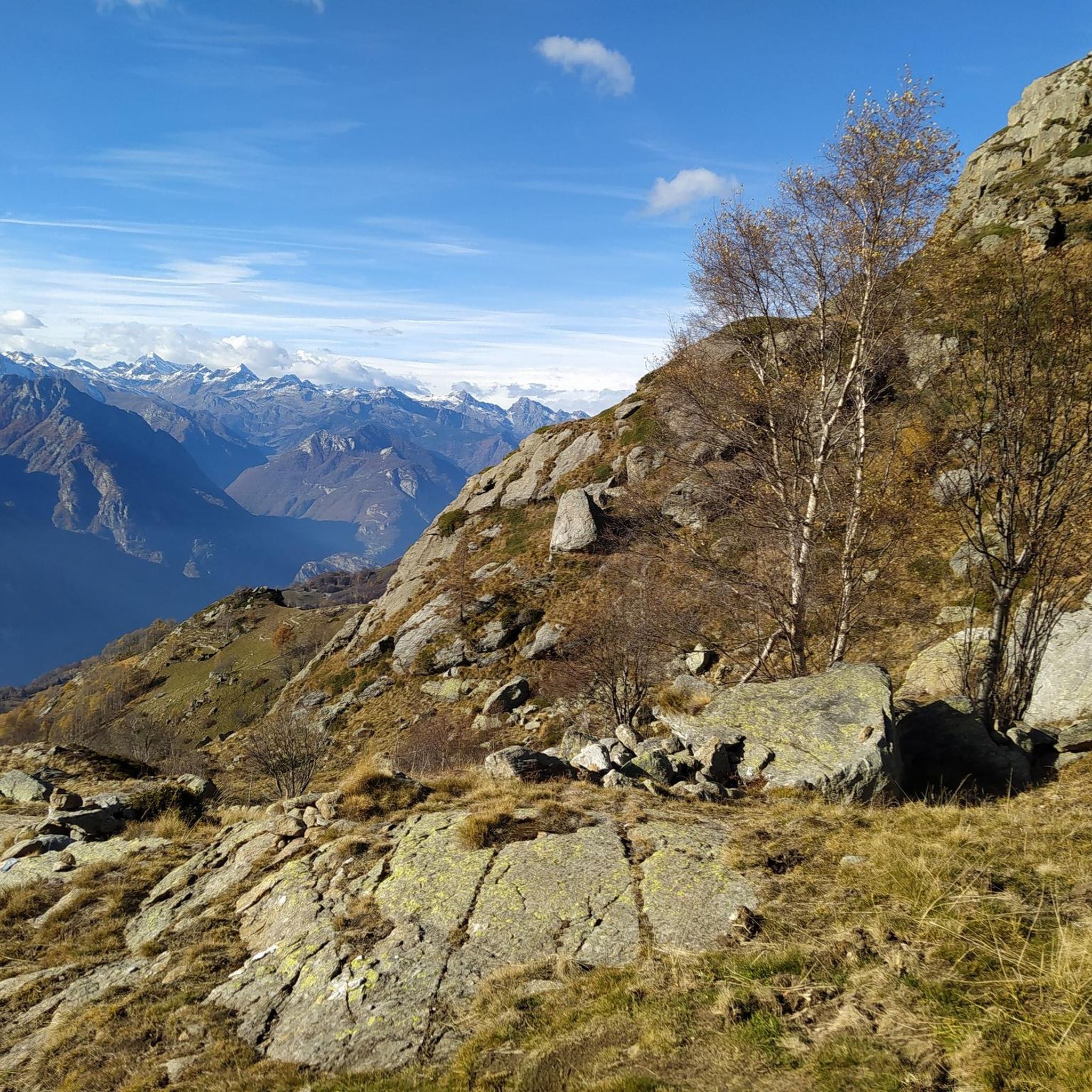
Fun technical trails and stunning views!
1
0

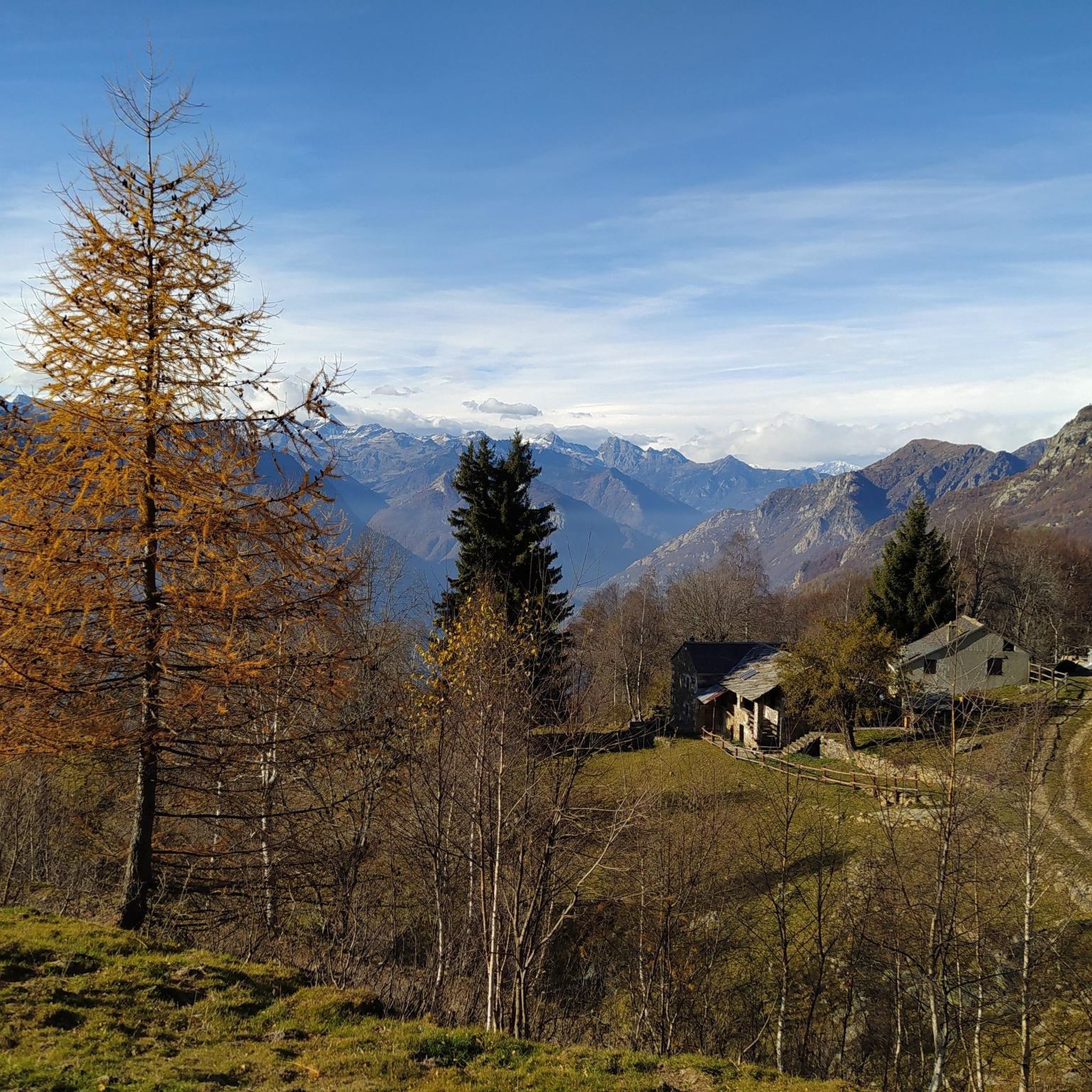
Private castle, not open to visitors. Point from which you can still go up, direction San Giacomo to continue towards Alpe Pinalba (big bench), or go down towards Settimo Vittone. Or take the little track towards Oropa. Without forgetting the descent more or less along the crest on the blueberry paths. A small GRA 😁
1
0

The Castello di Ivrea, also known as the “Castello dalle rosse torri” (Castle of the Red Towers), is an impressive medieval castle that towers over the town of Ivrea in the Piedmont region. The castle was built in 1358 by order of Amedeo VI of Savoy, also known as the Conte Verde. It served as a symbol of Savoyard rule over Ivrea and Canavese, mainly for defensive purposes. It stands on a hill overlooking the town and the road to the Valle d’Aosta. The castle has four imposing round towers that characterize its structure. These towers, each 34 meters high, are located next to the cathedral and the bishop’s palace. The castle walls were once surrounded by a wide moat, and the only access was via a drawbridge. From the battlements, defenders could throw stones and boiling water at attackers. Unfortunately, the interior of the castle was completely dismantled and altered when it served as a political and criminal prison from 1700 to 1970. Once a stronghold of power and defense, the castle was transformed by time and the changing needs of society.
1
0
Bard Fort, which has remained virtually unchanged since its reconstruction, is one of the best examples of a dam fort from the early 19th century. The stronghold has three main buildings, on different levels, between 400 and 467 metres high: from the lowest, the Ouvrage Ferdinand, to the middle, the Ouvrage Victor and at the top, the Ouvrage Charles-Albert, a set of 283 buildings. pieces. The Ouvrage Ferdinand is shaped like a pair of pincers and has two buildings, the Ouvrage Ferdinand Inférieur and the Ouvrage Ferdinand Supérieur. The Mortai Works, located behind the latter, and the adjacent Powder Magazine house the rooms intended for educational laboratories. About halfway up the rock, the Ouvrage Victor with “Les Alpes des Enfants”, an interactive trail. At the top, the most imposing of the three works comprises an enclosure on which all the buildings rest and which encloses the Gola works, the courtyard, which can defend the south side, and the Charles-Albert works and the large quadrangular courtyard of Place d'Armes, surrounded by large arcades. The first floor of the Ouvrage Charles-Albert is dedicated to the “Musée des Alpes”. In the book, you will also find a guided tour of the history of the Fort, in the prison rooms. The fort is accessible by an external road, on the south side, which leads to the courtyard of the Gola factory, and by an internal road that winds in narrow, steep bends, protected by large stone walls, and which climbs the slope opposite the entrance to the fort. North, through which you can reach the Ouvrage Charles-Albert. These two roads are only accessible on foot. The top of the rock and the fort are easily accessible thanks to the panoramic lifts which, from the village of Bard to the foot of the fort, provide access to the Ouvrage Charles-Albert and therefore to the Musée des Alpes. viefrancigene.org/fr/resource/poi/forte-di-bard
6
0
The impressive fortress of Bard dominates the upper valley of the Dora Baltea. After being dismantled in 1800 by order of Napoleon, it was rebuilt in the 19th century by the House of Savoy.
6
0
Frequently Asked Questions
What historical sites can I explore around Settimo Vittone?
Beyond the castles, Settimo Vittone is rich in history. You can visit the ancient complex of the Pieve di San Lorenzo and the octagonal Baptistery of San Giovanni, both national monuments with pre-Romanesque architecture and medieval frescoes. The area also features the ruins of the 11th-century Castello di Cesnola, accessible via a medieval mule track through vineyards. Don't miss the Ivrea Historic Centre, a UNESCO World Heritage site, with its Romanesque Duomo and the silhouette of a 14th-century castle.
Are there family-friendly castles or activities in the area?
Yes, several options cater to families. Fort Bard is particularly family-friendly, offering three permanent museums, including the interactive Museum of the Alps. It also hosted scenes from 'Avengers: Age of Ultron,' and you can find statues and totems marking filming locations. The 'Romantic Italian Castle at the Foot of the Alps' in Settimo Vittone is also available as a family-friendly vacation rental, offering a unique castle stay experience.
What outdoor activities can I do near the castles?
The region around Settimo Vittone offers diverse outdoor activities. You can explore numerous hiking trails, such as the 'Via Francigena Trail: Settimo Vittone to Cesnola Castle' which is an easy route. For more challenging hikes, consider the 'Monte Mombarone Christ Statue Trail'. Mountain biking is also popular, with routes like the 'Chapel of Saint Peter Martyr – The Chapel of Santa Croce loop'. For detailed routes and difficulties, check out the Hiking around Settimo Vittone and MTB Trails around Settimo Vittone guides.
What is the best time of year to visit the castles around Settimo Vittone?
The best time to visit is generally during spring (April-June) and autumn (September-October) when the weather is pleasant for exploring and hiking. Summer can be warm, but still enjoyable, especially in the mornings or late afternoons. Winter visits are possible, but some sites might have reduced hours, and hiking trails could be affected by snow or ice, particularly at higher elevations.
Are there any castles that offer accommodation?
Yes, the Castello di Montestrutto has been repurposed into tourist accommodation, offering a unique 'château life' experience with modern amenities in a neo-Gothic setting. Additionally, a 'Romantic Italian Castle at the Foot of the Alps' in Settimo Vittone functions as a private vacation rental, providing a luxurious stay in a renovated castle.
What natural features or viewpoints can I find near the castles?
The castles are often situated in scenic locations. The Castello di Settimo Vittone, perched on a rocky spur, offers commanding views of the town and the Dora Baltea river. The Fort Bard dominates the valley floor at the entrance to the Aosta Valley, providing panoramic vistas. The Castello di Montestrutto also boasts panoramic views of the Piedmont and Aosta Valley mountains. The region itself is characterized by its position near the Dora Baltea river and the foothills of the Alps.
Are there any less crowded or 'hidden gem' castles to visit?
For a more adventurous and less crowded experience, consider exploring the ruins of the 11th-century Castello di Cesnola. It's reached by a medieval mule track winding through vineyards, offering a glimpse into the region's ancient past and a scenic hike away from the main tourist paths. While not a 'hidden gem' in terms of obscurity, the Pieve di San Lorenzo and Baptistery of San Giovanni within the Castello di Settimo Vittone complex offer profound historical significance often overshadowed by larger fortresses.
What do visitors enjoy most about the castles around Settimo Vittone?
Visitors frequently appreciate the rich history and cultural significance of the sites, from ancient ruins to well-preserved fortresses. The scenic locations, often offering commanding views of the surrounding valleys and mountains, are also a major draw. The unique blend of historical exploration and opportunities for outdoor activities like hiking and mountain biking is highly valued by the komoot community, as evidenced by over 140 upvotes and 33 photos shared.
How long does it typically take to visit the main castle sites?
Visiting the main sites can vary. For example, exploring the complex of Castello di Settimo Vittone, including the Pieve di San Lorenzo and Baptistery, might take 2-3 hours. Fort Bard, with its multiple museums, could easily fill half a day or more. Shorter visits to ruins like Castello di Cesnola might be 1-2 hours, often combined with the scenic walk to reach them. Planning for a full day allows for a more relaxed exploration of one or two major sites, possibly combined with a nearby hike.
Is public transport available to reach the castles?
While Settimo Vittone is accessible by public transport, reaching individual castles, especially those in more rural or elevated locations like Castello di Cesnola, might require a combination of bus services and walking. For sites like Fort Bard or the Ivrea Historic Centre, public transport options are generally more direct. It's advisable to check local bus schedules and routes in advance for specific castle destinations.
Are there cafes or dining options near the castles?
Yes, you'll find cafes and dining options in the main villages and towns near the castles. Settimo Vittone itself has local establishments. The village of Bard, at the foot of Fort Bard, offers several charming eateries. Similarly, the city of Ivrea, home to Ivrea Castle and its historic center, has a wide range of cafes, restaurants, and pubs to choose from.
Most popular routes around Settimo Vittone
Most popular attractions around Settimo Vittone

Get inspired with the komoot mobile app


Explore more
Looking for the best castles somewhere else? Discover other guides around Settimo Vittone:
