Top 5 Caves around Chianocco
Best caves around Chianocco are situated in the Metropolitan City of Turin, Italy, offering a blend of natural formations and historical sites. The region features unique geological characteristics, including caves formed by erosion and ancient quarries. These sites provide insights into past human activities, from Neolithic settlements to millstone extraction. Chianocco's landscape combines natural beauty with historical intrigue, making it a notable area for exploration.
Best caves around Chianocco
- The most popular caves is Decauville Tunnel, an other man-made…
Last updated: November 27, 2026
Pera Furà Millstone Cave
Highlight • Cave
Translated by Google •
Tip by

Decauville Tunnel
Highlight (Segment) • Structure
Translated by Google •
Tip by

Sign up now to discover places like this
Get recommendations on the best single tracks, peaks, & plenty of other exciting outdoor places.
Antica Cava di Rocaforte
Highlight • Cave
Translated by Google •
Tip by

Le Voute Caves
Highlight • Cave
Source: parchialpicozie.it/page/view/sentiero-delle-voute
Translated by Google •
Tip by

Tunnel Towards the Lake
Highlight • Cave
Translated by Google •
Tip by

Sign up for free to discover even more caves around Chianocco.
Already have an account?



Tips from the Community

A tunnel about a hundred meters long that crosses a mountainous stretch. All you need is your phone's light to pass through it safely.
0
0


Gallery full of stalactites in winter!
0
0

A few minutes' detour from the main path leads to an ancient millstone quarry. There are some iron steps planted in the rock to overcome and after a short climb over rubble you enter the quarry where you can see some millstones carved into the rock, but no longer finished.
0
0

Ancient stone quarry, cliff with some climbing routes
0
0

The path runs along the Decauville, which is the stretch where the gauge railway ran in the early twentieth century. The mountain railway line connected Lake Dietro la Torre and Lake Malciaussia. There are fixed ropes to facilitate progression. Obviously it is essential to have a flashlight with you.
3
0

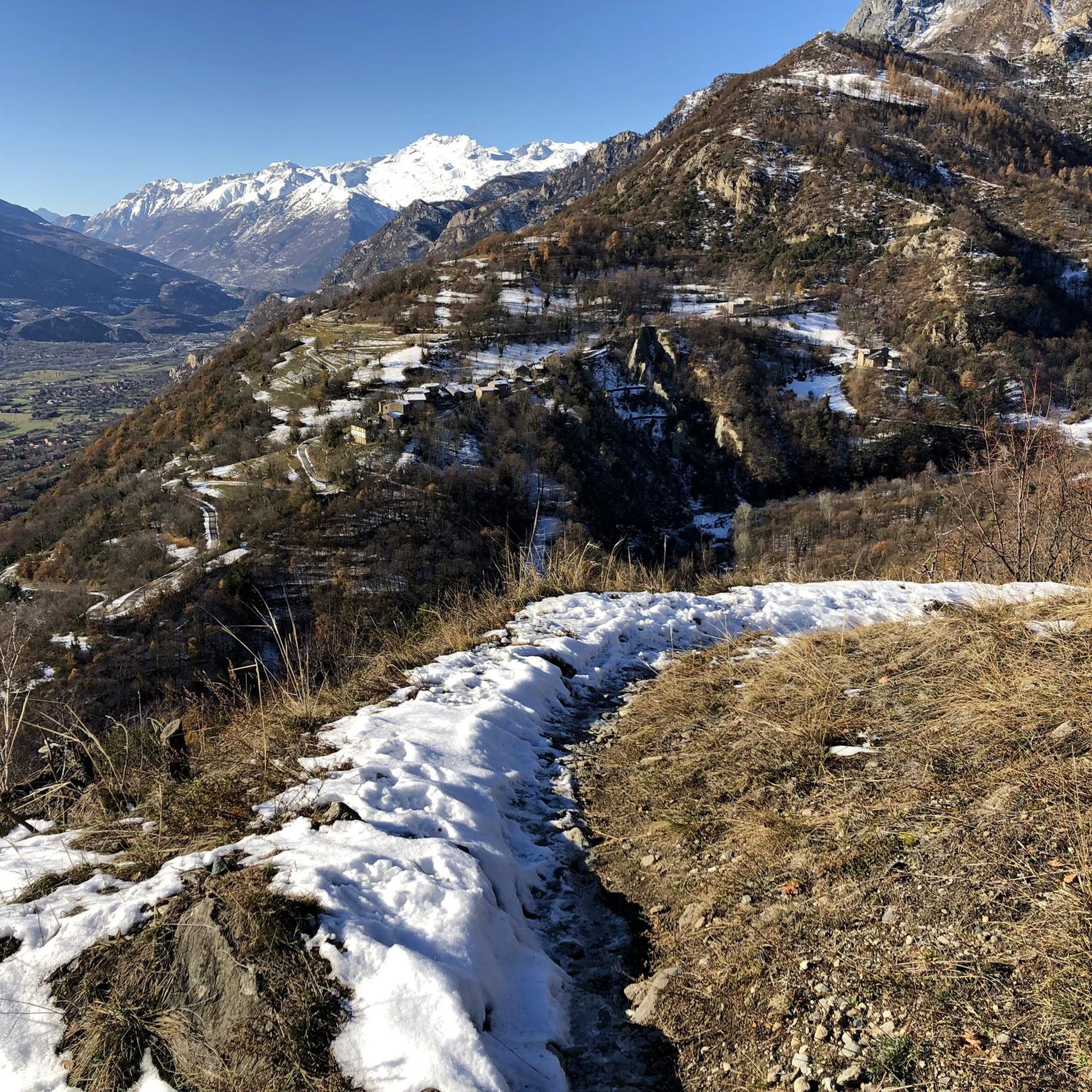
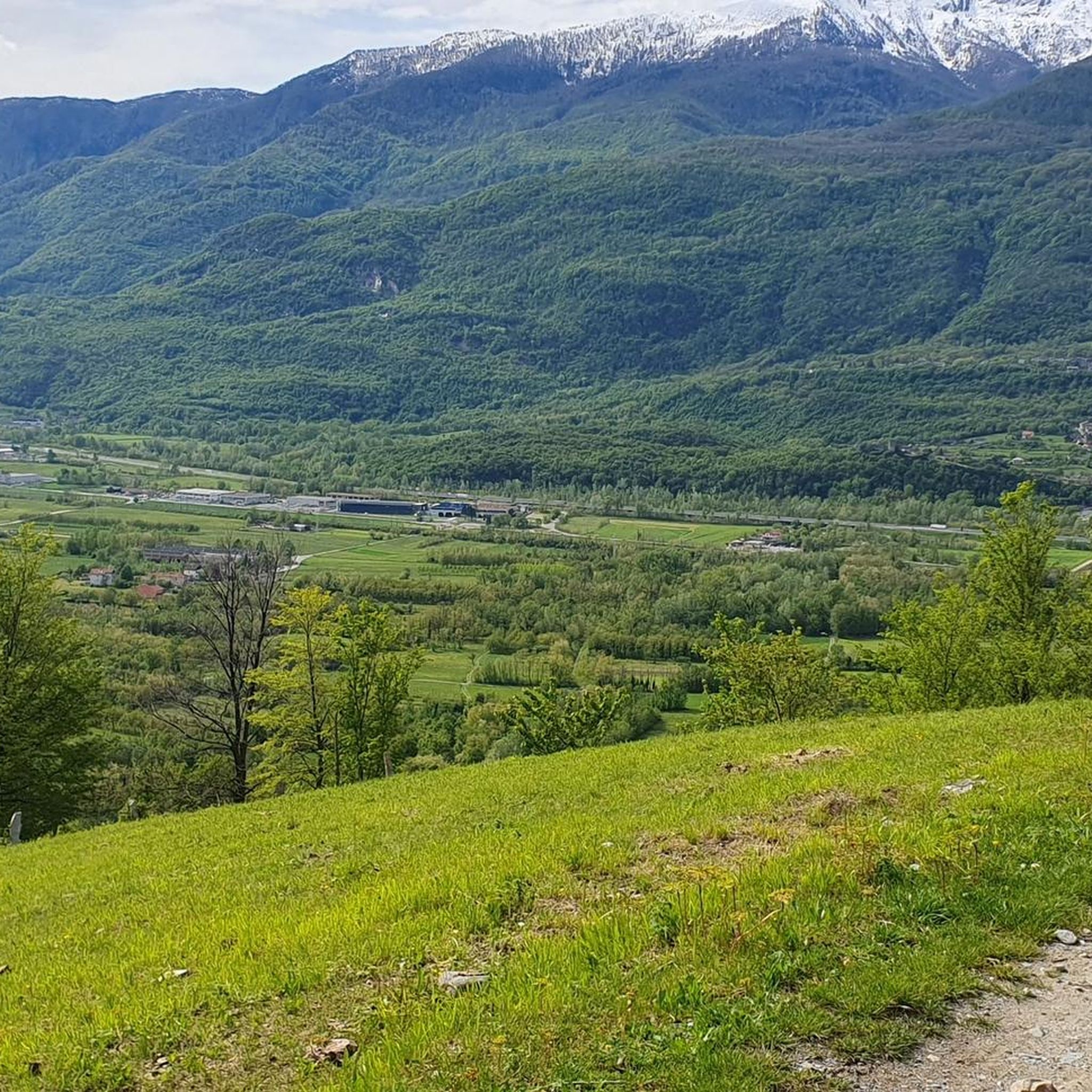
It is certainly an interesting and varied tour with a wide view over the valley and upstream
0
0

characteristic and "adventurous", at least for the little ones. Remember to take a flashlight with you.
0
0
Frequently Asked Questions
What historical insights do the caves around Chianocco offer?
The caves in Chianocco provide a rich glimpse into the past. The Pera Furà Millstone Cave is an ancient quarry where millstones were extracted, with visible marks and unfinished millstones still embedded in the rock. Le Voute Caves are known to have hosted seasonal settlements of Neolithic shepherds, adding archaeological significance. Additionally, the Grotta dell'Orrido has yielded prehistoric findings, indicating human use approximately 5000 years ago.
Are there any man-made structures or tunnels to explore near Chianocco?
Yes, the Decauville Tunnel is a notable man-made structure. It's a stretch where a gauge railway ran in the early twentieth century, connecting Lake Dietro la Torre and Lake Malciaussia. The path through it includes fixed ropes to aid progression, and a flashlight is essential for exploration.
What are the geological highlights of the caves in the Chianocco area?
Chianocco's caves showcase diverse geological features. Le Voute Caves are a result of significant erosive phenomena, recognized as an area of geological interest. The Pera Furà Millstone Cave and Antica Cava di Rocaforte are ancient stone quarries, demonstrating how humans interacted with the natural rock formations. The Grotta dell'Orrido is part of a deeper incision carved by the Prebec stream, and the surrounding reserve protects rare Mediterranean holm oaks.
Are there family-friendly options for exploring caves in Chianocco?
While specific caves may require careful footing or aided paths, the Decauville Tunnel is described as characteristic and 'adventurous' for children, especially with a flashlight. For general exploration, the natural reserve around Grotta dell'Orrido offers a pleasant natural oasis, though access to the grotto itself is via a short via ferrata.
What outdoor activities can I do near the caves in Chianocco?
The region around Chianocco offers various outdoor activities. You can find numerous mountain hikes, including challenging routes like those around Rocciamelone. For cyclists, there are MTB trails and cycling routes that explore the Susa Valley and surrounding areas.
What should I know about accessibility and difficulty when visiting the caves?
Access to the Pera Furà Millstone Cave involves a short aided path with metal pegs and requires careful footing. The Decauville Tunnel has fixed ropes to facilitate progression. The Antica Cava di Rocaforte involves iron steps and a short climb over rubble. The Grotta dell'Orrido is accessed via a brief but intense via ferrata. Many of these sites are rated as intermediate or challenging, suggesting a reasonable level of fitness and appropriate gear.
Are there any viewpoints or scenic spots near the caves?
Yes, after climbing towards Roccabruna (or Pietrabruna) from the Pera Furà Millstone Cave, you can reach the top of the 'pear' for exceptional views over the Susa Valley. Additionally, Pian del Gioco is a flat area after a steep climb that offers a large cave and is also a viewpoint.
What are some unique natural features to observe in the Chianocco area?
Beyond the caves themselves, the Special Natural Reserve of Orrido and Stazione di Leccio di Chianocco, which houses the Grotta dell'Orrido, is notable for protecting the only spontaneous station of Mediterranean holm oaks in Piedmont, a rare sight in this alpine region. The erosive phenomena forming Le Voute Caves also represent significant natural processes.
What should I bring when exploring the caves in Chianocco?
For exploring the Decauville Tunnel, a flashlight is essential. Given the aided paths, fixed ropes, and potential for slippery surfaces at various sites like Pera Furà Millstone Cave and Antica Cava di Rocaforte, appropriate footwear with good grip is highly recommended. If attempting the via ferrata at Grotta dell'Orrido, proper via ferrata gear is necessary.
Are there any abandoned historical sites near the caves?
Yes, near the Pera Furà Millstone Cave, there is an abandoned hamlet. In its basements, you can find old vats, remains of barrels, and presses, which are testaments to an ancient history of viticulture in the surrounding land.
What is the best time to visit the caves around Chianocco?
While specific seasonal considerations are not detailed for all caves, the region's alpine nature suggests that spring, summer, and early autumn would offer the most favorable weather conditions for outdoor exploration and accessing the cave sites. Always check local weather forecasts before your visit.
Can I find climbing opportunities near the caves?
Yes, the Antica Cava di Rocaforte is not only an ancient stone quarry but also features a cliff with established climbing routes. This offers an additional activity for those interested in rock climbing.
Most popular routes around Chianocco
Most popular attractions around Chianocco

Get inspired with the komoot mobile app


Explore more
Extend your search for the best caves by checking out these guides of the top ones around Chianocco:
