Top 15 Castles around San Giusto Canavese
Best castles around San Giusto Canavese are found within the surrounding Canavese region, an area known for its historical structures and varied terrain. This landscape features elevated positions overlooking the Dora Baltea river valley, which historically provided strategic locations for fortifications. The castles here showcase diverse architectural styles, reflecting centuries of modifications and different historical periods. Visitors can explore structures ranging from medieval fortresses to grand ducal residences.
Best castles around San Giusto Canavese
- The most popular castles is Mazzè…
Last updated: June 30, 2026
Mazzè Castle
Highlight • Castle
It has been private since the late 1970s. It enjoys a splendid view of the Dora Baltea.
Translated by Google •
Tip by

Agliè - the historic town center
Highlight • Historical Site
Translated by Google •
Tip by

Sign up now to discover places like this
Get recommendations on the best single tracks, peaks, & plenty of other exciting outdoor places.
Sign up for free
San Martino
Highlight • Settlement
Translated by Google •
Tip by
Panoramic view of the Dora Baltea
Highlight • Viewpoint
Translated by Google •
Tip by

Castellazzo of Caluso
Highlight • Castle
Translated by Google •
Tip by

Sign up for free to discover even more castles around San Giusto Canavese.
Sign up for free
Already have an account?
Start today with a free account
Your next adventure awaits.
Login or Signup

Tips from the Community

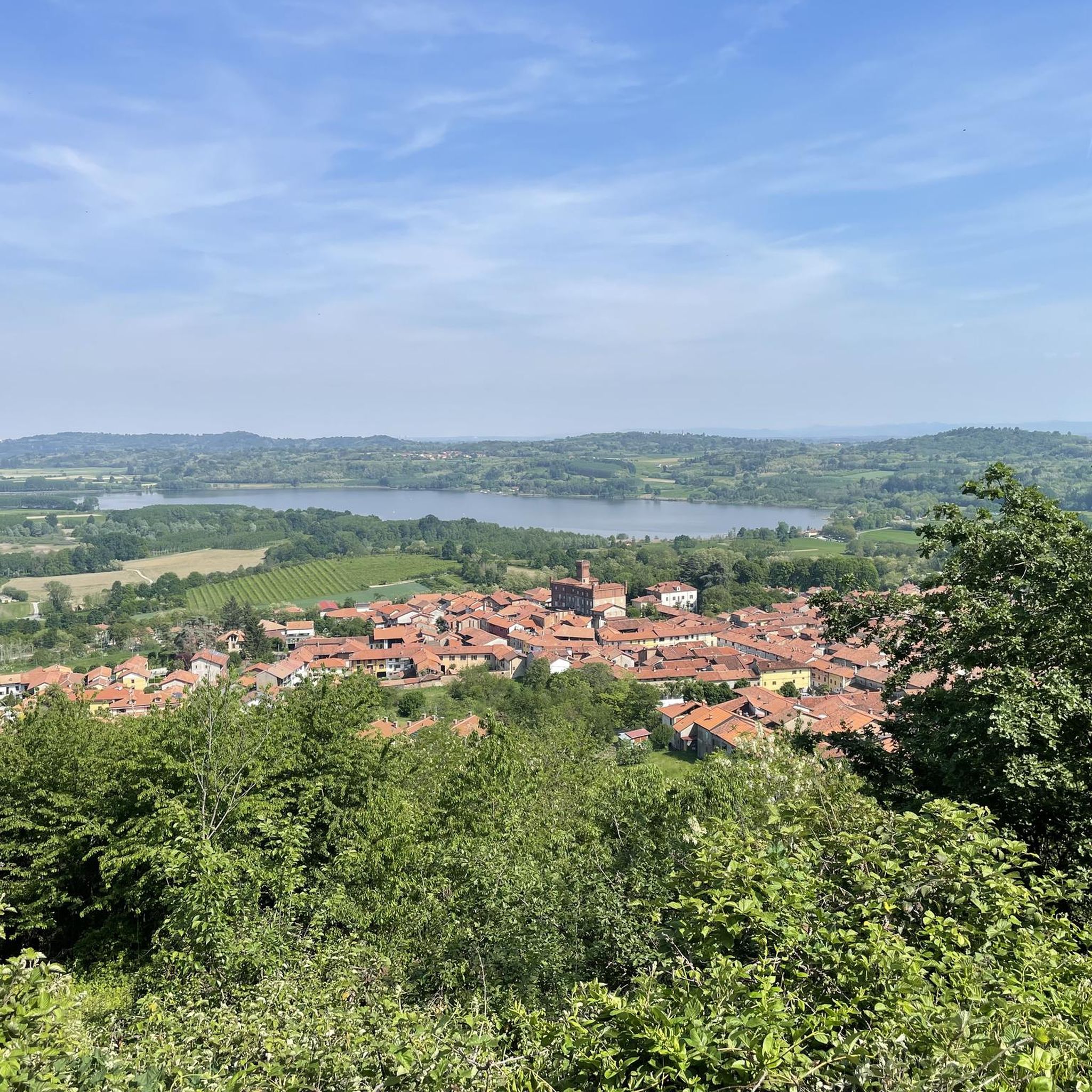
Beautiful old town with imposing buildings and views of the mountains.
0
0

The castle is beautiful but not open to visitors. The view from the park in the square in front of the nearby church is beautiful...
0
0
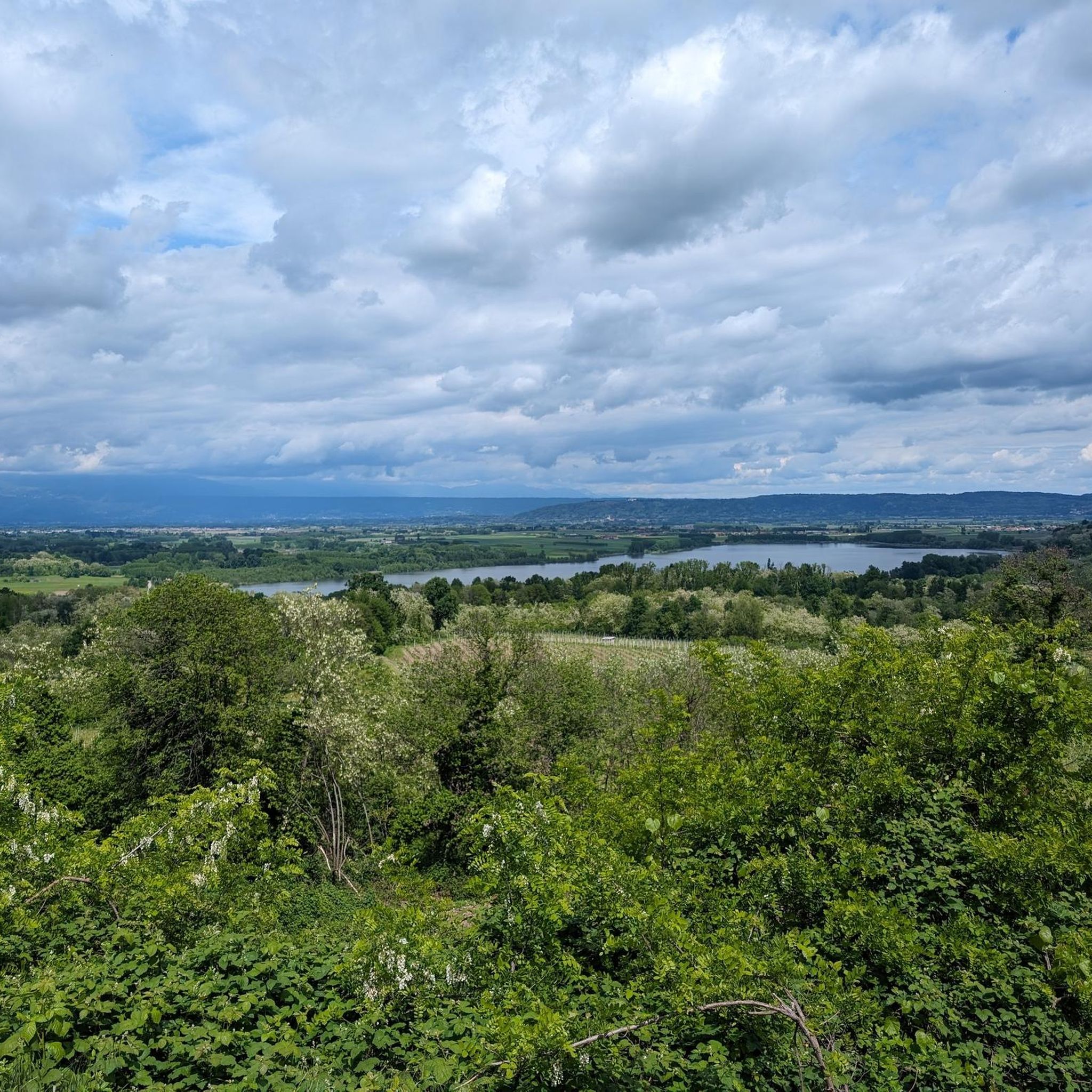
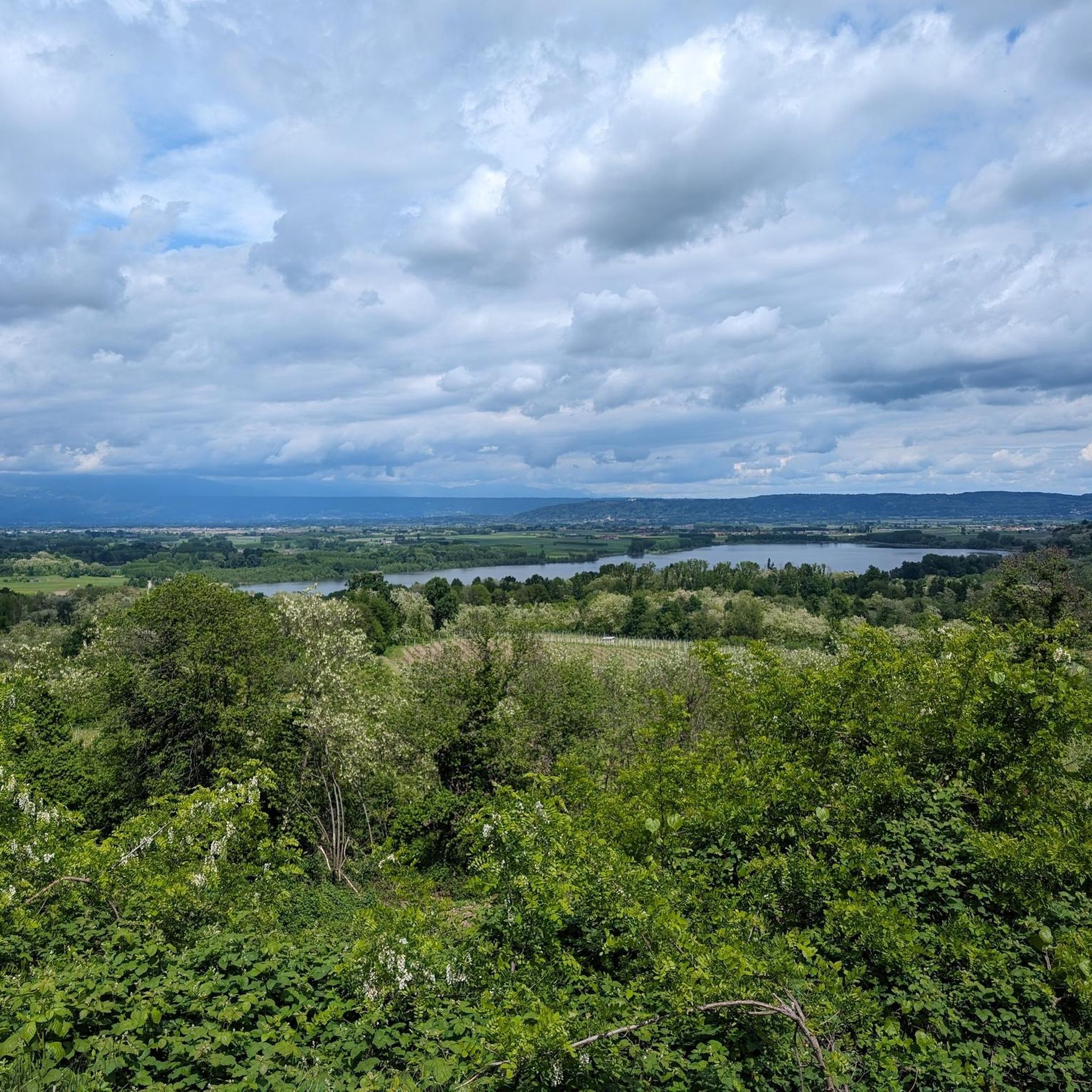
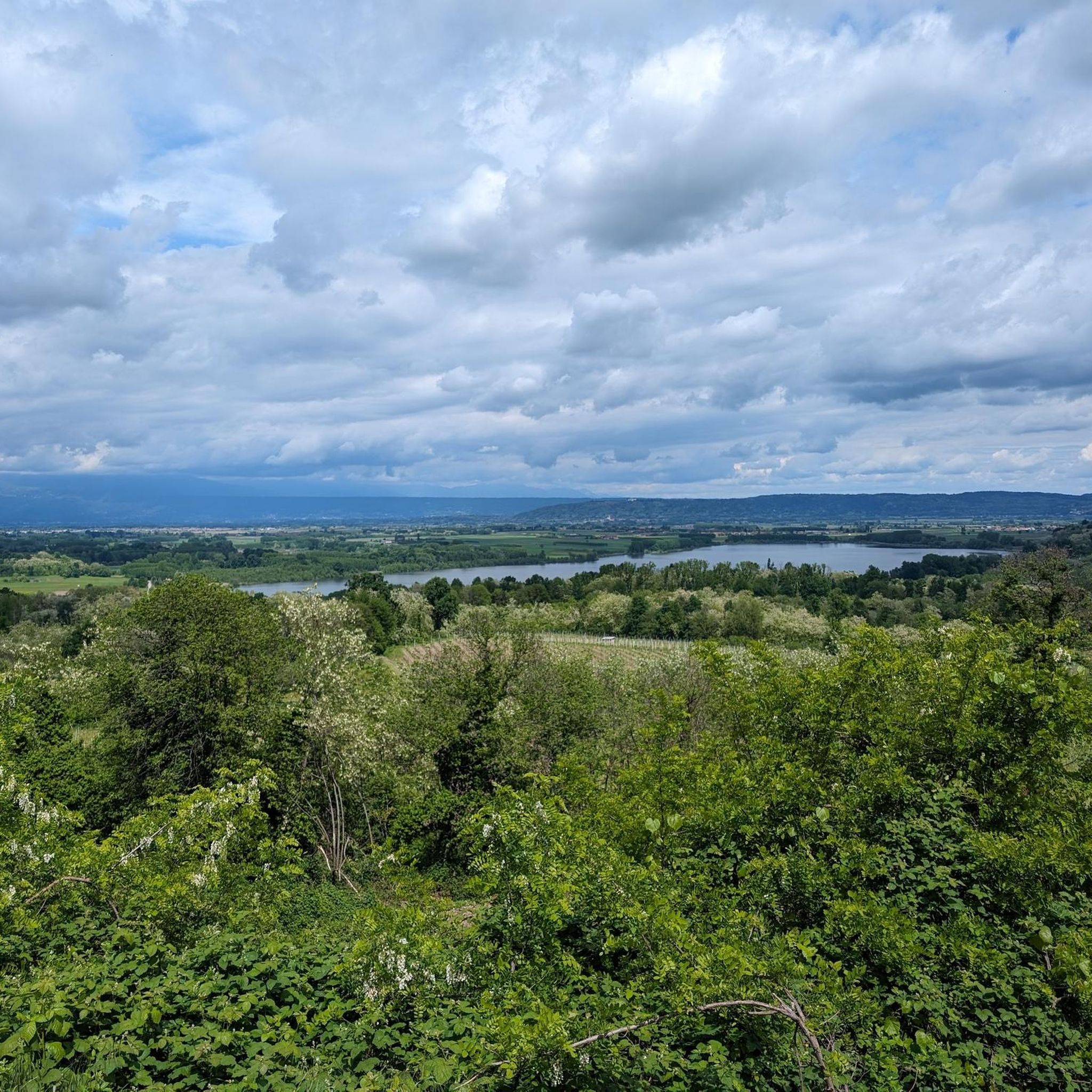
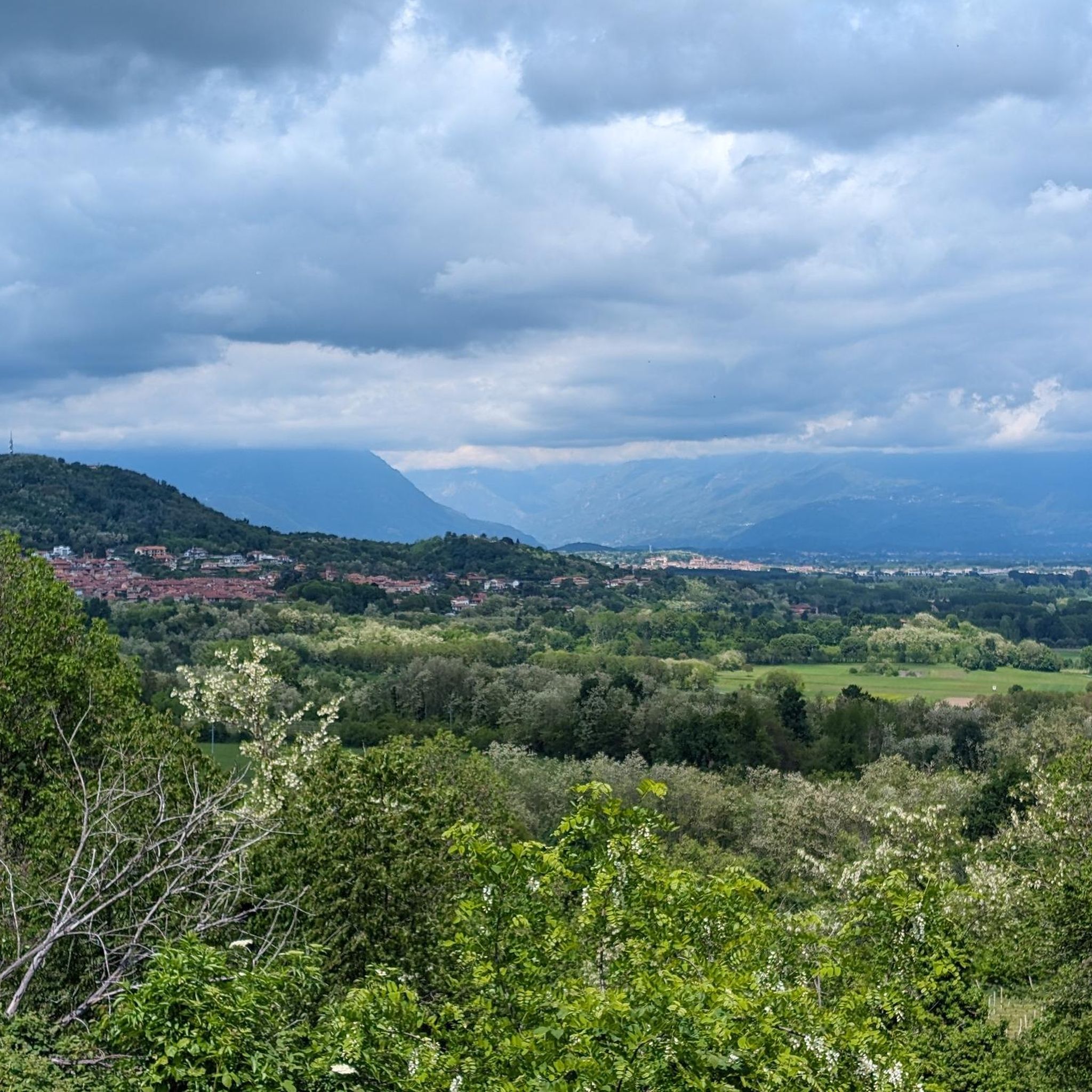
View from the park on the Dora river, on the dam and on the surrounding villages: Villareggia - Cigliano - Saluggia and on clear days up to the Monferrato hills
0
0

Agliè, an enchanting village in the heart of Canavese, boasts a thousand-year history that has its roots in the Roman era. The original nucleus, probably located on the hills of the current hamlet of Santa Maria delle Grazie, was known as "Macunciacum" and depended on the Abbazia Fruttuaria di San Benigno. Agliè, as a fortified village, emerges in documents in 1141, when the feudal lords of Canavese divided the territory. The town became one of the lands of the San Martino di Rivarolo and Agliè, a family that would profoundly mark the history of the village. Despite the feudal struggles that raged in the region, Agliè maintained relative stability, even if it was not immune to looting and devastation. With the arrival of the Savoy, Agliè experienced a period of growth and development. In 1448, the village obtained municipal statutes, a sign of autonomy and recognition. The most emblematic figure of this period was Count Filippo San Martino di Agliè, a man of culture and prominent politician. Minister of Cristina of France, regent of the Duchy of Savoy, Filippo transformed the castle of Agliè into a sumptuous residence, enriching it with works of art and gardens. Today, Agliè is a village that preserves its historical and artistic charm intact. The Ducal Castle, with its gardens and richly decorated rooms, is an unmissable destination for visitors. The streets of the village, with their stone houses and noble palaces, tell the story of a place that has managed to preserve its identity over the centuries.
0
0
Nestled in the rolling hills of Morena Ovest, the village of San Martino enchants visitors with its ancient charm and evocative atmosphere. Its history has its roots in the distant 11th century, when the construction of the majestic Torre-porta maggiore marked the beginning of the settlement. It was a fortified village, surrounded by mighty walls and moats that guaranteed its defense. The walls, made with pebbles arranged in a herringbone pattern and reinforced by megaliths still visible on the north side, testify to the construction skill of the time. Along the perimeter of the walls, there were at least six tower-gates, smaller in size than the main tower, which allowed access to the village. The village of San Martino was long linked to the powerful family of the Counts of San Martino, who exercised control over it for centuries. Their presence is evidenced by numerous historic buildings, including the castle, now in ruins, which dominated the village from above.
0
0


It's worth the trip just to see the stunning castle.
0
0

From the hill on which the Mazzè castle stands, there is a wide view of the Dora Baltea which flows placidly along the valley.
0
1
Frequently Asked Questions
Which are the most popular castles to visit around San Giusto Canavese?
The most popular castles in the surrounding Canavese region include Mazzè Castle, known for its medieval architecture and strategic location, and the Ducal Castle of Agliè, a UNESCO World Heritage Site. Visitors also appreciate Castellazzo of Caluso, a feudal fortress with historical significance.
What makes Mazzè Castle a unique destination?
Mazzè Castle is unique for its blend of architectural styles, reflecting centuries of modifications. It comprises two castles within a large park and offers a remarkable panoramic view of the Dora Baltea. Inside, you can find the Hall of the Throne with frescoes, the Baroque-style Pink Room, and even a Museum of Torture in its ancient cellars.
What can I expect when visiting the Ducal Castle of Agliè?
The Ducal Castle of Agliè, part of the historic town center of Agliè, is a UNESCO World Heritage Site that served as a lavish residence for the Savoy family. You can explore opulent interiors with stucco, tapestries, and crystal chandeliers, diverse collections ranging from archaeological relics to oriental items, and a magnificent park with centuries-old trees and landscaped gardens.
Are there family-friendly activities or castles in the area?
Yes, the historic town center of Agliè, which includes the Ducal Castle, is categorized as family-friendly. The castle's extensive park and gardens offer space for families to explore. Additionally, the Panoramic view of the Dora Baltea near Mazzè Castle is also considered family-friendly.
What kind of historical significance do the castles around San Giusto Canavese hold?
The castles in the Canavese region boast a rich history spanning centuries. For example, Mazzè Castle was shaped by the Valperga family over seven centuries, showcasing architectural evolution. The Ducal Castle of Agliè, a UNESCO site, hosted dukes, princes, and kings, reflecting the prestige of the Savoy court. Castellazzo of Caluso was a feudal stronghold from the 13th century, built to control vital roads.
What natural features or viewpoints can I find near these castles?
Near Mazzè Castle, you can enjoy a remarkable Panoramic view of the Dora Baltea river, which flows about a hundred meters below. The castle's hilltop position was strategically chosen to oversee the surrounding landscape and the river valley, offering expansive vistas.
What outdoor activities can I do near the castles?
The region offers various outdoor activities. You can find numerous cycling routes, such as the 'Mazzè Castle – Caluso Vineyards loop' for touring bicycles, or gravel biking routes like the 'Lake Candia – Mazzè Castle loop'. For mountain biking, there's the 'Agliè Castle – Bealera Brissacca loop'. You can explore more options in the Gravel biking around San Giusto Canavese, MTB Trails around San Giusto Canavese, and Cycling around San Giusto Canavese guides.
Are there specific hiking or walking paths around the castles?
While dedicated hiking trails directly around the castles aren't explicitly detailed, the region's cycling and gravel biking routes often pass through scenic areas that can be explored on foot. For example, routes like the 'Agliè Castle – Bealera Brissacca loop' offer opportunities to experience the landscape surrounding the castles. Check the MTB Trails around San Giusto Canavese guide for routes that may be suitable for walking.
What do visitors enjoy most about the castles around San Giusto Canavese?
Visitors frequently praise the historical charm and evocative atmosphere of the castles. Many appreciate the well-preserved architecture, the rich history embedded in each structure, and the splendid panoramic views, especially from locations like Mazzè Castle. The Ducal Castle of Agliè is particularly admired for its opulent interiors and magnificent gardens.
How long does it typically take to visit the castles?
The duration of a visit can vary. For a comprehensive tour of a major site like the Ducal Castle of Agliè, including its interiors and extensive park, you might need several hours. Mazzè Castle typically offers guided tours, which provide important historical context and dictate the visit length. Planning a half-day to a full day per major castle allows for a thorough exploration.
Is there parking available near the castles?
Parking is generally available near the main castle attractions. For Mazzè Castle and the Ducal Castle of Agliè, there are usually designated parking areas for visitors. It's advisable to check specific castle websites or local tourism information for the most up-to-date parking details and any potential fees.
Are there any hidden gem castles in the Piedmont region near San Giusto Canavese?
While not a 'hidden gem' in the sense of being unknown, the village of San Martino, with its ancient charm and the ruins of a castle that once dominated the village, offers a glimpse into a less-trafficked historical site. Its history dates back to the 11th century with fortified walls and tower-gates, providing a unique historical experience beyond the more prominent ducal residences.
Most popular routes around San Giusto Canavese
Most popular attractions around San Giusto Canavese

Get inspired with the komoot mobile app


Explore more
Looking for the best castles somewhere else? Discover other guides around San Giusto Canavese:
