Top 10 Castles around Bosconero
Castles around Bosconero are primarily found in the broader Canavese region, as Bosconero itself, a municipality in the Metropolitan City of Turin, Piedmont, is historically known for its forested and agricultural past rather than specific castles within its borders. The Canavese region is rich in historical sites, including several notable castles. These structures often served as defensive fortresses or later transformed into noble residences, reflecting the area's strategic importance and the influence of powerful families.
Best castles around Bosconero
- The…
Last updated: June 30, 2026
Agliè - the historic town center
Highlight • Historical Site
Translated by Google •
Tip by

Castellazzo of Caluso
Highlight • Castle
Translated by Google •
Tip by

Sign up now to discover places like this
Get recommendations on the best single tracks, peaks, & plenty of other exciting outdoor places.
Sign up for free
Agliè Castle
Highlight • Castle
Translated by Google •
Tip by
Foglizzo Castle
Highlight • Castle
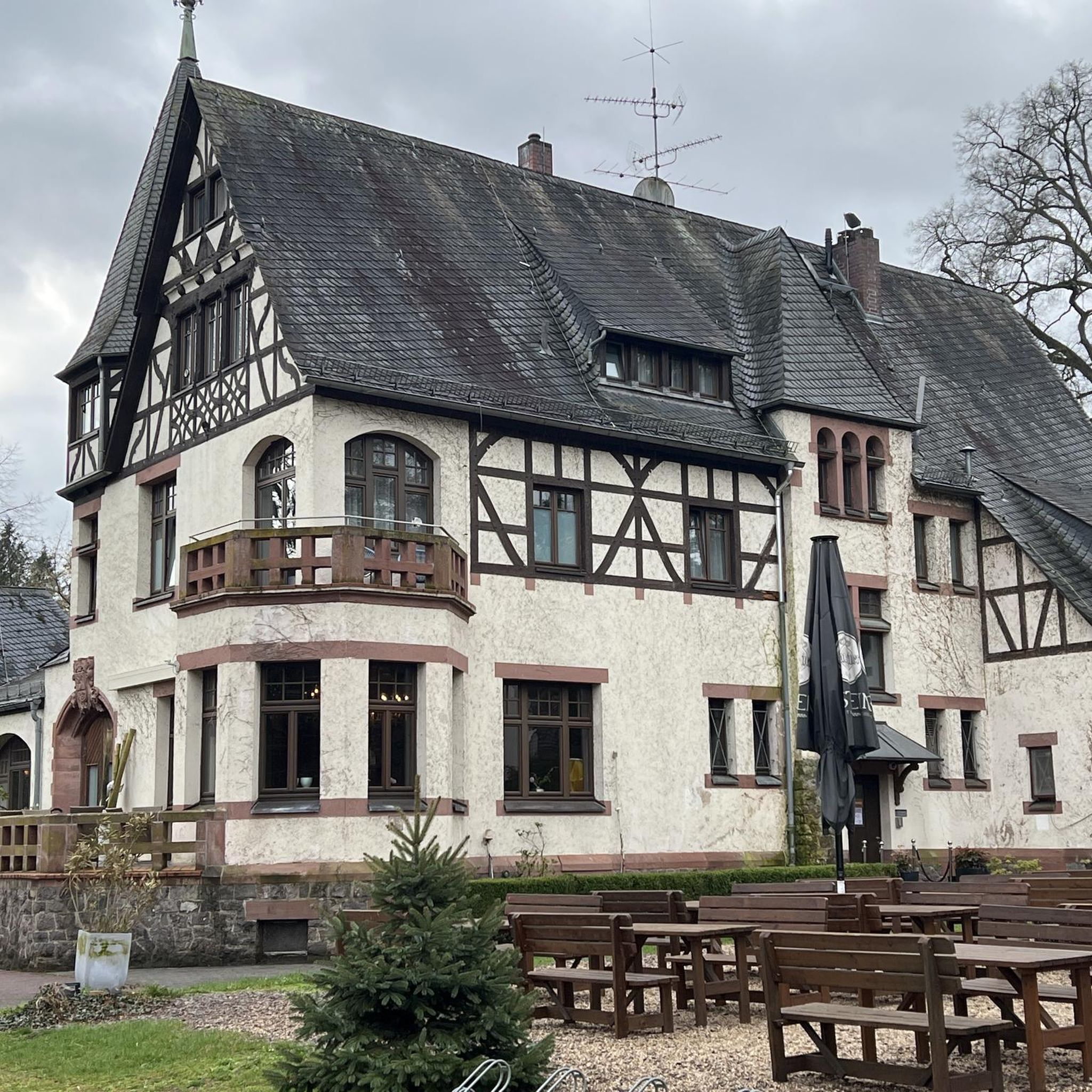
At the moment, after being converted into a country residence, it is owned by the Municipality and houses its offices.
Translated by Google •
Tip by

Agliè Castle Park
Highlight • Historical Site
Translated by Google •
Tip by
Sign up for free to discover even more castles around Bosconero.
Sign up for free
Already have an account?
Start today with a free account
Your next adventure awaits.
Login or Signup

Tips from the Community

Beautiful old town with imposing buildings and views of the mountains.
0
0

Agliè, an enchanting village in the heart of Canavese, boasts a thousand-year history that has its roots in the Roman era. The original nucleus, probably located on the hills of the current hamlet of Santa Maria delle Grazie, was known as "Macunciacum" and depended on the Abbazia Fruttuaria di San Benigno. Agliè, as a fortified village, emerges in documents in 1141, when the feudal lords of Canavese divided the territory. The town became one of the lands of the San Martino di Rivarolo and Agliè, a family that would profoundly mark the history of the village. Despite the feudal struggles that raged in the region, Agliè maintained relative stability, even if it was not immune to looting and devastation. With the arrival of the Savoy, Agliè experienced a period of growth and development. In 1448, the village obtained municipal statutes, a sign of autonomy and recognition. The most emblematic figure of this period was Count Filippo San Martino di Agliè, a man of culture and prominent politician. Minister of Cristina of France, regent of the Duchy of Savoy, Filippo transformed the castle of Agliè into a sumptuous residence, enriching it with works of art and gardens. Today, Agliè is a village that preserves its historical and artistic charm intact. The Ducal Castle, with its gardens and richly decorated rooms, is an unmissable destination for visitors. The streets of the village, with their stone houses and noble palaces, tell the story of a place that has managed to preserve its identity over the centuries.
0
0
A UNESCO World Heritage Site since 1997, the Ducal Castle of Agliè is perhaps the most significant architectural work in the Canavese area. The current appearance of the majestic castle is the result of four major construction phases, which led it to change its shape over the centuries, transforming it from a fortified building from the Middle Ages to a true royal residence, as can still be admired today.
1
0
A beautiful park, very well kept, also visitable by bike. On the south side the Italian garden and the wonderful greenhouses (the green and the white in particular). On the north side the large fountain of the three rivers and the park itself, designed according to the fashion of the Romantic English Garden.
0
0


Castle born, as often happens, for defensive purposes in the thirteenth century and belonged to the Biandrate family for centuries. At the moment, after being converted into a country residence, it is owned by the Municipality and houses its offices.
1
0

Feudal fortress dating back to the 13th century. It was not a real castle, but a "stronghold" that is a military construction built to control the roads that developed at the foot of the hill and that led to Ivrea and Vische towards the Vercelli area On the open space in front of the fortress you can see the remains consisting of three roofless walls of the ancient Church of San Calocero, the primitive parish of Caluso, still existing in the sixteenth century.
0
0
Frequently Asked Questions
Which castles are considered must-visit historical sites near Bosconero?
The Ducal Castle of Agliè is a significant historical residence, originally a medieval defensive fortress that later became a royal residence for the Savoy family and is now a UNESCO site. Another notable site is Agliè - the historic town center, which boasts a thousand-year history and offers a glimpse into centuries of local heritage with its stone houses and noble palaces.
Are there family-friendly castles to visit in the Bosconero region?
Yes, several castles in the region are considered family-friendly. The Ducal Castle of Agliè, Foglizzo Castle, and Malgrà Castle are all categorized as family-friendly, offering historical exploration suitable for various ages.
What kind of history do the castles around Bosconero represent?
The castles in the Canavese region, near Bosconero, reflect a rich history from medieval defensive fortresses to noble residences. For example, Castellazzo of Caluso was a 13th-century feudal stronghold built for strategic control, while the Ducal Castle of Agliè transformed from a defensive structure into a sumptuous royal residence under the Savoy dynasty.
What outdoor activities can I do near these castles?
The region around Bosconero offers various outdoor activities. You can find numerous road cycling routes, such as the 'Lake of Alice Superiore – Agliè Ducal Castle loop,' or explore running trails like the 'Running loop from Bosconero.' For more options, refer to the Road Cycling Routes around Bosconero, Running Trails around Bosconero, and Cycling around Bosconero guides.
Are there any castles that are now used for other purposes?
Yes, Foglizzo Castle, originally a 13th-century defensive structure, has been converted into a country residence and now houses municipal offices. Malgrà Castle, owned by the Municipality of Rivarolo, hosts numerous cultural events.
What is the best time of year to visit the castles in the Bosconero area?
The best time to visit castles in the Piedmont region, including those near Bosconero, is generally during the spring (April-June) and autumn (September-October). The weather is pleasant for exploring both indoor and outdoor areas, and the landscapes are particularly beautiful. Summer can also be enjoyable, though it can be warmer.
Can I find viewpoints or scenic spots near the castles?
Yes, the historic town center of Agliè, which includes the Ducal Castle, offers beautiful views, including those of the surrounding mountains. The village itself, with its stone houses and noble palaces, provides a picturesque setting.
What makes the Ducal Castle of Agliè a significant site?
The Ducal Castle of Agliè is significant for its transformation from a medieval fortress into a sumptuous royal residence by the Savoy family. It is recognized as a UNESCO World Heritage site, part of the 'Residenze Sabaude,' and features richly decorated rooms and extensive gardens, making it an unmissable destination for its historical and artistic integrity.
Are there any castles with large parks or grounds to explore?
Yes, Malgrà Castle is surrounded by a large park, offering visitors space to explore the grounds in addition to the historical structure itself. The Ducal Castle of Agliè also boasts extensive gardens.
What are some of the historical events associated with these castles?
The castles in the region have witnessed various historical events. For instance, Castellazzo of Caluso was a key stronghold in the 13th century, controlling vital roads. Malgrà Castle was the scene of clashes between the San Martino and Valperga families, reflecting the feudal struggles of the era.
What do visitors appreciate most about the castles around Bosconero?
Visitors appreciate the well-preserved historical and artistic charm of sites like the Ducal Castle of Agliè, with its beautiful and characteristic architecture. The historical town centers, such as Agliè, are also praised for their imposing buildings and scenic mountain views, offering a deep dive into centuries of history.
Most popular routes around Bosconero
Most popular attractions around Bosconero

Get inspired with the komoot mobile app


Explore more
Looking for the best castles somewhere else? Discover other guides around Bosconero:
