Top 6 Castles around Vicolungo
Castles around Vicolungo offer insights into the region's historical landscape. Vicolungo itself is home to the historic Vicolungo Castle, a former rural fortification with a history of attacks and renovations. While the Vicolungo Castle is privately owned and not accessible to visitors, the surrounding area features several other notable castles. These structures reflect centuries of regional history and architectural evolution.
Best castles around Vicolungo
- The most popular castles is Castello di Proh, a castle located in the Novara hills.…
Last updated: May 18, 2026
Castello di Proh
Highlight • Castle
Translated by Google •
Tip by

Visconti-Sforza Castle (Novara)
Highlight • Castle
Translated by Google •
Tip by
Sign up now to discover places like this
Get recommendations on the best single tracks, peaks, & plenty of other exciting outdoor places.
Sign up for free
Rovasenda Castle
Highlight • Castle
Translated by Google •
Tip by

Streets of the Ricetto Castle, Carpignano Sesia
Highlight • Castle
Translated by Google •
Tip by
Lenta
Highlight • Religious Site
Translated by Google •
Tip by

Start today with a free account
Your next adventure awaits.
Login or Signup


Tips from the Community

The Visconti-Sforza Castle of Novara is a castle located in the south-western border of the old center of Novara. It was erected on the former corner of the Roman and Middle Age walls that surrounded the city. The origin of the castle is connected to the transfer of Novara under the influence of Milan, taking place in the second half of the 13th century. In 1272 Francesco Della Torre (member of the family ruler of Milan), after taking over the city, ordered the construction of a fortification on the site belonged to the Tettoni family. In the 14th century, after the exchange of the ruling families from the Della Torre to the Visconti, the Lord of Milan Giovanni Visconti (1339-1354) paid again attention to Novara and had the castle built. The castle was strengthened by his successors Galeazzo II (1354-1378) and Gian Galeazzo (1378-1402). Works and repairs were done over the years by Francesco Sforza. His son, the duke Galeazzo Maria, carried out the major transformation of the building. https://en.wikipedia.org/wiki/Visconti-Sforza_Castle_(Novara)
0
0

Novara Castle is located in the city center
0
0

A document of investiture of the fief, castle and villa of Lenta in Palatino Avogadro, by Ottone di Biandrate, attests that the place was already fortified in 1178. The peculiarity of the “castle” of Lenta consists in having been a “defended nucleus” whose lordly portion is the BENEDICTINE FEMALE MONASTERY OF S. PIETRO, founded in 1127 under the auspices of Alberto di Andrate.
24
0

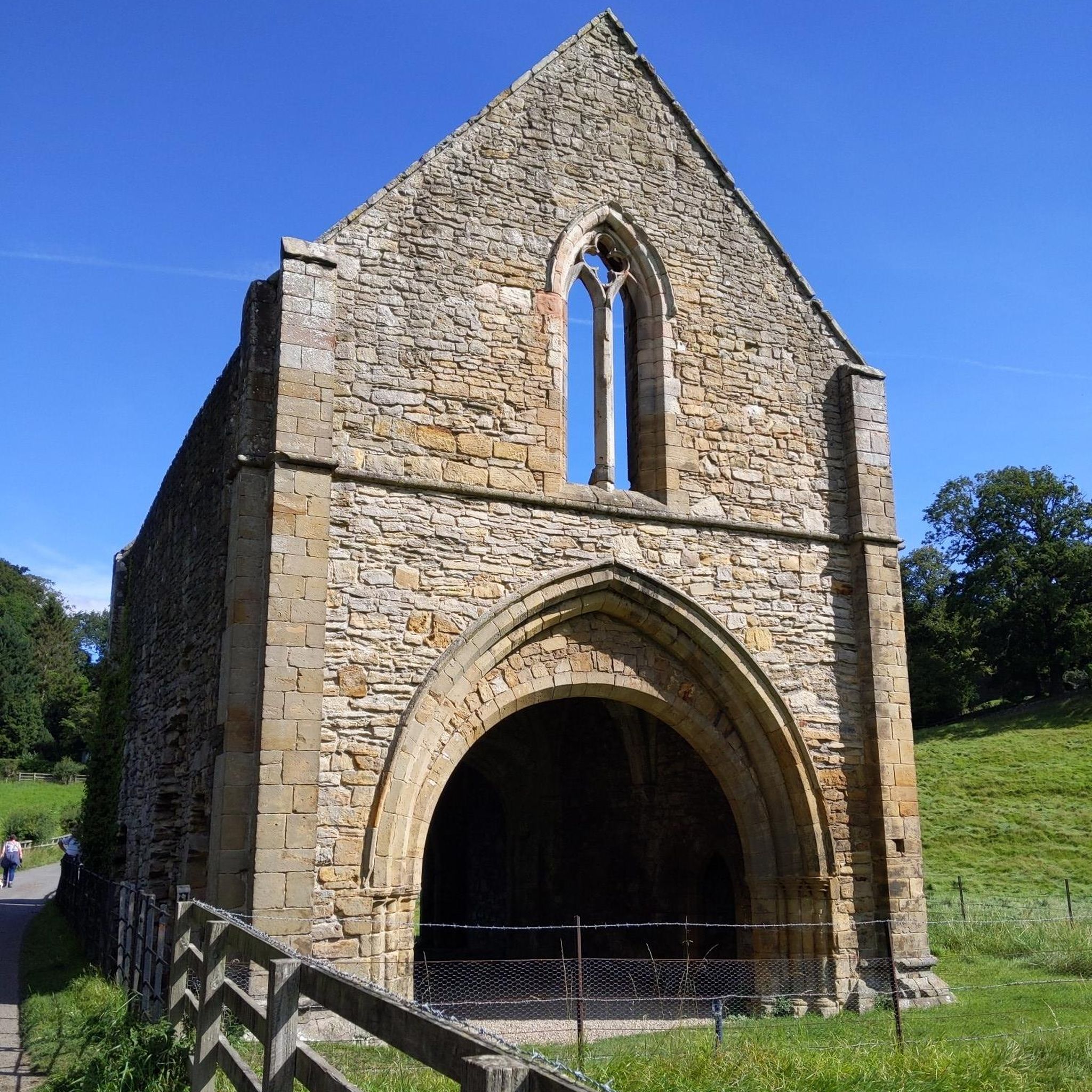
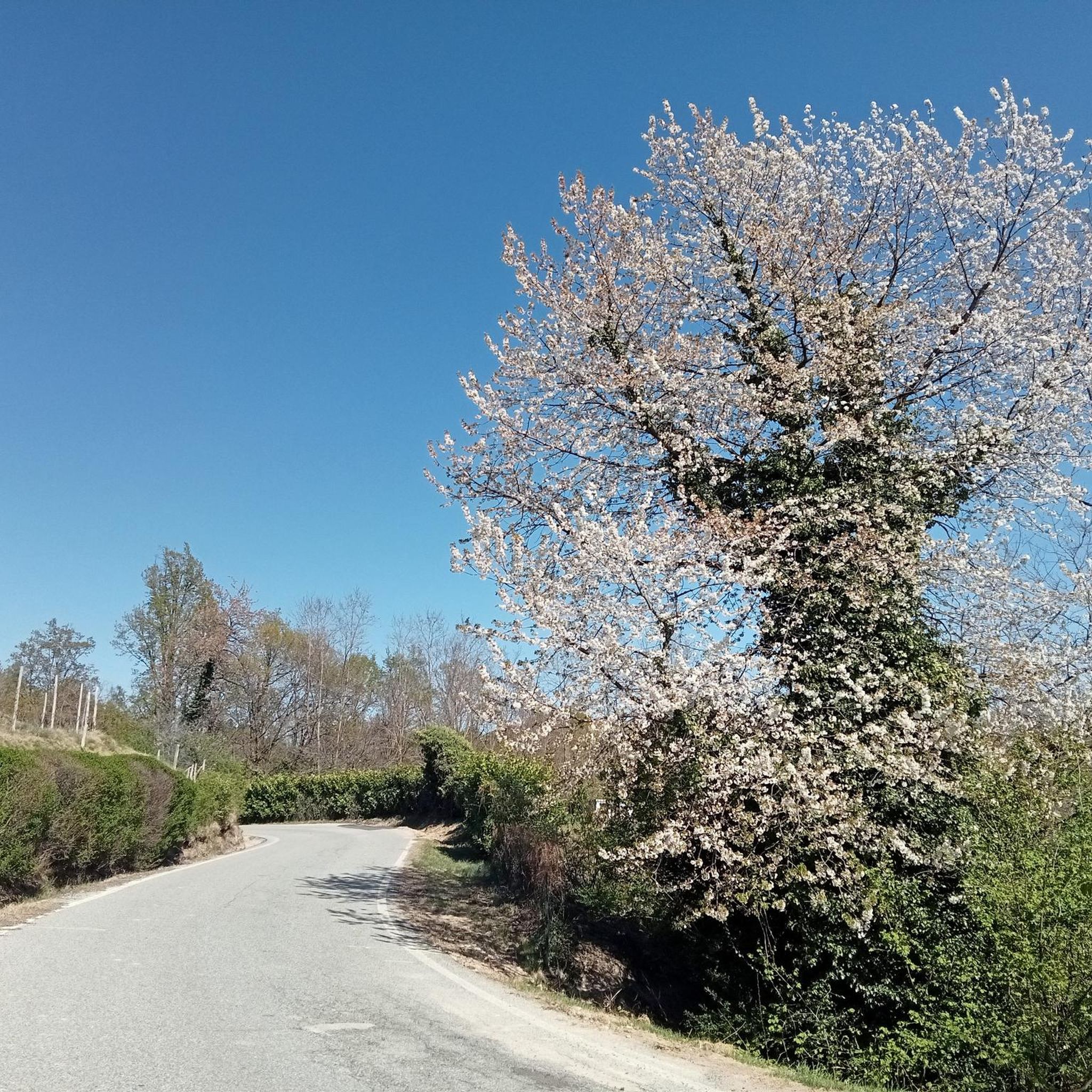
To stop and visit, a spectacular castle and almost unknown to many...it deserves a short stop also for the photographs
0
0

Going there is a duty to welcome you and give you a perfect postcard and then you can have fun with fast routes
1
0

The pro castle was part of the defensive complex built during the 12th century by the counts of Biandrate.
1
0
What the inhabitants of Novara call a castle then served as a prison. Today it is the seat of a museum complex and of various associations and bodies including that of promotion of the territory, ATL
1
0
When you arrive in Carpignano Sesia you almost don't realize that there is a hidden medieval heart. Ask the inhabitants to tell you how to reach the "Castle", as the Carpignanese call it. What you will see are walls built with river stones laid out in a herringbone pattern. They are houses that also date back to the 15th century. Even if some were then plastered, losing their characteristic herringbone pattern.
0
0
Frequently Asked Questions
Can I visit Vicolungo Castle?
No, Vicolungo Castle (also known as Castello Sforzesco) is currently private property and not open to visitors. While it holds significant historical value, direct access to explore its features and interior is not possible.
What are some family-friendly castles to visit near Vicolungo?
For families, both Castello di Proh and Visconti-Sforza Castle (Novara) are categorized as family-friendly. Castello di Proh offers cultural initiatives and guided excursions, even while renovations are underway. The Visconti-Sforza Castle in Novara's city center now functions as a museum complex.
Are there any castles near Vicolungo that are currently undergoing renovations?
Yes, Castello di Proh is currently undergoing renovations. While the interior is not accessible, you can still visit the exterior and participate in various cultural initiatives and guided excursions to discover the surroundings and the Novara hills.
What kind of historical sites can I find near Vicolungo's castles?
Beyond the castles themselves, the region offers rich historical context. For example, the Visconti-Sforza Castle (Novara) is built on former Roman and Middle Age walls. The Streets of the Ricetto Castle in Carpignano Sesia reveal a hidden medieval heart with houses dating back to the 15th century, built with distinctive river stone walls.
What outdoor activities can I do near these castles?
The area around Vicolungo offers various outdoor activities. You can find numerous hiking trails, including routes like the 'Sentiero Novara Trail' or the 'Wild Lily – View of the Sesia Riverbed loop'. For cycling enthusiasts, there are touring bicycle routes such as the 'Big Bench No. 130, Barengo – Barengo Castle loop'. Gravel biking options are also available, like the 'Castello di Barengo – Briona Castle loop'. You can explore more options in the Hiking around Vicolungo, Cycling around Vicolungo, and Gravel biking around Vicolungo guides.
Are there any castles that were originally military fortifications?
Yes, Rovasenda Castle, built starting in 1170, initially served exclusively military functions before transforming into an economic and agricultural center. Vicolungo Castle itself was also a rural fortification that faced multiple attacks in the 15th century.
What is the best time to visit the castles around Vicolungo?
While specific opening hours vary by castle, generally, spring and autumn offer pleasant weather for exploring the region's historical sites and enjoying outdoor activities. These seasons avoid the peak heat of summer and the colder temperatures of winter, making walks and excursions more comfortable.
Is there a castle that is now a museum?
Yes, the Visconti-Sforza Castle (Novara), located in the city center, now serves as a museum complex. It's a great place to delve into the region's history and art.
What can I expect to see at the Streets of the Ricetto Castle in Carpignano Sesia?
The Streets of the Ricetto Castle, Carpignano Sesia offer a glimpse into a hidden medieval heart. You'll find walls built with river stones laid out in a herringbone pattern, and houses that date back to the 15th century, some still retaining their characteristic appearance despite plastering.
Are there any castles near Vicolungo with unique origins?
Yes, Lenta, which was fortified as early as 1178, has a unique origin. Its 'castle' was a defended nucleus where the lordly portion was actually the BENEDICTINE FEMALE MONASTERY OF S. PIETRO, founded in 1127. This highlights a different aspect of medieval fortifications in the region.
What do visitors appreciate most about the castles around Vicolungo?
The komoot community appreciates the variety of historical sites and the opportunity to explore centuries of regional history and architectural evolution. The castles are valued for their unique historical contexts, with many visitors sharing photos and upvoting their experiences.
Are there any easy hiking trails near the castles for beginners?
Yes, if you're looking for an easy hike, consider the 'Briona Castle loop from Briona' or the 'Vineyard of the Giant Pencils – Briona Castle loop from Proh', both rated as easy. These routes offer a chance to combine castle visits with gentle walks. More hiking options can be found in the Hiking around Vicolungo guide.
Most popular routes around Vicolungo
Most popular attractions around Vicolungo

Get inspired with the komoot mobile app


Explore more
Looking for the best castles somewhere else? Discover other guides around Vicolungo:
