Top 5 Castles around Borgomezzavalle
Best castles around Borgomezzavalle are situated in a region known for its charming, unspoiled old rural buildings crafted from stone and wood. While Borgomezzavalle itself features a unique mirror system reflecting sunlight into the village during winter, the broader Piedmont region is rich in historical fortified residences. The area offers a blend of natural landscapes and historical sites, providing insights into the region's past.
Best castles around Borgomezzavalle
- The most popular castles is Mattarella Castle🏰🌳, a castle, viewpoint, and…
Last updated: June 30, 2026
Mattarella Castle🏰🌳
Highlight • Castle
Translated by Google •
Tip by

Vogogna Castle
Highlight • Castle
Translated by Google •
Tip by

Sign up now to discover places like this
Get recommendations on the best single tracks, peaks, & plenty of other exciting outdoor places.
Sign up for free
Cross✝️Mattarella Castle Tower🏰
Highlight • Castle
Translated by Google •
Tip by
Visconti Castle of Vogogna
Highlight • Castle
Translated by Google •
Tip by

Start today with a free account
Your next adventure awaits.
Login or Signup
Popular around Borgomezzavalle

Other adventures around Borgomezzavalle

Tips from the Community

The hill of Mattarella, south of Domodossola, rises on the plain of the Ossola Valley at an altitude of 413 metres. From the hill you can enjoy a splendid view of Domodossola and the mountains that frame the Ossola Valley around the city. Inhabited in ancient times, the hill probably takes its name from a pagan site for the Matrons, on which and around which a church dedicated to the Virgin Mary was later built. The hill of Mattarella was occupied by the military in the 7th century and housed a sprawling castle that was attacked and destroyed several times over the centuries. In 1014, Emperor Henry II transferred the castle to the church in Novara and the Bishop of Novara moved his palace and curia here. In 1312 the Visconti came to power in the Ossola Valley: the Mattarella Castle also became the property of the Duchy of Milan and retained its functions, especially the military ones, until 1415, when the Swiss, coming from the Alpine passes and wanting to conquer the Ossola Valley, practically demolished it completely, destroying the Bishop's Palace, the enclosure and the main towers. After these dramatic events, only a few traces of the old fortress remain today: the tower on the top of the mountain rises majestically above them. The long curtain wall is also well preserved. Unfortunately, only a few foundations remain of the rest of the castle, and especially of the sturdy towers at the entrance. Source: https://www.visitossola.it/de/poi/huegel-und-burg-mattarella-domodossola/ The cross on the tower was erected in modern times and can be clearly seen in Domodossola and the surrounding area.
1
0
The hill of Mattarella, south of Domodossola, rises on the plain of the Ossola Valley at an altitude of 413 metres. From the hill you can enjoy a splendid view of Domodossola and the mountains that frame the Ossola Valley around the city. Inhabited in ancient times, the hill probably takes its name from a pagan site for the Matrons, on which and around which a church dedicated to the Virgin Mary was later built. The hill of Mattarella was occupied by the military in the 7th century and housed a sprawling castle that was attacked and destroyed several times over the centuries. In 1014, Emperor Henry II transferred the castle to the church in Novara and the Bishop of Novara moved his palace and curia here. In 1312 the Visconti came to power in the Ossola Valley: the Mattarella Castle also became the property of the Duchy of Milan and retained its functions, especially the military ones, until 1415, when the Swiss, coming from the Alpine passes to conquer the Ossola Valley, practically demolished it completely, destroying the Bishop's Palace, the enclosure and the main towers. After these dramatic events, only a few traces of the old fortress remain today: the tower on the top of the mountain rises majestically above them. The long curtain wall is also well preserved. Unfortunately, only a few foundations remain of the rest of the castle, and especially of the sturdy towers at the entrance. Source: https://www.visitossola.it/de/poi/huegel-und-burg-mattarella-domodossola/
2
0

Beautiful and kept in excellent condition.
27
0

The castle of Vogogna was built by the Visconti of Milan in the 14th century on a pre-existing tower. In 1515 it was occupied and damaged by the Swiss, and at the end of the 18th century it became municipal property for use as a prison and home. It was restored in the 20th century and is now a historical monument.
5
0

Cross ✝️Mattarella Castle Tower🏰Sacred Mount Calvary⛰️
6
0
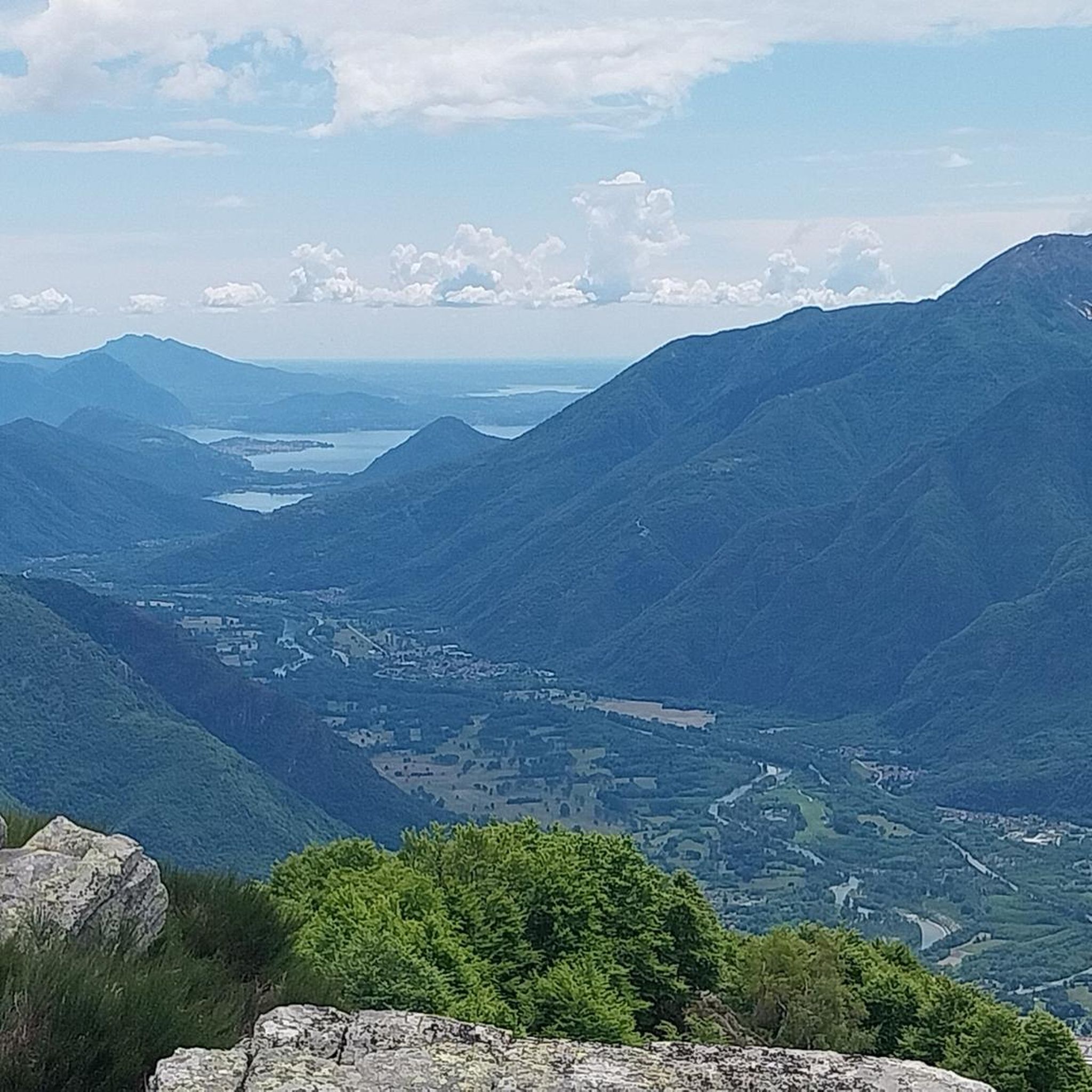
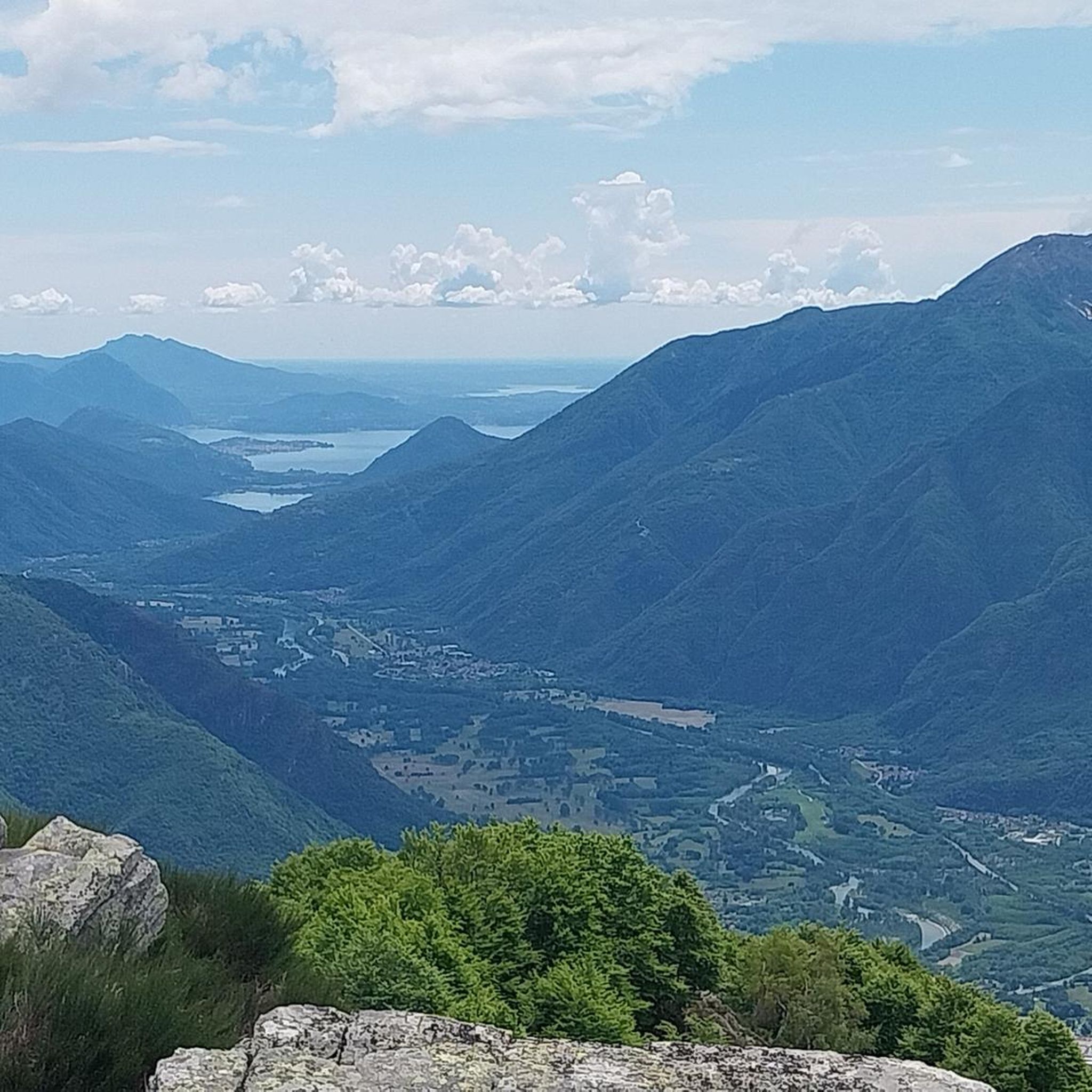
Mattarella Castle 🏰Side of the Sacred Mount Calvario⛰️Towards the Domodossola Valley🏘️
8
0

The Visconti castle is part of the medieval complex of Vogogna. Located north of the town, the castle dominates the town from above with its semicircular tower.
1
0
The Visconti castle is part of the medieval complex of Vogogna. Located north of the town, the castle dominates the town from above with its semicircular tower.
1
0
Frequently Asked Questions
Which castles offer the best historical insights into the region?
The Vogogna Castle and the Visconti Castle of Vogogna are excellent for historical insights. The Castello Visconteo, in particular, was significantly enlarged by Giovanni Visconti in 1348 and later fortified by the Borromeo family. It offers a journey through medieval history with well-preserved interior rooms and details on 15th-century Ossolan soldiers. Mattarella Hill, while mostly ruins, also holds significant historical value, having been a military site since the 7th century.
Are there any castles with panoramic views?
Yes, both the Mattarella Castle🏰🌳 and Vogogna Castle offer magnificent views. From Mattarella Hill, you can enjoy a splendid view of Domodossola and the surrounding Ossola mountains. The semi-circular tower of the Castello Visconteo in Vogogna provides panoramic views of the entire valley, the western peaks, and the village below.
What kind of outdoor activities can I do near these castles?
The region around Borgomezzavalle offers various outdoor activities. You can find numerous hiking trails, such as those detailed in the Hiking around Borgomezzavalle guide, or explore mountain biking routes in the MTB Trails around Borgomezzavalle guide. For more challenging adventures, consider the mountain hikes listed in the Mountain Hikes around Borgomezzavalle guide.
Are there family-friendly activities at any of the castles?
The Vogogna Castle is known for hosting cultural conferences and entertainment events, including a popular Harry Potter school of magic for children, making it a great option for families.
What is the best time of year to visit the castles around Borgomezzavalle?
The broader Piedmont region, where Borgomezzavalle is located, is beautiful in spring and autumn for hiking and exploring historical sites. While Borgomezzavalle itself is known for a unique mirror system that reflects sunlight into the village during winter, offering a special experience, most outdoor activities and castle visits are best enjoyed in milder weather.
How can I reach the castles using public transport?
While specific public transport details to each castle are not provided, Vogogna and Domodossola are key towns in the region. You can often find public transport connections to these larger centers, and from there, local buses or short walks might lead to the castles. For detailed information on public transport to Vogogna or Domodossola, it's advisable to check local transport schedules.
What remains of the castle on Mattarella Hill?
On Mattarella Hill, south of Domodossola, only a few traces of the ancient fortress remain due to its turbulent history. You can still see a standing tower at the hilltop and a well-preserved long curtain wall, offering a glimpse into the region's ancient defensive structures and providing scenic vistas.
How long should I plan for a visit to a castle?
For a well-preserved castle like Vogogna Castle, you might want to allocate 2-3 hours to explore the interior rooms, learn about its history, and enjoy the panoramic views. For sites like Mattarella Hill, which are mostly ruins, a visit might be shorter, perhaps 1-2 hours, focusing on the historical significance and the views.
Are there any cafes or amenities near the castles?
While specific cafes directly adjacent to every castle are not detailed, both Vogogna and Domodossola are towns with amenities. Vogogna, home to the Vogogna Castle, is a historic center where you can typically find cafes and restaurants. Domodossola, near Mattarella Hill, also offers various dining options.
Can I find information about the history of the Ossola Valley's fortifications?
Yes, the castles in the area, particularly the Vogogna Castle and the remnants on Mattarella Hill, provide significant insights into the Ossola Valley's fortifications. The Castello Visconteo in Vogogna, for instance, was crucial in reinforcing the Duchy of Milan's borders against Swiss incursions, reflecting the region's strategic importance throughout history.
What makes Borgomezzavalle unique, even without a prominent castle directly within its boundaries?
Borgomezzavalle is renowned for its charming, unspoiled old rural buildings crafted from stone and wood. It also features a unique mirror system that reflects sunlight into the village during winter, a fascinating modern innovation in a historic setting. While it doesn't have a prominent castle itself, it serves as a gateway to the rich historical fortified residences of the broader Piedmont region.
Most popular routes around Borgomezzavalle
Most popular attractions around Borgomezzavalle

Get inspired with the komoot mobile app


Explore more
Looking for the best castles somewhere else? Discover other guides around Borgomezzavalle:
