Top 3 Castles around Pietra Marazzi
Best castles around Pietra Marazzi are found in the Province of Alessandria, Italy, an area known for its historical significance and strategic location near the confluence of the Tanaro and Bormida rivers. While Pietra Marazzi itself retains only fragments of its ancient fortifications, the surrounding region offers several notable historical sites. These structures provide insight into the area's past as a fortified settlement. The landscape, characterized by plains and river views, complements the historical exploration.
Best castles around Pietra Marazzi
…Last updated: June 30, 2026
Castello di Piovera
Highlight • Castle
Via Balbi, 2/4, 15040 Piovera AL
castellodipiovera.it
3462341141
Translated by Google •
Tip by

Cittadella di Alessandria
Highlight • Historical Site
Translated by Google •
Tip by

Sign up now to discover places like this
Get recommendations on the best single tracks, peaks, & plenty of other exciting outdoor places.
Sign up for free
Castello di Casalbagliano
Highlight • Castle
In the mid-1800s, the Marquis Carlo Inviziati …
Translated by Google •
Tip by

View of the Montecastello Castle
Highlight • Viewpoint
Translated by Google •
Tip by
Castello di Frascarolo
Highlight • Castle
Translated by Google •
Tip by

Start today with a free account
Your next adventure awaits.
Login or Signup
Tips from the Community


It is a fraction of the municipality of Alessandria
0
0

Place of historical, architectural, cultural and tourist interest Via Balbi, 2/4, 15040 Piovera AL https://www.castellodipiovera.it/ 3462341141
2
0

the castle, now a ruin, was inhabited until the beginning of the 20th century, used as a military hospital during the Great War and then as the headquarters of the local section of the fascist party, still intact throughout the first half of the last century, it was gradually the subject of dispossession and complete abandonment, so as to rapidly facilitate its degradation.
0
0
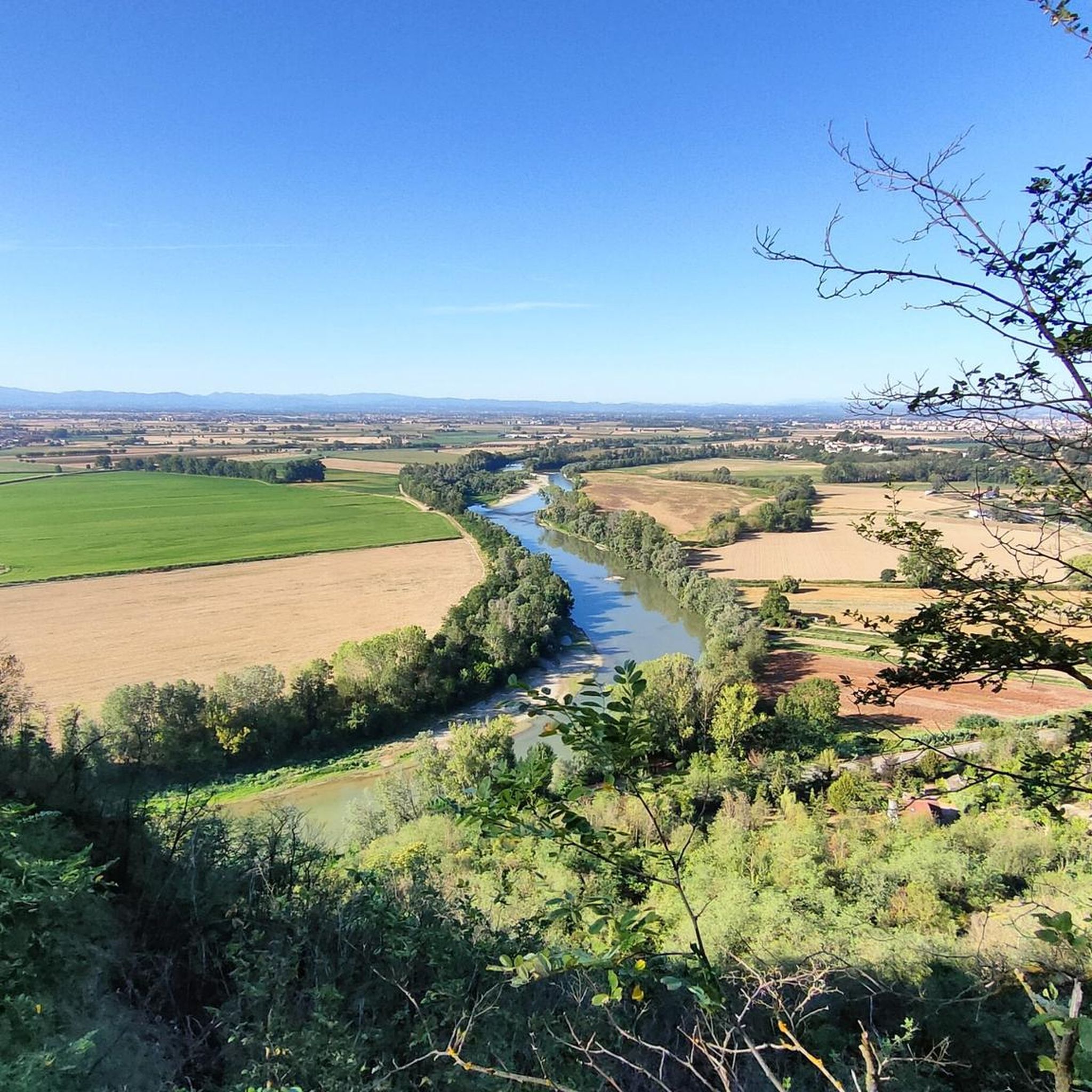
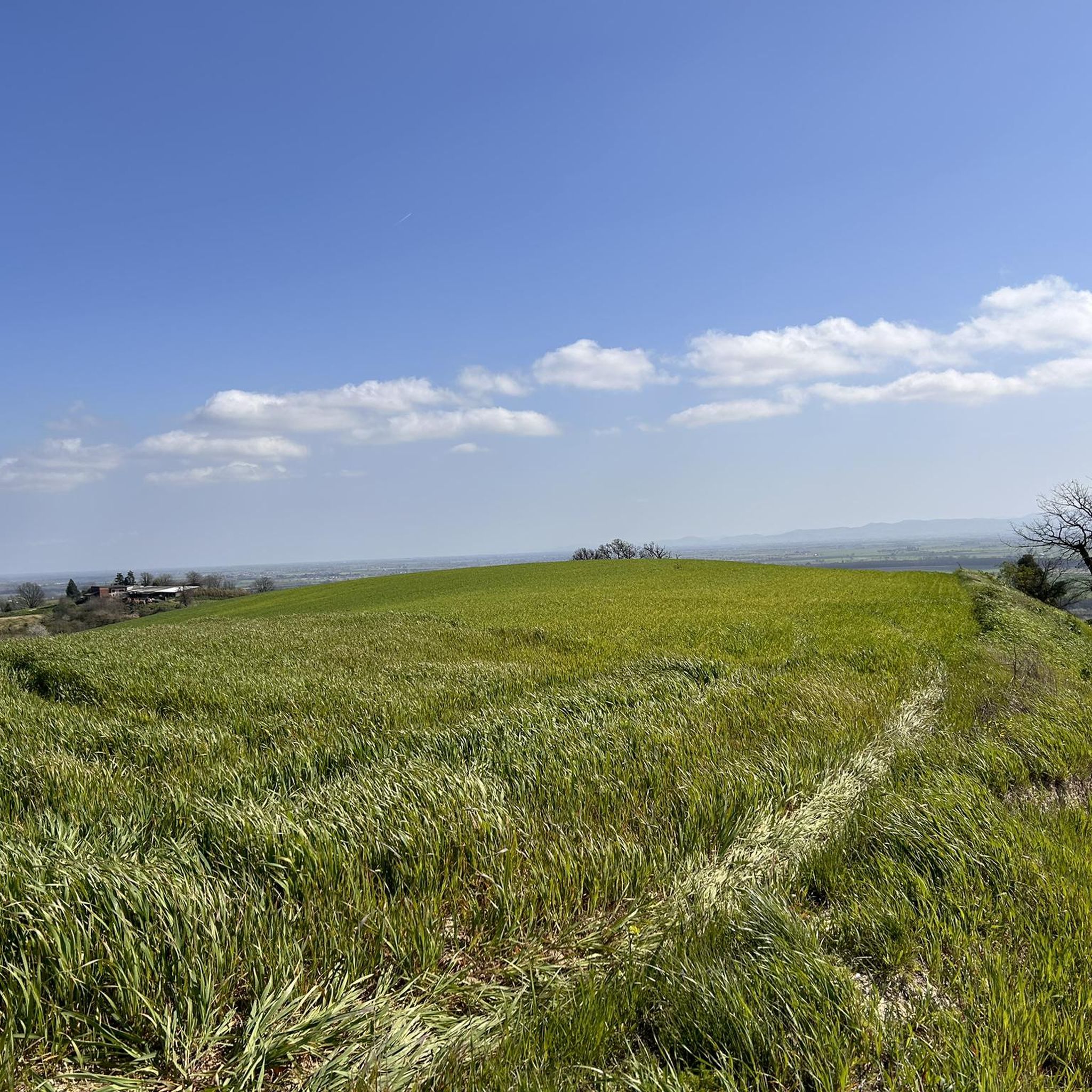
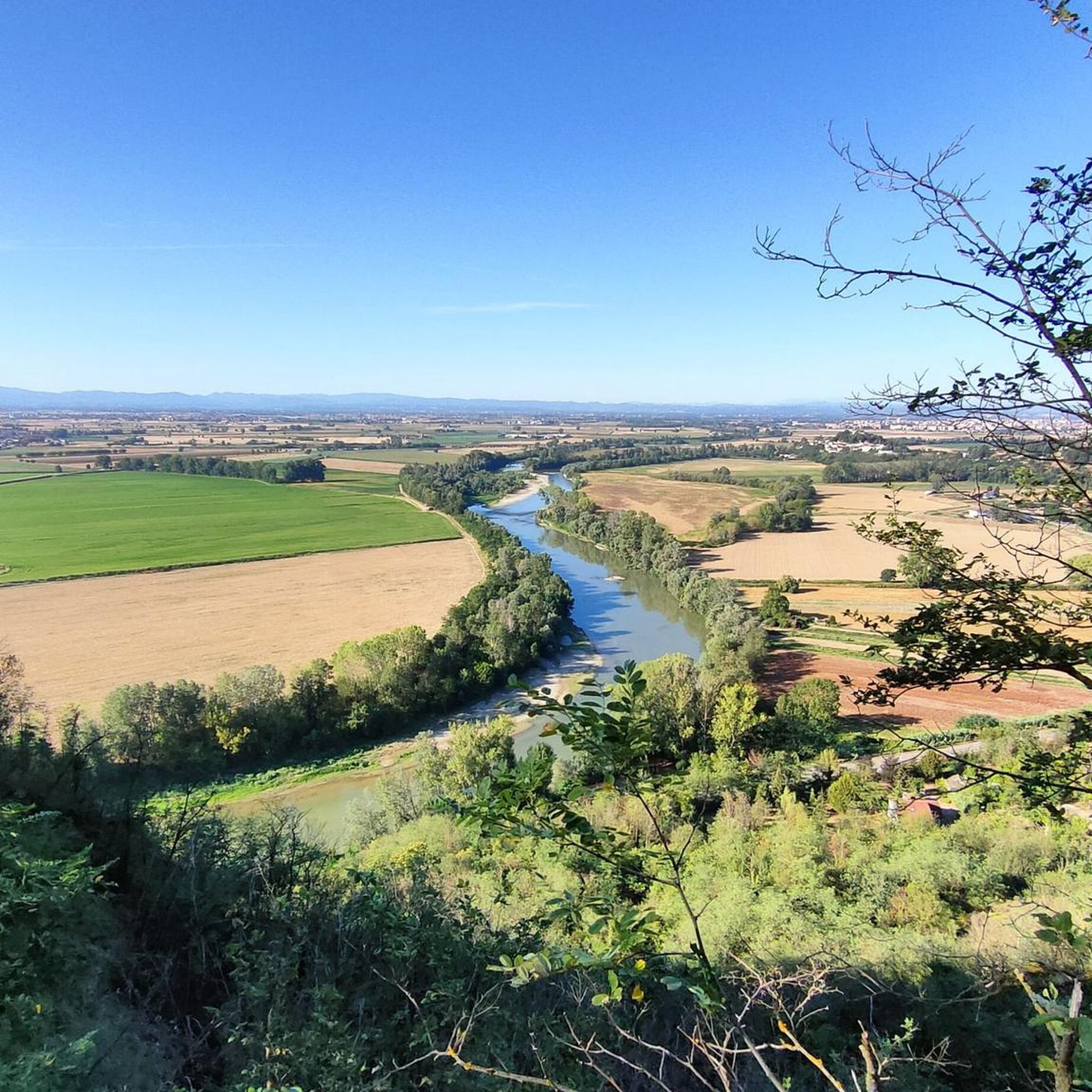
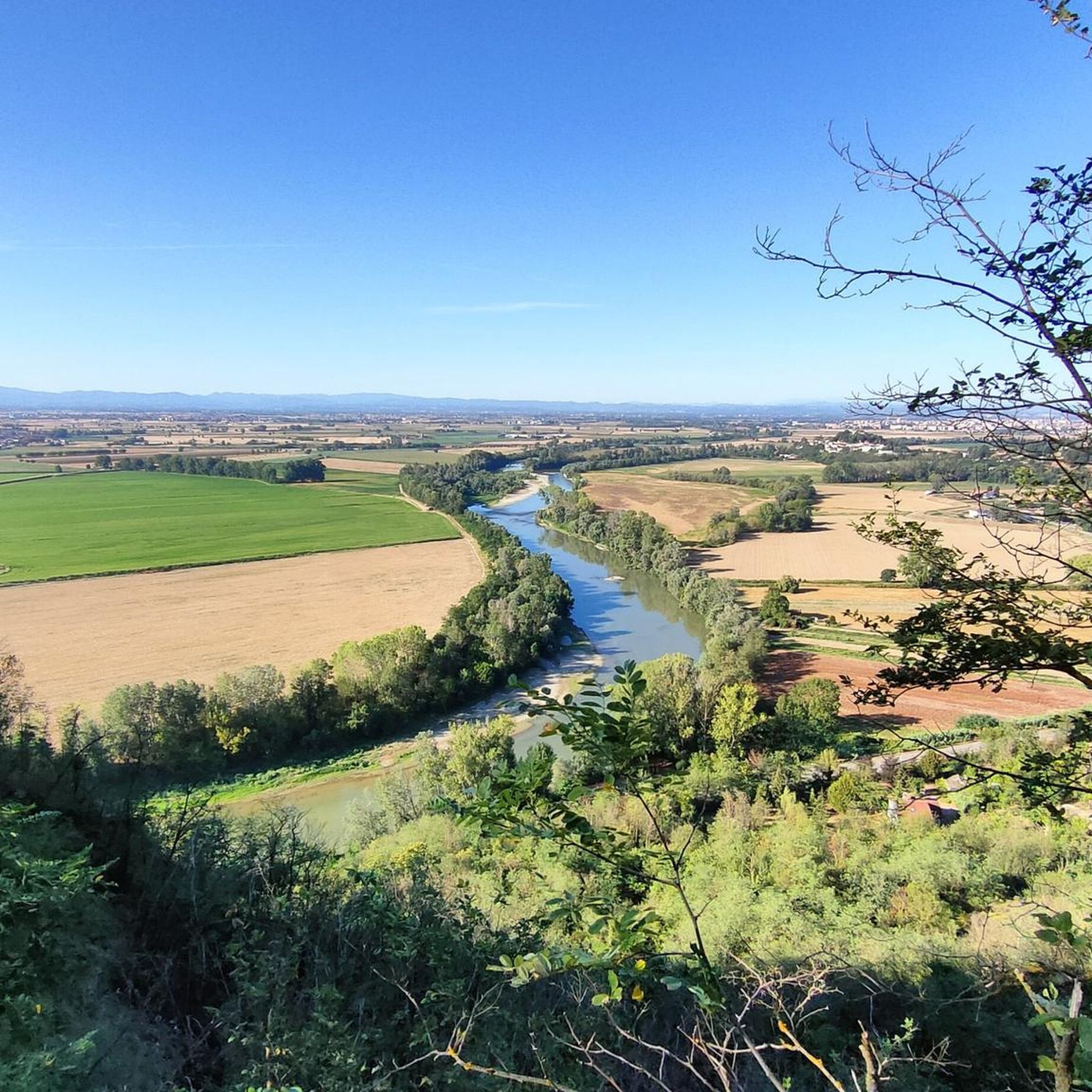
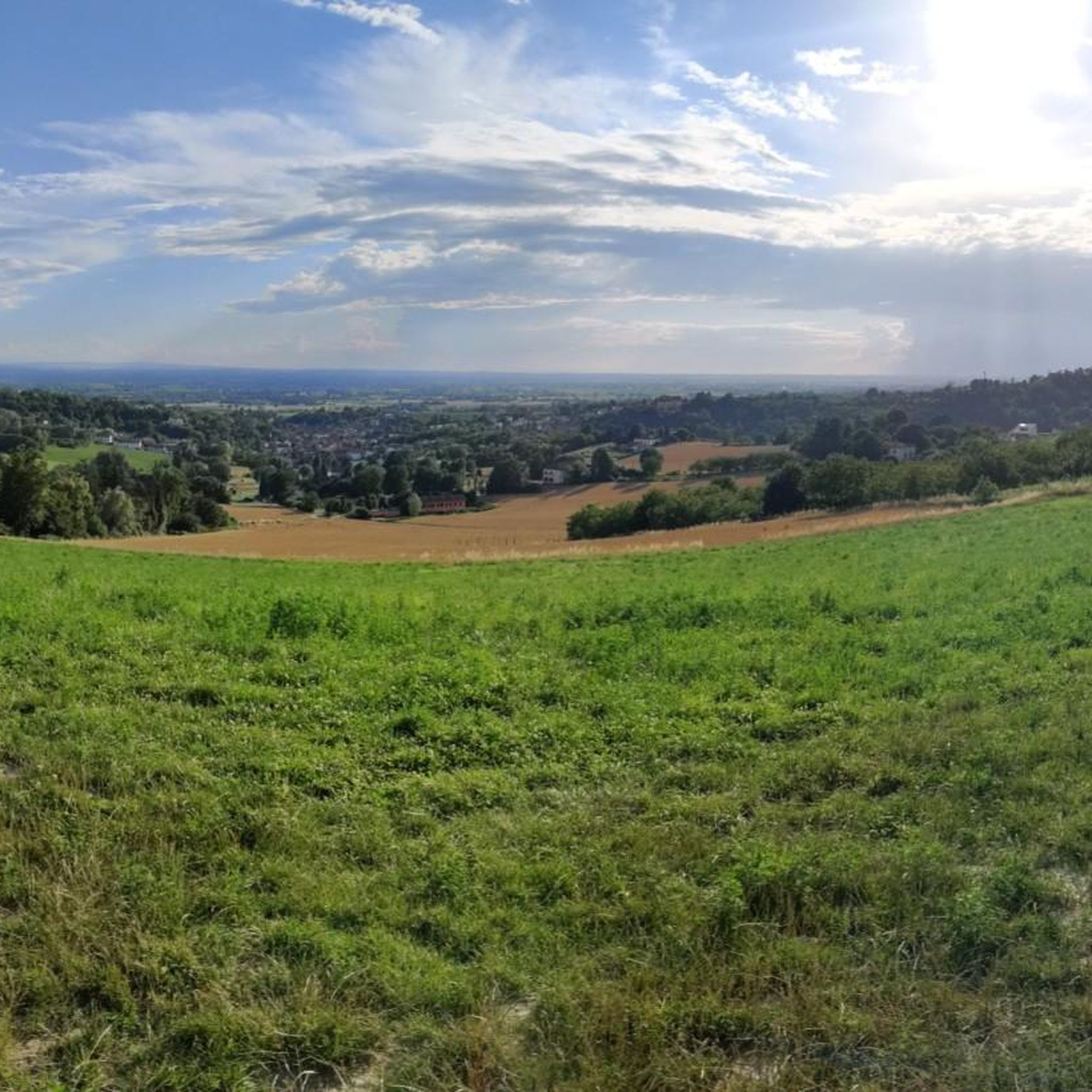
Bric Montalbano: in front of the Montecastello castle, the last bastion of the Monferrato hills, on the ridge between the Po valley on the left and the Tanaro valley on the right; in front the Fraschetta plain, and in the background the Tortona hills
0
0

The history of its origin or construction period does not match, but my spontaneous thought was that this complex could be one of the fortress structures of the famous French architect Vauban. But in any case, the Citadelle of Alessandria is also an absolute highlight of architectural architecture as far as fortresses are concerned.
2
0

Built in 1300, the castle became a fortress at the hands of the Visconti of Milan. Property of the Balbis of Genoa since the 17th century, it was transformed into a residence by them at the end of the 19th century. Today it is owned by Count Niccolò Calvi di Bergolo who opened it to the public since 1972 with its art workshops, guided tours inside the castle and the educational farm. Among its towers, battlements, moats and stables, our period residence hosts events of all kinds: weddings, historical re-enactments, rallies, concerts, art exhibitions, events for the whole family.
0
0
XIV century castle in an unacceptable state of abandonment. It was the residence of the Baglianis until the beginning of the 19th century. In the mid-1800s, the Marquis Carlo Inviziati of Branciforte restored it and made it his home, surrounding it with a vast park and enriching it with works of art. The castle then passed to the Petitti di Roreto and from these to the Paravicini who lived there until the beginning of the 1900s. The castle was then acquired by the Municipality of Alessandria, the current owner. During the First World War it was used as a military hospital and then as the headquarters of the local section of the fascist party. It was gradually plundered and completely abandoned, and rapidly deteriorated. During the flood of 6 November 1994 the water and mud of the Tanaro further damaged the castle. https://www.preboggion.it/CastelloIT_di_AL_Casalbagliano.htm
1
0
Frequently Asked Questions
What are some of the most popular castles to visit around Pietra Marazzi?
Among the most popular castles in the area is Castello di Piovera, a 14th-century castle transformed into a residence and now open to the public for art workshops and events. Another significant site is Cittadella di Alessandria, a fortified complex known for its architectural design. Visitors also appreciate Castello di Frascarolo, located near the Po river amidst rice fields.
What historical significance do the castles around Pietra Marazzi hold?
The castles in the region, such as the 14th-century Castello di Piovera and the ancient Cittadella di Alessandria, reflect the area's past as a strategically important fortified settlement. Pietra Marazzi itself, while only retaining fragments of its ancient fortifications, was historically significant, with remnants of walls and towers integrated into existing structures.
Are there family-friendly castles to visit near Pietra Marazzi?
Yes, Castello di Piovera is considered family-friendly, offering guided tours and an educational farm. Castello di Frascarolo is also listed as family-friendly, providing a pleasant setting for a visit.
Can I find castles with scenic views or natural surroundings?
Yes, the region offers castles with beautiful natural backdrops. Castello di Frascarolo is situated near the Po river and surrounded by rice fields. Additionally, the Castello di Pavone, though not listed in the highlights, is notable for its strategic location on a rocky spur overlooking the plain where the Tanaro and Bormida rivers converge, offering expansive landscape views.
What outdoor activities can I do near the castles around Pietra Marazzi?
The area around Pietra Marazzi offers various outdoor activities. You can find numerous hiking trails, such as the easy 'Bric Montalbano Loop' or the moderate 'View of the Alessandria Hills – Bric Montalbano loop'. For cycling enthusiasts, there are gravel biking routes like the 'Alessandria Hills – San Salvatore Monferrato loop'. Running trails are also available, including the 'Pietra Marazzi loop'. You can explore these and more on the hiking, gravel biking, and running guide pages.
Are there any less crowded or 'hidden gem' castles to explore?
While the main highlights are popular, the region also has less-known sites. The Castello di Pavone, located in a frazione of Pietra Marazzi, is a well-preserved 19th-century castle built on ancient ruins, now repurposed for private residences and hotel facilities. It offers a glimpse into the area's history without the same level of public access as other sites. Additionally, Castello di Casalbagliano, though currently a ruin, holds significant historical value and offers a different kind of exploration for those interested in abandoned historical sites.
What is the best time of year to visit the castles in the Pietra Marazzi area?
The region's climate generally makes spring and autumn ideal for visiting castles and enjoying outdoor activities. The weather is typically mild, perfect for exploring historical sites and the surrounding landscapes. Summer can be warm, while winter offers a quieter experience, though some attractions might have reduced hours.
What remains of the original castle in Pietra Marazzi itself?
Pietra Marazzi historically had its own castle, but today only fragments of its ancient fortifications remain. You can find sections of walls integrated into existing buildings along Via Roma and behind the Parish Church. Parts of two circular towers are also incorporated into other structures, hinting at the town's fortified past.
Is Castello di Pavone open to the public, and what is it known for?
The Castello di Pavone is a notable 19th-century castle, exceptionally well-preserved and built upon the ruins of an ancient Lombard castle. It's known for its complex architecture and strategic location with scenic views. While it has been repurposed for private residences and hotel facilities, its architectural integrity and historical significance make it a point of interest, though public access may be limited to specific events or hotel guests.
Are the castle areas dog-friendly for walks?
While specific dog policies for each castle vary, many outdoor areas and trails around the castles, such as the hiking routes near Pietra Marazzi, are generally dog-friendly. Always ensure your dog is on a leash and check individual castle regulations before visiting.
Are there parking options available at the castles?
Parking availability varies by castle. For popular sites like Castello di Piovera and Cittadella di Alessandria, there are typically designated parking areas nearby. For smaller or less developed sites, street parking or nearby village parking might be available. It's advisable to check specific location details before your visit.
How can I reach the castles using public transport?
Public transport options to reach individual castles around Pietra Marazzi can be limited, as many are located in smaller towns or rural areas. Reaching the larger sites like Cittadella di Alessandria, which is closer to the city of Alessandria, might be more feasible by bus or train connections. For other castles, a car is often the most convenient way to visit.
Are any of the castles wheelchair accessible?
Accessibility for wheelchairs can be challenging at historical sites, especially older castles with uneven terrain, stairs, and narrow passages. While some modern facilities or ground-level areas might be accessible, full wheelchair access throughout all parts of the castles is generally not guaranteed. It's recommended to contact specific castle administrations for detailed accessibility information.
Most popular routes around Pietra Marazzi
Most popular attractions around Pietra Marazzi

Get inspired with the komoot mobile app


Explore more
Looking for the best castles somewhere else? Discover other guides around Pietra Marazzi:
