Top 12 Castles around Buttigliera D'Asti
Castles near Buttigliera D'Asti offer a glimpse into the region's historical architecture and strategic importance. While no prominent castle stands directly within Buttigliera D'Asti today, the surrounding Asti province features several notable examples. The area is characterized by rolling hills and historical settlements, providing a backdrop for these structures. Beyond castles, Buttigliera D'Asti itself contains historical buildings such as the 18th-century Palazzo Freylino and Romanesque churches.
Best castles around Buttigliera D'Asti
- The most popular castles is Moncucco Torinese Castle and…
Last updated: June 30, 2026
Moncucco Torinese Castle and Historic Center
Highlight • Castle
Translated by Google •
Tip by

Cinzano Castle and Church
Highlight (Segment) • Castle
Translated by Google •
Tip by

Sign up now to discover places like this
Get recommendations on the best single tracks, peaks, & plenty of other exciting outdoor places.
Sign up for free
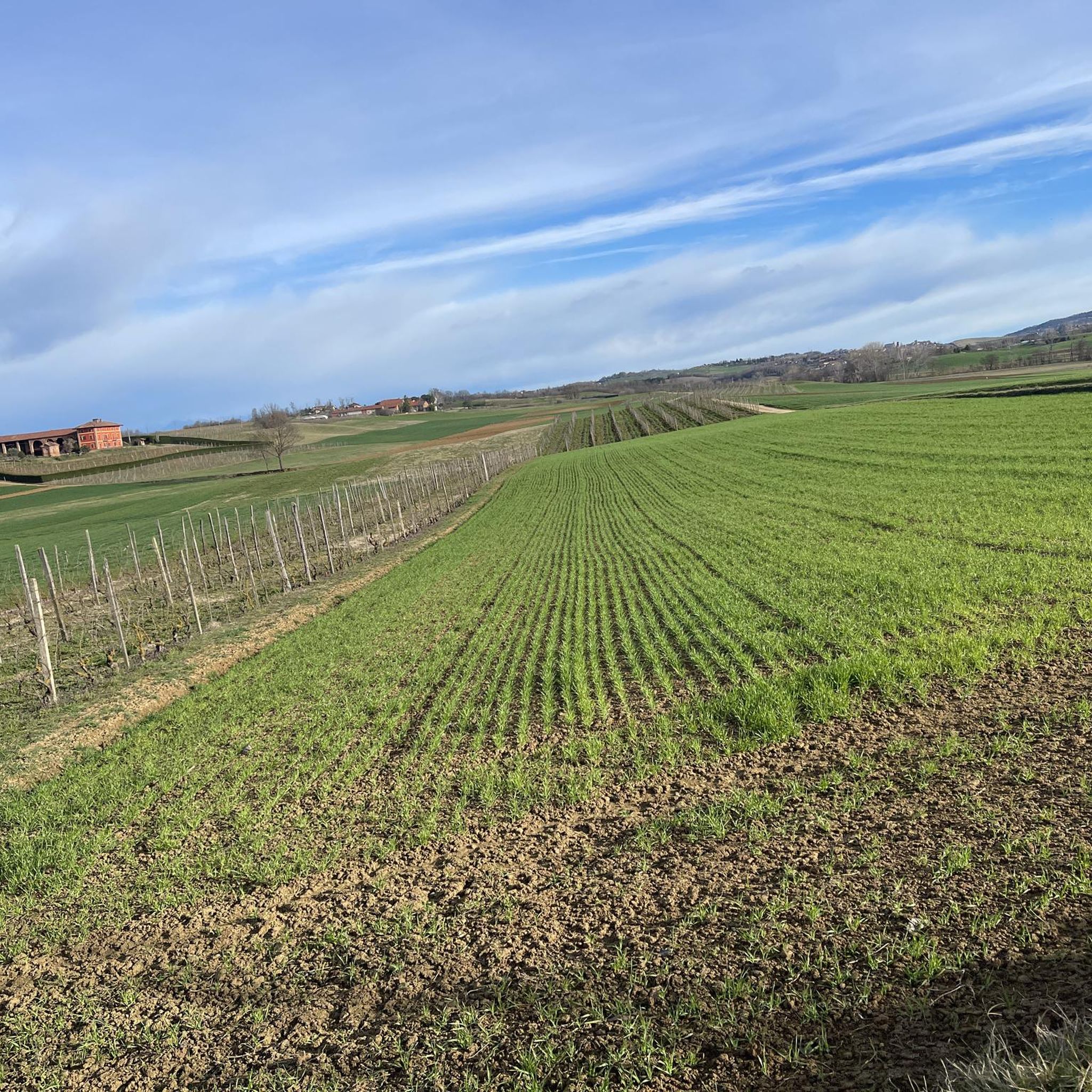
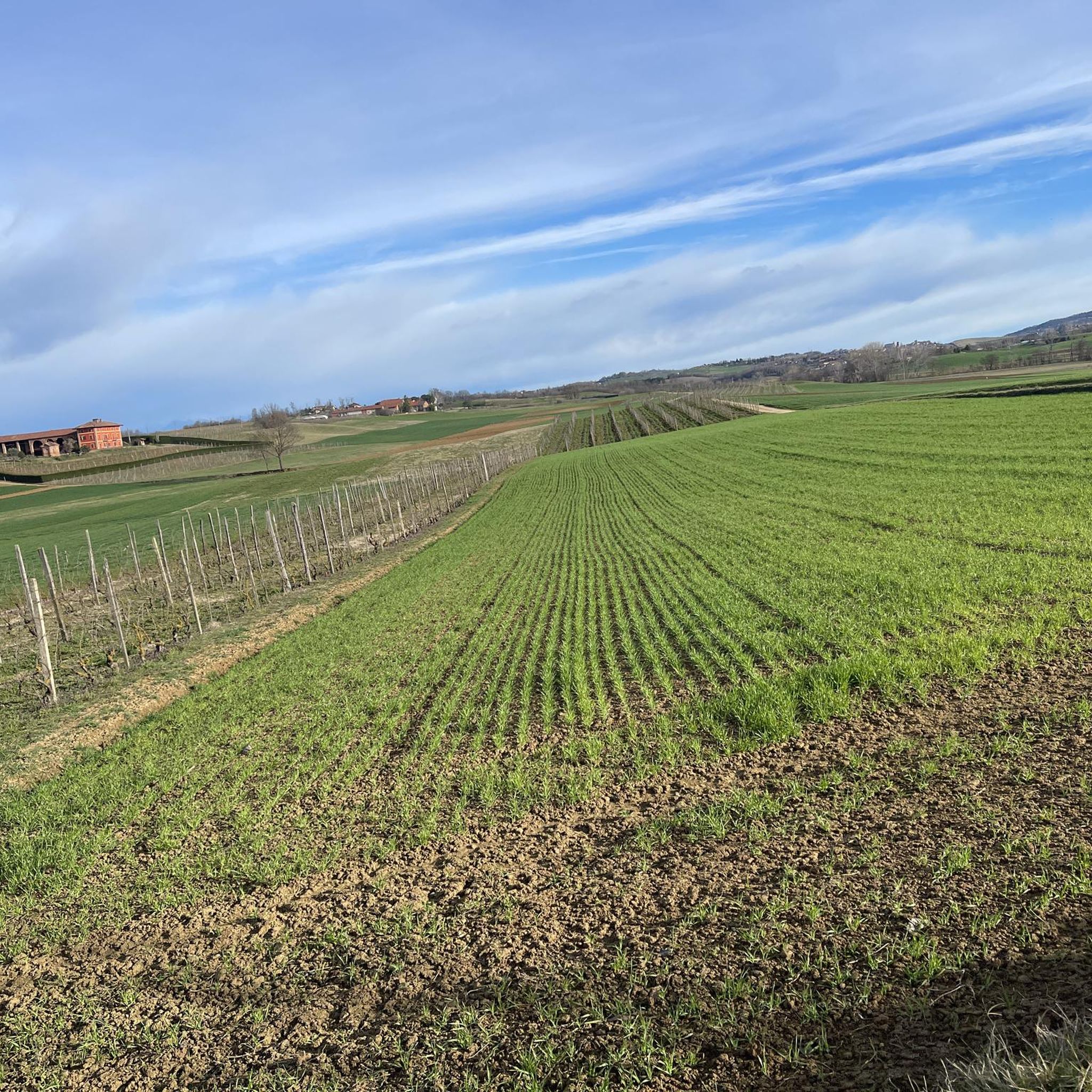
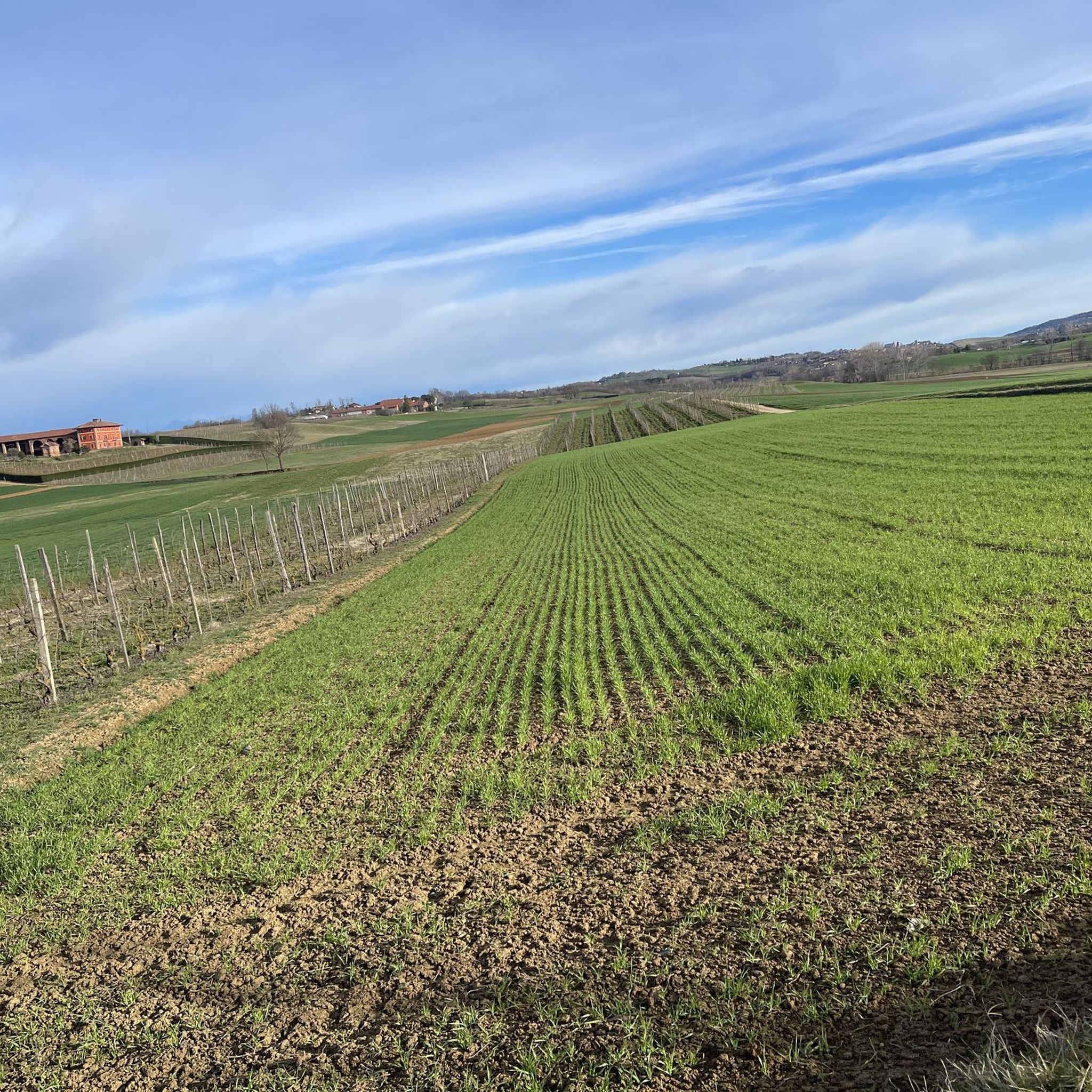
Hill Behind the Castle of Moriondo Torinese
Highlight • Natural
Translated by Google •
Tip by

Arignano Village Center and Castles
Highlight • Settlement
Translated by Google •
Tip by

Church of Sant'Antonio, Cinzano
Highlight • Religious Site
Translated by Google •
Tip by
Sign up for free to discover even more castles around Buttigliera D'Asti.
Sign up for free
Already have an account?
Start today with a free account
Your next adventure awaits.
Login or Signup
Tips from the Community

Church with a small square and a lookout point equipped with a water point and tools for bike maintenance
0
0

nice village on the Turin hills
0
0

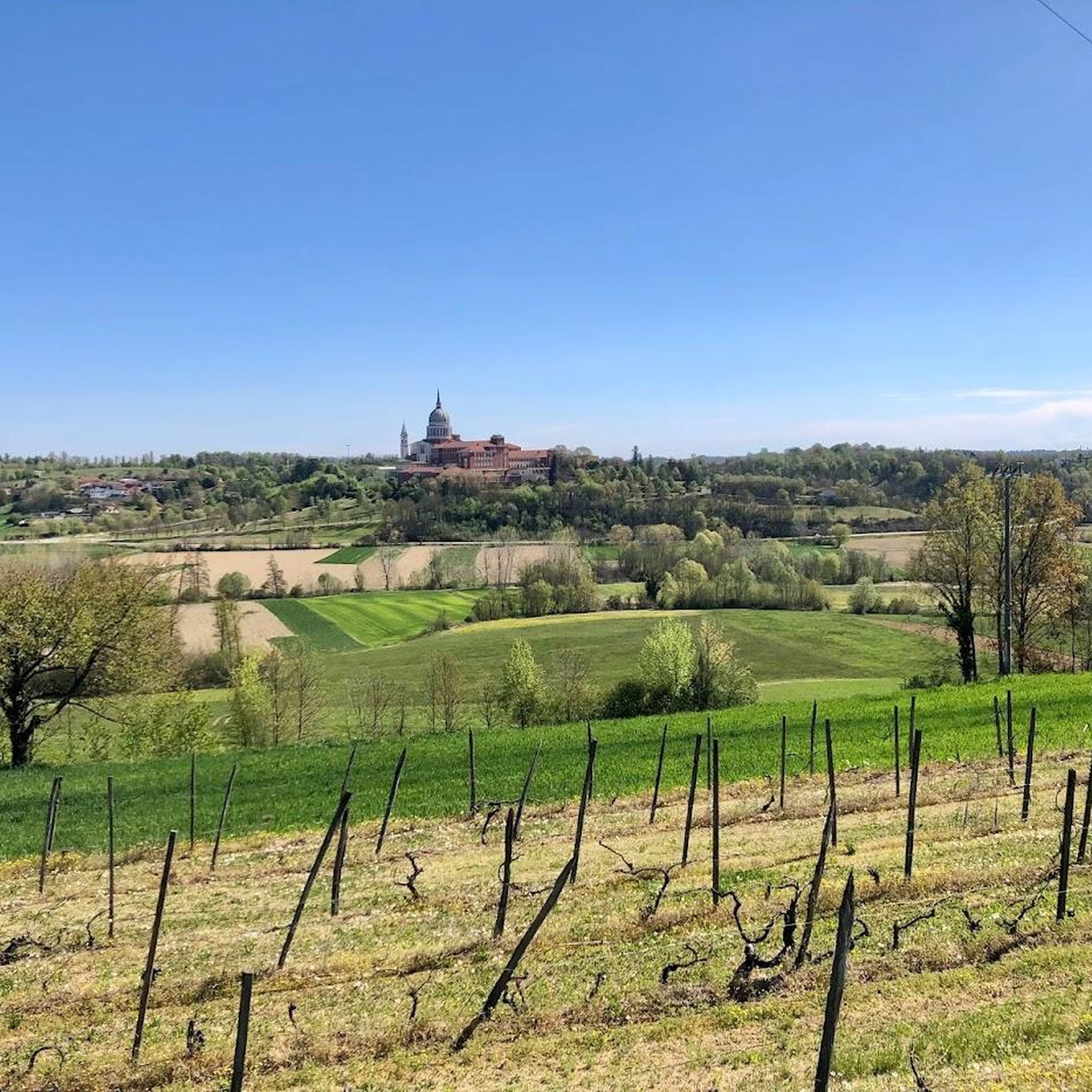
If you go up from Gassino, along the Sp 97, you travel along a beautiful road with never excessive slopes, which winds through a beautiful countryside, even the traffic is not excessive. Very beautiful the view of the surrounding hills, suggestive the castle.
0
0
Both the castle and the village are beautiful.
0
0

Beautiful village, with church and castle located in an elevated position compared to the passing road. A beautiful walk passes in front of the church and leads to an isolated bell tower. Another road branches off and leads to the castle, at the highest point of the town, which houses a museum and nursery and primary schools. Both from the castle and from the promenade, beautiful views of the surrounding hills. On the promenade, the monuments to the Alpini and the Fallen, and two fountains, both functioning.
0
0
Close to the panoramic point of Cinzano, the beautiful church of Sant'Antonio and the castle (private). Water point, cycle station, picnic table, WC: nice spot for a stop.
0
0
Nice little village, which concentrates various points of interest in its centre. First of all the castle, dating back to the 11th century: restored and renovated, so much so that at first I took it for a 19th century neo-Gothic replica! Next, the church of San Giovanni Battista, in front of the castle: an eighteenth-century building then remodeled in the nineteenth century, with a beautiful exposed brick façade, simple and effective. Remarkable, a short distance away, is the Regio Asilo Matta, a nineteenth-century nursery school, which breathes in the scents of De Amicis. On the road towards Turin, in a fork in the road, is the small church of San Rocco, also an eighteenth or nineteenth century neoclassical construction, simple but not to be missed.
0
0
Really tiny village, which as is typical of these hill and mountain villages has all the essentials concentrated in the same square: church, town hall, and school. However, it has one feature: not one, but two castles, the Rocca di Arignano (which can be visited, restaurant inside) and the Castello delle Quattro Torri (private, visible only from the outside). It's worth popping by. Outside the village, the landscape of the hills is wonderful.
0
0
Frequently Asked Questions
What castles can I visit near Buttigliera D'Asti?
While there isn't a prominent standing castle directly within Buttigliera D'Asti today, the surrounding Asti province offers several notable examples. You can visit the impressive Costigliole d'Asti Castle, which houses a National Museum and an international cooking school. Other options include the medieval Moncucco Torinese Castle, the scenic Cinzano Castle, and the historic Arignano Village Center, which features the Rocca di Arignano open to visitors.
Are there any castles directly in Buttigliera D'Asti?
Historical records indicate the existence of the 'Castle of Mercuriolo' near ancient Butiglaria (Buttigliera D'Asti), but it appears to have vanished by the end of the 15th century. Today, Buttigliera D'Asti is known for other historical structures like the 18th-century Palazzo Freylino and Romanesque churches, rather than standing castles.
What kind of historical architecture can I expect to see in the region's castles?
The castles around Buttigliera D'Asti showcase a range of architectural styles, reflecting different historical periods. You can find medieval structures, such as the 14th-15th century Moncucco Torinese Castle, feudal castles like the 12th-century Castello di Montegrosso d'Asti, and baroque designs, exemplified by the San Martino Alfieri Castle built in the late 17th century.
Are there family-friendly castles to visit?
Yes, several castles and their surrounding areas are considered family-friendly. For instance, the Moncucco Torinese Castle and Historic Center and Arignano Village Center and Castles are listed as family-friendly. The Hill Behind the Castle of Moriondo Torinese also offers a pleasant experience for families.
What outdoor activities can I do near these castles?
The area around Buttigliera D'Asti and its castles is excellent for various outdoor activities, particularly cycling. You can find numerous routes for touring bicycles, road cycling, and gravel biking. For example, explore routes like the 'Basilica of Superga – Superga Panoramic Road loop' or 'View of the Vineyards – Passerano Marmorito loop'. You can find more details and routes on the Cycling around Buttigliera D'Asti guide, the Road Cycling Routes around Buttigliera D'Asti guide, and the Gravel biking around Buttigliera D'Asti guide.
Are there scenic viewpoints near the castles?
Many castles in the region are situated on hilltops, offering expansive views. The Moncucco Torinese Castle, for instance, dominates the surrounding area with wide views over the Turin hills and Monferrato. Similarly, the Cinzano Castle and Church can be admired from a scenic road offering beautiful views of the surrounding hills.
What is the best time to visit castles in the Asti province?
The best time to visit the castles in the Asti province is generally during the spring (April-June) and autumn (September-October) months. During these seasons, the weather is pleasant for exploring, and the natural landscapes, especially the vineyards, are particularly beautiful. Summer can also be enjoyable, though it can be warmer, while winter might see some attractions with reduced opening hours.
What makes Costigliole d'Asti Castle unique?
Costigliole d'Asti Castle is notable for its impressive Gothic-like architecture, built between the 14th and 15th centuries. It has a rich history, having been owned by prominent noble families, and once served as the residence of the politically influential Countess of Castiglione. Today, it hosts the Cultural Park of the Grinzane Cavour Prize, a National Museum of the Territory, and an international cooking school, making it a cultural hub.
Can I find cafes or restaurants near these castles?
Yes, many of these castles are located in or near historic villages and towns where you can find local amenities. For example, near the Church of Sant'Antonio, Cinzano, which is close to Cinzano Castle, there's a spot with a water point and picnic table. Larger towns like Costigliole d'Asti and Moncucco Torinese will offer various dining options.
What do visitors enjoy most about the castles around Buttigliera D'Asti?
Visitors appreciate the historical significance and architectural beauty of the castles, often highlighting the panoramic views from their hilltop locations. The blend of history with the scenic rolling hills of the Asti province, particularly the Monferrato area, is a major draw. The community also enjoys the opportunity to combine castle visits with outdoor activities like cycling through the picturesque countryside.
Tell me more about Moncucco Torinese Castle.
The Moncucco Torinese Castle is a medieval fortress that retains its 14th-15th century appearance, despite later extensions. It features massive walls and two prominent towers, offering commanding views over the Turin hills. The renovated interiors now house municipal offices, the Plaster Museum, and host various public and private events, making it a vibrant part of the community.
Are there any castles known for their gardens or unique features?
The San Martino Alfieri Castle, a baroque structure built on medieval ruins, is known for its beautiful Orangerie (winter garden) decorated with delicate stuccoes. While not a garden, the Monastero Bormida Castle features a distinctive 27-meter-high Lombardy-style tower and noble floors with mosaic floors and frescoed ceilings, offering unique architectural details.
Most popular routes around Buttigliera D'Asti
Most popular attractions around Buttigliera D'Asti

Get inspired with the komoot mobile app


Explore more
Looking for the best castles somewhere else? Discover other guides around Buttigliera D'Asti:
