Top 8 Castles around Montemagno
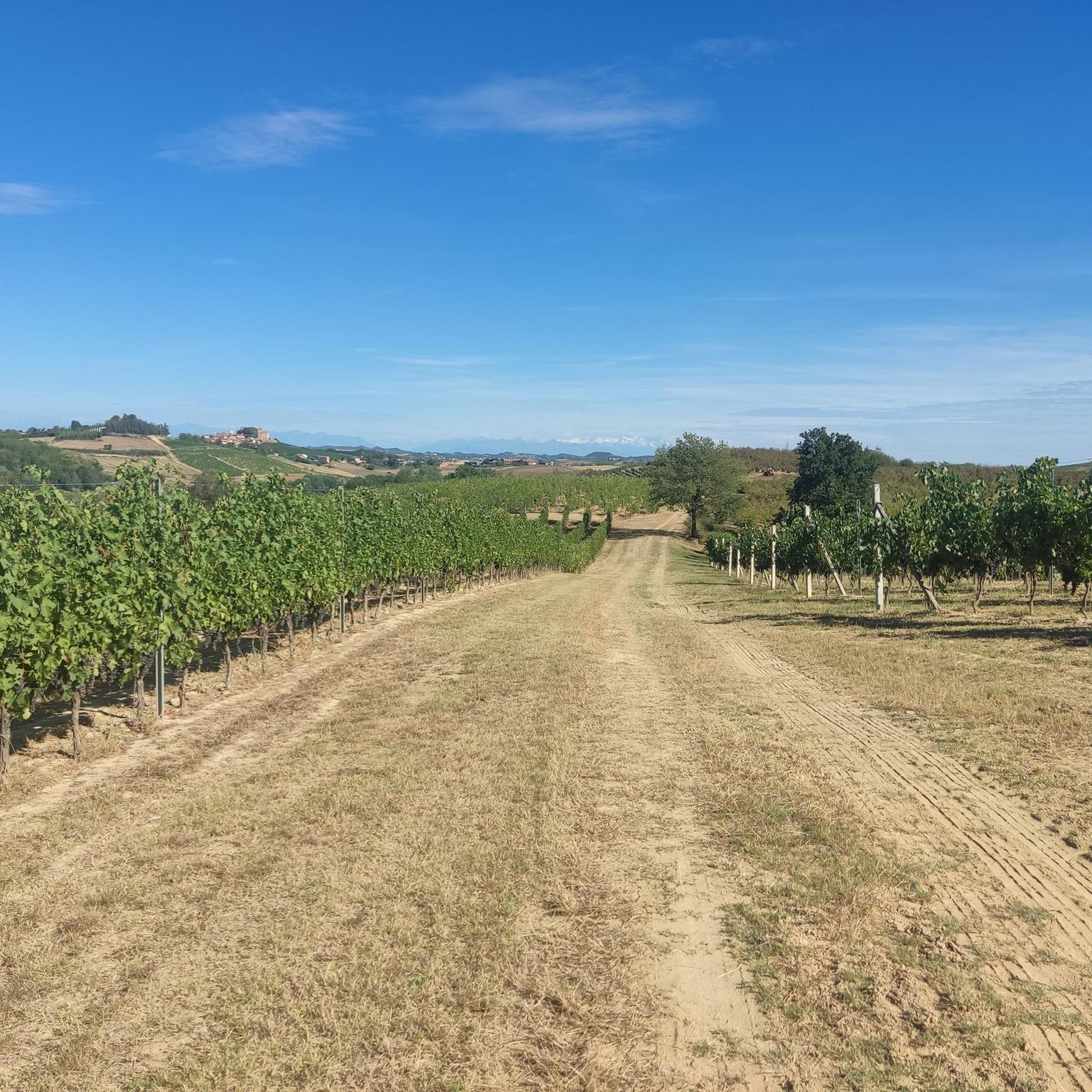
Castles around Montemagno are situated in the Monferrato hills of Piedmont, Italy, an area known for its historical significance and varied terrain. The region features prominent medieval fortresses, often perched atop hills, offering sweeping views of the surrounding landscape. These sites showcase centuries of architectural evolution, from defensive structures to later residential refinements, reflecting the area's rich past.
Best castles around Montemagno
- The most popular castles is Castello di Montemagno, a castle that stands prominently atop a hill, dominating…
Last updated: June 30, 2026
Castello di Montemagno
Highlight • Castle
Translated by Google •
Tip by

Cereseto Castle
Highlight • Castle
The castle was built in the …
Translated by Google •
Tip by

Sign up now to discover places like this
Get recommendations on the best single tracks, peaks, & plenty of other exciting outdoor places.
Sign up for free
Montemagno, Monferrato
Highlight • Castle
Showing Translation
Tip by
Parish Church of Saints Peter and Paul, Castell'Alfero
Highlight • Religious Site
Translated by Google •
Tip by
Uviglie Castle
Highlight • Castle
Translated by Google •
Tip by
Sign up for free to discover even more castles around Montemagno.
Sign up for free
Already have an account?
Start today with a free account
Your next adventure awaits.
Login or Signup

Tips from the Community

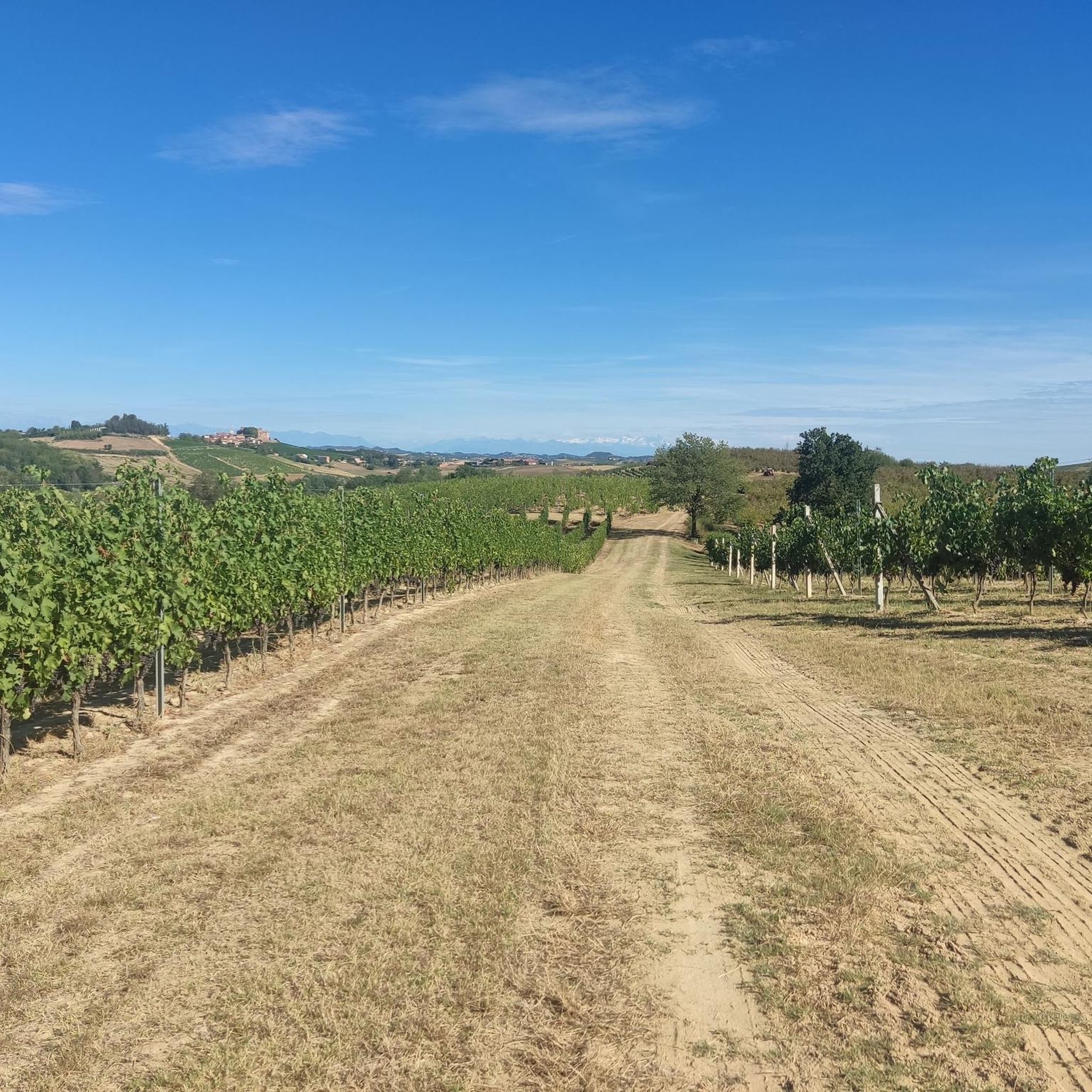
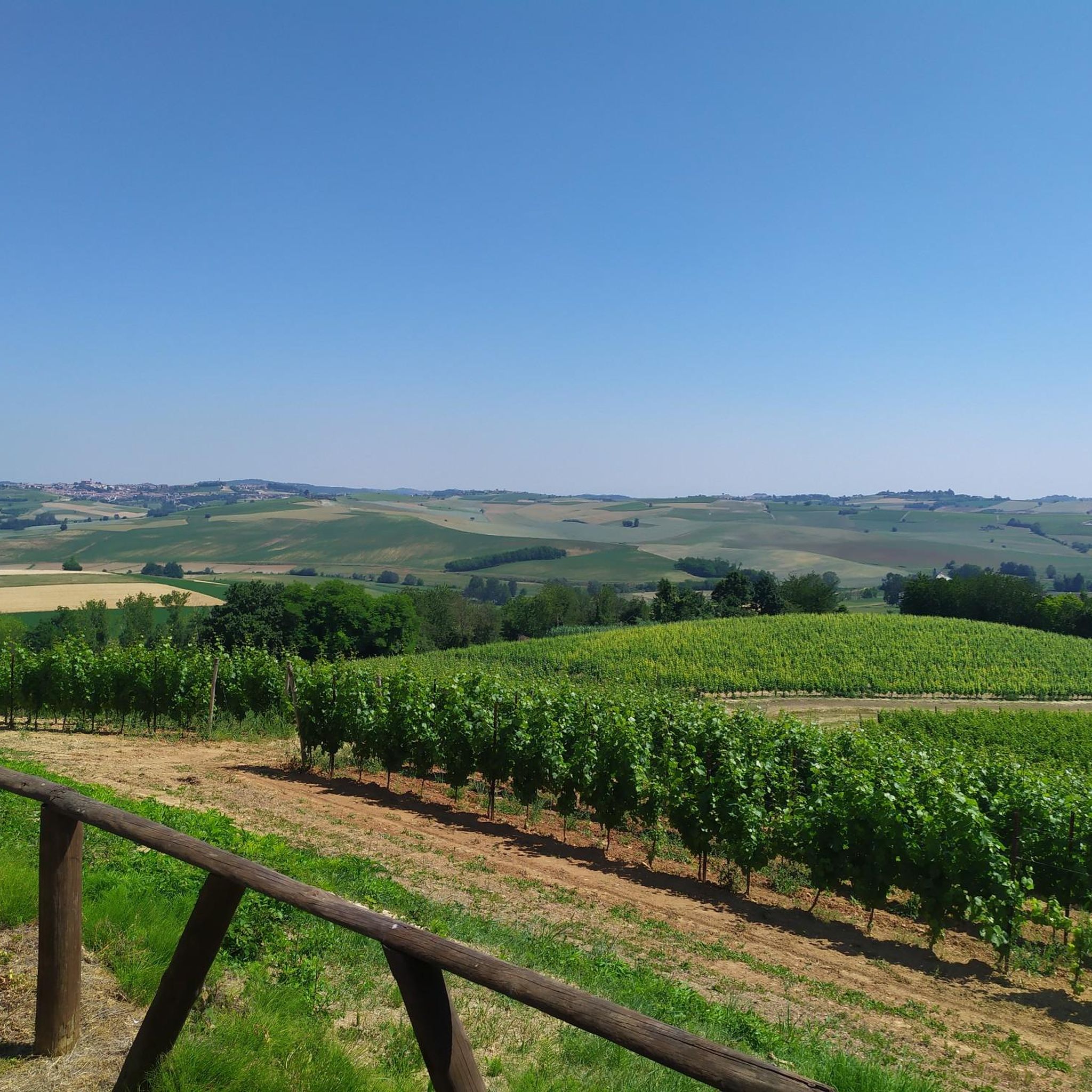
Montemagno Monferrato is a small Italian municipality in Piedmont, in the province of Asti, located in the hilly territory of Monferrato.
12
0

Place with a beautiful historic center
0
0

Building kept in perfect condition.
25
0


Place of historical, architectural, cultural and tourist interest SP29, 19, 14030 Montemagno AT https://www.comune.montemagno.at.it/it/point-of-interest/castello-di-montemagno-o-dei-conti-calvi-di-bergolo 014163583
5
0

Around 1900, the extremely wealthy entrepreneur, financier, art collector and patron Riccardo Gualino (1879–1964) began building a neo-Romanesque-neo-Gothic castle in a commanding position over the town. The architect of the building was the engineer Vittorio Tornielli. In 1918, the Castello di Cereseto became one of the residences of the Turin family, where lavish parties were celebrated with guests from the Piedmontese business and financial world, from the Agnelli to the Sella. The fort was inhabited by the family until the second half of the 20th century and is therefore well preserved.
6
0

Montemagno Monferrato is a municipality in the province of Asti. The center of the town is characterized by the Montemagno castle and the remains of the church of Saints Vittore and Corona, built in Romanesque style.
4
0
Frequently Asked Questions
What makes the castles around Montemagno unique?
The castles in the Montemagno area, nestled in the Monferrato hills of Piedmont, showcase a rich history and diverse architectural styles. You'll find everything from ancient medieval fortresses like Castello di Montemagno, with origins dating back to 981, to more modern, fairy-tale-like structures such as Cereseto Castle, built in the early 20th century. This variety offers a fascinating journey through different historical periods and functions.
Are there any castles with notable historical significance?
Absolutely. Castello di Montemagno is particularly significant, with its history tracing back to 981. It has undergone numerous expansions and reconstructions, displaying medieval elements, 14th-century pointed arch windows, and 18th-century residential renovations. Its complex past reflects conflicts between Asti and the Marquisate of Monferrato, making it a tangible representation of the region's rich heritage.
Which castles offer the best views of the Monferrato hills?
Many castles in the region are strategically perched atop hills, offering panoramic vistas. Castello di Montemagno provides sweeping views over the surrounding Monferrato hills and nearby villages. Similarly, Uviglie Castle is noted for its beautiful position on a hill, offering excellent views of Rosignano Monferrato and Cella Monte.
Can I visit the interiors of these castles?
Access varies by castle. For Castello di Montemagno, visits are restricted to guided tours and require advance reservations. The interiors feature numerous halls, salons, and rooms filled with period furniture, paintings, and frescoes. In contrast, while Cereseto Castle boasts well-preserved external walls, its interior is not always accessible to the public.
Are there family-friendly castles to visit in the Montemagno area?
Yes, several castles are considered family-friendly. Cereseto Castle and Frassinello Monferrato Castle are both categorized as family-friendly. While Cereseto's interior might not always be open, its fairy-tale exterior is captivating for all ages. Frassinello Castle, a UNESCO World Heritage Site, also welcomes families and hosts events.
What kind of outdoor activities can I do near the castles?
The Montemagno area is excellent for outdoor enthusiasts. You can explore various routes for mountain biking, road cycling, and gravel biking. For example, there are several MTB trails around Montemagno, including loops that pass by Castello di Montemagno. You can also find road cycling routes and gravel biking routes that allow you to discover the scenic Monferrato landscape.
Are there any notable natural features or parks associated with the castles?
Yes, Castello di Montemagno is surrounded by a valuable botanical park. This park features impressive specimens of lime, black locust, English oak, hornbeam, elms, cypresses, and plane trees. It's home to a majestic Atlas Cedar and a centuries-old Horse Chestnut, making it one of the most interesting 'Green Monuments' in Lower Monferrato.
What is the best time of year to visit the castles in Montemagno?
The Monferrato region generally enjoys pleasant weather for exploration during spring (April-May) and autumn (September-October). These seasons offer mild temperatures, beautiful landscapes, and are ideal for both castle visits and outdoor activities like cycling or walking in the surrounding hills.
Is there parking available near the castles?
While specific parking details for each castle are not always provided, Montemagno Monferrato is a village, and general parking is usually available within walking distance of its main attractions, including Castello di Montemagno. For other castles, it's advisable to check local information upon arrival or consult their official websites if available.
What do visitors enjoy most about the castles in this region?
Visitors frequently appreciate the historical depth and architectural beauty of the castles. Many are captivated by the well-preserved structures and the stunning panoramic views they offer over the Monferrato hills. The blend of medieval history with later architectural refinements, as seen in Castello di Montemagno, and the picturesque charm of places like Cereseto Castle, are often highlighted.
Are there any castles that are UNESCO World Heritage Sites?
Yes, Frassinello Monferrato Castle and its surrounding area became a UNESCO World Heritage Site in June 2014. This recognition highlights its ancient origins, dating back to the 11th century, and its finely restored condition, which respects the historical canons of the time.
Most popular routes around Montemagno
Most popular attractions around Montemagno

Get inspired with the komoot mobile app


Explore more
Looking for the best castles somewhere else? Discover other guides around Montemagno:
