Top 5 Castles around Calamandrana
Best castles around Calamandrana include the historic Castello di Calamandrana, a significant fortification dominating the ancient village and valley. This region is characterized by its rolling hills and agricultural landscapes, providing a backdrop for several historical sites. The area's past is marked by medieval conflicts and feudal changes, evident in its surviving structures. Calamandrana offers a blend of historical exploration within a natural setting.
Best castles around Calamandrana
- The most popular castles is Monastero Bormida, a settlement that was…
Last updated: May 18, 2026
Monastero Bormida
Highlight • Settlement
Translated by Google •
Tip by

Rocchetta Palafea
Highlight • Settlement
Translated by Google •
Tip by
Sign up now to discover places like this
Get recommendations on the best single tracks, peaks, & plenty of other exciting outdoor places.
Sign up for free
Ascent from Canelli to Castello Gancia
Highlight (Segment) • Climb
Translated by Google •
Tip by

Canelli
Highlight • Settlement
Translated by Google •
Tip by
Cassinasco Tower
Highlight • Castle
Translated by Google •
Tip by

Sign up for free to discover even more castles around Calamandrana.
Sign up for free
Already have an account?
Start today with a free account
Your next adventure awaits.
Login or Signup
Tips from the Community

The Castle of Monastero Bormida was not originally built as a defensive structure but as a Benedictine monastery, founded around 1050 by monks from the Abbey of Fruttuaria, called by the Aleramici Marquises to reclaim the lands devastated by Saracen raids. The 27-meter tower still visible today was originally the bell tower, and the river flowing a few meters from the southern tower confirms the non-military nature of the building. In 1393, the Benedictines abandoned the monastery, and its feudal history began: the fief passed to the Del Carretto marquises, who in the 15th century added the first defensive structures, transforming it into a castle. The building is a quadrangular structure with an internal courtyard, protected by towers on multiple sides and connected to the former bell tower by a small suspension bridge. On the south facade, there is a two-arched Renaissance loggia with a small stone column. Inside, the rooms on the main floor—transformed in the 17th century—feature mosaic floors and sail and cross vaults with frescoes of floral and geometric motifs. The castle later passed to the Della Rovere family and subsequently to the Genoese Polleri family, finally becoming the property of the Municipality starting in 1880. Today it is open to visitors and is part of the regional circuit "Castelli Aperti".
0
0

Beautiful old arched bridge.
3
1

"Castle" of Monastero Bormida Place of tourist, historical, architectural and cultural interest Piazza Castello, 1, 14058 Monastero Bormida AT http://www.comune.monasterobormida.at.it/ 014488450
3
0

Probably built in the Lombard era, it is what remains of the ancient castle, destroyed by the Franco-Savoy troops in 1615, during the war for the succession of Monferrato. The castle had extreme strategic importance as it dominated the road between the Belbo valley and the Bormida valley
0
0
The tower joined to the castle by a medieval arch
2
0

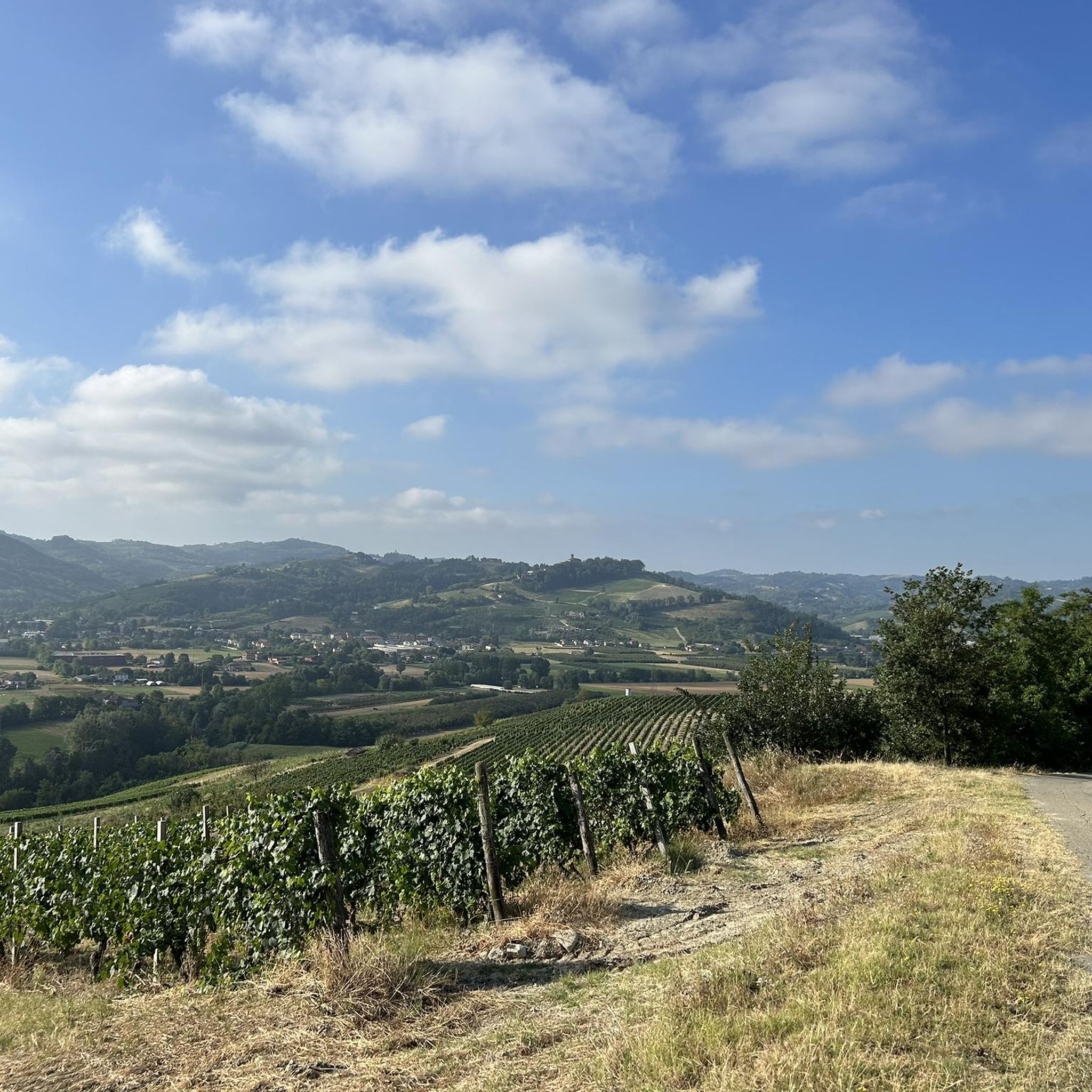
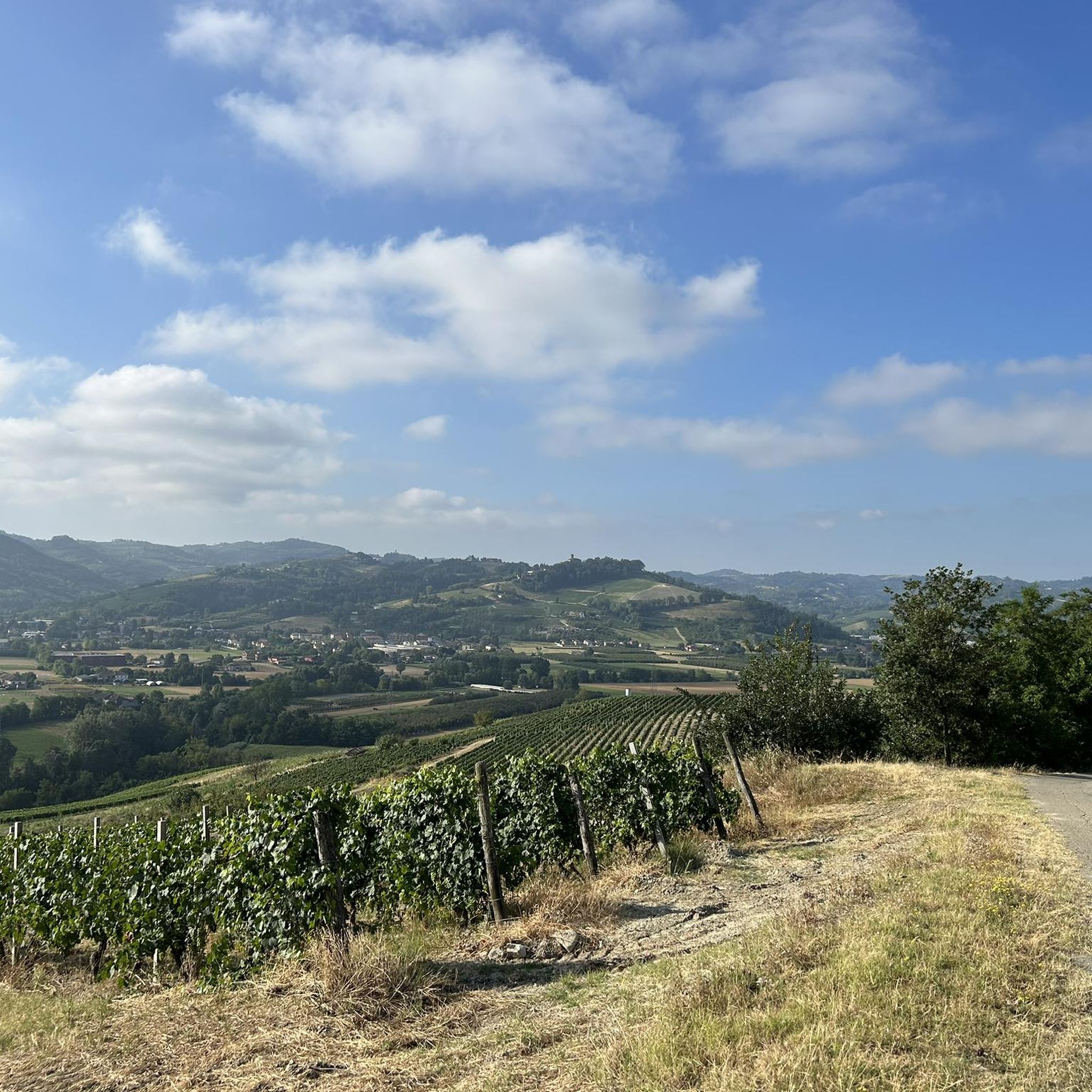
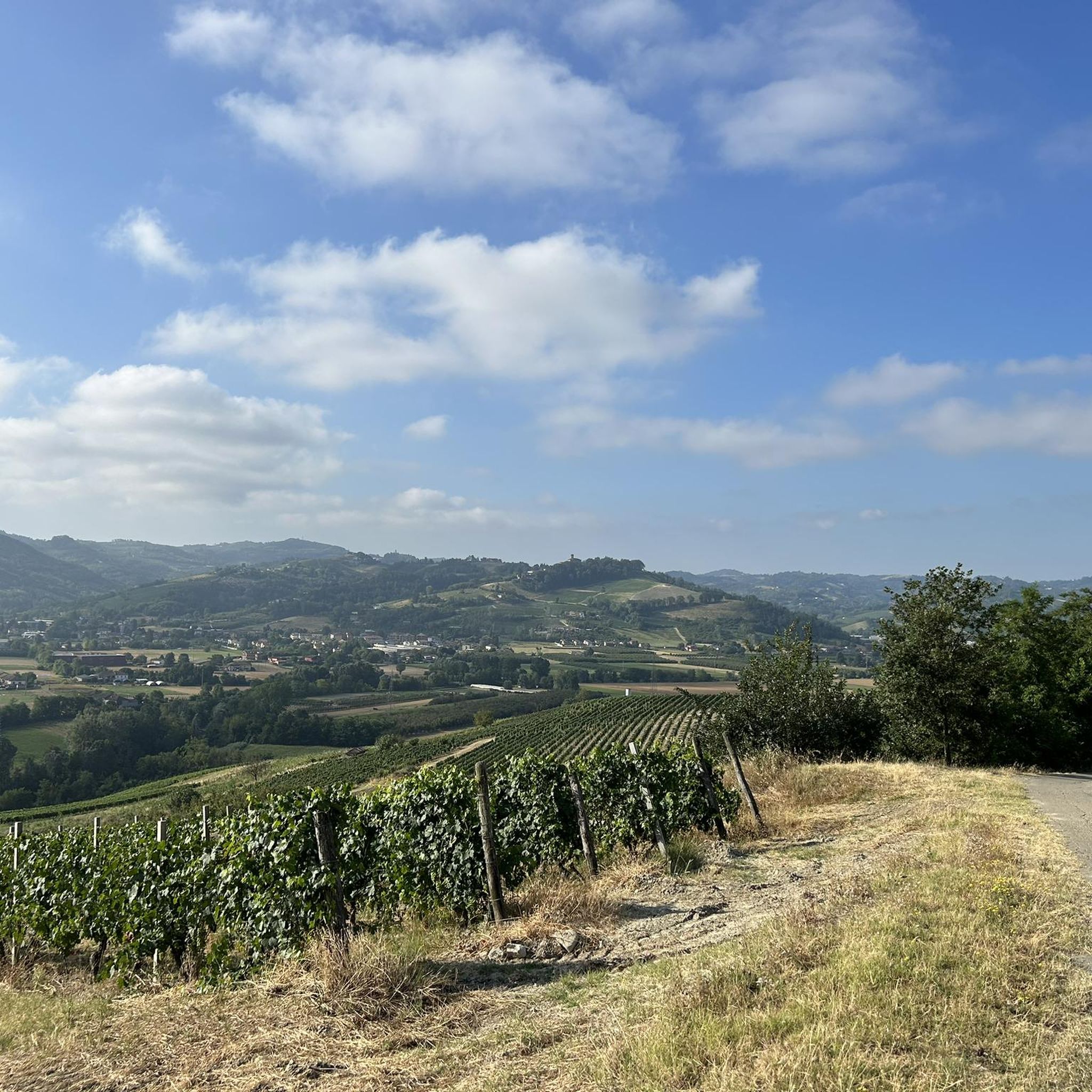
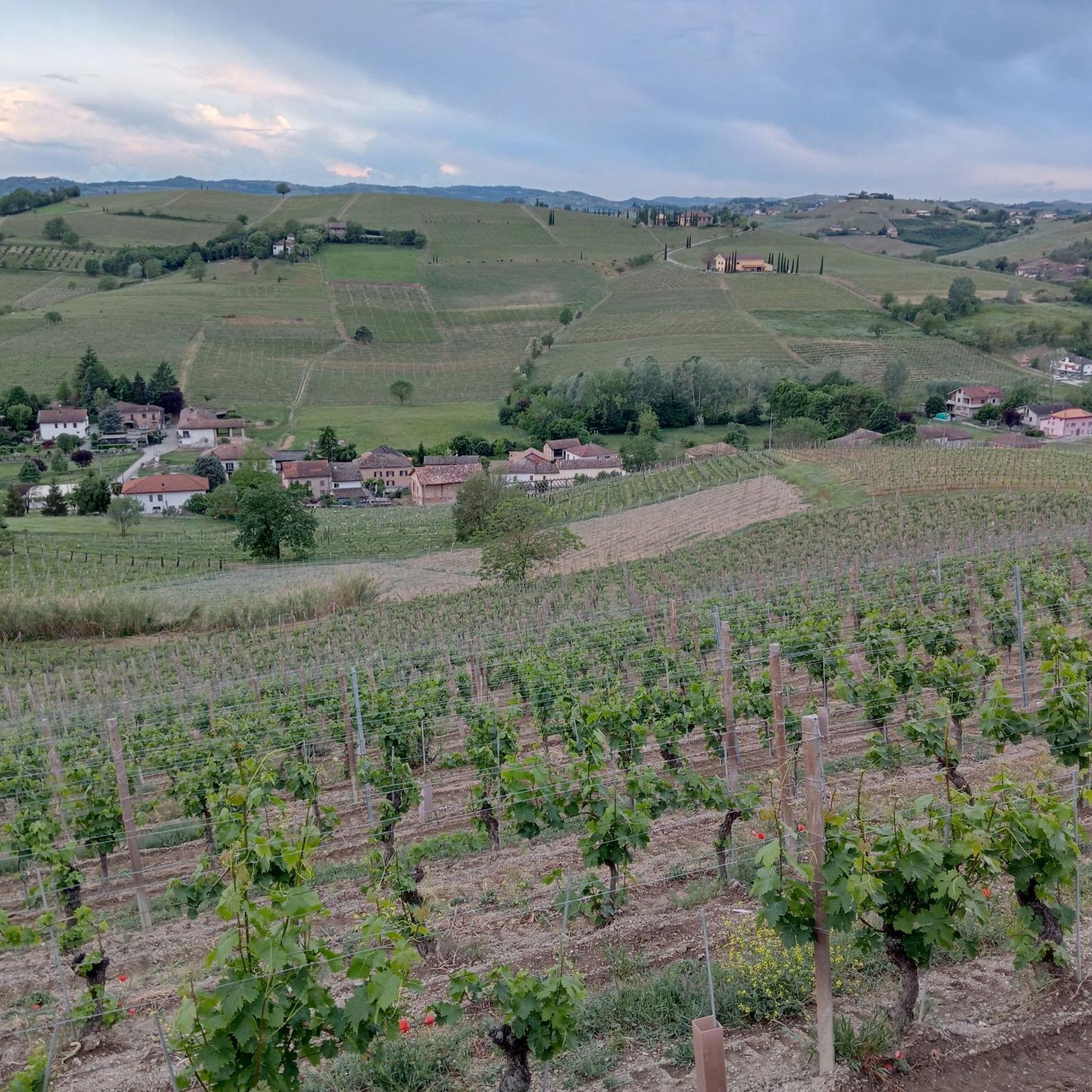
The climb that leads from Canelli to Gancia castle passes through splendid vines. This climb is steep at times and was tackled by the 2023 Giro d'Italia women. The Gancia castle is currently a private villa and cannot be visited: on the other hand, the panoramic views are magnificent.
6
1

Canelli is a town in the province of Asti. The locality is famous for its wine production, in particular for the renowned sweet sparkling wine called Moscato d'Asti. A further distinctive feature consists of the underground cellars, created by carving the tuff rock, which serve for the purpose of preserving and aging the precious nectar. The historical and cultural heritage of Canelli is of considerable importance, with numerous churches, castles and museums that masterfully illustrate the legacy of this territory.
6
0

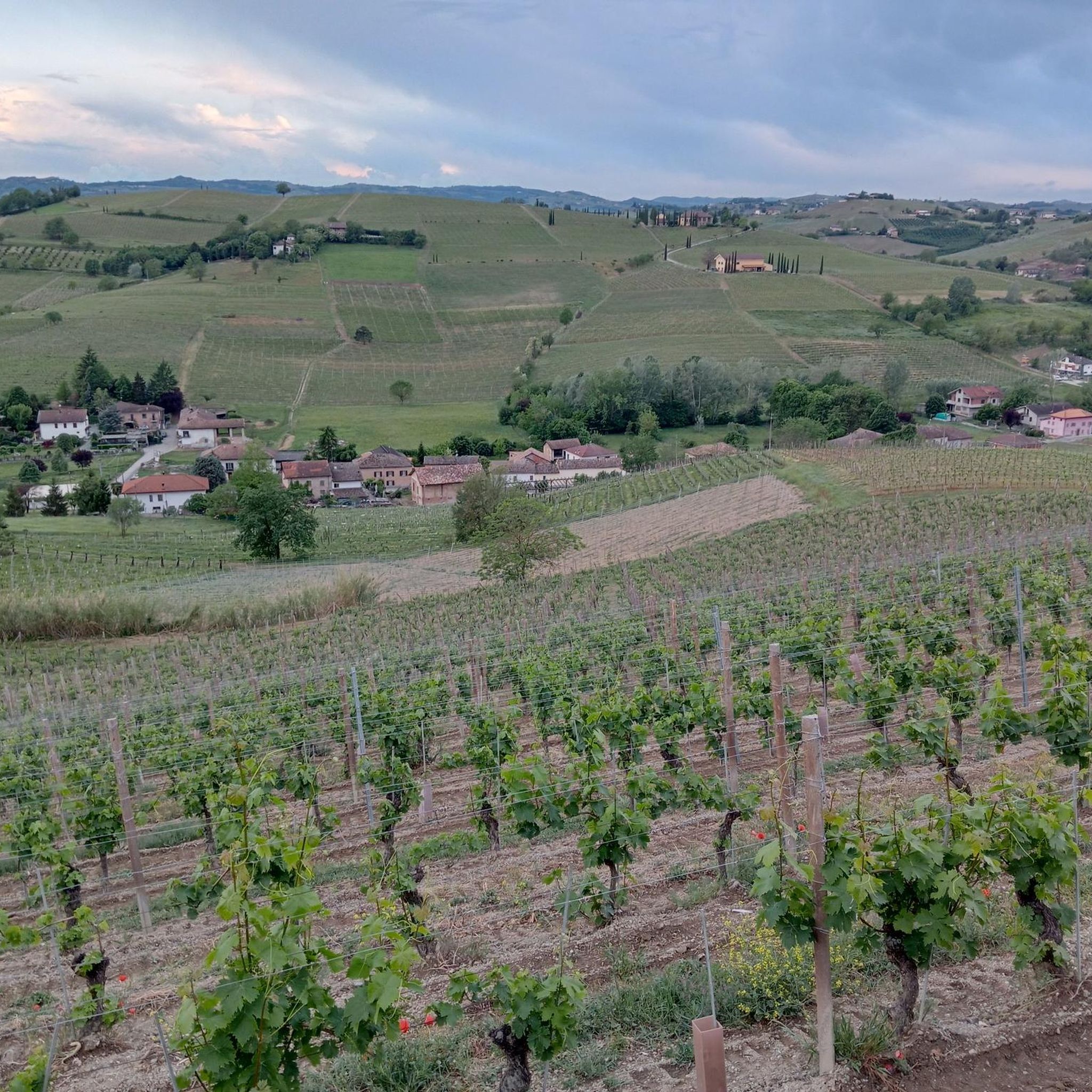
Very beautiful village nestled in the Langhe.
42
0
Frequently Asked Questions
What unique historical features can I find in the castles around Calamandrana?
The region's castles offer a glimpse into centuries of history. The Castello di Calamandrana, for instance, features a unique octagonal tower and preserved underground structures like cellars and a historic drawbridge, reflecting its medieval origins and various reconstructions. Monastero Bormida is built on the site of an original Benedictine monastery from around 1050, and Rocchetta Palafea retains original military garrison structures alongside Baroque additions.
Are there family-friendly castles to visit near Calamandrana?
Yes, Monastero Bormida is categorized as family-friendly. While the Castello di Calamandrana is privately owned, its surrounding park and historical significance can be appreciated by families from the exterior. Many of the castles offer scenic views and opportunities for walks in their vicinity.
What outdoor activities can I do near the castles in Calamandrana?
The area around Calamandrana offers various outdoor activities. You can find numerous hiking and cycling routes that pass by or offer views of the castles. For example, there are several hiking loops starting from Calamandrana, and cycling routes like the 'Borgomale Castle – View of the Alpine Arc loop'. You can explore more options on the Hiking around Calamandrana or Cycling around Calamandrana guide pages.
Are there any scenic viewpoints near the castles?
Yes, several castles and their surroundings offer scenic viewpoints. Rocchetta Palafea is situated on a hill dominating the Belbo Valley, providing great views. The Ascent from Canelli to Castello Gancia, though the castle itself is private, is renowned for its magnificent panoramic views over the vineyards. The Castello di Calamandrana also holds a commanding position overlooking the ancient village and valley.
What is the best time of year to visit the castles around Calamandrana?
The region's rolling hills and agricultural landscapes are particularly beautiful during spring and autumn. Spring offers pleasant weather for outdoor activities and blooming scenery, while autumn brings vibrant colors to the vineyards. Summer can be warm, but still enjoyable, especially in the mornings or late afternoons. Winter might be less ideal for extensive outdoor exploration.
Can I find hiking trails that include castles in the Calamandrana area?
Absolutely. Many hiking routes in the Calamandrana area incorporate views of historical sites and castles. For instance, you can find a 'Hiking loop from Calamandrana' or explore routes like the 'View of Canelli – Vineyard of the Crayons loop' which offer glimpses of the region's heritage and natural beauty. Check the Hiking around Calamandrana guide for detailed routes.
Are there any castles that are particularly good for photography?
The Castello di Calamandrana, with its irregular structure, historic drawbridge, and commanding position, offers picturesque photographic opportunities, especially against the backdrop of the valley and its sizable park. Monastero Bormida is noted for its particular charm when viewed from its medieval bridge, making for unique shots.
What should I know about visiting the Castello di Calamandrana?
The Castello di Calamandrana is a significant historical landmark, but it is currently privately owned and serves as a residence. While you cannot typically enter the castle, its exterior, unique octagonal tower, and the surrounding park are visible and offer a strong sense of the region's medieval past. Its commanding position over the village and valley makes it a prominent feature to admire.
Are there any castles near Calamandrana that are less crowded?
While specific crowd levels vary, focusing on smaller, lesser-known historical sites or exploring during off-peak hours (early mornings or late afternoons) can help you find a more tranquil experience. The Cassinasco Tower, a remnant of an ancient castle, might offer a quieter historical stop compared to more prominent settlements.
What kind of cycling routes are available near the castles?
The Calamandrana area is well-suited for cycling, with routes ranging from moderate to difficult. You can find touring bicycle routes like the 'Murals of Fontanile – Nizza Monferrato Town Square loop' or gravel biking options such as the 'Roccaverano – Monastero Bormida loop'. These routes often pass through vineyards and offer views of the castles and the surrounding landscape. More details are available on the Cycling around Calamandrana and Gravel biking around Calamandrana guide pages.
What historical events shaped the castles in this region?
The castles around Calamandrana have a tumultuous history, marked by medieval conflicts and feudal changes. The Castello di Calamandrana, for example, was destroyed in 1225 during battles between Asti and Alessandria forces and rebuilt around 1237. It changed hands among various noble families like the Del Vasto, Monferrato, and Visconti, and was later damaged by an earthquake, reflecting centuries of regional power struggles and architectural evolution.
Most popular routes around Calamandrana
Most popular attractions around Calamandrana

Get inspired with the komoot mobile app


Explore more
Looking for the best castles somewhere else? Discover other guides around Calamandrana:
