Top 17 Castles around San Damiano D'Asti
Best castles around San Damiano D'Asti are found in the surrounding Asti region, which boasts a rich historical and cultural landscape. While San Damiano D'Asti was established as a fortified town, the nearby area features several notable castles. These structures, often situated atop hills, showcase diverse architectural periods from medieval fortresses to Baroque residences. The region offers a blend of history, picturesque villages, and serene environments with vineyards.
Best castles around San Damiano D'Asti
- The most popular castles is Pralormo…
Last updated: June 30, 2026
San Martino Alfieri Castle
Highlight • Castle
Translated by Google •
Tip by

Pralormo Castle
Highlight • Castle
Translated by Google •
Tip by

Sign up now to discover places like this
Get recommendations on the best single tracks, peaks, & plenty of other exciting outdoor places.
Sign up for free
Costigliole d'Asti Castle
Highlight • Castle
Translated by Google •
Tip by

Govone Castle
Highlight • Castle
Translated by Google •
Tip by
Cisterna d'Asti Castle
Highlight • Castle
Translated by Google •
Tip by

Sign up for free to discover even more castles around San Damiano D'Asti.
Sign up for free
Already have an account?
Start today with a free account
Your next adventure awaits.
Login or Signup

Tips from the Community

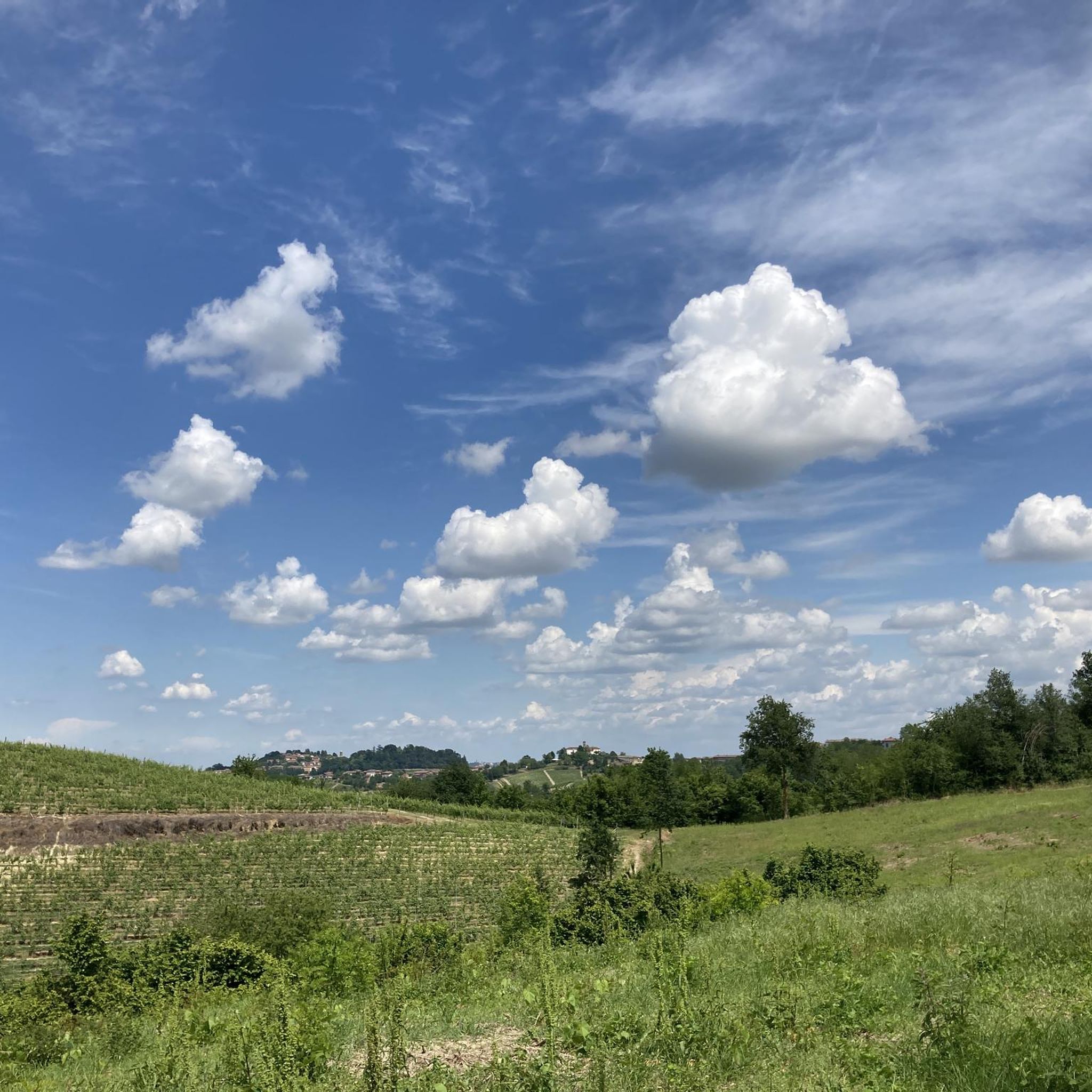
Castle in the town center, known for its tulip display in spring 🌷
0
0

Center of the village, with some beautiful little churches as satellites, and breathtaking views of the surrounding hills.
0
0
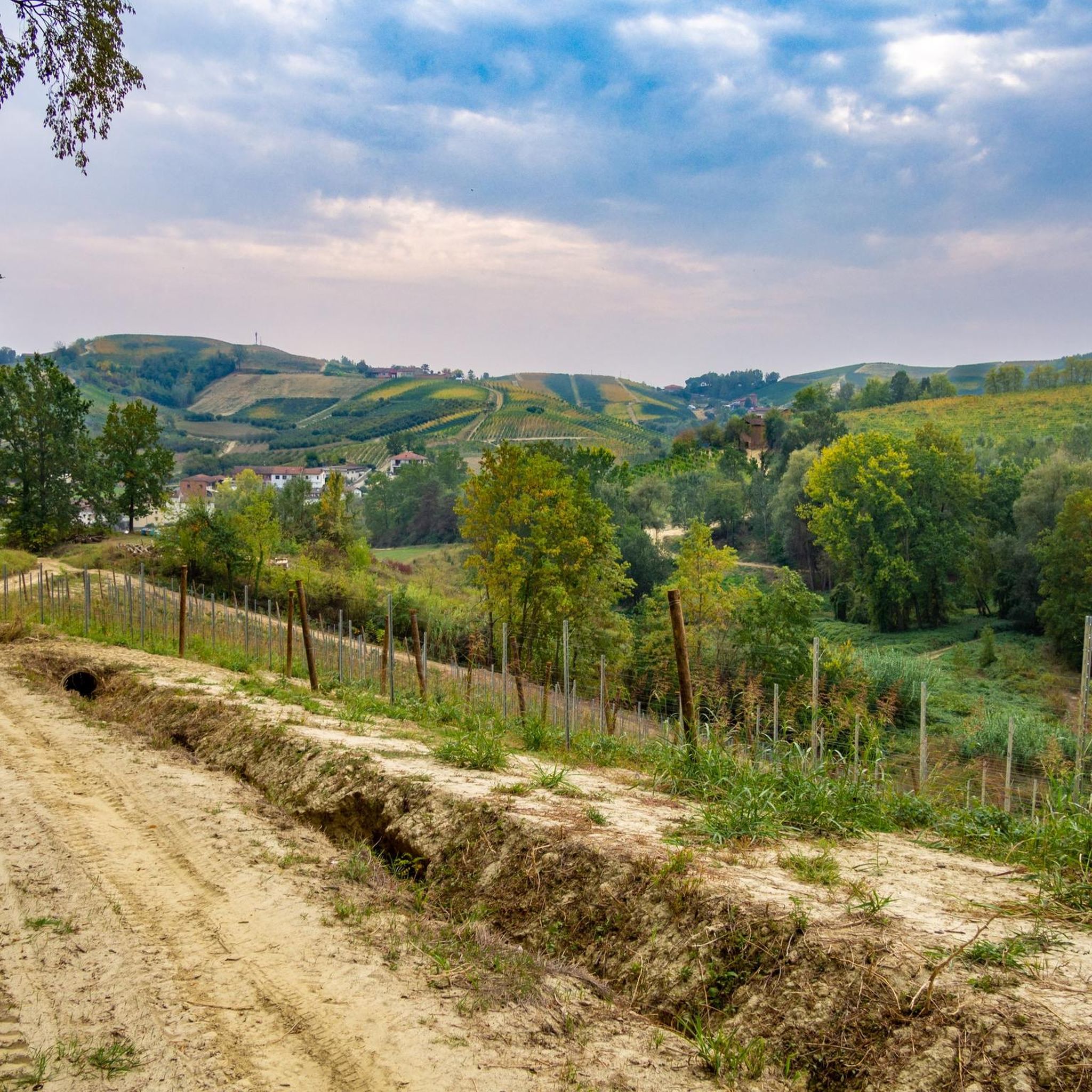
A beautiful castle complex and two churches, set against a panoramic backdrop of the Asti hills.
0
0


The Cisterna castle stands on the top of the hill and from a fortified enclosure, mentioned in a document from 911, it was transformed, in the Baroque era, into a noble country residence.
0
0
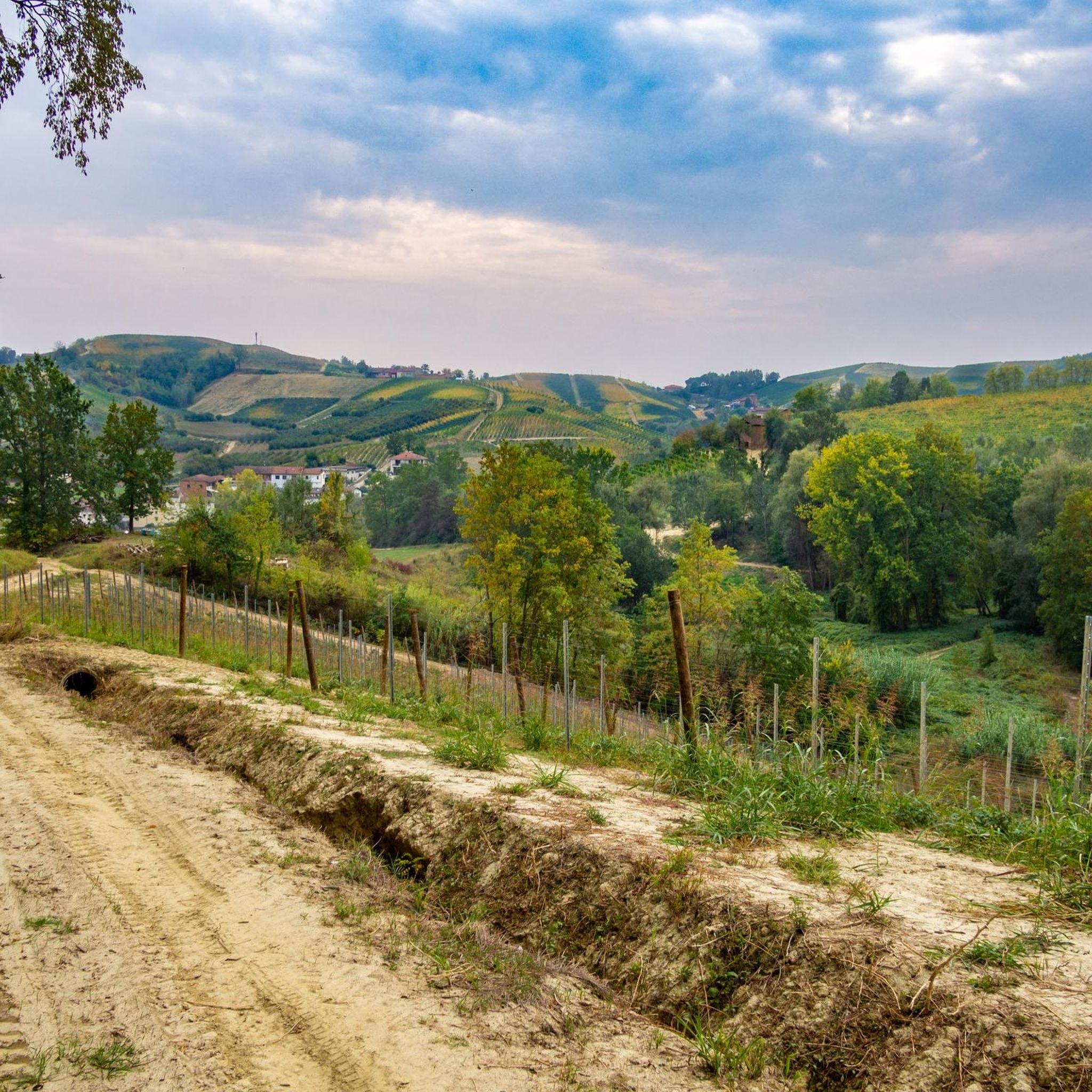
It rises in Astesana, in the tourist area called "Le Colline dei Fiumi", on the watershed of the Tanaro and Borbore rivers, controlling the important ridge line that connected Asti to Roero.
0
0

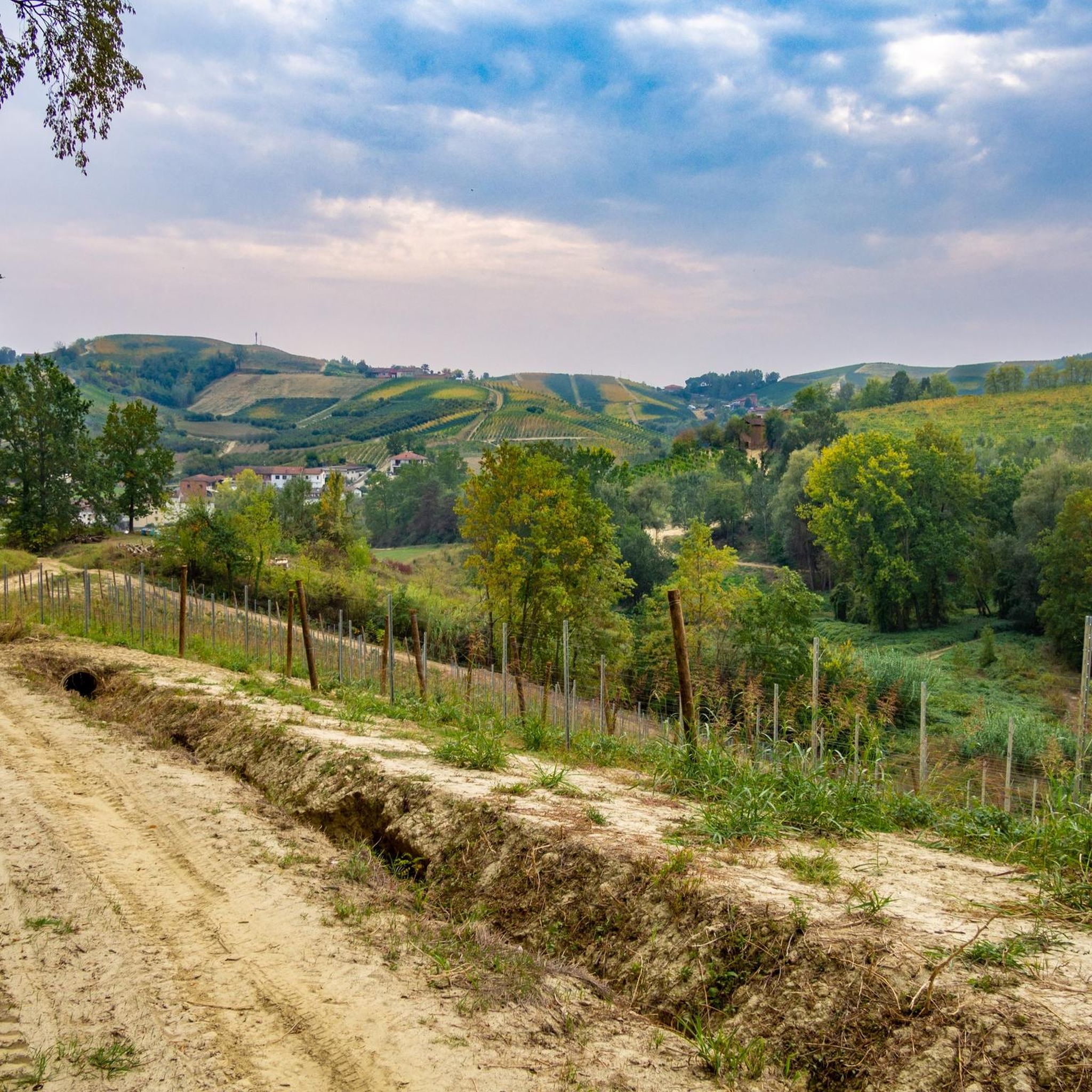
Painting on the side wall of the building that houses both the town hall and the town's primary school. In front, the ancient church of San Giuseppe.
0
0
Frequently Asked Questions
Which castles around San Damiano d'Asti offer a glimpse into different historical periods?
The region boasts castles that showcase various architectural evolutions. For instance, the Castello di Cisterna d'Asti has origins dating back to 911 and evolved into a noble Baroque residence. Similarly, San Martino Alfieri Castle transformed from a medieval fortress into an elegant Baroque summer residence. Costigliole d'Asti Castle is unique for its distinct architectural styles resulting from shared ownership between two feudal lords.
Are there any castles near San Damiano d'Asti that house museums or cultural exhibits?
Yes, the Castello di Cisterna d'Asti is home to the "Arts and Crafts Museum of the Past" (Museo di Arti e Mestieri di un Tempo). This museum preserves around 4,000 objects from the 17th to the 20th centuries, offering insight into Piedmont's artisan and peasant culture. The castle itself is a significant example of evolving architecture.
What is the best time of year to visit the castles in the Asti region?
While many castles are open year-round, spring and autumn often offer pleasant weather for exploring the grounds and surrounding areas. For a unique experience, consider visiting Pralormo Castle in April during its annual "Messer Tulipano" exhibition, when over 75,000 tulips and daffodils are in bloom.
Are there family-friendly castles to visit near San Damiano d'Asti?
Many castles in the region are considered family-friendly. For example, Pralormo Castle is known for its annual tulip exhibition, which can be a delightful experience for all ages. Govone Castle, a UNESCO heritage site, also welcomes families for guided tours.
What kind of outdoor activities can I do near the castles?
The area around San Damiano d'Asti offers various outdoor activities. You can find numerous running trails, such as the 'Running loop from San Damiano d'Asti' or the 'Running loop from Govone'. For cycling enthusiasts, there are road cycling routes like the 'View of the Langhe Vineyards – San Martino Alfieri Castle loop' or touring bicycle routes like the 'Cisterna d'Asti Panoramic View – Historic Centre of Canale loop'. You can explore more options on the running trails guide, road cycling guide, and cycling guide for the region.
Which castle offers picturesque views of the surrounding hills and vineyards?
San Martino Alfieri Castle provides breathtaking views of the surrounding hills. Similarly, Castello di Burio, perched on a hill south of Costigliole d'Asti, dominates the valleys of the Nizza and Tinella rivers and is surrounded by picturesque vineyards, offering a serene environment.
Are there any castles that have been restored and are used for cultural events?
Yes, the Castello di Burio, a medieval fortification, underwent restoration in 1980 after falling into disrepair. It is now actively used as a venue for various cultural and artistic events, blending its historical significance with contemporary community engagement.
What are some practical tips for visiting the castles, such as parking or accessibility?
Parking availability varies by castle; some may have dedicated lots, while others might require street parking in nearby villages. For example, the Castello di Cisterna d'Asti is located in a picturesque village, and a small park below provides a spot for a break. It's advisable to check specific castle websites for detailed accessibility information, as historical structures can have varying levels of access. Some highlights, like Cisterna d'Asti Castle, are noted as being wheelchair accessible in their categories.
Can I find cafes or restaurants near the castles for a break?
Yes, the castles are often situated within or near charming villages. For instance, the Castello di Cisterna d'Asti overlooks a picturesque village, and a small park below offers a perfect spot for a break, though kiosks might have varying opening hours. Many towns like San Damiano d'Asti and Govone, where Govone Castle is located, will have local cafes and restaurants.
Which castle is a UNESCO heritage site?
Govone Castle, located on a hilltop, is a former Savoy residence and is recognized as a UNESCO heritage site. It can be visited with a guided tour, offering a deeper insight into its historical significance.
What makes the Castello di Cisterna d'Asti particularly interesting?
The Castello di Cisterna d'Asti is notable for its long history, with origins traceable to 911, and its evolution through various architectural periods. It features robust masonry ramparts and a quadrangular tower. Beyond its architecture, it houses the "Arts and Crafts Museum of the Past," making it a cultural hub that preserves Piedmont's artisan and peasant heritage. Its historical role as a fortified Piedmontese center also adds to its appeal.
Are there any castles with unique architectural features or legends?
The Castello di Burio is characterized by typical medieval Asti fortifications, including a drawbridge and what were originally three towers. Its earliest walls are up to 2 meters thick, showcasing continuous construction and reconstruction over centuries. The castle also holds local legends, including one about an underground passage connecting it to the Rocca di Loreto.
Most popular routes around San Damiano D'Asti
Most popular attractions around San Damiano D'Asti

Get inspired with the komoot mobile app


Explore more
Looking for the best castles somewhere else? Discover other guides around San Damiano D'Asti:
