Top 5 Lakes around Deximumannu/Decimomannu
Best lakes around Deximumannu/Decimomannu are found within the significant wetland environments of the surrounding Cagliari metropolitan area. These natural features of Decimomannu Sardinia include the Molentargius-Saline Regional Natural Park and the Stagno di Santa Gilla. The region features a unique blend of freshwater and saltwater ecosystems, historically important for salt production. These natural parks with lakes near Decimomannu Sardinia provide crucial habitats for numerous bird species.
Best lakes around Deximumannu/Decimomannu
- The most popular lakes is Stagno di Stani Saliu,…
Last updated: June 30, 2026
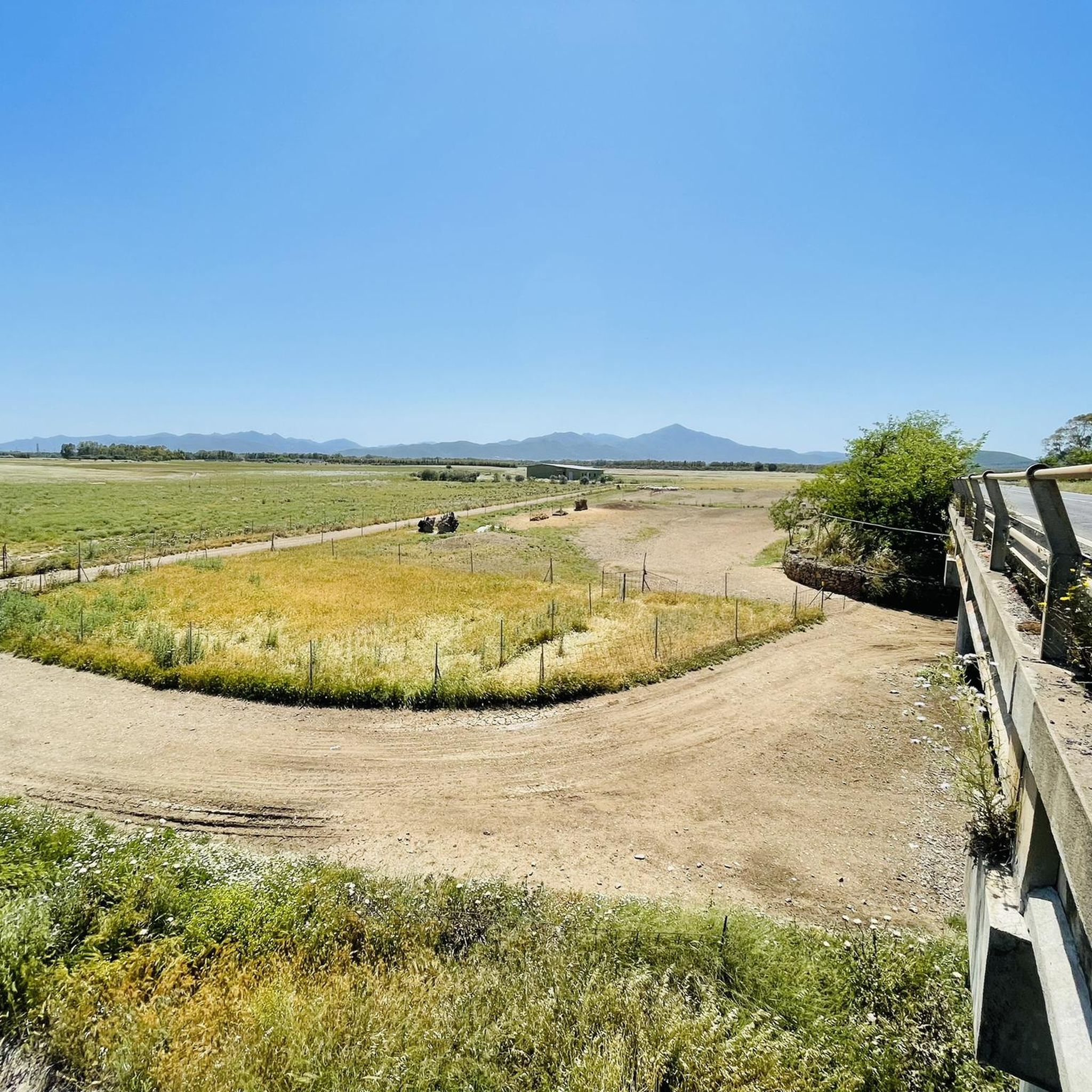
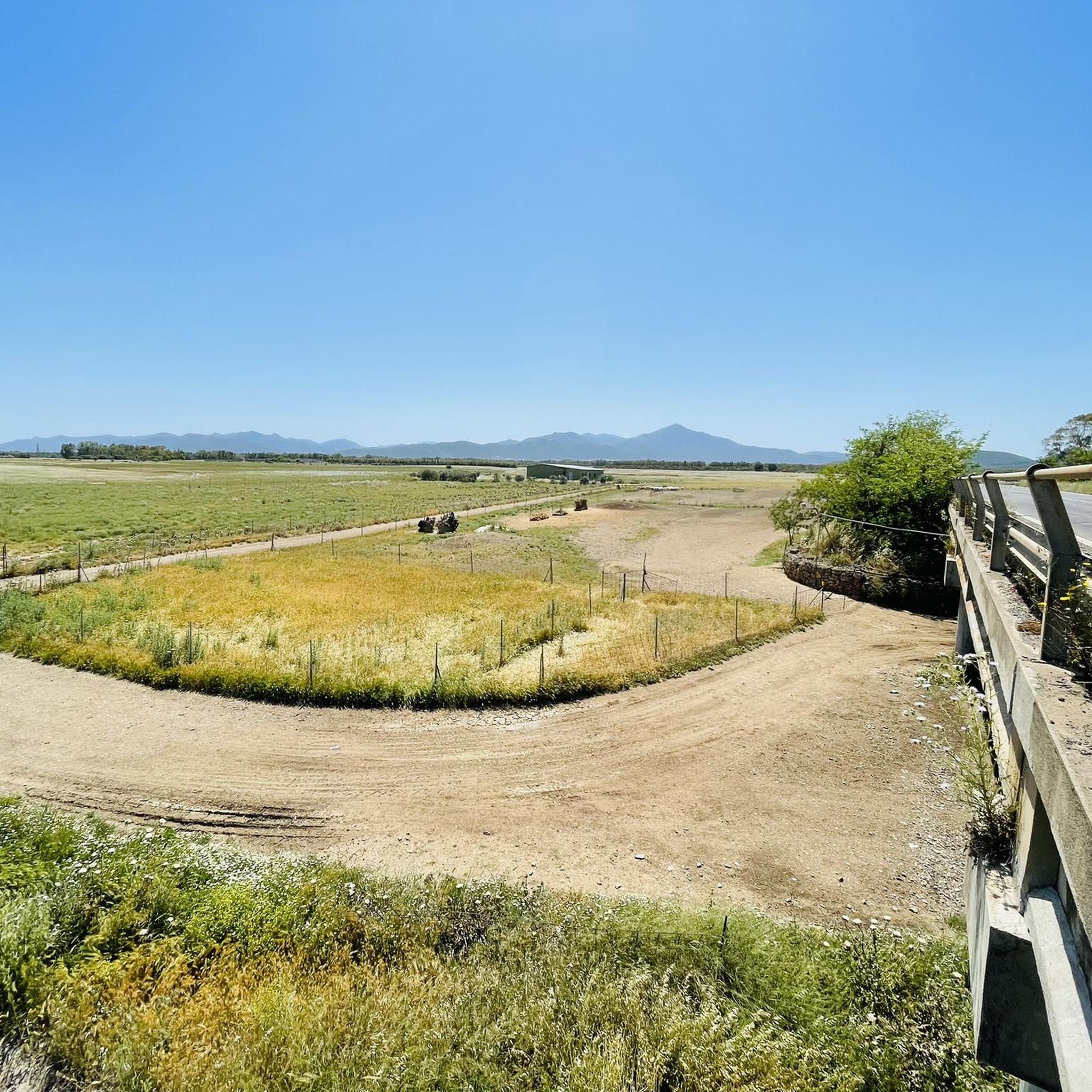
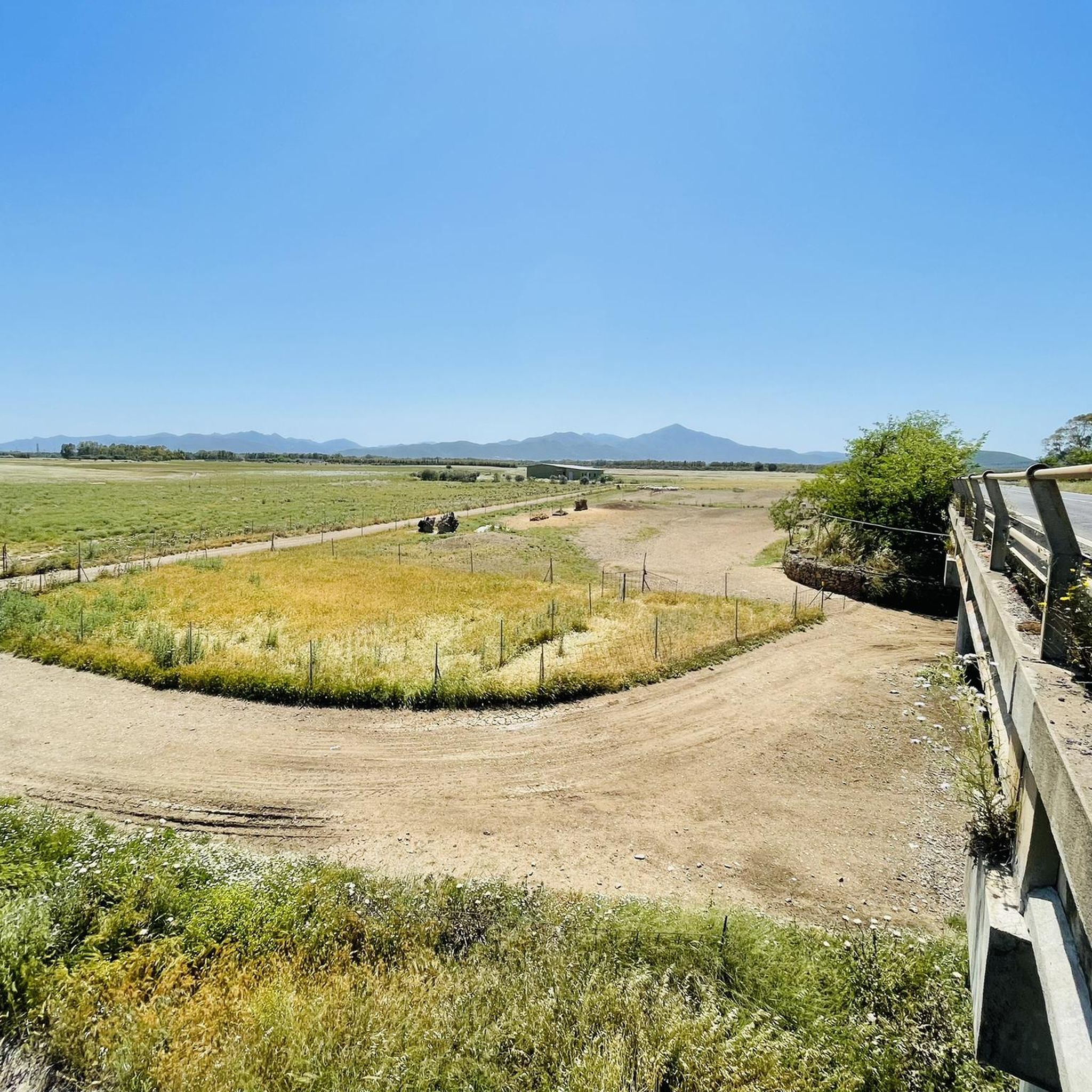
Stagno di Stani Saliu
Highlight • Lake
Translated by Google •
Tip by

SP1 Gravel Climb and Lake View
Highlight (Segment) • Climb
Translated by Google •
Tip by

Sign up now to discover places like this
Get recommendations on the best single tracks, peaks, & plenty of other exciting outdoor places.
Sign up for free
Lago di Saliu
Highlight • Lake
Translated by Google •
Tip by

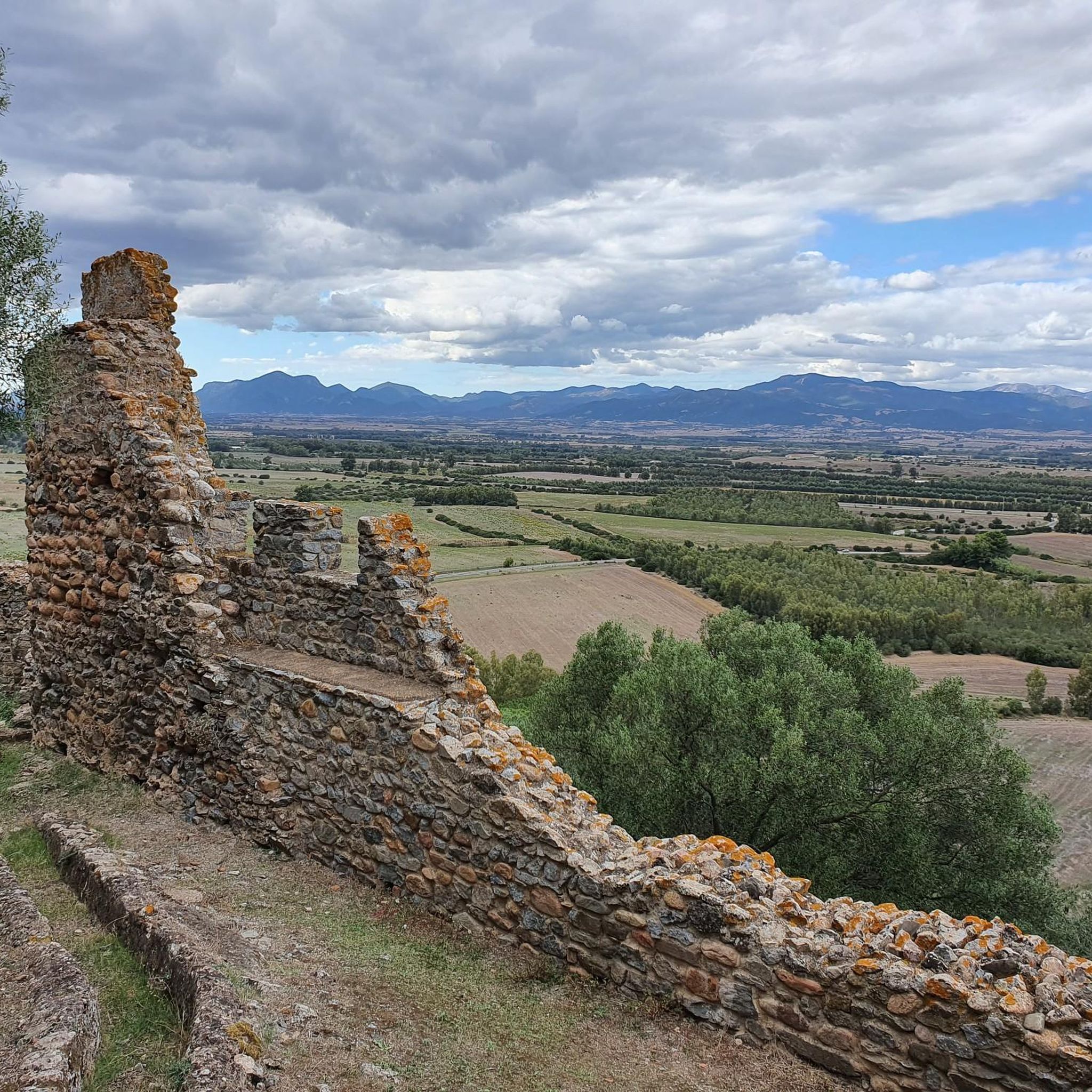
View of Stagno di Serdiana
Highlight (Segment) • Lake
Translated by Google •
Tip by

Start today with a free account
Your next adventure awaits.
Login or Signup

Tips from the Community

to visit a place reachable without any difficulty
0
0

beautiful place, in January me and only me 💛
0
0

A beautiful lake rich in fauna
3
0

Wonderful salt lake with a rich presence of pink flamingos and migrating black-winged stilts
0
0

beautiful gravel section even if on the maps described as SP1
0
0

Authorized picnic area nearby
0
0

This rather gentle climb on an unpaved road passes next to the Gutturu Mannu reservoir, an artificial basin obtained by damming the Rio Gutturu Mannu.
1
0
Frequently Asked Questions
What kind of wildlife can I observe around the lakes near Decimomannu?
The wetlands around Decimomannu, particularly the Molentargius-Saline Regional Natural Park and the Stagno di Santa Gilla, are renowned for their rich birdlife. You can frequently spot large colonies of pink flamingos, which are a symbol of Cagliari, along with herons, ducks, black-winged stilts, and purple swamphens. These areas are crucial wintering and breeding grounds for numerous aquatic bird species.
Are there specific locations ideal for birdwatching near Decimomannu?
Yes, both the Molentargius-Saline Regional Natural Park and the Stagno di Santa Gilla offer excellent birdwatching opportunities. Molentargius has strategically placed observation huts and platforms. For Stagno di Santa Gilla, dedicated birdwatching spots are found along the main road skirting the Stagno di Capoterra, allowing for observation without disturbance.
What recreational activities are available at the Molentargius-Saline Regional Natural Park?
The Molentargius-Saline Regional Natural Park offers various activities including walking and cycling along well-marked paths. Guided tours by boat or electric minibus are also available, and bicycle rental services are on-site. It's a great place to explore the unique blend of freshwater and saltwater ecosystems.
Do the lakes near Decimomannu have any historical significance?
Yes, the region's lakes are steeped in history. The Molentargius-Saline Regional Natural Park has a long history of salt mining dating back to Roman times, with industrial production continuing until 1985. The Stagno di Santa Gilla also holds significant historical value, with human settlements from the 8th century BC and its role as the capital of the Judicate of Calari in the Middle Ages, alongside its ancient salt pans.
When is the best time to visit the lakes for wildlife observation, especially flamingos?
For optimal wildlife observation, particularly flamingos, the wet seasons are generally best. For example, Stagno di Stani Saliu is a salty pond that is dry in summer but populated by flamingos and other lake fauna in the wet seasons. The Molentargius and Santa Gilla wetlands are important wintering and breeding grounds, making cooler months also excellent for birdwatching.
Are there family-friendly lakes or activities suitable for children?
Yes, several areas are suitable for families. Lago di Saliu and Stagno di Serdiana are both noted as family-friendly. The Molentargius-Saline Regional Natural Park offers easy paths for walking and cycling, and the chance to see flamingos, which can be exciting for children.
Can I go hiking or cycling near the lakes around Decimomannu?
Absolutely. The region offers various routes for both hiking and cycling. For hiking, you can explore trails like the 'Oasi WWF di Monte Arcosu — Ring tour' or 'Steep Rocky Ascent with Rope' near the Oasi Naturale di Monte Arcosu. Cycling options include routes like 'SP1 Gravel Climb and Lake View' which passes the Gutturu Mannu reservoir. You can find more details on these activities in the hiking guide and cycling guide for Deximumannu/Decimomannu.
What is the Stagno di Santa Gilla known for?
The Stagno di Santa Gilla, also known as Stagno di Cagliari, is the largest wetland in Sardinia and one of Europe's most important. It's recognized as a Ramsar site and is a critical habitat for nearly 200 bird species, including a vital nesting site for pink flamingos. Its unique ecosystem supports over 450 plant species and offers breathtaking natural scenery.
Are there any tips for visiting Stagno di Stani Saliu?
Stagno di Stani Saliu is a salty pond that is dry in the summer season, making it possible to explore on foot. However, during wet seasons, the pond is populated by flamingos and other lake fauna. If the ground is wet, it tends to become muddy and slippery, so cycling might be impractical. It's a beautiful spot to visit during bike rides in the surrounding area when conditions are dry.
Where can I find more information about the Molentargius-Saline Regional Natural Park?
For more detailed information about the Molentargius-Saline Regional Natural Park, including its unique ecosystem and activities, you can visit the official tourism website: italia.it.
Where can I find more information about the Stagno di Santa Gilla?
To learn more about the Stagno di Santa Gilla, its international recognition, and biodiversity, you can refer to the cultural heritage website: cultura.gov.it.
What is the SP1 Gravel Climb and Lake View highlight?
The SP1 Gravel Climb and Lake View is a gentle climb on an unpaved road that passes next to the Gutturu Mannu reservoir, an artificial basin. It offers beautiful views of a lake rich in fauna. While the road surface is rough, it's generally not busy with motor traffic, making it suitable for gravel bikes and tourers who don't mind a bit of off-road terrain.
Most popular routes around Deximumannu/Decimomannu
Most popular attractions around Deximumannu/Decimomannu

Get inspired with the komoot mobile app


Explore more
Still not found your perfect lake around Deximumannu/Decimomannu? Check out the guides of these regions to see even more beautiful places.
