Top 9 Lakes around Paùli/Monserrato
Lakes around Paùli/Monserrato are primarily characterized by wetland areas and artificial water bodies, as the region of Sardinia features few natural lakes. Historically, Paùli refers to marsh or swamp, indicating the presence of wetlands in the past. The area is notable for the Molentargius-Saline Regional Park, a significant wetland ecosystem. This park is recognized for its diverse bird species, including flamingos, and offers a unique natural environment for observation.
Best lakes around Paùli/Monserrato
- The most popular lakes is Molentargius–Saline Regional…
Last updated: June 30, 2026
Molentargius–Saline Regional Natural Park
Highlight • Natural
Translated by Google •
Tip by

Molentargius Salt Pans and Flamingos
Highlight • Natural Monument
Translated by Google •
Tip by
Sign up now to discover places like this
Get recommendations on the best single tracks, peaks, & plenty of other exciting outdoor places.
Sign up for free
Stagno di Stani Saliu
Highlight • Lake
Translated by Google •
Tip by

Cycling and Walking Path of Molentargius Park
Highlight • Cycleway
Translated by Google •
Tip by

Flamingo Pool
Highlight • Lake
Translated by Google •
Tip by

Sign up for free to discover even more lakes around Paùli/Monserrato.
Sign up for free
Already have an account?
Start today with a free account
Your next adventure awaits.
Login or Signup
Tips from the Community

This place is a good example of how conservation can be overdone. Driving along the dam allows you to get closer to the flamingos than walking or cycling through the so-called park. I was disappointed. It's better to go to the zoo to see the flamingos.
0
0

Nice place reachable by bike
0
0
Very long and pleasant cycle path
5
0
Dirt path from which you can reach all of Cagliari and Quartu Sant' Elena
3
0

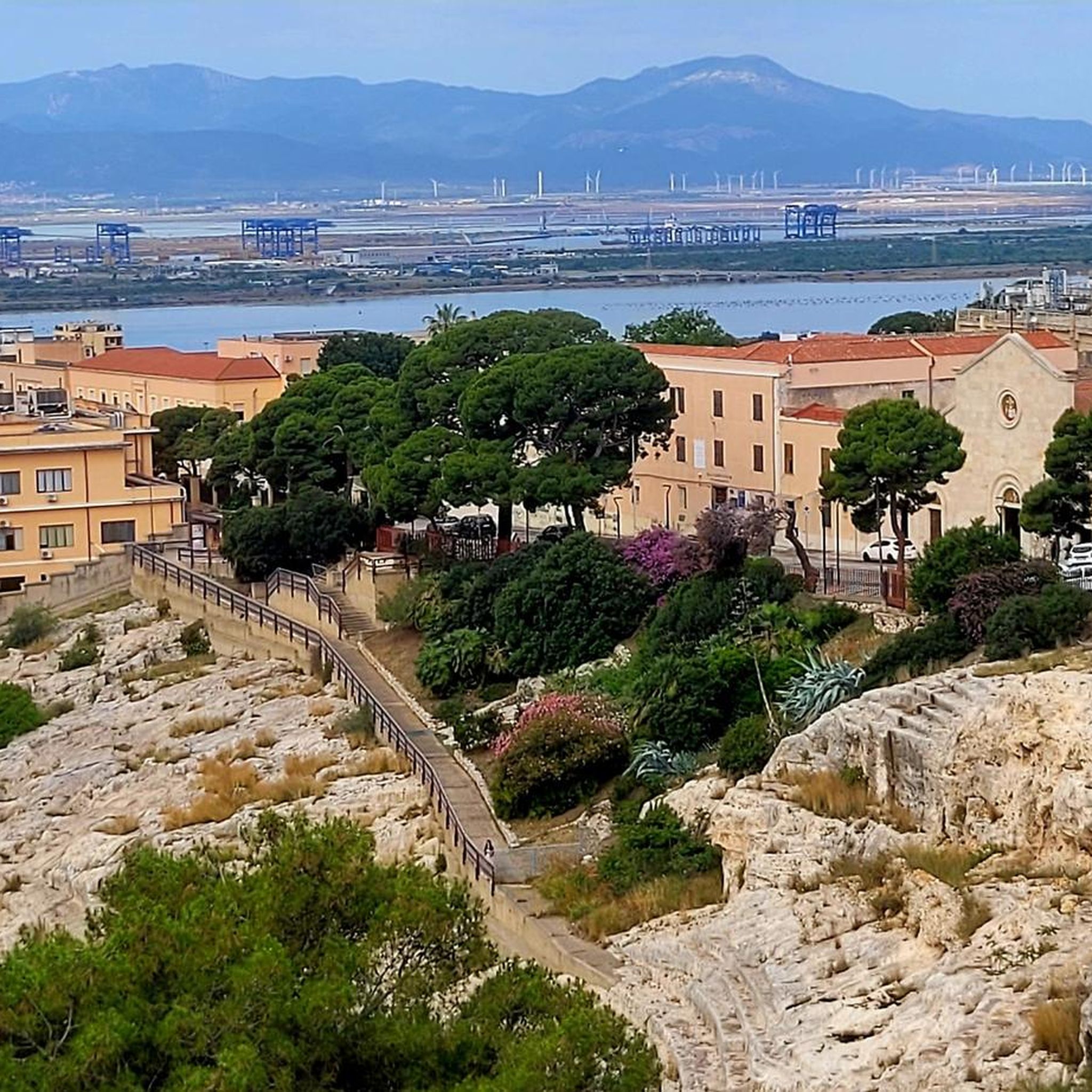
Pack your bike and get ready for a tour through one of Sardinia's most breathtaking nature reserves: the Molentargius-Saline Regional Natural Park. Introduced by Regional Law No. 5 of February 26, 1999, this green paradise extends over the territory of the municipalities of Cagliari and Quartu, right at the gates of the picturesque Poetto beach. Grab your helmet and get started: This park is made for cycling enthusiasts like you. The paths are car-free and offer easy, pleasant cycling. The fresh wind blows around your nose as you drive through an impressive landscape that is bursting with life. Birds chirp, grass rustles and then, as if out of nowhere, they appear - thousands of flamingos standing majestically in the shallow water. A sight that you won't soon forget. Your path continues, always along the picturesque coast, until you make a stop by the sea. Feel the sand between your toes, listen to the waves and breathe in the salty sea breeze. Wonderful, isn't it? The journey ends, but only for now, at the port of Cagliari. You can park your bike here and end the day in one of the cozy cafés. But don't worry, Molentargius Park in Quartu is already waiting for your next visit. A place to which you always enjoy returning - by bike, of course. You can find more highlights and tours in and around Cagliari here: https://www.komoot.de/collection/2433150/-cagliari
2
0

This section of the MTB tour leads to Molentargius Park, a unique nature reserve. Where there were salt basins for centuries, the pink flamingo now has its home and can be admired there undisturbed. The Molentargius Saltworks has a large extension from the foothills of the Campidano, which I travel on another tour, to the districts of Quartu Sant'Elena, Quartucciu and Selargius as well as to the south of the long Poetto sea promenade, all of which are on this tour. The cycle paths in the nature park are easily accessible gravel roads or paths and are well signposted. Otherwise, you ride on paved bike paths and less often on roads with cars. The cycle paths in the nature reserve are directly connected to the Via Sale cycle path, which leads out of the city of Cagliari, and enable a largely relaxed cycle tour along the entire route. The Terramaini cycle path to Selargius or Monserrato is only accessible via a short stretch of city road.
2
0

This stretch of road crosses the salt pans of the Molentargius Natural Park, an ideal habitat for the pink flamingos typical of this wetland. If you are lucky you will have the opportunity to spot this splendid bird even up close.
0
0

The Parco offers car-free, easy cycling and a variety of fauna and flora. 1000 de flamingos to admire, a stop by the sea. Wonderful.
0
0
Frequently Asked Questions
What kind of 'lakes' can I expect to find around Paùli/Monserrato?
The region of Paùli/Monserrato, historically known for marshes, primarily features wetland areas, lagoons, and artificial water bodies rather than large natural lakes. The most significant area is the Molentargius-Saline Regional Park, which is a vital wetland ecosystem.
Where can I see flamingos near Paùli/Monserrato?
You can observe flamingos at several locations within the Molentargius-Saline Regional Park. Specifically, the Molentargius Salt Pans and Flamingos is a natural monument known for its beautiful flamingos. The Stagno di Stani Saliu also hosts flamingos and other lake fauna during the wet seasons.
Are there family-friendly activities or areas around the lakes?
Yes, the Molentargius–Saline Regional Natural Park is considered family-friendly, offering car-free paths suitable for easy cycling and walking. The Cycling and Walking Path of Molentargius Park is also a beautiful and accessible option for families.
What is the best time to visit the Molentargius-Saline Regional Park for wildlife viewing?
For optimal wildlife viewing, especially flamingos, the wet seasons are generally best. The Stagno di Stani Saliu, for example, is populated by flamingos during these times, while it tends to dry out in the summer.
Can I cycle around the Molentargius-Saline Regional Park?
Absolutely! The Molentargius–Saline Regional Natural Park features car-free paths perfect for cycling. The Molentargius Salt Pans and Flamingos also has a very long and pleasant cycle path. You can find more cycling routes in the area by checking the Gravel biking around Paùli/Monserrato guide.
Are there hiking opportunities near the wetlands of Paùli/Monserrato?
Yes, there are hiking opportunities, particularly within the Molentargius-Saline Regional Park. The Cycling and Walking Path of Molentargius Park is also suitable for pedestrians. For more detailed hiking routes, refer to the Hiking around Paùli/Monserrato guide, which includes routes like the Molentargius Park Cycle and Pedestrian Trail.
What unique natural features can I explore in this area?
Beyond the flamingos, the area is characterized by its salt pans and lagoons, which create diverse habitats. The Stagno di Stani Saliu is a salty pond that offers a unique landscape, especially during the wet seasons when it's teeming with birdlife.
What do visitors enjoy most about the lakes and wetlands near Paùli/Monserrato?
Visitors highly appreciate the unique natural environment, especially the opportunity to see thousands of flamingos. The car-free paths for cycling and walking, the scenic landscapes, and the peaceful atmosphere of the Molentargius-Saline Regional Park are frequently praised.
Are there any challenging trails for experienced outdoor enthusiasts?
While the immediate wetland paths are generally easy, you can find more challenging routes in the broader Paùli/Monserrato region. For instance, the MTB Trails around Paùli/Monserrato guide lists difficult routes like the Punta Serpeddì – SS 554 Selargius underpass loop.
Is there a specific spot to get a good view of the flamingos?
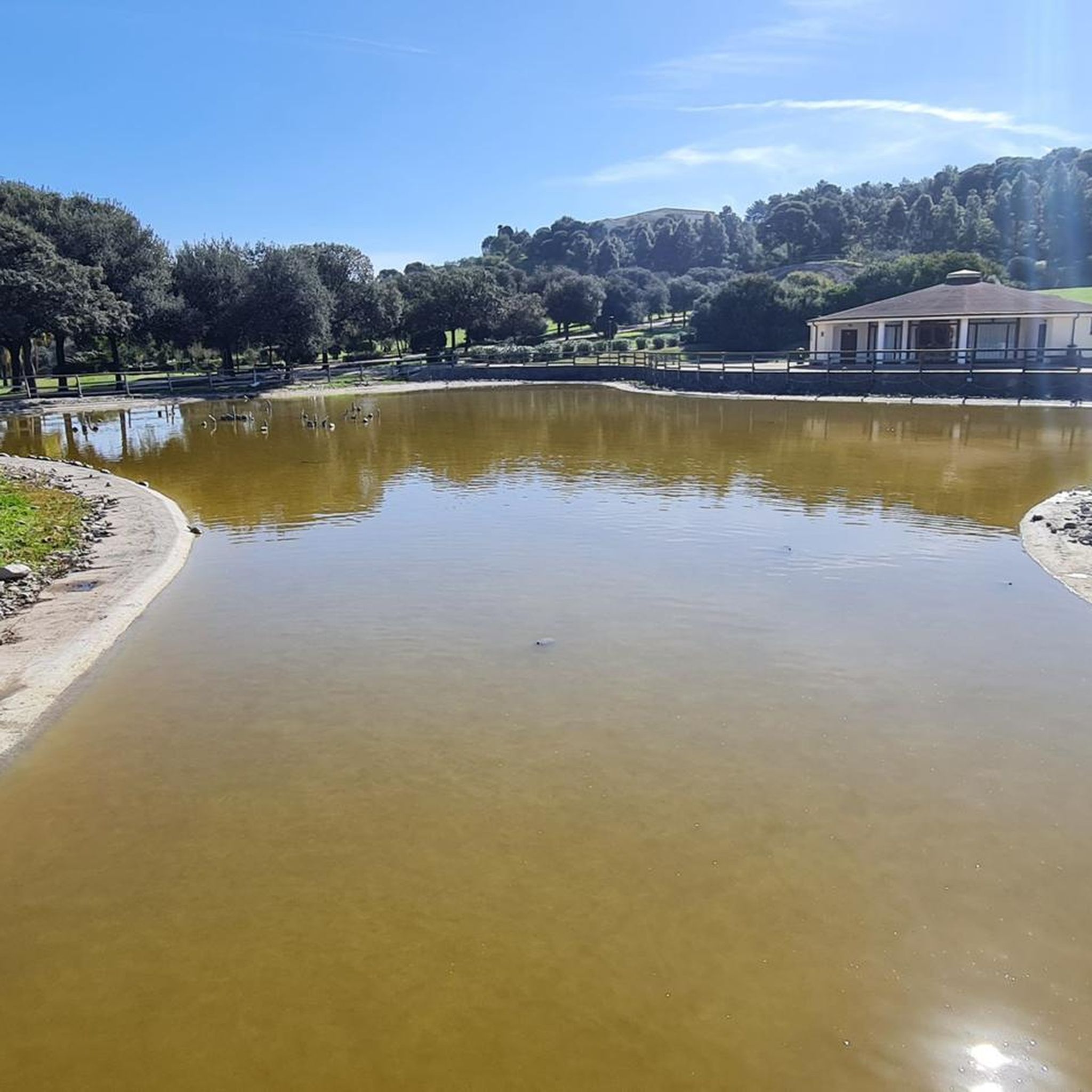
The Flamingo Pool within the Molentargius Natural Park is an excellent spot. This stretch of road crosses the salt pans, providing an ideal habitat where you might spot these splendid birds, sometimes even up close.
Are there cafes or places to eat near the Molentargius-Saline Regional Park?
After exploring the park, you can find cafes and places to eat in the nearby areas. One tip mentions parking your bike at the port of Cagliari and enjoying the cozy cafes there, which is easily accessible from the park's coastal paths.
What is the historical significance of the name 'Paùli' for Monserrato?
The historical name 'Paùli' is Sardinian for 'marsh' or 'swamp'. This indicates the historical presence of wetlands or temporary water bodies in the area, which aligns with the current ecological character of the Molentargius-Saline Regional Park.
Most popular routes around Paùli/Monserrato
Most popular attractions around Paùli/Monserrato

Get inspired with the komoot mobile app


Explore more
Still not found your perfect lake around Paùli/Monserrato? Check out the guides of these regions to see even more beautiful places.
