Top 4 Castles around Larciano
Best castles around Larciano are found in a medieval village situated on the western slopes of Montalbano Mountain, overlooking the Valdinievole. This area is historically significant, having served as a crucial defensive stronghold and a point of contention between Pistoia, Florence, and Lucca. The landscape features fortified structures and ancient settlements. Visitors can explore historical sites that offer insights into the region's past.
Best castles around Larciano
- The most popular castles is Larciano Castle Tower, a castle that was a possession of the Guidi Counts from the mid-10th century. This tower, originally 40 meters high, served as a crucial lookout point.
- Another must-see spot is Viewpoint from the Rocca di Carmignano, a viewpoint and historical site. Visitors can expect views of the plain from this location.
- Visitors also love View of Montecarlo and the Valdinievole Valley, a viewpoint with historical significance. This spot offers views of the surrounding area.
- Larciano is known for its medieval castles, fortified villages, and watchtowers. The area offers a variety of historical structures to explore, from well-preserved fortresses to ancient settlement remains.
- The castles around Larciano are appreciated by the komoot community, with 31 upvotes and 17 photos shared across the highlights.
Last updated: August 23, 2026
Viewpoint from the Rocca di Carmignano
Highlight • Viewpoint
Translated by Google •
Tip by

Larciano Castle Tower
Highlight • Castle
Translated by Google •
Tip by

Sign up now to discover places like this
Get recommendations on the best single tracks, peaks, & plenty of other exciting outdoor places.
Sign up for free
Cecina village (Larciano)
Highlight • Settlement
Also known as Castello di Cecina, it is part of the municipality of Larciano and was the southern defensive bulwark of the city of Pistoia.
Translated by Google •
Tip by

Vinacciano Historic Village
Highlight • Settlement
Translated by Google •
Tip by

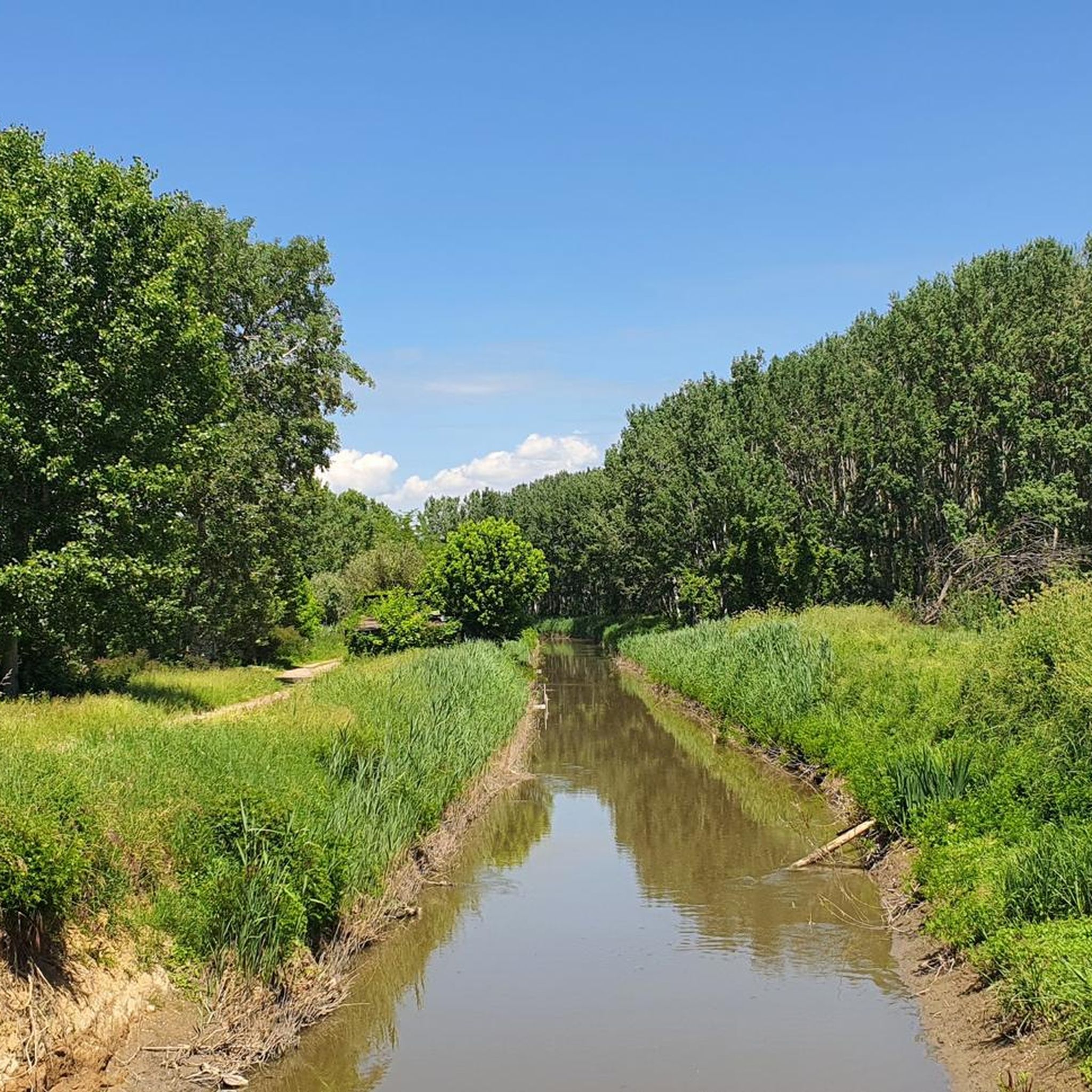
View of Montecarlo and the Valdinievole Valley
Highlight • Viewpoint
Inside the Castle you won't be able to see too much from the surrounding area.
Tip by

Sign up for free to discover even more castles around Larciano.
Sign up for free
Already have an account?
Start today with a free account
Your next adventure awaits.
Login or Signup

Tips from the Community

The Rocca or Castle of Carmignano has dominated the village from above for over a thousand years: the bastion was in fact mentioned for the first time in the year 998, in a document by Otto III of Saxony which granted ownership to the bishop of Pistoia. The Rocca was the object of continuous battles between Pistoia, Florence and Prato, due to its strategic position in the political-military context of the Middle Ages: from up here, in fact, you can admire the entire plain between the three cities. After having resisted, in 1154, a siege conducted by troops from Prato and Florence, the castle was destroyed for the first time in 1228 by the Florentines. Having regained possession of Pistoia in 1242, the fortification was rebuilt and in the early fourteenth century sold again to Florence, which proceeded to demolish the fortress and the castle walls once again. After a new parenthesis in Pistoia (1315-1324) the castle returned to Florentine hands, only to be besieged and conquered by Castruccio Castracani, who made it his own stronghold until 1328, when it finally returned to Florence. The Rocca di Carmignano can be accessed via a pedestrian path (starting from the church of San Michele, where Pontormo's famous Visitation is kept) that climbs the hill full of olive trees, where you can enjoy a beautiful view of Montalbano. Few remains of the medieval walls around the Rocca remain, partly rebuilt as the Campano, with the bell tower and clock, while in the center stands a medieval tower, called the Maschio della Rocca. (www.visittuscany.com)
0
0
Unknown to most people, this small town, a hidden gem on the eastern side of the Montalbano hills, is the most typical, genuine and representative of an ancient Tuscan village. Its origins, very far back in time, date its construction back to the end of the 10th century as a castle or rather as a fortified village, appointed in the following centuries to guard the borders of the free municipality of Pistoia. This ancient walled village is located on the northern slopes of the Montalbano hills on the side that looks east, towards the city of Pistoia at an altitude of 264 meters above sea level.
0
0

Beautiful, tranquil place that invites you to linger!👍
0
0

La Rocca above The village of Carmignano is worth a visit and not just for the view. From this fortress there were two arms that the Pistoiesi had placed and that "made the figs" towards Florence. For more information, consult the Divine Comedy.
0
0

Built on previous Roman settlements, the Castle was a possession of the Guidi Counts attested from the mid-10th century, then sold by them to the Municipality of Pistoia in 1225. Contested several times between the Pistoiesi and the Florentines until 1401 when Pistoia definitively submitted to Florence and Larciano became headquarters of one of the podesterias in which the administration of the territory was divided.
1
0
It is the Roccadi Carmignano
0
0

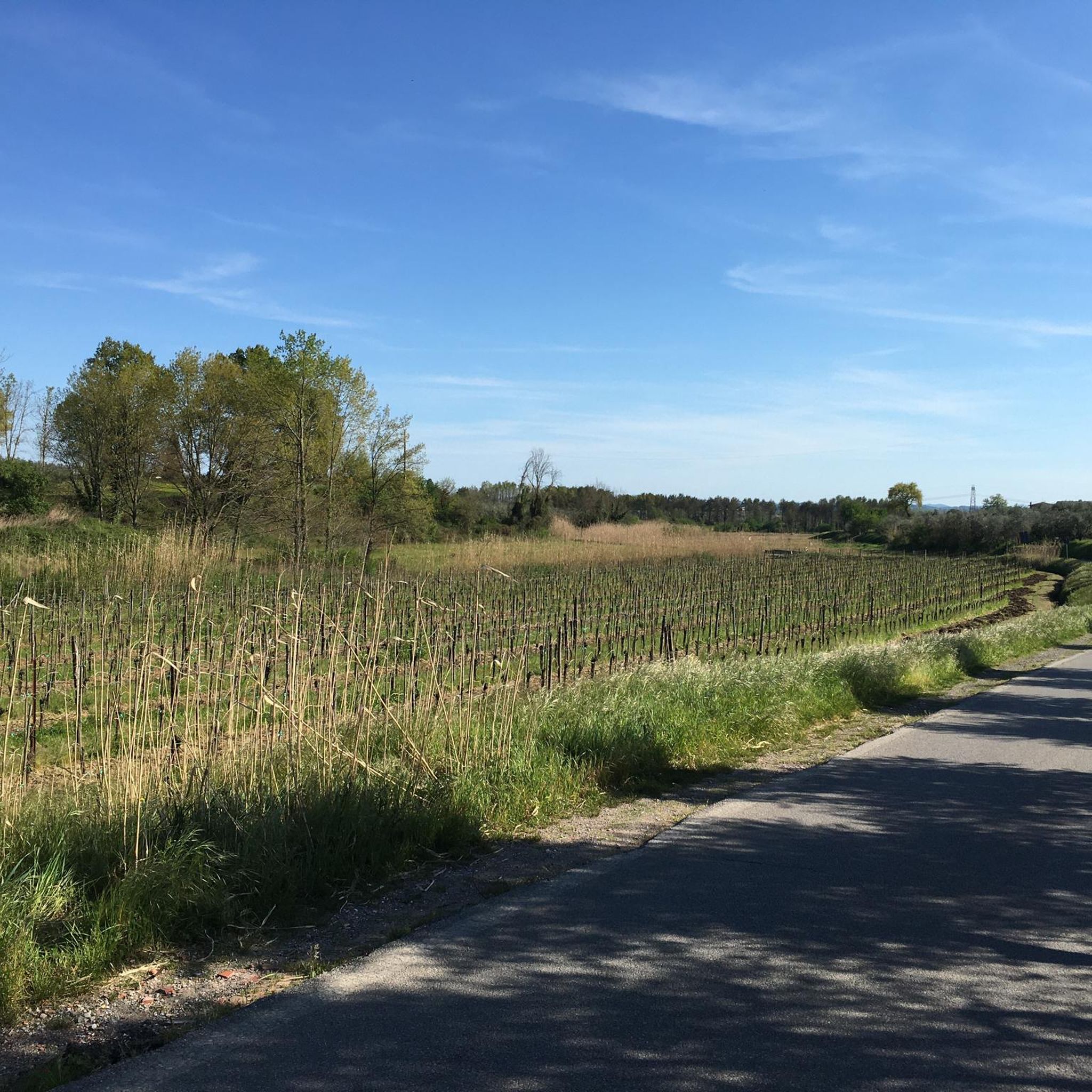
Beautiful view of the plain
0
0

Frequently Asked Questions
What is the main historical attraction in Larciano?
The primary historical attraction is Larciano Castle Tower. This impressive medieval fortress, perched on the Montalbano Mountain, offers a deep dive into the region's past and commanding views of the Valdinievole.
What can I see and do at Larciano Castle?
At Larciano Castle, you can climb the high watchtower for breathtaking panoramic views, explore the well-preserved battlements and walls, and visit the Archaeological Civic Museum housed within the castle. The museum showcases artifacts from prehistoric times to the late Renaissance, providing insight into the area's rich history. Entrance to the castle and museum is free.
Are there other historical sites or fortified villages to explore near Larciano?
Yes, beyond Larciano Castle, you can explore other historically significant settlements. Cecina village (Larciano), also on the slopes of Montalbano, was a crucial medieval defensive bulwark. Additionally, Vinacciano Historic Village is a hidden gem, an ancient walled village that once guarded the borders of Pistoia.
What kind of views can I expect from the castles and viewpoints around Larciano?
The castles and viewpoints in the Larciano area offer expansive vistas. From the Larciano Castle Tower, you can see across the entire Valdinievole, the Fucecchio Marshes, and even the Apuan Alps and San Gimignano on clear days. Other spots like Viewpoint from the Rocca di Carmignano and View of Montecarlo and the Valdinievole Valley also provide excellent perspectives of the surrounding plains and valleys.
What is the best time of year to visit Larciano Castle?
Larciano Castle can be visited year-round. However, for the most comfortable experience and clear panoramic views from the tower, spring (April-May) and autumn (September-October) offer pleasant weather. Summer months are also popular, but can be warmer. Winter visits are possible, but check local weather conditions.
How long does it take to visit Larciano Castle?
A visit to Larciano Castle, including climbing the tower and exploring the Archaeological Civic Museum, typically takes 1 to 2 hours. If you wish to linger and enjoy the tranquil setting or explore the village, you might spend more time.
Are there hiking or cycling trails near Larciano Castle?
Yes, the Montalbano area around Larciano offers various outdoor activities. You can find numerous MTB trails, running trails, and cycling routes that pass through the scenic landscape near the castle and surrounding villages.
Is Larciano Castle accessible by public transport?
While Larciano is a charming medieval village, public transport options directly to the castle's entrance might be limited. It's advisable to check local bus schedules to Larciano village. Once in the village, the castle is a short walk to its highest part.
Where can I find parking near Larciano Castle?
Parking is generally available in the Larciano village area. From there, it's a short walk up to Larciano Castle. Look for designated parking zones within the village.
Are there family-friendly activities at Larciano Castle?
Larciano Castle offers an engaging experience for families. Children can enjoy exploring the medieval walls, climbing the tower, and imagining life in a fortress. The Archaeological Civic Museum also provides an educational opportunity to learn about the region's history. The free entry makes it an accessible outing for families.
Are dogs allowed at Larciano Castle or on nearby trails?
Information on specific dog rules for Larciano Castle itself is not readily available, so it's best to check locally upon arrival. However, the surrounding Montalbano area generally offers dog-friendly trails for hiking, allowing you to explore the natural beauty with your pet.
What kind of food and drink options are available in Larciano Castello village?
The village of Larciano Castello, surrounding the castle, offers local cafes and restaurants where you can enjoy traditional Tuscan cuisine and refreshments after your visit. These establishments provide a pleasant atmosphere to relax and experience local flavors.
What should I wear when visiting Larciano Castle?
Comfortable walking shoes are highly recommended, especially if you plan to climb the approximately 200 steps to the top of the watchtower or explore the village's cobblestone streets. Dress in layers, as the weather can change, and consider sun protection during warmer months.
Most popular routes around Larciano
Most popular attractions around Larciano

Get inspired with the komoot mobile app


Explore more
Looking for the best castles somewhere else? Discover other guides around Larciano:
