Top 9 Gorges around Brisighella
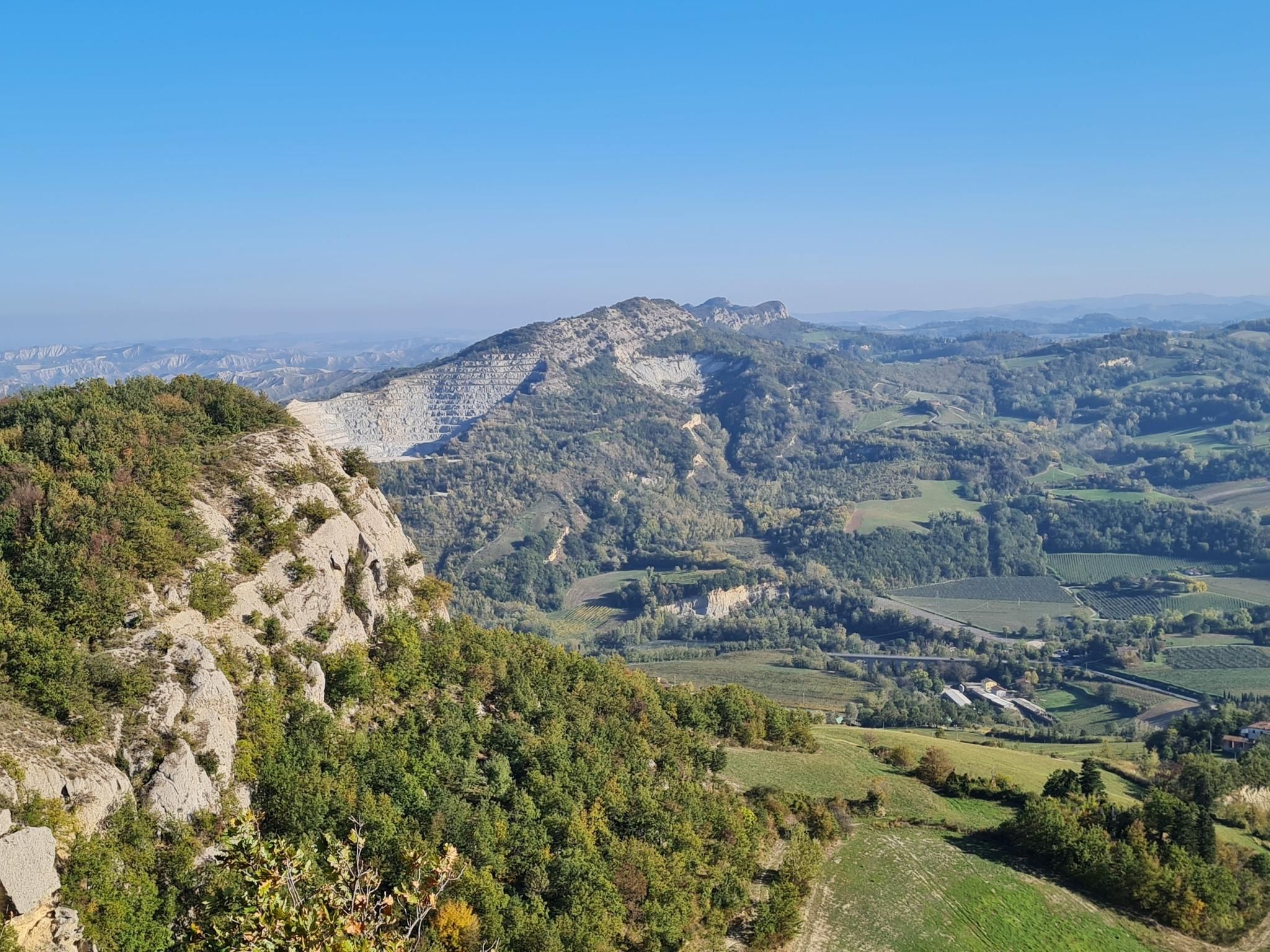
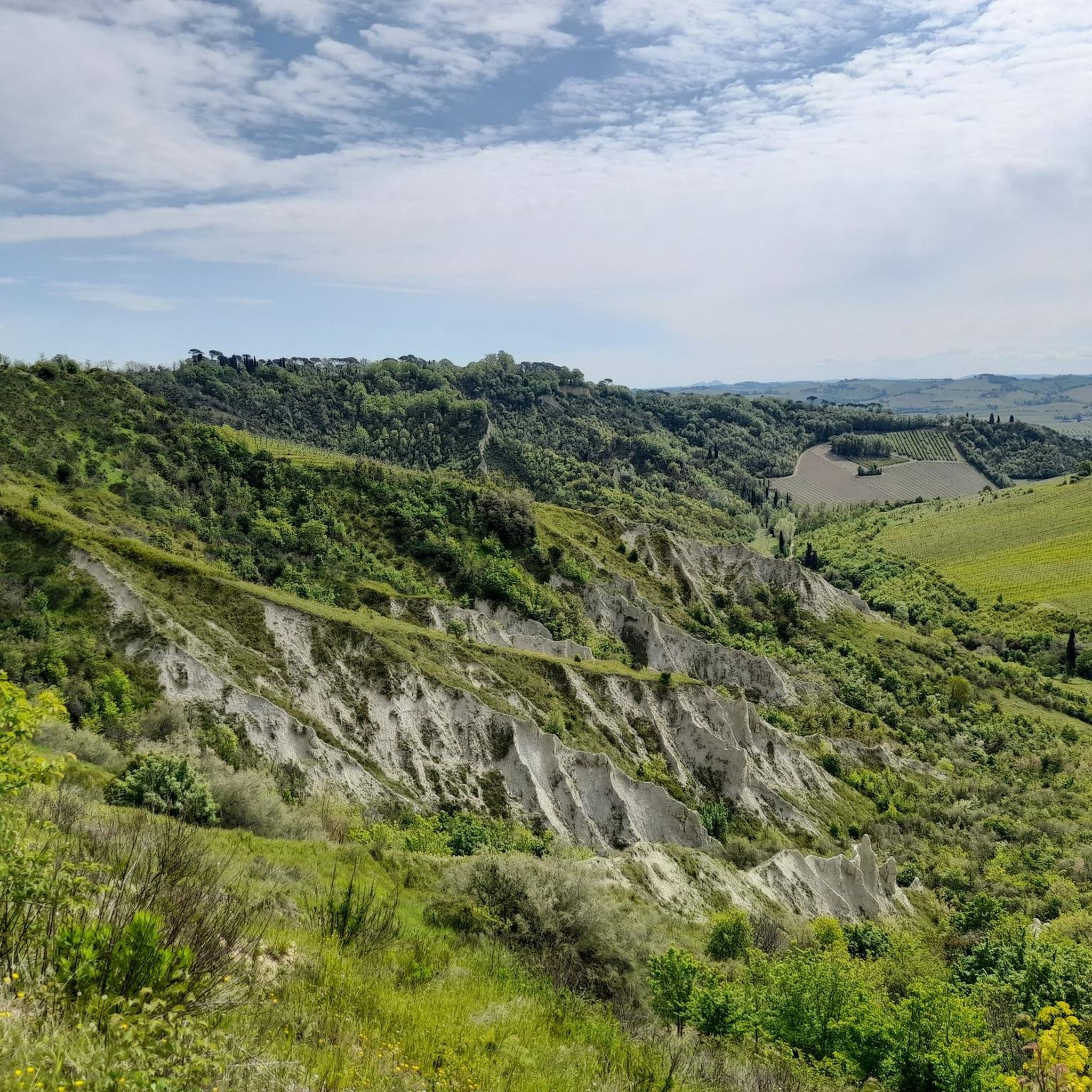
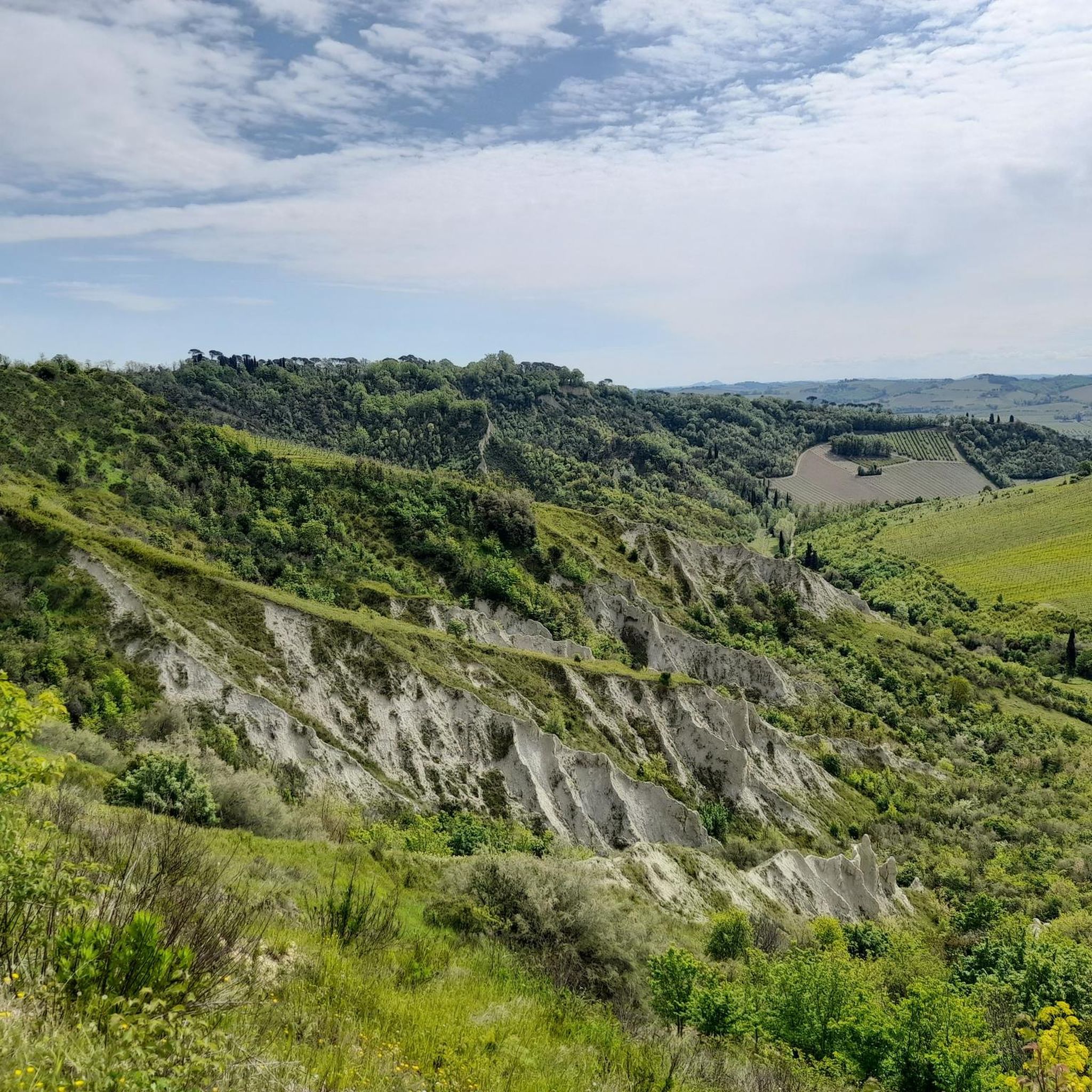
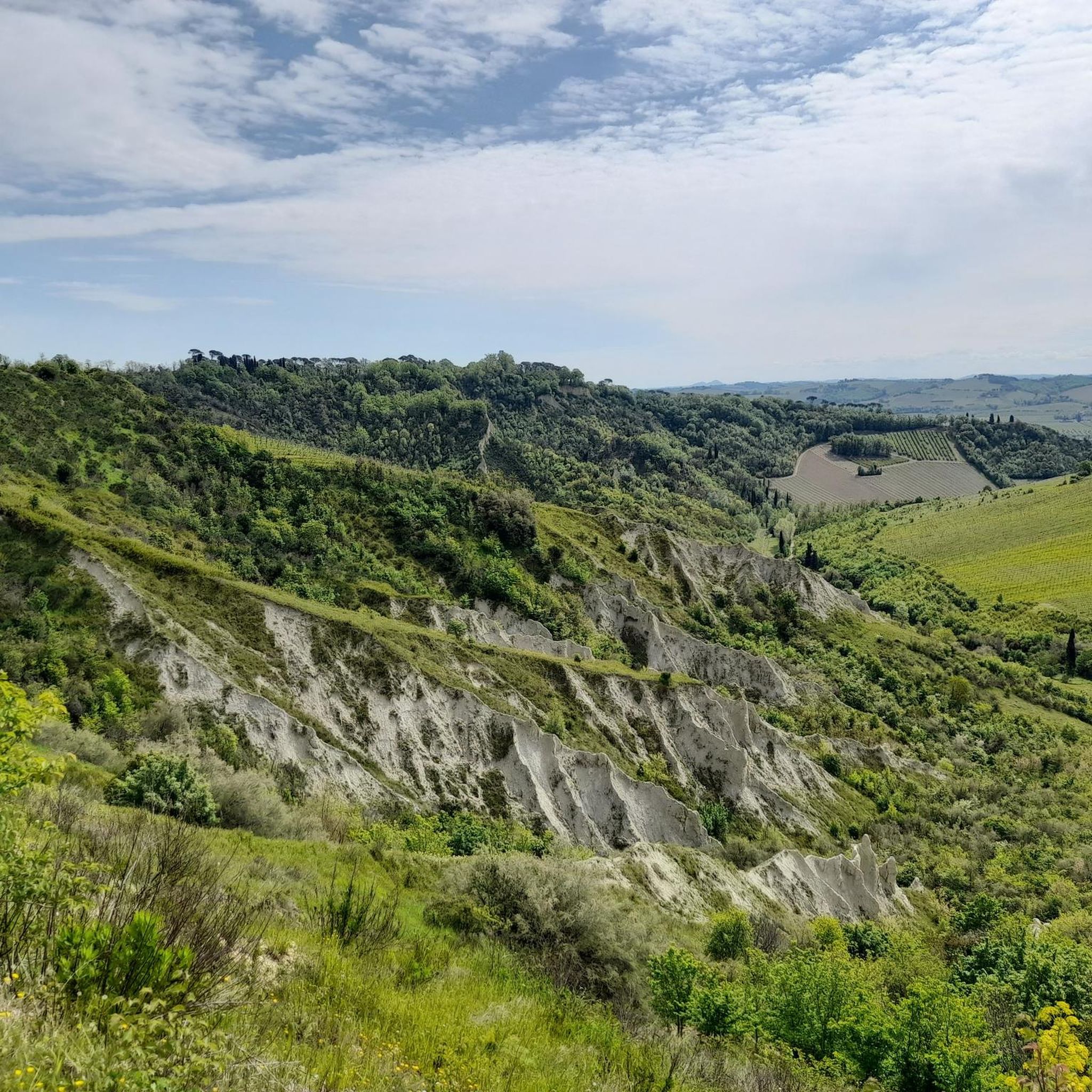
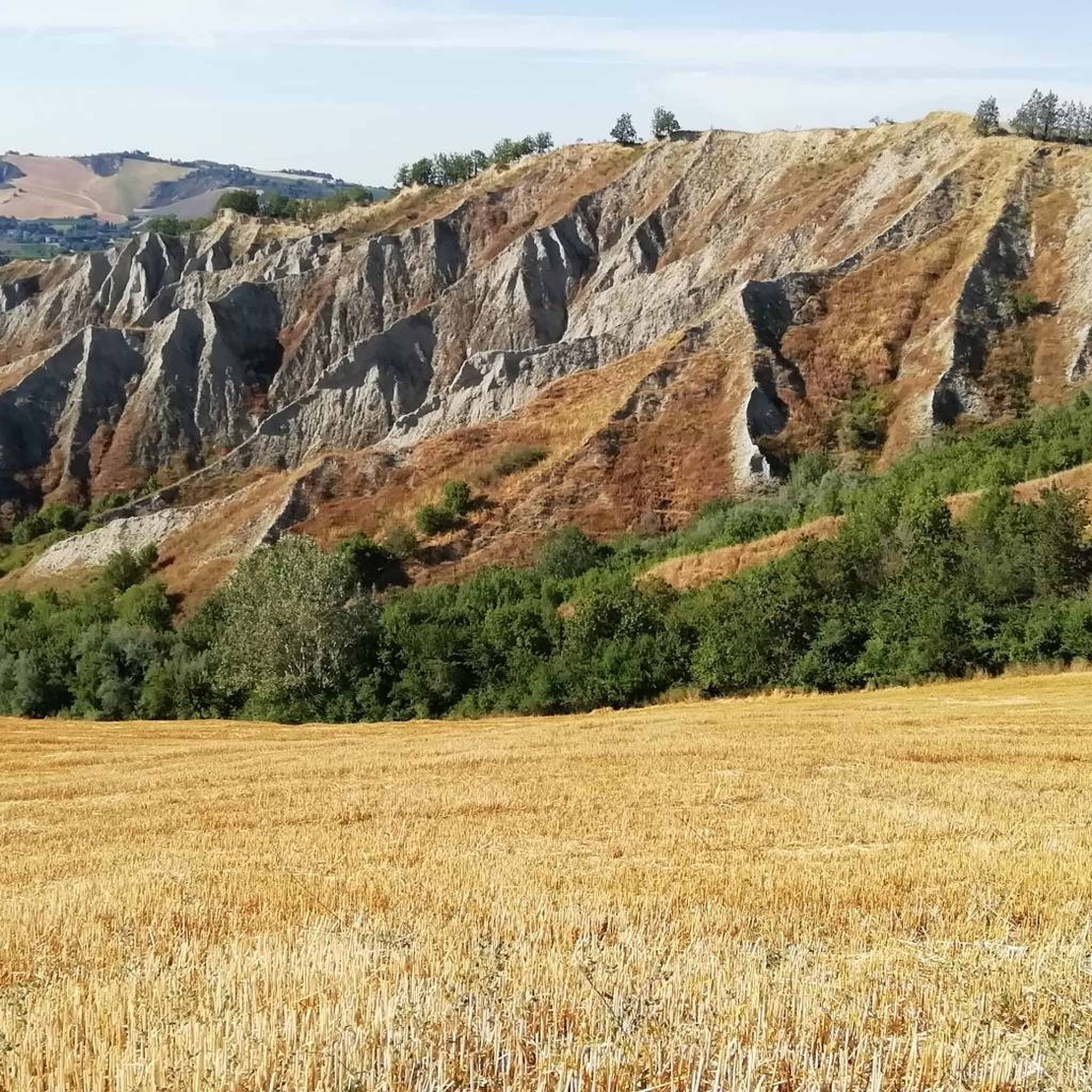
Best canyons around Brisighella are characterized by the unique geological landscape of the Vena del Gesso Romagnola Regional Park. This area features distinct gypsum formations, calanchi (ravines), and gorges, resulting from millions of years of erosion. The region offers an environment for exploring karst phenomena, including caves and sinkholes. These formations provide a visually striking contrast to the surrounding hills and support diverse ecosystems.
Best canyons around Brisighella
- The most popular canyons is Singletrack of the Rio Cozzi Canyon,…
Last updated: August 23, 2026
Grotta Tanaccia
Highlight • Cave
Translated by Google •
Tip by

Imolese Badlands and Trail to the Church of Sant'Andrea
Highlight (Segment) • Trail
After the first asphalted stretch …
Translated by Google •
Tip by

Sign up now to discover places like this
Get recommendations on the best single tracks, peaks, & plenty of other exciting outdoor places.
Sign up for free
Descent to Rio Vezzano Among Calanchi and Vineyards
Highlight (Segment) • Trail
Translated by Google •
Tip by
Singletrack of the Rio Cozzi Canyon
Highlight (Segment) • Canyon
Translated by Google •
Tip by

Ridge of the Calanchi from the Sentiero del Santo
Highlight (Segment) • Trail
Translated by Google •
Tip by
Sign up for free to discover even more gorges around Brisighella.
Sign up for free
Already have an account?
Start today with a free account
Your next adventure awaits.
Login or Signup
Popular around Brisighella
Lake Brasimone to Marradi – Alta Via dei Parchi (part 3)
Walk from Bologna to Faenza – Via dei Gessi e dei Calanchi
Preappennino 15K – a hilly crossing from Cattolica to Piacenza
Hiking around Brisighella
MTB Trails around Brisighella
Road Cycling Routes around Brisighella
Cycling around Brisighella
Running Trails around Brisighella
Gravel biking around Brisighella
Other adventures around Brisighella


Tips from the Community

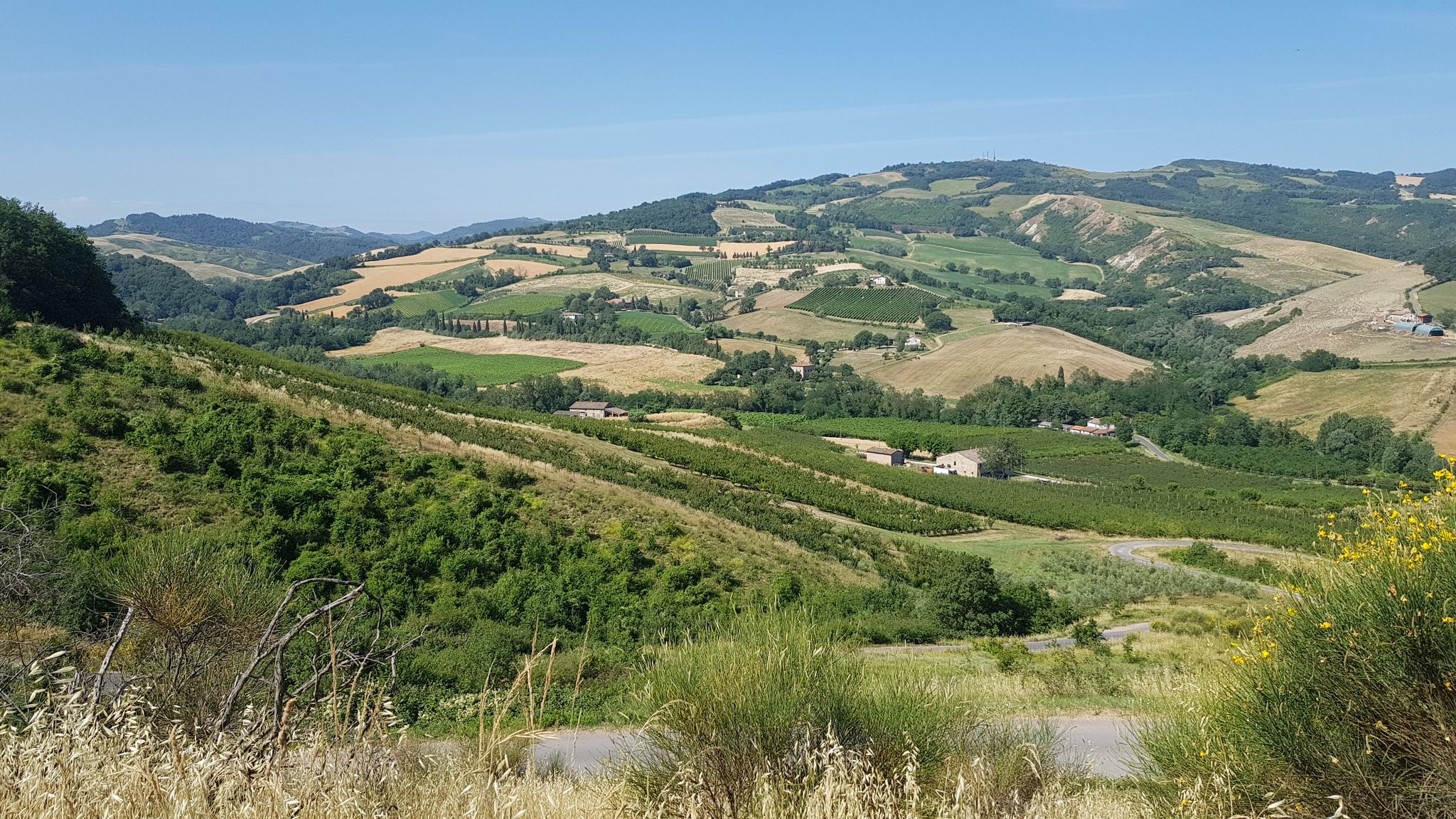
From the ridge bordered by gullies, coming from both Pideura and via Vernelli, you can descend to This beautiful cavedagna, which initially runs along the edge of a gulley, then enters the vineyards to reach the valley floor. Done in May or June, you will be inebriated by the scent of flowering broom. Easily passable even uphill. Some single-track sections, but avoidable.
0
0

on a nice dirt path, quite simple
0
0

Rupe dei Cozzi a few km from Castrocaro, visit 😃
1
0
Nice dirt road on the crest, allowing you to go down the valley from the Santo path to via Giallo. The route runs alongside the gullies, but you need to pay attention especially to the furrows which are really deep
0
0

a little slippery ground, I recommend goretex boots or ankle boots
0
0
it is recommended to bring a sweatshirt
0
0
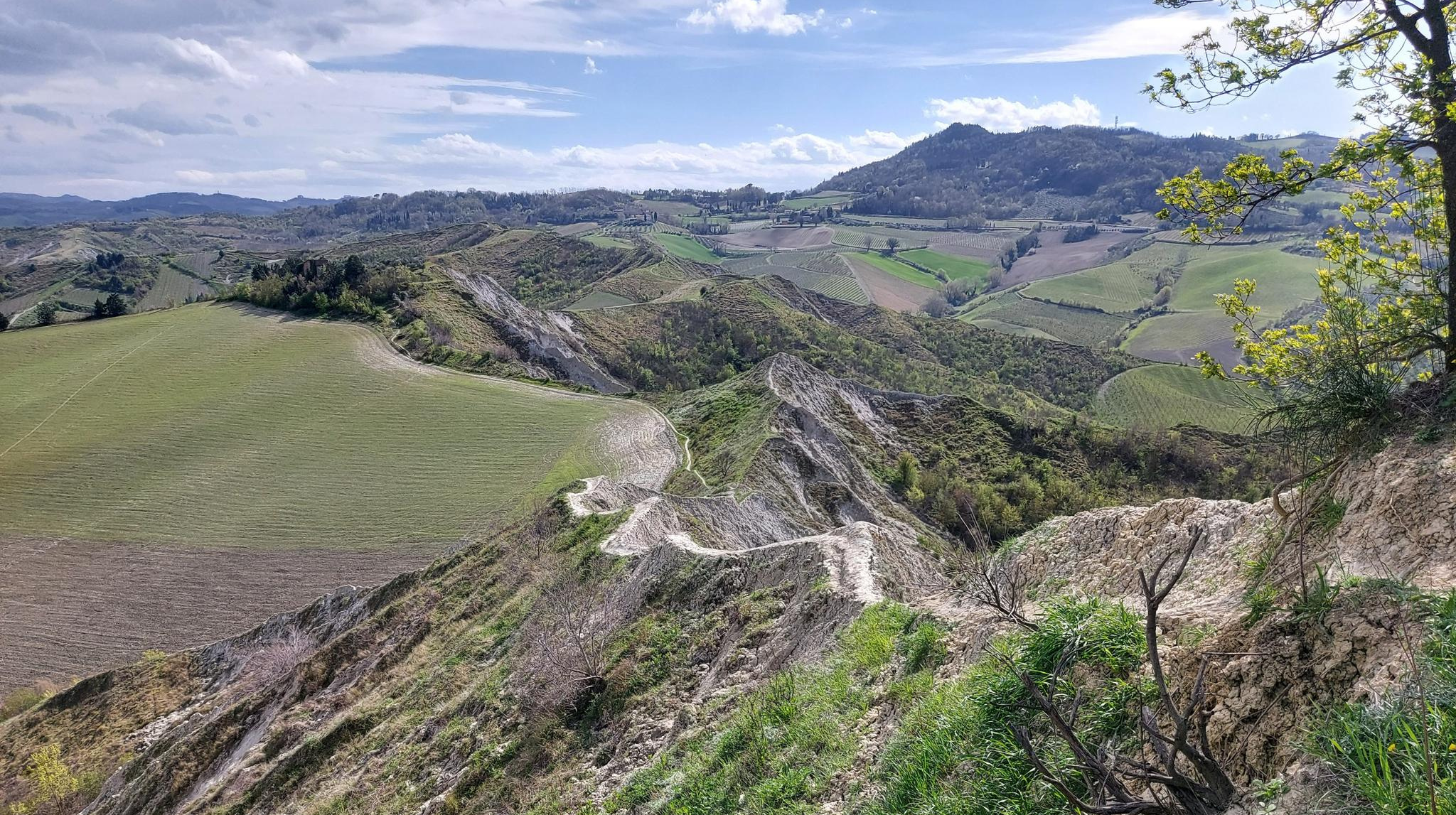
This stretch is definitely one of my favorites because it allows you to ride what are probably the most beautiful gullies in the Imola area. After the first asphalted stretch up to the already steep little church of Mezzocolle, continue on via Mezzocolle for a decidedly hard cemented stretch. Then the road follows the ridge, first gravel, then dirt, then cavedagne and gravel sections follow one another. The last stretch of via Murazze is in fact a single track that finally leads to the ridge of the Sellustra, right on the edge of the gully. On the contrary, it is necessary to be careful because, although not exposed, the path is right on the precipice.
0
0

Cave to visit with a speleologist guide ... Fascinating!
0
0
Frequently Asked Questions
What kind of geological formations can I expect to see around Brisighella?
The Brisighella area is known for its unique geological landscape within the Vena del Gesso Romagnola Regional Park. You'll encounter distinct gypsum formations, striking calanchi (ravines), and various gorges. These formations are the result of millions of years of erosion, creating a visually striking contrast to the surrounding hills and supporting diverse ecosystems. The high solubility of gypsum also leads to numerous karst phenomena, including caves and sinkholes.
Are there any notable caves or underground features to explore?
Yes, the region features several karst phenomena, including caves. A prominent example is Grotta Tanaccia, one of the most beautiful and well-known caves in the Vena del Gesso Romagna. It offers an underground path with suggestive environments and interesting karst formations. Guided tours can be organized by reservation, typically from April onwards, though it's closed in winter to protect hibernating bats. Remember to bring a sweatshirt as it can be cool inside.
What are the best trails for experiencing the unique ravines and badlands?
To experience the unique ravines and badlands, consider the Imolese Badlands and Trail to the Church of Sant'Andrea. This trail allows you to explore prominent gullies, featuring gravel, dirt, and single-track sections along a ridge. Another excellent option is the Ridge of the Calanchi from the Sentiero del Santo, a dirt road that runs alongside the gullies, offering great views.
Are there any trails that combine geological features with vineyards?
Absolutely. The Descent to Rio Vezzano Among Calanchi and Vineyards is a beautiful trail that descends through calanchi and vineyards. It offers views of the gullies and passes directly through vineyards, providing a delightful sensory experience, especially in May or June when the flowering broom fills the air with its scent.
What kind of outdoor activities can I do near the canyons and geological formations?
Beyond exploring the canyons and geological formations themselves, the area around Brisighella offers a variety of outdoor activities. You can find numerous hiking trails, such as those detailed in the Hiking around Brisighella guide, including the 'Alta Via dei Parchi and the Rifugio Ca’ Carnè – loop tour'. For cycling enthusiasts, there are gravel biking routes like those in the Gravel biking around Brisighella guide, and challenging MTB trails, which you can explore in the MTB Trails around Brisighella guide.
What is the best time of year to visit the Brisighella canyons and geological sites?
The Vena del Gesso Romagnola Regional Park and its geological features can be enjoyed throughout much of the year. Spring (May/June) is particularly pleasant for trails that pass through vineyards, as the flowering broom creates a fragrant atmosphere. Summer can be hot, but the clayey terrain of the calanchi shrinks, creating deep cracks that are visually unique. Some caves, like Grotta Tanaccia, are closed during winter to protect hibernating bats, so check ahead if cave exploration is a priority.
Are there any trails with good viewpoints of the canyons or surrounding landscape?
Yes, several trails offer excellent viewpoints. The Singletrack of the Rio Cozzi Canyon provides beautiful views after the canyon section. The Imolese Badlands and Trail to the Church of Sant'Andrea also features a ridge path that offers panoramic views of the gullies. Additionally, the Ridge of the Calanchi from the Sentiero del Santo runs alongside the gullies, providing continuous scenic vistas.
What makes the Vena del Gesso Romagnola Regional Park unique?
The Vena del Gesso Romagnola Regional Park is unique due to its spectacular 'Gypsum-sulfurous' formation, dating back 6.5 – 5.5 million years. This 'Vein of Gypsum' creates a distinctive landscape with numerous karst phenomena, including dolines, sinks, and remarkably large caves. The gypsum rock, also known as 'Selenite' or 'Moon stone,' has a crystalline structure that creates a unique morphology and microclimate, supporting a diverse range of flora and fauna, including plants typically found in warm, dry places and those usually found at higher altitudes.
Are there educational opportunities to learn about the geology of the area?
Yes, the area offers excellent educational opportunities. Near the Monticino Sanctuary, there is an outdoor Geological Museum within a former chalk quarry, which showcases artifacts and selenite crystals, explaining their history and formation processes. Additionally, the 'Man and Chalk' Museum in the Rocca explores the historical connection between humans and the local gypsum, providing insights into the region's geological heritage.
What do visitors enjoy most about the canyons and geological sites around Brisighella?
Visitors particularly enjoy the unique geological landscape, which offers a visually striking and unusual contrast to the surrounding hills. The crystalline reflections of the selenite chalk are a distinctive feature. Many appreciate the diverse hiking and exploration opportunities, from fun passages in canyons to trails along ridges with beautiful gullies. The chance to explore karst phenomena like caves and the rich biodiversity supported by the unique microclimate are also highly valued.
Is it possible to visit the Grotta Tanaccia without a guide?
While the Grotta Tanaccia has a developed tourist route, it is recommended to visit with a speleologist guide. Guided tours ensure safety and provide valuable insights into the cave's fascinating karst phenomena and history. You can organize guided tours by reservation, typically available every day from April, with the exception of the winter period.
Most popular routes around Brisighella
Most popular attractions around Brisighella

Get inspired with the komoot mobile app


Explore more
Already discovered everything in this region? See additional gorges around Brisighella for your next adventure:
