Top 6 Caves around Castellammare Di Stabia
Best caves around Castellammare Di Stabia are found in a region characterized by its position on the Bay of Naples, at the base of the Monti Lattari. This area is recognized for its archaeological heritage, including the ancient Roman city of Stabiae, and its diverse natural environment. The landscape combines historical sites with natural features, offering various exploration opportunities. It provides access to both coastal views and mountainous terrain.
Best caves around Castellammare Di Stabia
- The most popular caves is…
Last updated: June 30, 2026
Grotta Fissure
Highlight (Segment) • Cave
Translated by Google •
Tip by

Grotta degli Dei from Gino
Highlight • Cave
Translated by Google •
Tip by

Sign up now to discover places like this
Get recommendations on the best single tracks, peaks, & plenty of other exciting outdoor places.
Sign up for free
Biscuit Cave
Highlight • Cave
Tip by

Cave of Saint Benedict
Highlight • Cave
Translated by Google •
Tip by
Grotta dello Zoccolaro (Heart Cave)
Highlight • Cave
Translated by Google •
Tip by

Sign up for free to discover even more caves around Castellammare Di Stabia.
Sign up for free
Already have an account?
Start today with a free account
Your next adventure awaits.
Login or Signup
Tips from the Community

A short distance from the Chiosse house, a little higher up the slope you can glimpse this beautiful Grotta dello Zoccolaro, so called in the past centuries, when it served as a shelter for pigs or sheep, also thanks to its considerable size, roughly 5 meters by 5 meters by 15 deep. We got there thanks to Francesco who created two paths, not very easy at the moment, to get there in ten minutes from the main path. Given the considerable spaciousness of the cave, it is also an excellent refuge in the case of sudden storms in that area which is quite devoid of shelter. The second name, that is Grotta del Cuore, comes from the shape of the entrance to the cave, remarkably similar to the shape of a large heart.
1
0

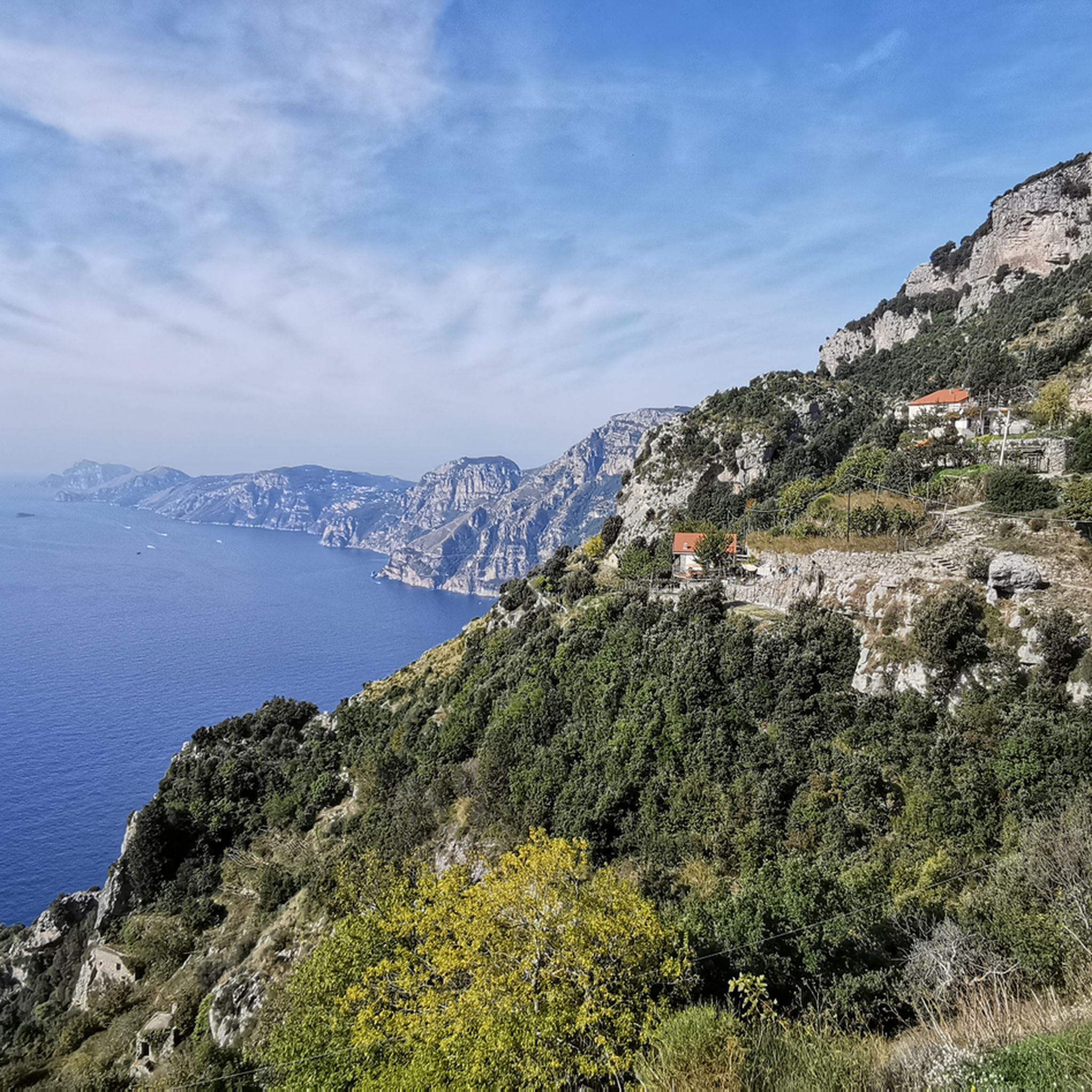
The hike on the Sentiero degli Dei from Bomerano to Positano is a highlight on the Amalfi Coast. Breathtaking views accompany the path, which does not require a guide, but does require good shoes and plenty of water. After about 30 minutes, the path splits into a higher and a lower route, which later merge again. The destination is Nocelle, where you can fortify yourself with a refreshing lemon slush. From there, two paths lead down to Positano, either via Montepertuso or directly over hundreds of steps. Setting off early in the morning is recommended.
0
0

Stop by Gino and tell him that Corrado sent you, he will give you a smile, an incredible guy
2
0

This cave is located right at the beginning of the Gods' Path.
0
0

In Lettere there is the Benedictine hermitage, or the place where the Benedictine hermit monks retired to pray, a place also known as the veins of San Benedetto. The hermitage offers visitors an incomparable panorama of the Sarno Valley and Vesuvius, as well as allowing them to enjoy an unusual view of the historic Castello di Lettere. Around the hermitage a series of small natural cavities were probably used by Benedictine hermit monks to pray, and a completely frescoed chapel was built in one of these. Unfortunately these frescoes have not withstood the neglect of time and acts of vandalism, but what remains of them shows that they dated back to around 1,000 years ago.
23
0

Spectacular place, some stretches are to be done by pushing due to the bottom composed of pyroclastic sand, which makes it difficult to grip the bike.
4
0

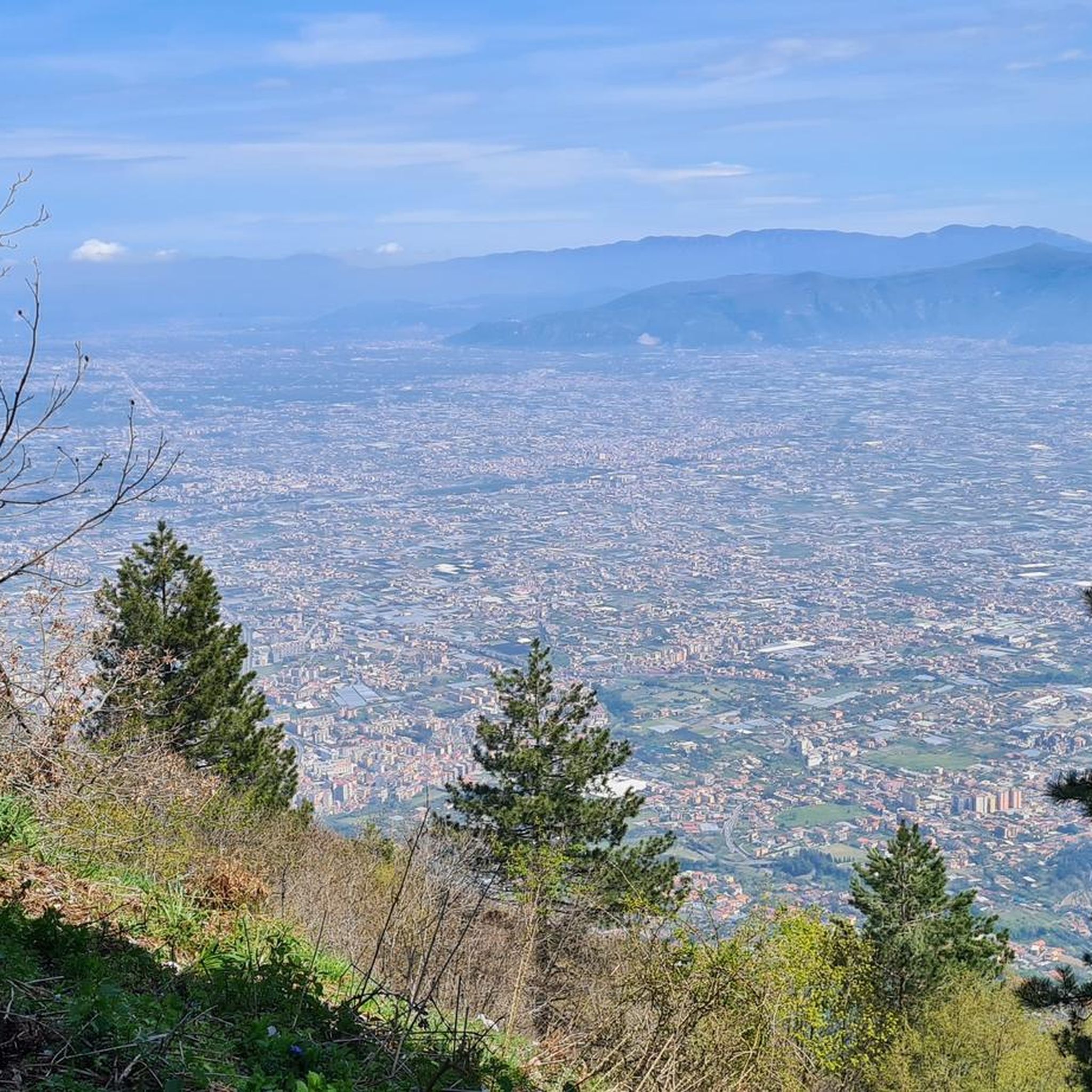
Panoramic view of the Hell Valley
8
0
Frequently Asked Questions
What are some unique geological features of the caves around Castellammare Di Stabia?
The region features caves with distinct geological formations. For example, Grotta Fissure is a natural monument with a small entrance under a lava gap. Another, Biscuit Cave, is named for its formation resembling a biscuit bread, a typical product of Agerola.
Are there any historical or religious caves to visit in the area?
Yes, the area has several caves with significant historical and religious importance. The Cave of Saint Benedict in Lettere was likely used by Benedictine hermit monks and contains remnants of ancient frescoes. Additionally, the Hermit's Cave and Sculpted Holy Family features a "Holy Family" carved into the rock by a hermit from the last century.
Which caves offer panoramic views?
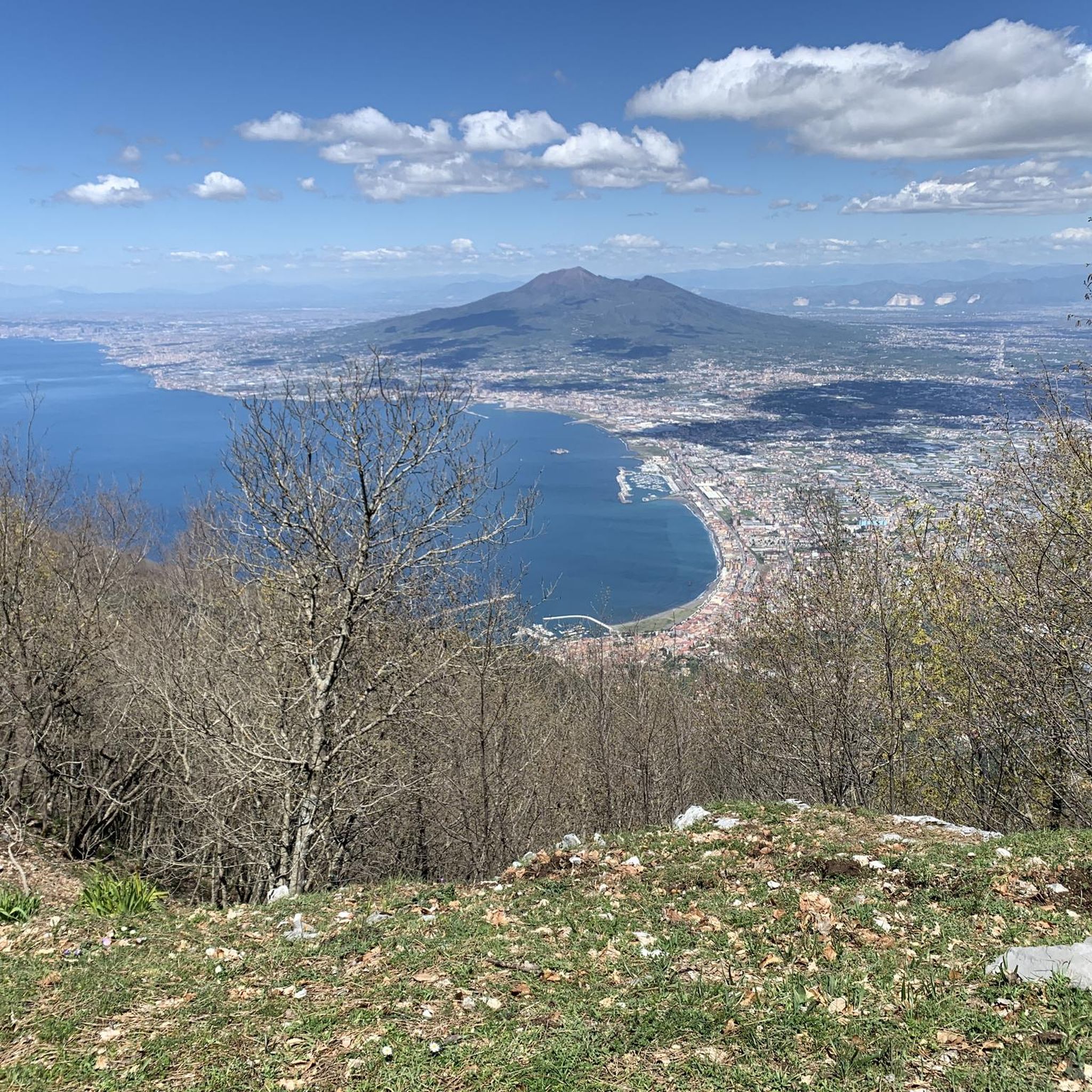
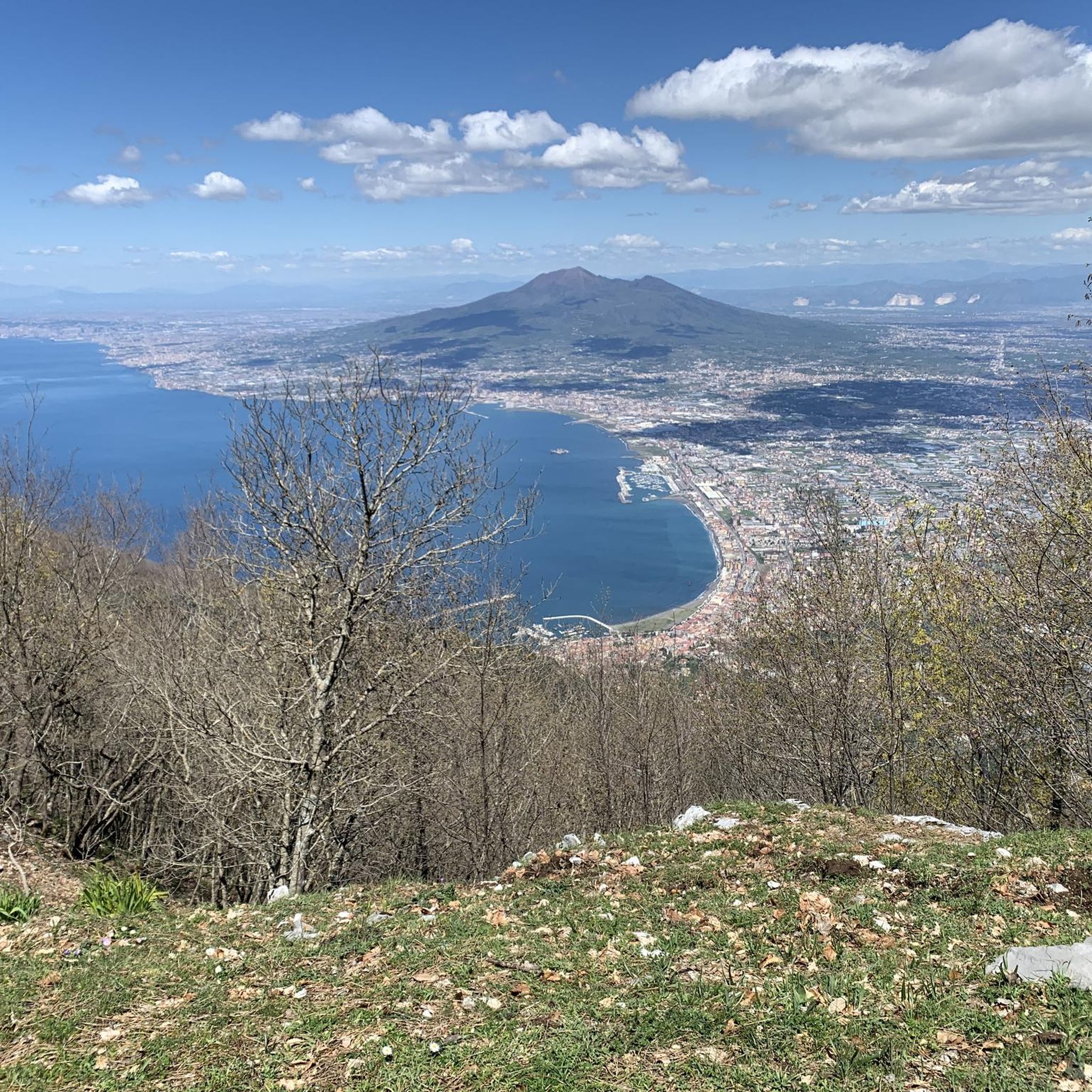
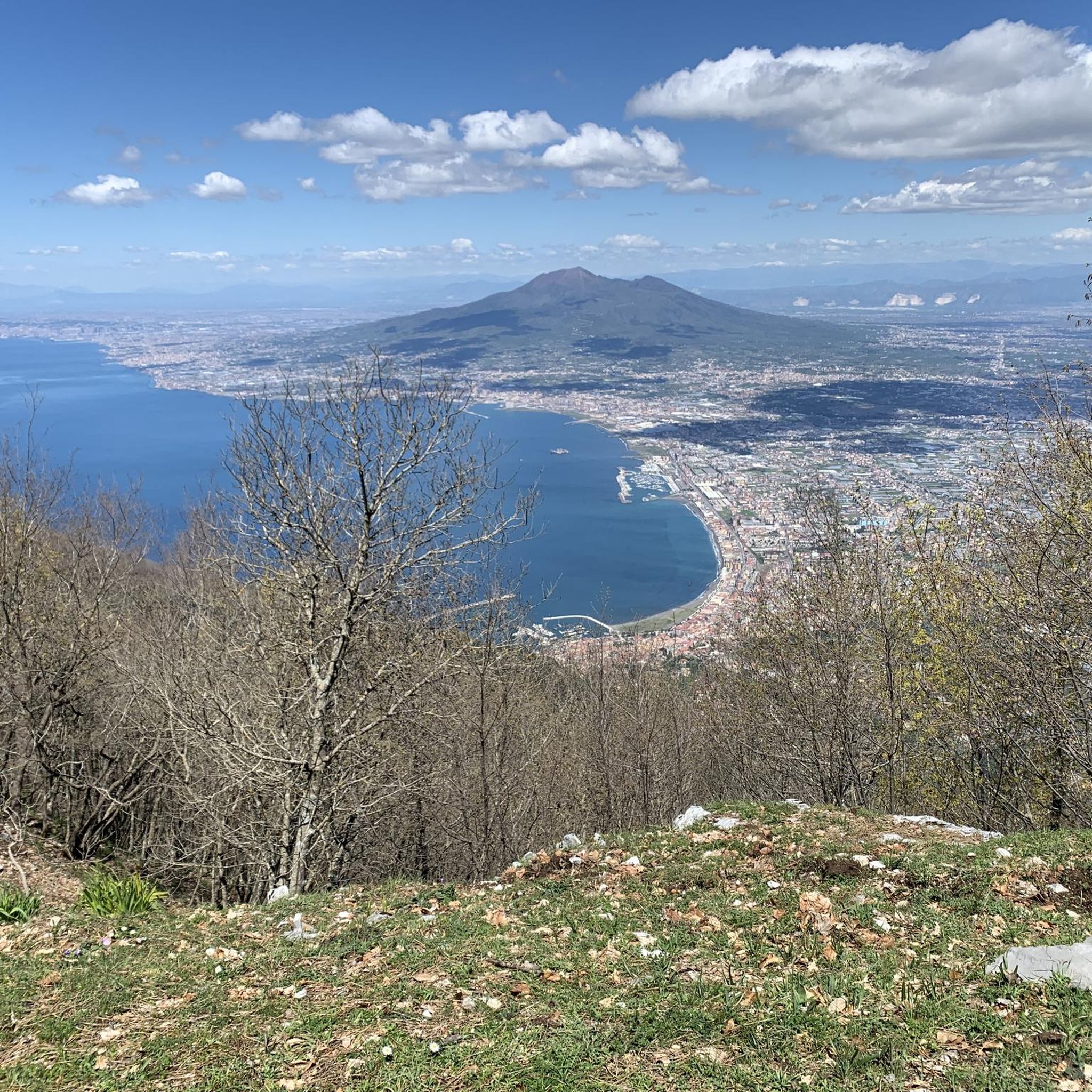
Several caves provide stunning vistas. Grotta Fissure offers a great view of the "Hell's valley." The Cave of Saint Benedict provides an incomparable panorama of the Sarno Valley and Vesuvius, along with a unique view of the historic Castello di Lettere. Grotta degli Dei from Gino is also known for breathtaking views along its trail.
What is the Grotta di San Biagio, and can I visit it?
The Grotta di San Biagio, also known as the Hypogeum of Saints Jason and Mauro, is a site of immense historical and archaeological interest in the Varano area of Castellammare di Stabia. It has served as a pagan temple, Paleochristian cemetery, Benedictine oratory, and Catholic church, preserving Byzantine and Lombard-style frescoes. However, it is currently not visitable by the public, though efforts are being made for its future opening. You can learn more about its history on Wikipedia.
What is the Grotta dei Briganti, and how can I reach it?
The Grotta dei Briganti (Cave of the Brigands) is a natural cave in the Pozzano area, historically known as a hiding place for brigands. It's reachable via a path that includes impressive canyon-like rock formations. The round trip from the Basilica di Pozzano is approximately 6 km with a 200-meter elevation gain, offering a unique and evocative experience for those interested in local history and a moderate hike.
What outdoor activities can I combine with a visit to the caves?
The region around Castellammare Di Stabia offers various outdoor activities. You can explore numerous hiking trails, including routes like the 'Stabia Port – Ancient Baths of Stabia loop' or the 'Sant'Angelo Viewpoint – View from Monte Faito loop'. There are also running trails and cycling routes available. For more details on these activities, refer to the Hiking around Castellammare Di Stabia guide.
Are there hiking trails near the caves?
Yes, many caves are situated along or near hiking trails. For instance, Biscuit Cave is located right at the beginning of the famous Path of Gods. The route to Grotta dei Briganti also involves a moderate hike. You can find more hiking options in the Hiking around Castellammare Di Stabia guide.
What is the difficulty level for exploring caves in this region?
The difficulty varies depending on the specific cave and its access. Some caves, like Grotta Fissure, are classified as challenging due to their entrance and terrain. Others, such as Grotta degli Dei from Gino, Biscuit Cave, and Cave of Saint Benedict, are generally considered intermediate. Always check specific highlight details for difficulty ratings and tips.
Is there a best time of year to visit the caves?
While caves maintain a relatively stable temperature year-round, the best time to visit the region for outdoor activities and cave exploration is typically during the spring (April-June) and fall (September-October). During these periods, the weather is milder, making hiking to and from the caves more comfortable than in the hot summer months.
What do visitors particularly enjoy about the caves here?
Visitors appreciate the diverse experiences offered by the caves. Many enjoy the unique geological formations, the historical and religious significance of sites like the Cave of Saint Benedict, and the panoramic views from locations such as Grotta Fissure. The blend of natural beauty and cultural heritage makes for a rewarding exploration.
Are there any caves with unique artistic or religious carvings?
Yes, the Hermit's Cave and Sculpted Holy Family is notable for a "Holy Family" carved into the rock and colored by a hermit. The Grotta di San Biagio also contains ancient Byzantine and Lombard-style frescoes, showcasing early Christian art, though it is not currently open to the public.
What should I wear for cave exploration in Castellammare Di Stabia?
For cave exploration, especially if it involves hiking to reach them, it's recommended to wear sturdy hiking shoes with good grip. Layers of clothing are advisable as cave temperatures can be cooler than outside, even in summer. A headlamp or flashlight is essential for visibility inside darker caves, and bringing water is always a good idea for the approach.
Most popular routes around Castellammare Di Stabia
Most popular attractions around Castellammare Di Stabia

Get inspired with the komoot mobile app


Explore more
Extend your search for the best caves by checking out these guides of the top ones around Castellammare Di Stabia:
