Top 7 Castles around Roccarainola
Best castles around Roccarainola are found in a region characterized by its ancient, hilly terrain and historical significance. This area, situated in proximity to the plain of Nola and Samnium, offers a landscape rich in historical sites. The strategic elevations provided ideal locations for fortified settlements and observation posts throughout history. Exploring these historical sites around Roccarainola reveals layers of Roman, Lombard, and medieval heritage.
Best castles around Roccarainola
- The most popular castles is Matinale Castle, a castle that…
Last updated: June 30, 2026
Matinale Castle
Highlight • Castle
Translated by Google •
Tip by

Courtyard of Castello del Matinale
Highlight • Castle
Translated by Google •
Tip by

Sign up now to discover places like this
Get recommendations on the best single tracks, peaks, & plenty of other exciting outdoor places.
Sign up for free
Castello di Arienzo (Castem Vetus)
Highlight • Castle
Translated by Google •
Tip by
Sant'Agata dei Goti
Highlight • Settlement
Translated by Google •
Tip by

Montesarchio
Highlight • Settlement
Translated by Google •
Tip by

Sign up for free to discover even more castles around Roccarainola.
Sign up for free
Already have an account?
Start today with a free account
Your next adventure awaits.
Login or Signup

Tips from the Community

TO visit, it is still possible to climb up one of the 4 towers for a view over the entire valley
1
0

Montesarchio stands on a hill on the slopes of Monte Taburno, in the Caudina Valley, and is one of the entrances to the Taburno Camposauro Regional Park. It has ancient origins from the Samnites and the Romans, and is famous for its medieval castle that stands out in the panorama.
1
0

A city certainly rich in history located in the province of Benevento on the border with the province of Caserta at the foot of Monte Taburno. The ducal castle dating back to the Lombard era is very beautiful.
1
0

This castle was wanted by Tommaso II d'Aquino. Over the years it was the home of nobles, such as the Sicilian kings, but later also of brigands.
2
0

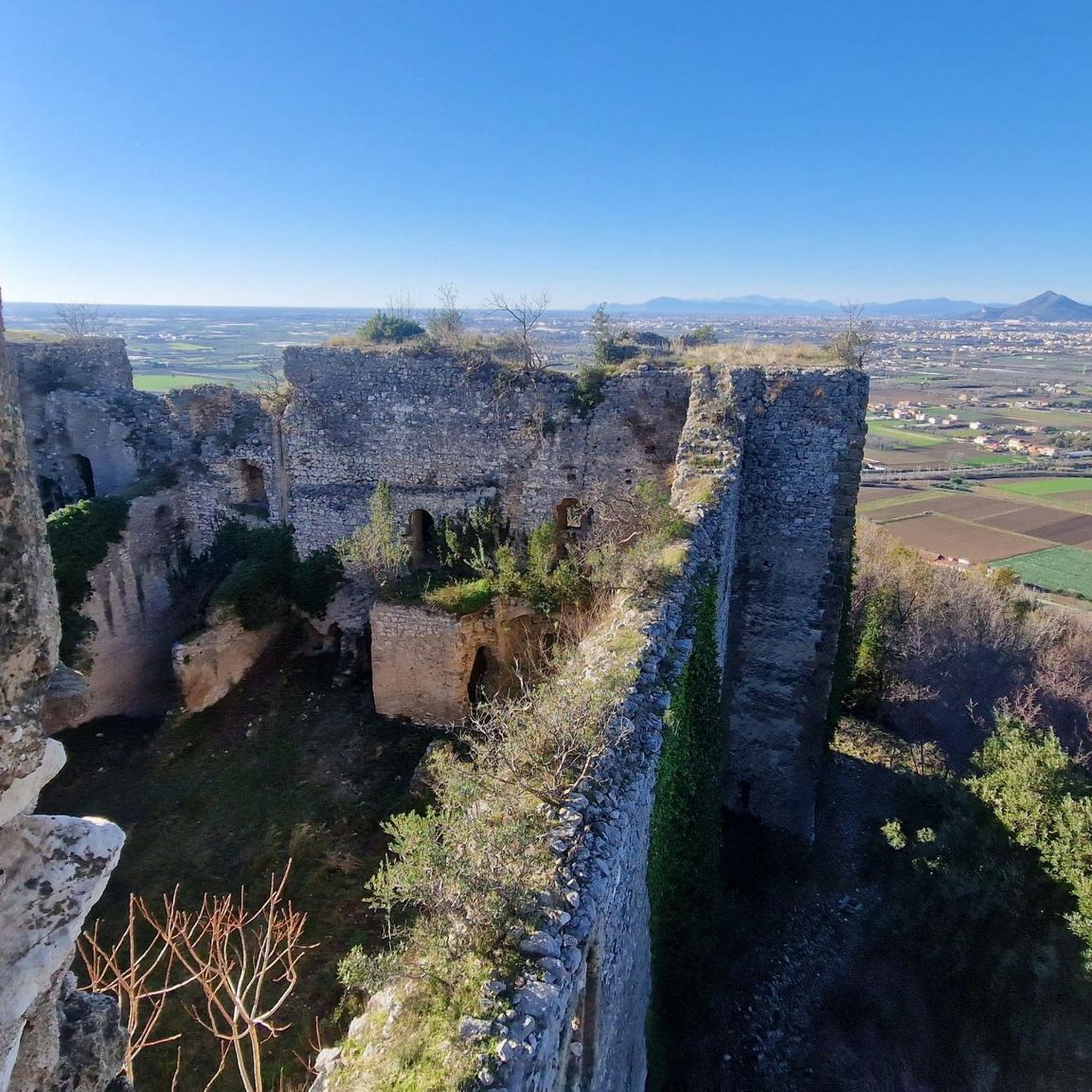
The castle of Matinale, or castle of Rudovaco, is a castle of Cancello, a fraction of the municipality of San Felice a Cancello, in the province of Caserta. It stands on an elevation overlooking the entrance to the Suessola valley. The construction of the castle of Matinale is attributed to Tommaso II d'Aquino, count of Acerra, on the occasion of his wedding with Margherita di Svevia, illegitimate daughter of Emperor Frederick II, a wedding which took place before 1247. The bride's dowry included the fiefdom di Suessola, to which the Cancello hamlet also belonged. According to local tradition, an original Lombard fortification of the ninth century would have been the work of a certain Rudovaco and would have passed on to his death to the Count of Acerra, Cullezio. He wanted to join his castle of Acerra to that of Cancello with an underground path, causing the ruin of the western side and was unable to restore it following his death in battle. The castle was later restored or rebuilt by the Norman Ramperto and again by the Mattaloni counts in the 12th century. The castle hosted the kings of Sicily Guglielmo il Malo (1131-1166) and Manfredi di Svevia (1232-1266) and the Dukes of Rebursa and again, in the Angevin period, King Ladislao I and the Carafa in the Aragonese period. In the 15th century it was abandoned, having lost its military function. It was the seat of an inn and probably housed an archpriest church dedicated to St. Thomas the Apostle. In 1799 the French general Jean Étienne Championnet established his headquarters there and later became a den of brigands. It was donated at the beginning of the twentieth century by the D'Aquino family, princes of Caramanico, to the baron Giovanni Barracco. During the Second World War it hosted the allied command in 1943.
19
0

The ruins of the castle are very impressive and are worth a visit. Too bad for the very poor enhancement of the site that deserves a better fate ...
6
0
The Castle of Arienzo "Castem Vetus" which dominates Mons Argentium, known today as Monte Castello, dates back to the 7th century and was built by the Lombards to first defend the Duchy and then the Principality of Benevento. Due to its strategic position, the castle was a lookout post over the entire valley below. From 879/882, the city of Suessola was raided and destroyed by the Saracens. After the destruction of the city, following a fire, part of the Suessolani took refuge on Mount Argentarium, where there was a castle. In 1135 King Ruggero II D'Altavilla, known as the Norman, asked for it to be demolished. The latter, having to leave for Sicily, feared that in his absence the soldiers of Rainulfo could settle in the fortress and control the vast territory from above. His order was only partially carried out and later the castle was rebuilt by his son Guglielmo. From 1135, after the destruction of the Arienzo castle, the inhabitants went down to the valley where they built the new Castle of Arienzo, known as "the Terra Murata". The castles of Arpaia, Cancello, Maddaloni, Casertavecchia were built on the highest peaks of the surrounding mountains. https://www.marianodeangelis.com/portfolio/castello-di-arienzo
12
0
The castle of Matinale, or Rudovaco, is a castle in Cancello, a hamlet of the municipality of S. Felice a Cancello, in the province of Caserta. It stands on an elevation that dominates the entrance to the Suessola valley. The construction of the Castle is attributed to Thomas II Aquinas, Count of Acerra. [....] According to local tradition, an original Lombard fortification from the 9th century was the work of a certain Rudovaco and passed upon his death to the Count of Acerra, Cullezio. He wanted to connect his castle of Acerra to that of Cancello with an underground route, causing the ruin of the western side and was unable to carry out the restoration following his death in battle. The castle was later restored or rebuilt by the Norman Ramperto and again by the Mattaloni counts in the 12th century. The castle hosted the kings of Sicily William the Evil (1131-1166) and Manfred of Swabia (1232-1266) and the dukes of Rebursa and again, in the Angevin era, King Ladislaus I and the Carafa in the Aragonese era. In the 15th century it was abandoned, having lost its military function. [....] It was donated at the beginning of the twentieth century by the D'Aquino family, princes of Caramanico, to Baron Giovanni Barracco. During the Second World War it hosted the Allied command in 1943. The castle has a square plan with square corner towers and a fifth tower on the north-west side to protect a postern. The tallest tower measures 20 m high. Splayed windows open in the towers and on the walls. The structures are in uncertain masonry, with corners in ashlar blocks, with wide smooth edges, over 7 m in height. The thickness of the masonry reaches approximately 2.5 m in the towers. The main access portal opens on the south-west side, near one of the towers, and has a double archivolt in white limestone blocks, with the sliding channel for the closing portcullis, and an external smooth ashlar display with an upper profile spearheaded (similar to the portals of the Norman-Swabian castles of Bari and Gioia del Colle). Inside it was divided into four two-storey wings around a courtyard, with rooms with various roofs (acute barrel vaults, cross vaults or wooden vaults on arches). Currently only the south-eastern wing is preserved. https://fondoambiente.it/luoghi/castello-del-matinale?ldc
16
0
Frequently Asked Questions
What historical significance do the castles around Roccarainola hold?
The castles in this region, including those near Roccarainola, are steeped in history, reflecting Roman, Lombard, and medieval influences. Sites like Matinale Castle and Castello di Arienzo served crucial defensive and observational roles due to their strategic elevated positions. They hosted historical figures and witnessed significant events throughout centuries.
Are there any castles or historical sites directly within Roccarainola?
While prominent castles are not explicitly detailed within Roccarainola's municipal boundaries, the town itself is ancient and hilly with historical significance. The Medieval Church at Cammarano, located atop Cammarano Hill, is a notable historical site. Its strategic position suggests a past context of defense or observation, characteristic of fortified settlements in the region.
Which castles offer the best historical insights into the region?
For deep historical insights, Matinale Castle (also known as Castle of Rudovaco) is highly recommended. It dates back to before 1247 and hosted figures like William the Bad and Manfred of Swabia. Castello di Arienzo, built by the Lombards in the 7th century, also offers a rich history of defense and strategic importance.
What outdoor activities can I do near these castles?
The area around Roccarainola and its castles offers various outdoor activities. You can find numerous running, mountain biking, and road cycling routes. For example, there are running routes like 'From Cancello to Castello del Matinale - ring tour' and 'Castello d'Avella loop from Roccarainola-Tufino'. You can explore more options on the Running Trails around Roccarainola, MTB Trails around Roccarainola, and Road Cycling Routes around Roccarainola guide pages.
Are there hiking trails near Matinale Castle?
Yes, there are hiking opportunities around Matinale Castle. For instance, the 'From Cancello to Castello del Matinale - ring tour' is a moderate running route that allows you to explore the surroundings. You can find more trails and details on the Running Trails around Roccarainola guide page.
Which castles offer the best viewpoints?
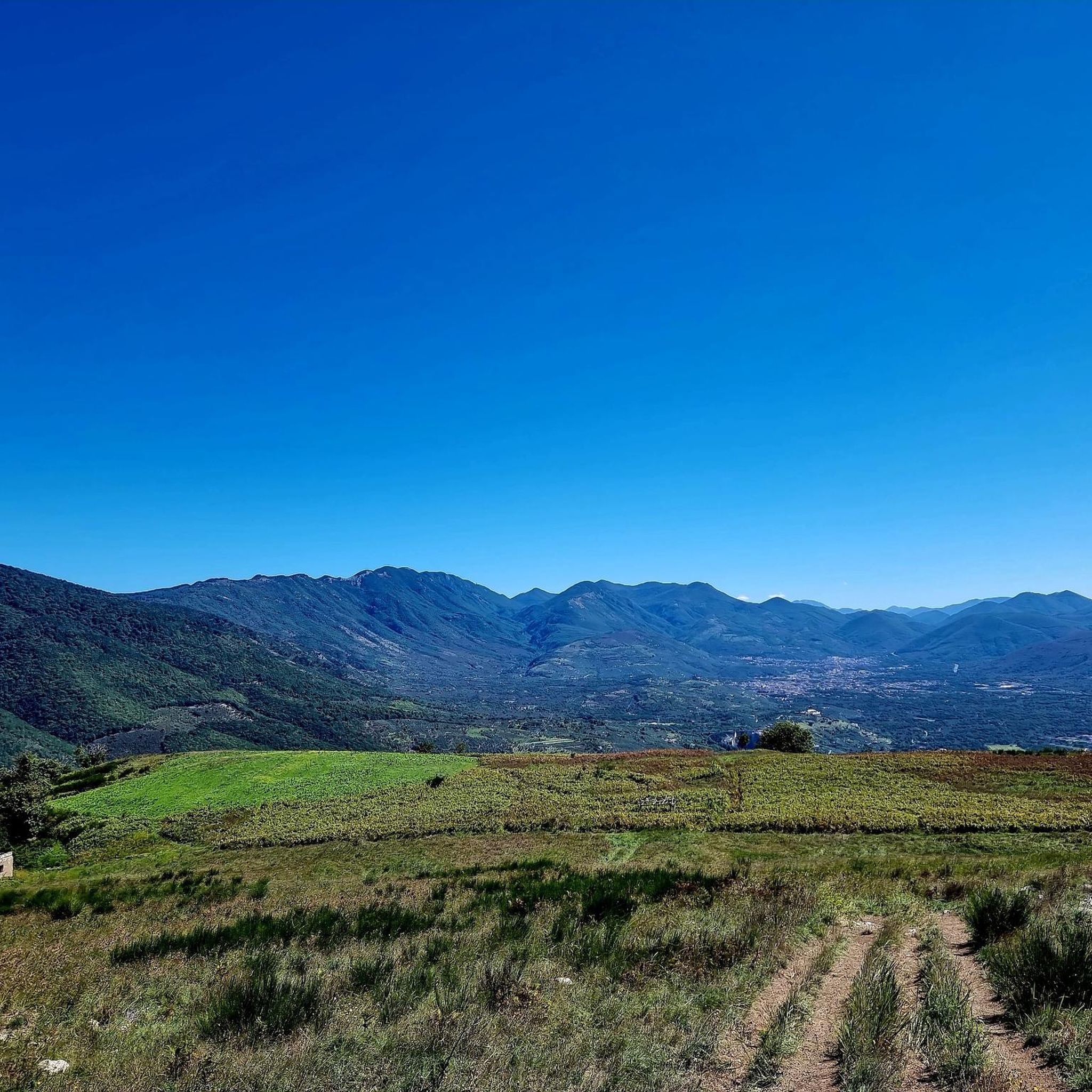
Matinale Castle stands on an elevation overlooking the Suessola valley, providing excellent views. Similarly, Castello di Arienzo, situated on Mons Argentium, was strategically built as a lookout post over the entire valley, offering beautiful and evocative panoramas. Montesarchio also offers great views from its medieval castle.
Is Sant'Agata dei Goti a family-friendly destination?
Yes, Sant'Agata dei Goti is considered a family-friendly historical site. Its beautiful old city and ducal castle, dating back to the Lombard era, offer an engaging experience for visitors of all ages.
What is Montesarchio known for?
Montesarchio is known for its ancient origins, dating back to Samnite and Roman times. It stands on a hill on the slopes of Monte Taburno and is famous for its medieval castle that prominently stands out in the panorama, offering historical significance and scenic views.
What can I see at Avella Castle and Roman Ruins?
At Avella Castle and Roman Ruins, you can explore the remains of a historical castle along with ancient Roman structures. The municipality of Avella is also famous for its hazelnut cultivation, a unique local characteristic.
What is the best time to visit the castles around Roccarainola?
While specific opening hours or seasonal recommendations are not provided, generally, spring and autumn offer pleasant weather for exploring historical sites in this region, avoiding the peak heat of summer and potential chill of winter. It's always advisable to check local conditions before your visit.
Are there any amenities like cafes or accommodation near the castles?
The castles are located in a region with various towns and settlements. While specific amenities for each castle are not detailed, towns like Roccarainola, San Felice a Cancello (near Matinale Castle), and Arienzo (near Castello di Arienzo) likely offer cafes, restaurants, and accommodation options for visitors.
How accessible are the castles by public transport?
Information on specific public transport routes to each castle is not readily available. Many of these historical sites are located on elevated or somewhat remote positions. It is generally recommended to plan your visit with personal transport or inquire locally about the best way to reach them.
Most popular attractions around Roccarainola

Get inspired with the komoot mobile app


Explore more
Looking for the best castles somewhere else? Discover other guides around Roccarainola:
