Top 5 Castles around Salza Irpina
Best castles around Salza Irpina offers a journey through the historical landscape of the Irpinia region. While Salza Irpina itself features notable historical palaces like the 17th-century Palazzo Imperiale and the 16th-century Palazzo Capozzi, the surrounding area provides access to traditional castle structures. These sites reflect the region's rich past, showcasing architectural heritage from various centuries. The area's historical significance is evident in its defensive structures and noble residences.
Best castles around Salza Irpina
- The most popular castles is Feudal…
Last updated: June 30, 2026
Feudal Castle
Highlight • Castle
Translated by Google •
Tip by

Macedonio Castle of Grottolella
Highlight • Castle
Translated by Google •
Tip by

Sign up now to discover places like this
Get recommendations on the best single tracks, peaks, & plenty of other exciting outdoor places.
Sign up for free
Solofra Castle
Highlight • Castle
It consisted of a series of walls that surrounded the hill turning it into a fortified point.
Translated by Google •
Tip by

Start today with a free account
Your next adventure awaits.
Login or Signup


Tips from the Community

Remains of the feudal castle of Serino, complete with boundary walls and access arch. Very suggestive place!
6
0

On the top of a hill full of vegetation, in the locality of Toppola, are the ruins of the Feudal Castle of Serino which, together with the Castle of Orano, constitutes the group of fortifications present in the territory of the municipality. Of the original structure, only the perimeter walls and the ancient chapel, now restored, are visible. According to some sources, the castle was built around 839 AD, as a defensive bulwark for the local inhabitants threatened by the raids of the militias engaged in the dynastic struggles for the succession to the throne of Benevento. However, the current conformation of the castle should date back to 1159, the year in which Costanza Saracena, belonging to the Sanseverino family, elected Serino as the capital of her feud. The structure is accessed through two suggestive arched doors that mark the passage along the three short ramps that once led to the main entrance. After the last door, you come across the Sanctuary dedicated to the Madonna delle Grazie which today includes the private chapel with a bell tower, once located near the residence of the feudal lord. With the loss of its defensive function, the castle suffered the neglect of time and was gradually abandoned. The ruins of the building, with the adjoining restored church, are now well kept, inserted within a highly suggestive natural setting, in which the centuries-old linden tree in front of the church makes a fine show.
18
0

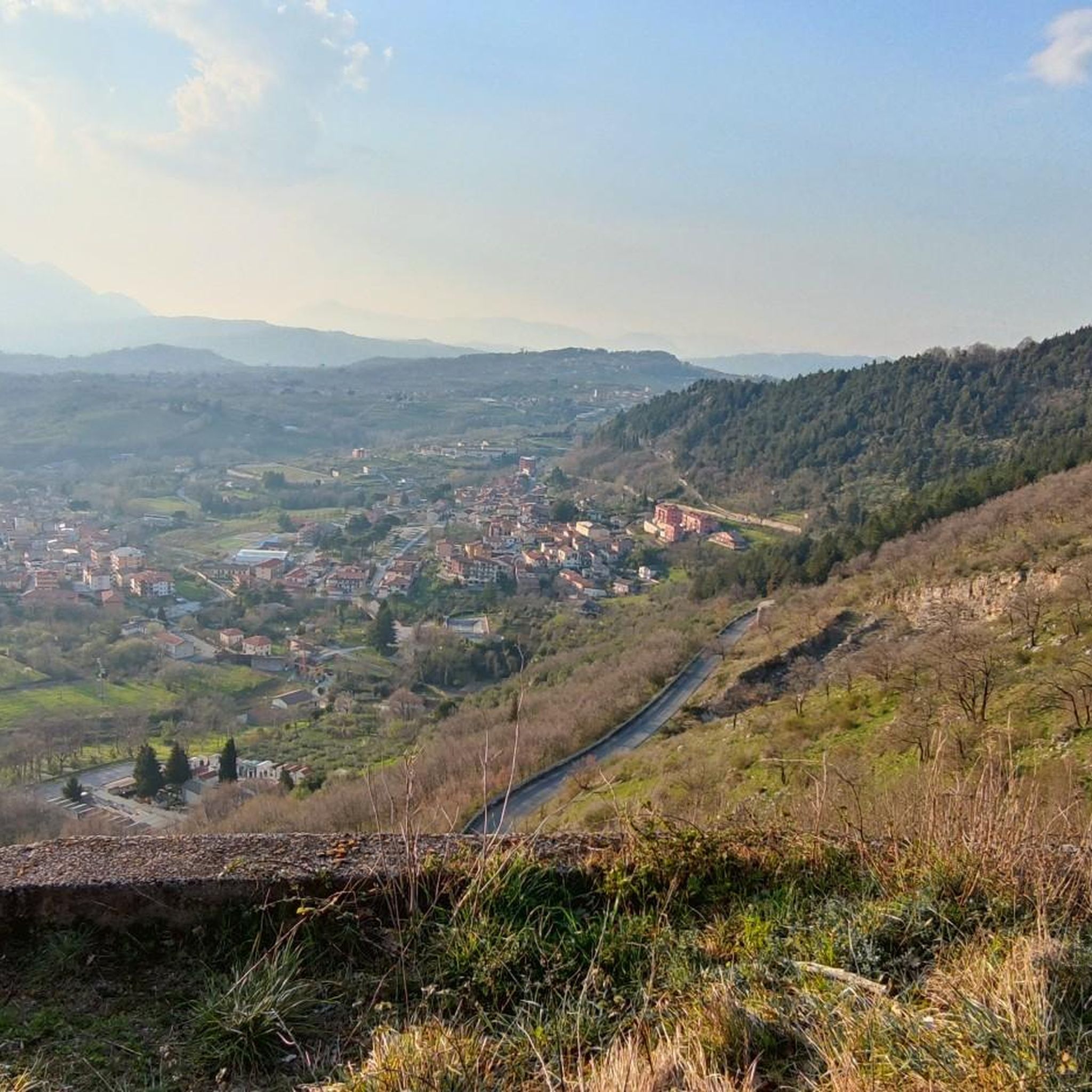
The Feudal Castle is located on top of the Serino hill. It is inserted in a wooded environment, very luxuriant. Unfortunately a large part of the fortress is in a state of abandonment.
1
0

The castle of Grottolella built in 1083 on a pre-existing Lombard stronghold in control of the old village of Grottolella
1
0

Located on a hill on the slopes of Mount Pergola, the castle was part of an important defensive complex. It consisted of a series of walls that surrounded the hill turning it into a fortified point.
1
0
The Castle dominates the old village over the valley crossed by the San Giulio stream, built on a pre-existing Lombard stronghold in the second half of the 11th century, it was besieged and destroyed by the troops led by Ruggiero II the Norman.
0
0

According to some sources, the feudal castle, in the locality of Toppola, was built during the Norman domination in the principality of Salerno, which also included the Serinese territory. With the loss of its defensive function, the castle suffered the ravages of time and was progressively abandoned, so much so that in a document dated January 12, 1569 it is said that: “the Castle is currently uninhabited and semi-ruined”!
4
0
Frequently Asked Questions
What kind of historical sites can I expect to find around Salza Irpina?
Around Salza Irpina, you'll discover a mix of traditional castle ruins and grand historical palaces. While Salza Irpina itself is home to notable palaces, the surrounding area features medieval castles that highlight the region's rich past and defensive strategies.
What are some of the most historically significant castles near Salza Irpina?
The region boasts several significant historical castles. The Feudal Castle near Serino, dating back to around 839 AD, offers well-preserved perimeter walls and a restored chapel. Another key site is the Macedonio Castle of Grottolella, built in 1083 on a Lombard stronghold, which dominates the old village. Additionally, Solofra Castle, situated on a hill, was once part of an important defensive complex.
Are there any historical palaces within Salza Irpina itself?
Yes, Salza Irpina features prominent historical palaces rather than traditional castles. The 17th-century Palazzo Imperiale (Imperiale-D'Afflitto Palace) showcases aristocratic life with its grand portal, vaulted staircases, and remnants of frescoes. The 16th-century Palazzo Capozzi, located at the city center's entrance, is notable for its Renaissance facade, stone portal, and two corner towers.
What do visitors appreciate most about the castles and historical sites in this region?
Visitors often appreciate the historical depth and architectural details of these sites. The ruins of the Feudal Castle, for instance, are described as a 'very suggestive place' with its boundary walls and access arch. The sheer scale and intricate design of structures like the Palazzo Imperiale also offer a rich historical experience, reflecting the wealth and status of past noble families.
Are there opportunities for outdoor activities near these historical sites?
Yes, the area around Salza Irpina offers various outdoor activities. You can find numerous routes for running, road cycling, and general cycling that often pass by historical points or offer scenic views of the region. For example, there are cycling routes like the 'Parco Santo Spirito – Ruins of Avellino Castle loop' or running routes such as the 'Palazzo Antica Dogana – Castello Longobardo loop'. You can explore more options in the Running Trails around Salza Irpina, Road Cycling Routes around Salza Irpina, and Cycling around Salza Irpina guides.
Can I find hiking trails near the castles around Salza Irpina?
While specific 'hiking' trails directly to every castle might vary, many of the running and cycling routes in the area offer paths through natural settings that can be enjoyed on foot. The Feudal Castle is situated on a hill 'full of vegetation' within a 'highly suggestive natural setting,' indicating opportunities for walks. For more structured routes, check the Running Trails around Salza Irpina guide, which includes routes that pass by historical landmarks.
What is the best time of year to visit the castles and historical sites?
The Irpinia region, including Salza Irpina, generally enjoys pleasant weather in spring (April-June) and early autumn (September-October), making these ideal times for exploring historical sites and engaging in outdoor activities. The temperatures are milder, and the natural scenery is often at its best. Summer can be warm, while winter might offer a different, quieter experience, though some outdoor routes might be less accessible.
Are the castles around Salza Irpina suitable for families?
Many historical sites, especially those with open grounds or well-maintained ruins like the Feudal Castle, can be interesting for families. Exploring the architecture and imagining the past can be an engaging experience for children. The palaces within Salza Irpina also offer a glimpse into history. It's advisable to check specific accessibility for strollers or very young children if planning to visit interiors.
Are there any dog-friendly options for visiting historical sites or nearby trails?
While specific regulations for dogs inside historical buildings can vary, many outdoor areas and trails around the castles are generally dog-friendly, provided dogs are kept on a leash. The natural settings surrounding sites like the Feudal Castle offer opportunities for walks with your dog. Always ensure to clean up after your pet.
Where can I find scenic viewpoints near the castles?
Many of the castles and palaces are strategically located to offer commanding views. The Macedonio Castle of Grottolella, for example, dominates the old village over the valley. Similarly, Solofra Castle is on a hill, providing scenic vistas. The Feudal Castle is also on a hilltop, offering picturesque views of the surrounding vegetation.
Are there places to eat or drink near the castles?
Salza Irpina and the towns surrounding the castles offer various local restaurants and cafes where you can enjoy traditional Irpinian cuisine. While specific establishments directly adjacent to every castle might be limited, you'll find options in the nearby villages and town centers for refreshments and meals after your historical exploration.
How can I reach the castles around Salza Irpina?
Access to the castles and historical sites around Salza Irpina is primarily by car, offering the most flexibility to explore the region. Parking options are generally available in the nearby towns or designated areas close to the sites. Public transport might connect major towns, but reaching specific, more remote castle ruins might require a combination of transport or a walk.
Most popular attractions around Salza Irpina

Get inspired with the komoot mobile app


Explore more
Looking for the best castles somewhere else? Discover other guides around Salza Irpina:
