Top 7 Castles around Santo Stefano Del Sole
Best castles around Santo Stefano Del Sole are found in the picturesque region of Irpinia, an area known for its ancient origins and rich history. While Santo Stefano Del Sole itself features historical sites like the 17th-century Palazzo Baronale and several ancient churches, the broader area offers a glimpse into medieval fortifications. Situated within the Monti Picentini Park, the region provides lush landscapes and panoramic views, complementing the historical exploration. This geographical location makes it a compelling destination for those…
Last updated: August 9, 2026
Castelletto Parise
Highlight • Castle
Translated by Google •
Tip by

San Pantaleone Sanctuary and the Lombard Castle of Montoro
Highlight • Historical Site
Translated by Google •
Tip by

Sign up now to discover places like this
Get recommendations on the best single tracks, peaks, & plenty of other exciting outdoor places.
Sign up for free
Trail 142 – Monastery Trail
Highlight • Trail
Translated by Google •
Tip by
Feudal Castle
Highlight • Castle
Translated by Google •
Tip by
Solofra Castle
Highlight • Castle
It consisted of a series of walls that surrounded the hill turning it into a fortified point.
Translated by Google •
Tip by

Start today with a free account
Your next adventure awaits.
Login or Signup

Tips from the Community


Remains of the feudal castle of Serino, complete with boundary walls and access arch. Very suggestive place!
6
0

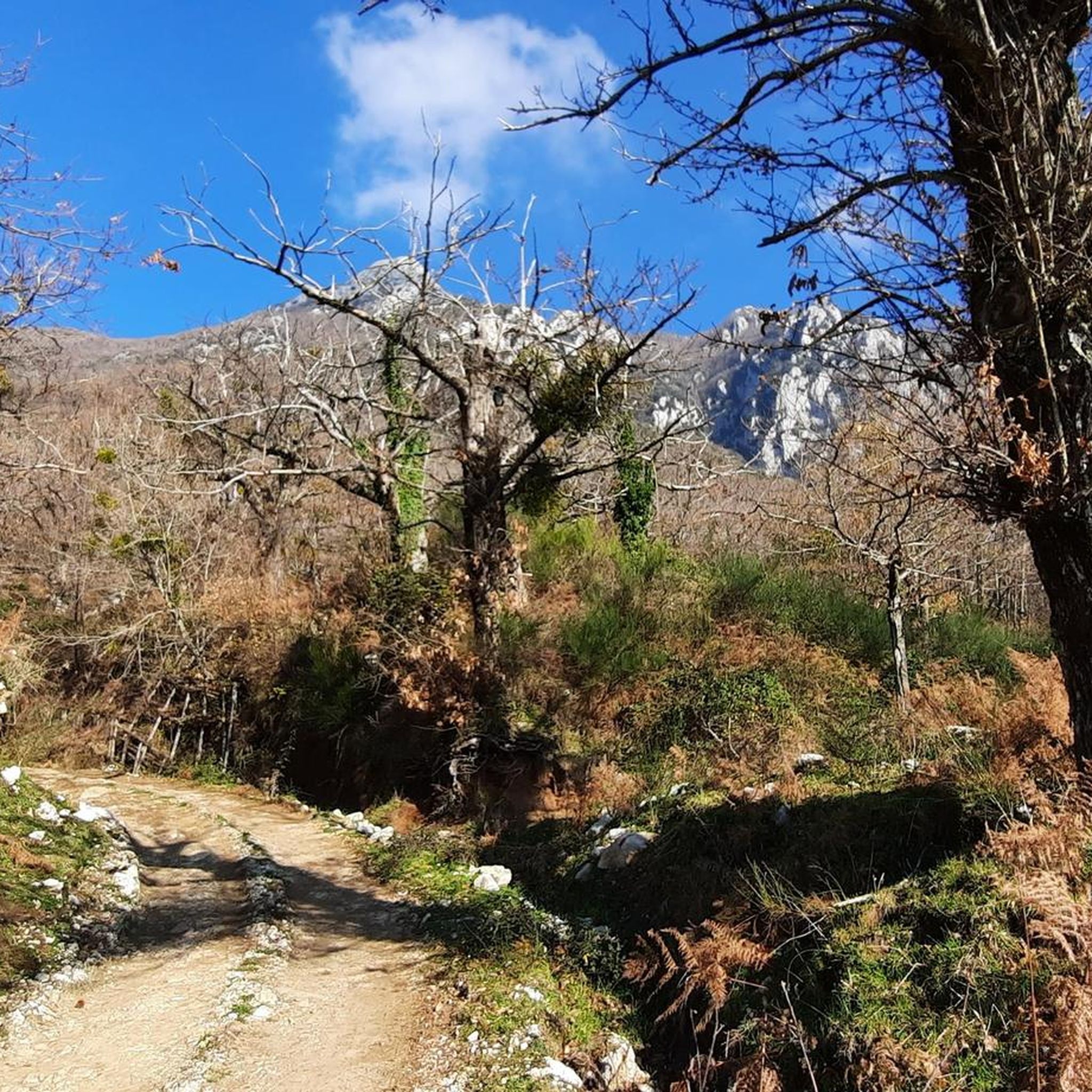
On the top of a hill full of vegetation, in the locality of Toppola, are the ruins of the Feudal Castle of Serino which, together with the Castle of Orano, constitutes the group of fortifications present in the territory of the municipality. Of the original structure, only the perimeter walls and the ancient chapel, now restored, are visible. According to some sources, the castle was built around 839 AD, as a defensive bulwark for the local inhabitants threatened by the raids of the militias engaged in the dynastic struggles for the succession to the throne of Benevento. However, the current conformation of the castle should date back to 1159, the year in which Costanza Saracena, belonging to the Sanseverino family, elected Serino as the capital of her feud. The structure is accessed through two suggestive arched doors that mark the passage along the three short ramps that once led to the main entrance. After the last door, you come across the Sanctuary dedicated to the Madonna delle Grazie which today includes the private chapel with a bell tower, once located near the residence of the feudal lord. With the loss of its defensive function, the castle suffered the neglect of time and was gradually abandoned. The ruins of the building, with the adjoining restored church, are now well kept, inserted within a highly suggestive natural setting, in which the centuries-old linden tree in front of the church makes a fine show.
18
0

The Feudal Castle is located on top of the Serino hill. It is inserted in a wooded environment, very luxuriant. Unfortunately a large part of the fortress is in a state of abandonment.
1
0

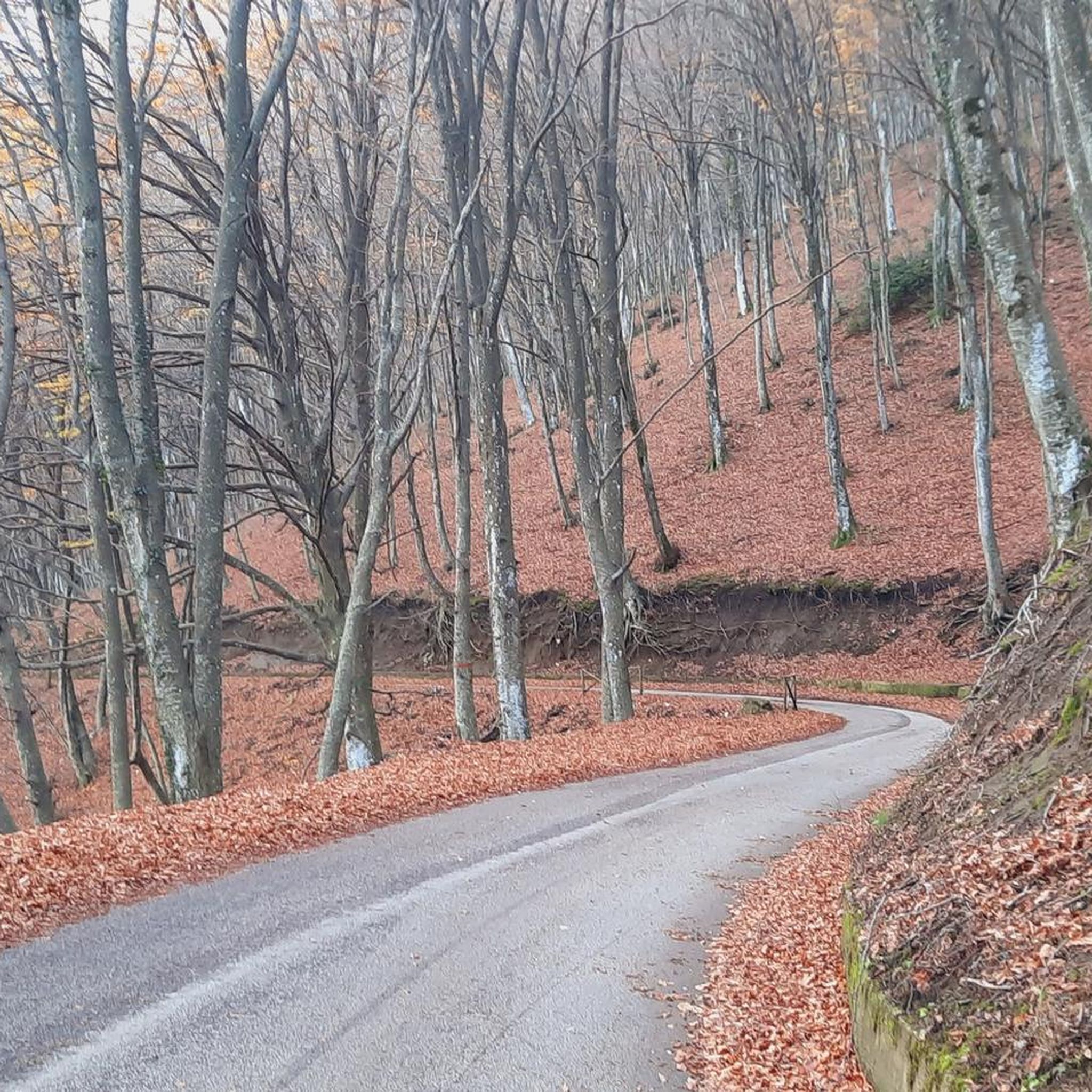
Very suggestive and definitely challenging track in some passages but, overall, beautiful and fun. Final destination: the Montella Castle which can only be visited by reservation.
5
0
This path leads from the Terminio to the castle of Montella. It winds through beech and chestnut groves. Pay attention to some particularly challenging sections.
16
0
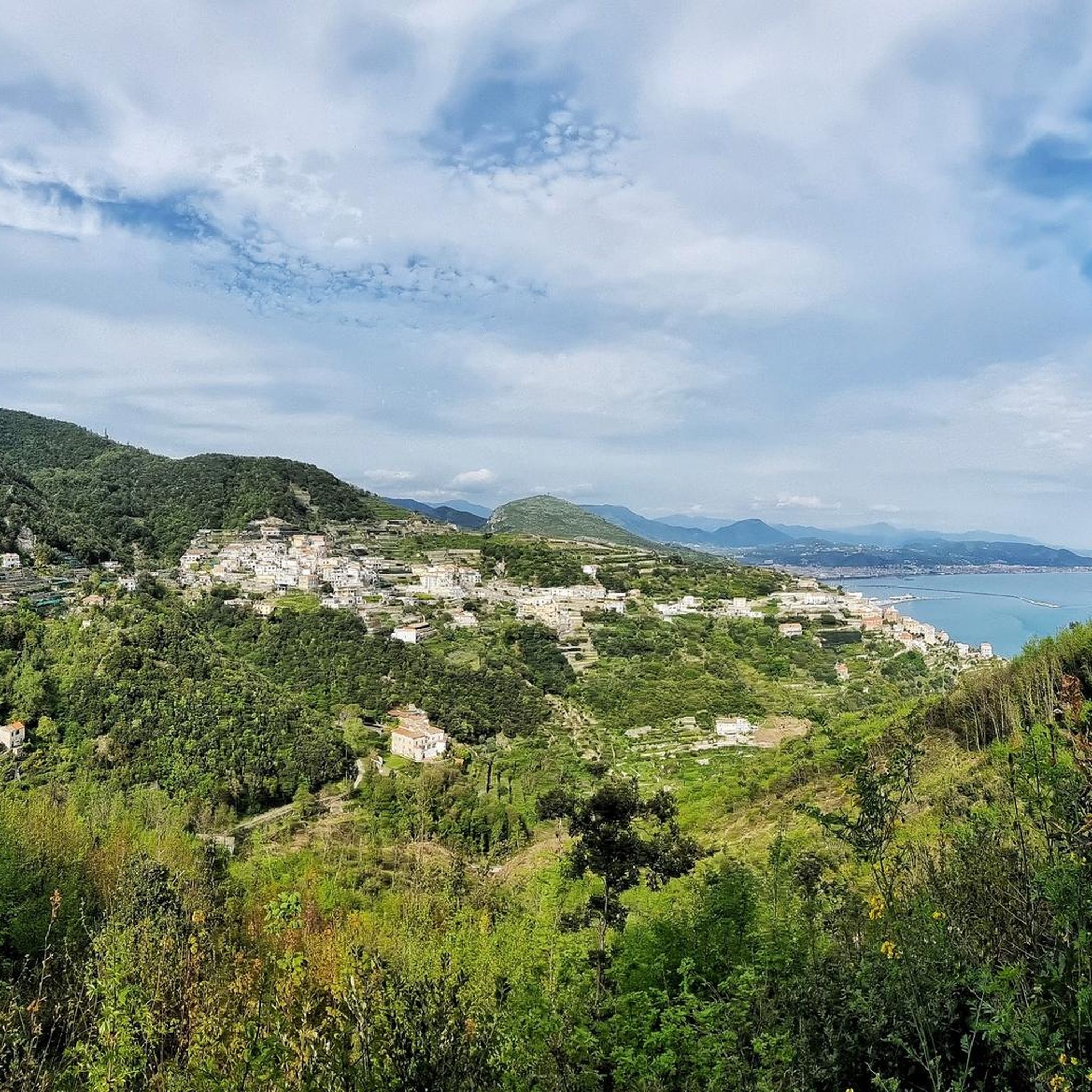
Antico Castelletto belonged precisely to the Parise family as the name suggests, it is a pity that it is in a state of total abandonment, because, seen up close it is very beautiful and is characterized by the arches of the windows and the portal, very characteristic, too bad that be left to himself !!
3
0

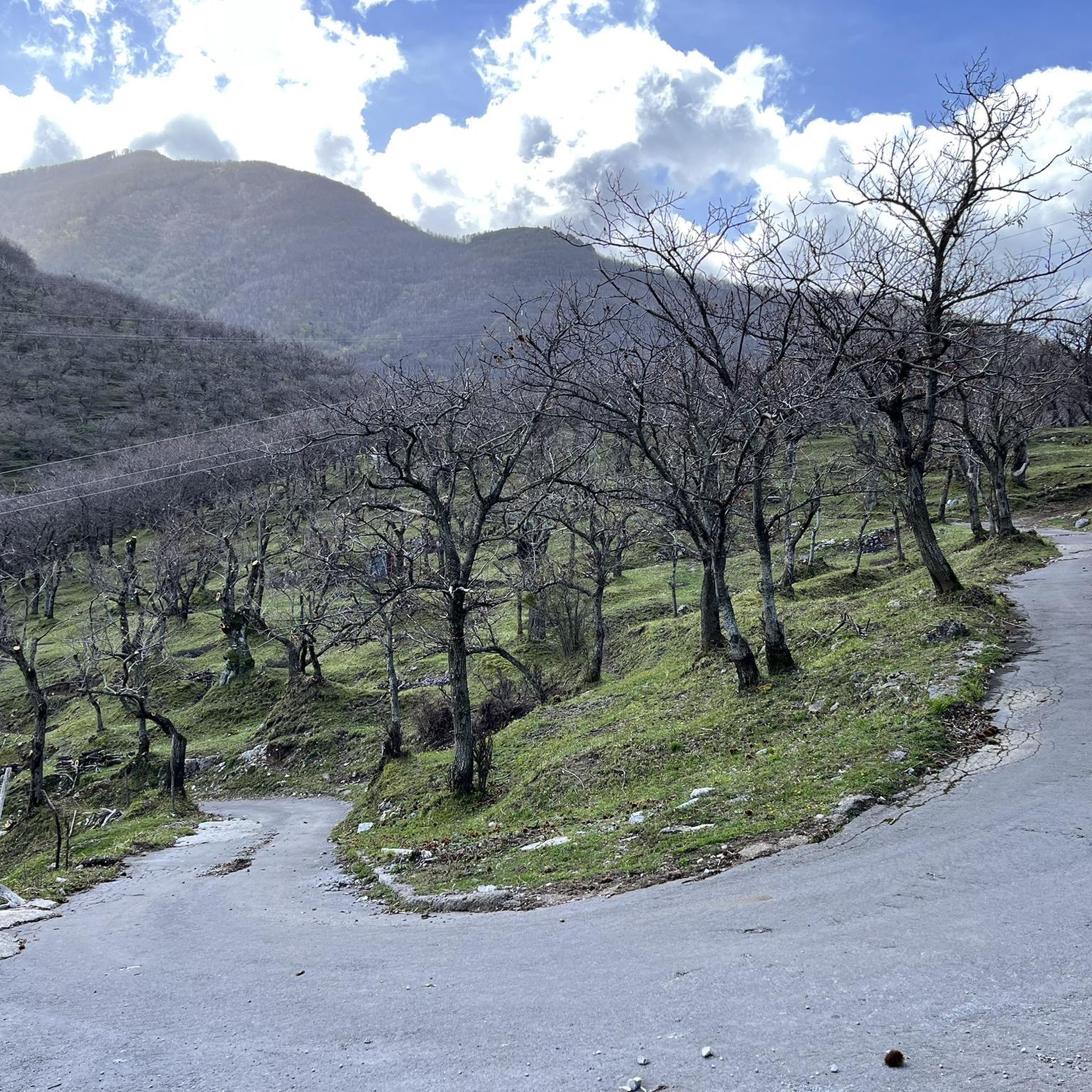
Located on a hill on the slopes of Mount Pergola, the castle was part of an important defensive complex. It consisted of a series of walls that surrounded the hill turning it into a fortified point.
1
0
Frequently Asked Questions
Are there castles located directly within Santo Stefano del Sole?
While Santo Stefano del Sole is rich in history with sites like the 17th-century Palazzo Baronale and ancient churches, there are no notable castles located directly within its municipal boundaries. The castles featured in this guide are found in the broader surrounding region of Irpinia.
What kind of castles can I expect to find around Santo Stefano del Sole?
The region around Santo Stefano del Sole offers a variety of historical fortifications, including ruins of Lombard castles, feudal castle remains, and smaller 'castellettos'. You'll find a mix of structures, some well-preserved and others atmospheric ruins, often set within beautiful natural landscapes.
Which castles offer the best views?
For panoramic views, consider visiting the ruins of the Longobard Castle near the San Pantaleone Sanctuary and the Lombard Castle of Montoro. The Feudal Castle of Serino also offers a highly suggestive natural setting with its ruins.
Are there any family-friendly walks or activities near these castles?
Many of the castles are situated within natural settings, offering opportunities for walks. For example, the Feudal Castle of Serino is nestled in a natural setting, and the area around San Pantaleone Sanctuary and the Lombard Castle of Montoro provides paths with views. For broader outdoor activities, you can explore various running, MTB, and road cycling routes in the wider region.
What historical significance do the castles in this area hold?
The castles reflect the region's ancient origins and strategic importance. For instance, the Feudal Castle of Serino is believed to have been built around 839 AD as a defensive bulwark, later becoming the capital of a feud in 1159. Solofra Castle was part of an important defensive complex, highlighting the area's historical need for fortifications.
Is there a specific 'Santo Stefano Castle' in this region?
No, information about a 'Santo Stefano Castle' consistently refers to a coastal fortress in Monopoli, in the Apulia region, which is distinct from Santo Stefano del Sole. The castles in this guide are located in the vicinity of Santo Stefano del Sole, but not within the town itself.
What is the best time of year to visit the castles and surrounding area?
The region, situated within the Monti Picentini Park, offers lush vegetation and scenic beauty. Spring and autumn generally provide pleasant weather for exploring the outdoor castle ruins and trails. Summer can be warm, while winter might offer a different, quieter perspective, though some paths could be more challenging.
Are there challenging trails that lead to any of the castles?
Yes, Trail 142 – Monastery Trail is a challenging path that leads to the castle of Montella. It winds through beech and chestnut groves and includes some particularly demanding sections, offering a suggestive and fun experience for experienced hikers.
What other historical or cultural sites are near Santo Stefano del Sole?
Beyond the castles, Santo Stefano del Sole itself features the 17th-century Palazzo Baronale (now the Town Hall), and historical churches like the Chiesa Madre and Chiesa dell'Immacolata Concezione. The town's Piazza del Sole is also notable for its panoramic views and ancient lime trees. Ancient Samnite-era artifacts have been discovered in the Castelluccio area, testifying to the town's deep past.
Can I visit the castles by public transport?
Access to many of these historical sites, especially those in more natural or elevated settings, often requires personal transportation. While Santo Stefano del Sole has some local transport, reaching specific castle ruins might involve a combination of transport and walking. It's advisable to check local transport schedules and accessibility for each specific site you plan to visit.
What natural features can I see while exploring the castles?
The castles are often nestled within the picturesque Monti Picentini Park, offering lush vegetation, forests of beech and chestnut trees, and pristine water sources like the Urciuoli springs. Many sites, such as the Lombard Castle of Montoro and the Feudal Castle of Serino, provide excellent viewpoints over the Valle del Sabato and surrounding landscapes.
Are there any castles that are less well-known but worth visiting?
The Castelletto Parise, though currently in a state of neglect, retains its historical splendor and is described as a 'treasure in the midst of nature'. It offers a glimpse into the region's past away from more frequented sites, with nature seemingly protecting its ancient walls.
Most popular routes around Santo Stefano Del Sole
Most popular attractions around Santo Stefano Del Sole

Get inspired with the komoot mobile app


Explore more
Looking for the best castles somewhere else? Discover other guides around Santo Stefano Del Sole:
