Top 5 Castles around Grottolella
Best castles around Grottolella are found in a charming village in the province of Avellino, Italy, known for its historical significance. The area features a landscape shaped by the San Giulio River valley, with fortifications strategically positioned on hilltops. The primary historical castle attraction is Macedonio Castle, which reflects centuries of architectural styles and serves as an architectural symbol for the local community.
Best castles around Grottolella
- The most popular castles is Castello di Tufo, a castle that is…
Last updated: June 30, 2026
Monteforte Irpino Castle
Highlight • Castle
But the history of Monteforte …
Translated by Google •
Tip by

Castello di Tufo
Highlight • Castle
Translated by Google •
Tip by

Sign up now to discover places like this
Get recommendations on the best single tracks, peaks, & plenty of other exciting outdoor places.
Sign up for free
Ruins of Mercogliano Castle
Highlight • Castle
Translated by Google •
Tip by
Macedonio Castle of Grottolella
Highlight • Castle
Translated by Google •
Tip by
Capocastello of Mercogliano
Highlight • Castle
Translated by Google •
Tip by

Sign up for free to discover even more castles around Grottolella.
Sign up for free
Already have an account?
Start today with a free account
Your next adventure awaits.
Login or Signup
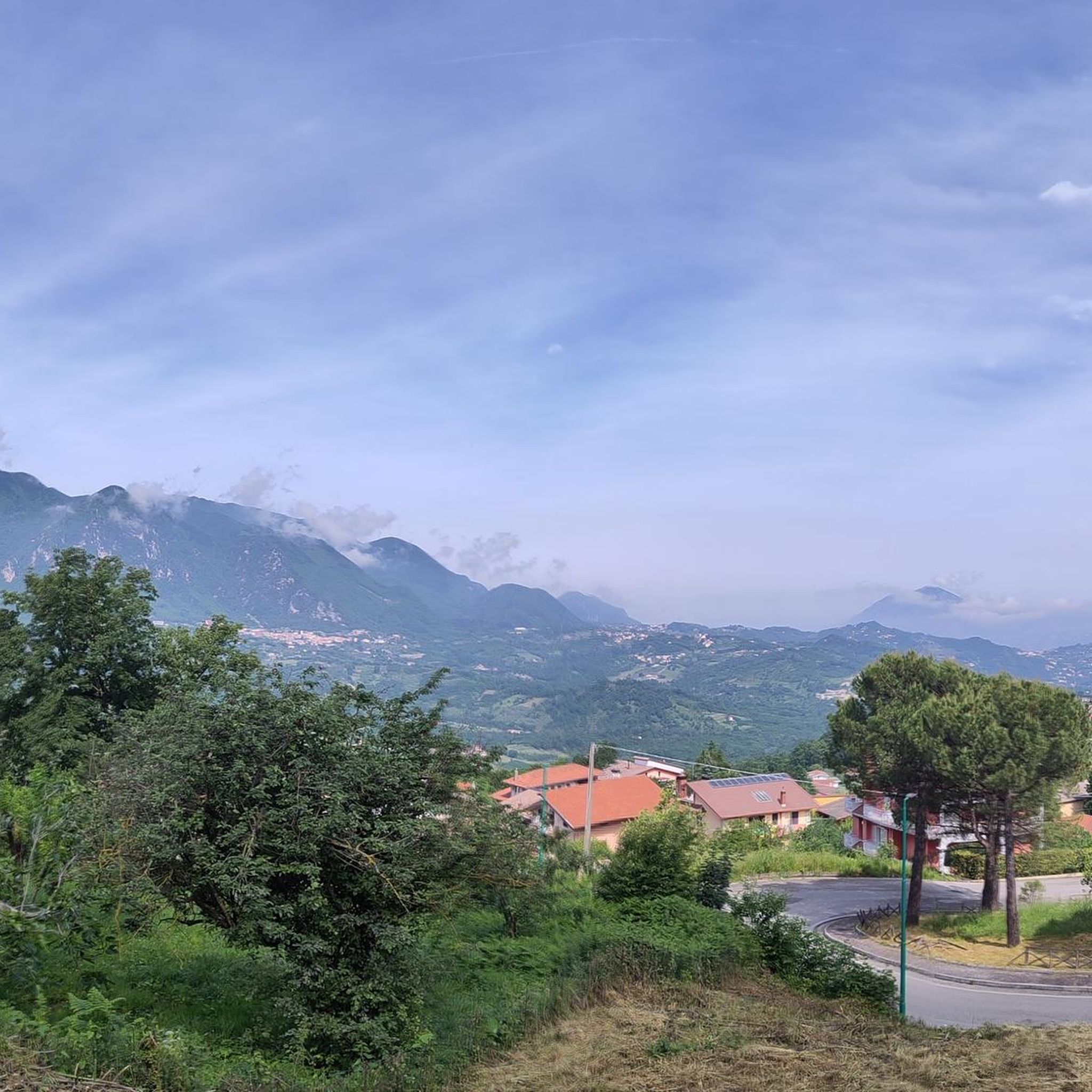

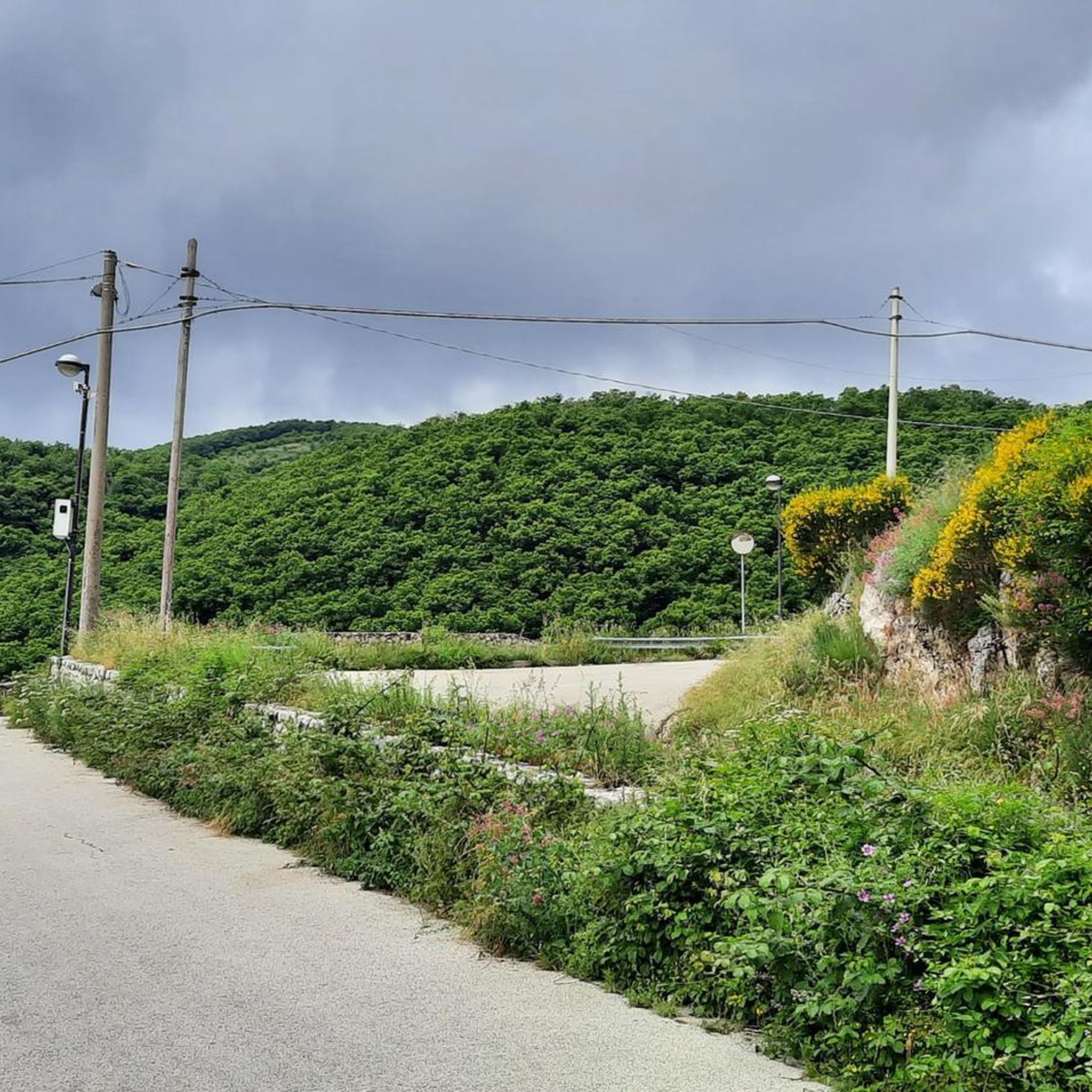
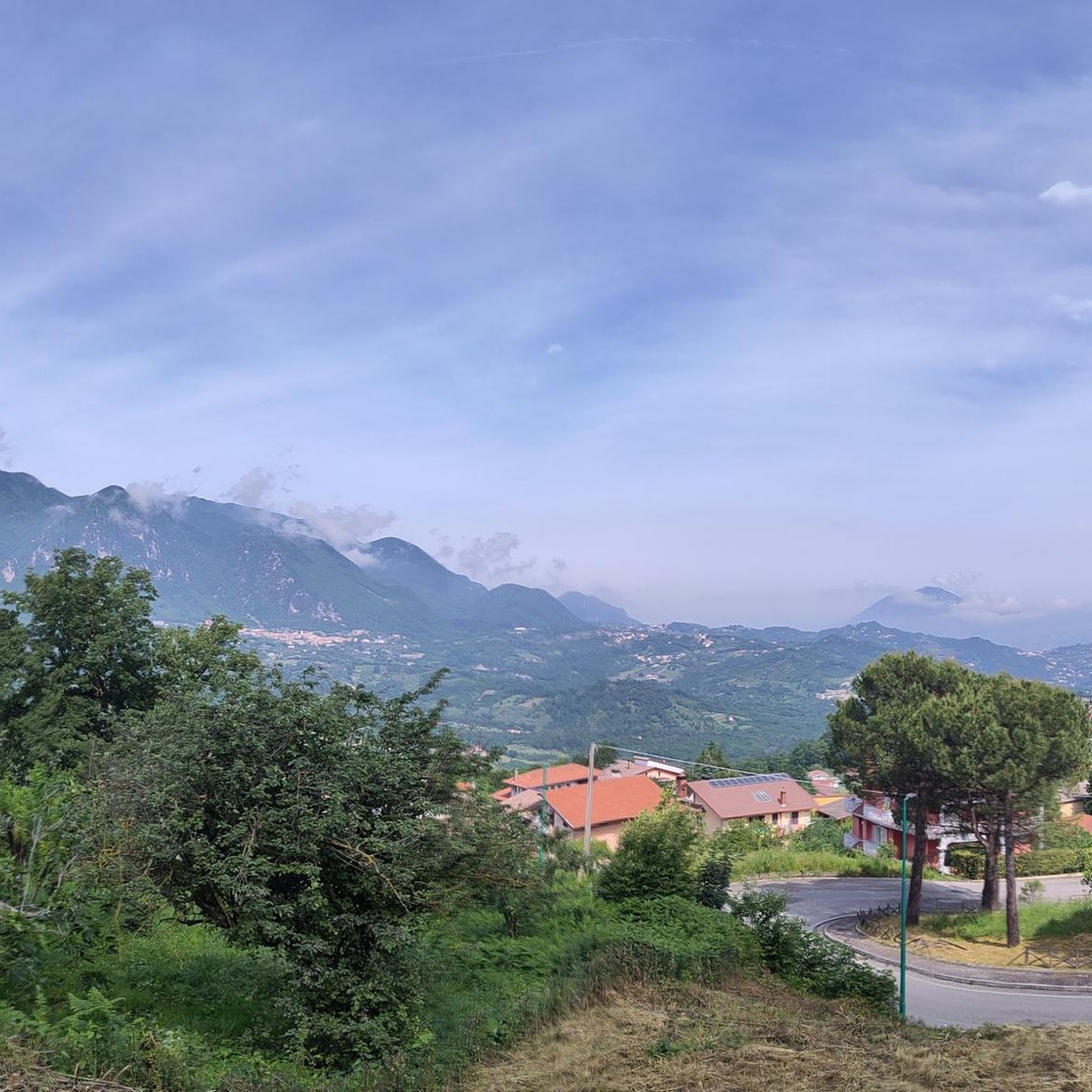

Tips from the Community

the park/green area is located next to the castle. there is parking, with a picnic area
0
0

The Castle of Monteforte was probably an ancient Roman castrum, on which a real castle was probably built by the Lombards in the 7th-8th century. But the history of Monteforte is very ancient: traces of its existence can be found already during the Second Punic War (fought between Rome and Carthage from 218 BC to 202 BC), when Annibale Barca passed through it on his way back from Capua towards Cannae, where he prepared the historic trap against the Romans. The first certain information we have about the village is contained in a document from 1102 preserved in the Montevergine Archives. In the Angevin period, it passed to the Princes of Montfort and Count Guido de Monfort lived there, who killed Prince Henry of England in 1271 in the cathedral of Viterbo. Having committed the crime, he was deprived of his possessions which passed to the Orsini family, whose lineage they remained in until 1806. The Castle was renovated and transformed into a summer residence by Charles of Anjou who lived there several times from 1271 to 1280. It was abandoned to itself from the 16th century; legend has it that who knows what treasures were buried in it, unfortunately this gave greedy hands the opportunity to complete its destruction.
11
0

Capocastello is located in the municipality of Mercogliano and is a typical medieval village. In the past it was surrounded by stone walls to protect the town and above all the ancient castle that overlooked the town.
1
0

Ruins of the Castle of the hamlet of Mercogliano "Capocastello"
1
0

The castle of Grottolella built in 1083 on a pre-existing Lombard stronghold in control of the old village of Grottolella
1
0
The roots and history of Greco di Tufo one of the most famous white wines in the world
1
0
The Castle dominates the old village over the valley crossed by the San Giulio stream, built on a pre-existing Lombard stronghold in the second half of the 11th century, it was besieged and destroyed by the troops led by Ruggiero II the Norman.
0
0
Panoramic point of the Castle of Monteforte Irpino
4
0
Frequently Asked Questions
What is the historical significance of the castles around Grottolella?
The castles in the Grottolella area are rich in history, often built on ancient foundations. For example, the Macedonio Castle of Grottolella was originally a Lombard stronghold from the 11th century, strategically positioned to overlook the San Giulio River valley. Similarly, Monteforte Irpino Castle has origins dating back to a probable Roman castrum, later developed by the Lombards, reflecting centuries of defensive and noble use.
Which castles offer the best panoramic views of the region?
For stunning panoramic views, consider visiting Monteforte Irpino Castle, which is known for its commanding position. The Macedonio Castle of Grottolella also offers excellent views as it dominates the old village and the valley. Additionally, the settlement of Ceppaloni, with its castle, provides views over the Sabato valley.
Are there any well-preserved castles still in use or accessible to the public?
Yes, the Macedonio Castle of Grottolella is notable for being well-preserved and still inhabited today, with parts available for events like weddings and meetings. This offers a unique opportunity to see a historical structure integrated into modern life.
What kind of architectural features can I expect to see at these castles?
The castles showcase various architectural styles from different periods. The Macedonio Castle of Grottolella, for instance, largely retains its 15th-century appearance with a rectangular plan, an exterior curtain wall, and four corner towers (three cylindrical and one square). It also features an imposing stone portal and a Palatine Chapel.
What outdoor activities can I do near the castles around Grottolella?
The region around Grottolella offers various outdoor activities. You can explore cycling routes, including the 'Greco di Tufo Loop Trail,' or tackle mountain biking trails like the 'Great Crossing of the Partenio.' There are also running trails available. For more details on these activities, visit the cycling guide, MTB guide, or running guide for the area.
Are there specific castles associated with local products or traditions?
Yes, Castello di Tufo is particularly associated with the history of Greco di Tufo wine, one of the most famous white wines in the world. Visiting this castle connects you directly to the region's rich winemaking heritage.
What should I know about visiting the ruins of castles in the area?
The Ruins of Mercogliano Castle are a significant historical site. These remnants once dominated the town and served defensive purposes on the ancient Via del Partenio. When visiting ruins, be prepared for uneven terrain and wear appropriate footwear. Always respect historical sites and their preservation.
What is the best time of year to visit the castles around Grottolella?
The spring and autumn months generally offer the most pleasant weather for exploring the castles and the surrounding region. Temperatures are mild, making it comfortable for walking and outdoor activities. Summers can be warm, while winters are cooler, but still offer a unique perspective on the historical sites.
Are there any castles that were once noble residences?
Yes, the Macedonio Castle of Grottolella was transformed into a noble residence by the Macedonio family in 1650 and later belonged to the Caracciolo family. Monteforte Irpino Castle was also renovated and used as a summer residence by Charles of Anjou.
Can I find any castles that were part of a larger defensive system?
Absolutely. The Macedonio Castle of Grottolella was part of an extensive defensive system that included fortifications in Montefredane and Capriglia Irpina, utilizing visual signaling across the valley. The Ruins of Mercogliano Castle also served to defend and control passage on the Via del Partenio.
What kind of tips do visitors share about these castles?
Visitors often highlight the historical depth and panoramic views. For instance, tips for Monteforte Irpino Castle mention its ancient Roman and Lombard origins and its panoramic point. For Castello di Tufo, visitors note its connection to the famous Greco di Tufo wine and that it marks the end of a climb, offering a rewarding destination.
Most popular attractions around Grottolella

Get inspired with the komoot mobile app


Explore more
Looking for the best castles somewhere else? Discover other guides around Grottolella:
