Top 7 Castles around Battipaglia
Best castles around Battipaglia are found in a region characterized by historical landmarks and strategic locations. The area features structures dating back to the 8th century, often positioned on hills overlooking valleys and plains. These sites offer insights into Norman architecture and medieval military history. The landscape provides panoramic views of the surrounding countryside.
Best castles around Battipaglia
- The most popular castles is Olevano Castle, a castle set between natural rock towers. This defensive building features a triple wall,…
Last updated: June 30, 2026
Olevano Castle
Highlight • Castle
Translated by Google •
Tip by

View of Terravecchia Castle
Highlight • Viewpoint
Translated by Google •
Tip by
Sign up now to discover places like this
Get recommendations on the best single tracks, peaks, & plenty of other exciting outdoor places.
Sign up for free
Medieval Village of Terravecchia
Highlight (Segment) • Historical Site
Translated by Google •
Tip by

Colonna Castle
Highlight • Castle
Translated by Google •
Tip by
Olevano Castle from the "Monaco Bernardo Trail"
Highlight (Segment) • Castle
Translated by Google •
Tip by
Sign up for free to discover even more castles around Battipaglia.
Sign up for free
Already have an account?
Start today with a free account
Your next adventure awaits.
Login or Signup
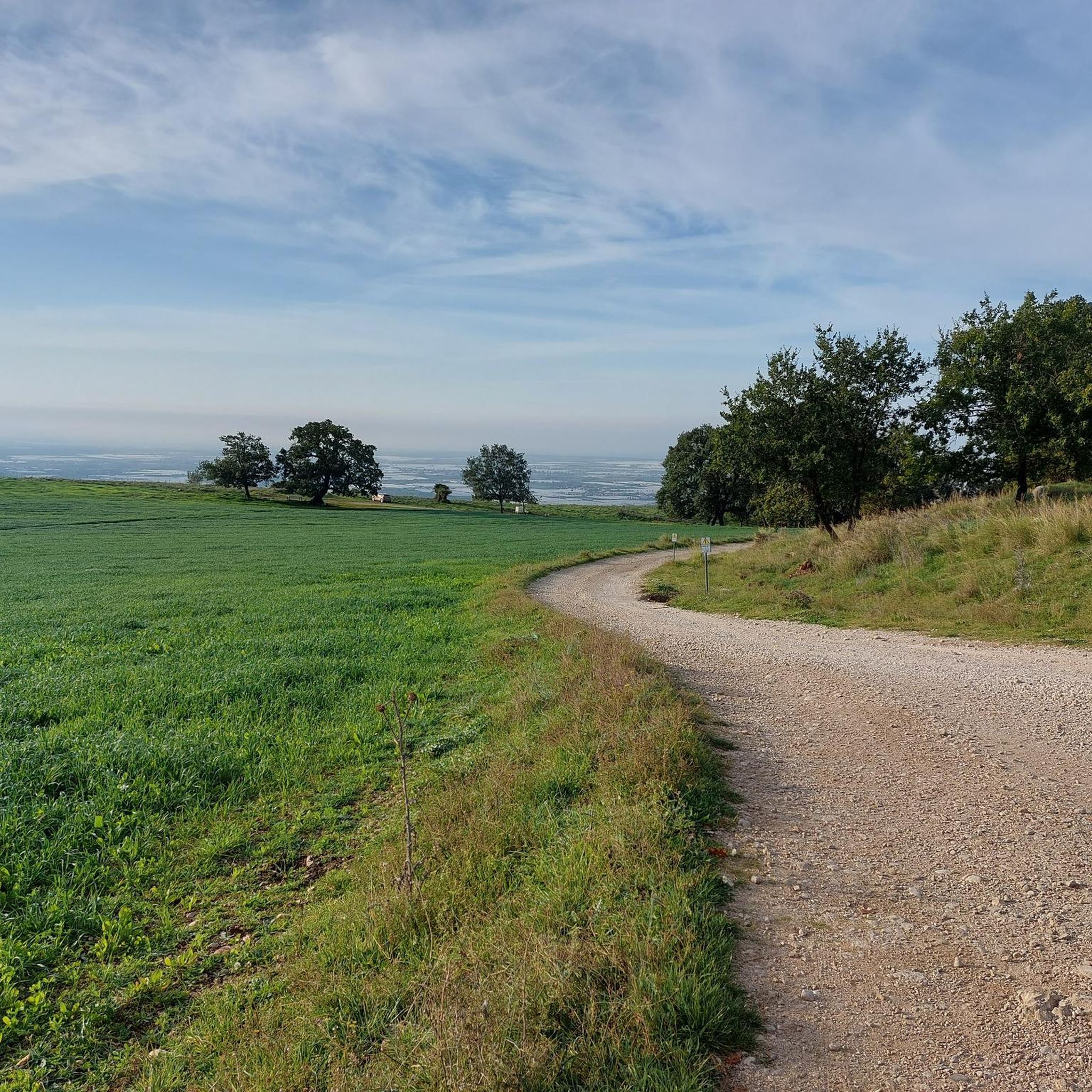
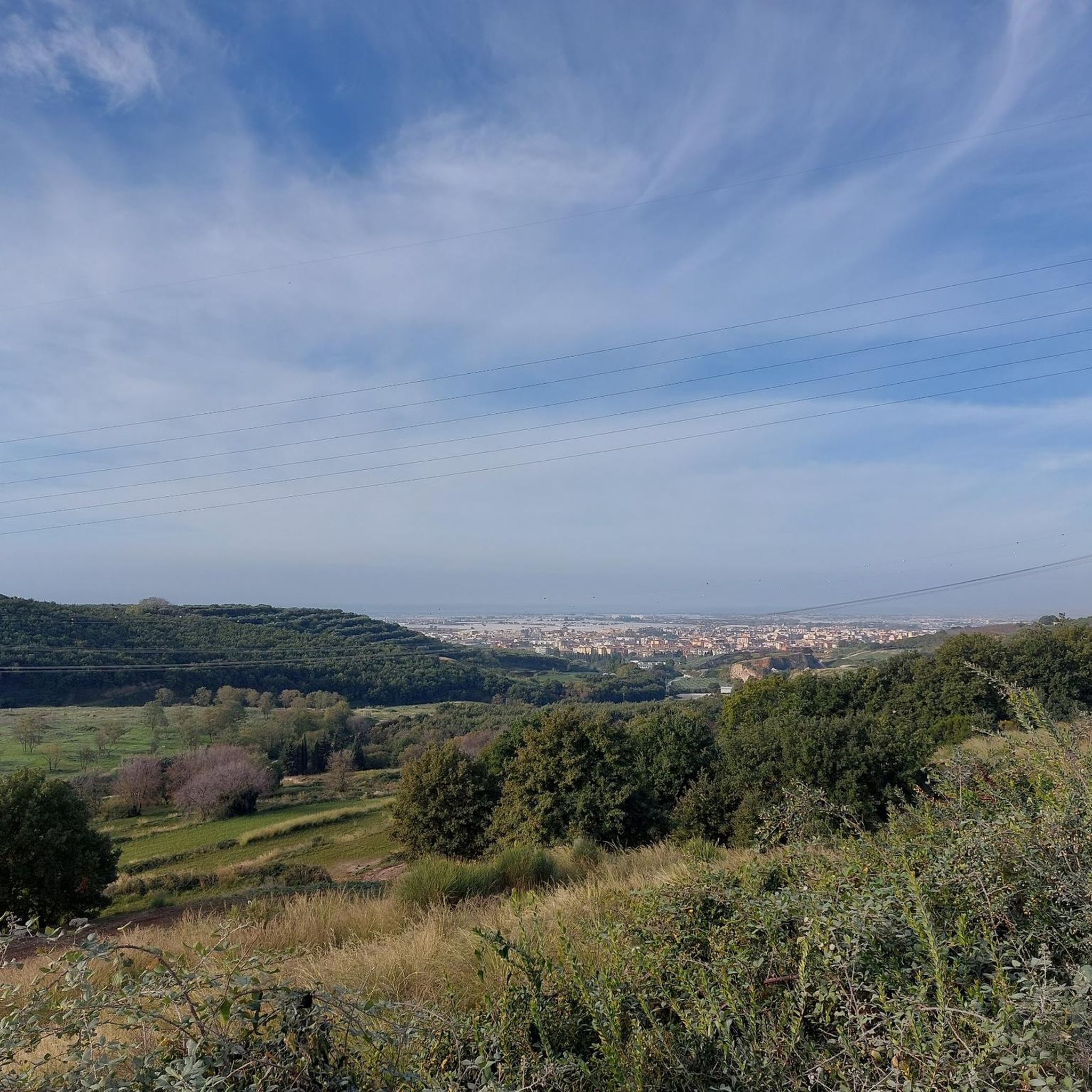
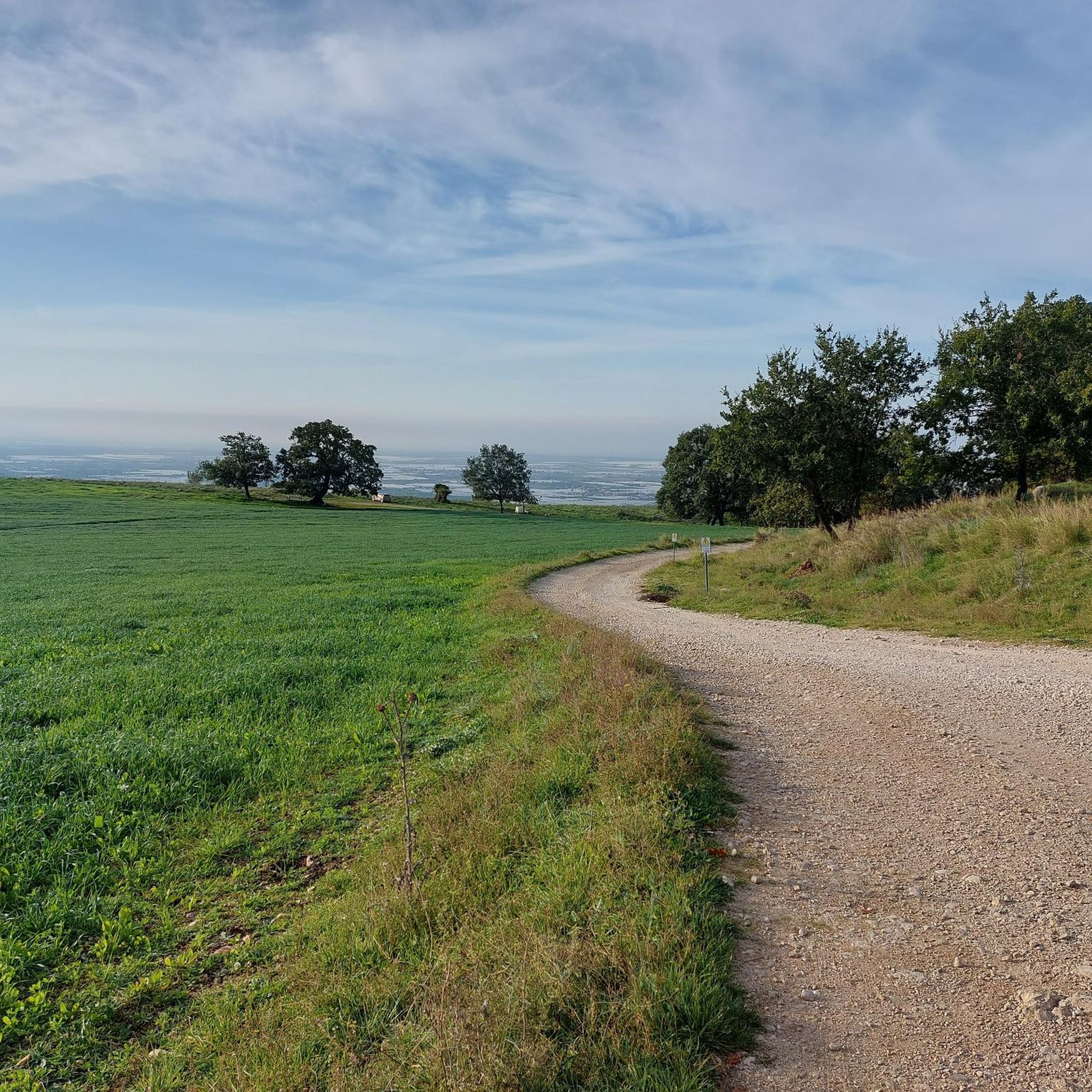
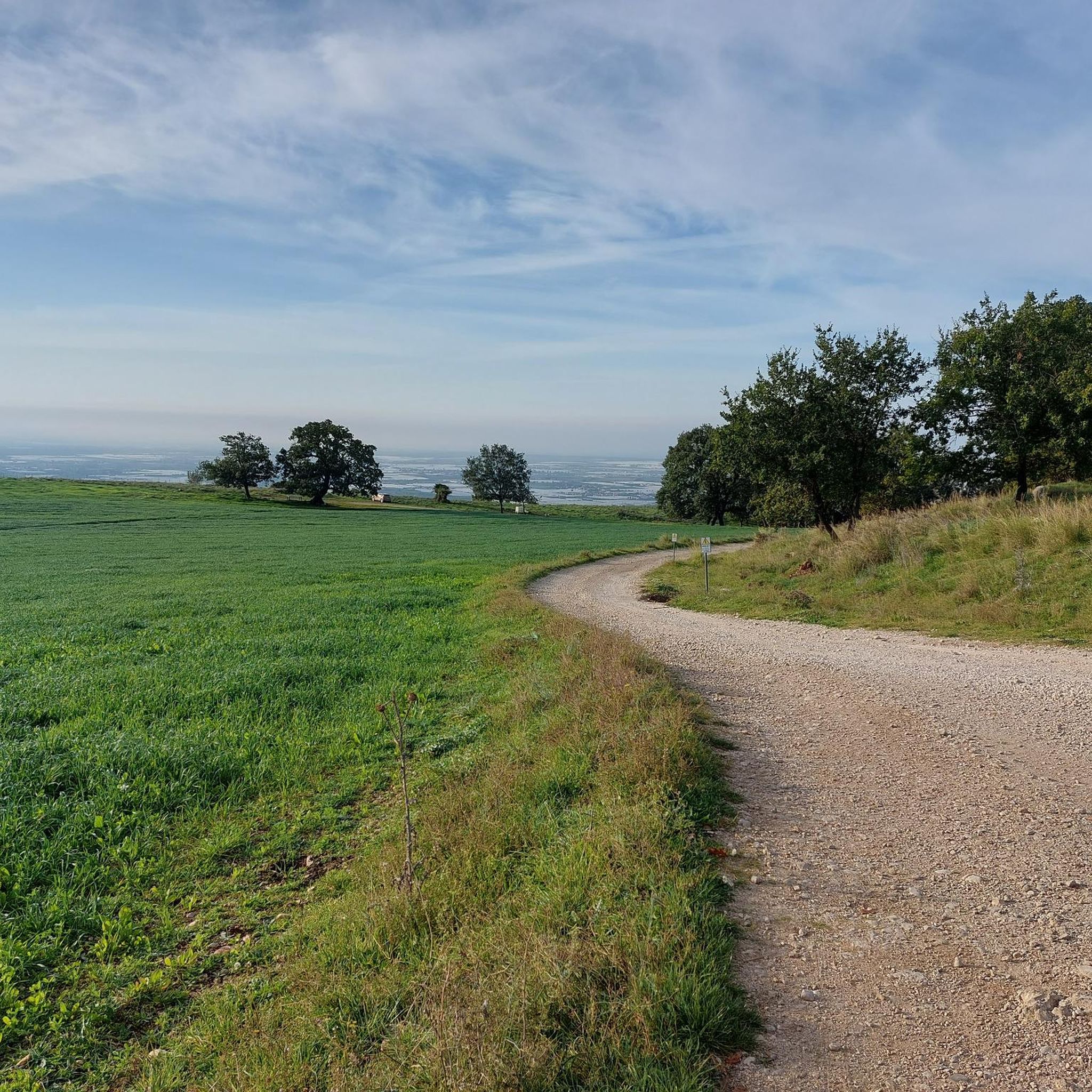

Tips from the Community

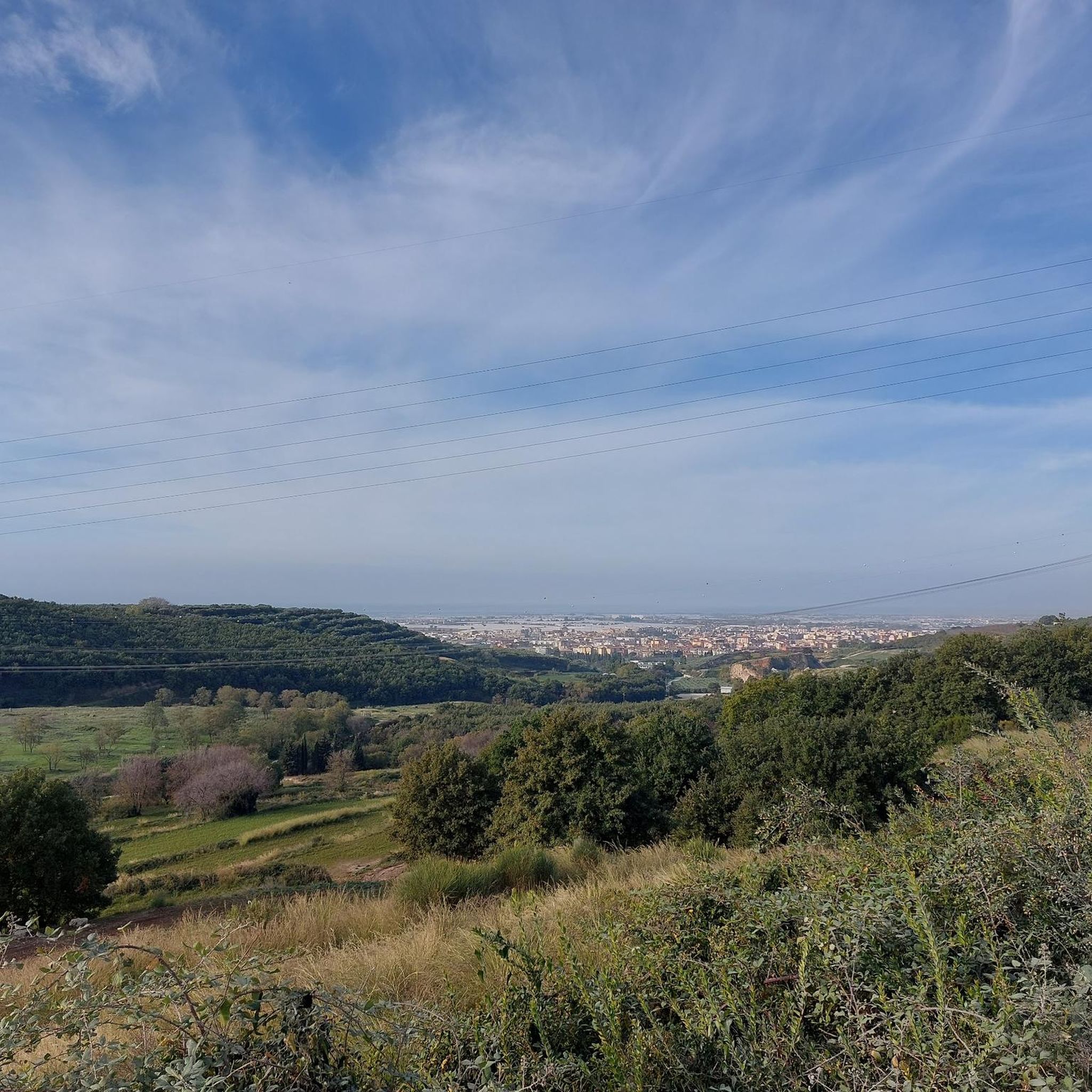
From the paths to the left of the Tusciano, such as the "path of the monk Bernardo" it is possible to see, in the distance, the ruins of the Castle of Olevano.
4
0

The defensive building is set between two natural rock towers in a locality in the hamlet of Felitto, in an inaccessible place that dominates the entire valley below. The fortress was surrounded by a triple wall, the first of which can still be identified by some fragments incorporated in the current urbanization; the second, halfway up the slope, still has the watchtowers and the entrance to the Castrum intact; the third with two quadrangular towers was placed to guard the central nucleus built at maximum height. In the factories, the re-use of clay fragments and previous constructions is visible. The various rooms in which the inhabitants' daily activities took place are still clearly evident: three cisterns for collecting rainwater, halls, service area, halls, suspended arches and more. Between the second and third walls, the vast residential settlement can still be identified, positioned on a vast, mainly flat surface. In this area the ruins of a Christian church outline the small nave and the apse.
20
0
A small historical jewel, the medieval village of Terravecchia, surrounded by a thick belt of olive groves, stands out in the Picentina Valley with its castle and centuries-old walls. It has just 51 souls, but its life has its roots in very remote times, in the ancient pre-Christian era when the area was settled by the Picentini. From 1000 onwards the village saw an exponential development; around the Castle the feud grew energetically, with shops, cisterns, warehouses, churches (that of Sant'Egidio and San Leone) and palaces. Cobbled streets and winding alleys look like a real capillary network and still today they shape and outline the center. The mule track leads to the castro which, restored in 1240 by Frederick II of Swabia, became a hunting lodge. The village abandoned since the end of the eighteenth century. after the D'Avalos family, today it has found vitality again, thanks to a huge restoration work. The historic houses, which have become venues for conferences, meetings and places of art, are authentically unique, confirming the richness of the local heritage. https://fondoambiente.it/luoghi/borgo-di-terravecchia-giffoni-valle-piana?ldc https://www.prolocogiffonivallepiana.it/borgo-e-castello-medievale-di-terravecchia/
5
0
CASTRUM OLIBANI - YouTube the test of the comment is taken from the book by Crescenzo and Michele Cicatelli https://youtu.be/41t1Pv8qZaQ
4
0
It was rebuilt at the beginning of the Norman domination and is mentioned in documents as "Domus domini imperatoris in Ebulo" and considered one of the most important of the Middle Ages. Its reconstruction dates back to the second half of the 11th century, probably at the time of the feudal dominion of the first lord of Eboli, Guglielmo d’Altavilla, brother of Roberto il Guiscardo, Prince of Salerno. https://comune.eboli.sa.it/contenuti/89712/castello-colonna
4
0
The castle dates back to the 12th century but was certainly built on a pre-existing Roman garrison dating back to 146 BC. It dominates the village with its walls of which the first, crenellated and well preserved, winds for over 200 meters with various stretches of crenellated curtains with slits and 14 towers. After the fall of the Roman Empire, Terravecchia was forgotten until 1240 when Frederick II of Swabia king of Sicily made it his residence for a period probably equal to one year, but only after having ordered a substantial restoration. after which the castle assumed the double function, just as the Swabian ruler had wanted, of castrum but also of domus or residence and ideal dwelling especially for hunting. The Castle and the walls are currently the subject of a major recovery and renovation work and it is from the walls that you can enjoy a magnificent view of both the surrounding valley and the mountains but also, in the most clear, of the sea.
6
0
To learn more: https://www.icastelli.it/it/campania/salerno/olevano-sul-tusciano/castello-di-olevano-sul-tusciano
4
0
Frequently Asked Questions
What is the main historical castle located directly in Battipaglia?
The primary historical castle in Battipaglia is the Castelluccio di Battipaglia, also known as Il Castelluccio. Its origins date back to around 1000 AD, built on earlier military structures. It features Norman architecture, 7th-century walls, a 13th-century tower, and offers panoramic views of the Sele plain.
What are some other significant castles to visit near Battipaglia?
Beyond Castelluccio, you can explore Olevano Castle, known for its defensive structure set between natural rock towers, and Colonna Castle, a historically important site rebuilt during the Norman domination. Another notable site is the View of Terravecchia Castle, which dates back to the 12th century and offers extensive walls and towers.
What kind of historical significance do the castles around Battipaglia hold?
The castles in this region, such as the Castelluccio di Battipaglia and Colonna Castle, are significant examples of medieval military architecture, often with Norman influences. They were strategically positioned to protect valleys and plains, showcasing centuries of evolution from military fortresses to noble residences. Many incorporate elements from different historical periods, including Roman garrisons and Swabian modifications.
Are there any castles near Battipaglia that offer scenic views?
Yes, several castles provide excellent scenic views. The Castelluccio di Battipaglia, perched on a hill, offers sweeping panoramas of the surrounding countryside and the Sele plain. Similarly, the View of Terravecchia Castle provides magnificent vistas of the valley, mountains, and even the sea on clear days. You can also get distant views of Olevano Castle from the "Monaco Bernardo Trail".
What outdoor activities can I do near these castles?
The area around Battipaglia offers various outdoor activities. You can find numerous hiking trails, such as those around Olevano sul Tusciano, including an easy loop to the Chapel of Saint Michael the Archangel and Olevano Castle. For cycling enthusiasts, there are MTB trails like the "Castelluccio di Battipaglia – Ascent to Raione loop" and touring routes like the "Piazza Amendola Fountain – Castelluccio di Battipaglia loop." You can find more details on these activities in the Hiking around Battipaglia, MTB Trails around Battipaglia, and Cycling around Battipaglia guides.
Are there hiking trails that include castle views or access?
Yes, several hiking trails offer views of or access to castles. For instance, the "Chapel of Saint Michael the Archangel – Olevano Castle loop" is an easy hike that takes you to Olevano Castle. Additionally, the "Monaco Bernardo Trail" provides distant views of the Olevano Castle ruins. You can explore more hiking options in the Hiking around Battipaglia guide.
What is the best time of year to visit the castles around Battipaglia?
The spring and autumn months are generally the best time to visit the castles around Battipaglia. The weather is typically mild and pleasant, ideal for exploring historical sites and enjoying outdoor activities without the intense heat of summer or the chill of winter. This allows for comfortable walks and better visibility for panoramic views.
Is the Castelluccio di Battipaglia accessible to visitors?
Yes, the Castelluccio di Battipaglia has undergone significant renovations and accessible areas can be visited free of charge. It offers a tangible link to Battipaglia's history and architectural interest with its blend of ancient and later elements.
What architectural features can I expect to see in the castles?
The castles in the region display a mix of architectural styles, predominantly Norman. For example, the Castelluccio di Battipaglia features 7th-century walls, a 13th-century tower, and internal frescoes, along with ground floor rooms carved into living rock. Olevano Castle is characterized by a triple wall, watchtowers, and an intact entrance to the Castrum, with visible re-use of materials from previous constructions.
Are there any facilities like cafes or restaurants near the castles?
While specific facilities directly at every castle might be limited, the towns and villages surrounding these historical sites, such as Olevano sul Tusciano and Battipaglia itself, offer local cafes and restaurants where you can find refreshments and meals. It's advisable to check local listings for options closest to your chosen castle.
What do visitors appreciate most about the castles in this area?
Visitors frequently appreciate the rich history and architectural diversity of the castles, which range from ancient military fortresses to noble residences. The strategic locations often provide stunning panoramic views of the surrounding valleys and plains. The blend of preserved structures and ruins, like those of Olevano Castle, offers a deep dive into the region's past.
How long does it typically take to visit a castle near Battipaglia?
The duration of a visit can vary depending on the castle and your interest. For a site like Castelluccio di Battipaglia, a visit might take 1-2 hours to explore its features and enjoy the views. Larger or more extensive ruins like Olevano Castle might require more time, especially if combined with nearby hiking trails. It's always a good idea to allocate extra time for travel and enjoying the surroundings.
Most popular routes around Battipaglia
Most popular attractions around Battipaglia

Get inspired with the komoot mobile app


Explore more
Looking for the best castles somewhere else? Discover other guides around Battipaglia:
