Top 5 Caves around San Cipriano Picentino
Caves around San Cipriano Picentino offer a mix of natural formations and historical sites within the Picentini Mountains. The area features various cave types, including ancient religious sanctuaries and former industrial sites. These geological features provide insights into both natural processes and human history in the region.
Best caves around San Cipriano Picentino
- The most popular caves is Hermitage of San Magno, a religious building and cave. This ancient natural cave is known for its historical significance as a…
Last updated: June 30, 2026
Hermitage of San Magno
Highlight • Religious Site
Translated by Google •
Tip by

Grotta di San Salvatore
Highlight • Cave
Translated by Google •
Tip by

Sign up now to discover places like this
Get recommendations on the best single tracks, peaks, & plenty of other exciting outdoor places.
Sign up for free
Ittiolo Mines and Caves
Highlight • Cave
Translated by Google •
Tip by
Corkscrew Trail Cave
Highlight • Cave
Translated by Google •
Tip by
Route to the Santo Salvatore Cave
Highlight (Segment) • Cave
Translated by Google •
Tip by

Sign up for free to discover even more caves around San Cipriano Picentino.
Sign up for free
Already have an account?
Start today with a free account
Your next adventure awaits.
Login or Signup
Tips from the Community

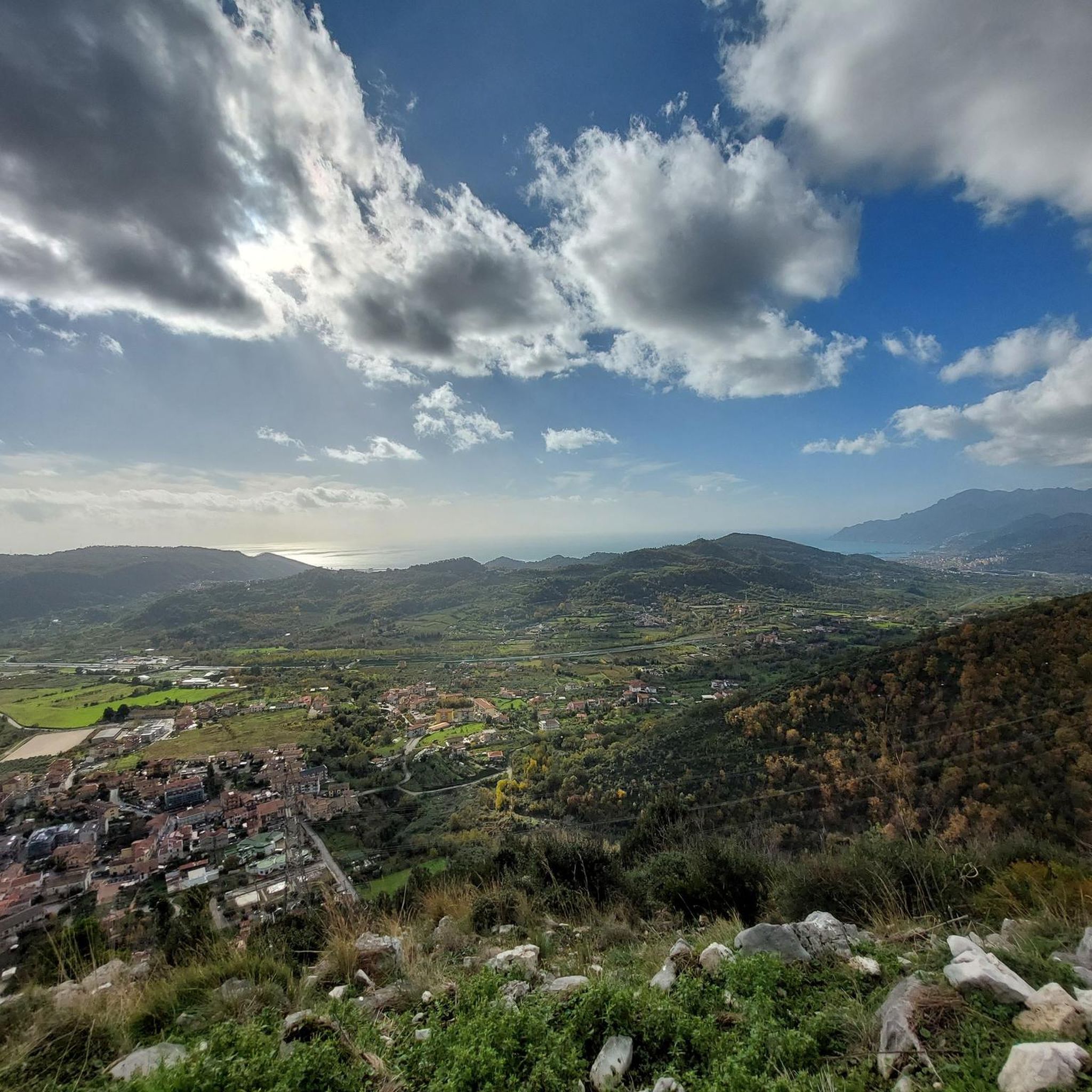
The mines for the extraction of ichthyol, a fossil substance from which an ointment with an antiseptic action was obtained, operated in the first half of the twentieth century. Subsequently, the spread of mercury-chromium caused the decline in the use of this precious substance.
10
0

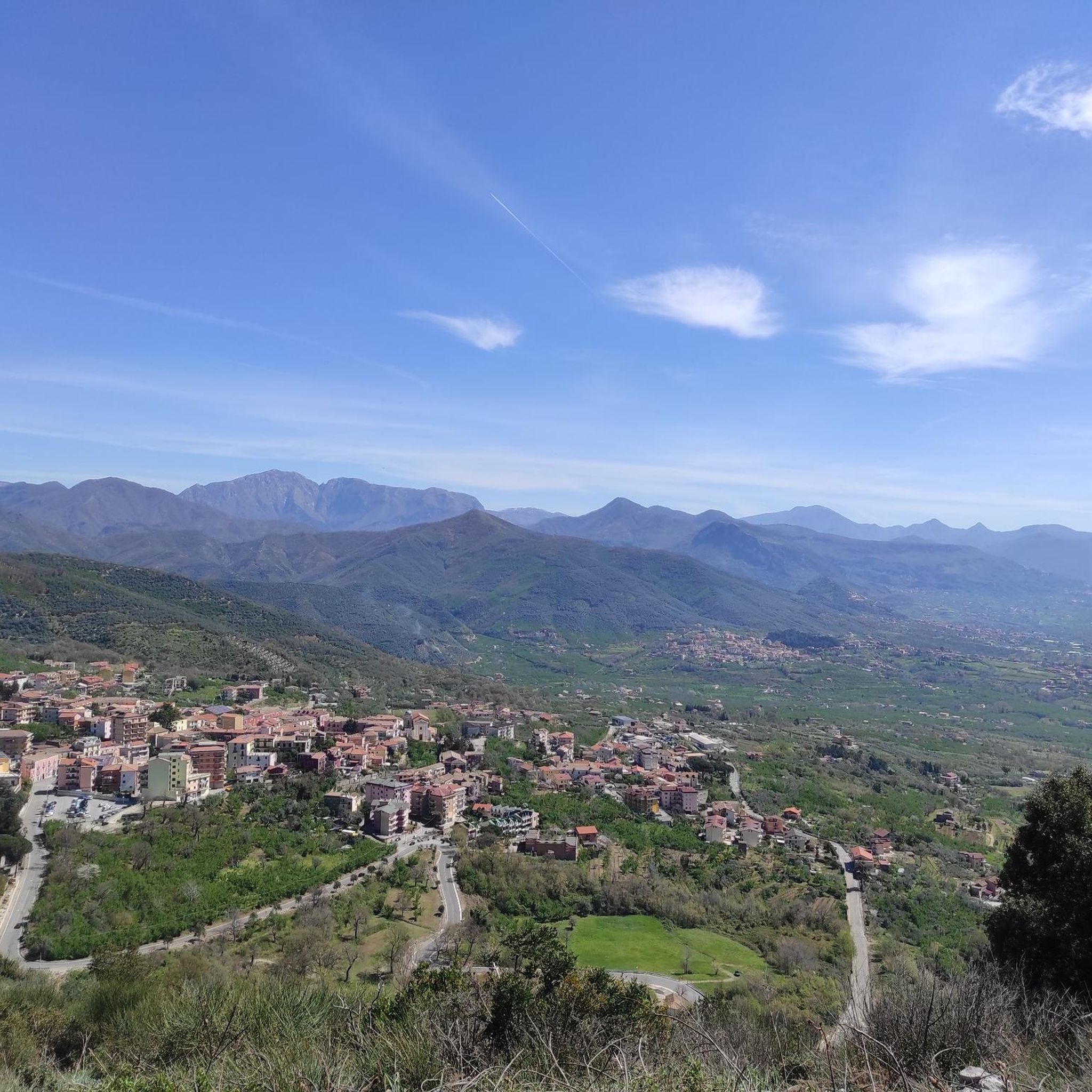
The Hermitage of San Magno is an ancient natural cave located on the mountain of the same name, in which - according to a deep-rooted tradition - the Bishop of Trani San Magno took refuge during his escape from the persecutions of Decius. In fact, it would seem that during his long pilgrimage from Trani to Rome, he stopped at this hermitage which today bears his name, from 220 to 230 AD. Here he would have done the work of catechising the local population, to whom he would have appeared after his death in 251 AD, asking them to build a hermitage in the cave where he had lived. An image of the Saint, believed to be miraculous, is frescoed on the rock wall and dated 1541.
3
0

At the cave also known as San Michele
1
0
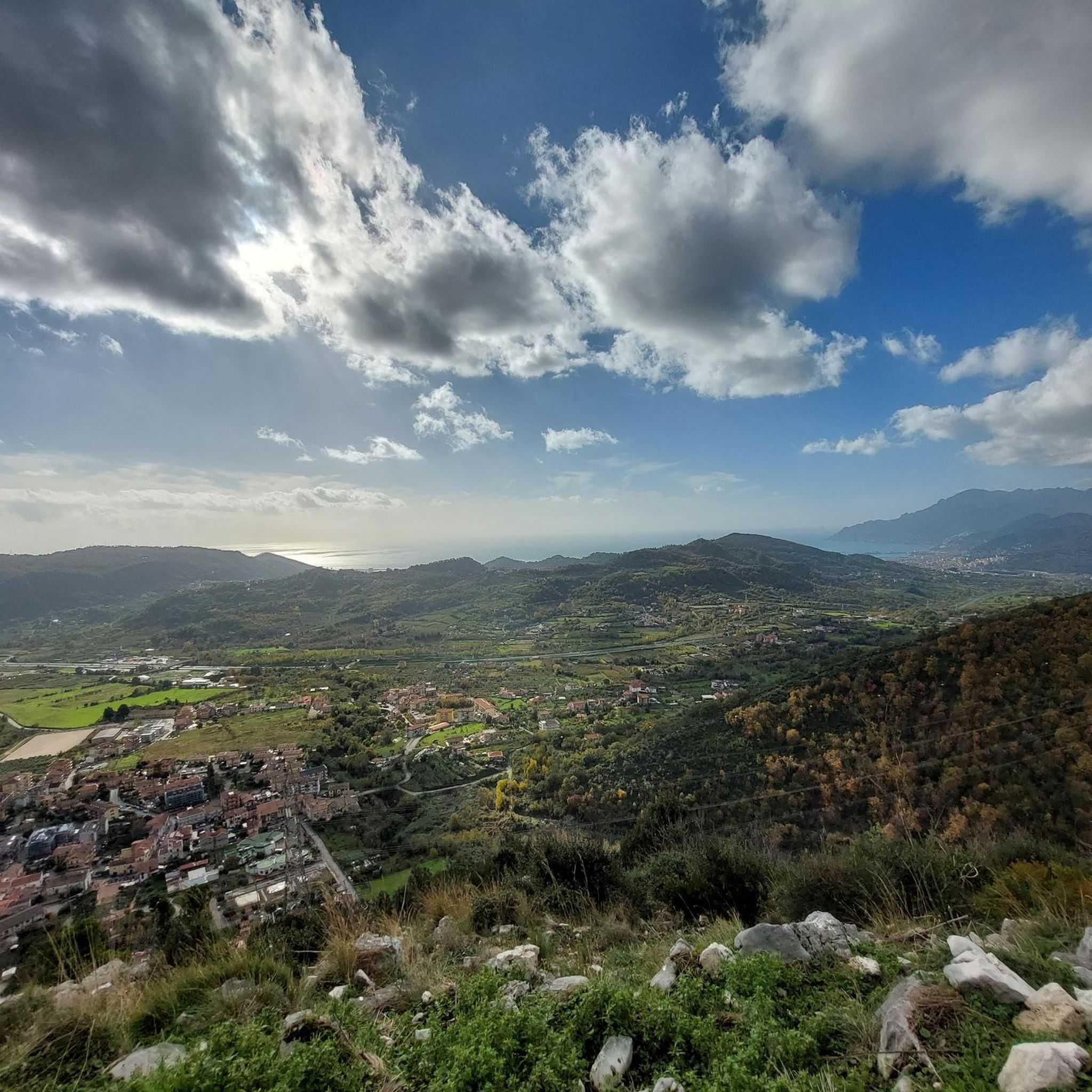
Going up Mount Stella from Ogliara (with appropriate trekking clothing and sturdy shoes), following a secondary path, you can reach the Grotta del Santo Salvatore, used as a refuge for shepherds in case of rain. The cave of the Holy Savior, better known as "il Salvatoriello", opens at 750 meters on the northeastern wall of Mount Stella, and houses the ancient structure of a rock church in Byzantine style, clear testimony of the Greek-Oriental monastic settlement . On the back wall of the cave there is a quadrangular basin which still today collects the dripping waters of the rock.
5
0

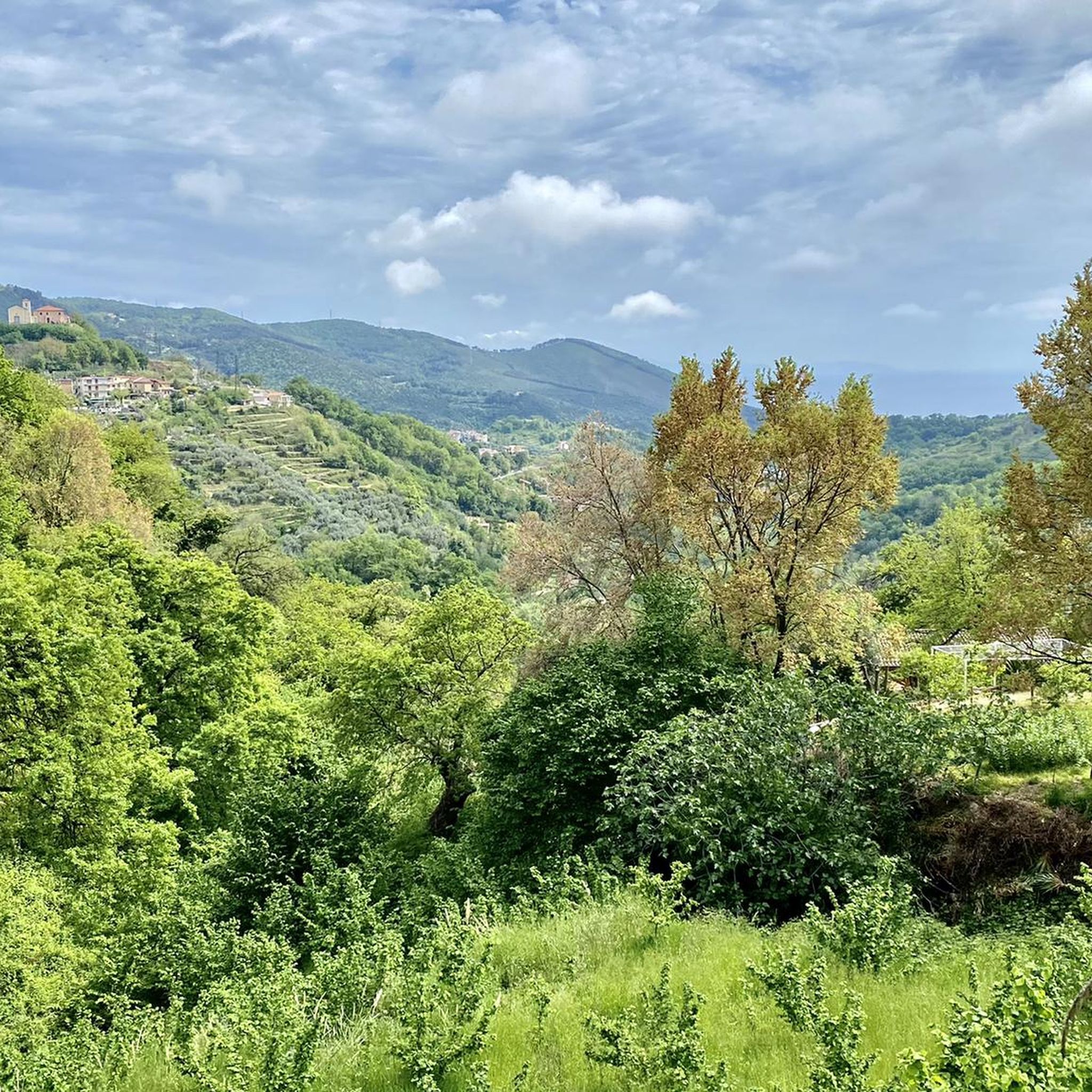
On the corkscrew path, present after the wreckage, the cave with a little water inside...
0
1

Small shallow natural cave
2
0

Not very deep cave that can be visited for a few meters
4
0
Just before the wreck, on the right going up towards Barrizzullo, there is a cave.
27
0
Frequently Asked Questions
What are some of the most significant caves to visit near San Cipriano Picentino?
Beyond the local highlights, the region offers two impressive cave systems. The Grotte di Castelcivita, about 40 minutes away, are known for extensive karst formations, stalactites, and stalagmites, offering both tourist and speleological routes. The Grotta di San Michele Arcangelo in Sant'Angelo a Fasanella, about 1 to 1.5 hours away, is an ancient religious site with frescoes and a unique blend of natural beauty and historical architecture.
Are there any caves with historical or religious significance in the area?
Yes, several caves in the region hold historical and religious importance. The Hermitage of San Magno is an ancient natural cave where Bishop San Magno is said to have taken refuge, featuring a 16th-century fresco. The Grotta di San Salvatore houses a Byzantine-style rock church, testifying to a Greek-Eastern monastic settlement. Further afield, the Grotta di San Michele Arcangelo is a significant ancient religious site, once home to a Benedictine community and dedicated to Saint Michael.
What kind of natural features can I expect to see in the caves around San Cipriano Picentino?
The caves in the area showcase diverse natural features. The Grotte di Castelcivita are particularly renowned for their extensive karst formations, including impressive stalactites and stalagmites, underground lakes like 'Lago Sifone,' and a 'grande cascata' (big waterfall) of calcium. Locally, the Corkscrew Trail Cave is a natural monument, offering a glimpse into shallow natural cave formations.
Are there any family-friendly caves or activities suitable for children?
The Grotte di Castelcivita offer a well-lit tourist route that covers about 1.2 to 1.7 kilometers, making it accessible and suitable for most families. This route allows visitors to experience the extensive natural formations without requiring advanced caving skills. For local, less demanding exploration, the Corkscrew Trail Cave is a shallow natural cave that can be explored for a few meters.
What is the best time of year to visit the caves in this region?
Caves generally maintain a stable temperature year-round, making them a good option in various seasons. However, for comfortable access and to combine your visit with other outdoor activities in the Picentini Mountains, spring (April-June) and autumn (September-October) offer pleasant weather. During these times, the surrounding trails are also ideal for exploration.
What should I wear when visiting the caves?
Even in summer, cave interiors can be cool and damp. It's advisable to wear layers, including a light jacket or sweater. Sturdy, closed-toe shoes with good grip are essential, as paths can be uneven or wet. For more adventurous routes, specialized caving gear might be required, but for tourist routes, comfortable walking shoes are usually sufficient.
Are there opportunities for more adventurous caving or speleological routes?
Yes, for those seeking more adventure, the Grotte di Castelcivita offer amateur and speleological routes that delve deeper into the cave system. These routes reveal spectacular environments, imposing calcareous formations, and lead to underground lakes. These require more experience and often specialized equipment, so it's best to inquire directly with the cave management for guided tours.
What outdoor activities can I do near the caves around San Cipriano Picentino?
The area around San Cipriano Picentino and the Picentini Mountains offers various outdoor activities. You can find numerous MTB trails, road cycling routes, and general cycling routes. Many of these routes pass by or are accessible from the cave locations, allowing you to combine caving with cycling or hiking adventures.
Are there any former industrial caves or mining sites to explore?
Yes, the region includes sites with industrial history. The Ittiolo Mines and Caves are a notable example. These mines were used for the extraction of ichthyol, a fossil substance, in the first half of the 20th century. They offer a glimpse into the area's industrial past, set amidst uncontaminated nature.
How accessible are the caves, and is parking available?
Accessibility varies by cave. The Grotte di Castelcivita have a well-developed tourist route that is generally accessible. For the Grotta di San Michele Arcangelo, as a church, it is generally open and accessible. For local highlights like the Hermitage of San Magno or Grotta di San Salvatore, access often involves hiking trails, and parking availability may be at the trailhead or nearby villages. It's recommended to check specific access details for each site.
What archaeological significance do the caves in the region hold?
The Grotte di Castelcivita are particularly significant archaeologically, with evidence of human presence and animal remains dating back over 40,000 years. This provides a valuable glimpse into prehistoric life in the area. Other caves, like the Grotta di San Salvatore, offer archaeological insights into ancient monastic settlements.
Can I find information about cave tours or guided visits?
For the larger and more developed cave systems like the Grotte di Castelcivita, guided tours are available, especially for the tourist routes and more adventurous speleological explorations. It's best to check their official website or contact them directly for tour schedules, booking information, and any specific requirements. For other local caves, guided visits might be offered by local hiking or speleological associations.
Most popular routes around San Cipriano Picentino
Most popular attractions around San Cipriano Picentino

Get inspired with the komoot mobile app


Explore more
Extend your search for the best caves by checking out these guides of the top ones around San Cipriano Picentino:
