Top 10 Caves around Angri
Best caves around Angri are found in the broader Campania region, characterized by mountainous terrain and proximity to the Amalfi Coast. The area's geology has led to the formation of various caves, some with historical and religious significance. These natural features contribute to the region's appeal for outdoor enthusiasts.
Best caves around Angri
- The most popular caves is Cave of the Madonna della Pace of Pietrapiana, a cave that features an altar with the Madonna. This location offers panoramic…
Last updated: May 18, 2026
Cave of the Madonna della Pace of Pietrapiana
Highlight • Cave
Translated by Google •
Tip by

Statue of Christ of Pietrapiana
Highlight • Monument
Translated by Google •
Tip by
Sign up now to discover places like this
Get recommendations on the best single tracks, peaks, & plenty of other exciting outdoor places.
Sign up for free
Grotta Boscariello
Highlight • Cave
Translated by Google •
Tip by
From the Pietrapiana cave to the north summit hut
Highlight (Segment) • Trail
Translated by Google •
Tip by

Majestic rocks
Highlight (Segment) • Natural Monument
Translated by Google •
Tip by
Sign up for free to discover even more caves around Angri.
Sign up for free
Already have an account?
Start today with a free account
Your next adventure awaits.
Login or Signup

Tips from the Community

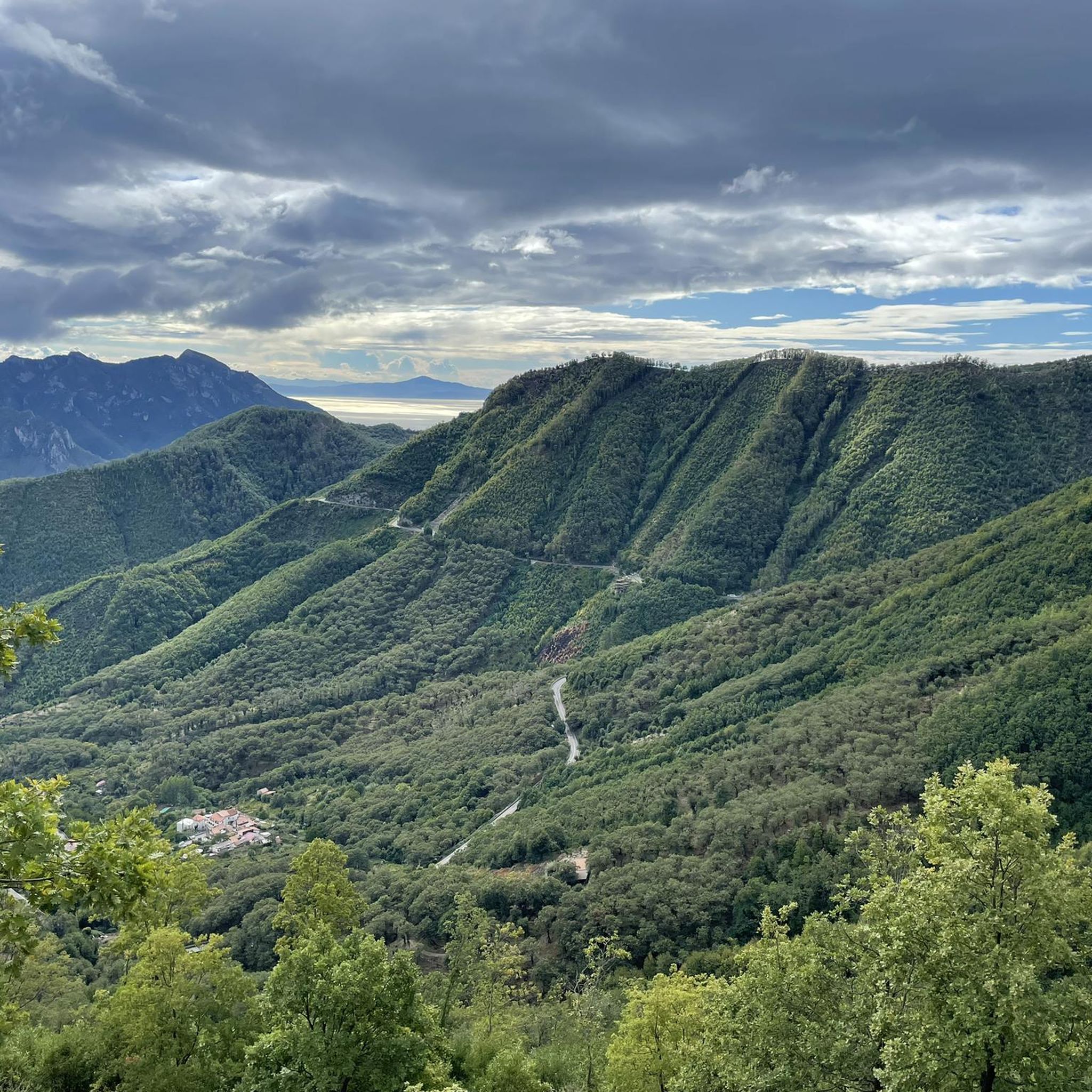
Definitely not accessible by bike, at least not at this time of year. The path is completely overgrown, and even on foot it was barely passable. But the grotto is worth the effort!
0
0

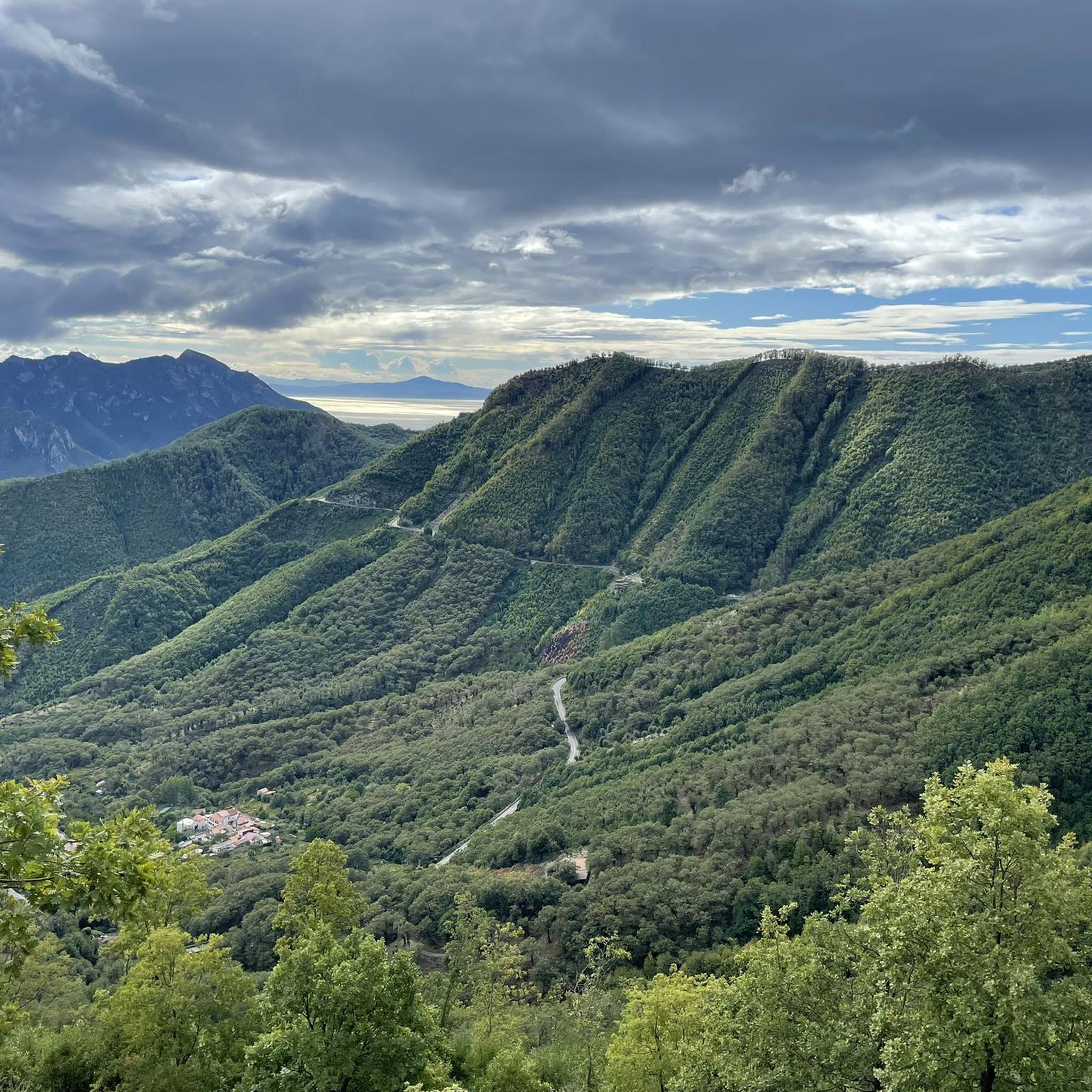
There is a natural reservoir of drinking water here. Please take care of it and do not waste water.
0
0

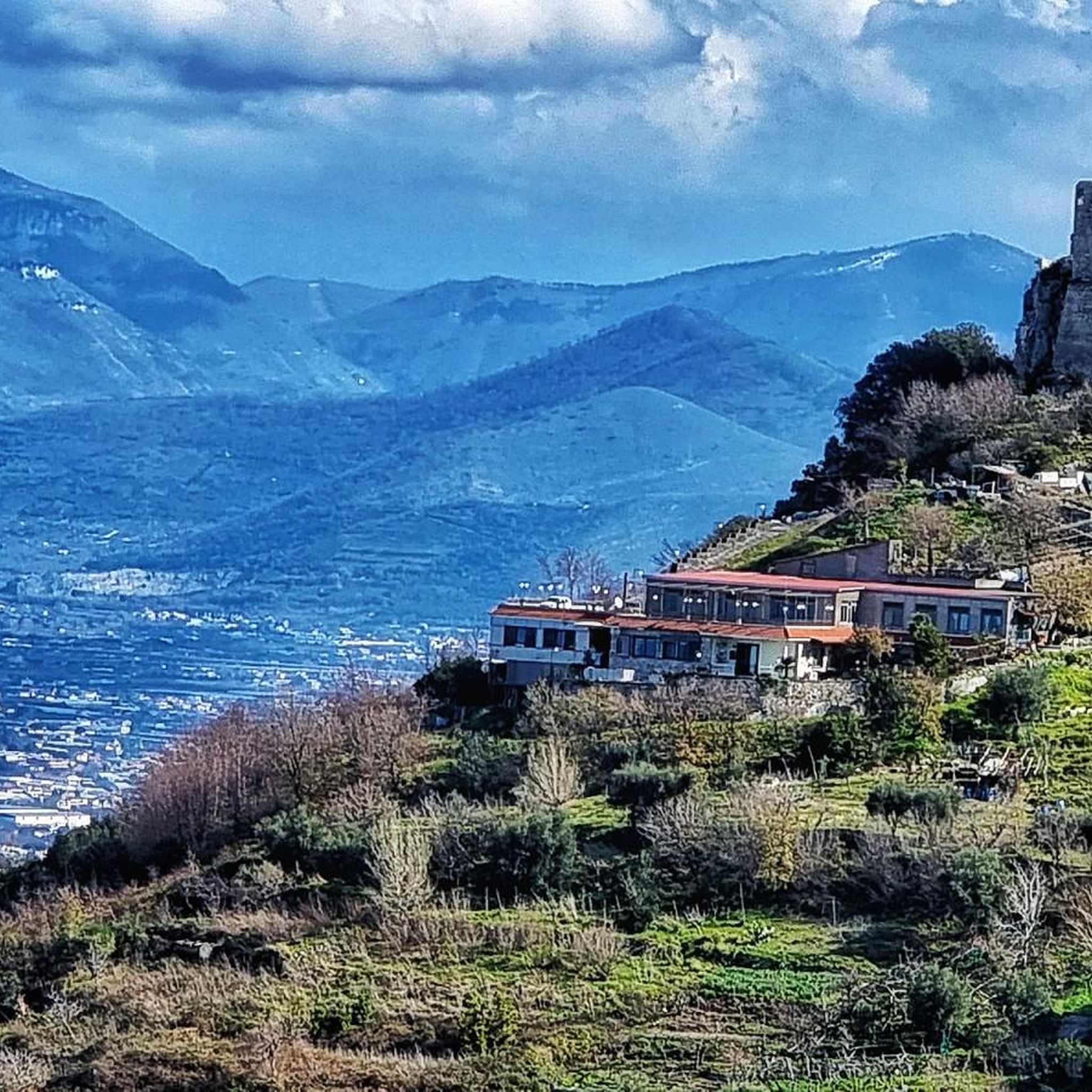
Along the path of the Madonna dell'Avvocata, near the Sanctuary, you come across some majestic rocks.
3
0
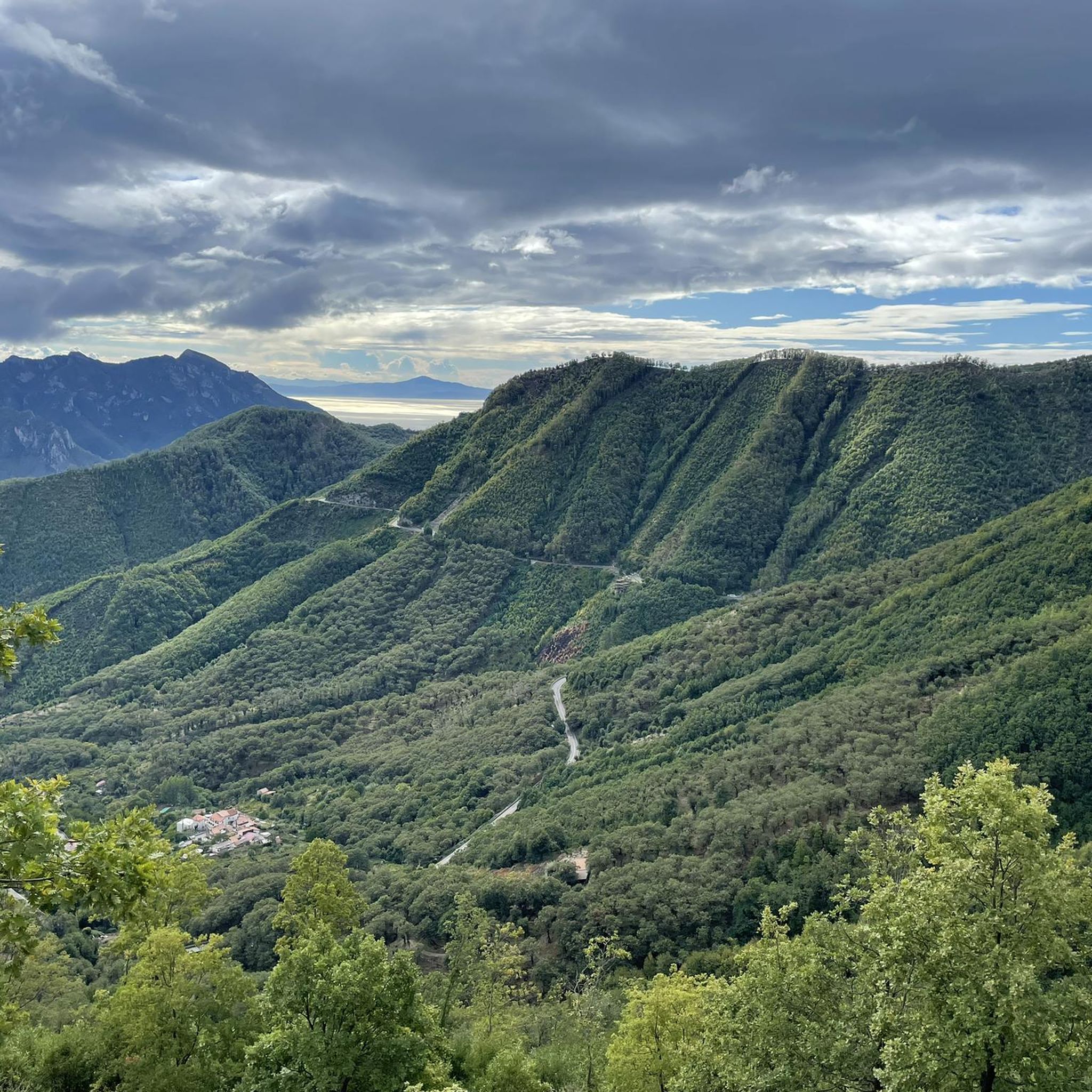
From the Pietrapiana cave to climb to the shelter on the north peak of Mount Finestra you have to take a panoramic but quite treacherous path (T3-T4), part of the "Sentiero Italia - Stage S17S" Trekking clothing, sturdy shoes and some mountaineering experience.
5
0
Going up Mount Finestra from Contropone (Cava de' Tirreni) you arrive at the caves of Pietrapiana where, in addition to the statue of the "Madonna della Pace", the statue of San Michele Arcangelo has also been placed.
2
0

The statue of Archangel Michael "San MICHELE Arcangelo" stands in this grotto with colorful wings spread wide. He is shown in a very classic way with a lance, with which he defeats the dragon, who is already lying on the ground, and who personifies evil.
3
0
At this point, an extremely fascinating grotto invites hikers to take a little spiritual rest. In his text, Gennaro dell'Aglio vividly described the construction of this local sanctuary 35 years ago. In the rear, elevated part (which can be reached via a small ladder on the rock) there is a cross with a body. Further ahead there is a statue of the Mother of God Mary, which welcomes visitors. It has been invoked under countless titles throughout the history of the church, but especially in popular piety. Here it is the “Madonna della Pace”, or Mary as Queen of Peace.
3
0

Unique emotion in a sacred and beautiful place. On 8 May 1988 the first liturgy was celebrated by my uncle "Padre Vittorio Dell'Aglio" a Franciscan friar as a foretelling during the homily that the Grotta di Pietrapiana would be the destination of many devotees and visitors to pray to Our Lady of Peace. With my close friend Antonio Marra we set off from Nocera Inferiore to arrive in Pietrapiana bringing to the Madonna della Pace a small picture in memory of my uncle who unfortunately left his earthly life on 10 April 2002 with 50 years of priesthood. For me it was a beautiful particular tour but above all exciting in knowing and knowing the story of my uncle. I highly recommend visiting this spectacular place full of joy and peace.
4
0
Frequently Asked Questions
What are the most notable caves to visit around Angri?
The region around Angri, particularly the broader Campania area, offers several significant caves. Among those directly mentioned in the guide, the Cave of the Madonna della Pace of Pietrapiana and Pietrapiana Cave – Madonna of Peace are highly regarded for their religious significance and panoramic views. For a more natural and challenging experience, Grotta Boscariello is a large, impressive natural monument.
Are there any caves with historical or religious significance near Angri?
Yes, the region is rich in such sites. The Cave of the Madonna della Pace of Pietrapiana and Pietrapiana Cave – Madonna of Peace are both important religious sites, featuring altars and statues of the Madonna, and are destinations for faithful pilgrims. In the broader Campania region, the Grotta di San Michele (Cave of Saint Michael) in Sant'Angelo a Fasanella is a notable example, serving as a prehistoric refuge and later a Christian sanctuary.
What kind of natural features can I expect to see in the caves around Angri?
You can expect to see impressive natural formations. For instance, Grotta Boscariello is a large natural monument, 60 meters long and 31 meters deep, with an uncontaminated, primordial aspect and a chasm that brings natural light into its wide, deep room. Other caves, like the Pietrapiana Cave – Madonna of Peace, offer extraordinary panoramic views of the surrounding landscape, including the Amalfi Coast and Vesuvius.
Are there family-friendly caves or easy options for beginners near Angri?
While specific 'family-friendly' designations aren't always explicit, the Pietrapiana Cave – Madonna of Peace is accessible via steel stairs, making it relatively easier to visit. It also features a natural reservoir of drinking water, which can be convenient. Always check the specific access requirements and terrain for each cave to ensure it suits your group's abilities.
What is the best time of year to visit the caves around Angri?
The region's Mediterranean climate generally makes spring (April-June) and autumn (September-October) ideal for exploring, as temperatures are milder and the weather is usually pleasant for outdoor activities. Summer can be hot, while winter might bring cooler, wetter conditions, potentially affecting accessibility to some cave entrances or trails.
What outdoor activities can I combine with a visit to the caves near Angri?
The area around Angri offers various outdoor activities. You can find numerous hiking and cycling routes. For hiking, consider routes like the Grotto of S. Maria della Speranza Trail or those in the Parco Regionale dei Monti Lattari. For cycling, there are options like the 'Viewpoint on the rocks – Vietri sul Mare loop' or the 'Sarno Springs – View of Mount Vesuvius loop'. You can find more details on these activities in the Hiking around Angri and Cycling around Angri guides.
Are there any challenging caves for experienced explorers?
Yes, Grotta Boscariello is described as challenging, with a significant depth and an uncontaminated, primordial aspect. The path to the cave is also noted as challenging, often requiring sturdy shoes and some mountaineering experience, especially if combining it with trails like the 'From the Pietrapiana cave to the north summit hut'.
What do visitors enjoy most about the caves in this region?
Visitors particularly appreciate the sense of peace and tranquility found in places like the Cave of the Madonna della Pace of Pietrapiana, along with the extraordinary panoramic views of the Amalfi Coast, Gulf of Salerno, and Vesuvius. The unique natural formations and the historical or religious significance of many caves also contribute to their appeal.
Is there parking or public transport available near the caves?
Information on specific parking or public transport for each cave is not always readily available. However, for caves like those in Pietrapiana, access often involves hiking trails, suggesting that personal transport to a trailhead might be necessary. It's advisable to research specific access points for each cave you plan to visit.
Are there other famous caves in the broader Campania region worth visiting?
Beyond the immediate Angri area, the broader Campania region boasts other notable caves. The Grotta dello Smeraldo (Emerald Grotto) near Amalfi is famous for its magical emerald reflections and is accessible by rowboat. The Masaniello Cave near Atrani also holds historical significance, associated with the revolutionary figure Masaniello.
How long does it typically take to explore these caves?
The duration of exploration varies greatly depending on the cave. For smaller, more accessible religious caves like the Pietrapiana Cave – Madonna of Peace, a visit might take 30 minutes to an hour, not including the hike to reach it. Larger, more challenging natural caves like Grotta Boscariello could require several hours, especially if combined with extensive hiking.
What should I wear when exploring caves in this area?
Given that many caves are accessed via hiking trails and can have varying internal conditions, it's recommended to wear sturdy hiking shoes or boots. Layers of clothing are also advisable, as cave interiors can be cooler than the outside temperature, and trails might involve varied terrain and weather exposure. For challenging caves, specific gear might be necessary.
Most popular attractions around Angri

Get inspired with the komoot mobile app


Explore more
Extend your search for the best caves by checking out these guides of the top ones around Angri:
