Top 7 Caves around Salcedo
Best caves around Salcedo offer a unique combination of natural underground formations and historical sites. This region features a landscape where natural caves intertwine with remnants of World War 1, including trenches, military shelters, and galleries. Visitors can explore a diverse terrain that blends natural rock formations with man-made historical structures. The area provides insights into both geological processes and historical events.
Best caves around Salcedo
- The most popular caves is Anguane's Cave, a cave that offers tranquility and…
Last updated: October 3, 2026
Anguane's Cave
Highlight • Cave
Translated by Google •
Tip by

Campolongo Trenches (WW1)
Highlight (Segment) • Historical Site
Translated by Google •
Tip by

Sign up now to discover places like this
Get recommendations on the best single tracks, peaks, & plenty of other exciting outdoor places.
Small Tunnel in the Rock
Highlight • Cave
Translated by Google •
Tip by

Col d'Asiago Gallery WW1
Highlight • Historical Site
It develops under Col d'Asiago, …
Showing Translation
Tip by
Military Shelter 1 and 2 (Laverda) WW1
Highlight • Historical Site
Translated by Google •
Tip by
Sign up for free to discover even more caves around Salcedo.
Already have an account?
Start today with a free account
Your next adventure awaits.
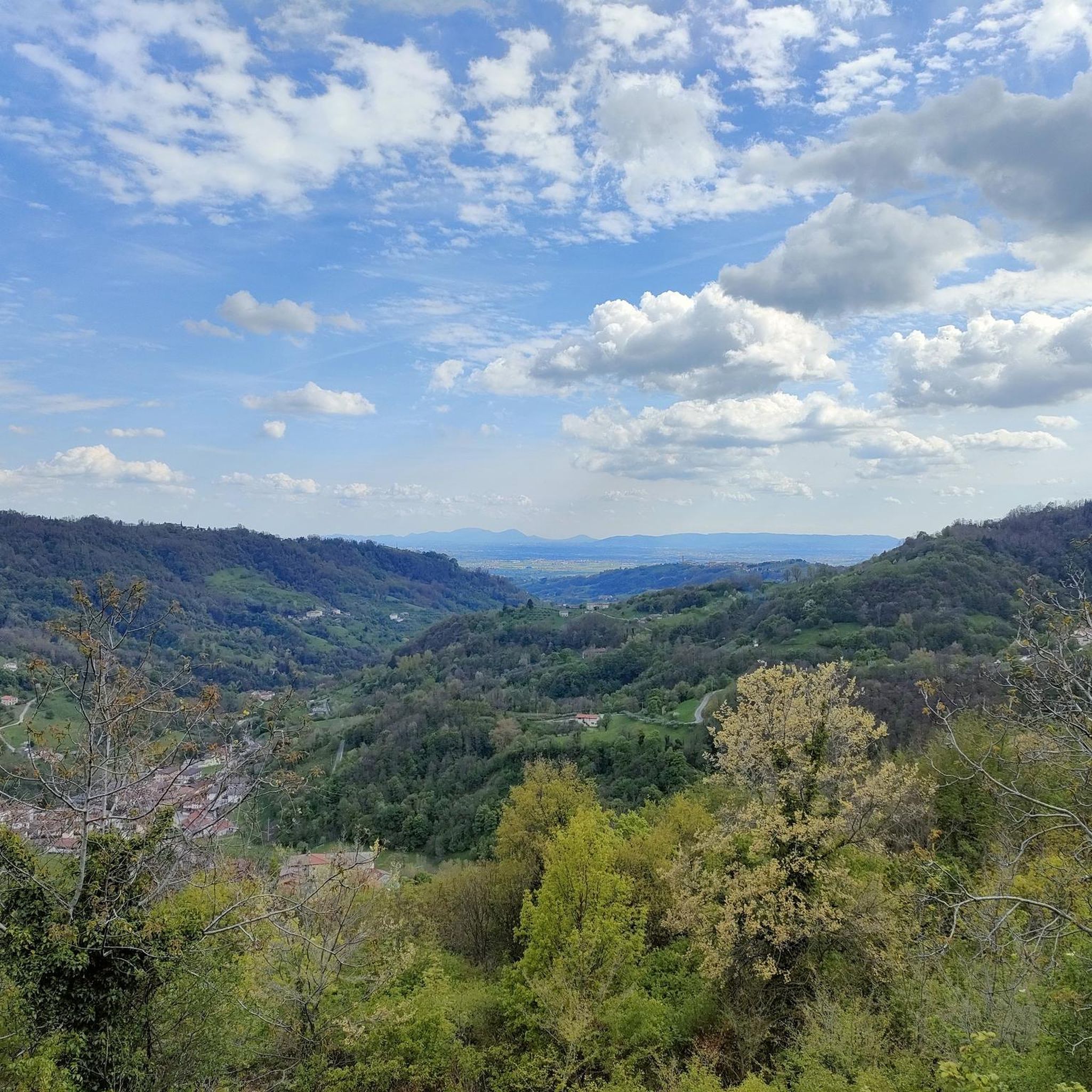
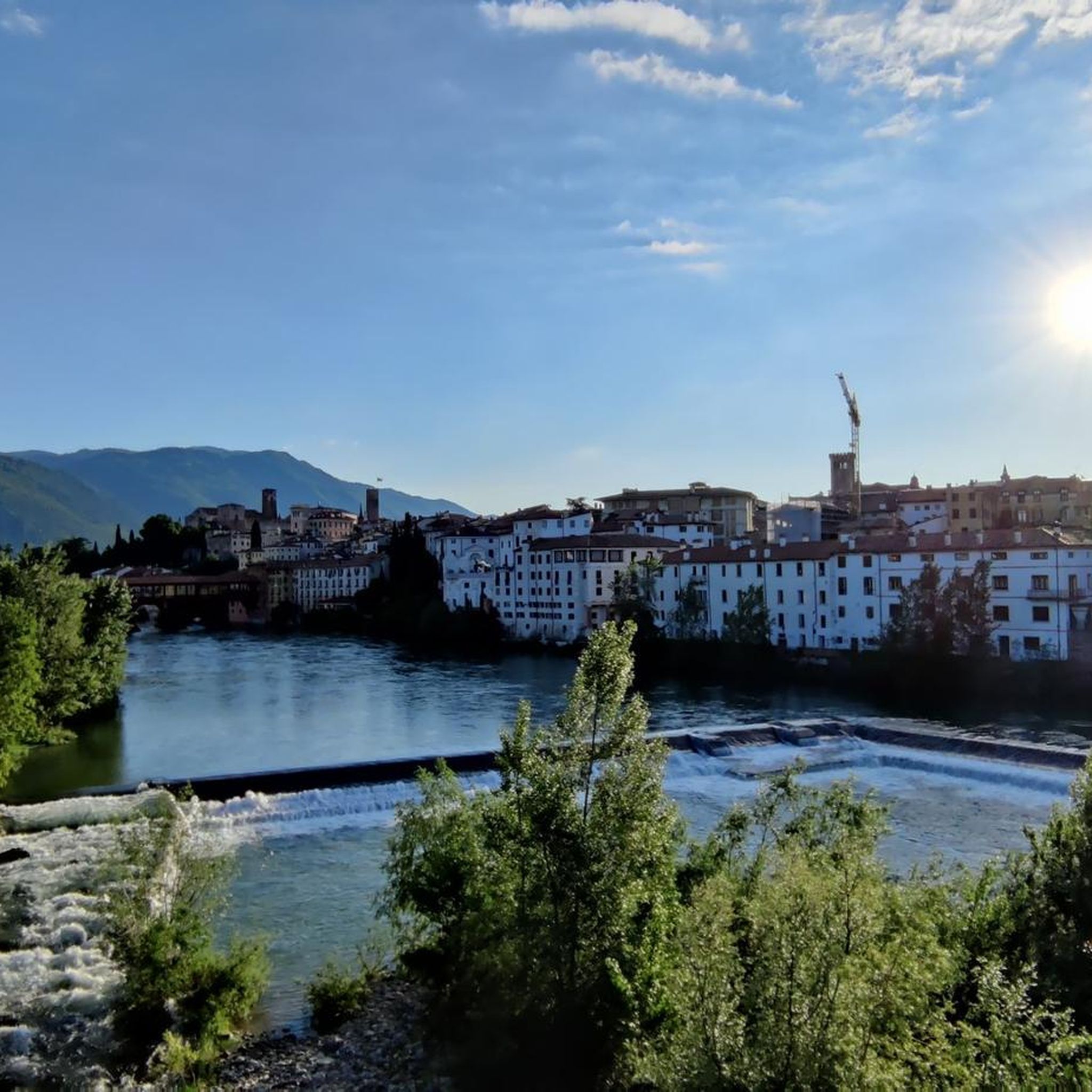
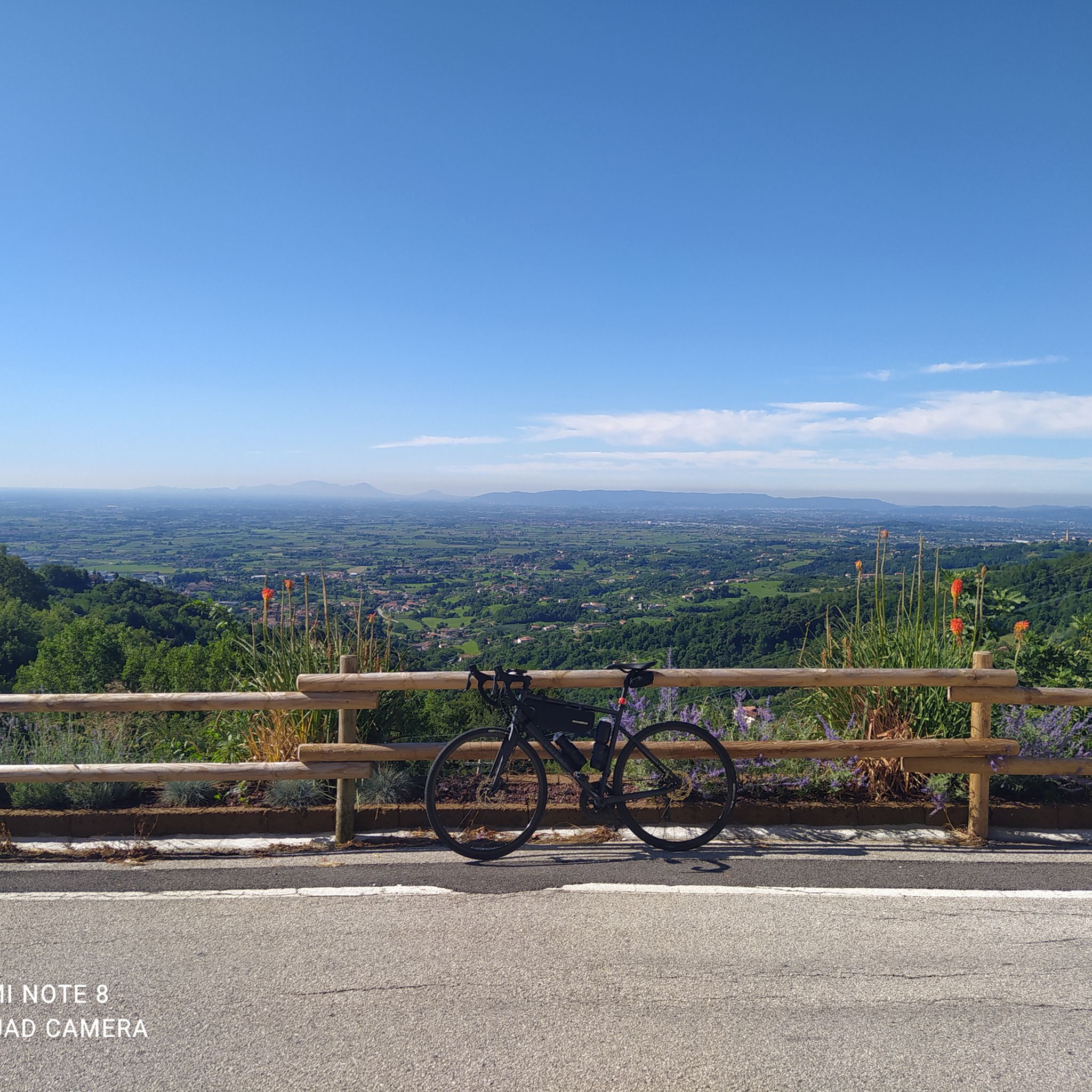
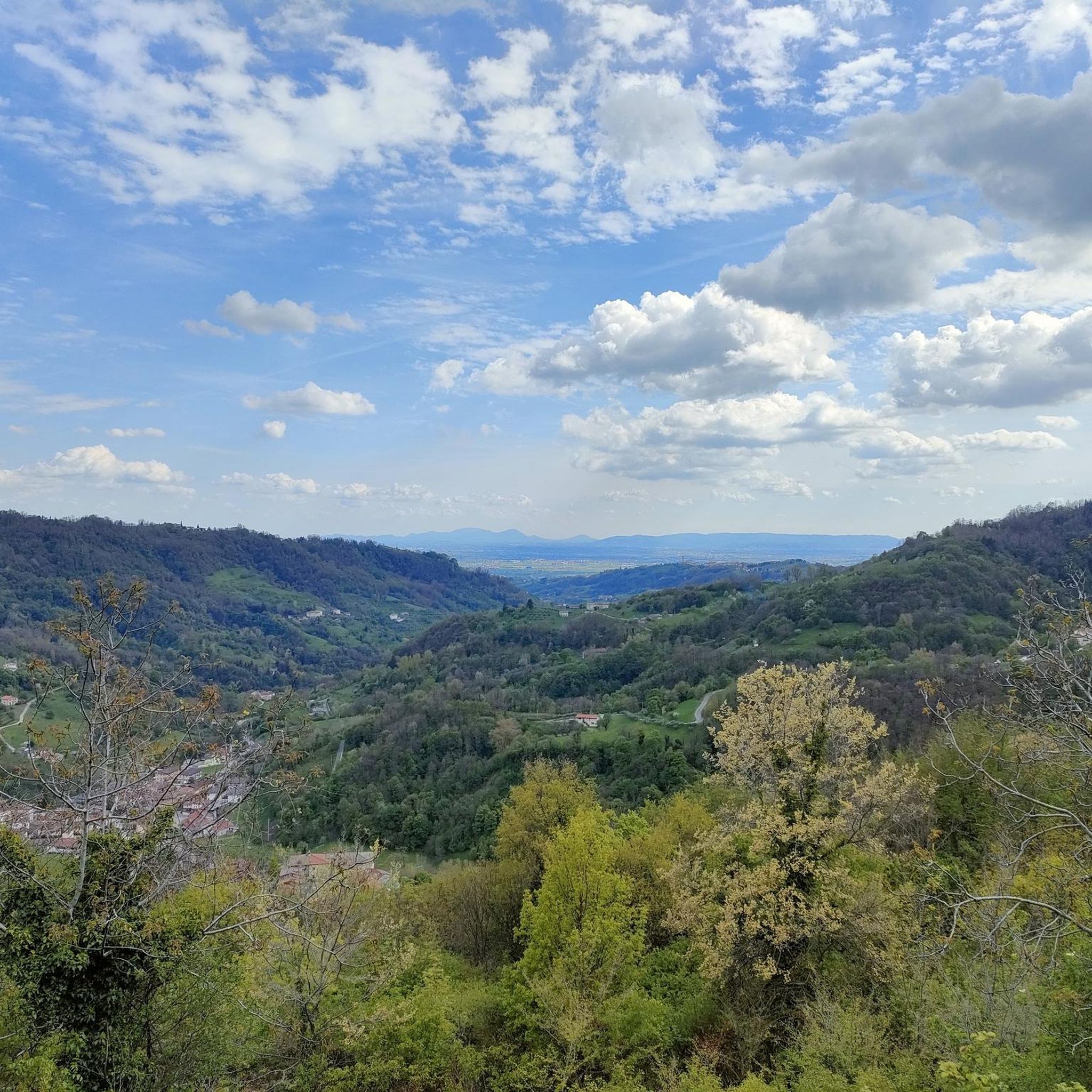
Tips from the Community

Italian gallery of the First World War, about eighty meters long, which at a certain point branches off to lead to two distinct observation/artillery positions. It develops under Col d'Asiago, which during the conflict was an important defensive stronghold, heavily armed along the entire marginal line of the Altopiano, dominating and controlling the access of the underlying Valsugana (which in the narrow final segment is also called Canale del Brenta).
1
0

The Trenchers of Monte Campolongo - not to be confused with the mountain of the same name and its fort exactly on the opposite western side of the Asiago Plateau - are a long and deep Italian trench from the First World War, dug on a promontory which dominates the final stretch of the Val Brenta. It had no active role during the Great War, but served as an extreme bulwark to prevent a possible invasion of the Austro-Hungarian army from Valsugana. Cleaned and recovered, it features walkways, outposts, tunnels and shelters in a dense and silent forest: today the vegetation largely covers the view, especially in summer, but at the time the view of the valley was clean. You can follow the winding of the trench from inside or from above, along a path complete with little bridges... or a little and a little!
2
0
Cave with a considerable development of over 400 meters. At the entrance it immediately divides into two narrow and winding branches: the Ramo dei Ghiri, on the right, and the Ramo dee Strighe, on the left. The tunnels are twisted, very narrow (so much so that the backpack is an impediment to leave at the entrance!), in total darkness, with protruding concretions and narrow passages that at a certain point force you to advance on all fours or to crawl. Entering it is quite impressive: avoid if you are afraid of closed and narrow spaces, complete darkness, bats, cave crickets, spiders (present in the initial meters) and various creatures of the darkness! According to legend, the anguane live near a water source or a stream, inside caves or grottos: hence the toponym 'buso' = hole in Venetian dialect, to be understood as a home or refuge. https://www.ecovicentino.it/esplorare-il-vicentino/la-valle-delle-anguane-e-la-carega-del-diavolo-a-laverda/
1
0
Two small and close together Italian shelters from the Great War, dug into the rock: part of the rear defensive line of the mountain range, as an extreme barrier on the southern edge of the Asiago Plateau against a possible Austro-Hungarian invasion attempt in the Po Valley.
0
0

It's definitely worth having a small flashlight with you ;)
1
0

Here the path goes through a small tunnel in the mountain, from which a passage branches off. We didn't dare to explore it without a flashlight :)
2
0

Unique places in the midst of peace
1
0
Frequently Asked Questions
What unique natural features can I expect to see in the caves around Salcedo?
The caves in the Salcedo area offer a blend of natural formations and historical elements. For instance, Anguane's Cave is known for its tranquility and unique spaces, including a stream at its lowest part. While the region research mentions Locsoon Cave in Salcedo, Eastern Samar, with its natural saltwater pool and unique rock formations, the komoot guide highlights focus on caves integrated with historical sites.
Are there historical sites with cave components in the Salcedo area?
Yes, the Salcedo area is notable for its historical sites that incorporate caves and underground structures, particularly from World War I. You can explore places like the Campolongo Trenches (WW1), which features a long Italian trench with walkways, outposts, tunnels, and shelters. Another example is the Col d'Asiago Gallery WW1, an eighty-meter-long Italian gallery with observation posts.
What should I bring or wear when exploring caves near Salcedo?
For general cave exploration, a flashlight is highly recommended, especially for places like the Small Tunnel in the Rock where the path goes through a mountain. If you plan to visit coastal caves like Locsoon Cave in Salcedo, Eastern Samar, where you might encounter water, wearing slippers or sandals is advisable due to potentially semi-submerged rocky terrain.
Are there any less crowded or tranquil caves to visit near Salcedo?
Yes, Anguane's Cave is specifically noted for its tranquility and unique, peaceful atmosphere, making it a good choice if you're looking for a quieter experience. The region research also points to Locsoon Cave in Salcedo, Eastern Samar, as a less-known destination offering a sense of privacy.
What kind of military shelters can be found in the caves around Salcedo?
The area features several military shelters from the Great War. For example, the Military Shelter 1 and 2 (Laverda) WW1 are two small Italian shelters dug into the rock, forming part of the rear defensive line of the mountain range.
What outdoor activities can I do near the caves around Salcedo?
Beyond caving, the Salcedo area offers various outdoor activities. You can find numerous running trails, such as those detailed in the Running Trails around Salcedo guide. For mountain biking enthusiasts, there are trails like the 'Anguane's Cave – Tisa climb loop' mentioned in the MTB Trails around Salcedo guide. Gravel biking options are also available, with routes like the 'Gallery of the Bridges – View of Valdastico loop' in the Gravel biking around Salcedo guide.
Are there any caves around Salcedo that are suitable for beginners?
Many of the highlighted cave-related sites, such as Small Tunnel in the Rock and Anguane's Cave, are categorized as 'intermediate' difficulty, suggesting they are accessible to those with some experience but not necessarily advanced caving skills. Always check specific highlight details for tips on equipment like flashlights.
What do visitors enjoy most about the caves and historical sites in Salcedo?
Visitors appreciate the unique combination of natural beauty and historical significance. Many enjoy the tranquility of places like Anguane's Cave and the immersive experience of exploring well-preserved World War I trenches and shelters, such as those at Campolongo Trenches (WW1). The blend of geological processes and historical events offers a diverse and engaging exploration.
Can I find viewpoints or scenic spots near the caves in Salcedo?
Yes, several locations offer scenic views. Anguane's Cave is also listed as a viewpoint. While the vegetation around the Campolongo Trenches (WW1) can obscure views in summer, at the time of their use, they offered a clear view of the valley. The Col d'Asiago Gallery WW1 also leads to observation posts with dominant positions over the valley below.
Are there any caves in Salcedo with unique marine life or water features?
While the komoot guide highlights focus on inland caves and historical sites, the region research for Salcedo, Eastern Samar, mentions Locsoon Cave, which features a unique natural saltwater pool connected to Jagnaya Beach. This cave is known for its clear water, fine white sand seafloor, and marine life such as fish, crabs, corals, and starfishes.
How long does it typically take to explore the caves in the Salcedo area?
The duration of exploration can vary. For specific highlights like the Campolongo Trenches (WW1), you can follow the winding trench from inside or above, which can take some time to fully appreciate the walkways, tunnels, and shelters. For coastal caves like Locsoon Cave in Salcedo, Eastern Samar, the trek to the cave from the road is approximately 10 minutes, but the time spent exploring the cave and its surroundings depends on your interest in swimming and observing marine life.
Most popular routes around Salcedo
Most popular attractions around Salcedo

Get inspired with the komoot mobile app


Explore more
Extend your search for the best caves by checking out these guides of the top ones around Salcedo:
