Top 20 Caves around Valli Del Pasubio
Best caves around Valli Del Pasubio are located in the Vicenza Pre-Alps, an area characterized by its natural karst systems and historical man-made tunnels. This region offers a diverse landscape with geological features and structures from World War I. The caves and tunnels provide insights into both natural formations and historical events.
Best caves around Valli Del Pasubio
- The most popular caves is Gun Emplacement Tunnel of Monte Cengio, a historical site that served as an Italian military post…
Last updated: October 3, 2026
Street of Heroes
Highlight (Segment) • Trail
Translated by Google •
Tip by

Gun Emplacement Tunnel of Monte Cengio
Highlight • Historical Site
Translated by Google •
Tip by

Sign up now to discover places like this
Get recommendations on the best single tracks, peaks, & plenty of other exciting outdoor places.
Papalini Waterfall
Highlight • Waterfall
Translated by Google •
Tip by

WW1 Command Gallery
Highlight • Historical Site
Translated by Google •
Tip by
Corno Battisti
Highlight • Summit
Showing Translation
Tip by
Sign up for free to discover even more caves around Valli Del Pasubio.
Already have an account?
Start today with a free account
Your next adventure awaits.
Popular around Valli Del Pasubio
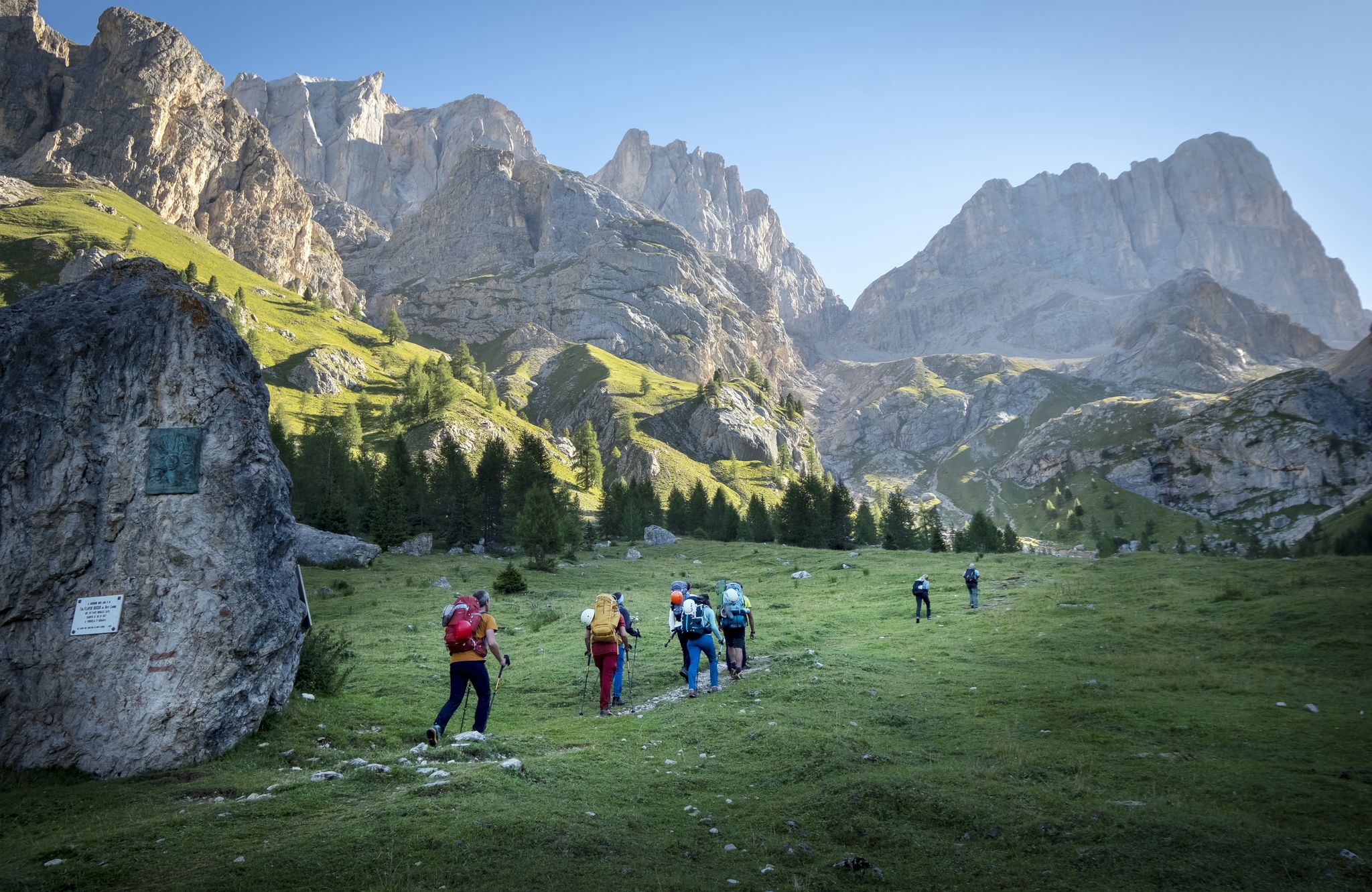
The Path of Peace – journey into Trentino's history
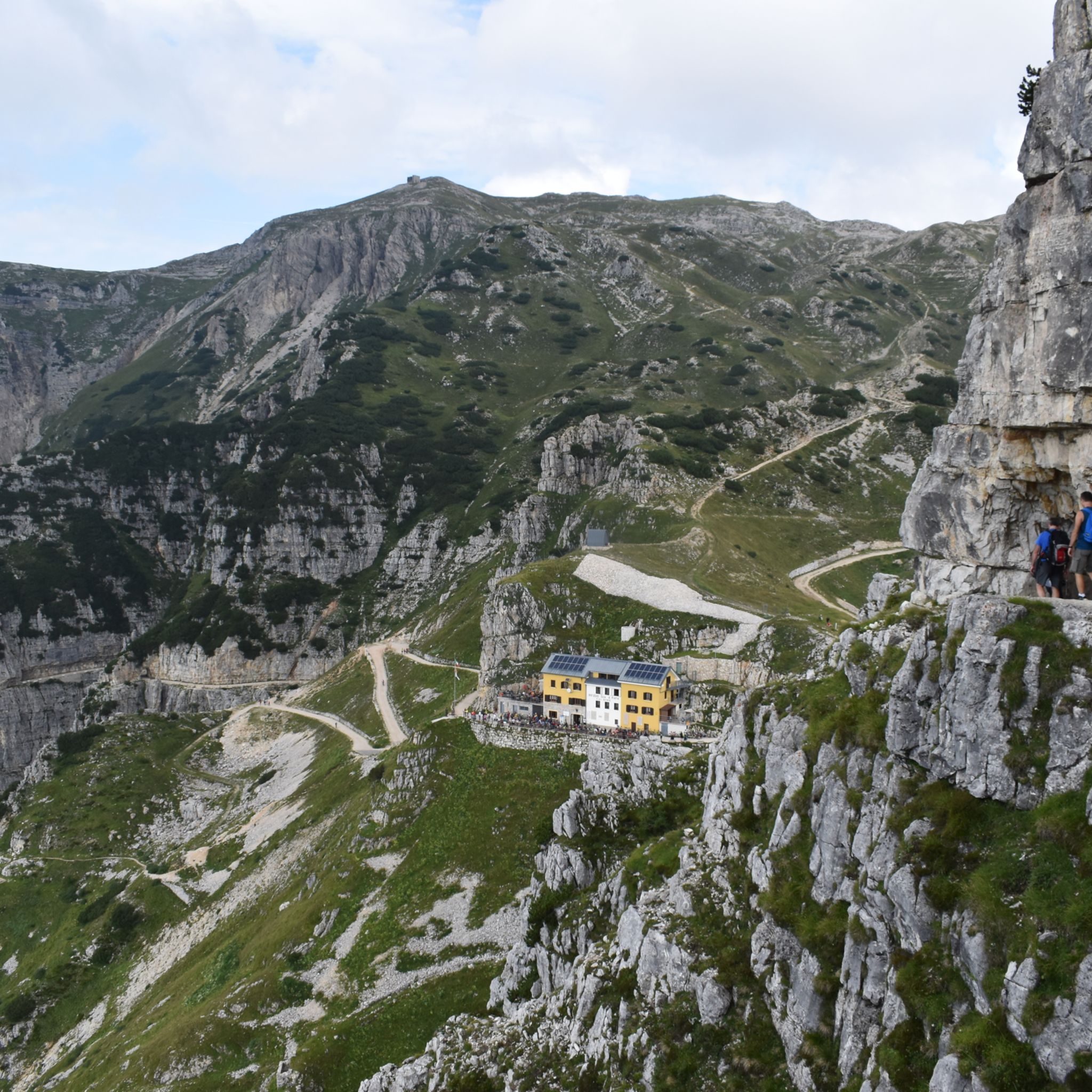
Hiking around Valli Del Pasubio
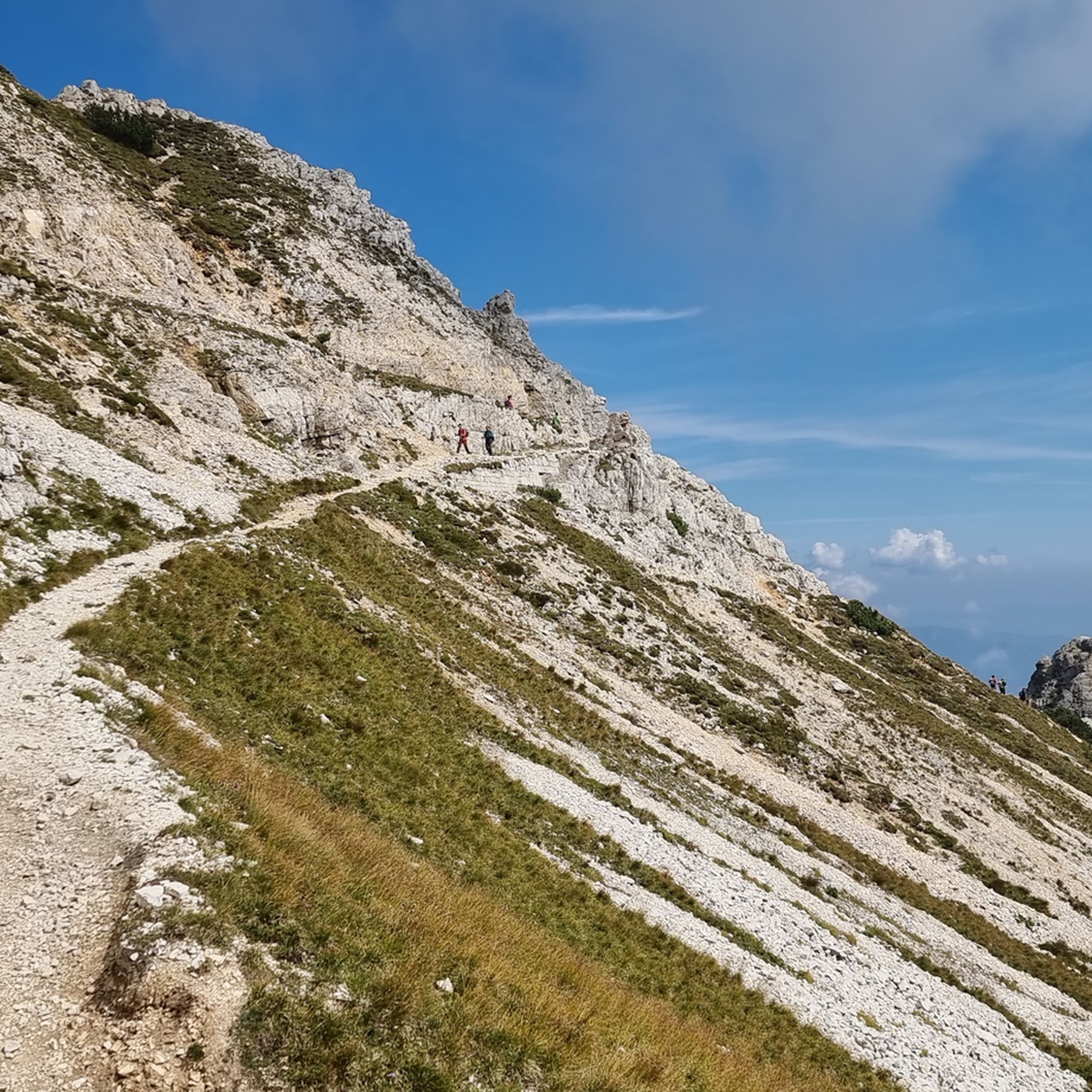
MTB Trails around Valli Del Pasubio
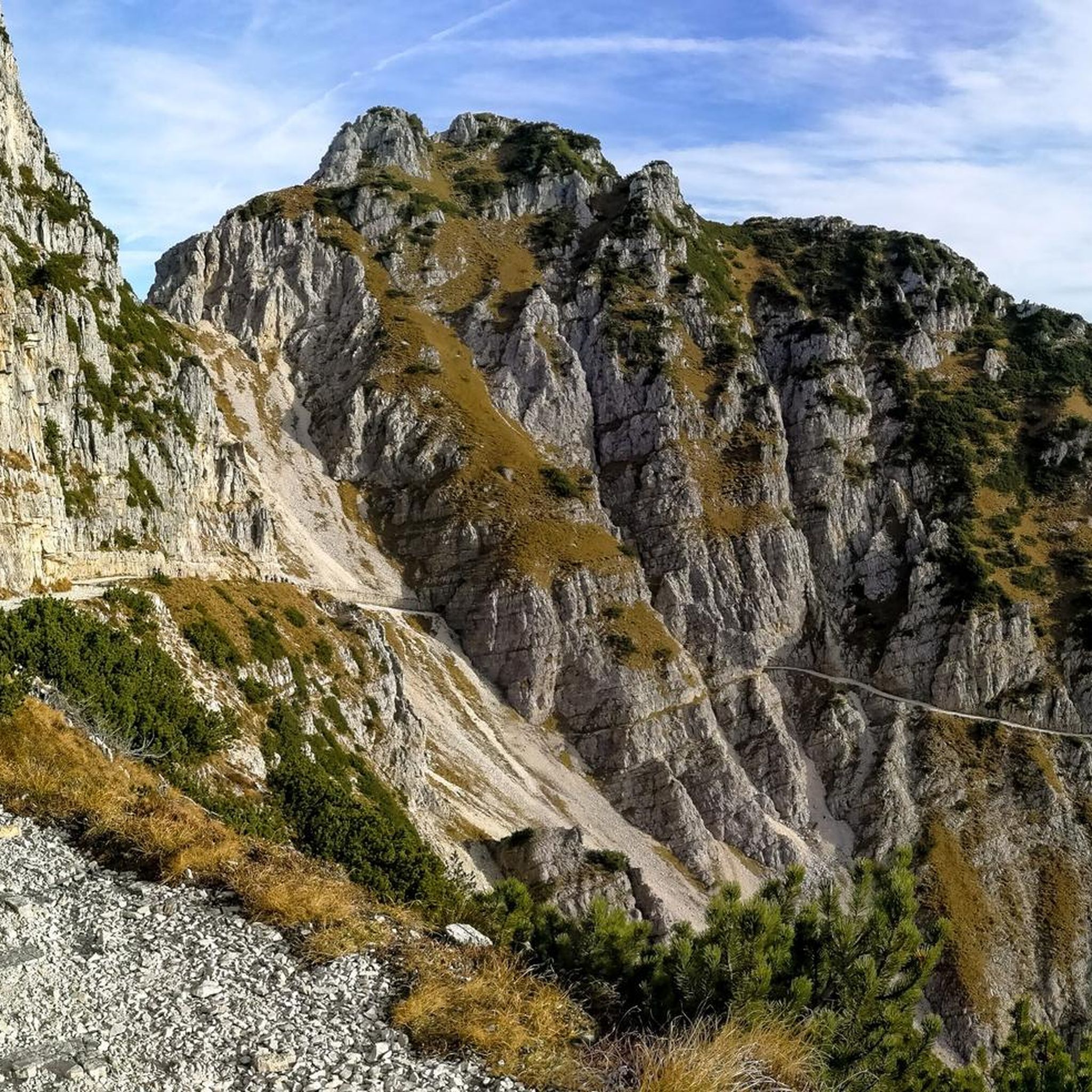
Cycling around Valli Del Pasubio
Running Trails around Valli Del Pasubio
Gravel biking around Valli Del Pasubio
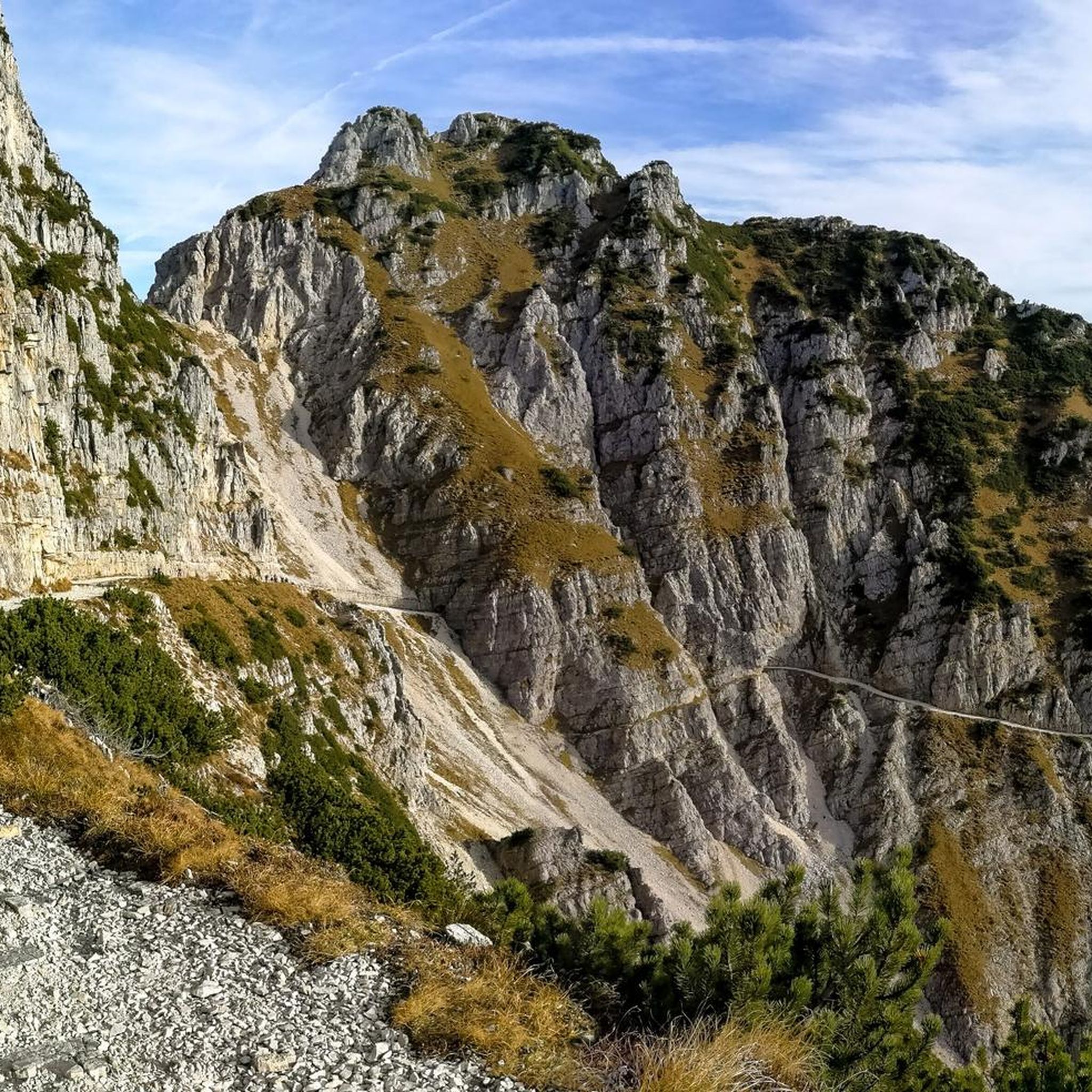
Road Cycling Routes around Valli Del Pasubio
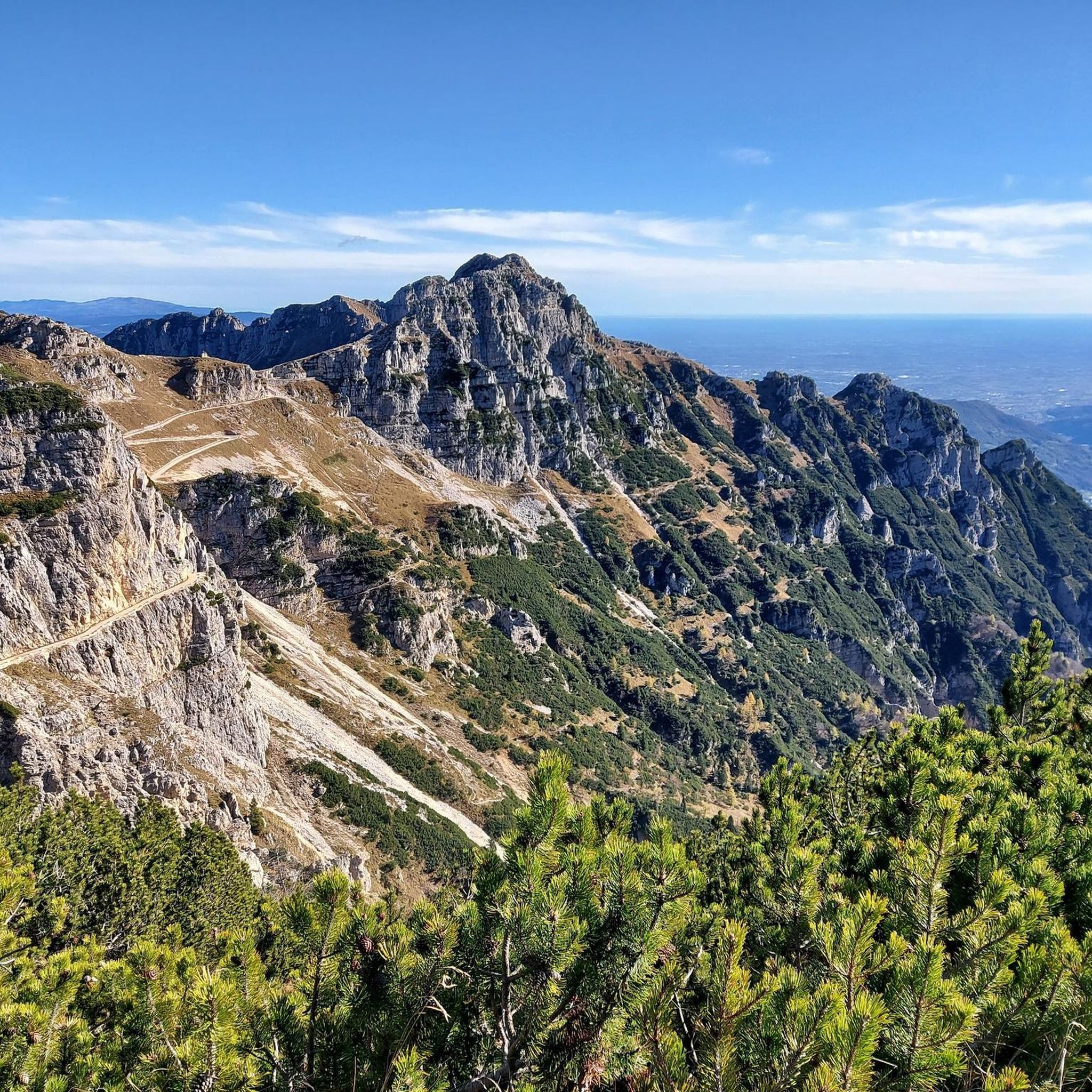
Mountain Hikes around Valli Del Pasubio
Other adventures around Valli Del Pasubio

Tips from the Community

When you pass by and observe this place, try to imagine the work done by young people in their early twenties in prohibitive conditions.
0
0

The strategic position of Corno Battisti was the source of bloody battles for its possession during the Great War. To this end, it was equipped with numerous tunnels dug into the rock, with three separate entrances and numerous firing positions. The tunnels can be accessed with great caution, with a torch and preferably a via ferrata kit. Currently (2025), the upper entrance is closed.
0
0

It is very useful to bring a headlamp with you.
0
0

Bring a flashlight and go dark.
0
1

The Cascata dei Papalini suddenly appears in a small clearing in the heart of the forest, along the path: over time the falling water has formed a columnar deposit of gray limestone that descends like a drape and that partly acts as a springboard for the jet. But the peculiarity and spectacular nature of this waterfall is the possibility of seeing it even from behind the scenes: in fact, by climbing to the left on a short but steep path, you reach a natural roof of the rock from which you can observe the forest below through the curtain of water, without getting wet! The passage is not protected and is wet, so you need to pay particular attention. Like all torrential waterfalls, it is not always full and active: you need to look for the right period, perhaps after heavy rains, to visit it in all its thunderous splendor.
1
0

74 meter long tunnel with no exit and 4 final outlets where the artillery was positioned. A light was needed.
0
0
Il Corno Battisti, an isolated rocky spur of the Pasubio Group, sheer above Vallarsa, offers a spectacular panorama of the long valley and the surrounding mountains: Pasubio, Sengio Alto, Carega, Monte Zugna. Precisely because of its strategic position, it was fiercely contested during the First World War: the possibility of controlling all troop and supply movements in the valley from above made the Corno a crucial point to occupy and defend at all costs... it was indeed nicknamed 'the eye of the Pasubio' or 'the spy of Vallarsa'. At the beginning of the conflict, it was a garrison of the Italian army, but with the Strafexpedition in 1916, it was occupied by the Austro-Hungarians. The Italians, unable to recapture it, dug a mine gallery from below to pierce the Corno and blow up the summit; the imperialists in turn dug a counter-mine gallery from above. Everything was ready for detonation, but a daring raid by a few commandos allowed the summit to be recaptured by the Royal Army, which held it until the end of the war. In 1916, near the summit, the Austro-Hungarians captured the irredentists Cesare Battisti and Fabio Filzi, who were immediately taken to Trento and hanged at the Castello del Buonconsiglio as traitors: for this reason, the summit, known at the time as 'Corno della Vallarsa', was renamed 'Corno Battisti' after the war. The Austro-Hungarian observatory survives on the summit. The bowels of the Corno, on the other hand, are excavated by a surprising labyrinth of dark and damp tunnels with steep steps: they are passable, but to reach them from the summit, one must go around the spur following a narrow, steep path; furthermore, to complete the loop of the tunnels, one must face a short, equipped and exposed section, and descend a metal ladder of about fifteen meters which is by no means trivial (EE). https://it.wikipedia.org/wiki/Monte_Corno_Battisti https://www.esercito.difesa.it/storia/pagine/monte-corno.aspx
3
0
Frequently Asked Questions
What types of caves can I explore in Valli del Pasubio?
Valli del Pasubio offers a mix of natural karst caves and historical man-made tunnels. Natural caves include the extensive Buso della Rana and Grotta della Poscola, known for their geological features. Historical sites like the Gun Emplacement Tunnel of Monte Cengio and the WW1 Command Gallery are man-made tunnels from World War I.
Are there guided tours available for the natural caves?
Yes, for the Buso della Rana, guided excursions are organized by Cooperativa Biosphaera. These tours allow visitors to experience its unique underground landscapes, including navigating a narrow siphon and crossing 'Caronte's Lake' by rubber boat. It's advisable to check their official channels for booking and availability.
What are the unique geological features of the caves in Valli del Pasubio?
The Buso della Rana is a labyrinthine karst system with active branches, lakes, chimneys, potholes, siphons, and concretions. It also features paleontological discoveries like shark teeth. The Grotta della Poscola is known for its extensive calcareous concretions, particularly 'il salice' (the willow), a cascade of dripping festoons.
Can I visit historical tunnels from World War I in the area?
Absolutely. The region is rich in WWI history. You can explore the Gun Emplacement Tunnel of Monte Cengio, which served as an Italian military post, or the WW1 Command Gallery, a command post and first aid station. Another significant site is Corno Battisti, which features a labyrinth of tunnels carved during the war.
Are there any family-friendly cave experiences?
Guided tours for the Buso della Rana are organized by Cooperativa Biosphaera and include educational packages suitable for children interested in speleology and nature. However, some sections of the cave can be challenging, so it's best to confirm suitability for younger children with the tour organizers.
What is the best time of year to visit the caves in Valli del Pasubio?
The best time to visit depends on the type of cave experience you seek. For natural caves like Buso della Rana, it's important to note that many sections are prone to rapid flooding during heavy rain, so dry periods are preferable. For historical tunnels and outdoor routes like the Road of the 52 Tunnels, spring to autumn generally offers the most favorable weather conditions.
What outdoor activities can I do near the caves?
The Valli del Pasubio area offers numerous outdoor activities. You can find excellent mountain hikes, running trails, and gravel biking routes. Popular options include the Road of the 52 Tunnels, which is a historic route with man-made tunnels, and various trails around Monte Pasubio.
Are dogs allowed in the caves or on nearby trails?
Policies regarding dogs in natural caves like Buso della Rana and Grotta della Poscola can vary, especially for guided tours, due to safety and environmental concerns. It's best to check directly with tour operators or local authorities. Many outdoor trails in the Valli del Pasubio region are generally dog-friendly, but always keep dogs on a leash and follow local regulations.
How long does it typically take to explore the caves?
The duration varies significantly by cave. A guided excursion into the Buso della Rana can take several hours, depending on the chosen route and group pace. Exploring historical tunnels like those at Monte Cengio or Corno Battisti might range from a quick visit to a longer hike if combined with surrounding trails.
What should I wear or bring for a cave visit in Valli del Pasubio?
For natural caves, wear sturdy, waterproof footwear and clothing that can get wet or muddy. A helmet with a headlamp is essential, especially for unlit sections or guided tours. For historical tunnels, a flashlight is crucial as they can be completely dark. Always bring extra layers as cave temperatures are consistently cool, regardless of outside weather.
Is public transport available to reach the cave areas?
While Valli del Pasubio is accessible, public transport options directly to specific cave entrances or remote trailheads can be limited. It's advisable to research local bus schedules or consider driving to reach the starting points for most cave explorations and hiking routes, such as those leading to the Road of the 52 Tunnels or the natural caves.
What is the 'Road of the 52 Tunnels' and is it related to the caves?
The Road of the 52 Tunnels (Strada delle 52 Gallerie) is a historic military mule track on Monte Pasubio, built during World War I. While not natural caves, it features 52 man-made tunnels carved into the rock, making it a unique and popular hiking destination. It's an engineering marvel offering both historical insight and scenic views, and is a significant 'tunnel' experience in the region.
Most popular routes around Valli Del Pasubio
Most popular attractions around Valli Del Pasubio

Get inspired with the komoot mobile app


Explore more
Extend your search for the best caves by checking out these guides of the top ones around Valli Del Pasubio:
