Top 14 Waterfalls around Folgaria
Best waterfalls around Folgaria are found in a region characterized by its mountainous terrain and lush forests, offering a variety of natural water features. The area's karst composition influences its hydrology, leading to unique spring and waterfall formations. Folgaria provides opportunities for outdoor exploration, with trails leading to these natural landmarks. The landscape combines natural beauty with historical elements, making it a destination for those interested in both.
Best waterfalls around Folgaria
- The most popular waterfalls is Hofentol Waterfall,…
Last updated: May 18, 2026
Zambèl Waterfall
Highlight • Waterfall
Translated by Google •
Tip by

Former Italy–Austria Border Monument
Highlight • Monument
Translated by Google •
Tip by

Sign up now to discover places like this
Get recommendations on the best single tracks, peaks, & plenty of other exciting outdoor places.
Sign up for free
Hofentol Waterfall
Highlight • Waterfall
Translated by Google •
Tip by
Gorgo Santo
Highlight • Cave
Rainwater and snow water are not retained by the Luserna Plateau due to the karst composition of the …
Translated by Google •
Tip by
Rio Mous Waterfalls
Highlight • Waterfall
Translated by Google •
Tip by

Sign up for free to discover even more waterfalls around Folgaria.
Sign up for free
Already have an account?
Start today with a free account
Your next adventure awaits.
Login or Signup
Popular around Folgaria
The Path of Peace – journey into Trentino's history
A ride through history and nature – 100Km dei Forti
Free your energy! The mountain bike routes of Alpe Cimbra
Mountain Biking in Trentino — from the Dolomites to Lake Garda
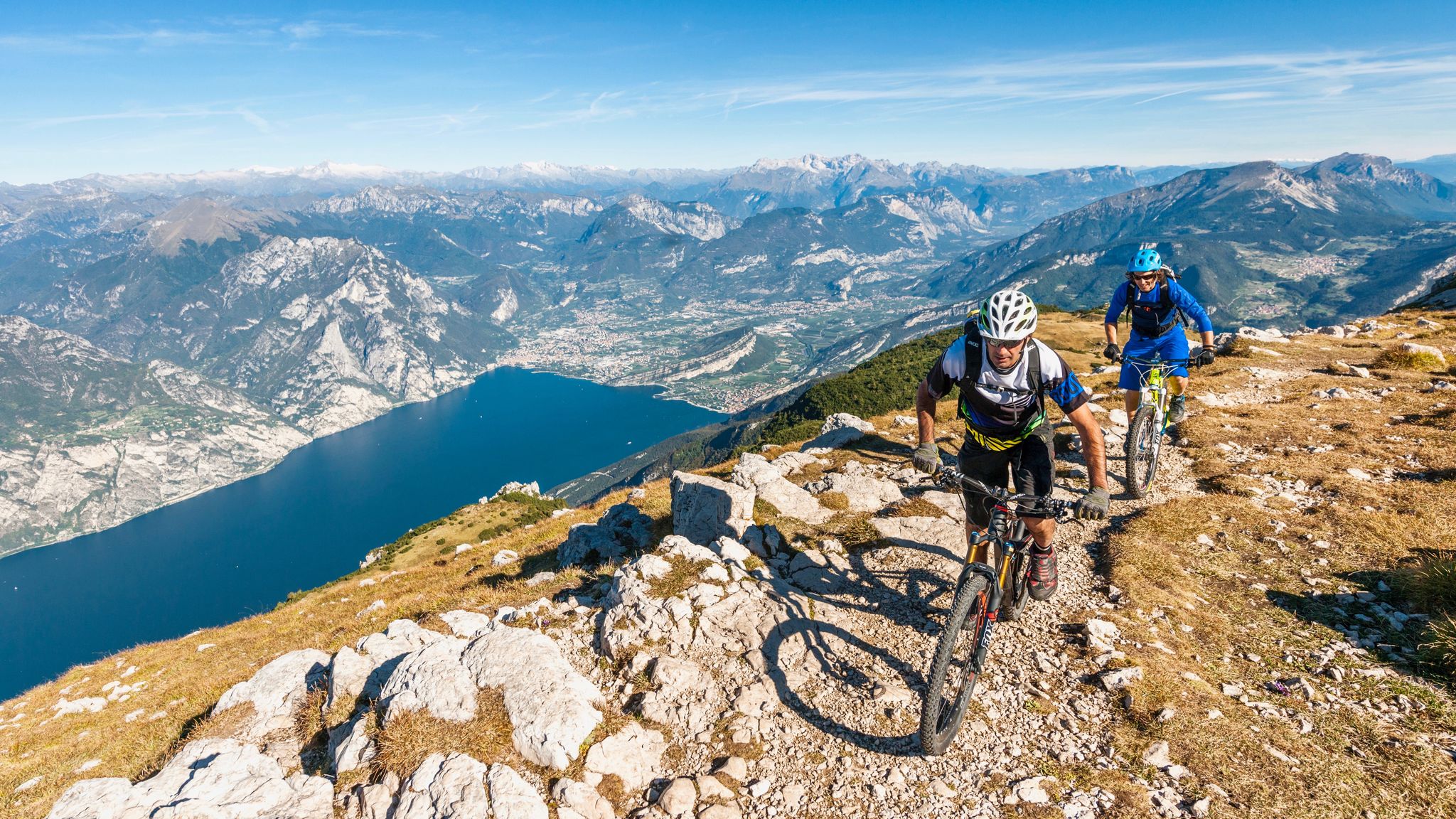
Mediterranean bike tours in alpine altitudes
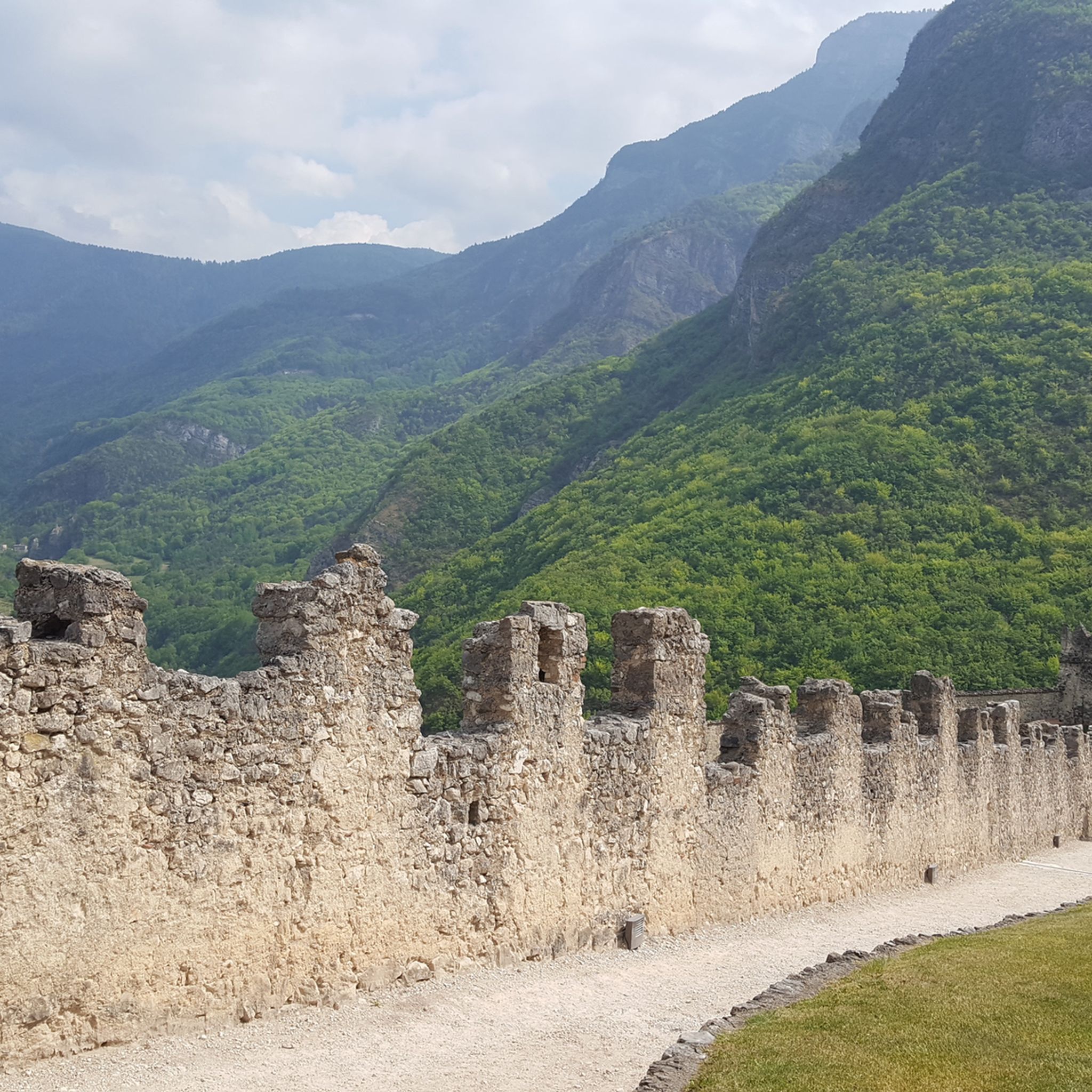
Hiking around Folgaria
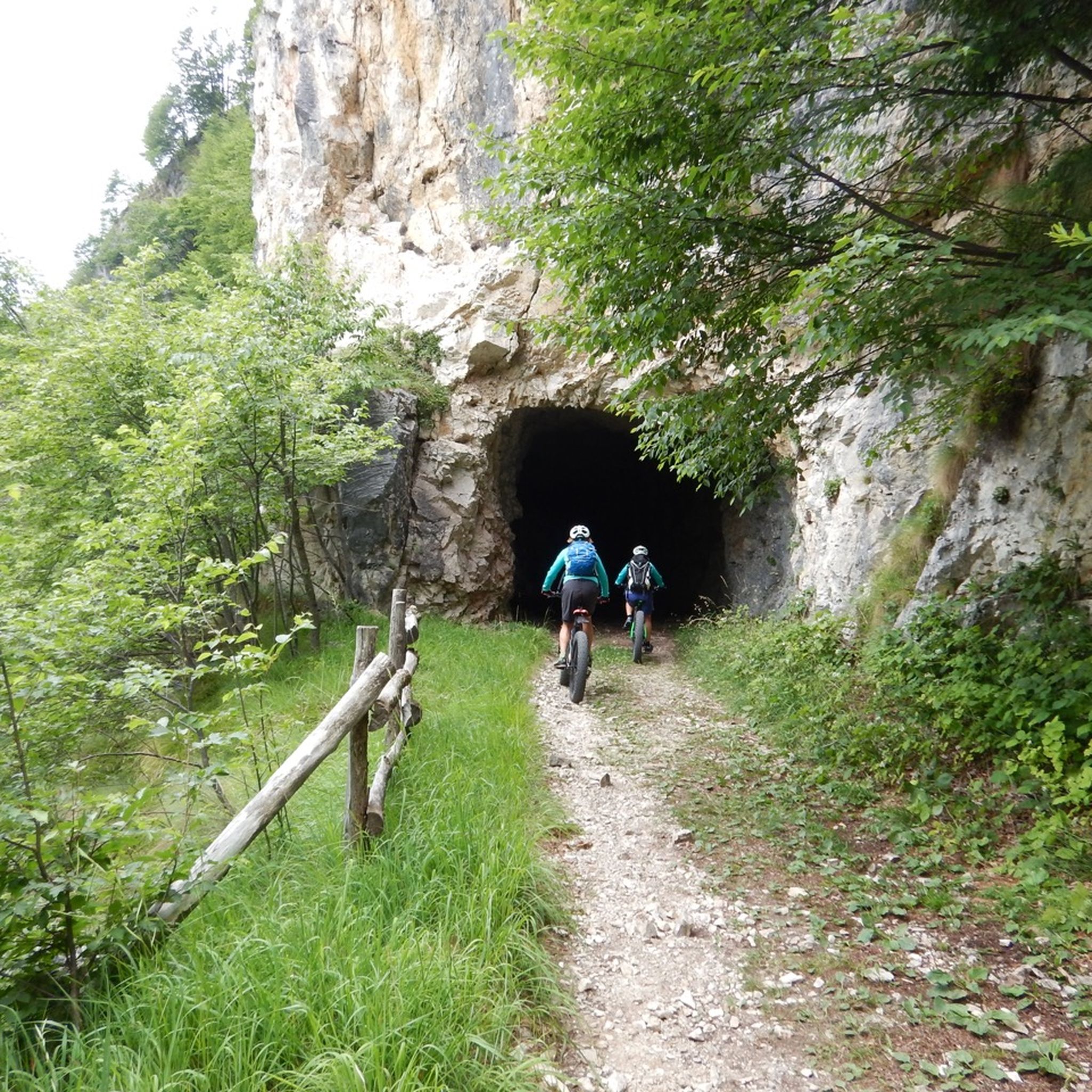
MTB Trails around Folgaria
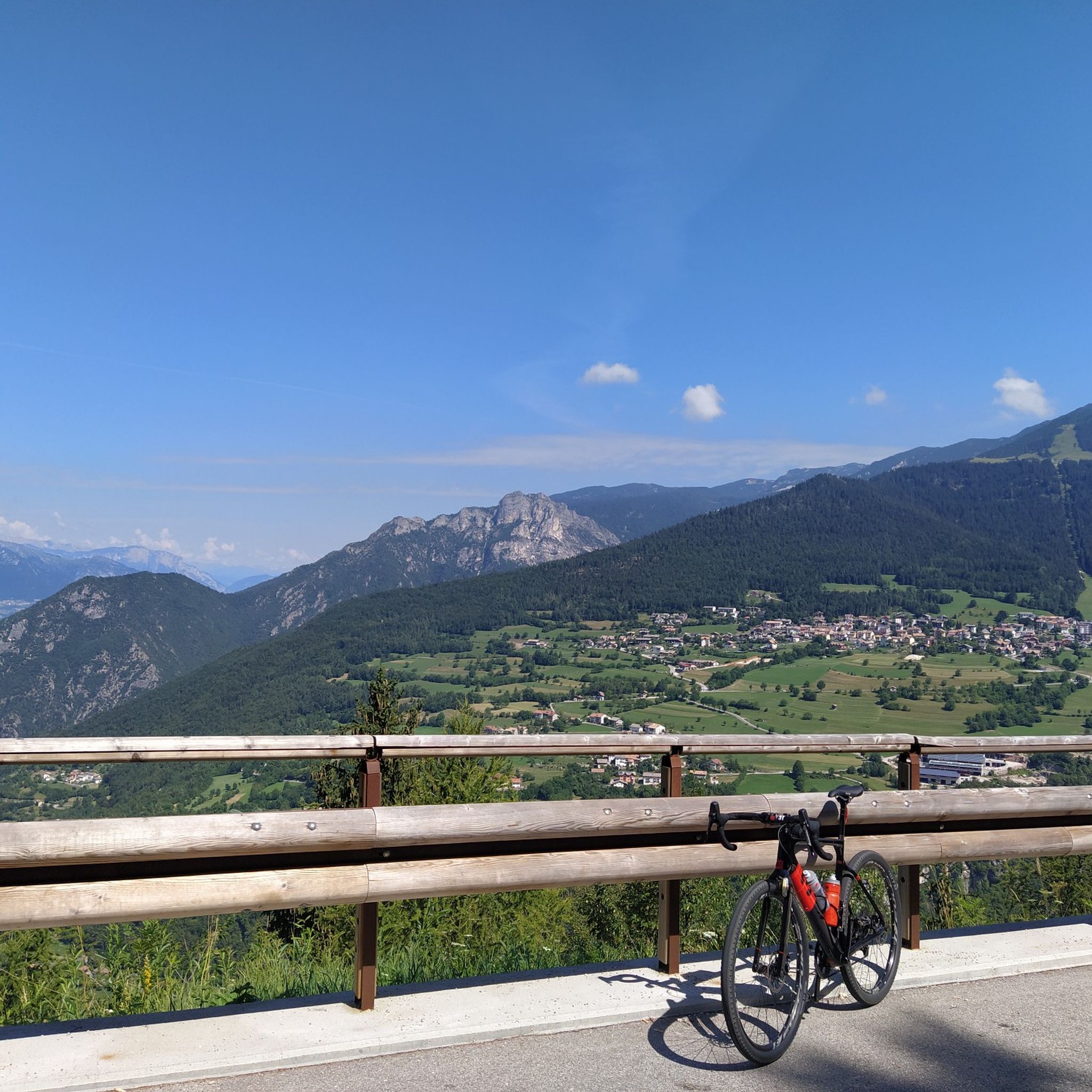
Cycling around Folgaria
Road Cycling Routes around Folgaria

Gravel biking around Folgaria
Other adventures around Folgaria


Tips from the Community

behind the small monument dedicated to the old border there is a place called IL GORGO it is an enchanting place with waterfalls and turquoise water
2
0

A foaming and thunderous waterfall cascades from the spring known as 'Gorgo Santo' (which can be visited a little further along, climbing the trail —> see related highlight). The small bridge actually spans two waterfalls, one upstream and one downstream. I recommend descending to the paved road below, on the border between the hamlets of Scalzeri and Longhi, for a spectacular view of the stream cascading through a series of rapid drops before flowing into the Astico River. I also recommend visiting this site after days of rain or when the snow has melted in the mountains, to see the water swollen and rushing!
0
0
The Rio Mous waterfalls are a series of cascades between the rocks and lush vegetation of the dense Gon Forest, along the picturesque trail connecting Folgaria to Guardia. The stream flows from Serrada to join the Rio Cavallo (Rosspach in Cimbrian). You cross a beautiful, ancient stone arch bridge, which can only be appreciated by venturing off-trail. Like any torrential waterfall, it's best seen after days of rain, to experience the full force of the water rather than the meagerness of a trickle.
0
0
The Hofental Waterfall is a spectacular thirty-meter waterfall, hidden in a rocky ravine. Around the corner from the beautiful trail that runs through the Gon Forest, you'll be amazed by the rush of water cascading through lush greenery in summer, or by a spectacular frozen landscape in winter! Like any torrential waterfall, it's best visited after a rainy period, to avoid the risk of finding only a trickle flowing. https://www.alpecimbra.it/it/scopri-l-alpe-cimbra/natura-e-cultura/la-cascata-dell-ofentol/74-2245.html
1
0
The Zambel Waterfall ('el Zambelòn' in the local dialect) is an enchanting natural setting: the stream plunges briskly between high rock walls into a natural pool; the cool, clear water flows into a clearing surrounded by greenery; the sun's rays often penetrate it, creating evocative beams of light and rainbows! It's naturally at its best after rainy days. It's also known as the Calliano Waterfall (name of the nearby town), the Rio Cavallo Waterfall (from the name of the stream and the valley of the same name), or the Rosspach/Rossbach Waterfall (the Cimbrian equivalent of the river): the watercourse was so named because it descended from Folgaria in a very winding and impetuous manner, like a restless colt. The waterfall is actually an ancient artificial dam, as evidenced by the stone blocks that compose it entirely, without the use of cement. In the 15th century, the left canal (above the greenhouse) was built for agricultural purposes and likely to fill the defensive moat of nearby Castel Pietra. In the 17th century, the right industrial canal ('roggia') was also built, descending to Calliano and flowing into the Adige River. Over the centuries, it has served to provide mechanical power to countless industrial and manufacturing activities (mills, sawmills, hammer mills, spinning mills). It can be reached from below, via an easy path from Calliano, or from above, via a short route equipped with ropes and steps. In summer, the site is quite popular for cooling off and sunbathing.
1
0
Commemorative stone marking the former border between the Kingdom of Italy and the Austro-Hungarian Empire until the end of World War I. The border between the two states in the upper Astico Valley had a curious layout: from the hamlet of Busatti, upstream, to the village of Casotto, downstream, the territory to the left of the river was Austrian, while that to the right was Italian. Each citizen had its own route to travel this stretch of the valley, without having to cross the border: the Austrians had the current internal road, while the Italians had the current and parallel state road 350, which connects the Vicenza area to Trentino. At this point, just outside Casotto, the Torra stream marked the demarcation between the two states; the Braidi Bridge, guarded by a garrison, was an important passage for goods and people. With Italy's victory and the annexation of the unredeemed lands, it became the border between Trentino and Veneto. But in 1929, against the will of the inhabitants, a fascist decree imposed that Pedemonte and Casotto pass from the Province of Trento to that of Vicenza: the border between the two regions was moved further upstream, above the village of Lastebasse. An old photo illustrates a moment of conviviality and respect between Austrian customs officers and Italian Carabinieri, sitting at the same table. The original memorial stone is located in the Valdastico cemetery. https://www.freeforumzone.com/mobile/d/11171728/Valle-dell-Astico-e-le-due-strade-sul-confine-parallelo/discussione.aspx
0
0

Frequently Asked Questions
What are some notable waterfalls to visit around Folgaria?
The Folgaria area features several captivating waterfalls. Among the most popular is the Hofentol Waterfall, known for its spectacular 30-meter drop. Another must-see is the Zambèl Waterfall, set in an enchanting natural gorge. You can also explore the Rio Mous Waterfalls, a series of cascades along a picturesque trail.
What makes the Hofentol Waterfall a popular destination?
The Hofentol Waterfall is a spectacular 30-meter drop hidden in a rocky ravine near the hamlet of Guardia. It's highly regarded for its natural beauty, changing dramatically with the seasons—from a powerful rush after rain to a stunning frozen landscape in winter. The trail leading to it is easy and family-friendly, offering a serene atmosphere and various viewpoints.
Are the waterfalls around Folgaria suitable for families?
Yes, many waterfalls in the Folgaria area are family-friendly. The path to the Hofentol Waterfall, for instance, is generally considered easy with a gentle incline, making it suitable for all ages. Proper hiking shoes are recommended for some damp sections.
When is the best time to visit the waterfalls in Folgaria?
The best time to visit depends on what you want to experience. For the most powerful flow, visit after a rainy period or during spring snowmelt. In summer, the reduced flow allows for closer observation of rock formations, and spots like Zambèl Waterfall are popular for cooling off. In winter, the Hofentol Waterfall transforms into a stunning ice monument.
What can I expect at the Zambèl Waterfall?
The Zambèl Waterfall, also known by local names like 'el Zambelòn' or Calliano Waterfall, is an enchanting natural setting where the stream plunges between high rock walls into a natural pool. It's an ancient artificial dam, evidenced by its stone blocks. In summer, it's a popular spot for cooling off and sunbathing. It's best visited after rainy days to see its full force.
Are there any waterfalls with historical significance in the region?
Yes, the Zambèl Waterfall is notable for its historical aspect, being an ancient artificial dam constructed with stone blocks. It served agricultural purposes and provided mechanical power for various industrial activities over centuries. Additionally, the Gorgo Santo, a spring with a waterfall, has legends associated with Pope Boniface IV and Saint George.
What is the Gorgo Santo and when should I visit it?
The Gorgo Santo is a unique spring and waterfall system influenced by the karst composition of the Luserna Plateau. It's known for a rare phenomenon where water can emerge from both lower and upper caves depending on flow. To witness its foaming and thunderous waterfall, it's best to visit after days of heavy rain or when snow has melted in the mountains.
What kind of natural features can I see near the waterfalls?
Beyond the waterfalls themselves, the region offers lush forests, rocky ravines, and serene natural pools. The karst composition of the terrain leads to unique spring formations like the Gorgo Santo. You'll also find small wooden bridges and walkways along trails, providing various perspectives of the narrow valleys.
Can I combine a waterfall visit with other activities?
Absolutely. A visit to the Hofentol Waterfall can be combined with exploring the nearby village of Guardia, known as the 'painted village' for its murals. The area also offers numerous outdoor activities. For running enthusiasts, there are trails like the 'Forra del Lupo Trail loop' or 'Maso Spilzi loop' mentioned in the Running Trails around Folgaria guide. Cyclists can find routes like the 'Memory tour on the Folgaria plateau' in the Road Cycling Routes around Folgaria guide.
Are there hiking opportunities near the waterfalls?
Yes, the waterfalls are often integrated into hiking trails. The Hofentol Waterfall is reached via a pleasant walk through forests. The Rio Mous Waterfalls are found along the picturesque trail connecting Folgaria to Guardia. For more hiking options, you can explore guides like Running Trails around Folgaria, which includes routes of varying difficulty.
What are the Rio Mous Waterfalls like?
The Rio Mous Waterfalls are a series of cascades nestled between rocks and lush vegetation within the dense Gon Forest. They are located along the scenic trail that connects Folgaria to Guardia. Like other torrential waterfalls, they are most impressive after periods of rain when the water flow is abundant.
Is there a waterfall near the Former Italy–Austria Border Monument?
Yes, behind the Former Italy–Austria Border Monument, there is a spot known as 'IL GORGO'. This enchanting place features waterfalls and turquoise water, offering both natural beauty and a connection to the area's historical past.
Most popular routes around Folgaria
Most popular attractions around Folgaria

Get inspired with the komoot mobile app


Explore more
Happy to travel a little further afield? Then browse these guides for the best waterfalls around Folgaria:
